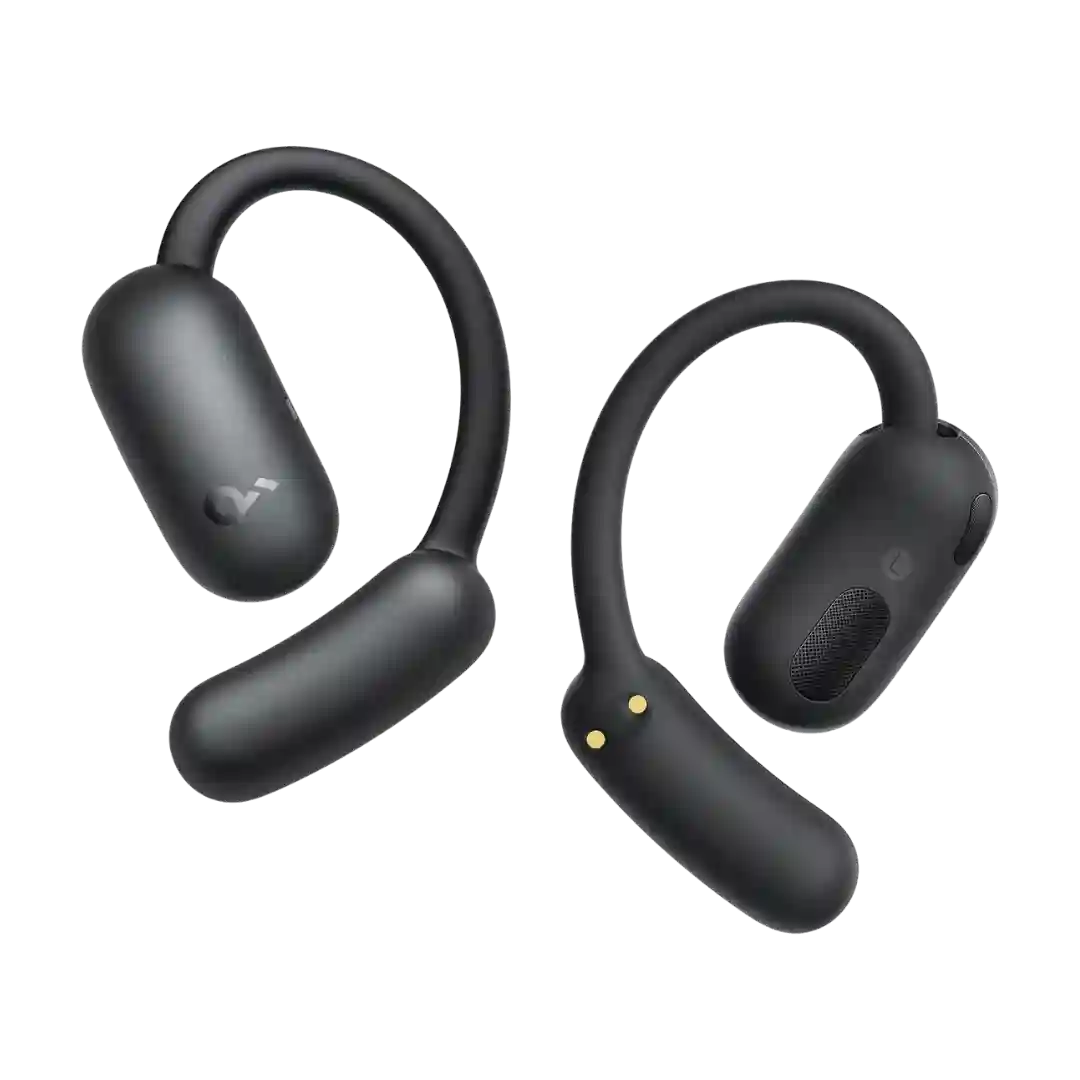
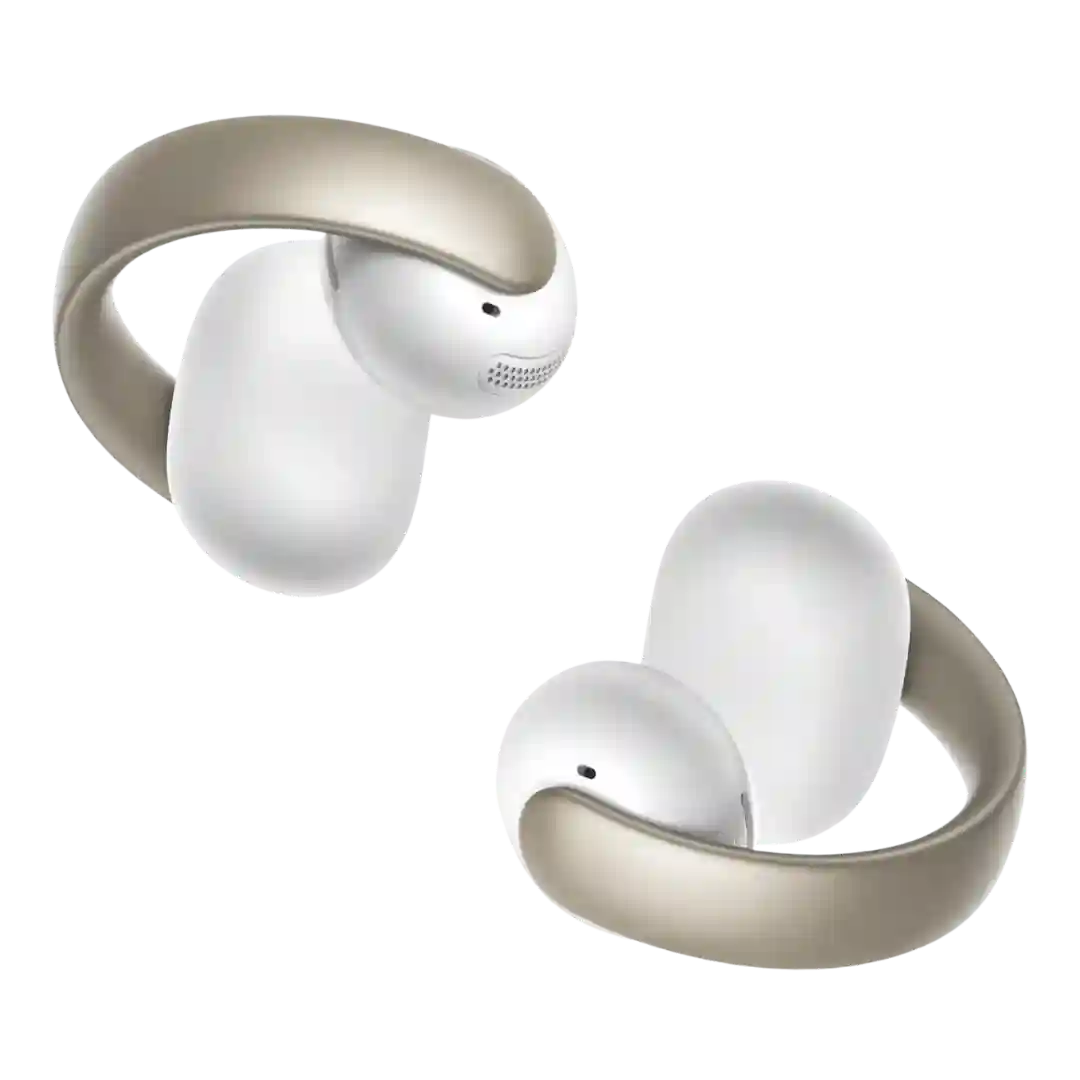
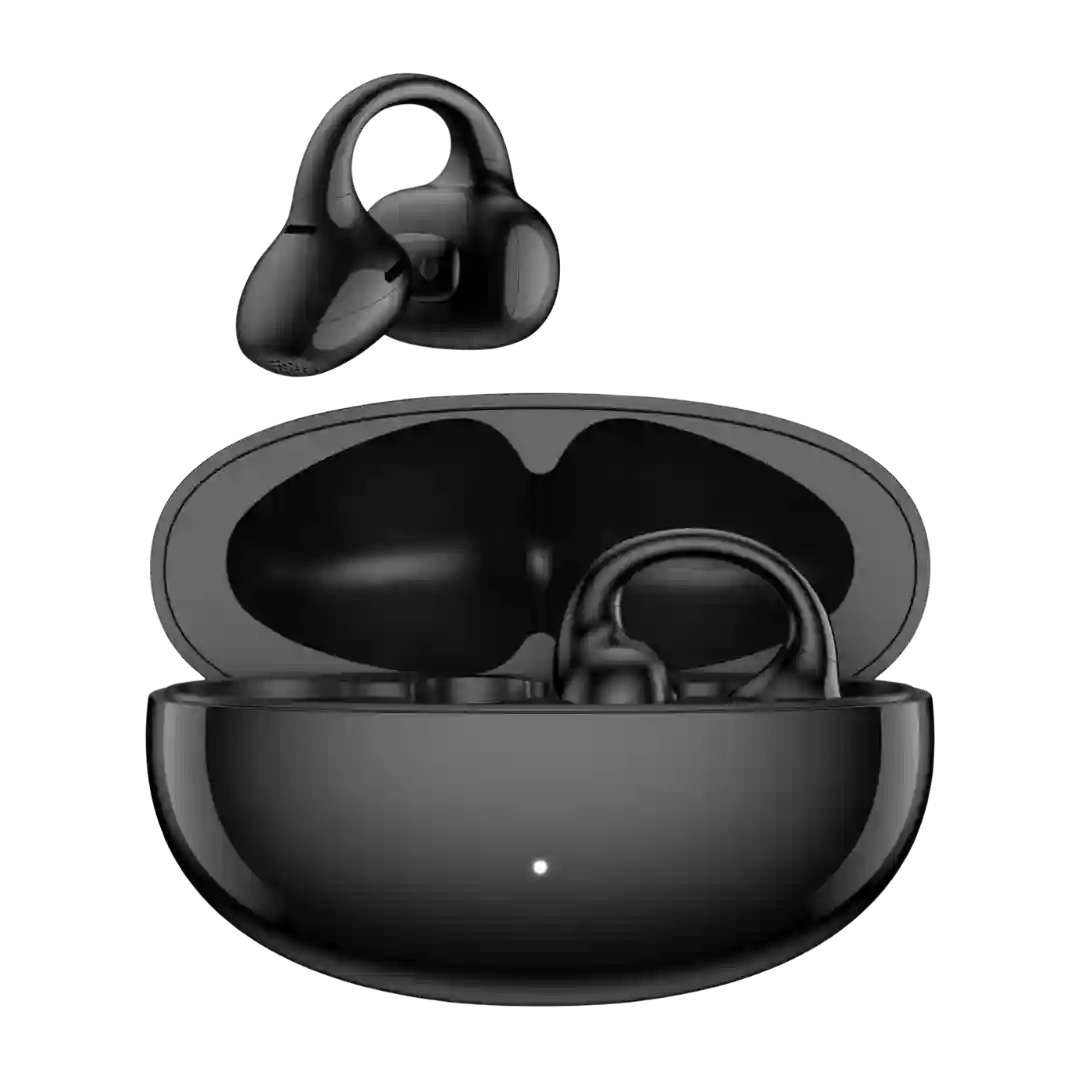
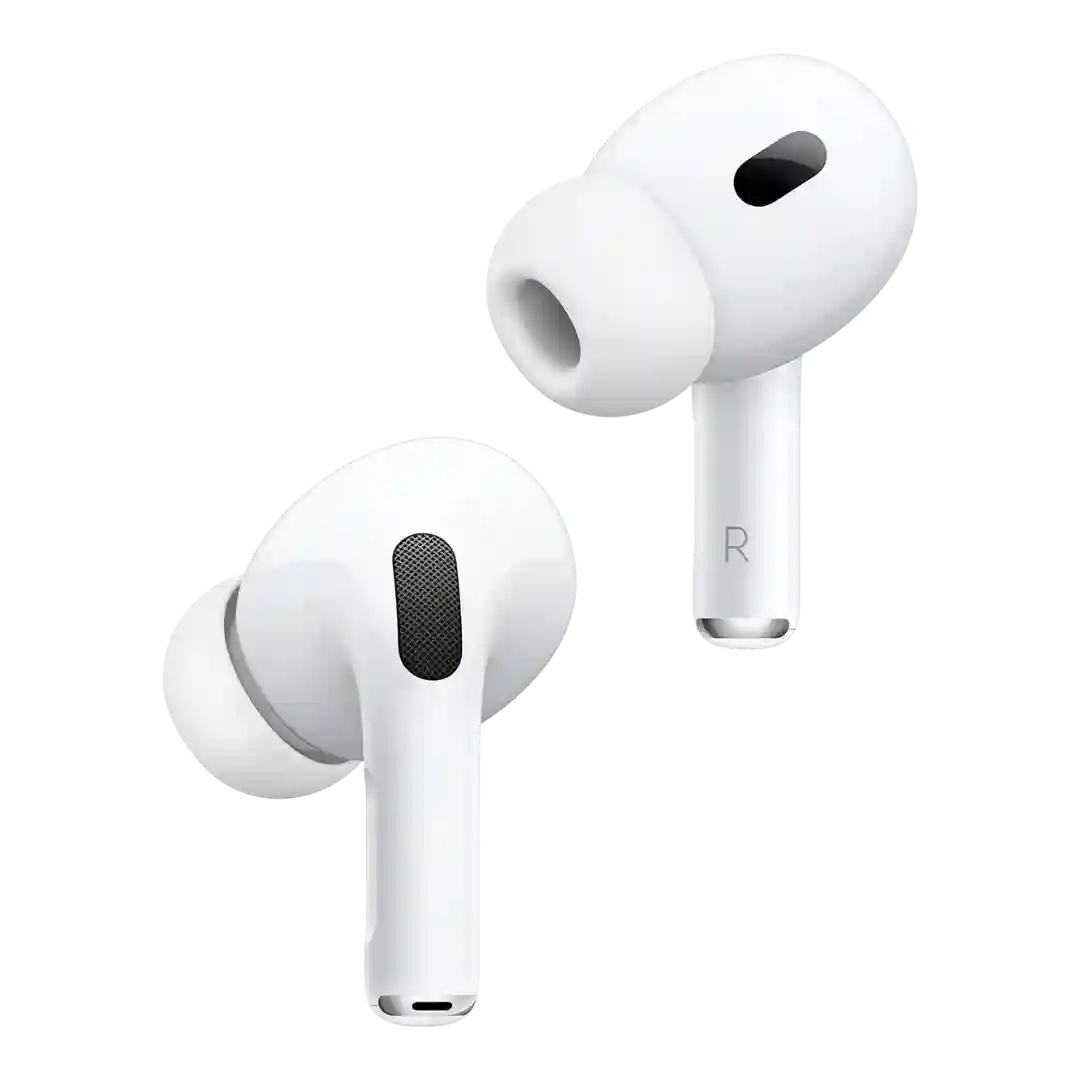
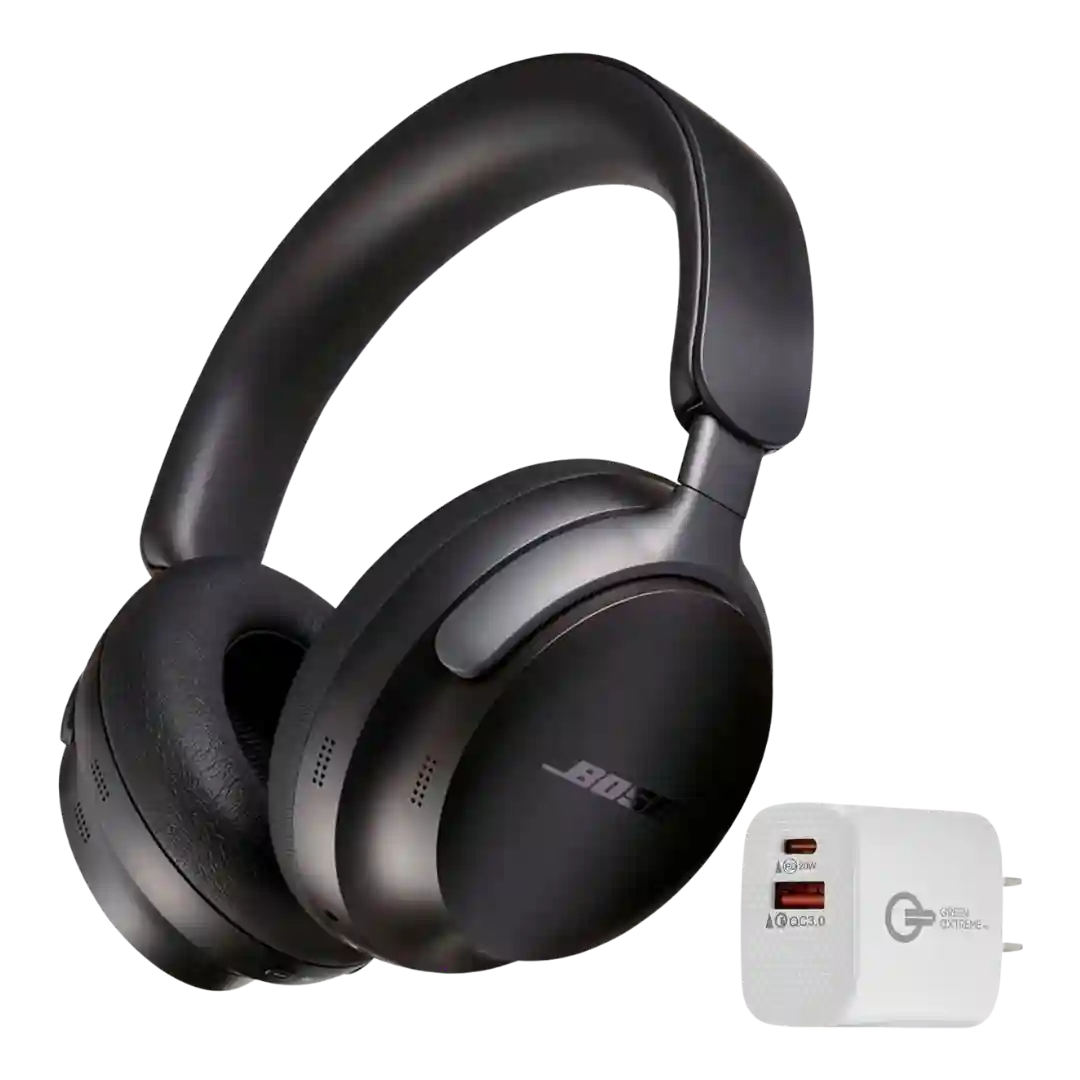
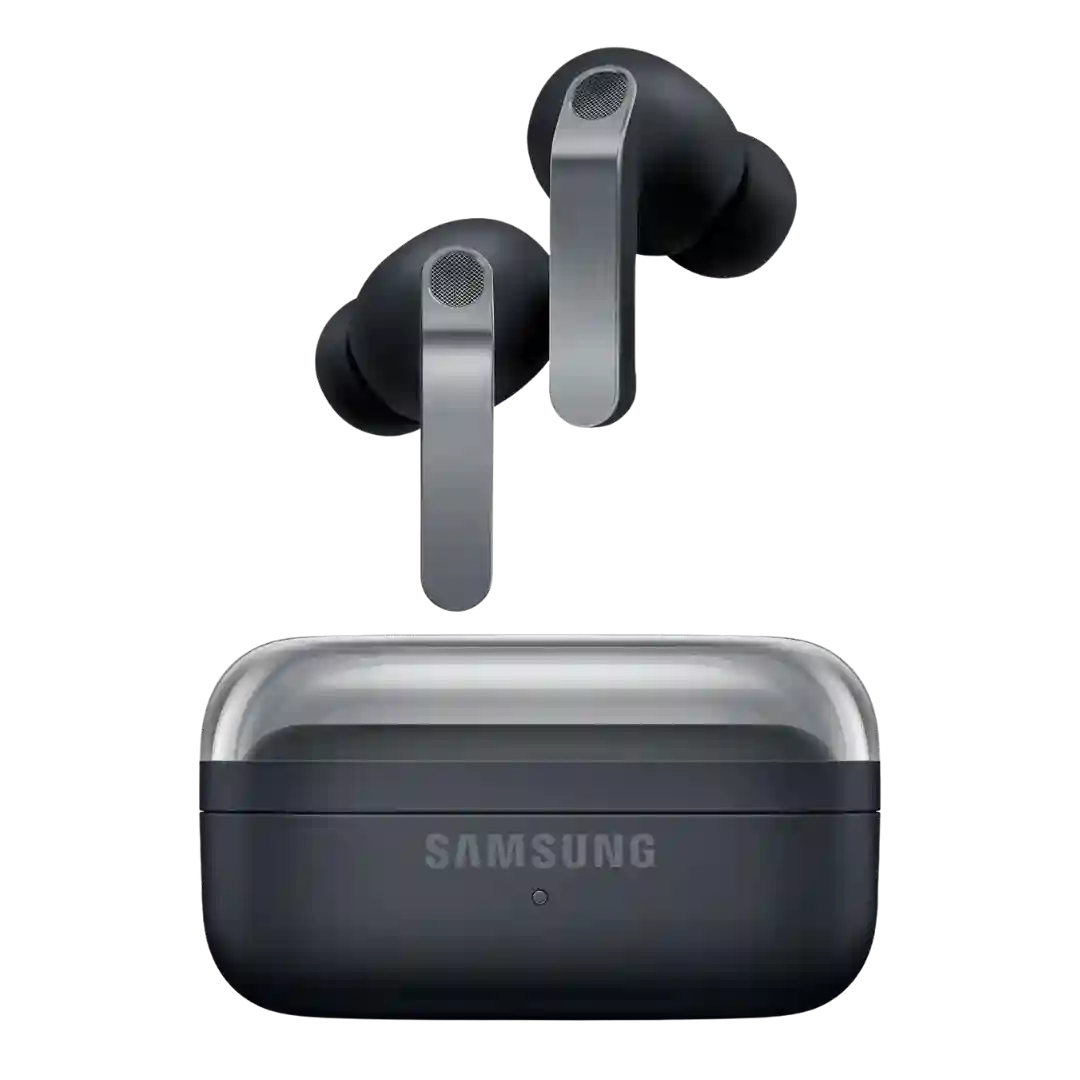
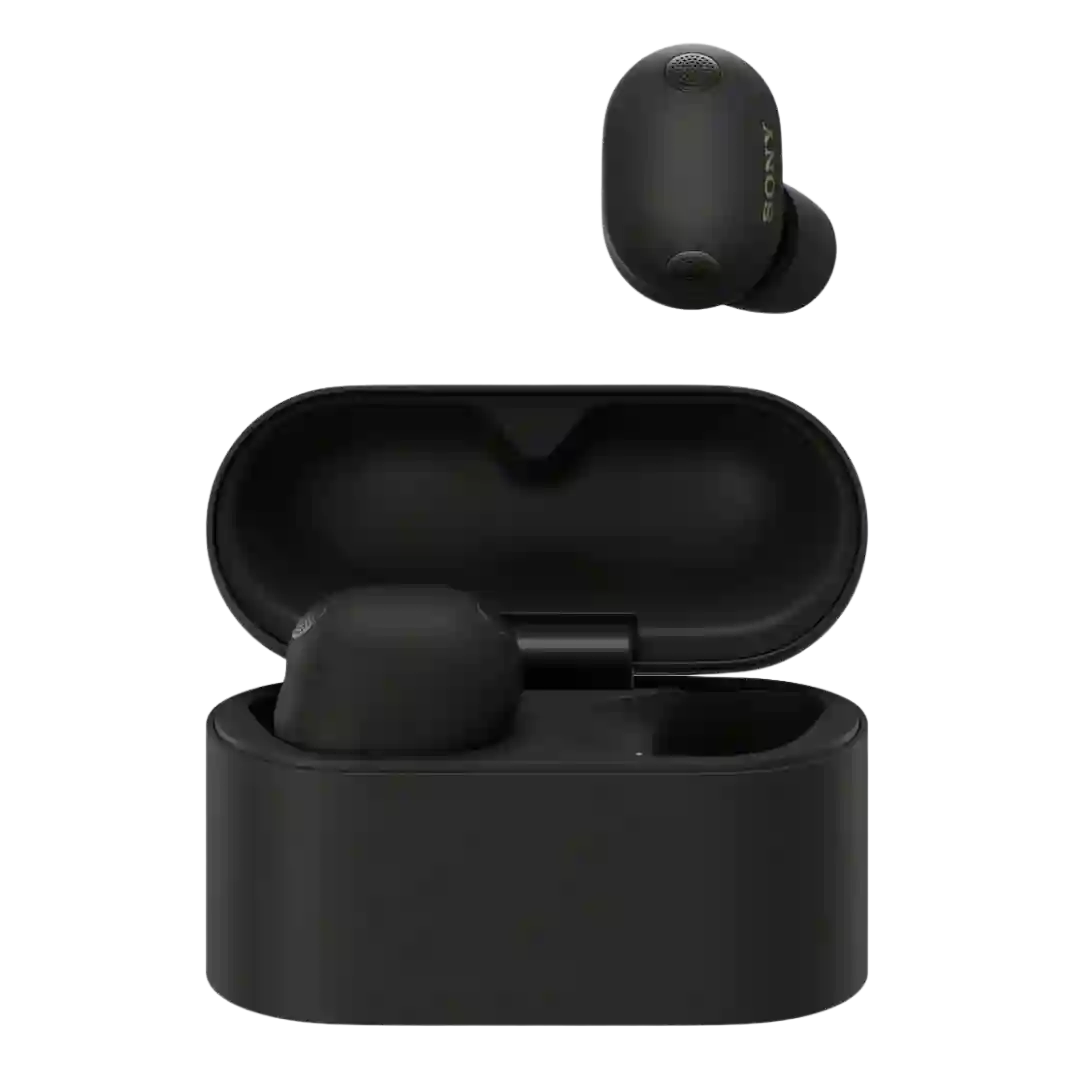
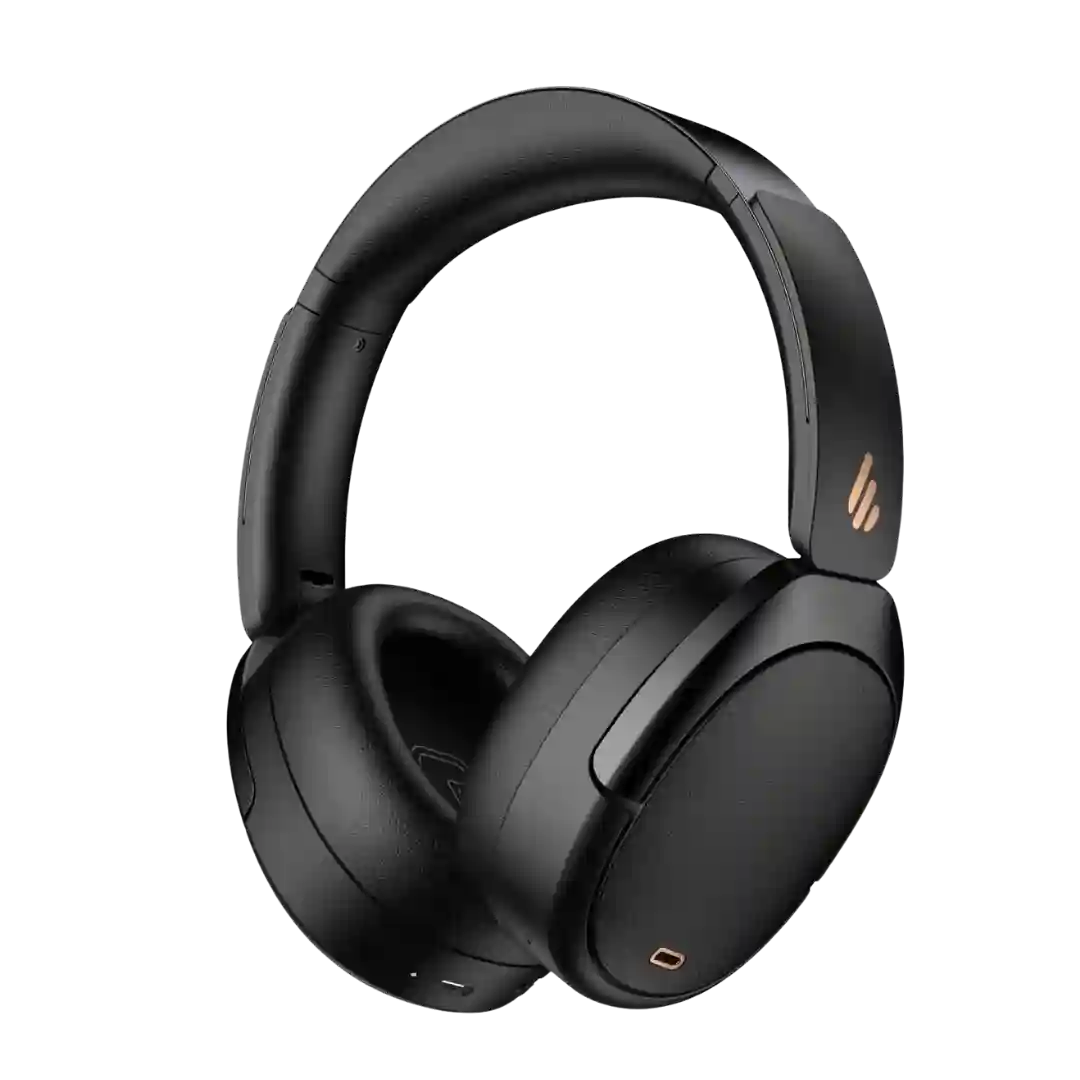
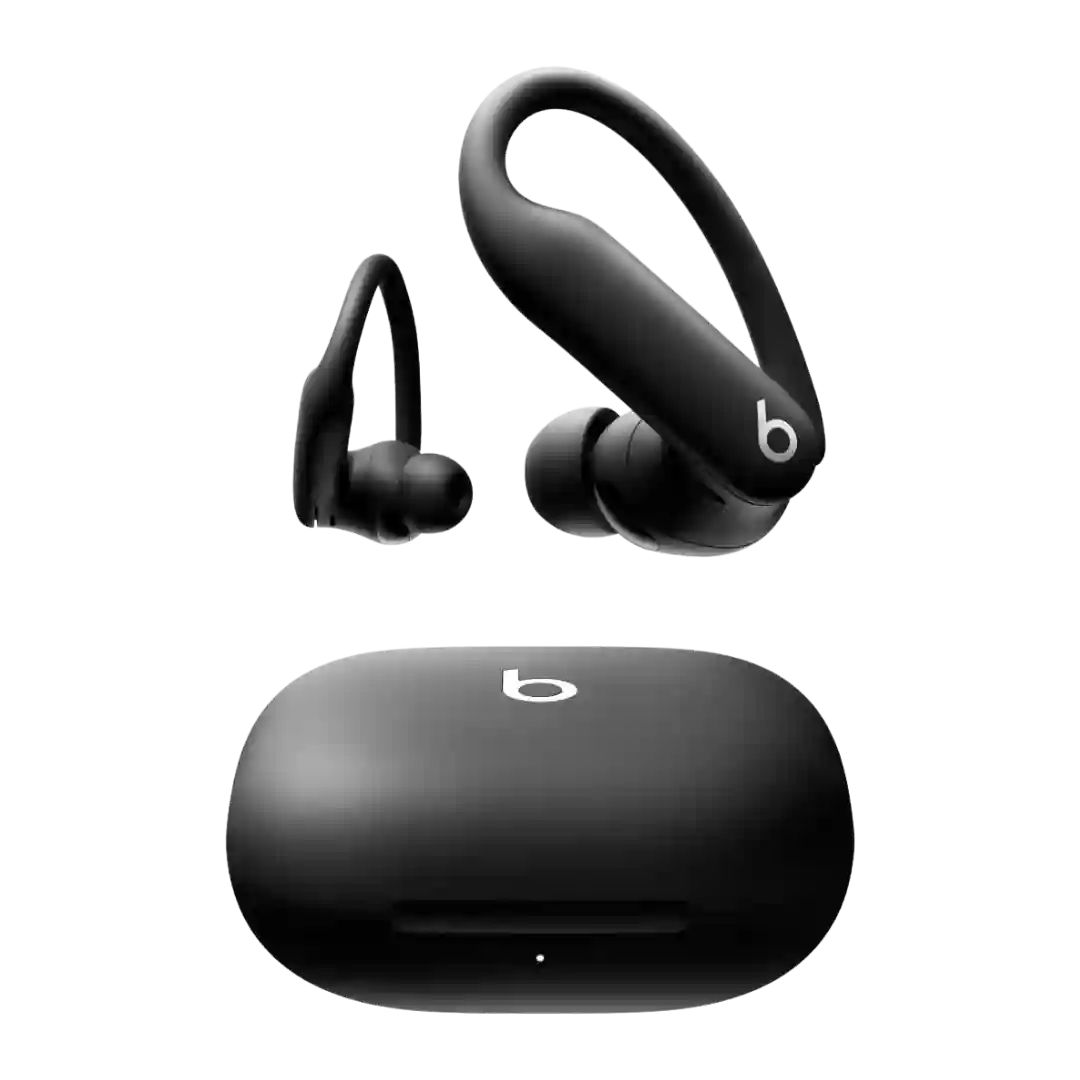
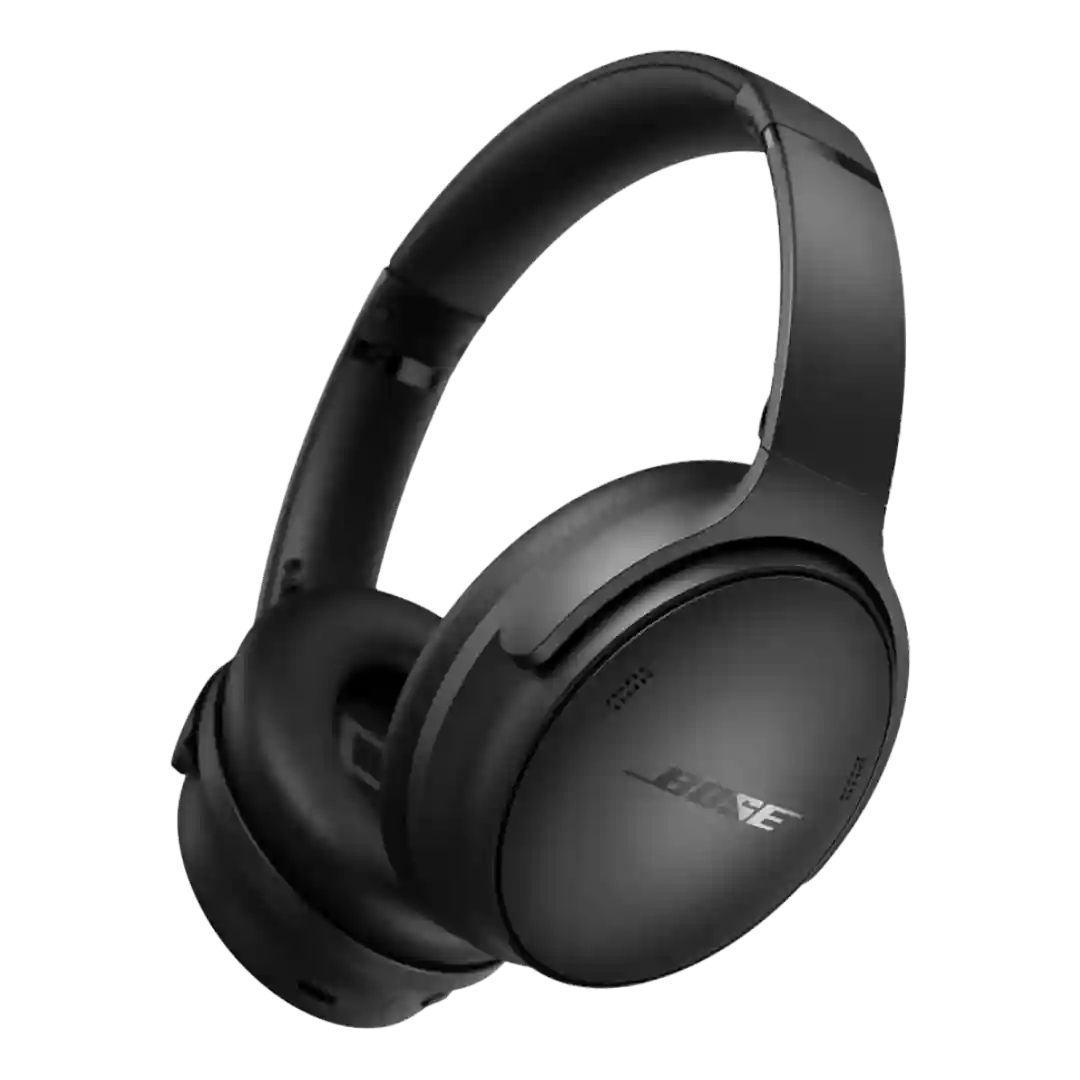
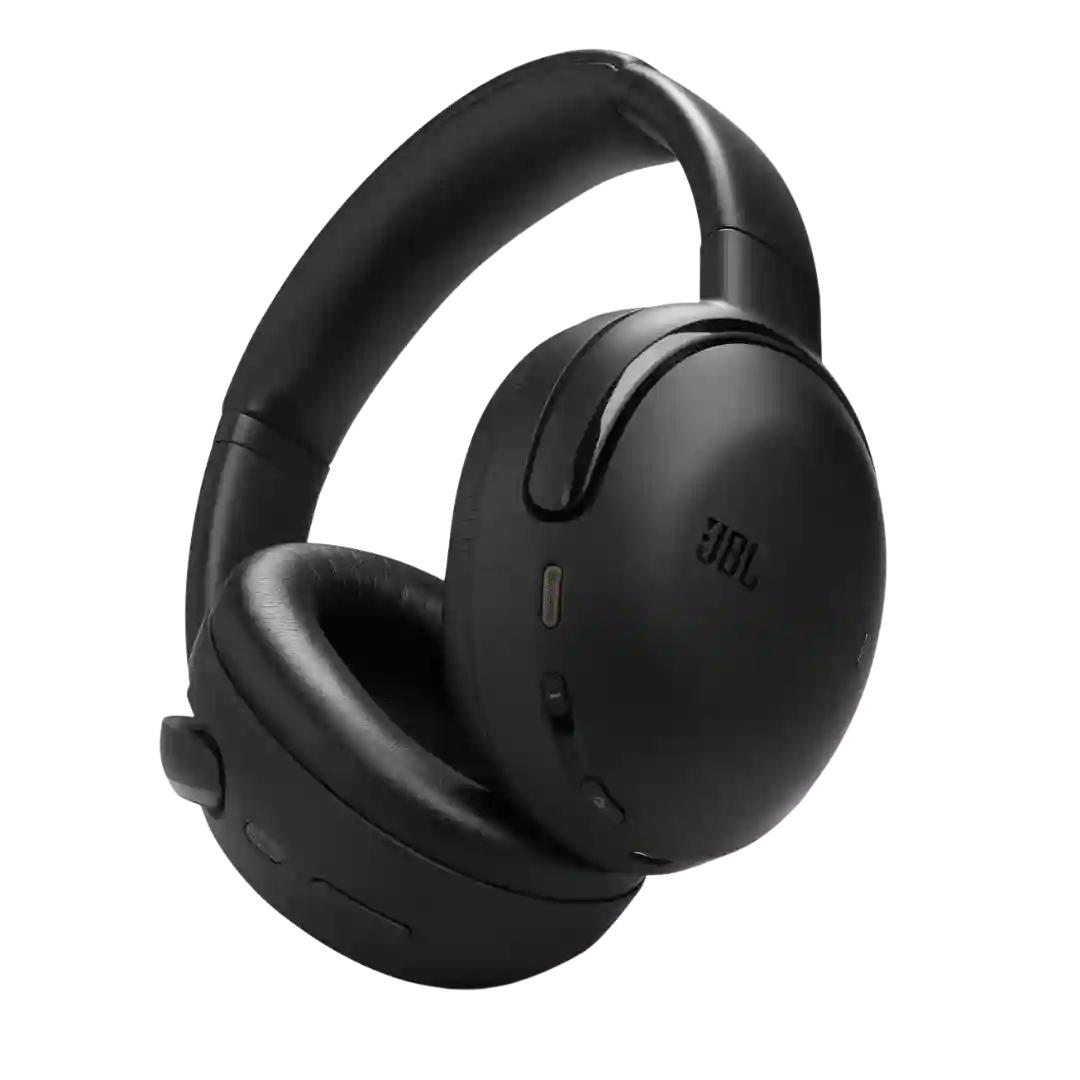
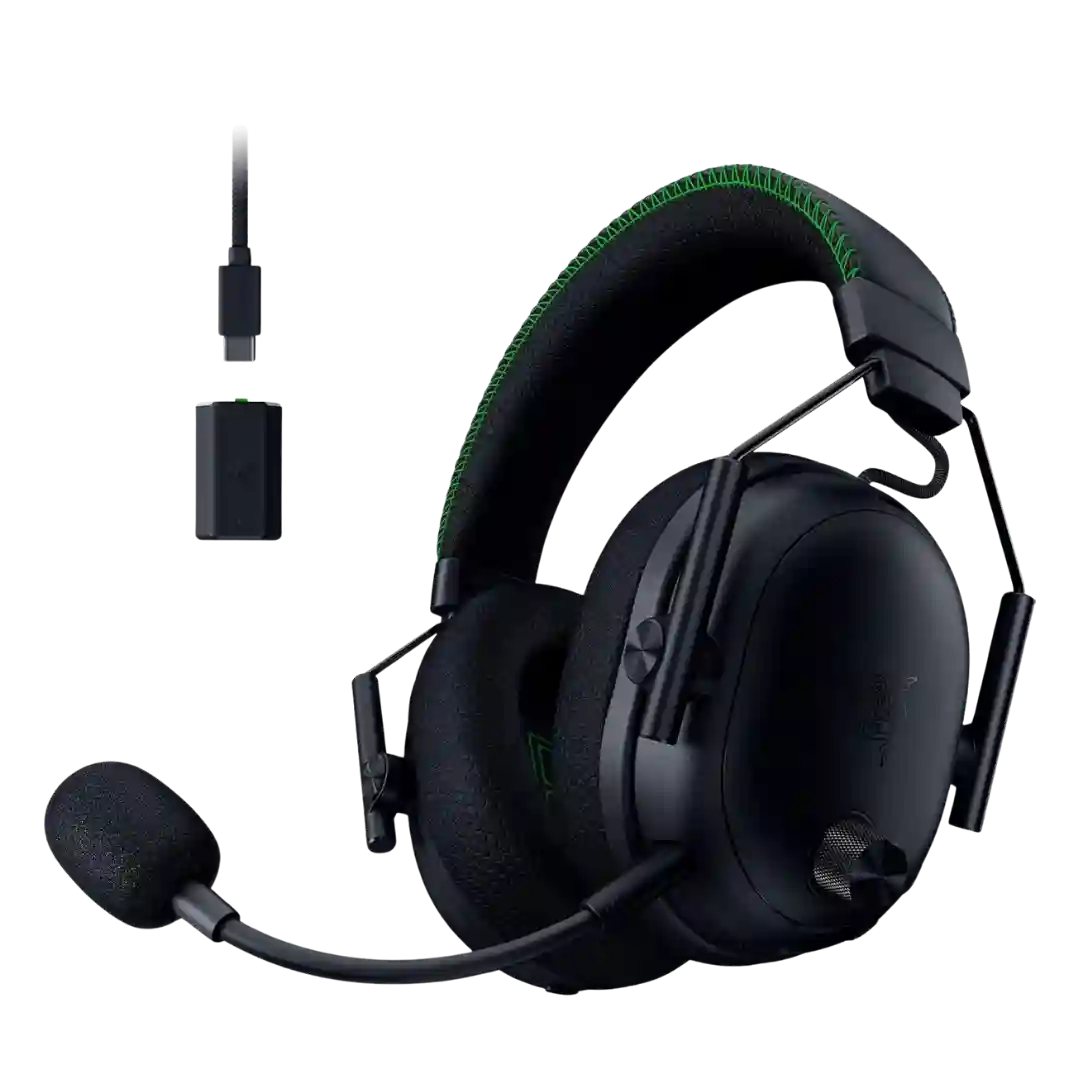
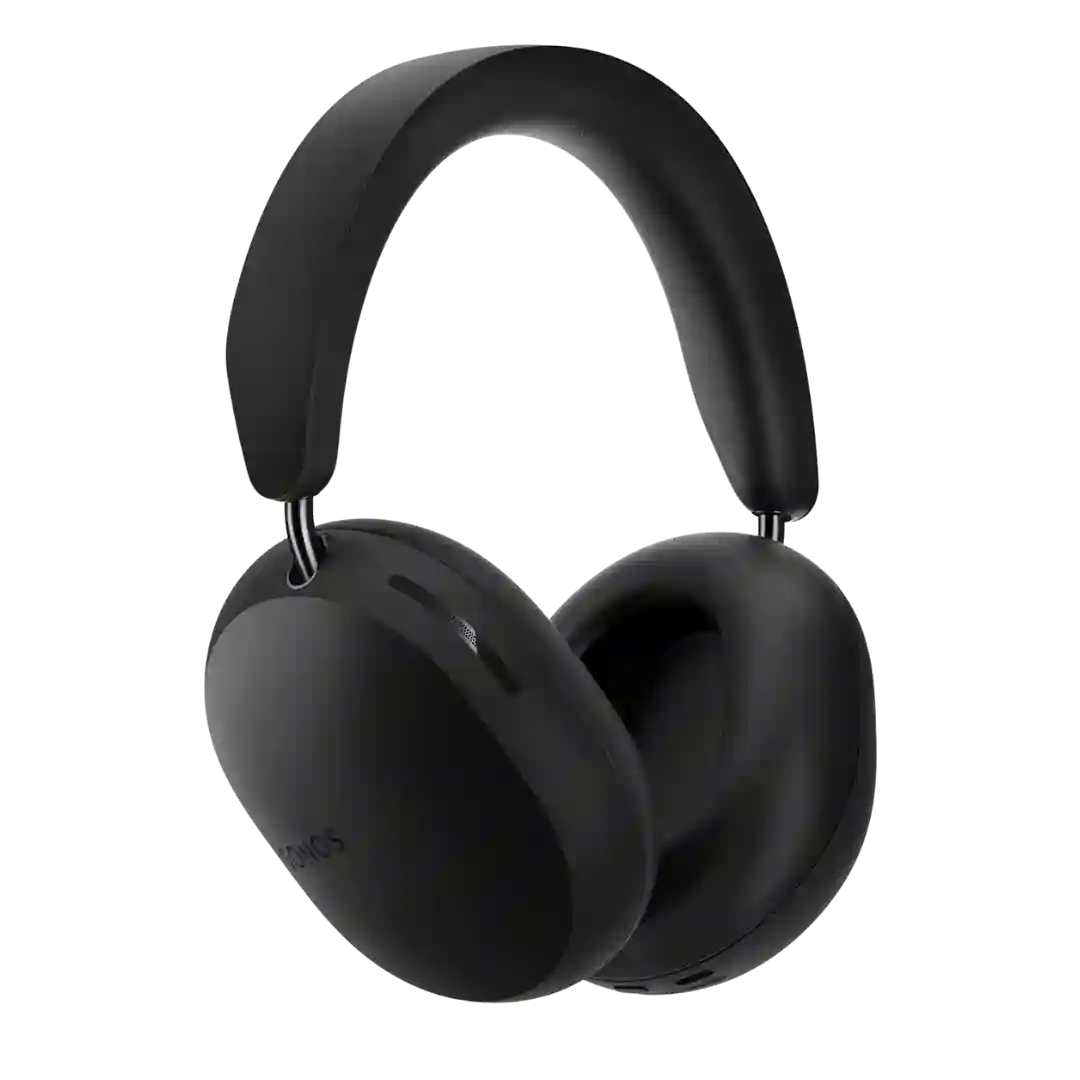
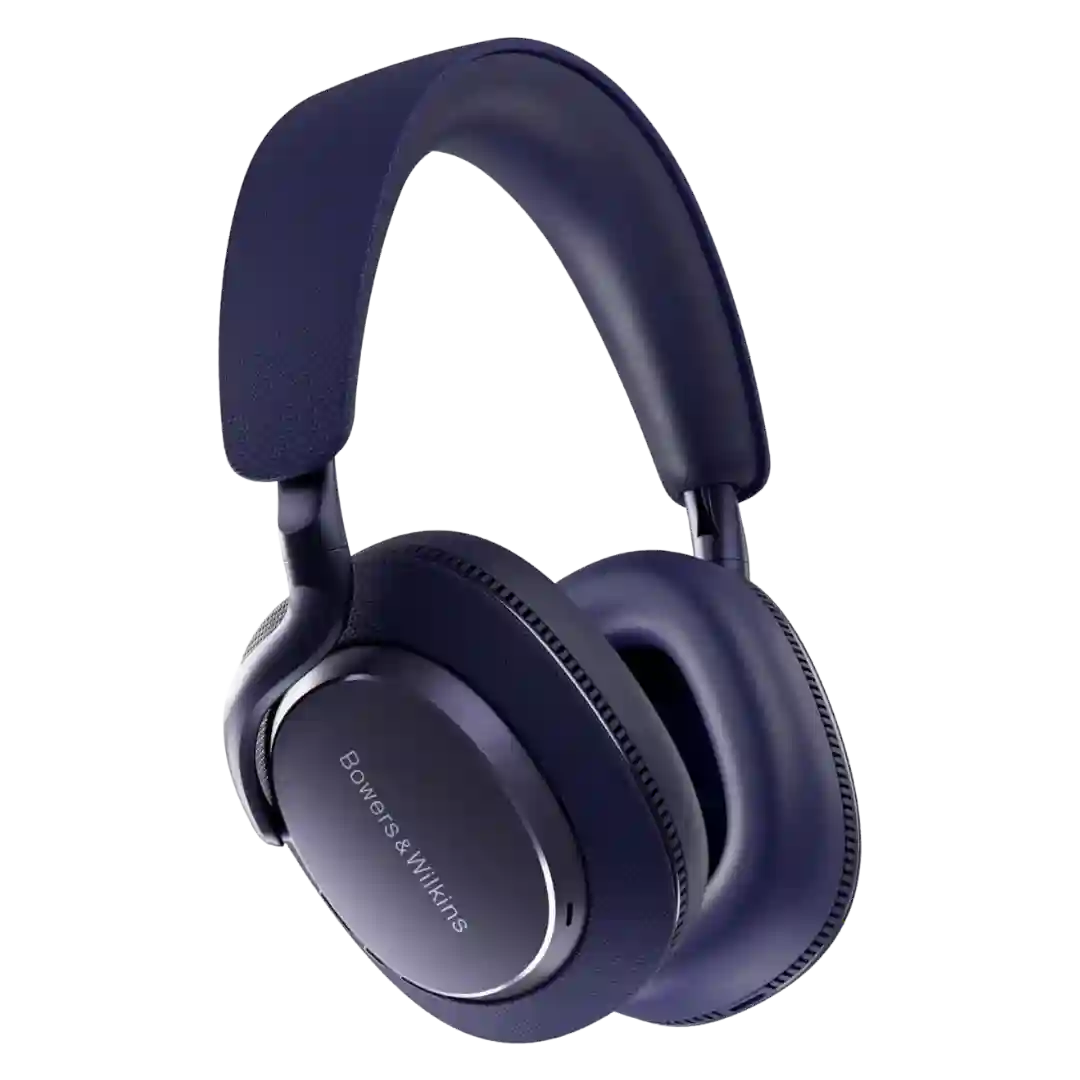
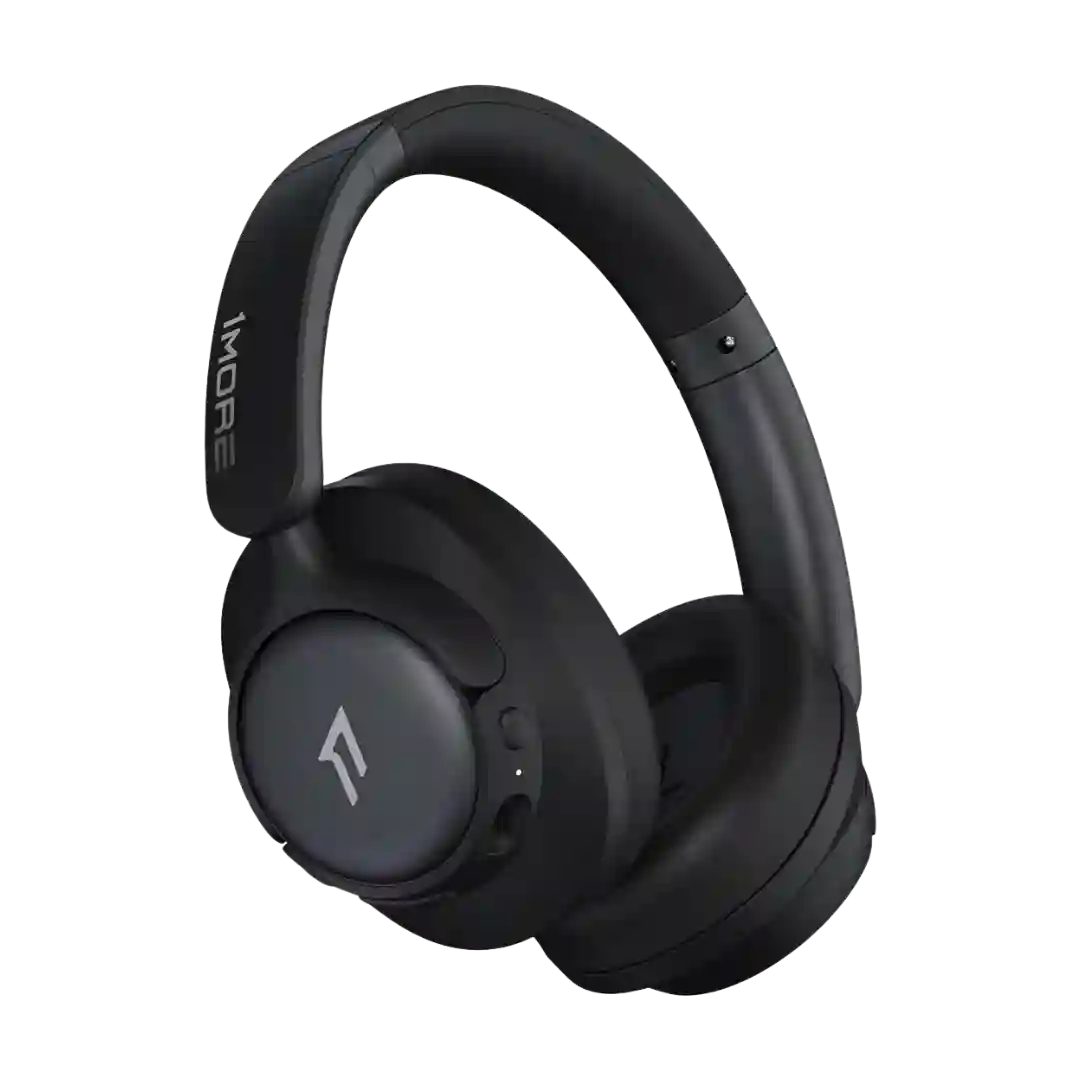
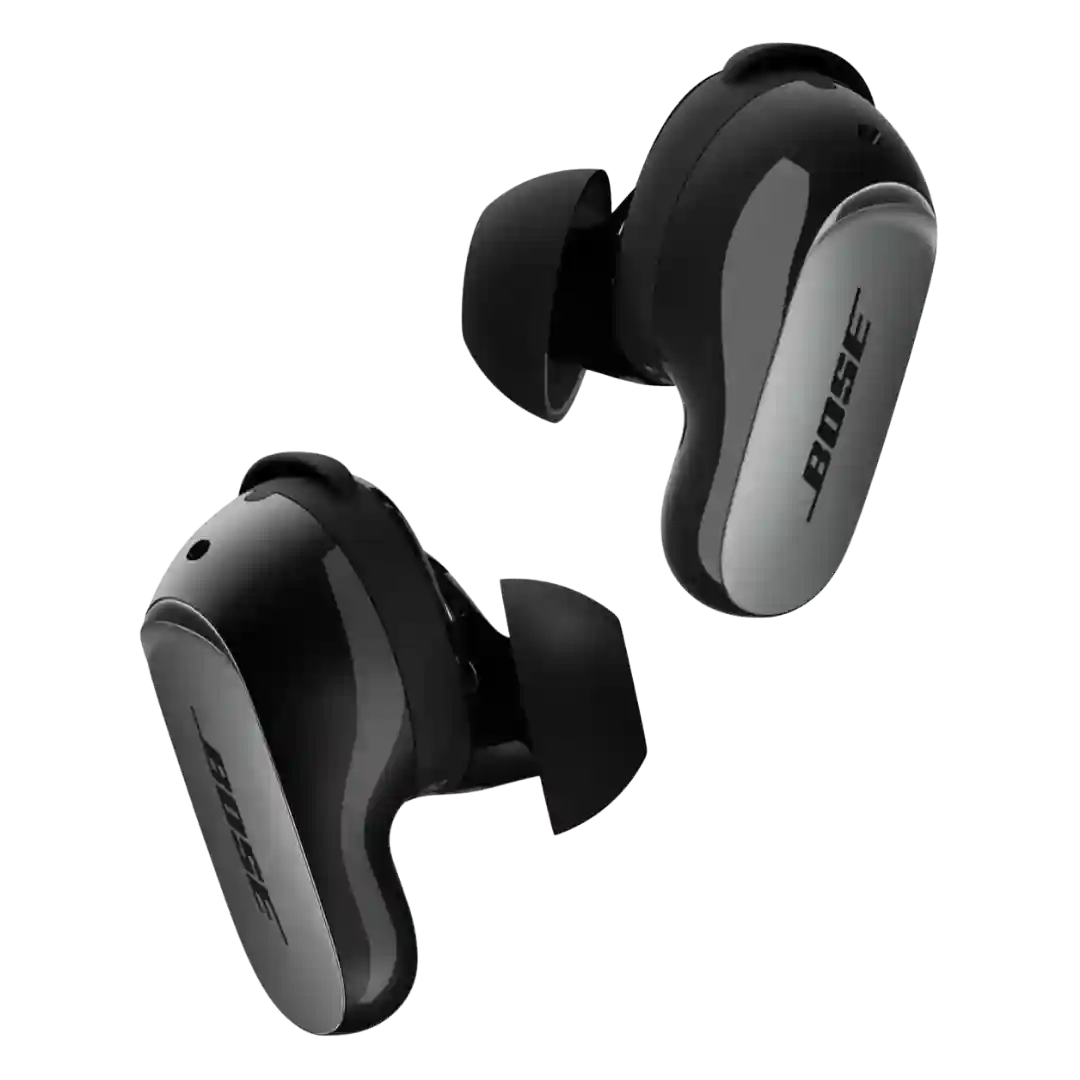
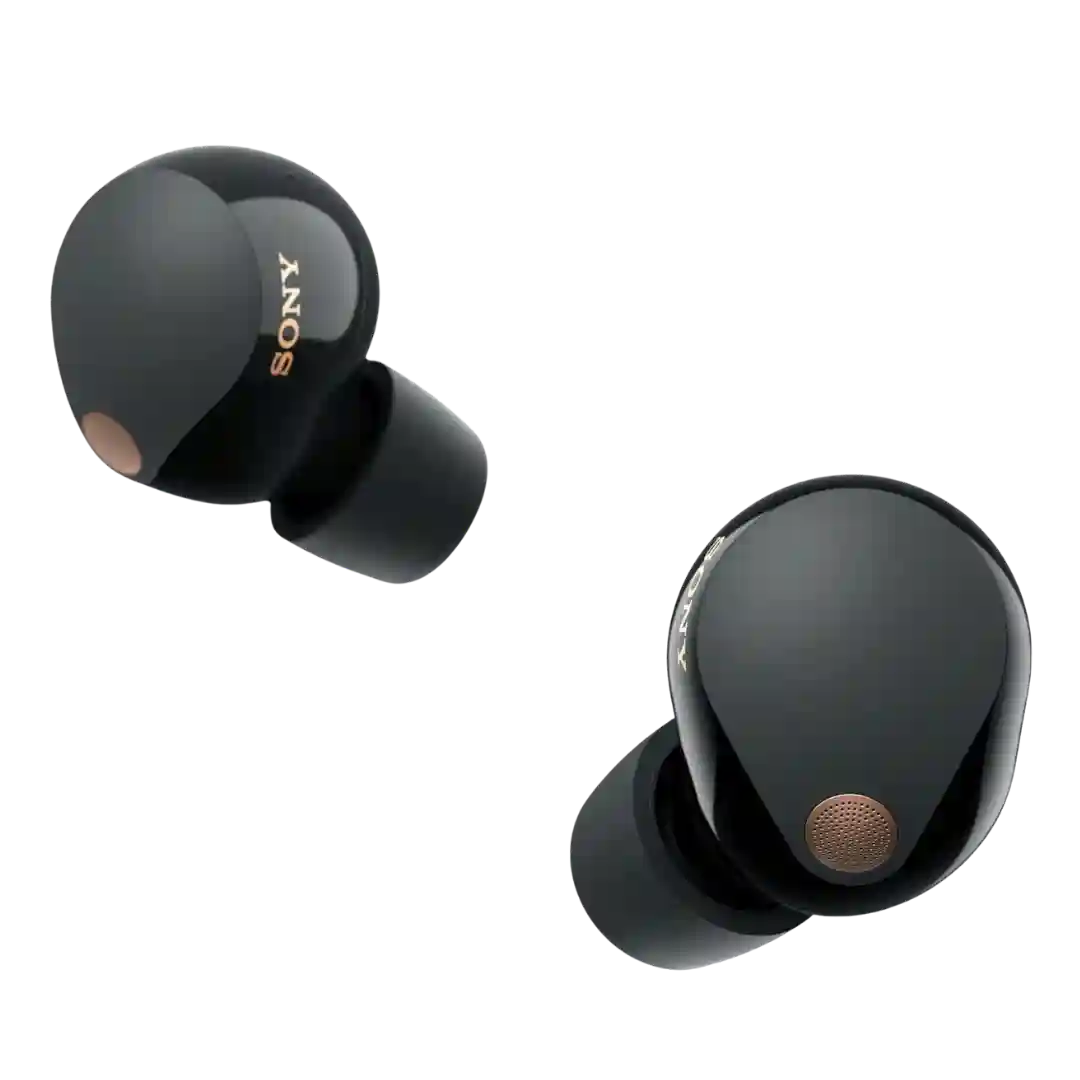
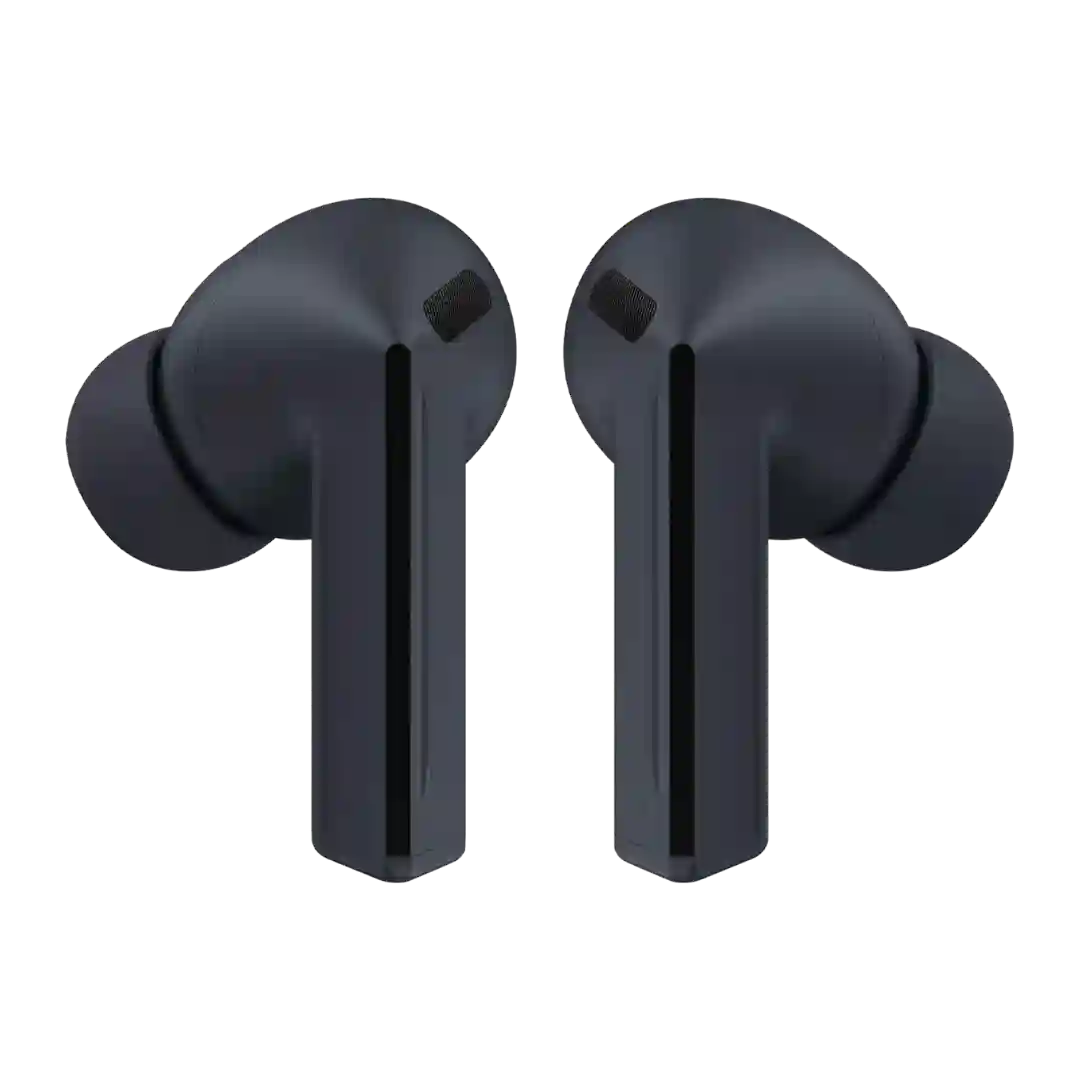
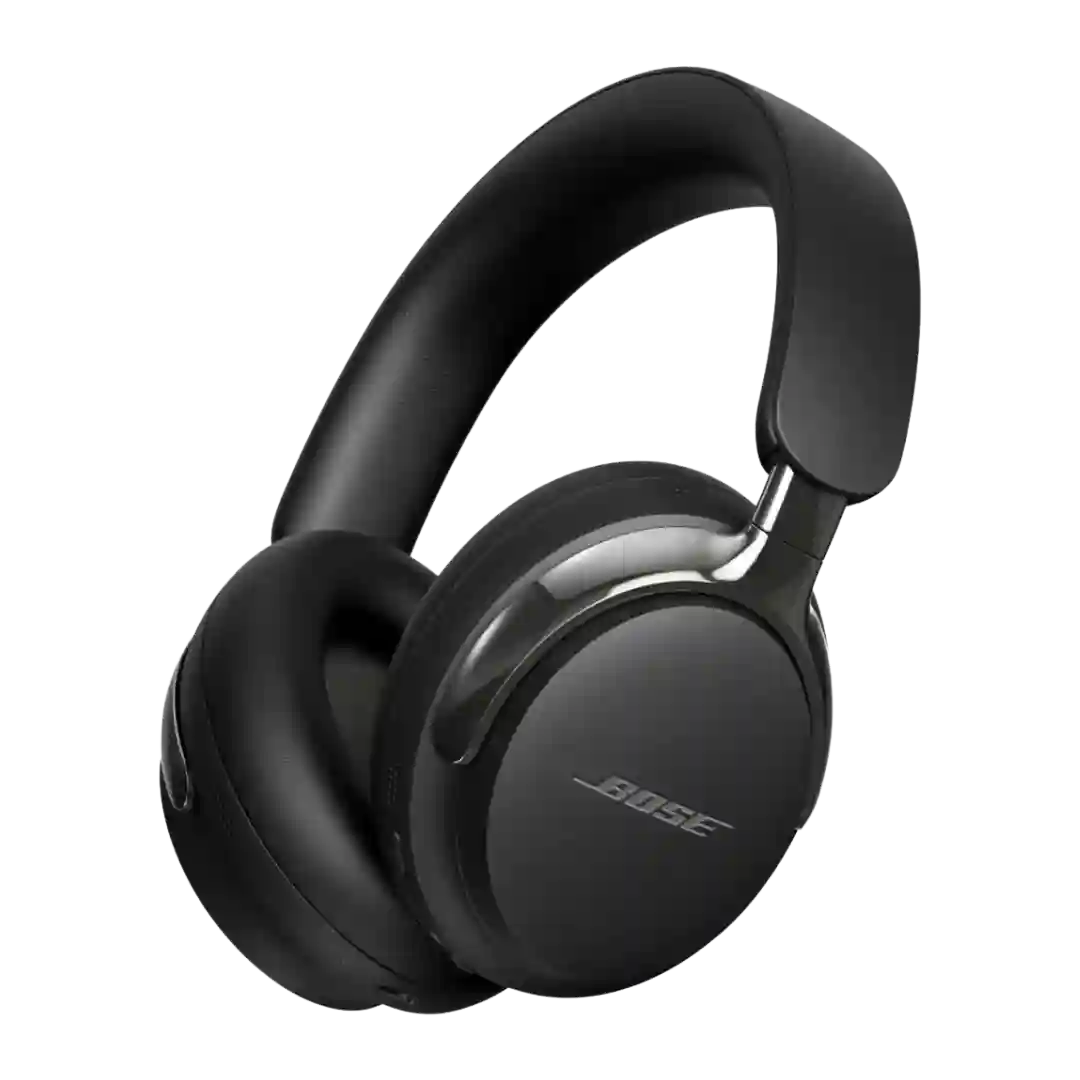
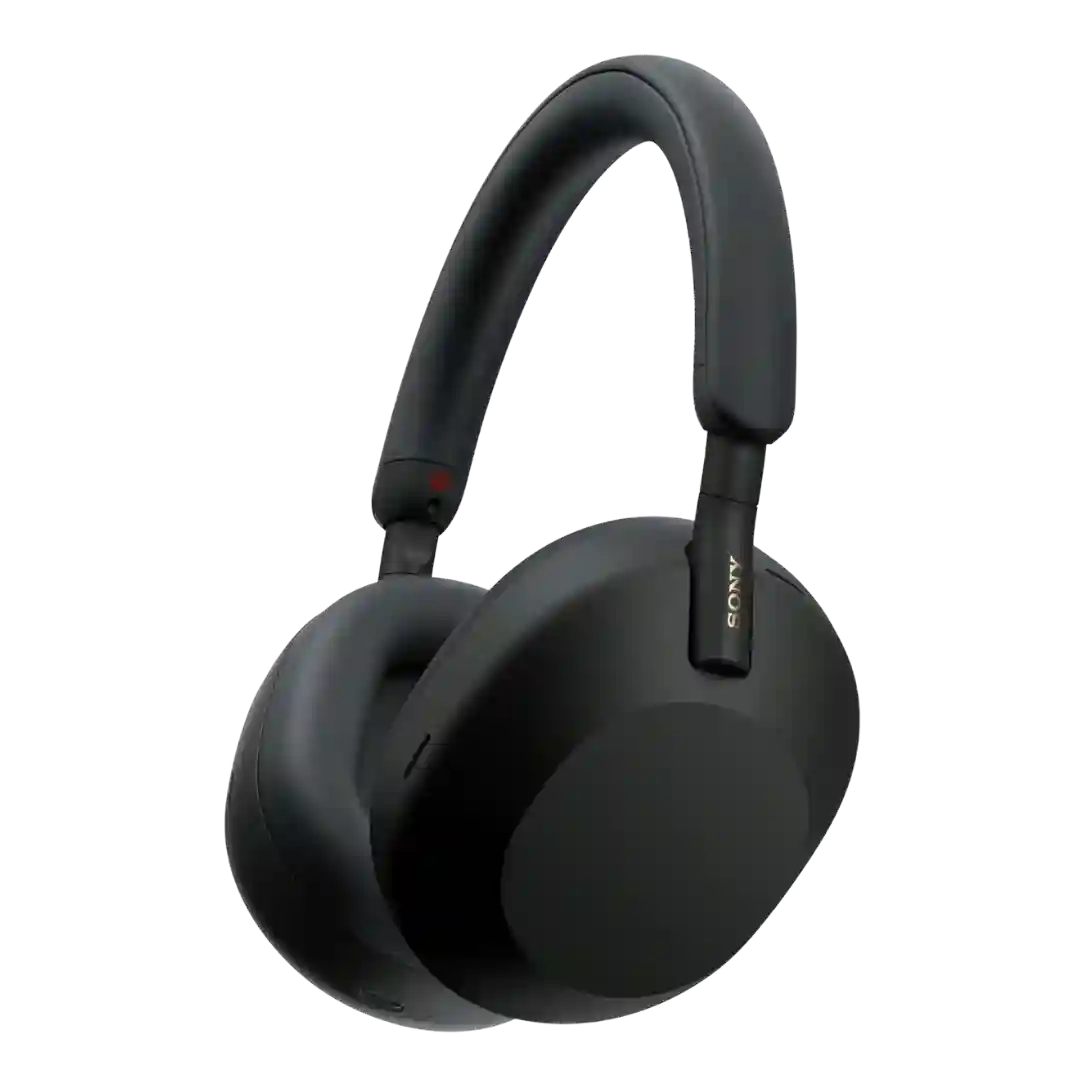
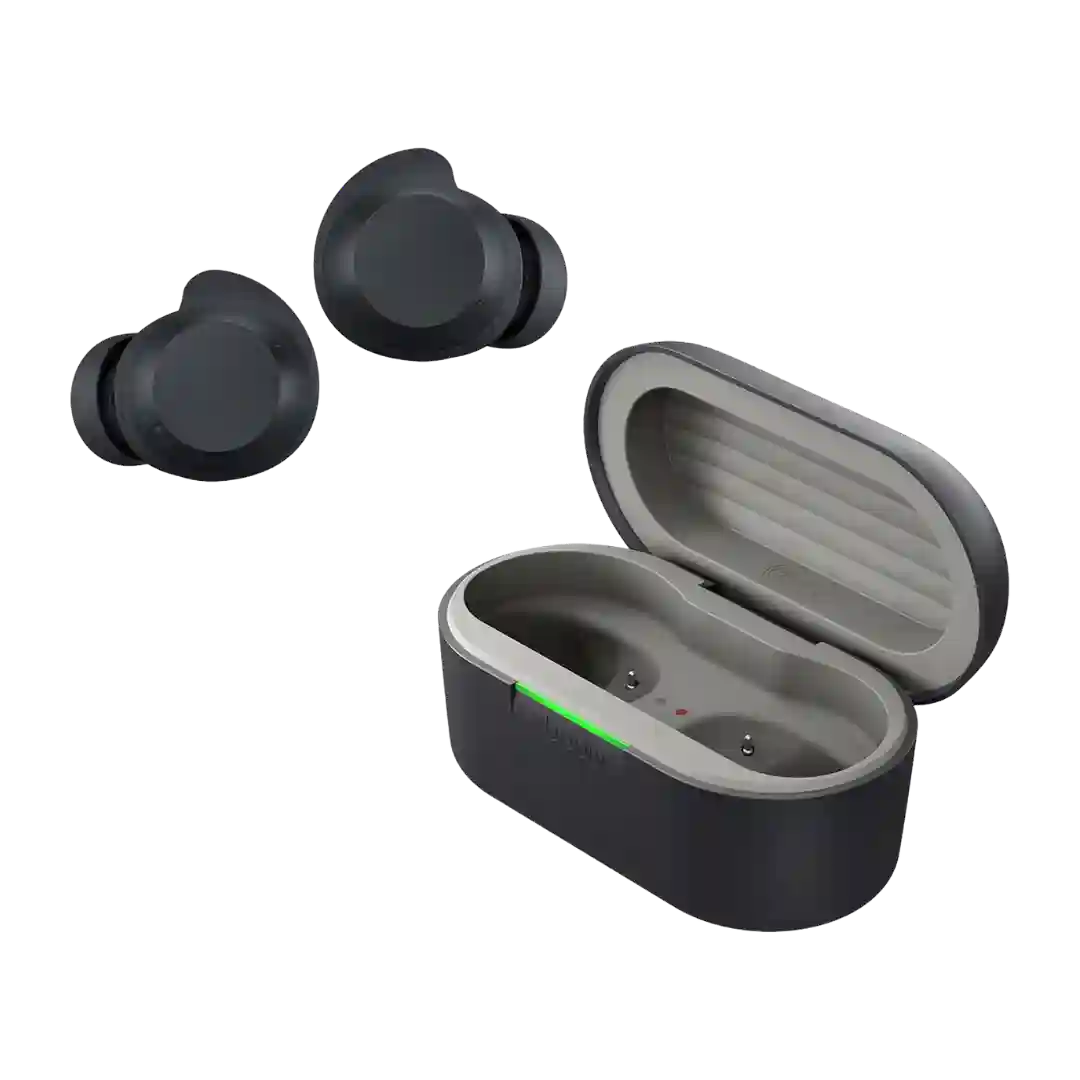
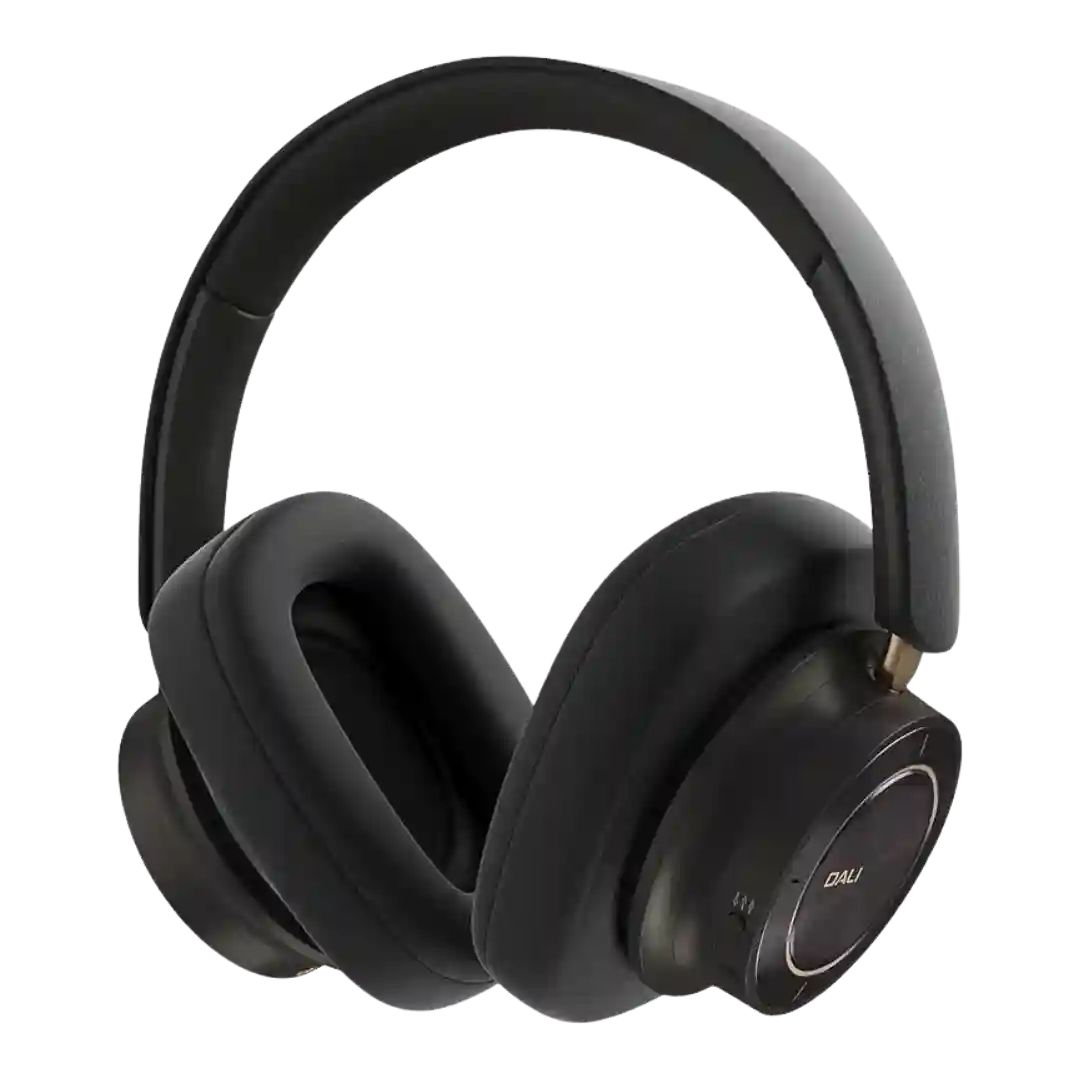
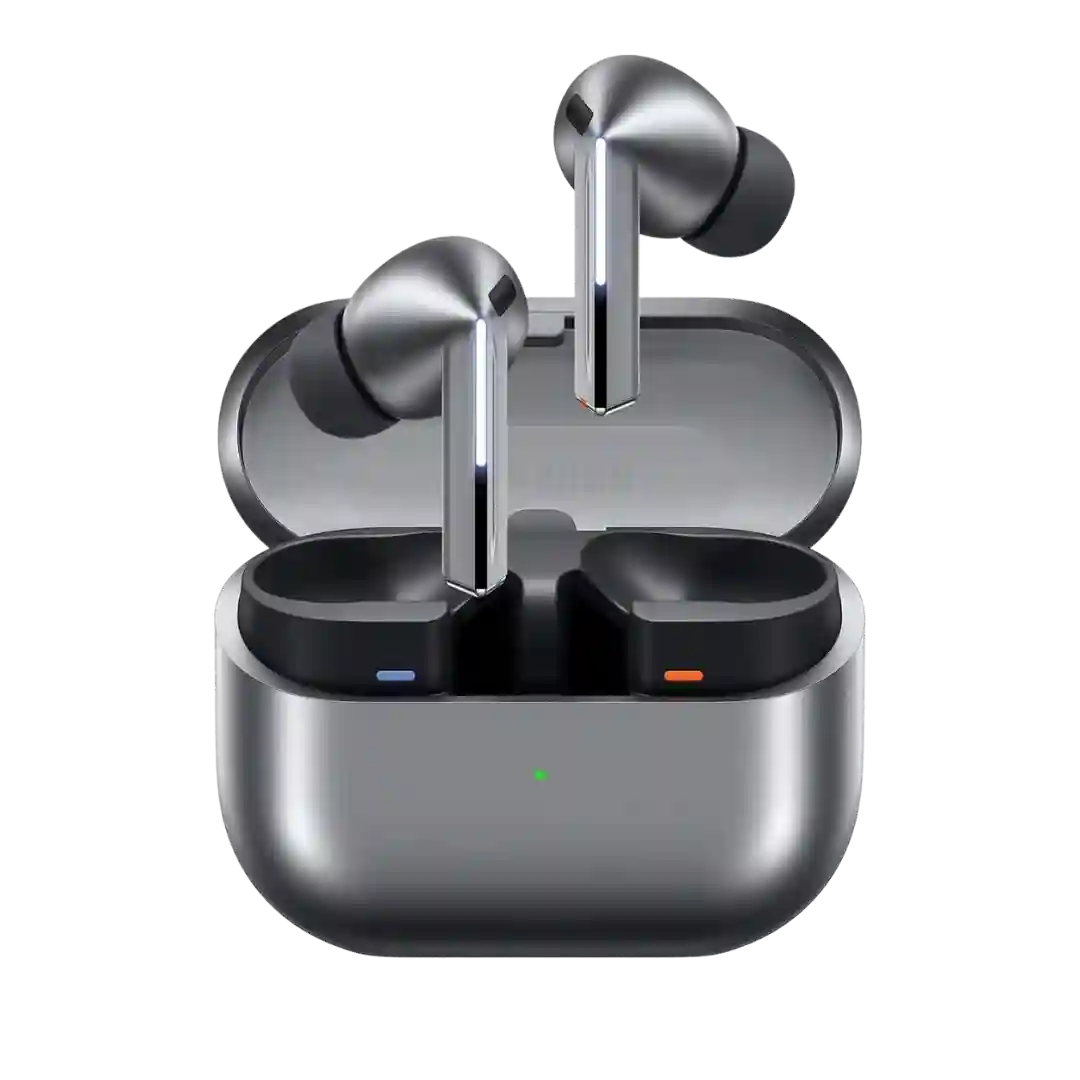
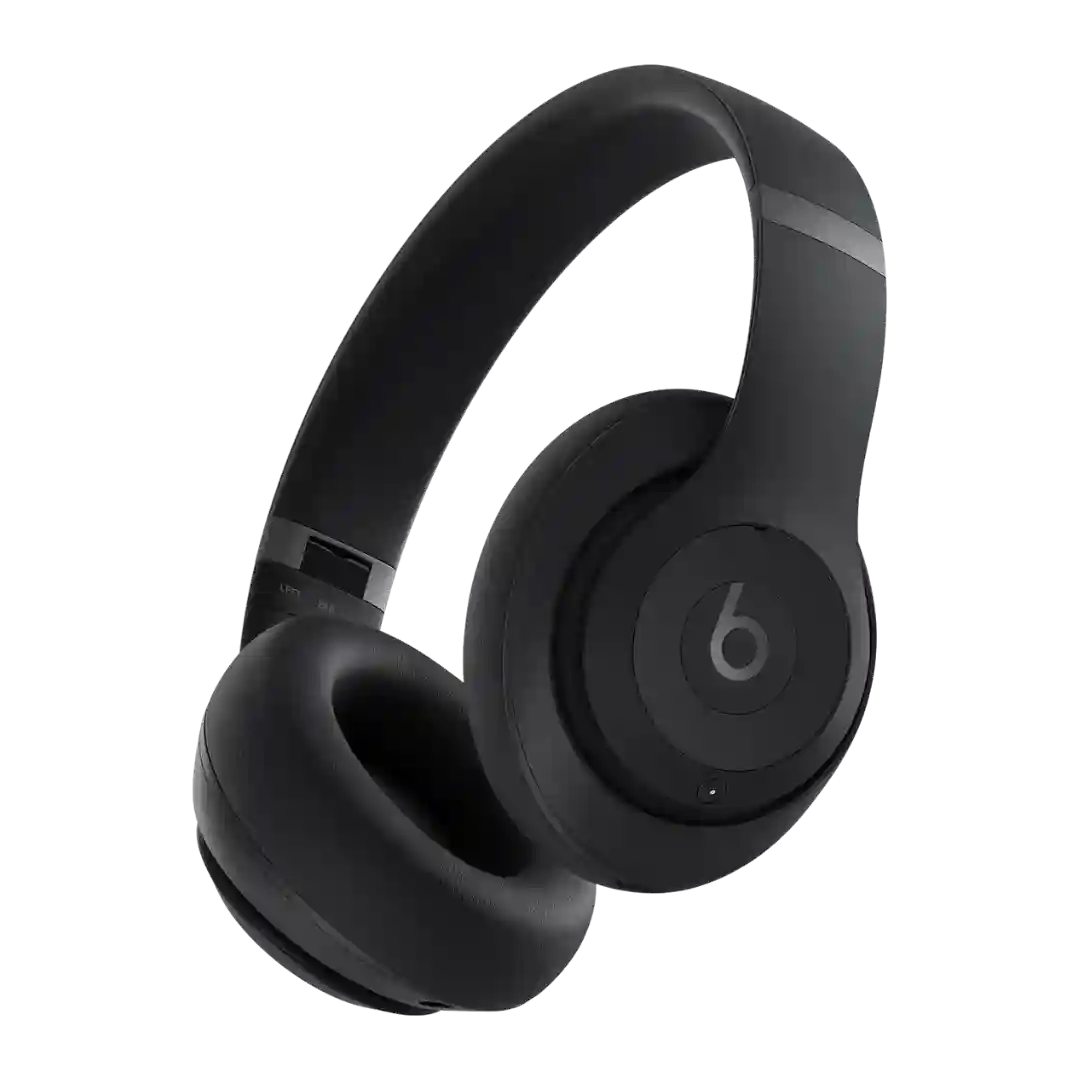
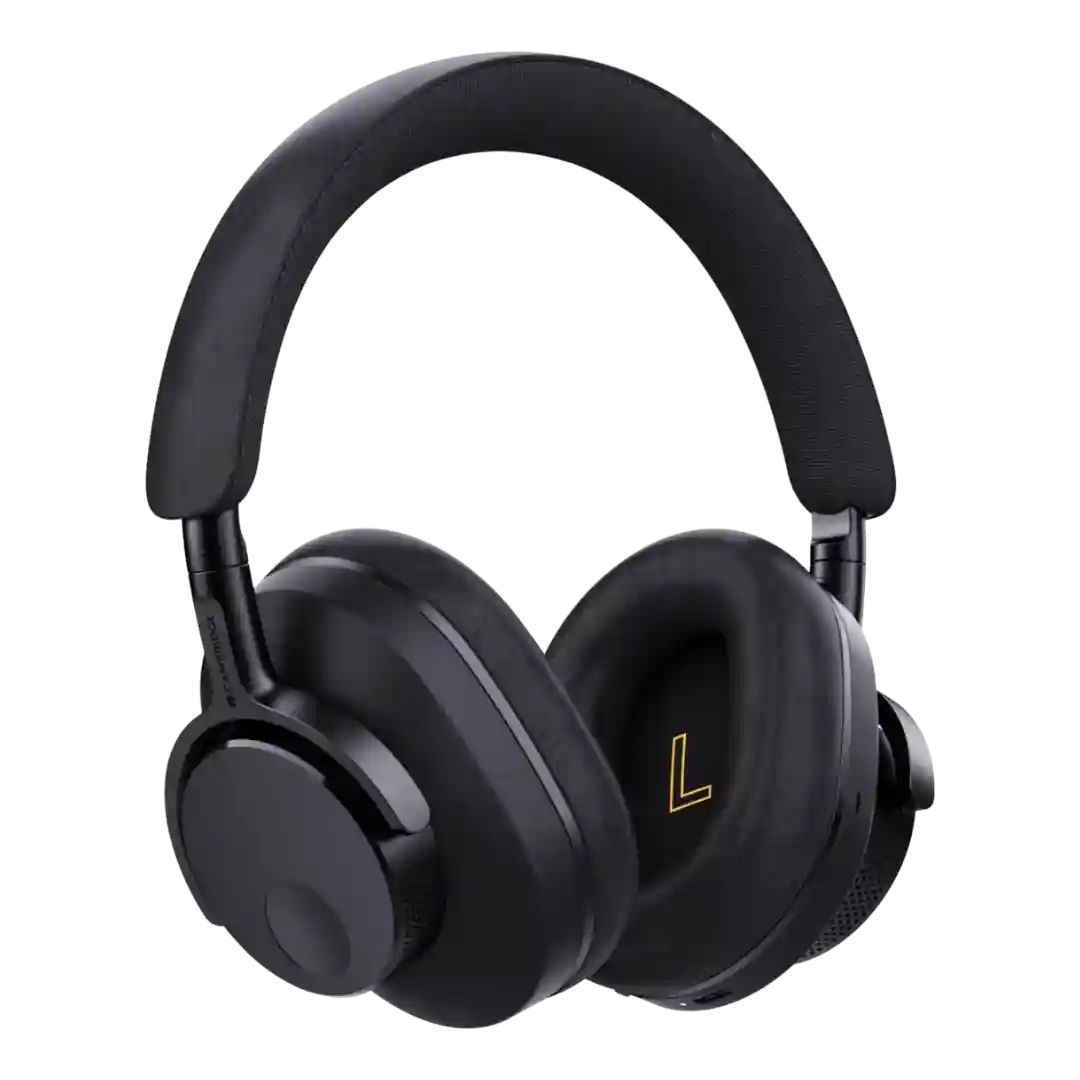
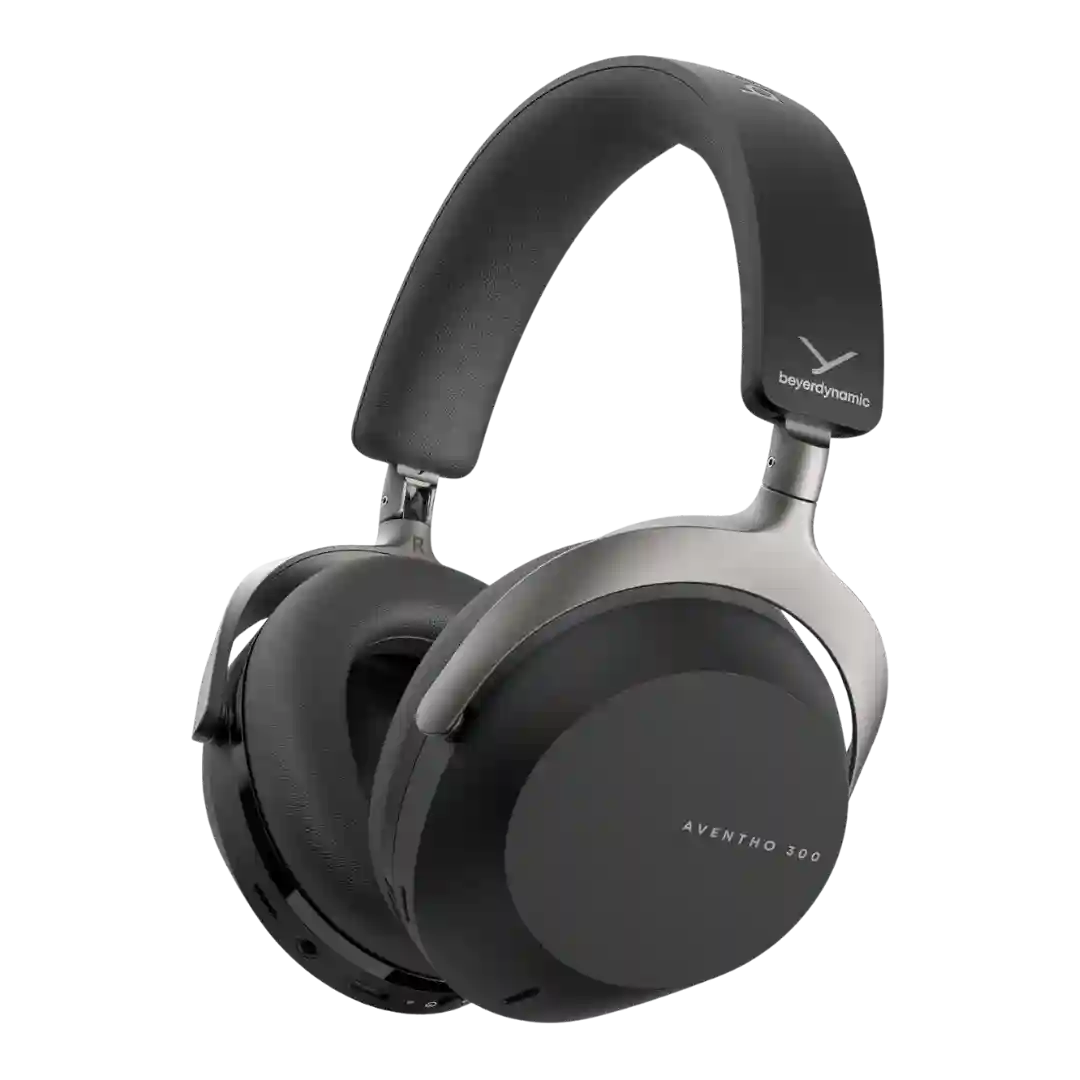
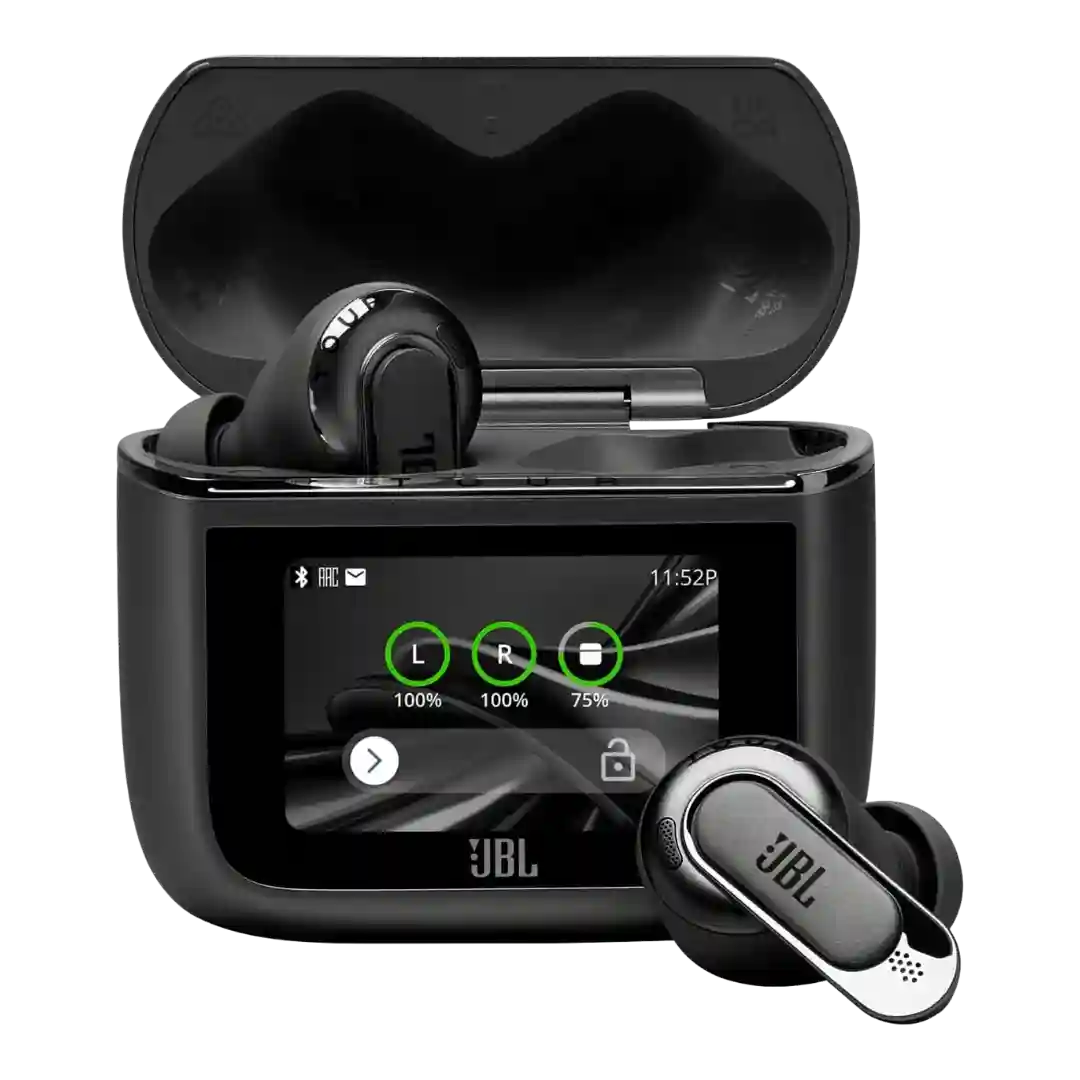
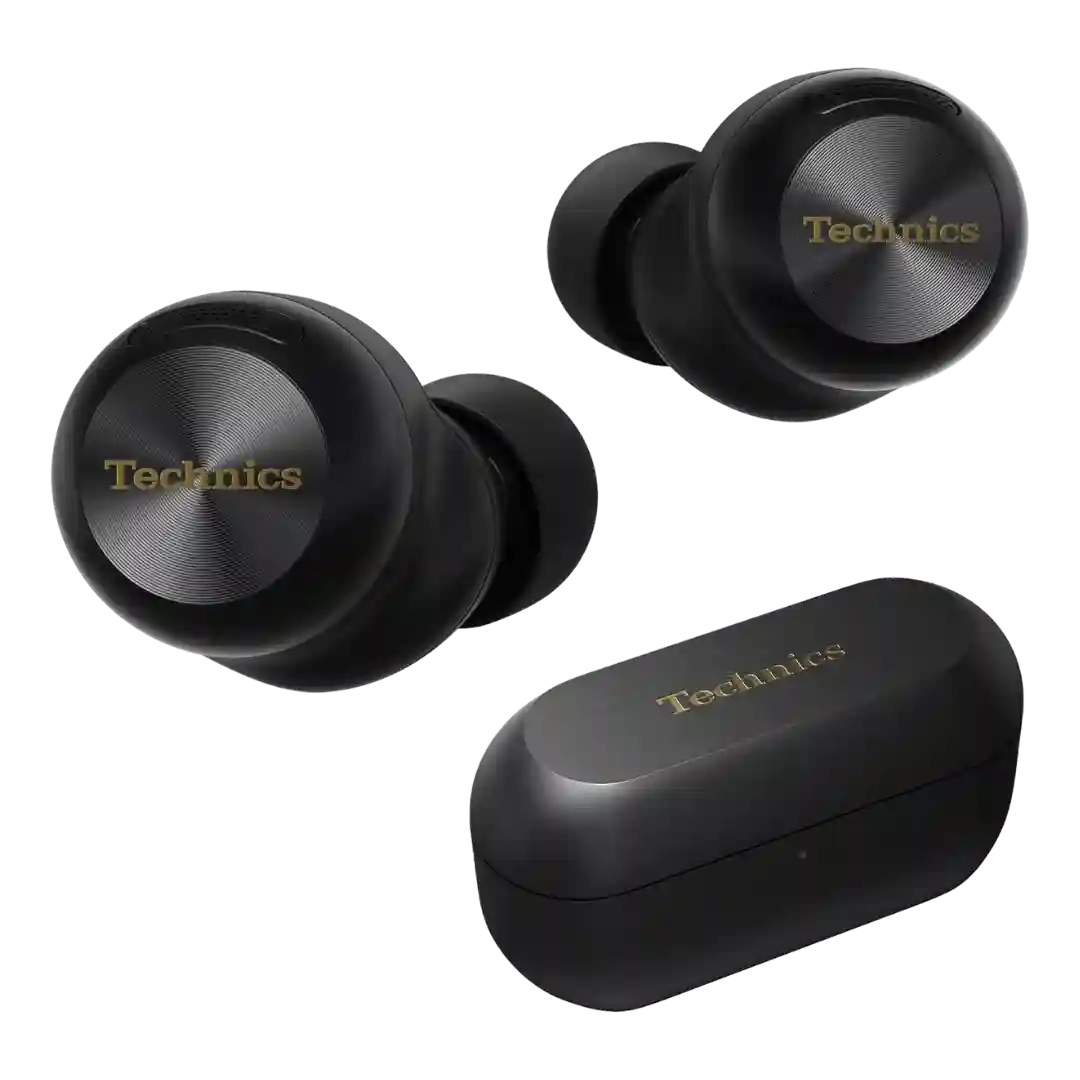
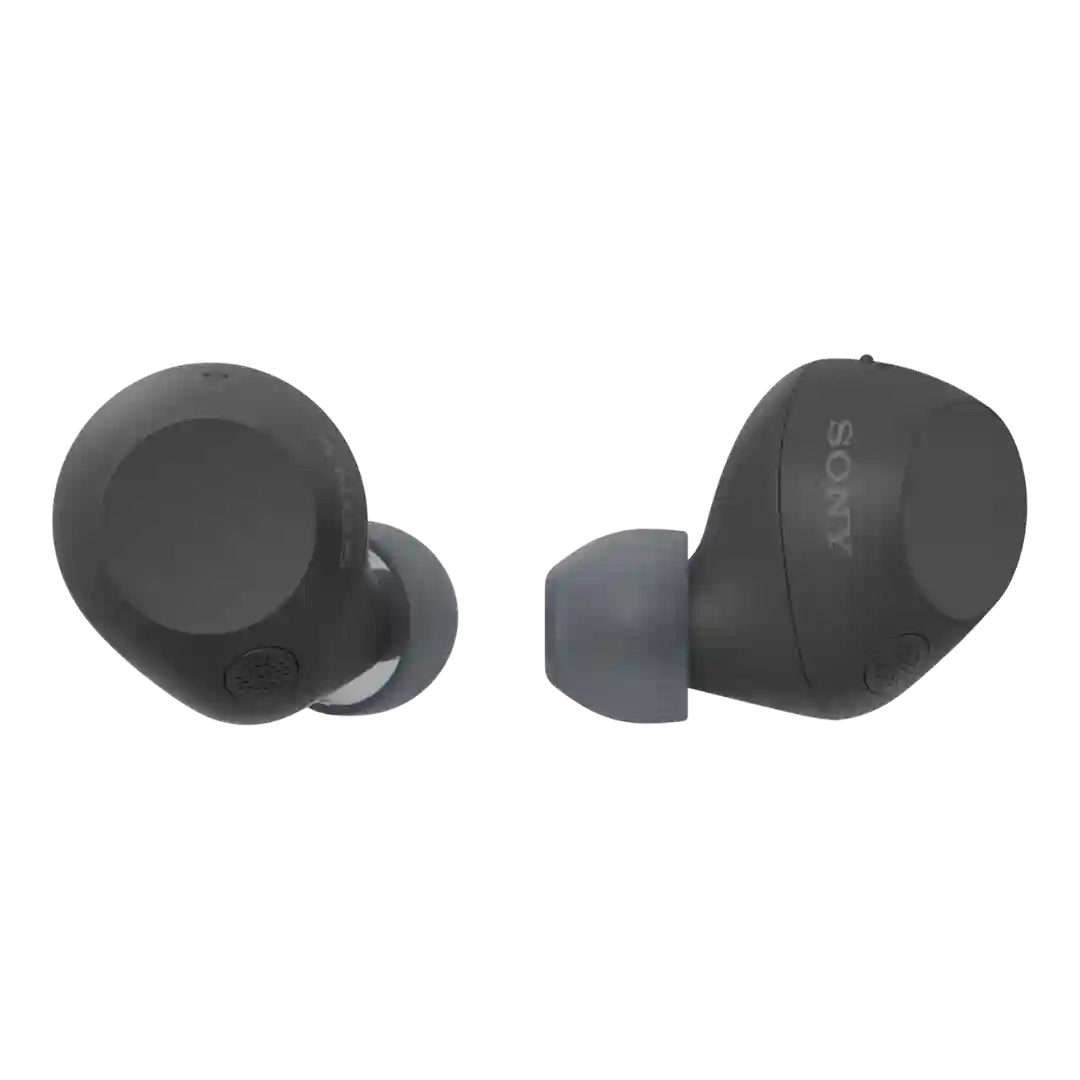
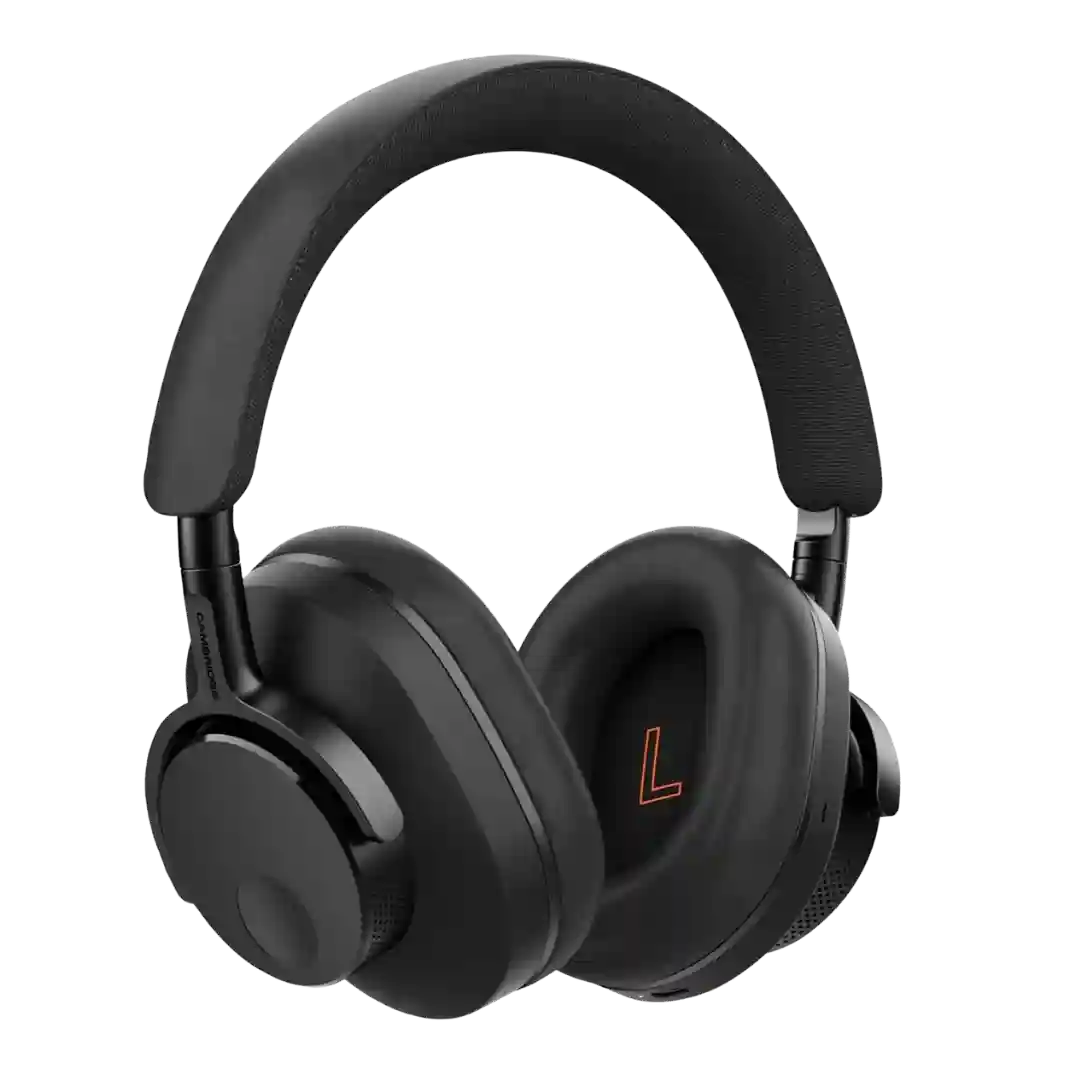
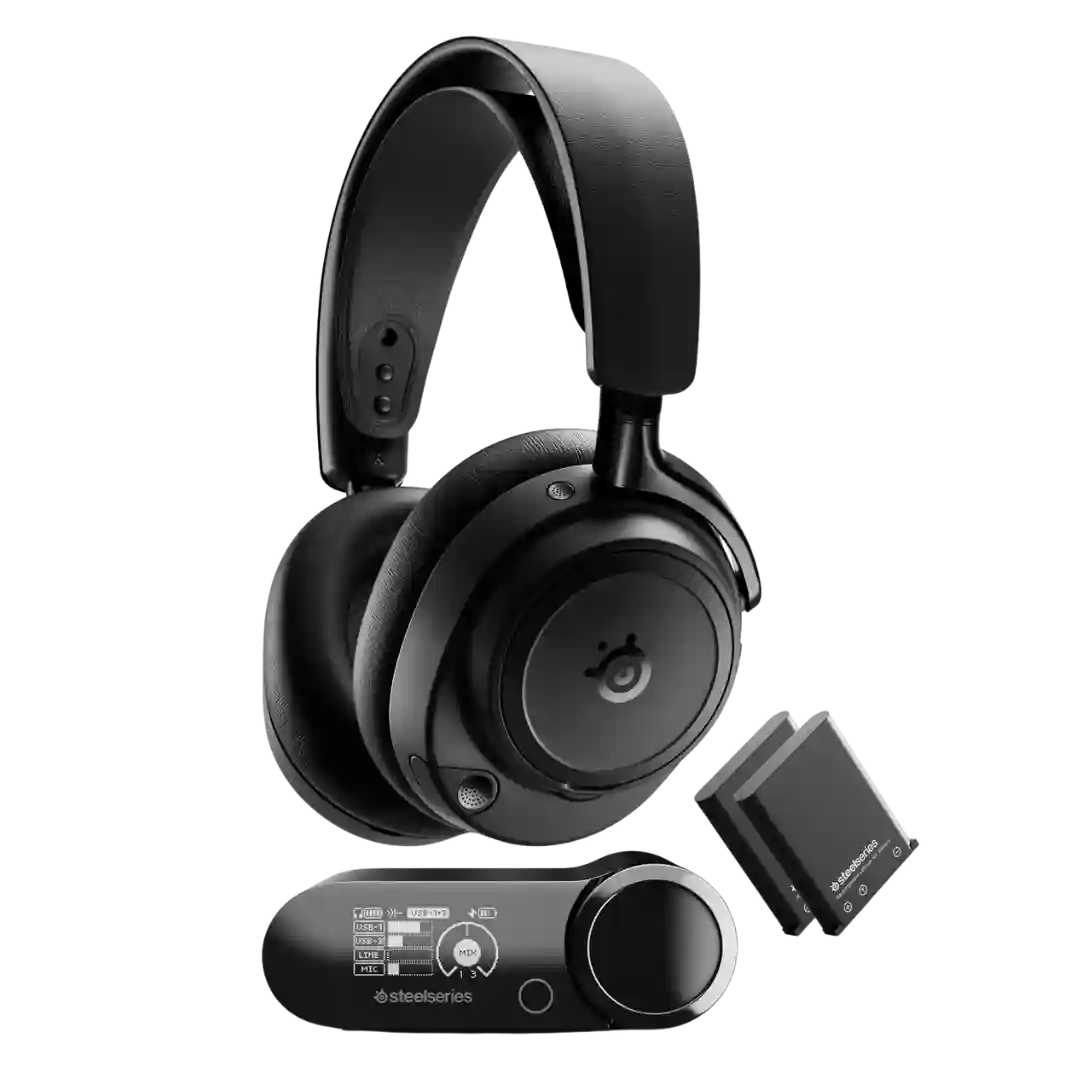
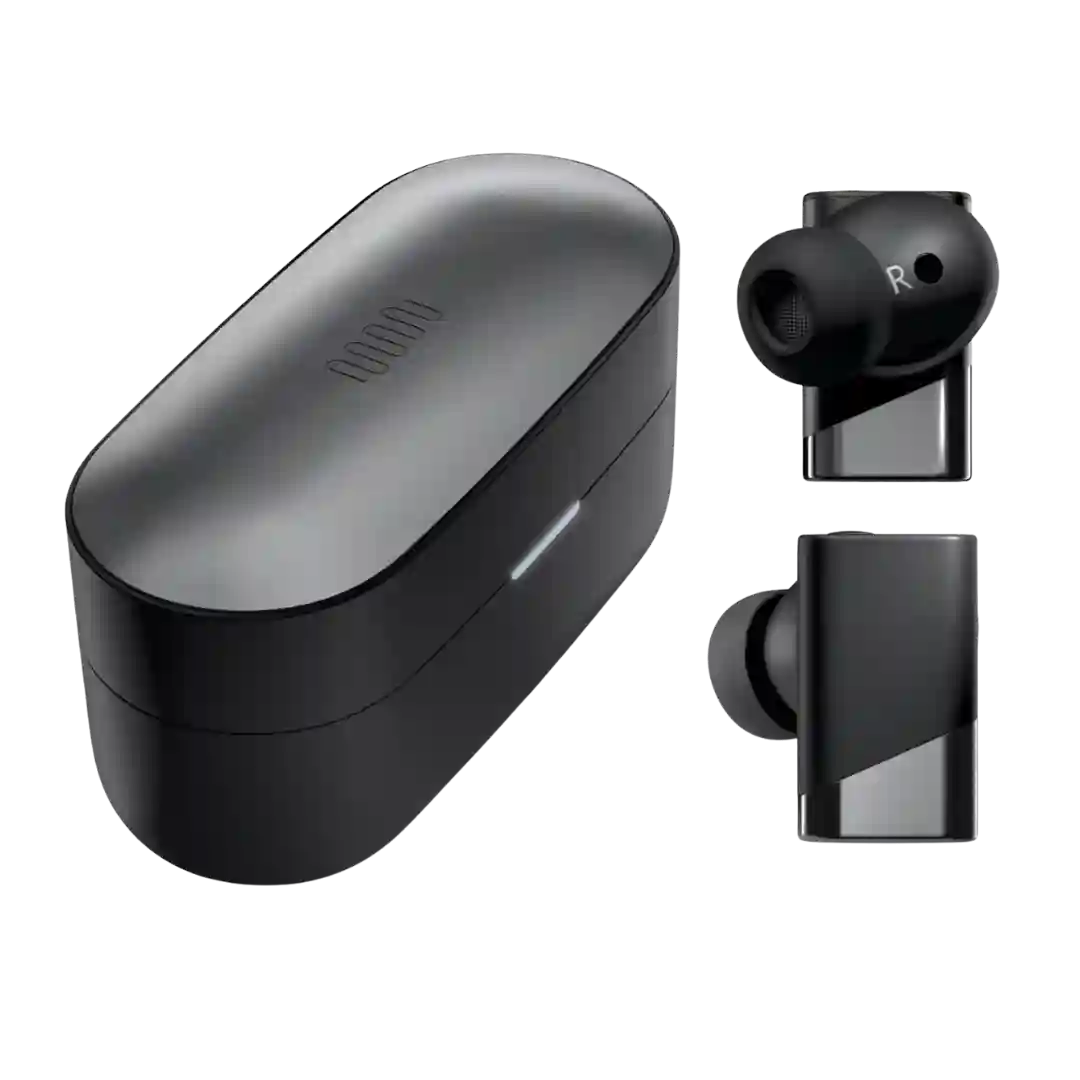
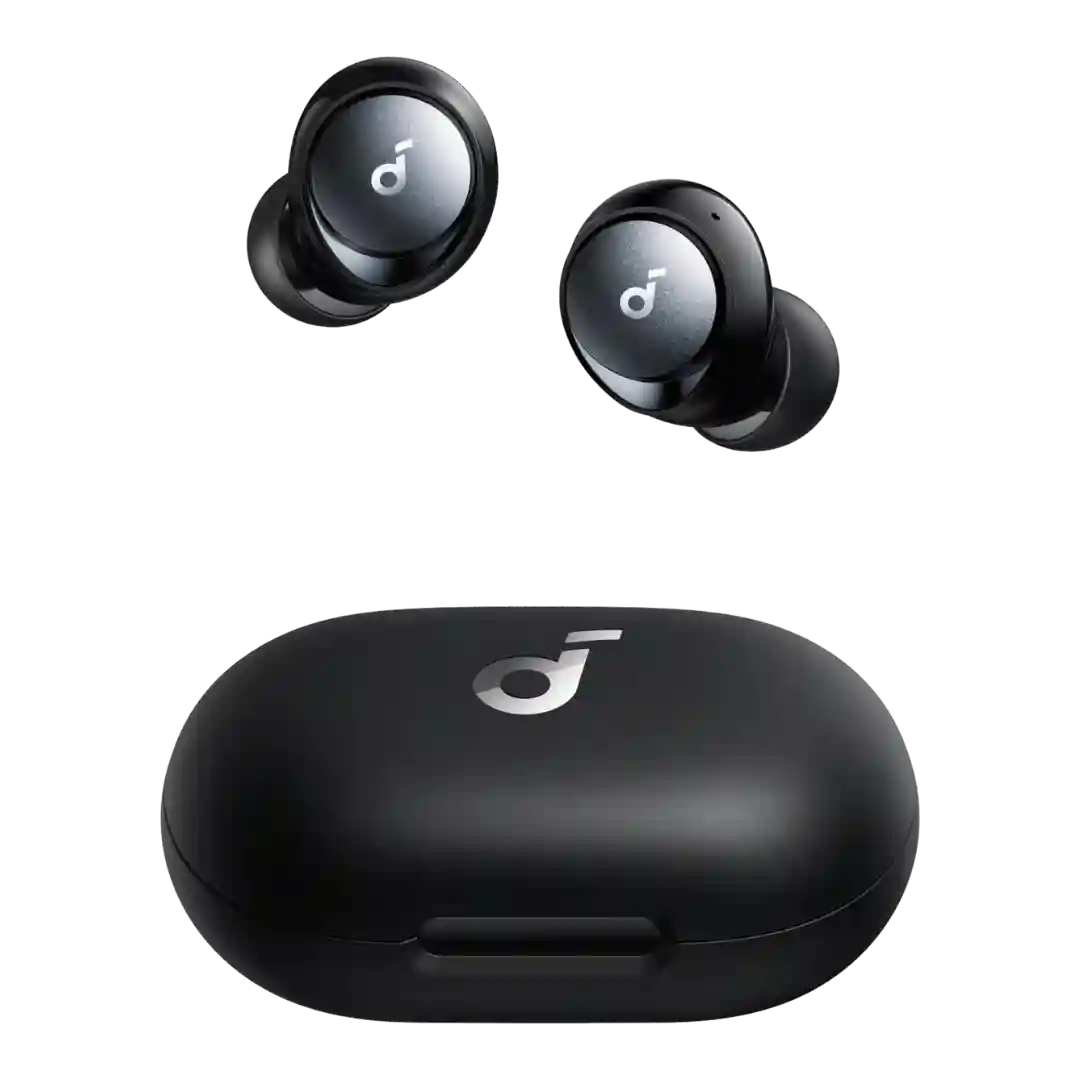
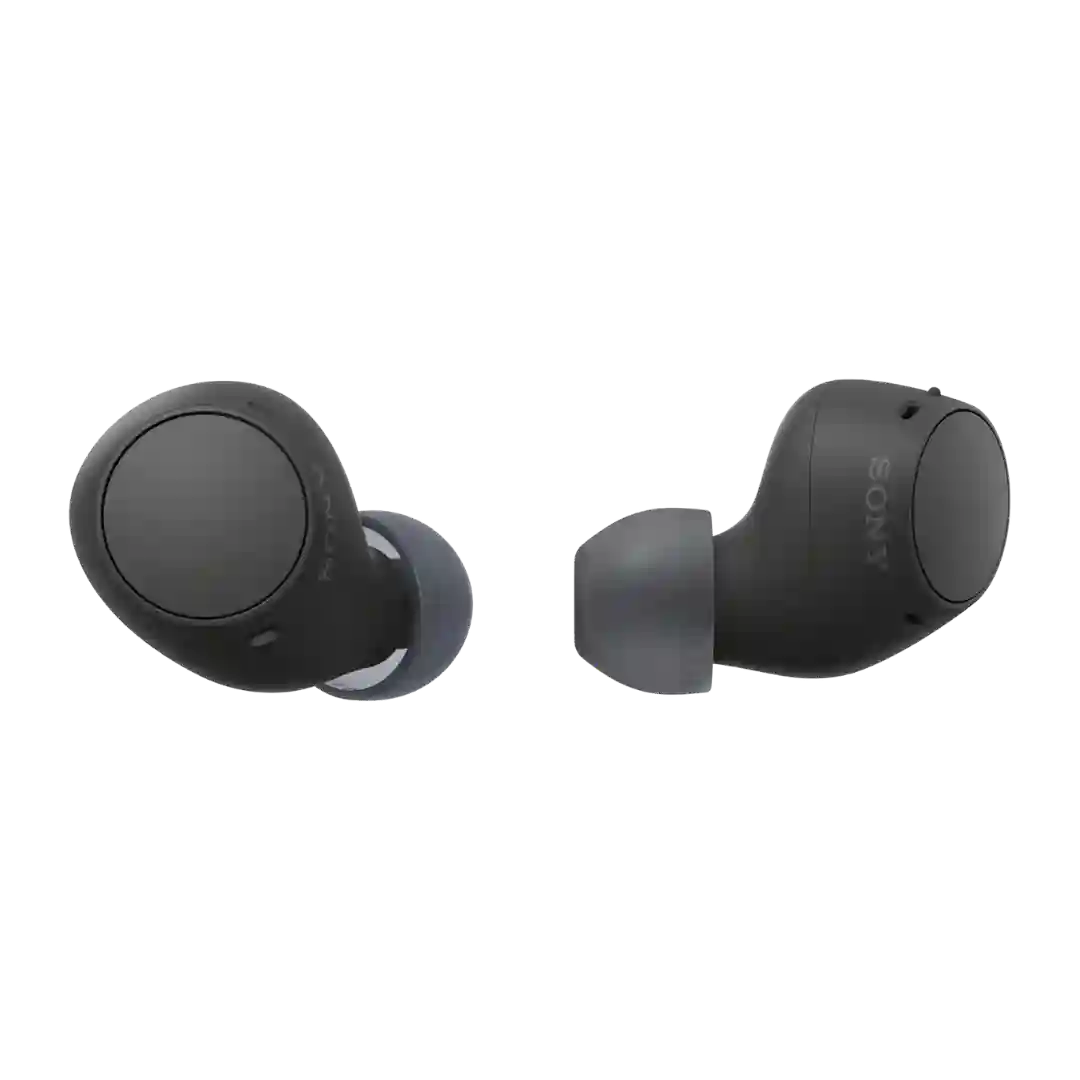
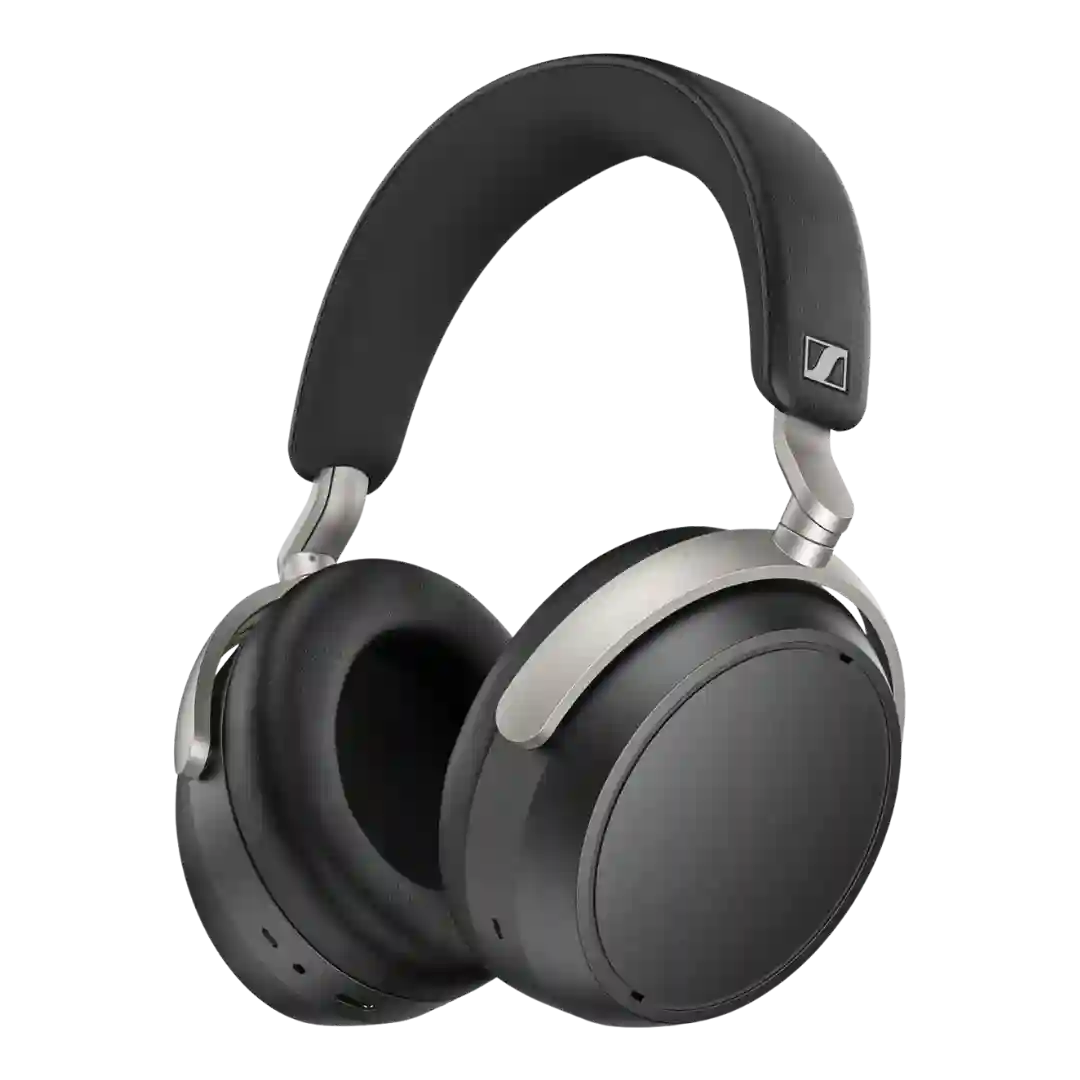
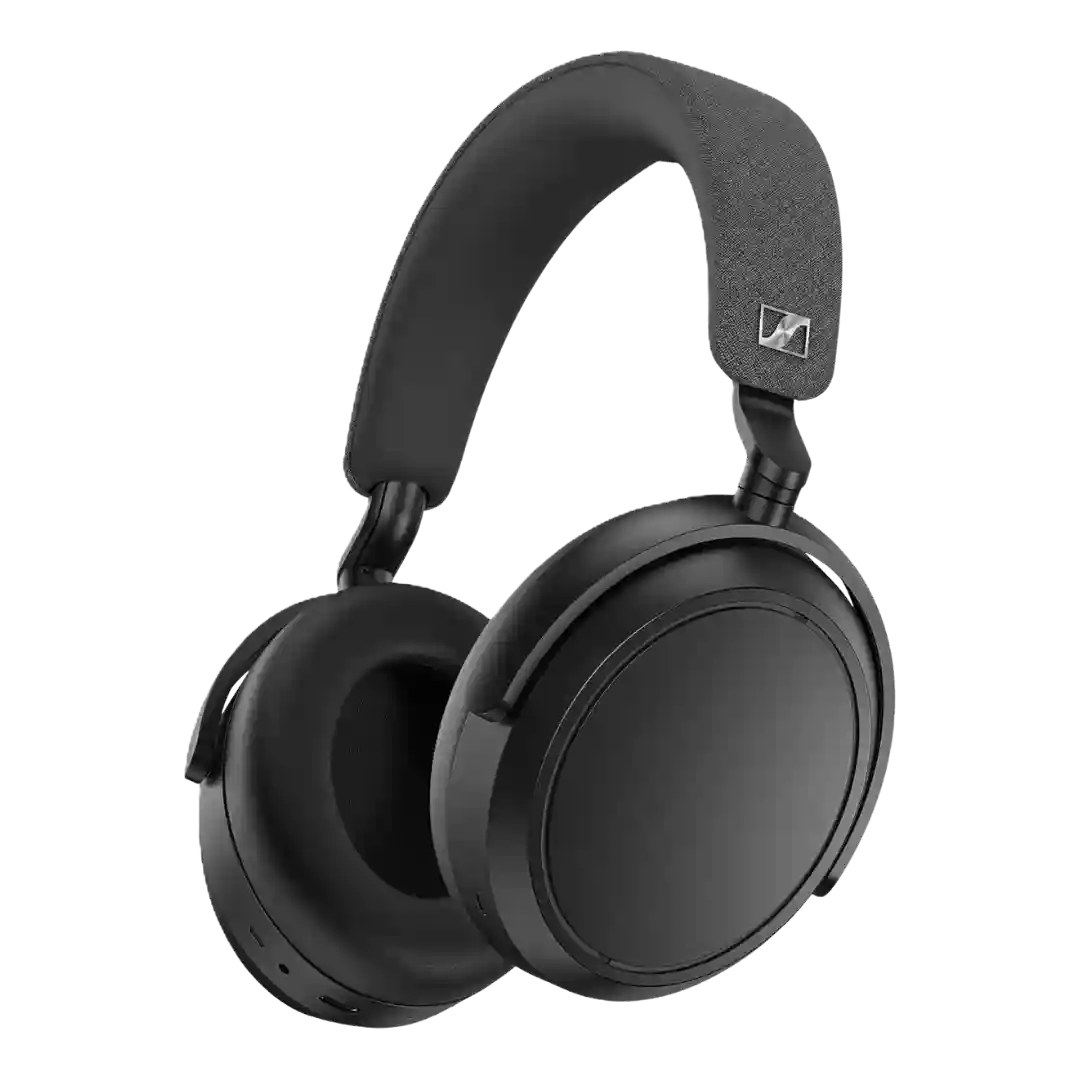
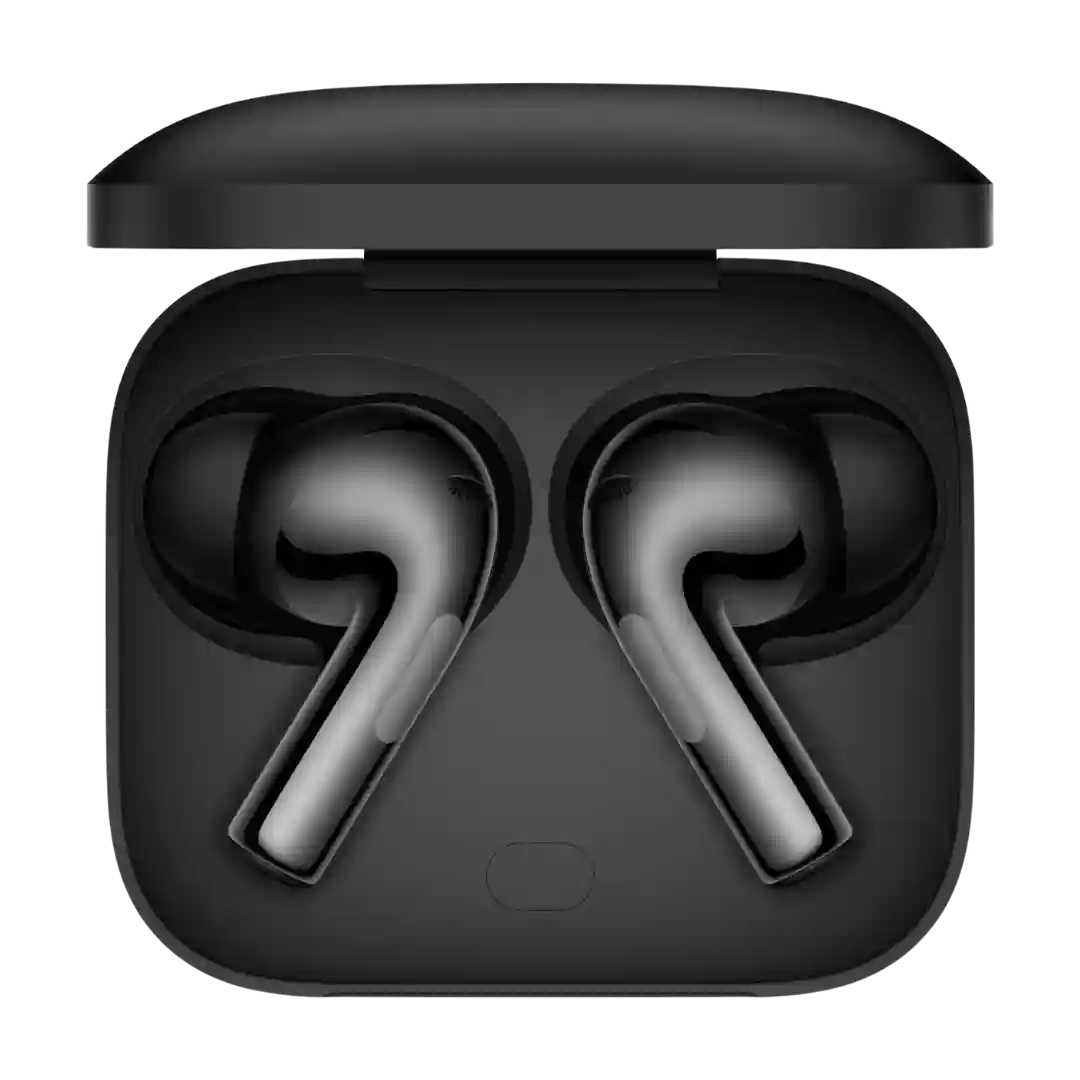
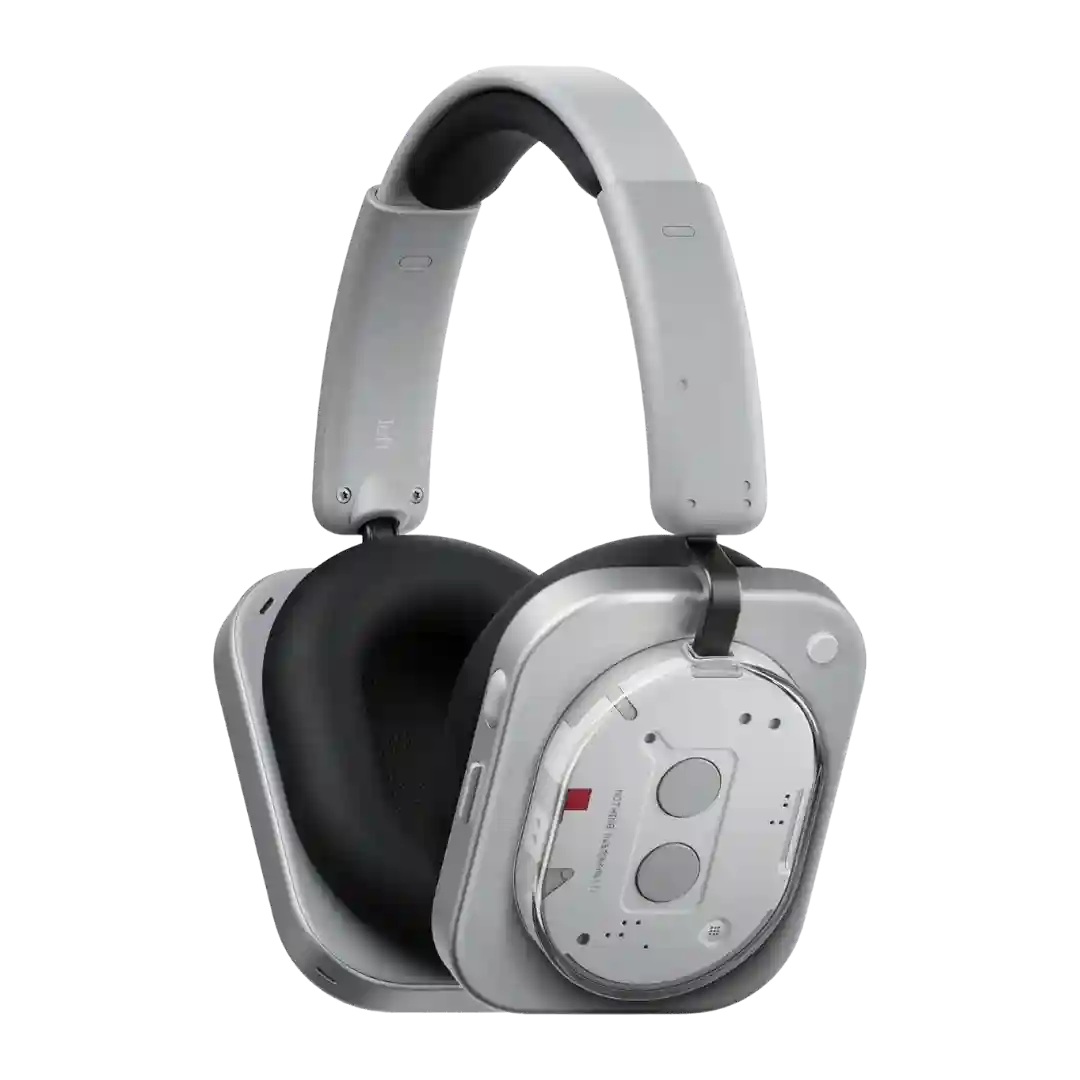
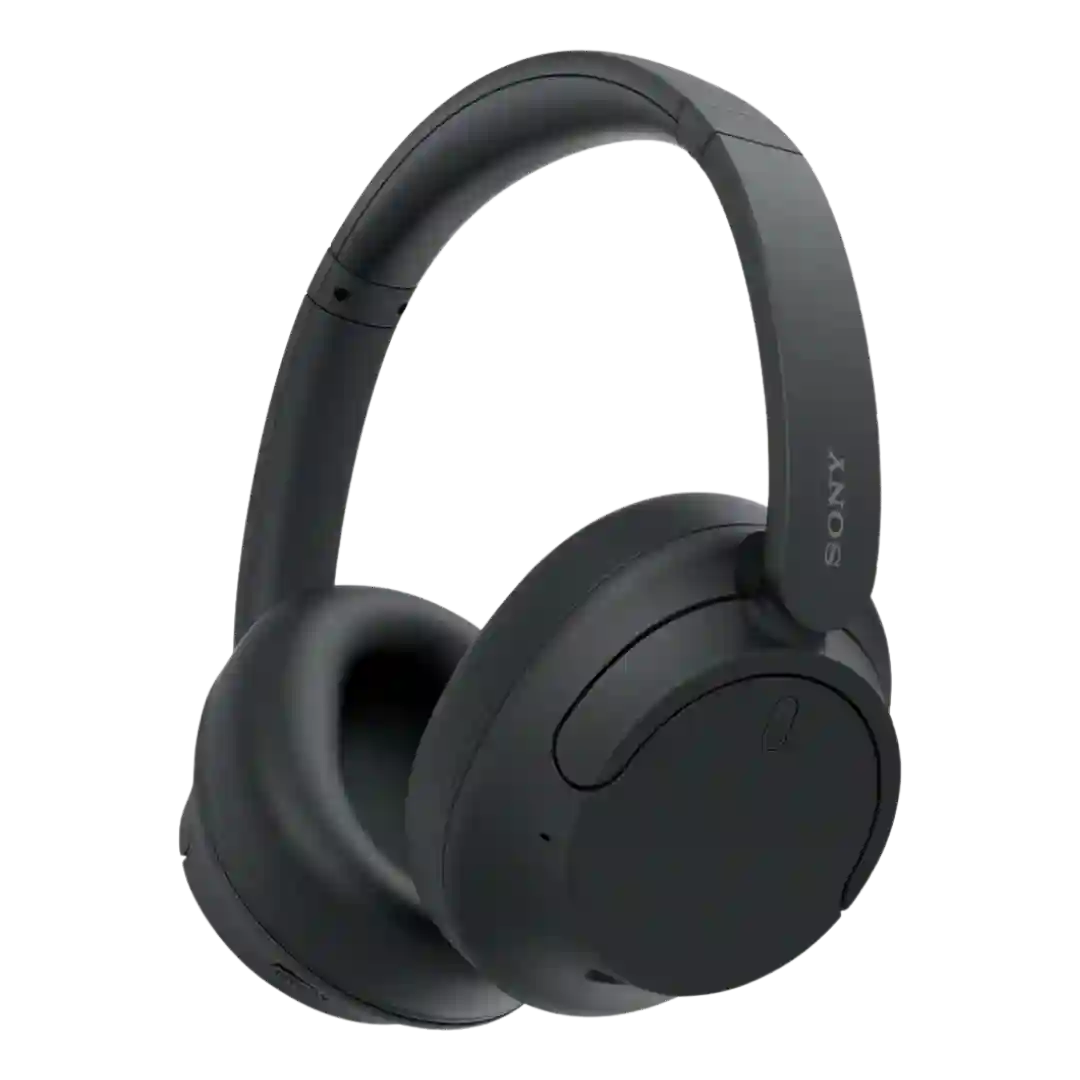
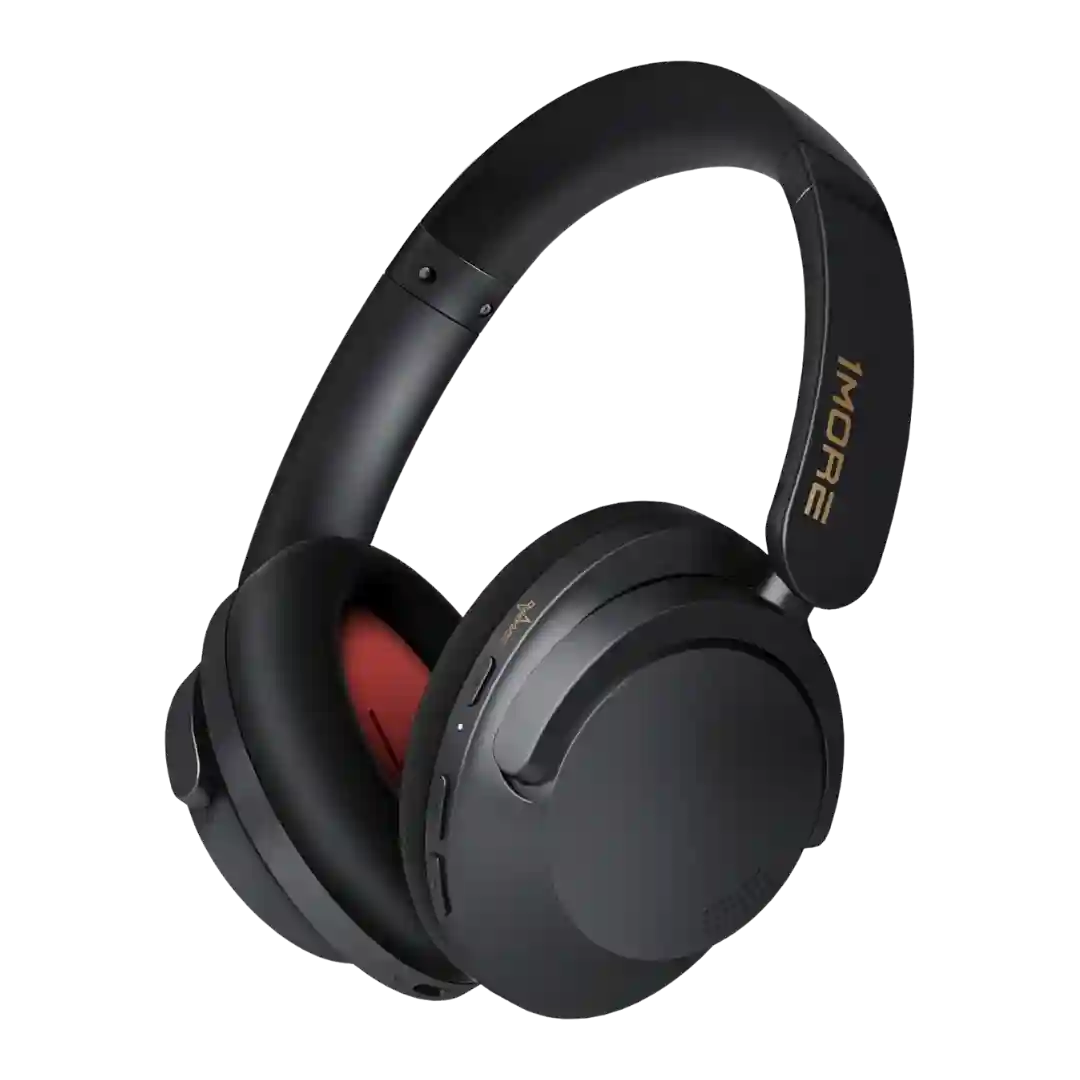
Environmental awareness is excellent, letting you hear traffic, conversations, and other surroundings clearly, which is the main benefit of the open-ear design.
Transparency is repeatedly praised for sounding natural and clear, with speech coming through realistically and less processed than many rivals. This also supports hearing and safety use cases outdoors.
Transparency is repeatedly described as class-leading and close to totally natural in feel. Adaptive Transparency helps tame sudden loud sounds, though a few testers notice a touch of added noise or processing in some situations.
Transparency or ambient mode is one of the most consistently praised features, sounding natural and useful for conversations, announcements, and day-to-day awareness.
Transparency/ambient mode is widely improved with less hiss and more natural volume, and features like Quick Attention and voice passthrough help for quick chats. Several comparisons still call Apple’s transparency more natural, and some users hear their own voice as slightly occluded.
Transparency mode is a strong point, frequently described as natural and easy to trust outdoors; a few reviewers still rate AirPods Pro 2 slightly more realistic, especially in high frequencies.
Transparency or Aware mode is widely described as very natural and effective, with at least one reviewer calling it best-in-class; some note limited fine control of awareness without blending with ANC.
Transparency is often described as natural and adjustable, with some calling it among the best they have used. A minority report slight hiss/white noise or say it could be more lifelike compared with Apple or Bose in certain environments.
Transparency mode is widely improved and often described as near top-tier, though some people still hear a slightly processed quality or amplified self-voice versus AirPods Max.
An ambient/augmented listening mode is described as convincing and genuinely useful for hearing the room or holding a conversation without removing the headset. Several reviews note this functionality depends on connection/power, and it is not a full-featured headphone-style transparency experience in every setup.
Transparency or ambient mode is commonly described as useful for awareness and in-room callouts while still wearing the headset. It is not the same as an open-back feel, but it is functional and easy to toggle.
Transparency or Aware mode is consistently described as natural and easy for conversations, often compared favorably with top competitors. A few reviewers still prefer Apple or Bose, but overall sentiment is very positive.
Transparency mode is often called natural and usable for announcements and quick conversations. Several comparisons say it is not the most open or bright in class, with some upper-frequency muffling.
Transparency mode is a standout feature. Many reviewers said it sounds unusually natural and useful for conversations, outdoor awareness, and quick check-ins with the environment.
Transparency/Aware mode is generally clear and natural, with useful loud-spike handling in some implementations, but several reviewers still place it behind the very best competitors and note occasional hiss or wind sensitivity.
Transparency/ambient mode is consistently rated as clear and natural for conversations and awareness, with adjustability. A light hiss/white noise at higher gain levels is mentioned by some reviewers.
Transparency mode is commonly rated among the best and natural-sounding, though several reviewers mention a faint hiss/white noise or slightly reduced openness versus the very best implementations.
Ambient or transparency mode is useful but divisive: some find it natural enough for quick chats, while others describe it as muffled or underwater-like and not as convincing as top competitors.
Transparency mode is a highlight for many, described as natural and very clear, though a few note slight hiss or less realism than the very best implementations.
Transparency mode is one of the most consistently praised features, often described as natural, clear, and easy for quick conversations. A minority find it slightly hollow or digital compared with the very best implementations.
Transparency mode gets mixed feedback: some find it useful and fairly natural, while others say it lacks clarity or fails to let all external sounds through.
Transparency and TalkThru/Ambient modes are generally clear and usable for quick conversations, but a few note hiss or a slightly digital character. Multiple reviews say it is good rather than the very best, with AirPods Pro 2 often cited as more natural.
Transparency/ambient mode is strong and adjustable, but some reviewers note hiss at higher levels, an unnatural voice-focused mode, or not enough outside sound for awareness.
Transparency mode is considered usable and sometimes very natural, but multiple reviewers say it is not as airy/clear as top competitors and can suffer from wind noise.
Transparency mode is present and generally treated as functional, but most reviews focus far more on ANC and isolation than on transparency performance.
Transparency/ambient mode is often rated excellent with multiple strength levels, though higher settings can introduce hiss, occlusion, or extra white noise for some ears.
Transparency mode is feature-rich (often with full and vocal-focused options) and can work well for quick conversations, but opinions diverge on naturalness: some hear hiss, brightness, or a narrow sound window.
Transparency/ambient mode is usually described as usable and fairly natural for situational awareness, though strength varies by reviewer and may be limited for full conversations in louder settings.
Transparency mode is typically described as usable and convenient, with adjustable levels and quick toggles. It is rarely considered best-in-class for naturalness, and some reviewers rate it merely adequate.
Transparency is adjustable and generally usable, but opinions vary: some like the control and naturalness, while others find it less crisp or overly amplified in busy spaces.
Transparency generally sounds natural and usable, but quality varies: some find it close to best-in-class for conversations, while others say it still muffles speech or is not clearly better than ANC.
Transparency mode is generally usable and fairly natural, but a recurring complaint is that the wearer’s own voice can sound boomy and/or the passthrough can be less airy than the best implementations.
Transparency mode is useful and often praised for conversation, but opinions vary: some find it natural, others describe it as bright, artificial, or slightly hissy depending on the environment.
Transparency mode is usable and adjustable, but opinions vary: some find it natural and clear, while others notice hiss and weaker reproduction of deeper voices.
Transparency mode is usable and sometimes above average for the class, but it is also one of the most common weak spots, especially versus flagship rivals.
Transparency mode is generally useful and can sound quite natural in some reviews, but others report hiss, mild occlusion, or a less realistic passthrough.