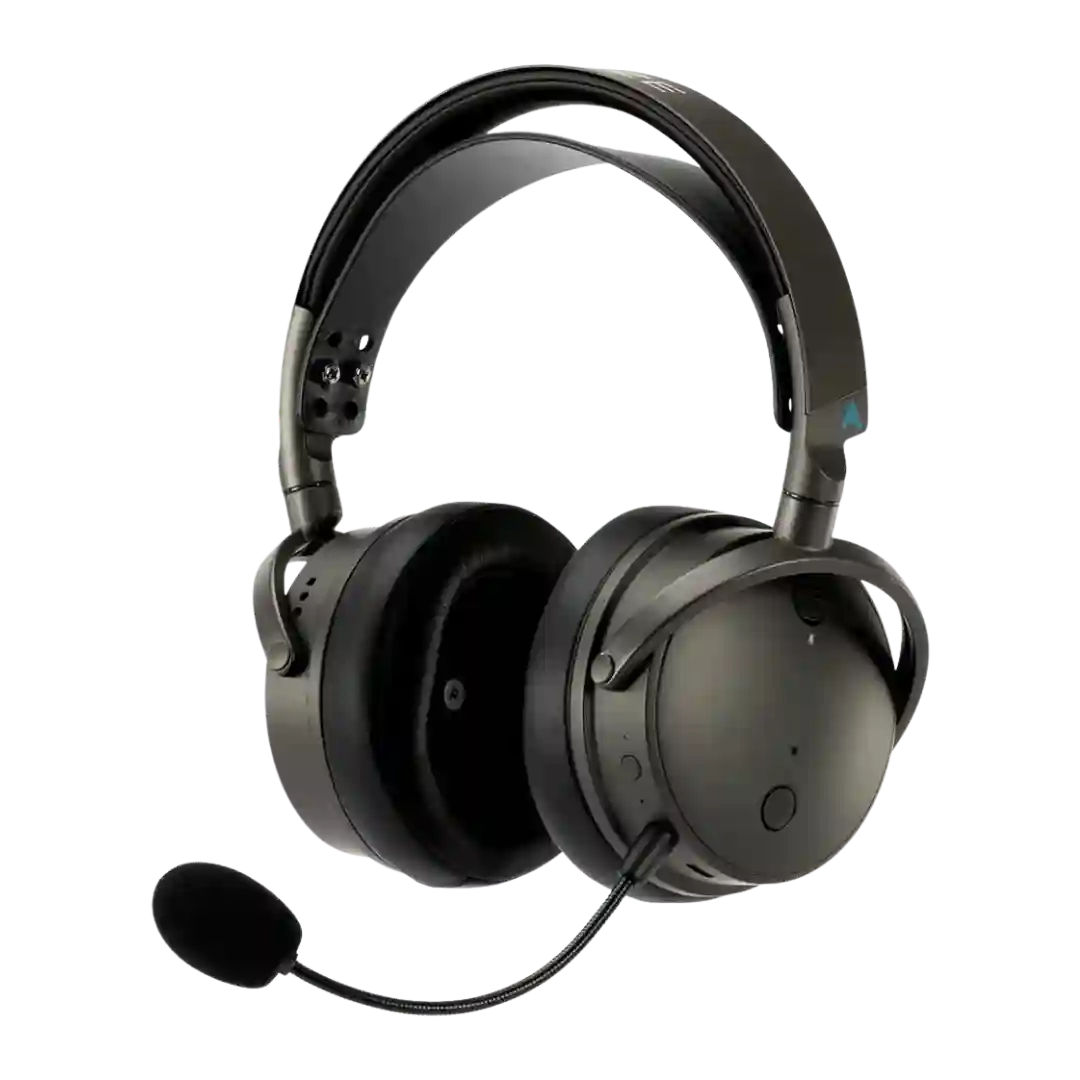
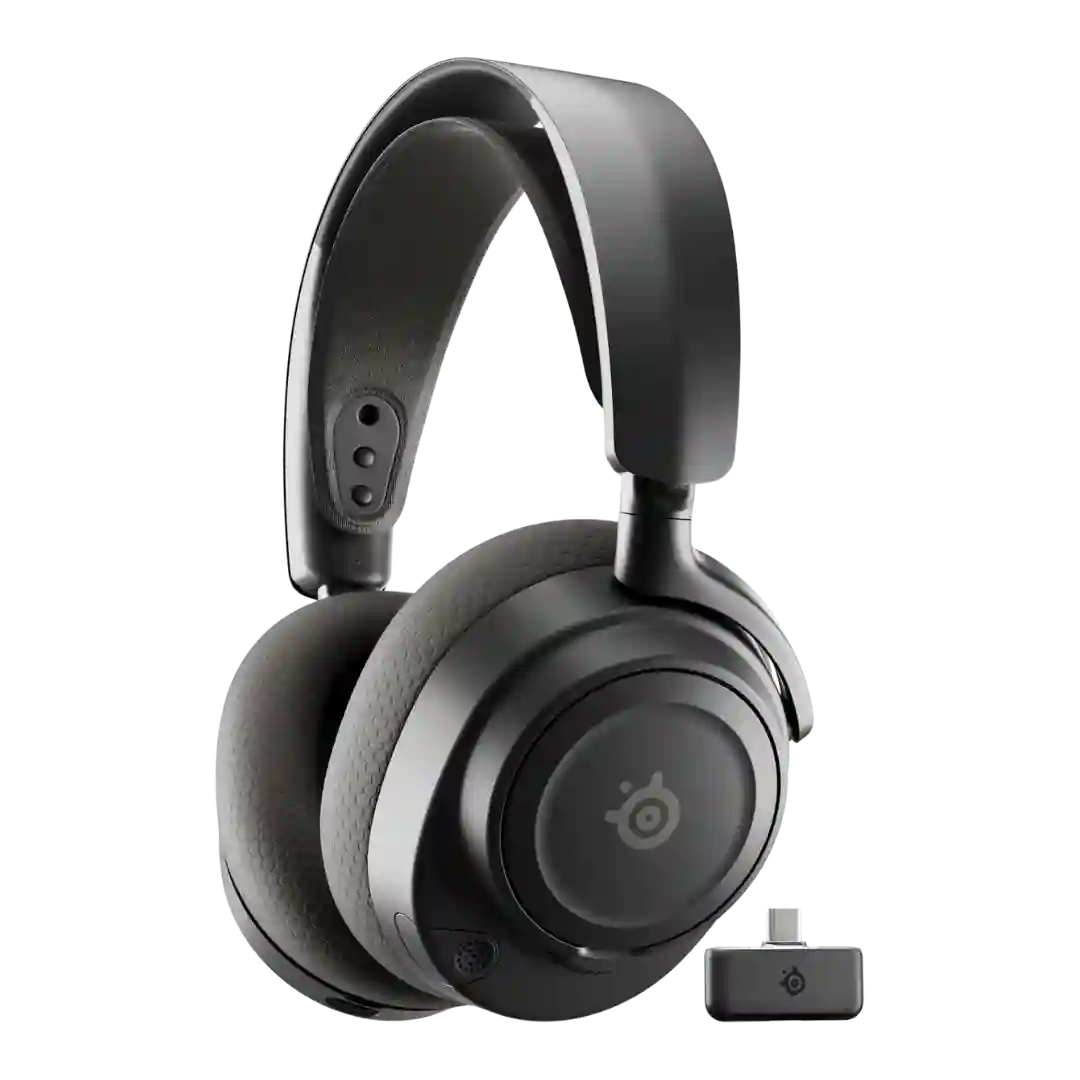
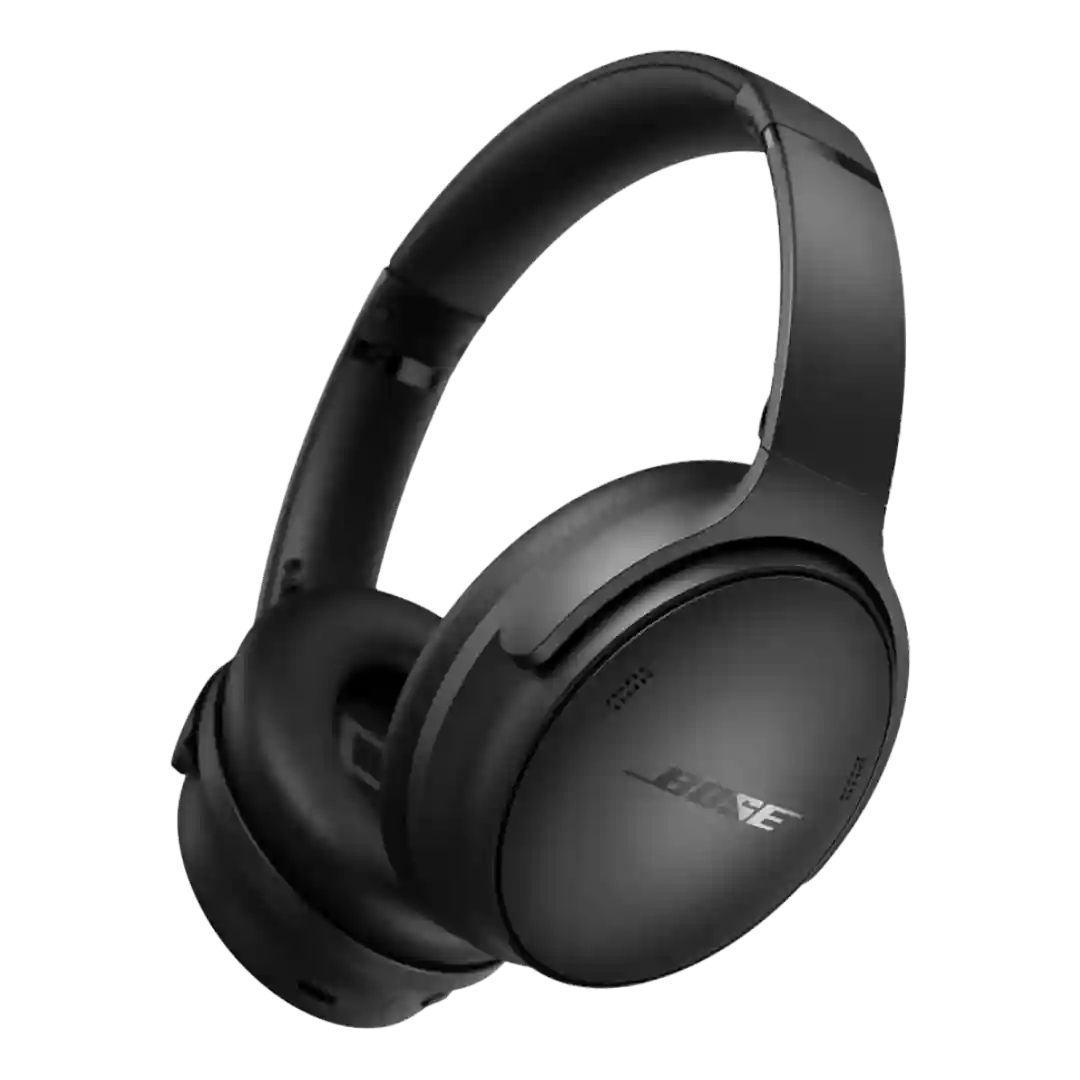
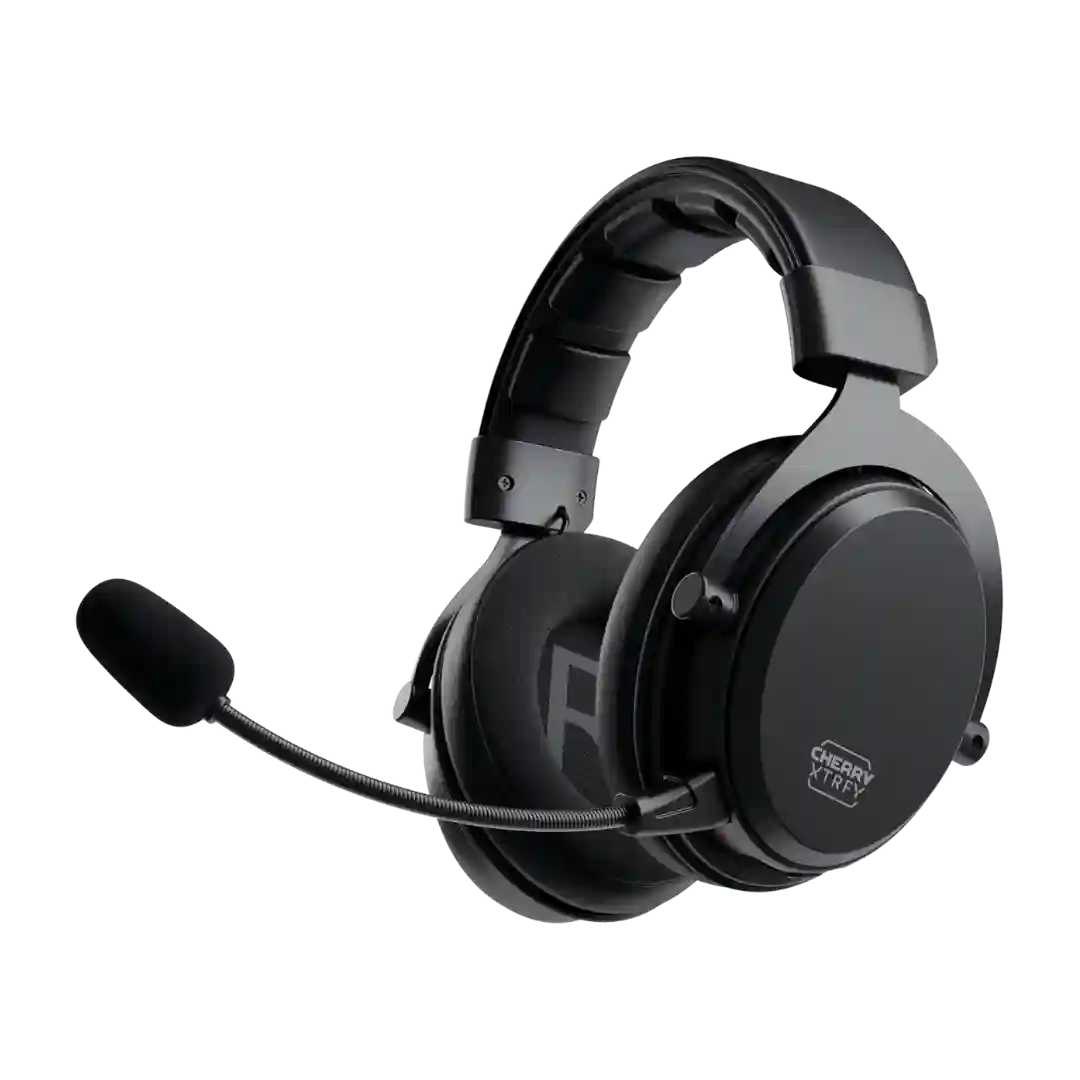
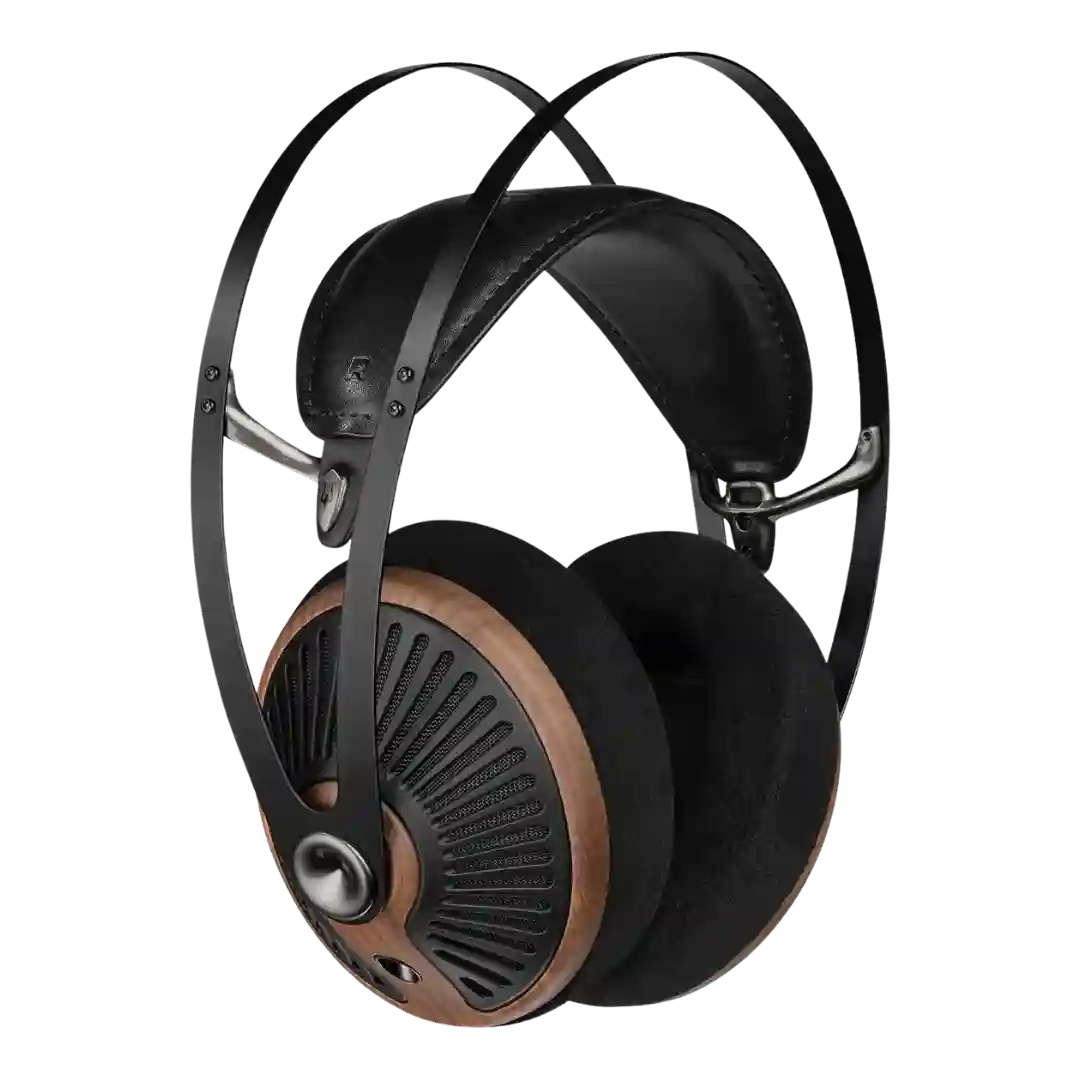
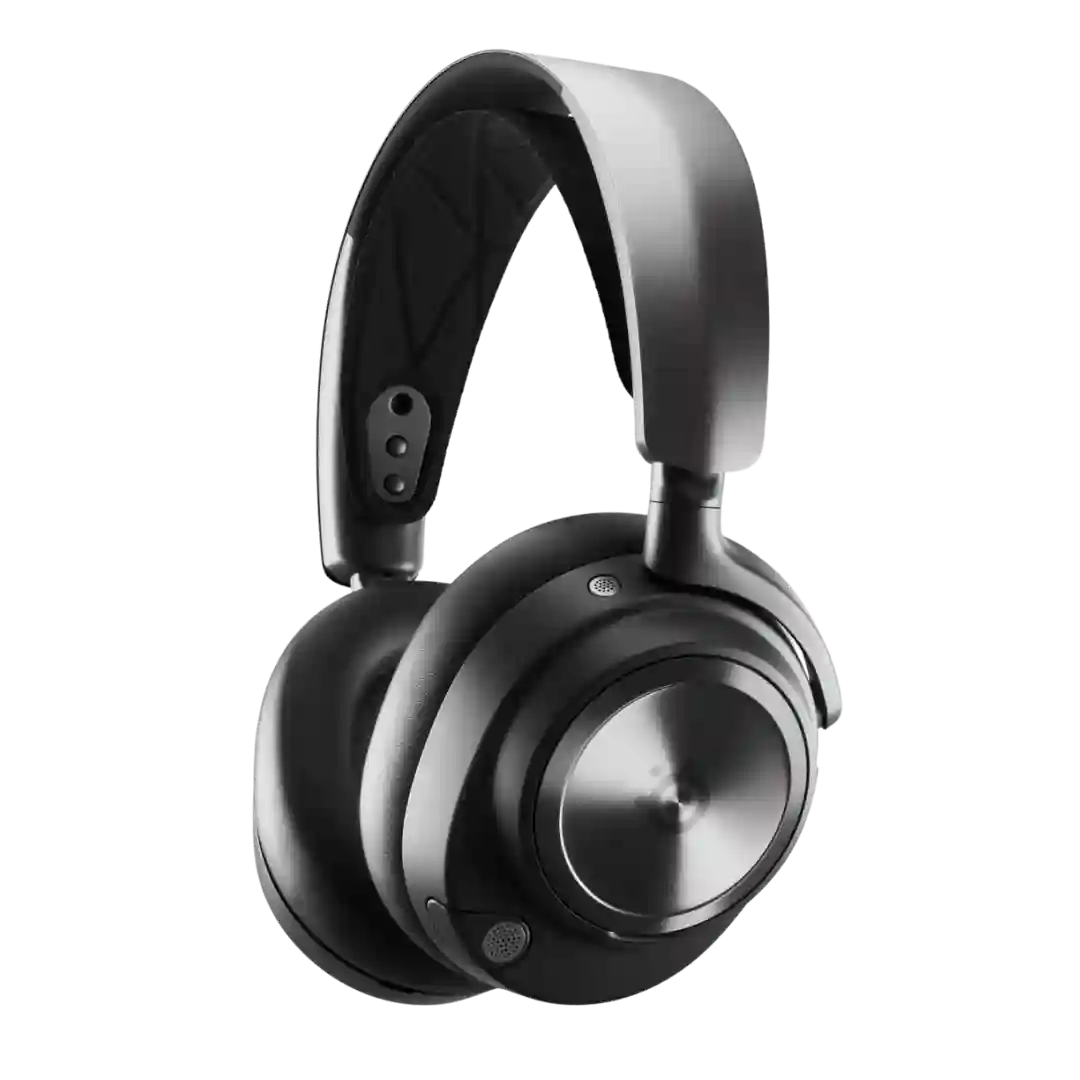
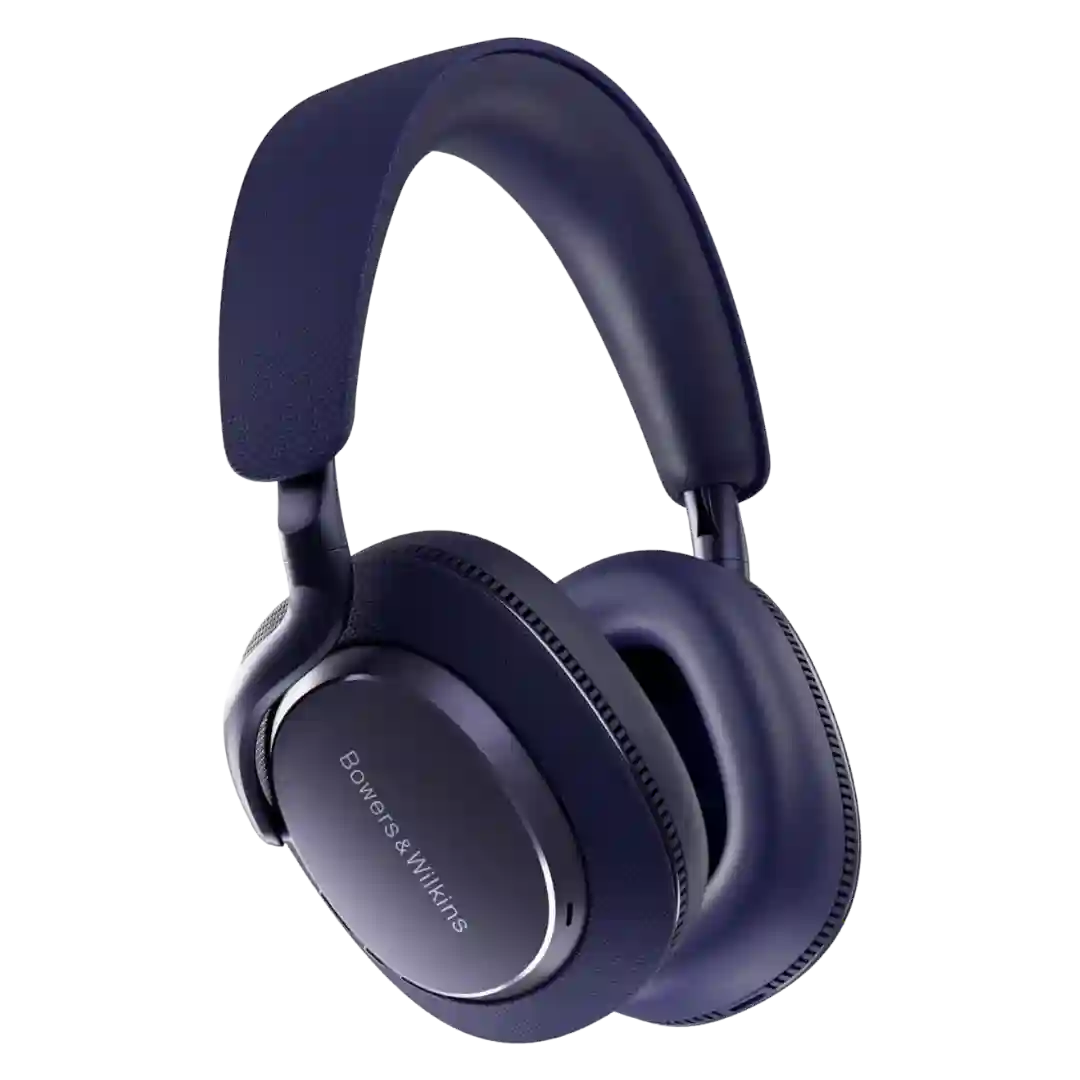
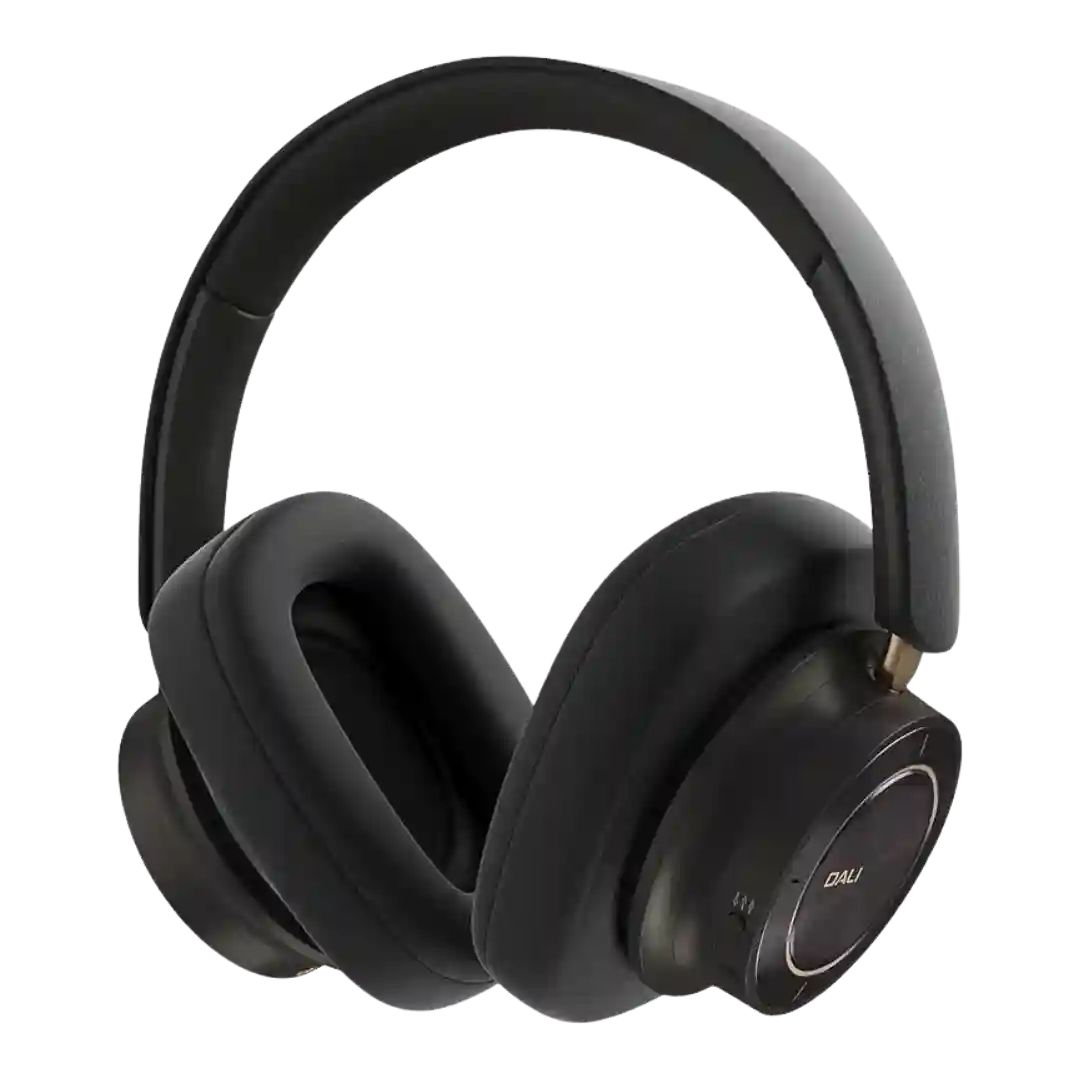
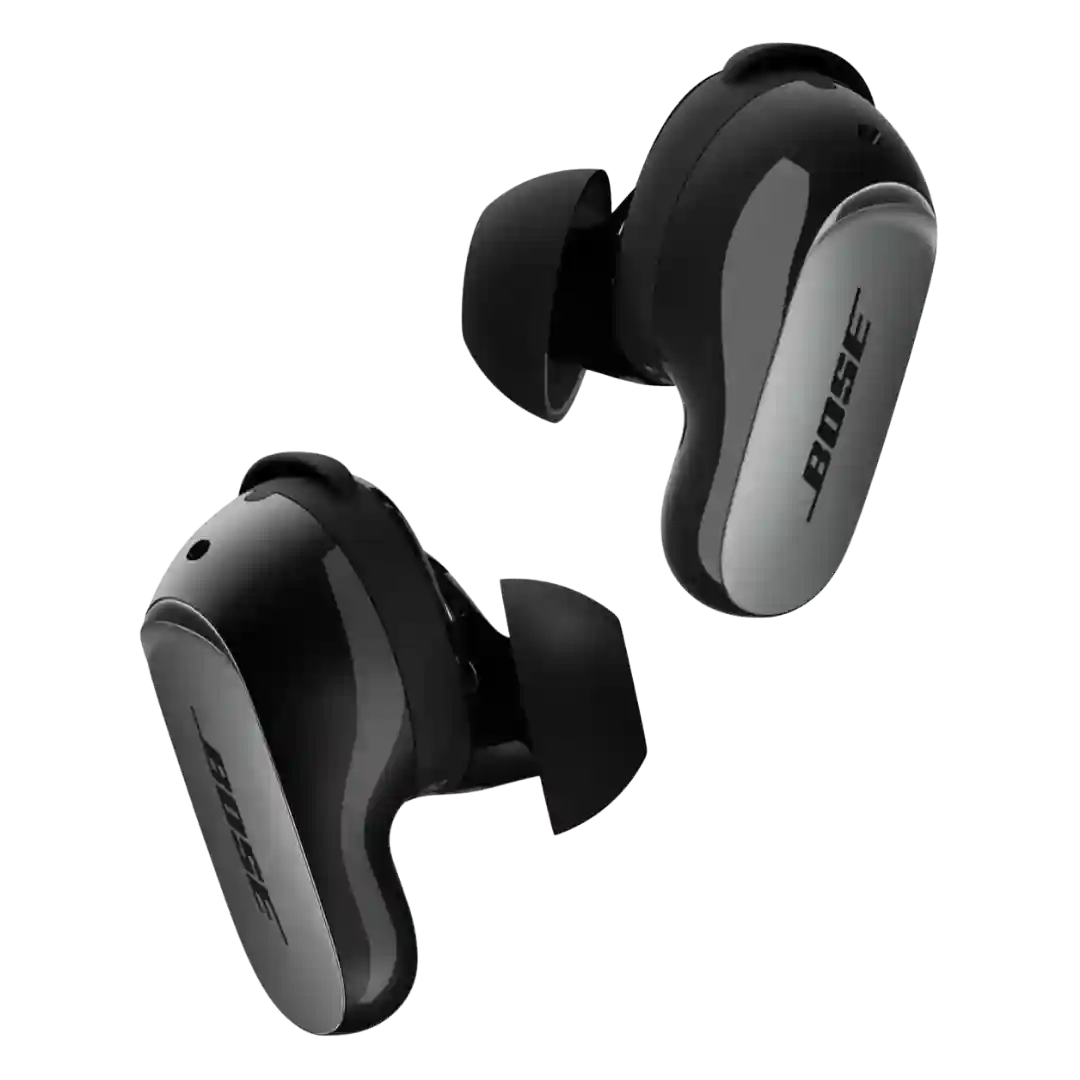
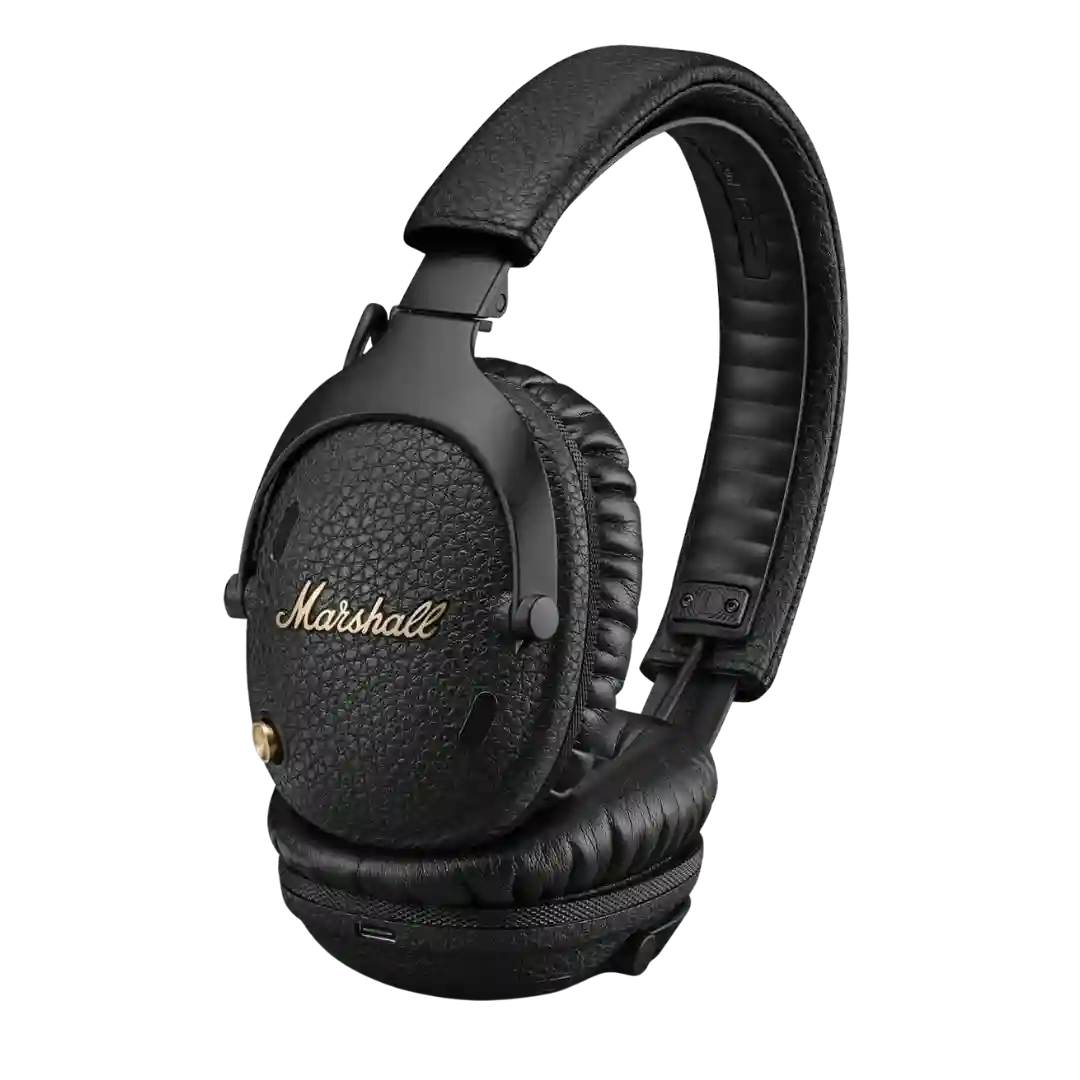
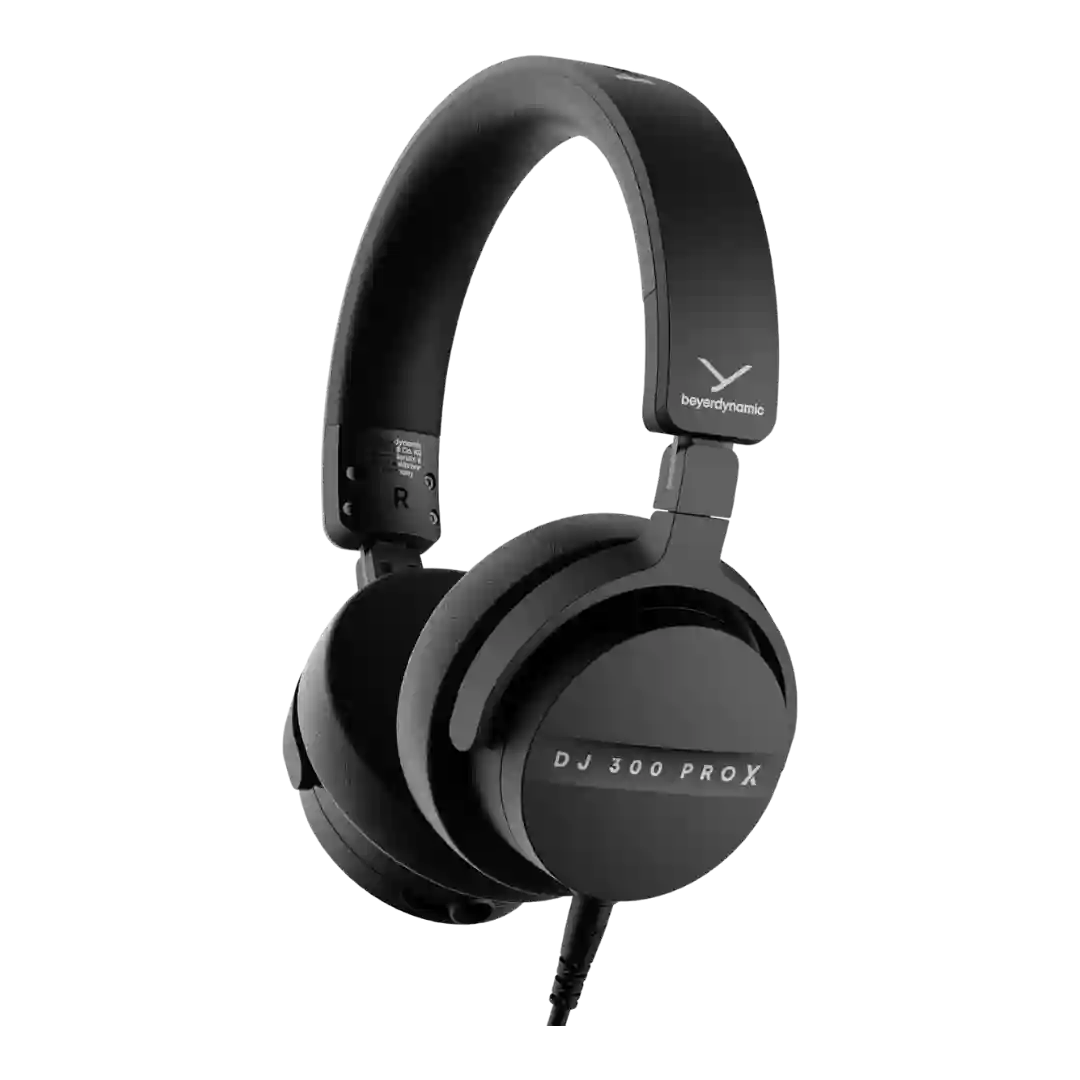
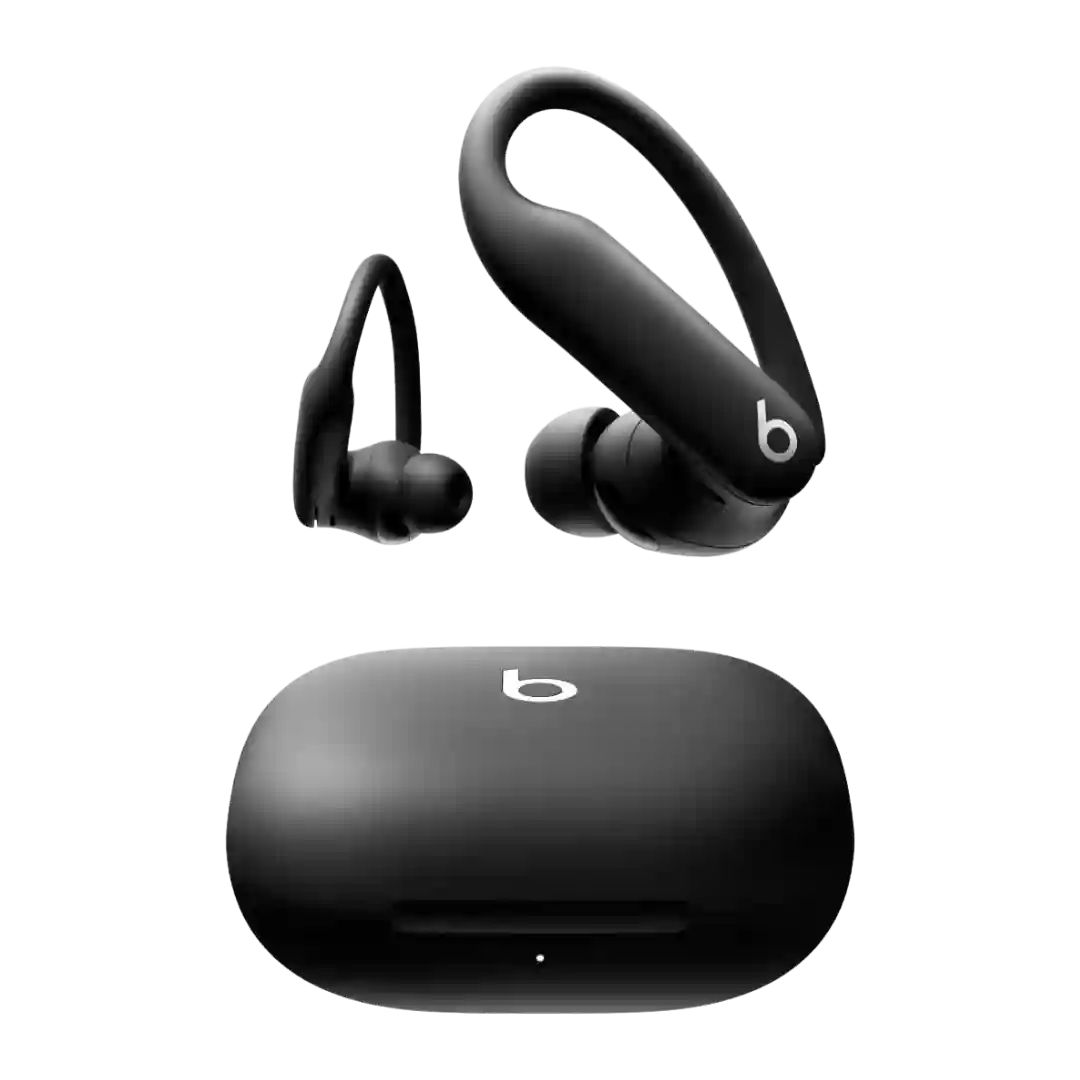
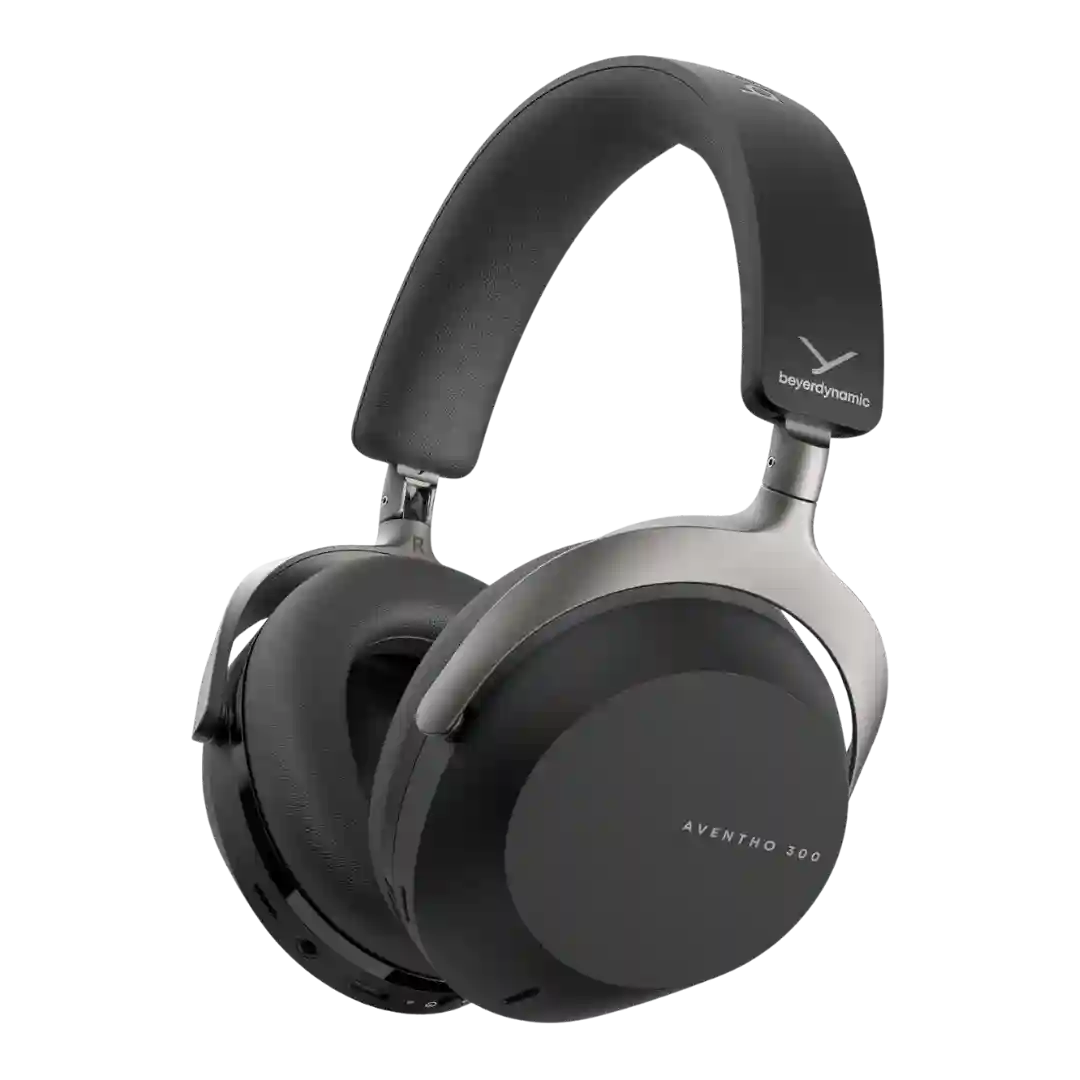
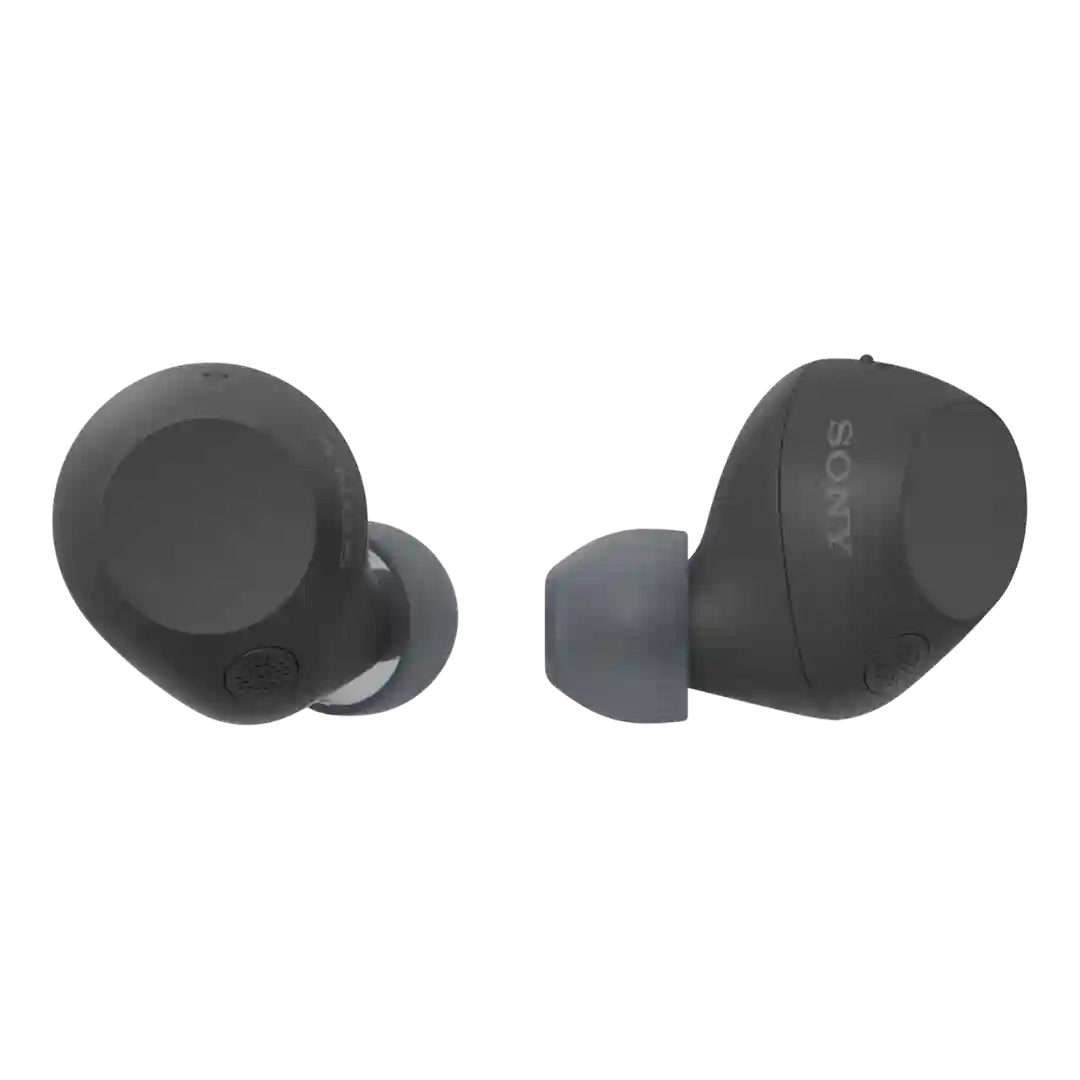
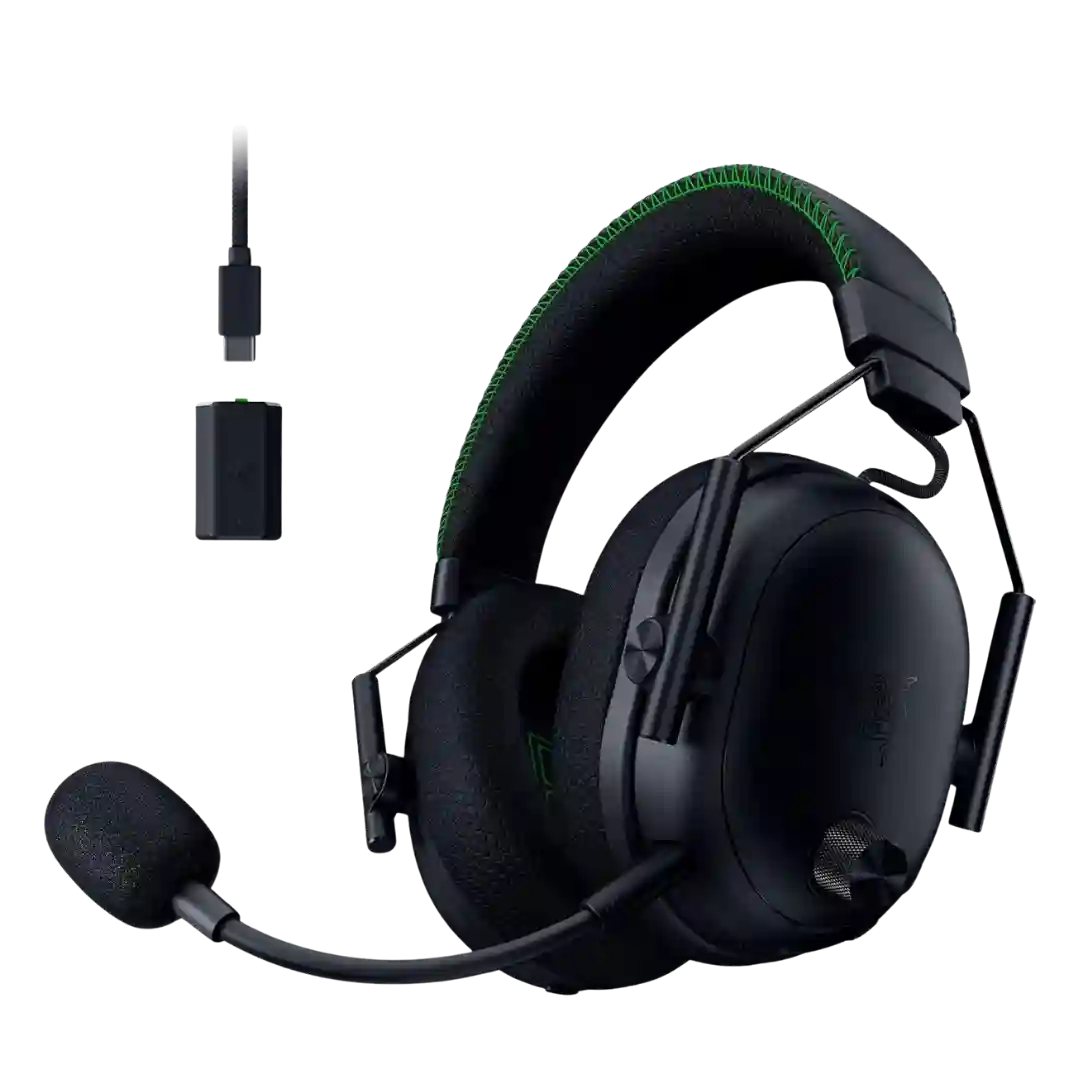
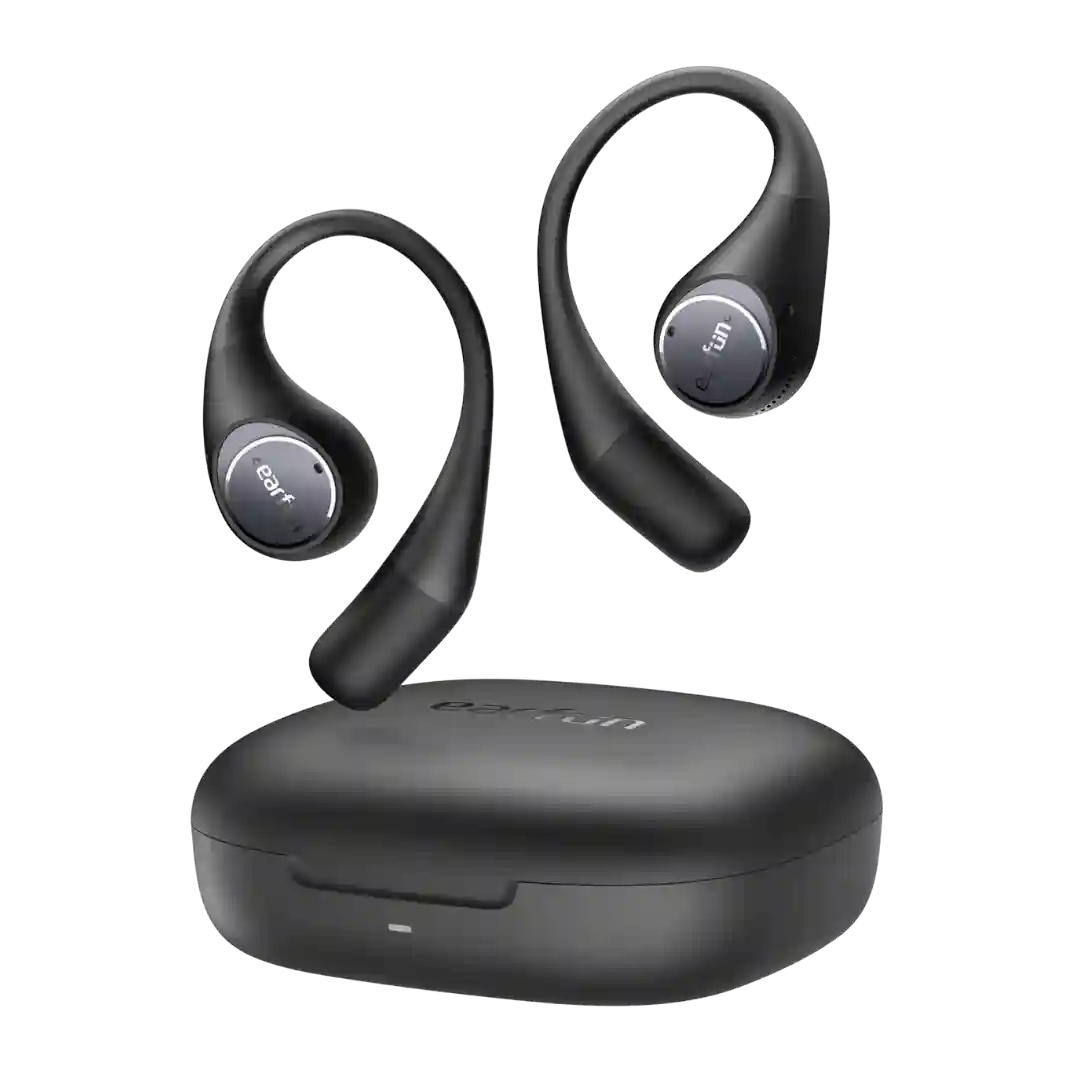
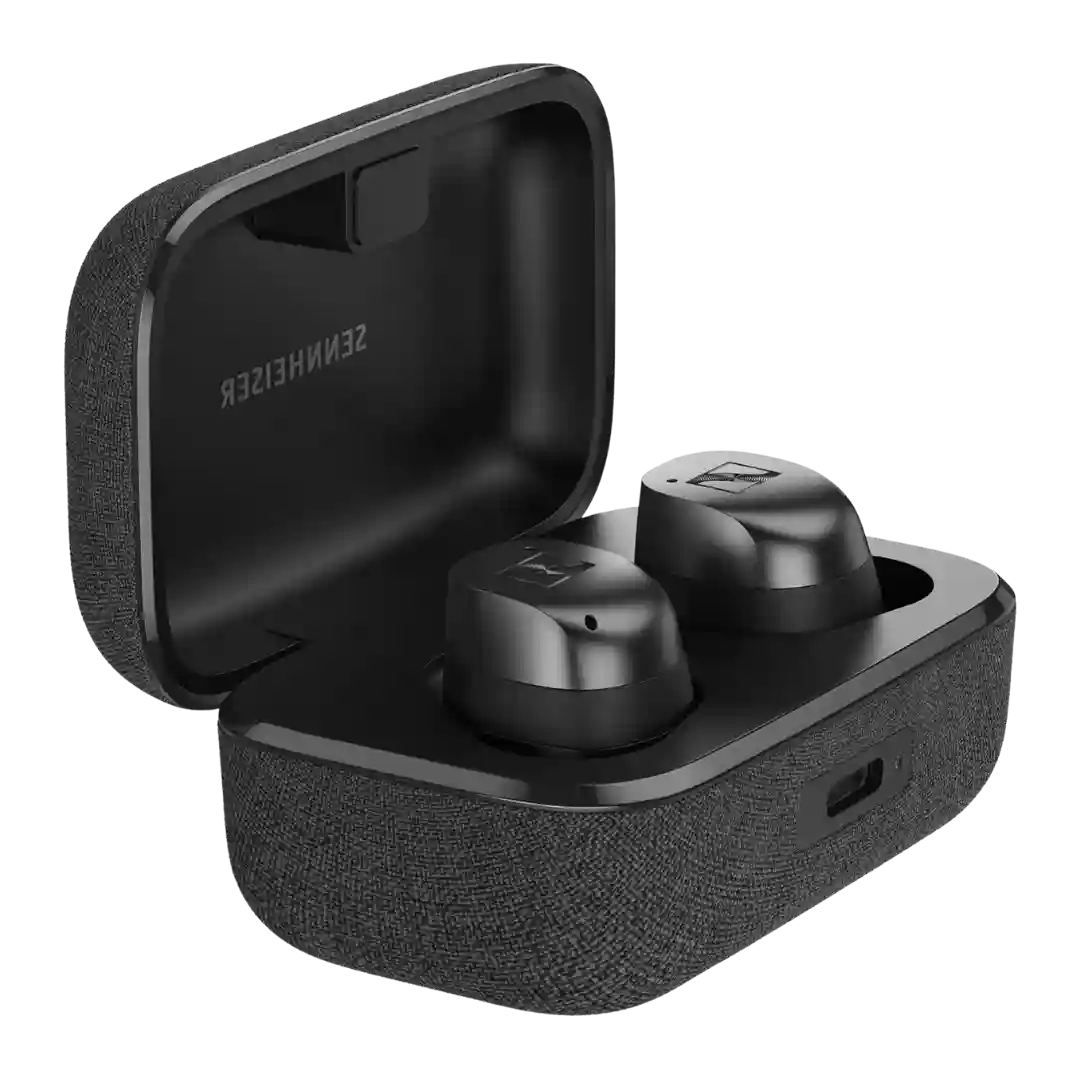
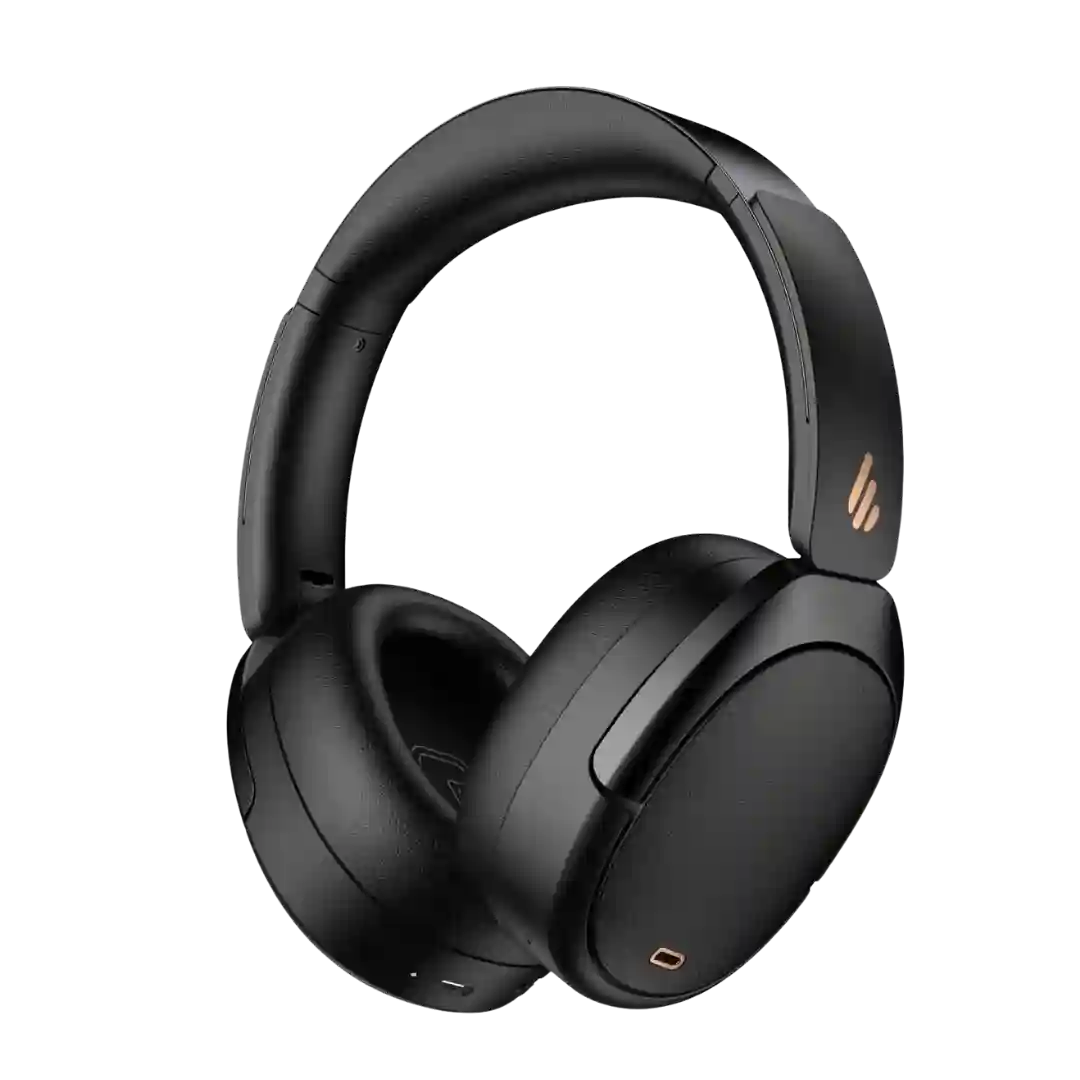
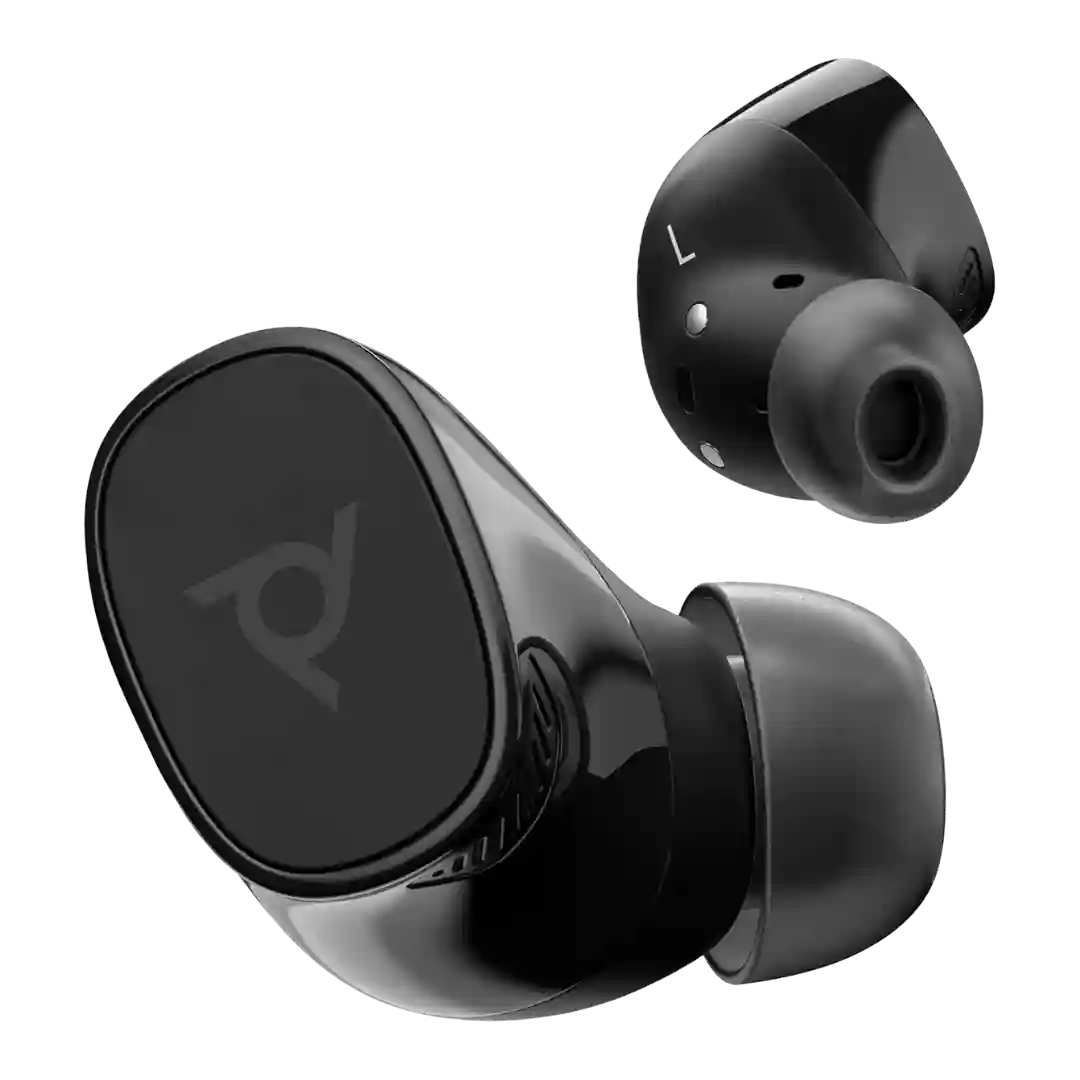
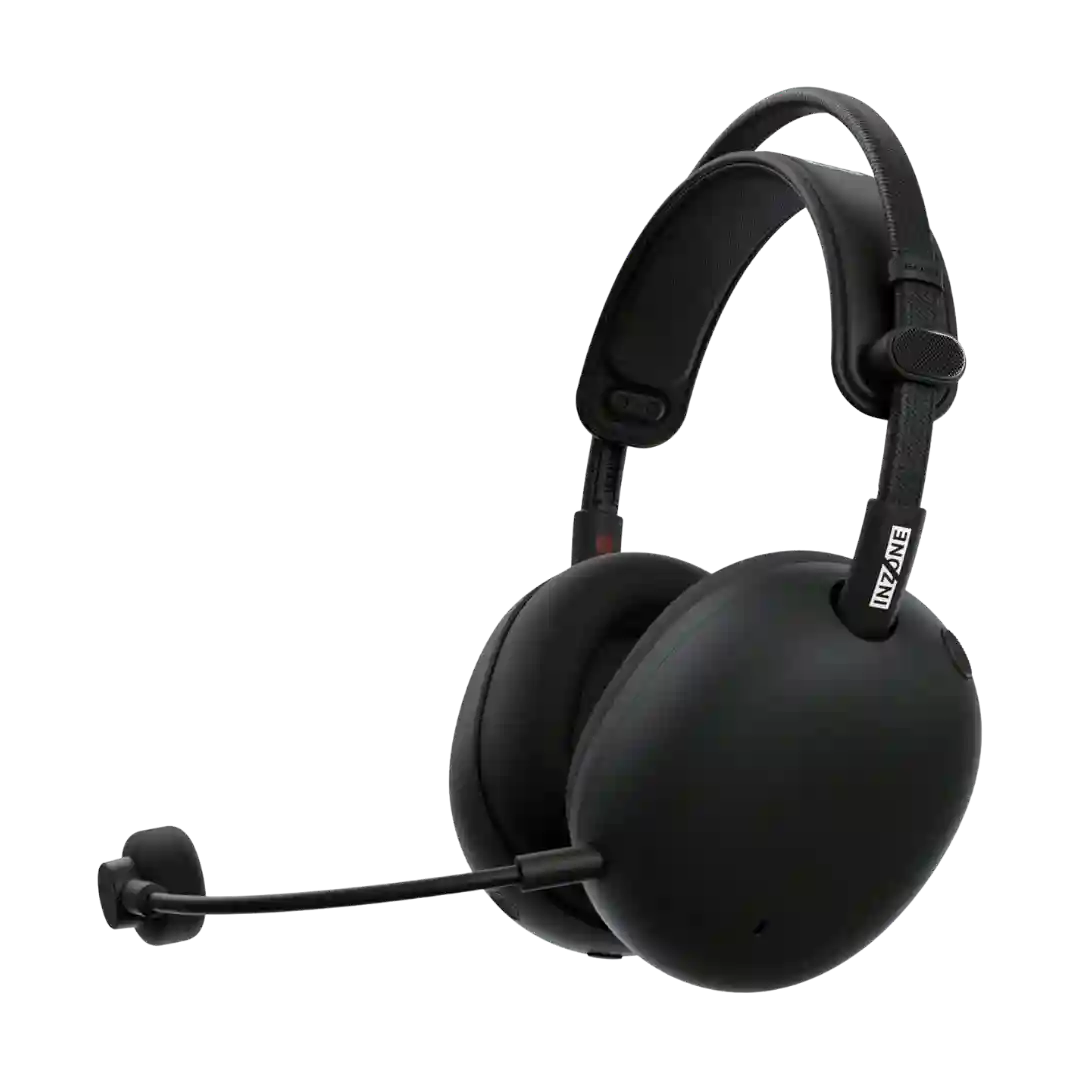
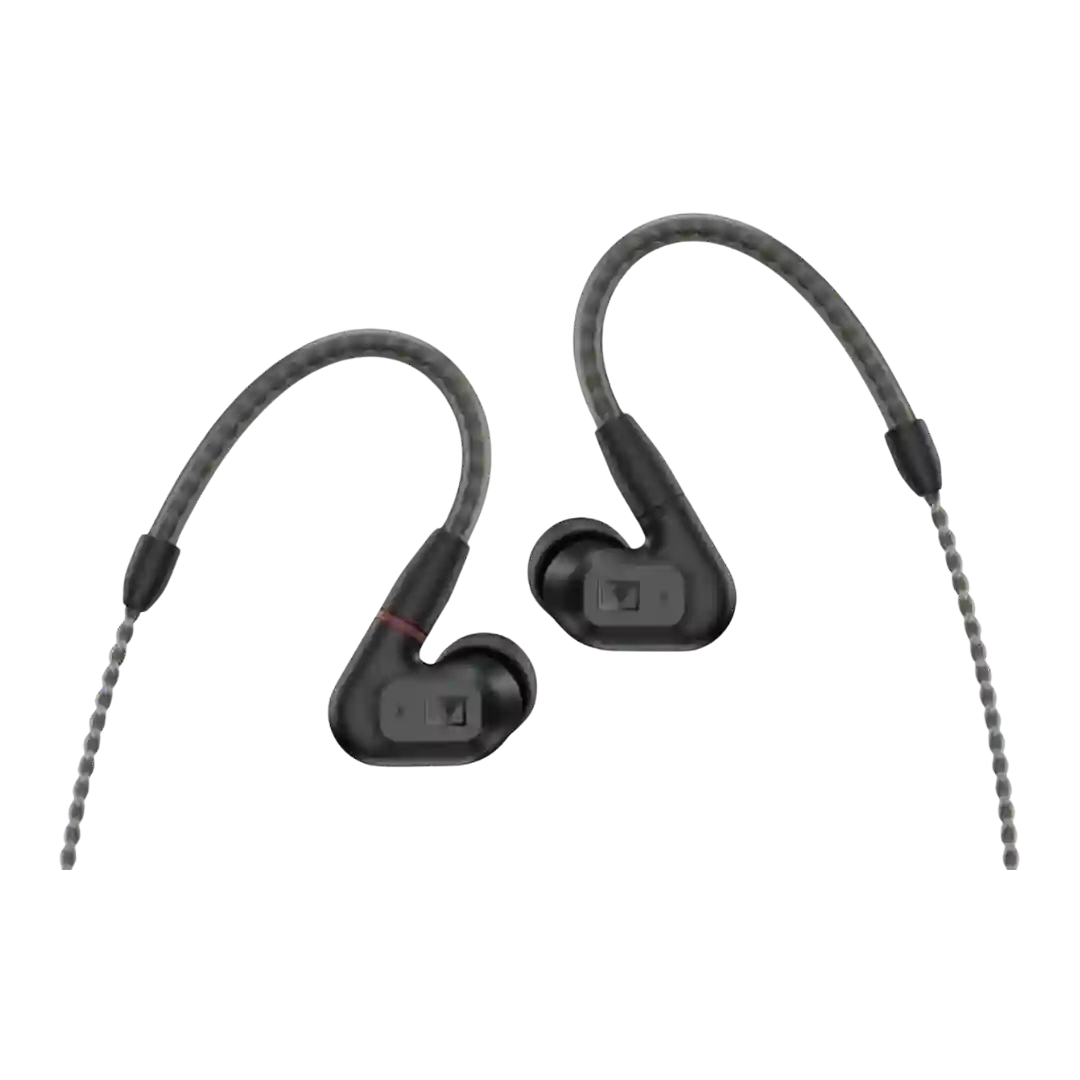
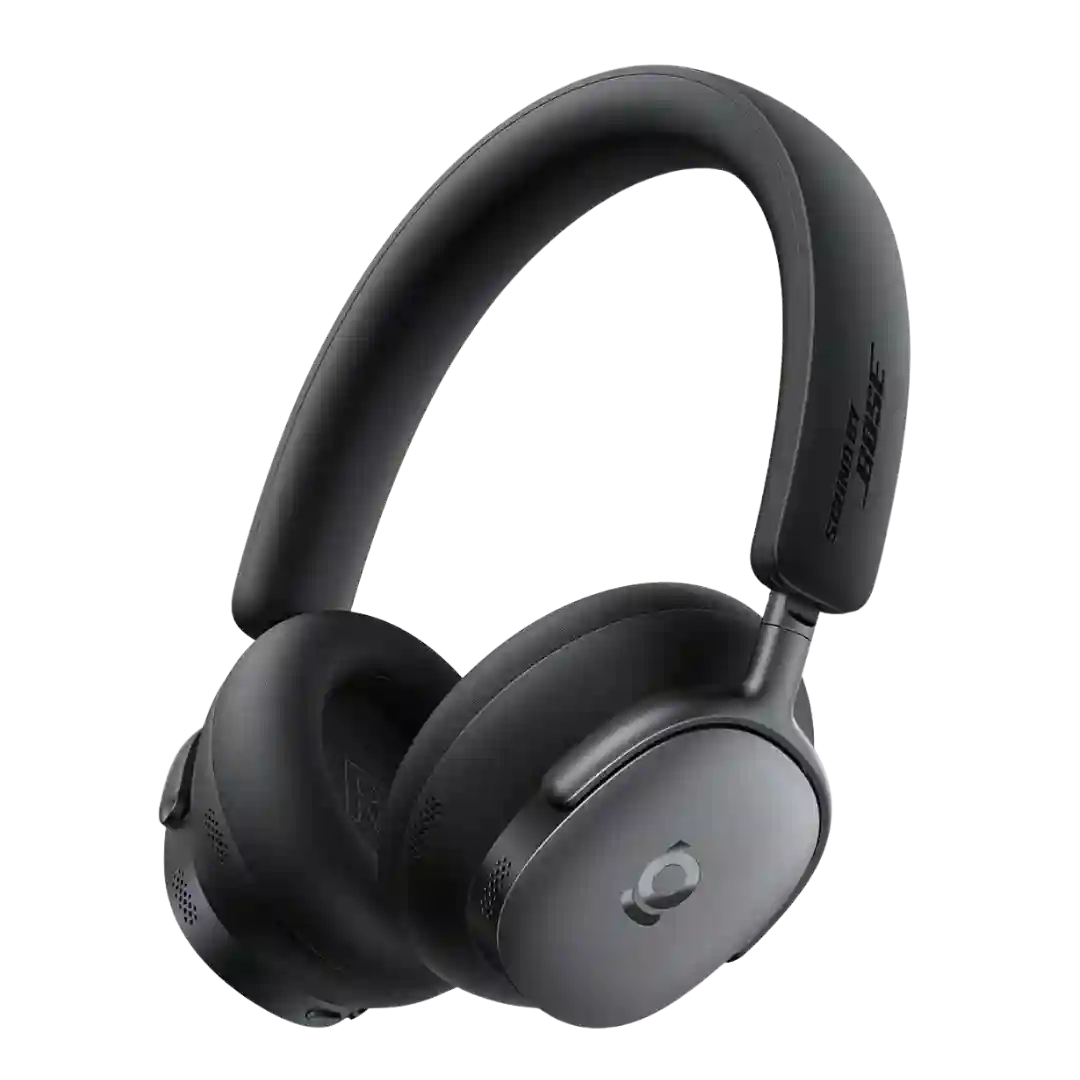
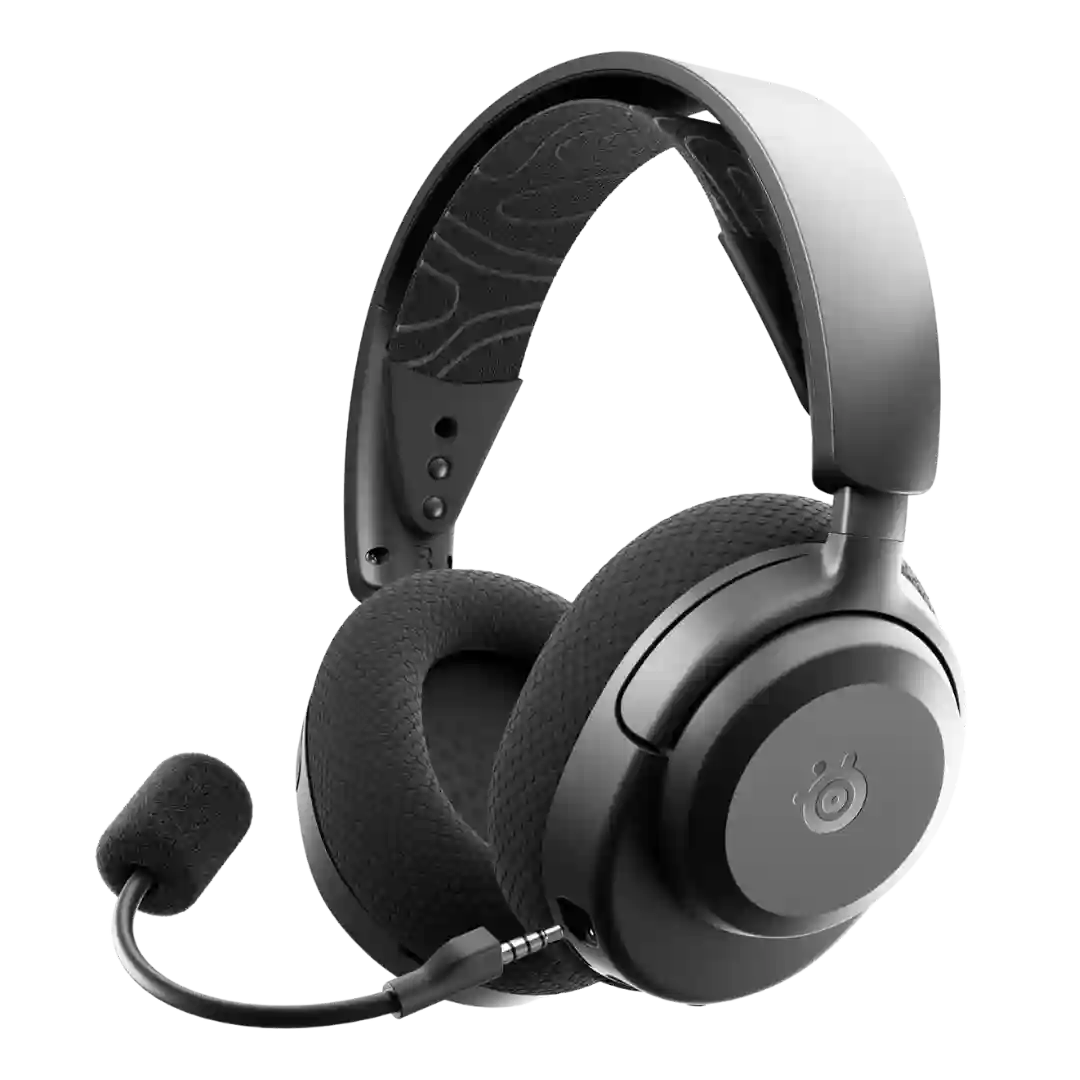
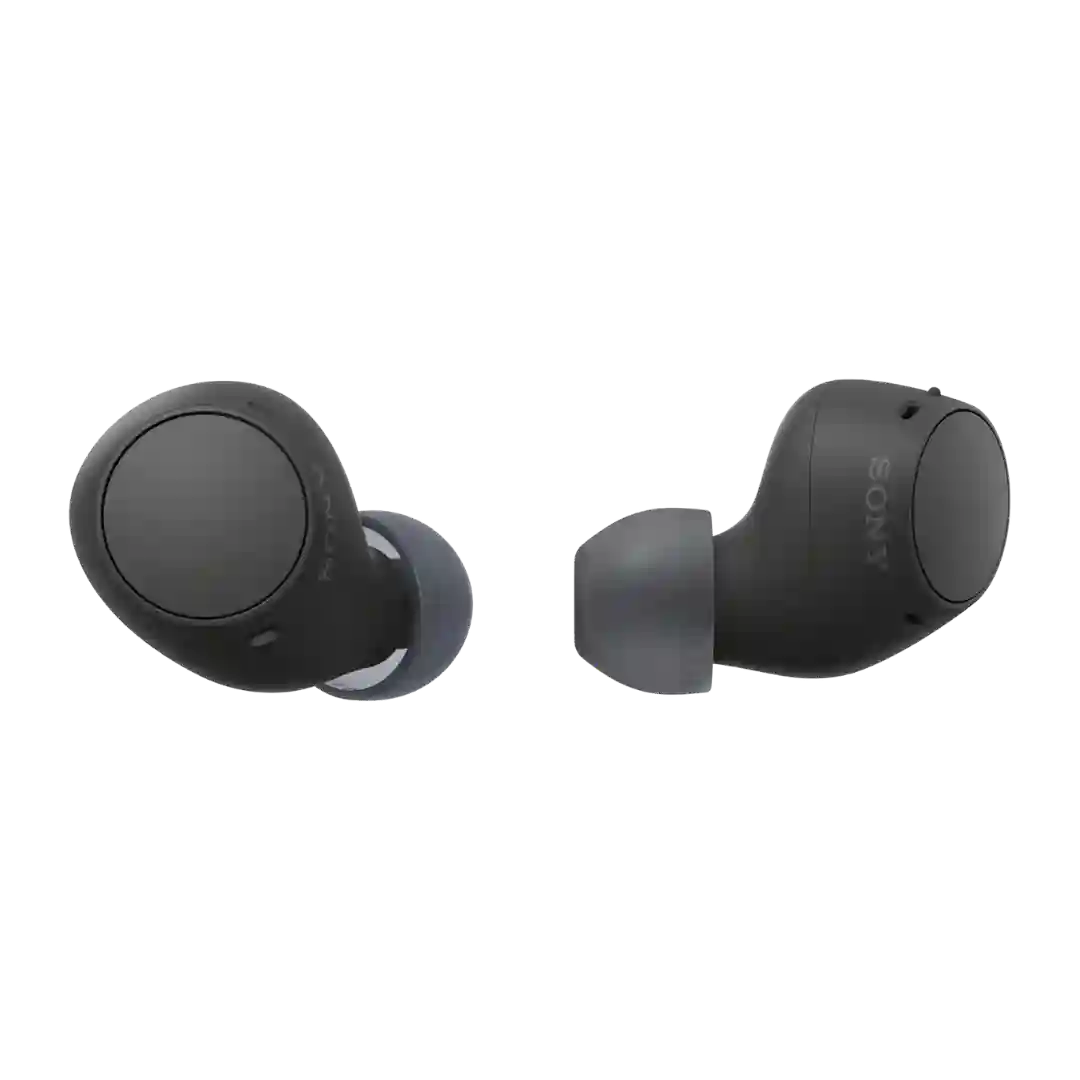
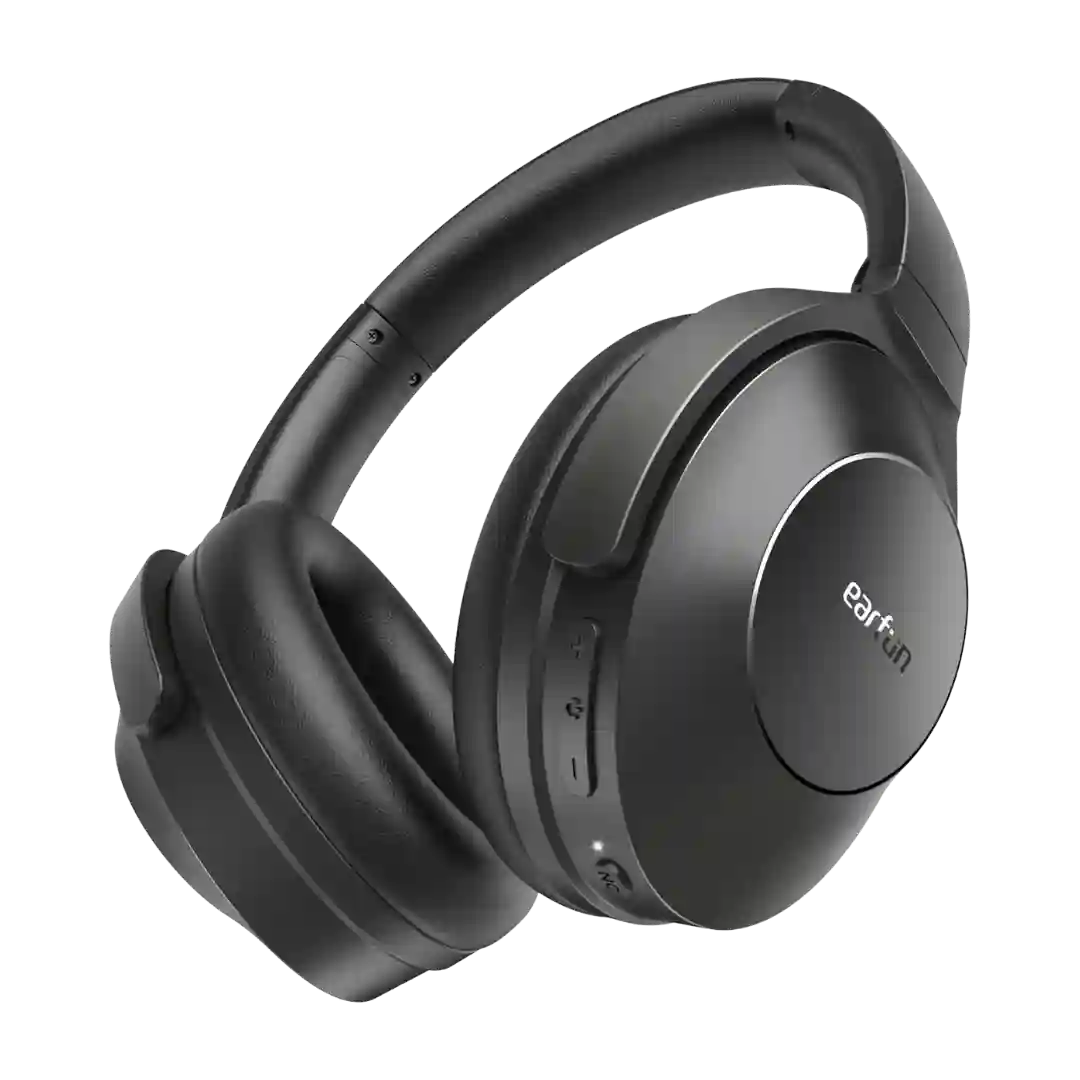
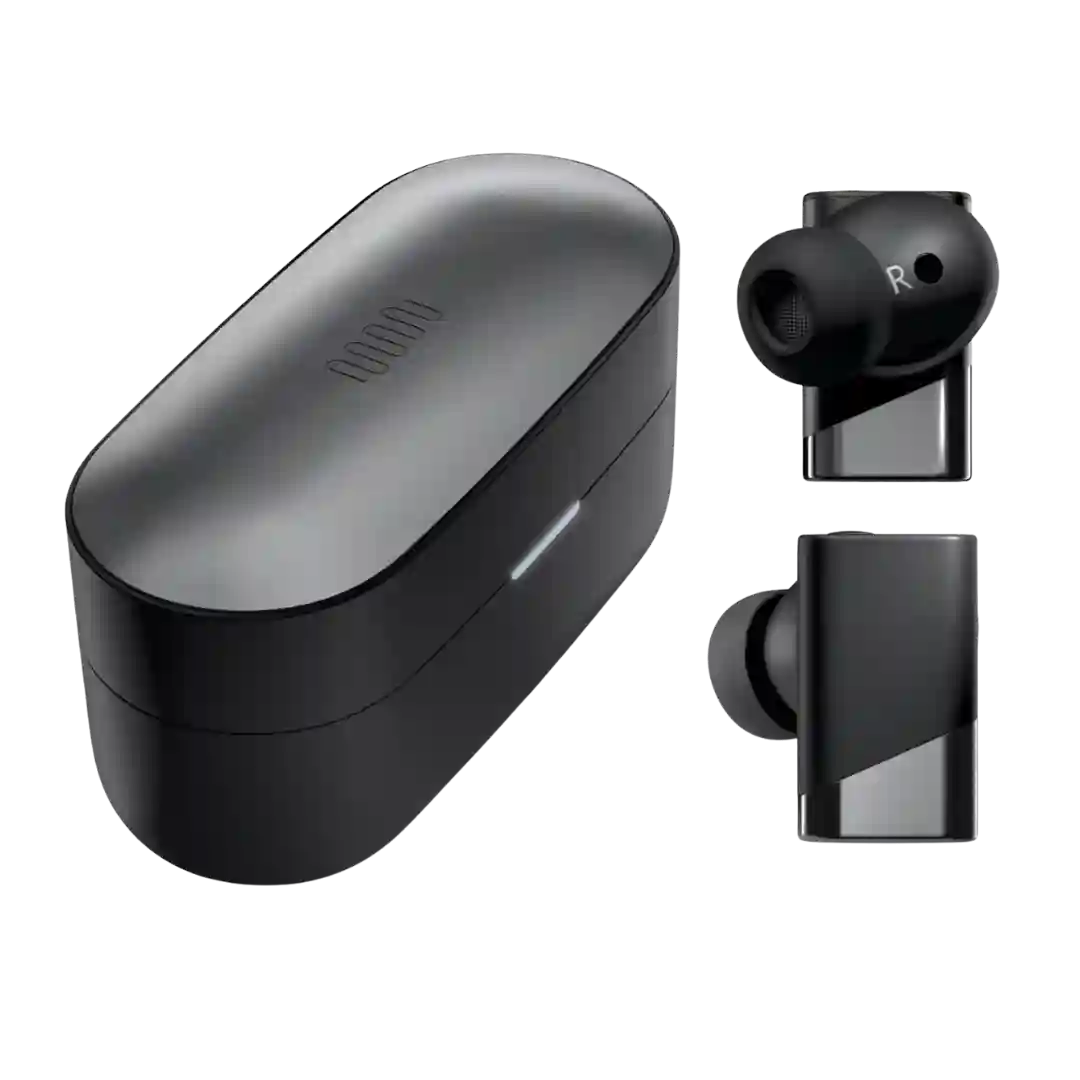
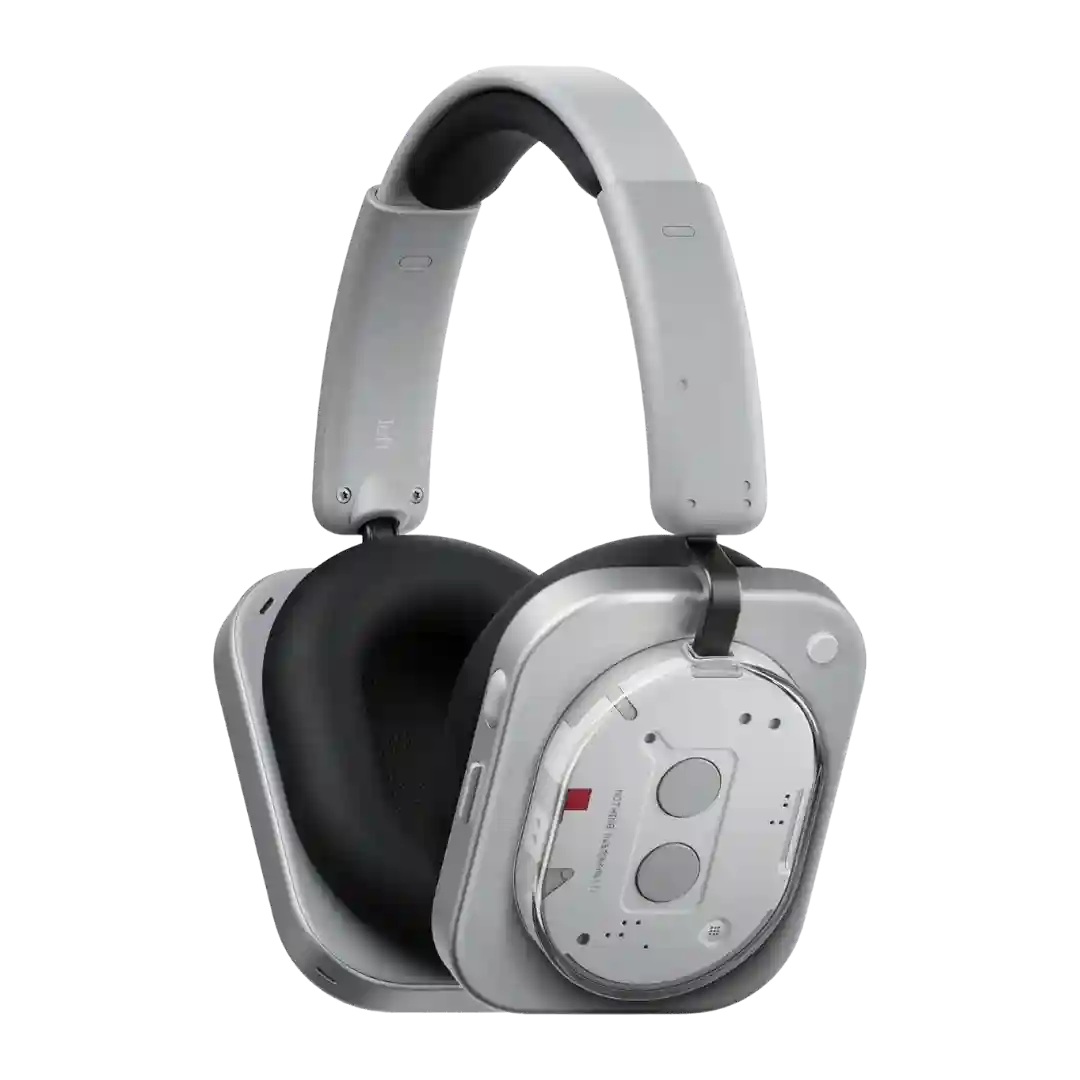
Multiple reviews call the 105 Silva very easy to drive (high sensitivity, modest impedance) and capable of reaching loud listening levels from phones, dongles, laptops, and DAPs. Higher-quality sources can still improve refinement and control.
Overall output is loud with plenty of headroom, and reviewers report it stays composed at higher volumes. A minority mention odd Bluetooth volume stepping depending on the phone/device.
Maximum loudness is a frequent positive: many reviewers note it gets very loud without needing to push the volume far. This helps in noisy environments but can tempt unsafe listening levels.
The drivers are repeatedly framed as capable of high playback levels suited to loud booth environments. Multiple sources position the headphone as having enough headroom for club use and cue monitoring.
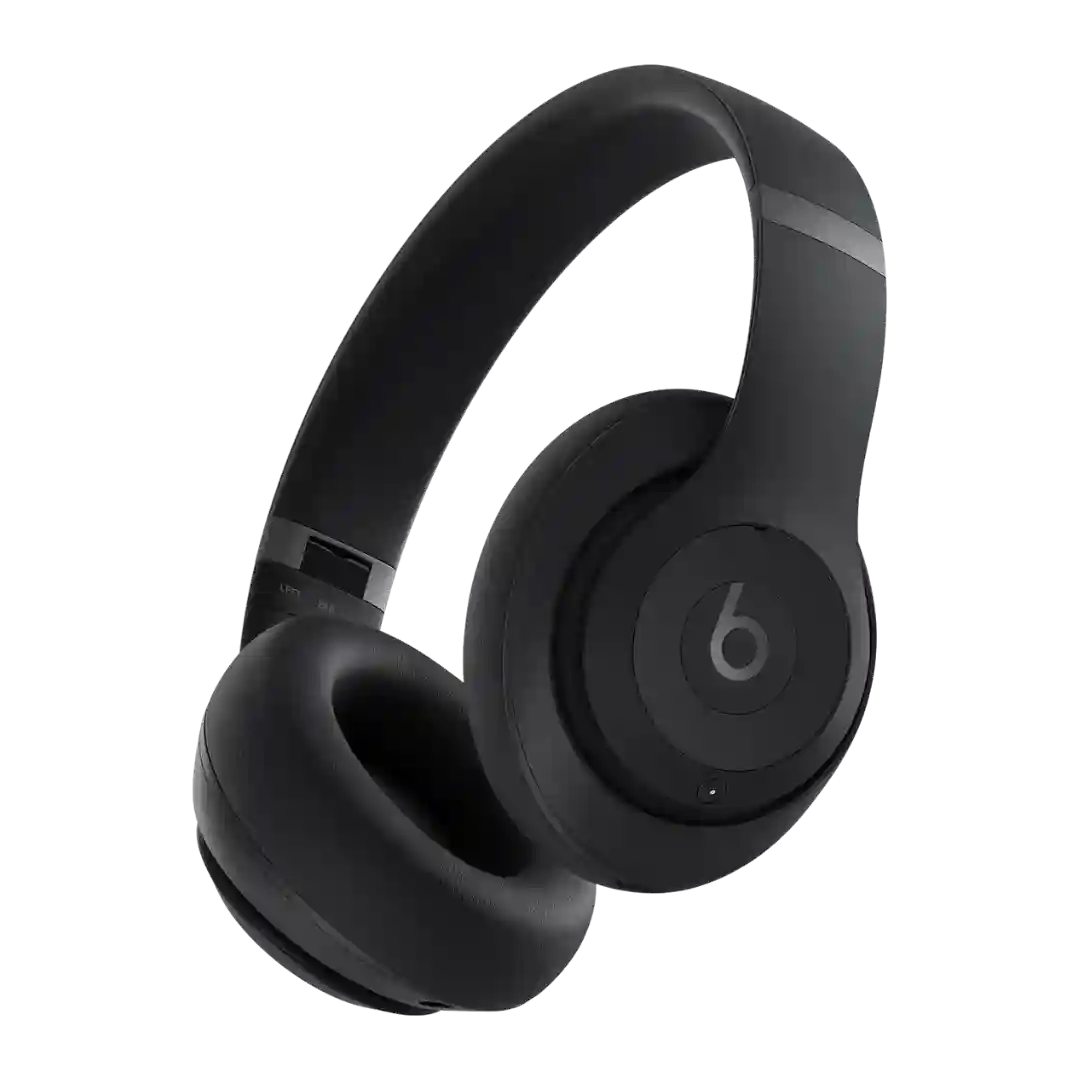
Several reviewers note strong loudness headroom, making it easier to overcome noisy environments without maxing out volume. Loudness is often paired with strong ANC for commuting and travel.
Volume output is described as having ample headroom and getting loud without obvious breakup for most listening. Some reviewers note it reaches satisfying levels well below max volume, and volume limiting options exist in software.
Overall loudness is usually sufficient and can get very loud, but some reviewers still wish for a bit more headroom over Bluetooth compared to wired use.
Volume output offers solid headroom and gets loud enough to help overcome moderate ambient noise. Heavy EQ boosts can reduce available peak volume due to protective preamp behavior in the app.
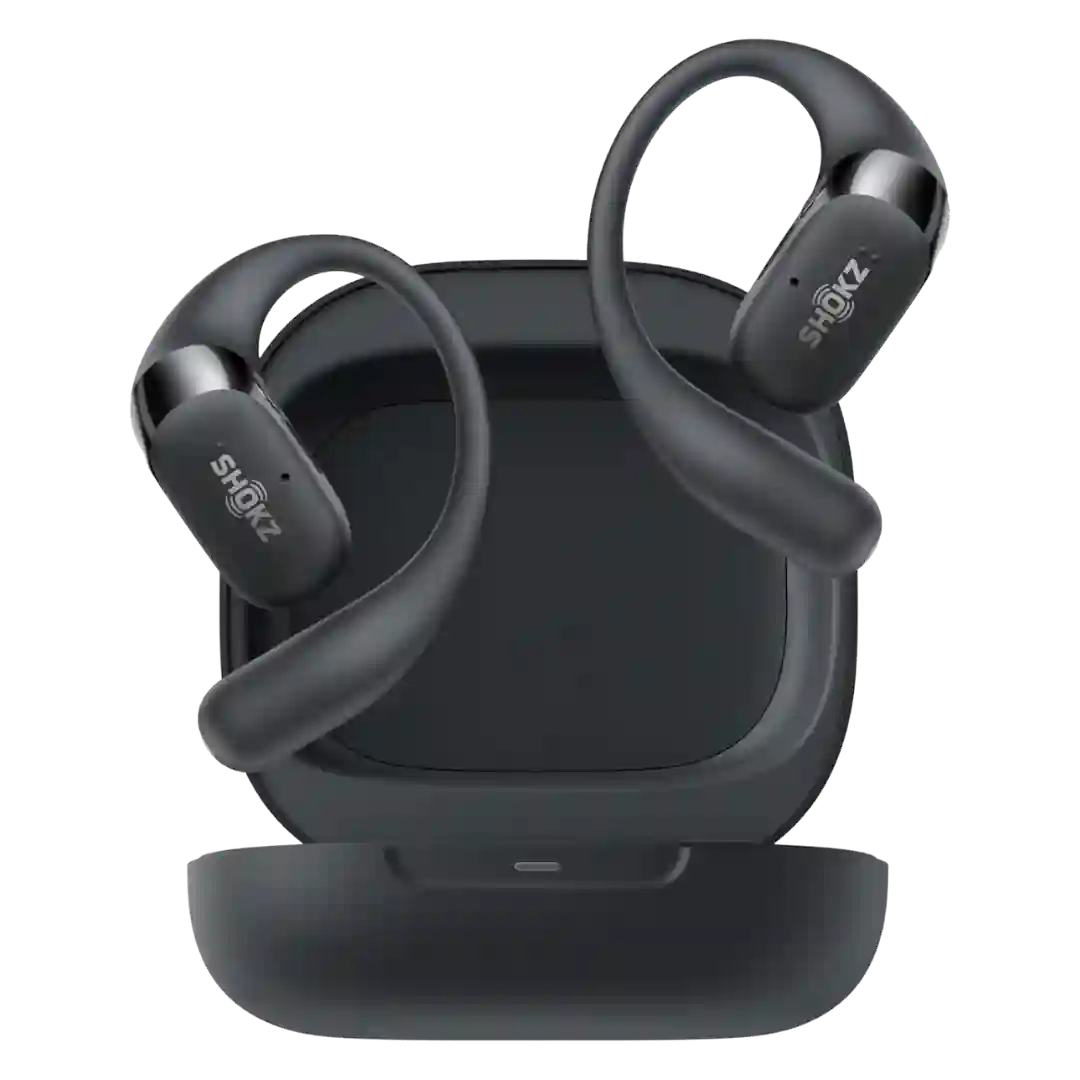
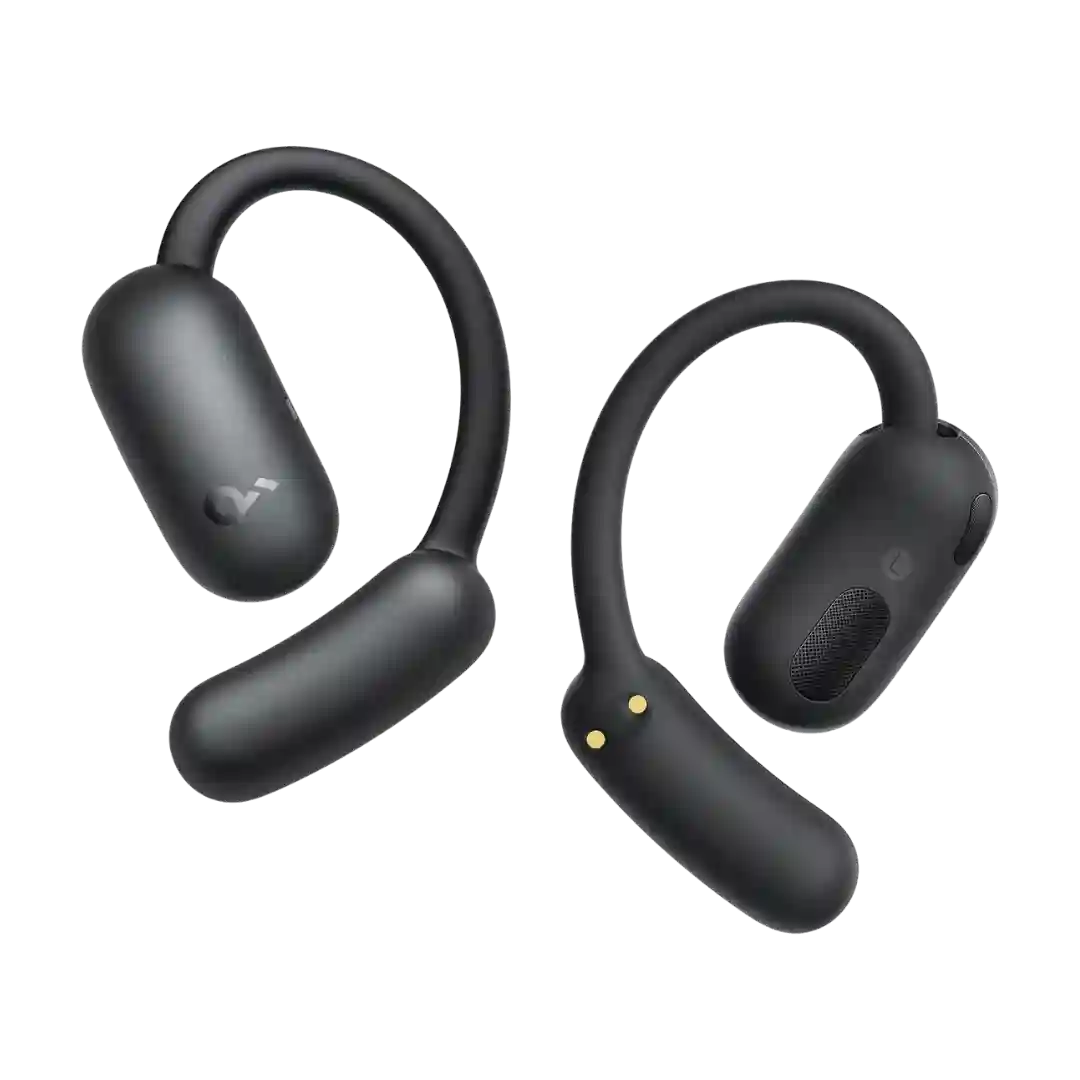
Volume output is strong for open-ear earbuds, with comfortable listening possible at moderate device volume, but multiple reviewers caution against cranking volume in noisy environments for hearing safety.
Peak volume is generally more than sufficient for most listeners, with at least one measured test placing it firmly in loud-enough territory without obvious strain.
Perceived loudness varies: some reviewers find the headphones play very loud, while others report needing higher phone volume and wanting more headroom. In general, they reach high levels without obvious breakup, but volume-hungry listeners may want more.
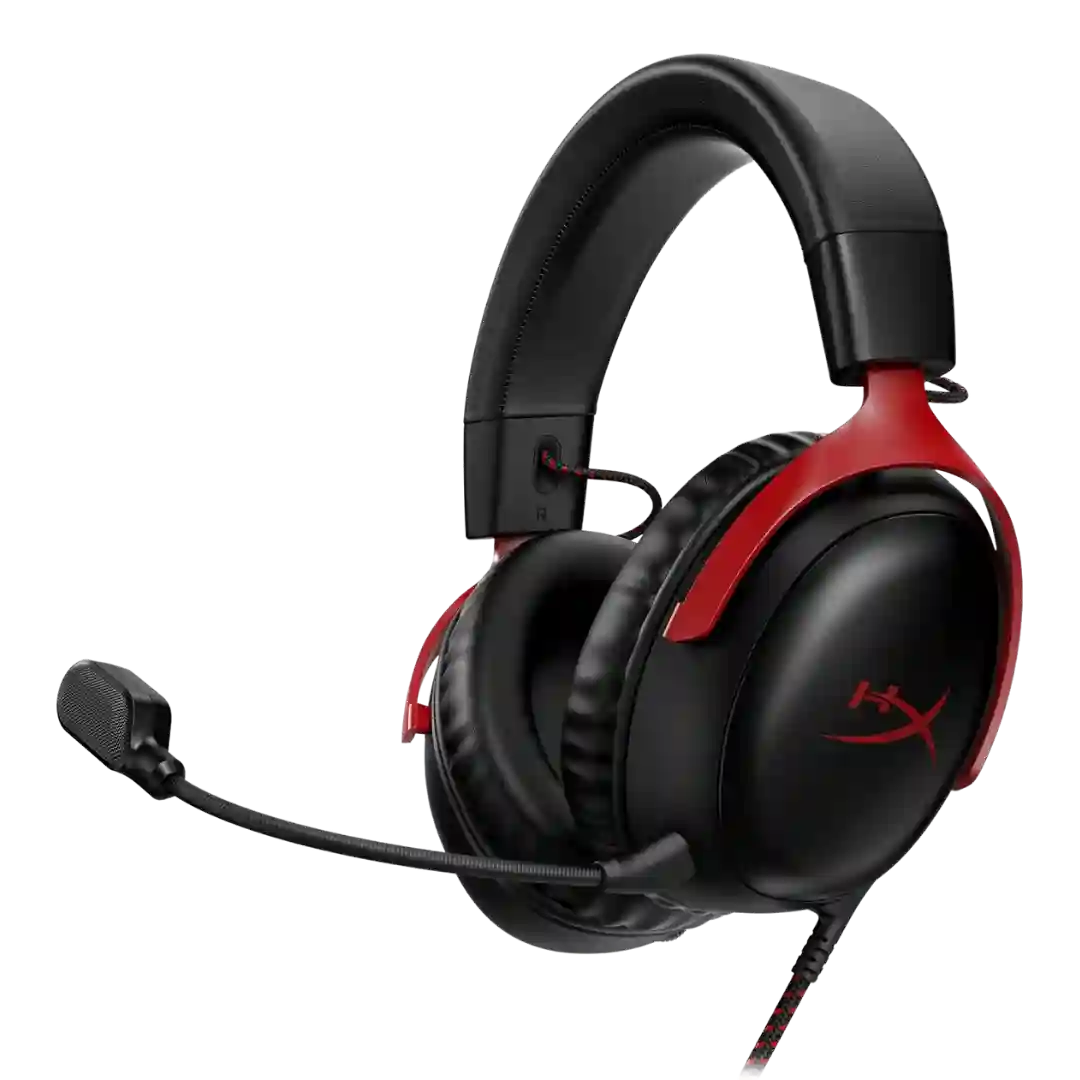
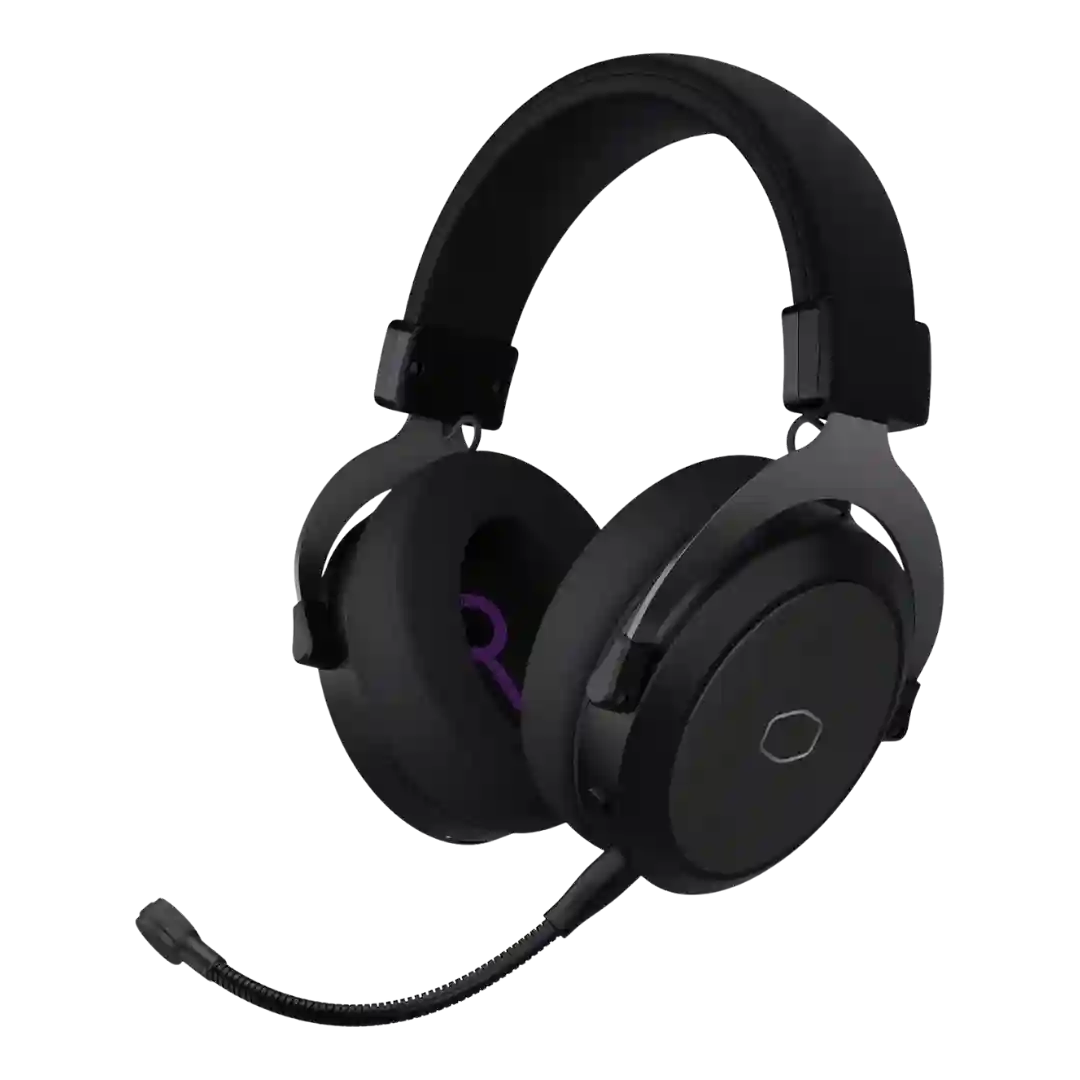
Overall loudness is usually sufficient for gaming and media, but a couple of reviewers mention the out-of-box configuration can feel quieter until settings are adjusted. Once configured, the headset has enough headroom for most users.
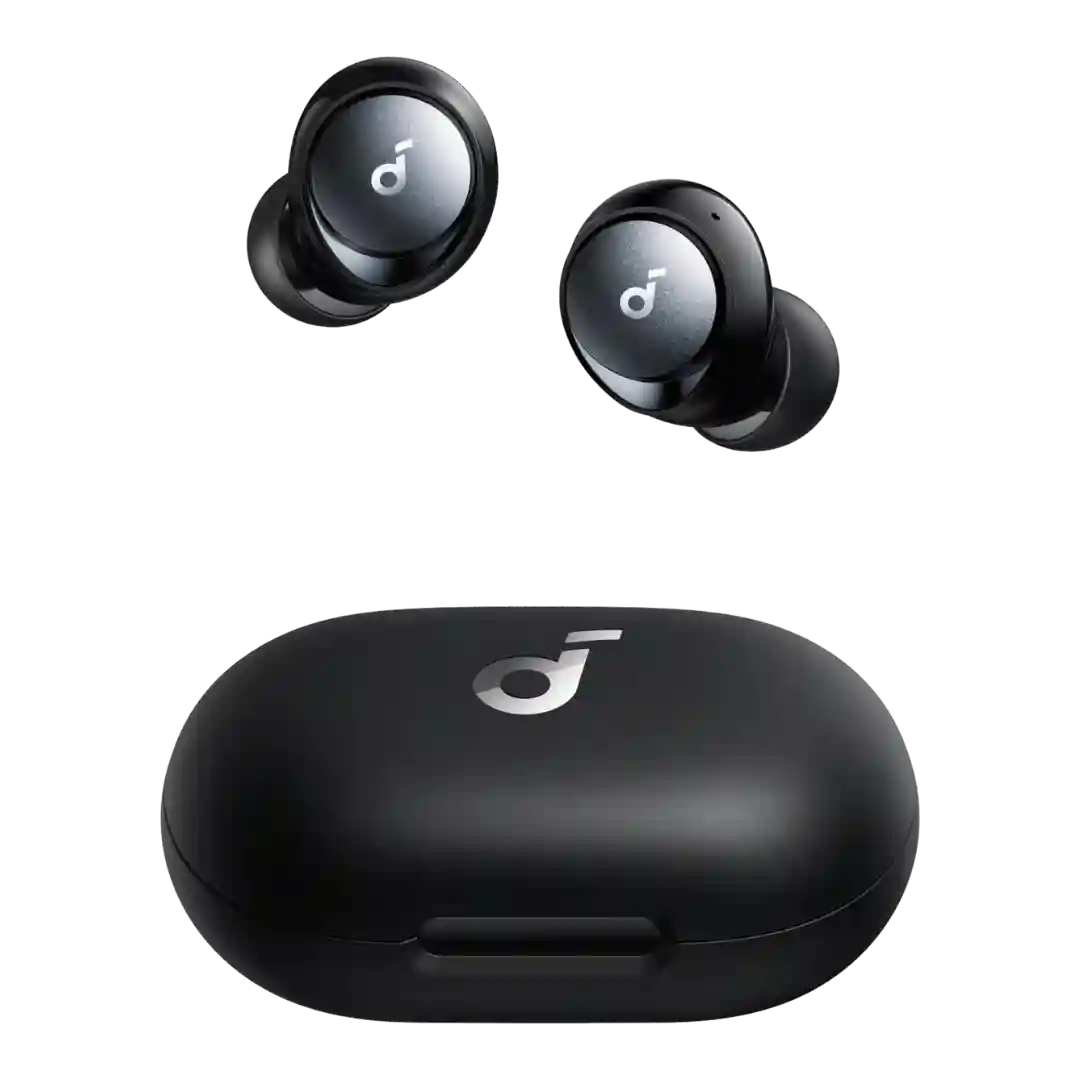
Volume output is generally adequate, but at least one test found the earbuds on the quieter side, sometimes needing near-max volume for certain tracks. Most listening impressions still describe the presentation as full and satisfying at normal levels.
Volume output is typically sufficient and can get loud, though a couple of reviewers describe it as slightly quieter than expected compared with older models. Overall, most report enough headroom for gaming and media.
Power demand is mixed: some find it easy enough to drive, while others report limited headroom from weaker phone outputs and better dynamics from DACs or amps.
Volume is typically sufficient for gaming, but some note it is quieter out of the box or lower-sensitivity than rivals; software settings and volume boost can help, and high volumes may worsen sound leak in public spaces.
Overall loudness is usually described as sufficient, though a few reviewers note a low default volume behavior or a need to raise app-level volume settings, especially in noisy environments.
The Wave Life gets adequately loud for most listeners, but several reviews noted that comfortable listening comes late on the volume scale or that EQ changes reduce output.