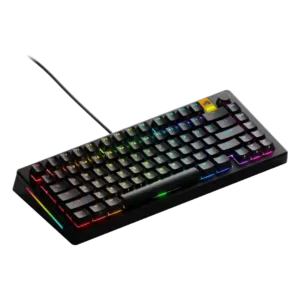
Layout options were viewed as a strength because reviewers noted 65%, 75%, and 100% choices serving different preferences.
Pros: RGB lighting quality, layout options
Cons: frame rigidity, value for money
Layout options were viewed as a strength because reviewers noted 65%, 75%, and 100% choices serving different preferences.
Pros: RGB lighting quality, layout options
Cons: frame rigidity, value for money
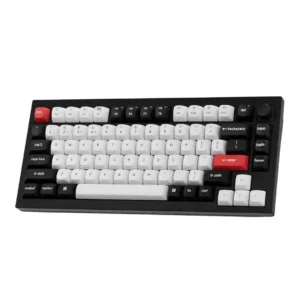
Layout evidence is highly positive, especially among reviewers who preferred the Q1 HE's 75% layout over smaller gaming boards.
Pros: key stability, frame rigidity
Cons: profile management, reliability
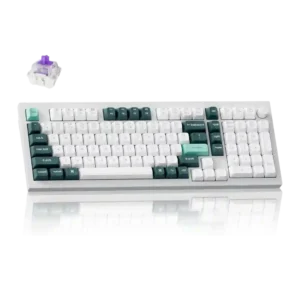
Layout options were praised because the 96% layout preserves productivity keys while remaining more compact than a full-size board.
Pros: cable quality, typing comfort
Cons: portability, switch options
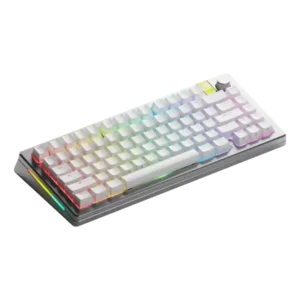
Layout options were praised because the range can be tailored by size and use case.
Pros: materials quality, customization options
Cons: reliability, actuation consistency
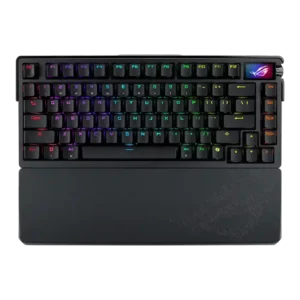
Layout options were viewed positively, especially the 75% layout and improved function-row spacing.
Pros: key spacing, reliability
Cons: rapid trigger support, analog input support
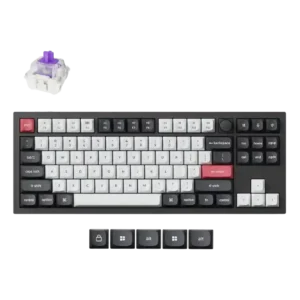
Layout options were praised for the full TKL arrangement and separated navigation area, especially for users who value a knob and traditional spacing.
Pros: build quality, extra gaming features
Cons: switch options, hot-swappable switches
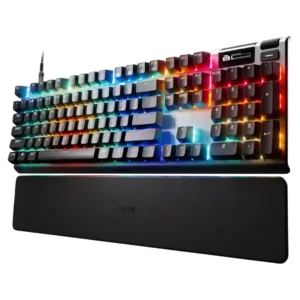
Layout options were appreciated in the review that noted full-size, tenkeyless, and wireless variants.
Pros: key responsiveness, durability
Cons: passthrough features, analog input support
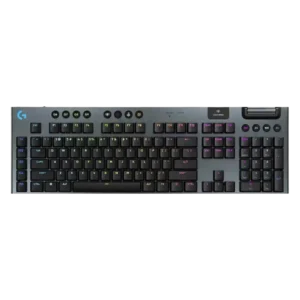
Layout options received limited positive evidence, with the full-size layout described as sensible and complete.
Pros: stabilizer quality, latency
Cons: ease of switch replacement, hot-swappable switches
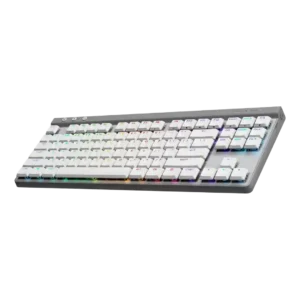
The TKL layout was considered easy to adapt to and standard enough for broad use, though numpad users may miss the extra keys.
Pros: latency, wireless performance
Cons: rapid trigger support, ease of switch replacement
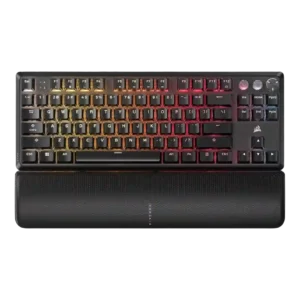
Layout options evidence was positive but limited, covering useful full-size gaming benefits and alternative layout support through software.
Pros: per-key lighting control, key responsiveness
Cons: ease of switch replacement, battery life
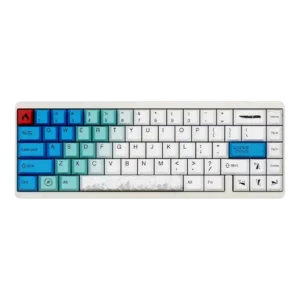
Layout options had limited positive evidence from a reviewer who liked the 65% layout because it includes arrow keys.
Pros: durability, key responsiveness
Cons: reliability, RGB customization
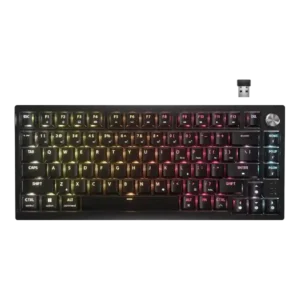
The 75% layout was praised as a productivity-and-gaming compromise, but reviewers also noted missing or awkwardly relocated keys and limited regional layouts.
Pros: latency, durability
Cons: legend visibility, rapid trigger support
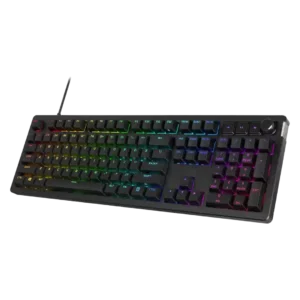
Layout options are mixed: reviewers value the 75% balance and full-size choice, but some dislike missing or remapped keys.
Pros: compatibility, legend visibility
Cons: wrist rest quality, cable quality
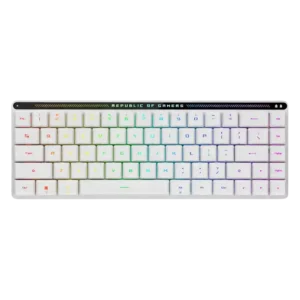
Layout feedback is mixed: reviewers like the compact function access, but missing dedicated function-row keys can be inconvenient.
Pros: reliability, typing comfort
Cons: cable quality, wrist rest quality
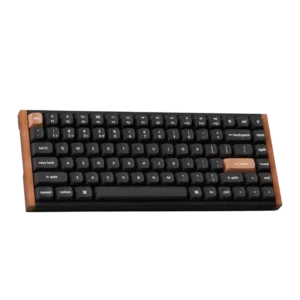
Layout options were mixed: the 75% layout kept useful keys, but missing numpad, print screen, or full-size spacing bothered some users.
Pros: wrist rest quality, onboard memory
Cons: per-key lighting control, switch options
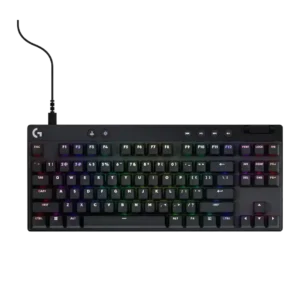
Layout options are divisive: TKL is often a sweet spot, while 60% layouts require adjustment and sacrifice dedicated keys.
Pros: durability, per-key lighting control
Cons: noise level, sound dampening
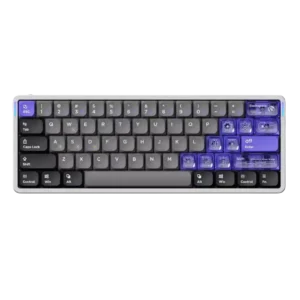
Layout options were a common limitation because the 60% layout omits arrows, function keys, and navigation keys that several reviewers missed.
Pros: frame rigidity, rapid trigger support
Cons: switch options, legend visibility