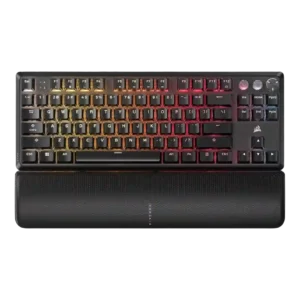
Profile management was a strength, with repeated praise for onboard profiles, game/typing setups, and saved settings without running software.
Pros: per-key lighting control, key responsiveness
Cons: ease of switch replacement, battery life
Profile management was a strength, with repeated praise for onboard profiles, game/typing setups, and saved settings without running software.
Pros: per-key lighting control, key responsiveness
Cons: ease of switch replacement, battery life
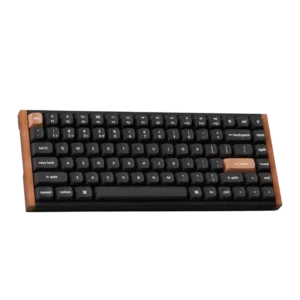
Profile management was positive, with reviewers valuing locally stored profiles and separate typing/gaming setups.
Pros: wrist rest quality, onboard memory
Cons: per-key lighting control, switch options
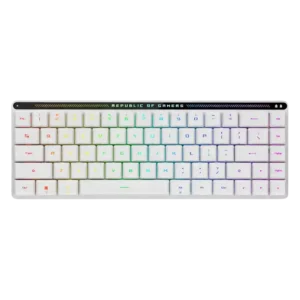
Profile management is positive, with reviewers noting five or six profiles and customization that can carry between devices.
Pros: reliability, typing comfort
Cons: cable quality, wrist rest quality
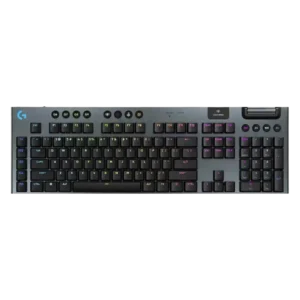
Profile management was generally useful for app and game-specific setups, but some dependence on G Hub remained a limitation.
Pros: stabilizer quality, latency
Cons: ease of switch replacement, hot-swappable switches
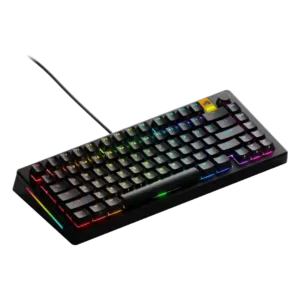
Profile management was praised for handy physical switching and game-specific profile support.
Pros: RGB lighting quality, layout options
Cons: frame rigidity, value for money
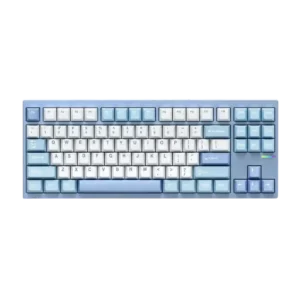
Profile management was supported by the ability to store customizations on the keyboard so settings persist across devices.
Pros: value for money, customization options
Cons: cable quality, portability
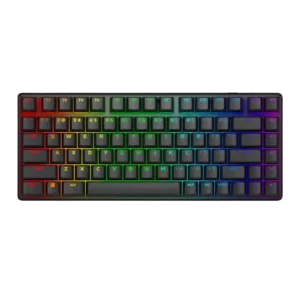
Profile management was often praised for quick switching and onboard presets, but one review found expected profile controls missing at the time of writing.
Pros: key stability, backlight brightness
Cons: rapid trigger support, wrist rest quality
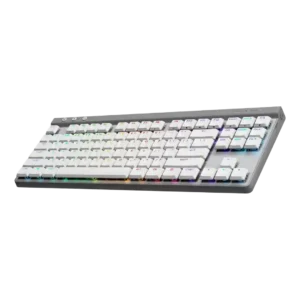
Profile management was viewed positively, with reviewers liking per-game or per-app profiles, shared presets, and onboard profile storage.
Pros: latency, wireless performance
Cons: rapid trigger support, ease of switch replacement
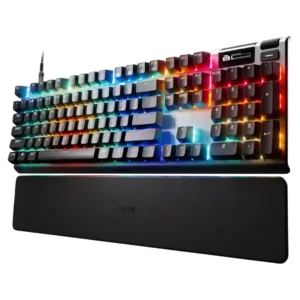
Profile management was useful through QuickSet, presets, and OLED controls, but five always-loaded profiles and clunky menus created friction.
Pros: key responsiveness, durability
Cons: passthrough features, analog input support
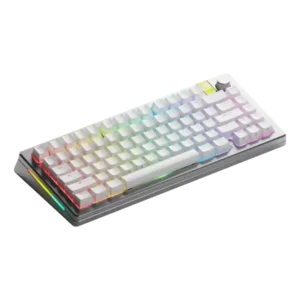
Profile management was praised in one review as easy to use for setting profiles by use case.
Pros: materials quality, customization options
Cons: reliability, actuation consistency
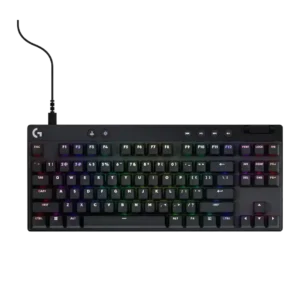
Profile management is useful through saved onboard profiles, game profiles, and quick profile switching, though onboard limits appear on some models.
Pros: durability, per-key lighting control
Cons: noise level, sound dampening
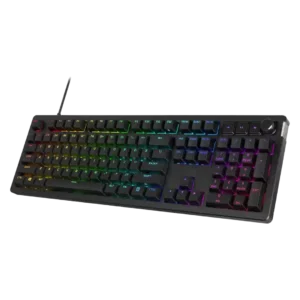
Profile management is mixed: onboard/profile switching is praised, but Tom's Hardware and How-To Geek found profile or lighting control limitations.
Pros: compatibility, legend visibility
Cons: wrist rest quality, cable quality
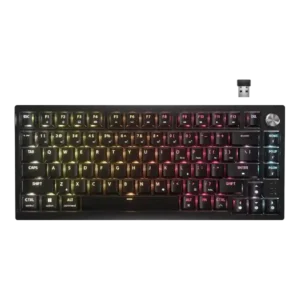
Profile management was useful for switching setups, but opinions were mixed because onboard limits and preset behavior constrain software-free use.
Pros: latency, durability
Cons: legend visibility, rapid trigger support
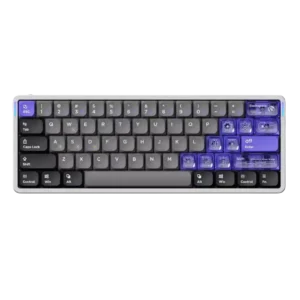
Profile management was mixed: the physical switch was appreciated, but the three-profile limit was a possible deal-breaker.
Pros: frame rigidity, rapid trigger support
Cons: switch options, legend visibility
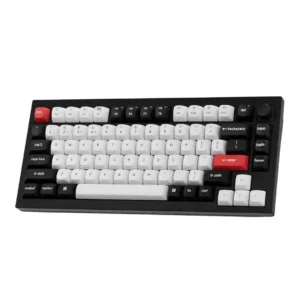
Profile management is a weak point in the scored evidence because PCWorld criticized the lack of automatic per-game profiles.
Pros: key stability, frame rigidity
Cons: profile management, reliability
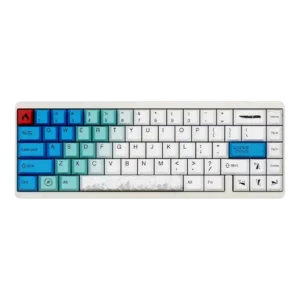
Profile management was criticized because one reviewer could not find a way to set different profiles.
Pros: durability, key responsiveness
Cons: reliability, RGB customization