Best for aiming precision
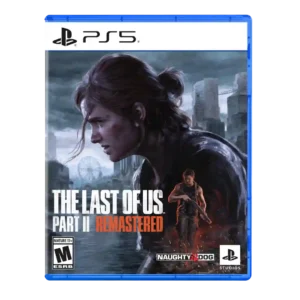
The Last of Us Part II Remastered
4.5 feature score
Highest scored product for this feature based on supporting review evidence.
Highest scored product for this feature based on supporting review evidence.
Balances feature score, supporting reviews, and overall product strength.
Has the broadest review evidence for this feature.
Strongest overall product among items with scored evidence for this feature.
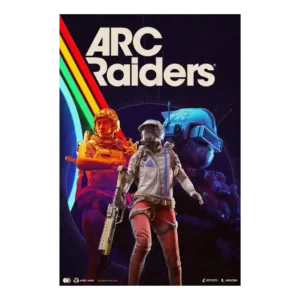
One reviewer said weapons reliably hit where aimed, making the gunplay feel dependable despite early weak gear.
Pros: frame rate stability, platform-specific feature support
Cons: voice acting, writing quality
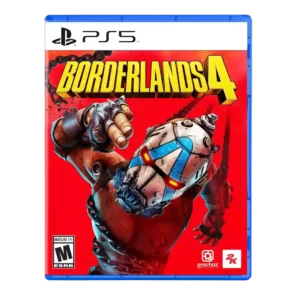
Aiming precision receives positive evidence from headshot and critical-hit satisfaction during gunplay.
Pros: sandbox freedom, art direction
Cons: polish, save system reliability
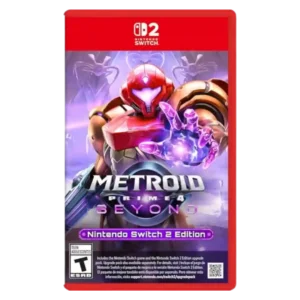
Aiming earned praise when using Switch 2 mouse-style controls, though some reviewers found that setup awkward in normal couch play.
Pros: world-building, frame rate stability
Cons: companion AI, upgrade system
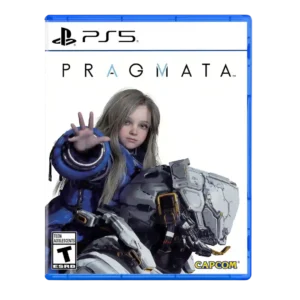
Aiming earns positive marks because weak-spot shooting carries strong feedback and rewards careful targeting.
Pros: bug frequency, user interface design
Cons: HUD clarity, mission design
Aiming precision received specific praise on PC, where mouse input gave reviewers strong control for headshots.
Pros: core gameplay loop, level design
Cons: family friendliness, puzzle design
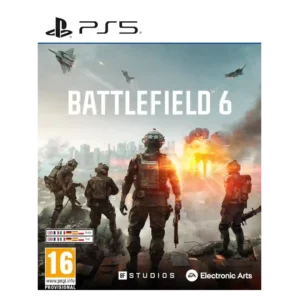
aiming and weapon feedback were praised for accuracy, recoil feel, ADS, and satisfying shots.
Pros: haptic feedback integration, performance optimization
Cons: pacing, microtransaction impact
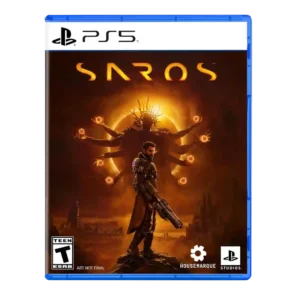
Aiming was generally considered forgiving and readable thanks to auto-aim and tracking, though some no-auto-aim weapons were harder to master.
Pros: value for money, fun factor
Cons: map and navigation design, side character depth
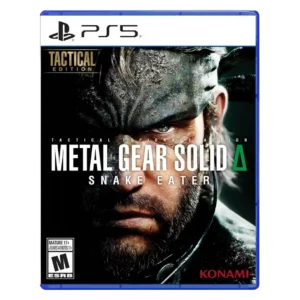
Aiming is mostly improved through third-person precision and tighter gunplay, though some veterans disliked bullet drop or less laser-like tranq shooting.
Pros: world interactivity, sandbox freedom
Cons: crash stability, learning curve
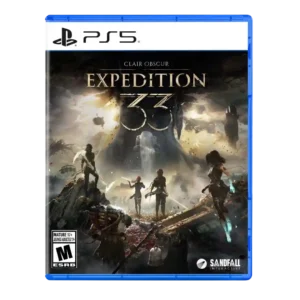
Free aiming was seen as useful for targeting weak spots, though the same reviewer wanted the system developed further.
Pros: monetization fairness, microtransaction impact
Cons: platforming precision, menu usability
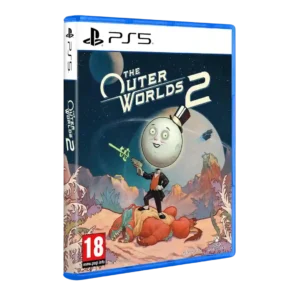
Aiming was mostly better and more natural, but one reviewer still found the reticle a little slippery.
Pros: world-building, mission design
Cons: mission variety, enemy variety
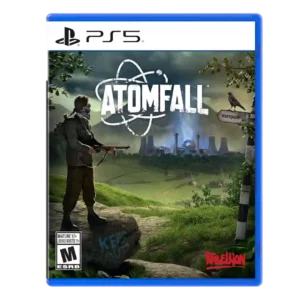
Aiming and shooting ranged from satisfying bows and headshots to criticism that some firearms lacked punch or precision.
Pros: art direction, frame rate stability
Cons: boss design, camera behavior
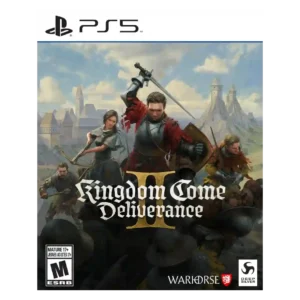
Ranged play was viewed as improved by some reviewers, especially archery, but another found ranged combat weightless and weak.
Pros: soundtrack quality, fun factor
Cons: checkpoint system, family friendliness
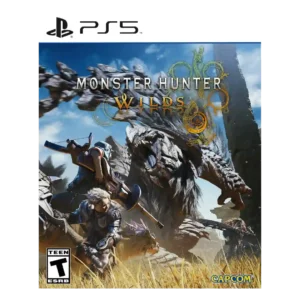
Aiming precision was mixed: Focus Mode could make attacks extremely accurate, but some focused attacks felt unwieldy while Great Sword users praised the added control.
Pros: art direction, cross-play support
Cons: dialogue quality, monetization fairness
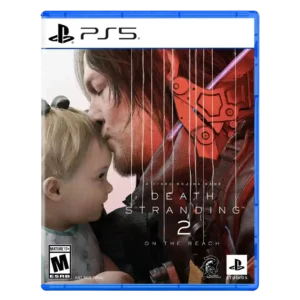
The only clear aiming criticism was the absence of gyroscopic aiming, despite the game pushing ranged weapons more heavily.
Pros: animation quality, facial animations
Cons: quest design, AI behavior
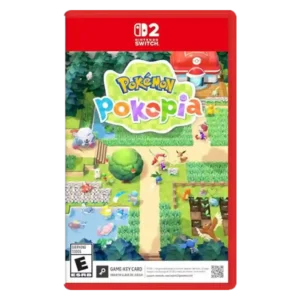
Block-breaking aim was a recurring weak point, with reviewers noting that directional punches could be fiddly and accidentally destructive.
Pros: protagonist appeal, faithfulness to franchise
Cons: map and navigation design, aiming precision
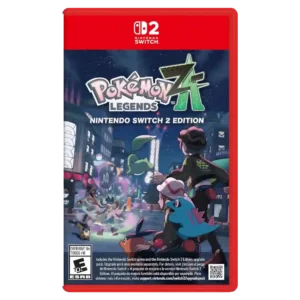
Aiming and targeting drew complaints when lock-on, line of sight, or capture selection made hits and throws harder to control.
Pros: crash stability, gameplay mechanics
Cons: AI behavior, monetization fairness
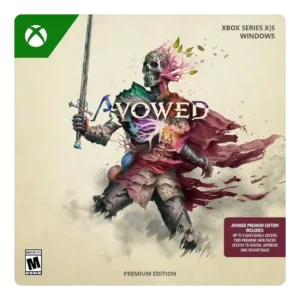
Aiming and first-person spell placement drew criticism when ground-targeted abilities were hard to place precisely.
Pros: tutorial quality, level design
Cons: stealth mechanics, endgame content
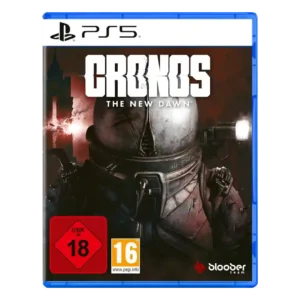
One review criticized aggressive weapon sway, making aiming feel more annoying than scary in some fights.
Pros: core gameplay loop, emotional impact
Cons: checkpoint system, bug frequency

The only scored aiming-related evidence is negative, with one reviewer saying auto-targeting hindered them and contributed to deaths.
Pros: movement feel, environmental detail
Cons: puzzle design, age appropriateness
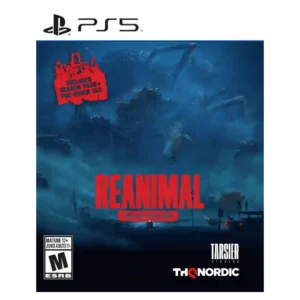
Aiming receives limited criticism, with one review saying projectile targeting can feel unreliable when hotspot indicators fail to lock on.
Pros: onboarding experience, environmental detail
Cons: family friendliness, movement feel
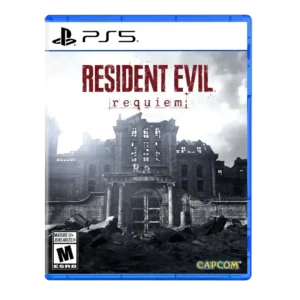
Aiming evidence was mixed: Grace’s shaky aim reinforced vulnerability, while Switch 2 gyro aiming was criticized as poor for horizontal aim.
Pros: driving mechanics, protagonist appeal
Cons: platform-specific feature support, checkpoint system
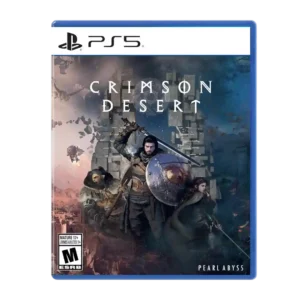
Reviewer evidence is negative or mixed: aiming precision was often criticized, even where some reviewers found redeeming moments across 1 review(s).
Pros: level design, replay value
Cons: stealth mechanics, save system reliability
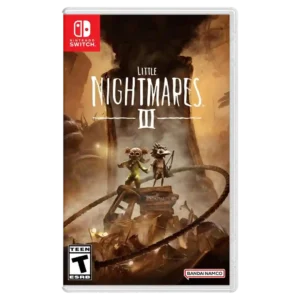
Aiming precision was criticized because bow and melee interactions felt automatic, unclear, or hard to line up rather than skillful.
Pros: load times, haptic feedback integration
Cons: save system reliability, aiming precision