Best for recharge speed
EcoFlow Delta 3 Plus Review
5.0 feature score
Highest scored product for this feature based on supporting review evidence.
Highest scored product for this feature based on supporting review evidence.
Balances feature score, supporting reviews, and overall product strength.
Has the broadest review evidence for this feature.
Strongest overall product among items with scored evidence for this feature.
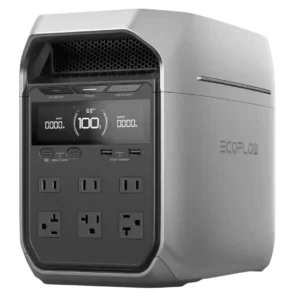
Fast recharge is one of the clearest strengths, with many tests and owners reaching full charge in roughly an hour.
Pros: rated output, peak output
Cons: 30-amp output, parallel operation support
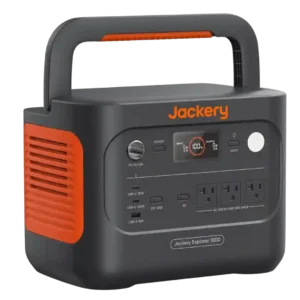
Rapid recovery is a defining advantage, turning a nearly empty station into usable backup power during a short break.
Pros: rated output, peak output
Cons: standby power loss, specification accuracy
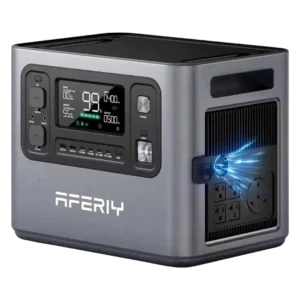
High AC input replenishes the battery quickly, which is especially useful when generator or grid availability is brief.
Pros: rated output, peak output
Cons: app connectivity, voltage regulation
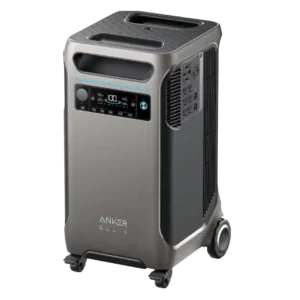
A short customer review simply reports that the station charges fast and works well.
Pros: rated output, output stability
Cons: car charging speed, USB-A ports
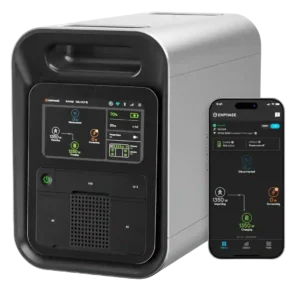
Overall recharge speed is excellent on AC power, with a full wall charge taking around 75 minutes.
Pros: rated output, output stability
Cons: runtime at full load, RV outlet
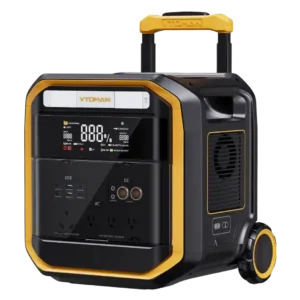
Fast AC charging is the most consistent point of praise, with most reviewers reporting or citing roughly two hours for a full refill.
Pros: power output, surge capacity
Cons: specification accuracy, peak output
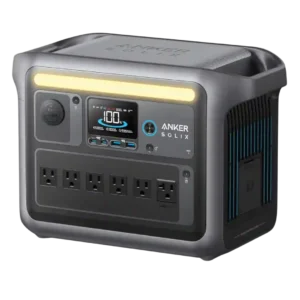
Fast recharging is a signature strength. Many owners and testers refill the station in roughly 55–90 minutes from AC power.
Pros: power output, rated output
Cons: dual-input charging, cable storage
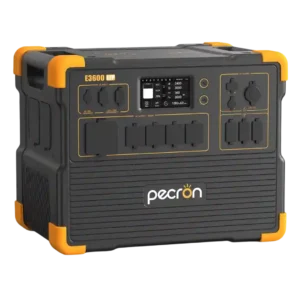
Recharge speed is one of the most consistent strengths, with AC, DC, solar, and generator methods all producing fast results.
Pros: power output, rated output
Cons: output stability, voltage regulation
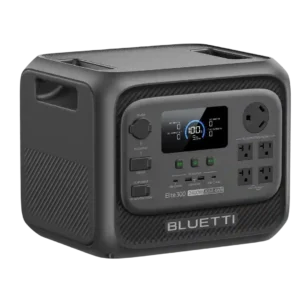
Rapid recharging is a core strength, particularly for vanlife and travel where the station can be restored between daily uses.
Pros: surge capacity, voltage regulation
Cons: water resistance, ventilation requirements
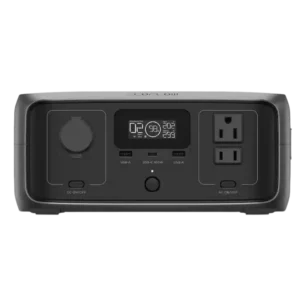
Fast recharging makes it easy to top up between outages, trips, or daily use.
Pros: noise level, idle noise
Cons: self-discharge rate, air travel suitability
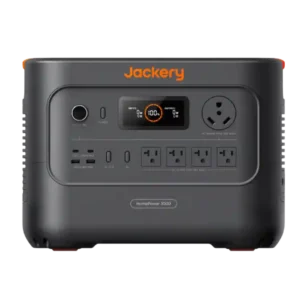
Wall and hybrid charging are impressively quick for a 3kWh battery, though one comparison found it slower than the fastest rivals.
Pros: power output, rated output
Cons: battery expandability, car charging speed
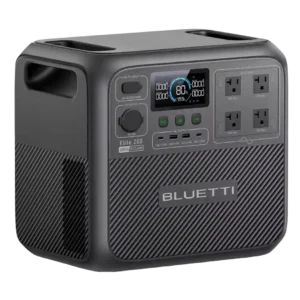
Most charging tests are exceptionally fast, although a few owners encountered units that charged slowly or not at all.
Pros: output stability, pure sine wave output
Cons: specification accuracy, startup reliability
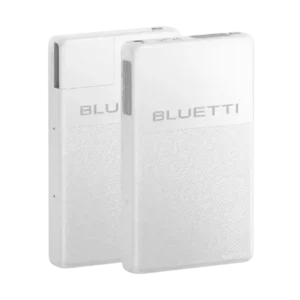
Recharge performance is strong, with turbo mode generally restoring the battery in under two hours and some tests beating the claim.
Pros: power output, rated output
Cons: USB-A ports, 12-volt outlet
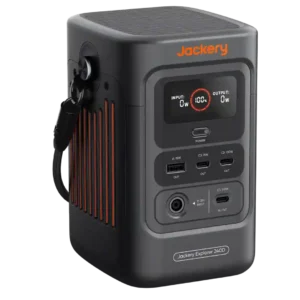
With a suitable high-power charger or dual input, the 240D recharges very quickly and can reach 80% in about an hour. Slower adapters greatly extend that time.
Pros: power output, rated output
Cons: AC outlet count, repairability
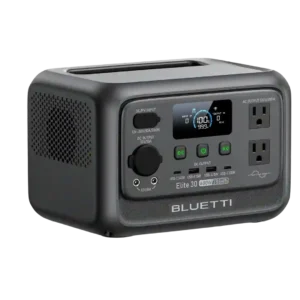
The small battery refills quickly, often in about an hour on the fastest setting. That rapid turnaround makes the limited capacity easier to live with.
Pros: rated output, output stability
Cons: over-voltage protection, cold-weather performance
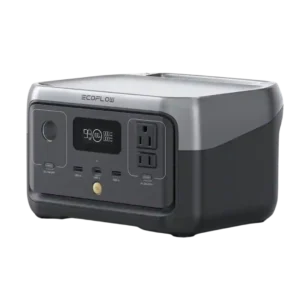
Owners repeatedly praised how quickly it tops up, especially compared with traditional backup batteries and slower budget stations.
Pros: surge capacity, output stability
Cons: dual-input charging, whole-home integration
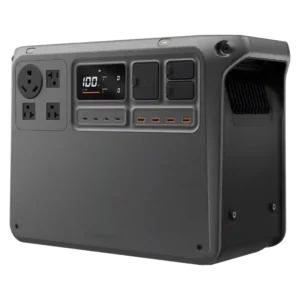
Recharging is generally very fast, with wall, car, and combined-input options allowing useful top-ups between jobs or trips.
Pros: rated output, peak output
Cons: startup reliability, full-load noise
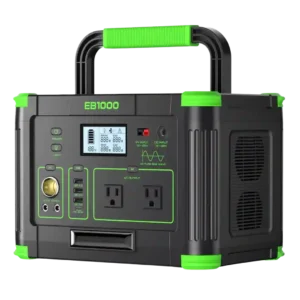
Recharge performance is inconsistent across owners. Some found it quick or reasonable, but many reported slow refills, unstable charging, or complete charging failure after limited use.
Pros: rated output, output stability
Cons: battery expandability, startup reliability