Best for standby power loss
VTOMAN FlashSpeed 1000
5.0 feature score
Highest scored product for this feature based on supporting review evidence.
Highest scored product for this feature based on supporting review evidence.
Balances feature score, supporting reviews, and overall product strength.
Has the broadest review evidence for this feature.
Strongest overall product among items with scored evidence for this feature.
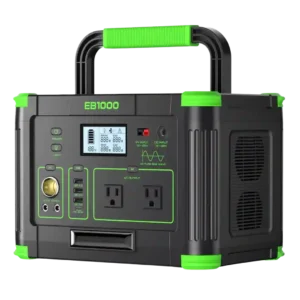
Low-load idle consumption was impressively low in one test, using roughly one percent of battery per hour while the inverter remained active.
Pros: rated output, output stability
Cons: battery expandability, startup reliability
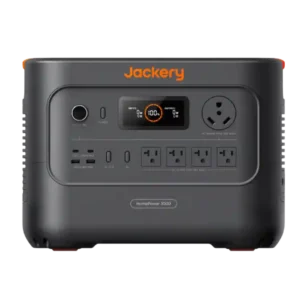
Standby losses are exceptionally low, reducing the need to recharge the unit periodically while it waits for an outage.
Pros: power output, rated output
Cons: battery expandability, car charging speed
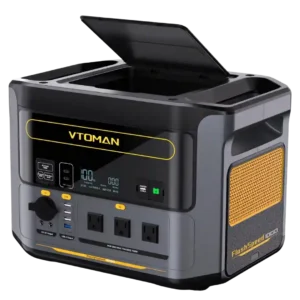
Standby draw is extremely low when outputs are off, so the stored battery should remain ready for long periods.
Pros: inverter quality, power quality
Cons: Wi-Fi connectivity, weather resistance
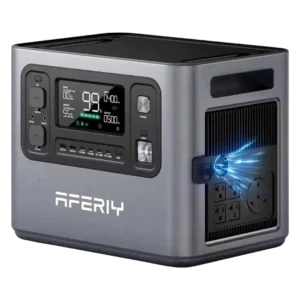
AC idle draw of roughly 15W and very low DC idle consumption rank among the better results for a station this powerful.
Pros: rated output, peak output
Cons: app connectivity, voltage regulation
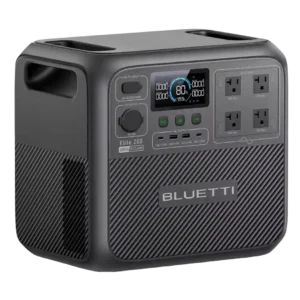
Idle draw is usually exceptionally low, supporting long-running refrigerators and UPS use, though a few tests found unexplained overnight drain.
Pros: output stability, pure sine wave output
Cons: specification accuracy, startup reliability
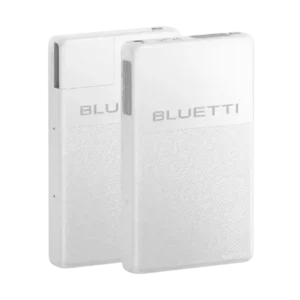
Standby draw varied notably across tests, from roughly 5W to nearly 17W. Even the higher measurements were acceptable for an always-on inverter, but they conflict with some lower marketing claims.
Pros: power output, rated output
Cons: USB-A ports, 12-volt outlet
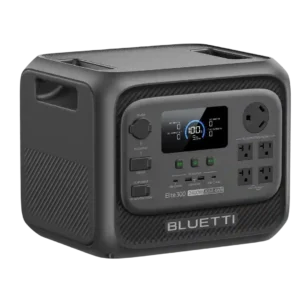
Standby results varied sharply by mode and test, from excellent charge retention to roughly three days with the inverter left on. Output settings matter greatly when idle.
Pros: surge capacity, voltage regulation
Cons: water resistance, ventilation requirements
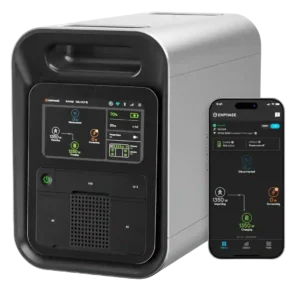
Idle consumption varies by test, ranging from an excellent 9 W to an average 21 W, so power-save settings matter.
Pros: rated output, output stability
Cons: runtime at full load, RV outlet
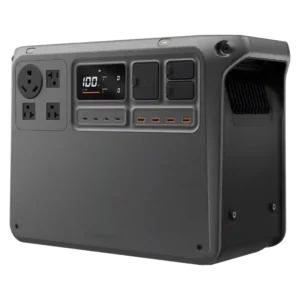
Idle draw is respectable in some tests, but other measurements and owner experiences were less favorable.
Pros: rated output, peak output
Cons: startup reliability, full-load noise
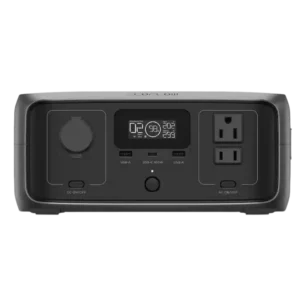
An expert praises low standby losses, but one owner reports major charge depletion while the unit was switched off.
Pros: noise level, idle noise
Cons: self-discharge rate, air travel suitability
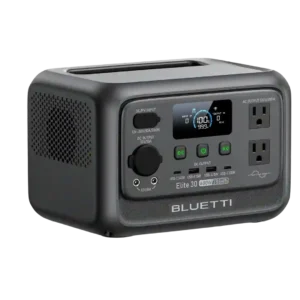
Idle drain is the most repeated weakness. Leaving AC or DC outputs active can consume a surprising share of the small battery, while Eco mode may shut off loads that...
Pros: rated output, output stability
Cons: over-voltage protection, cold-weather performance
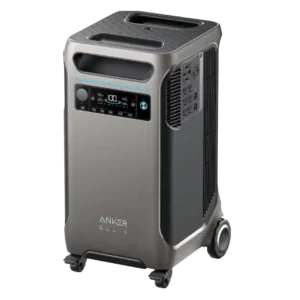
Idle consumption can be substantial with AC outputs kept awake, including reports around 40–79W. Firmware has improved some idle behavior, but it remains important for outage planning.
Pros: rated output, output stability
Cons: car charging speed, USB-A ports
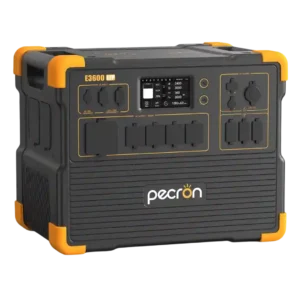
Standby loss varies dramatically by mode and unit, from impressively low to enough draw to waste substantial energy.
Pros: power output, rated output
Cons: output stability, voltage regulation
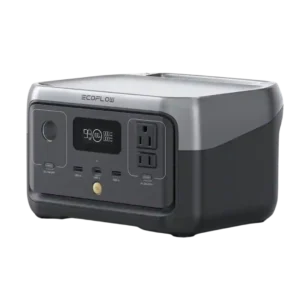
Technical tests and owners found meaningful idle draw, especially with AC output or UPS mode enabled.
Pros: surge capacity, output stability
Cons: dual-input charging, whole-home integration
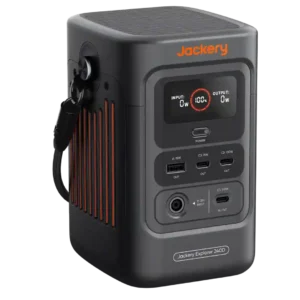
One report describes roughly 1% charge loss every 1.5 hours while idle, which would be poor for emergency storage. Other storage results are better, so unit-to-unit consistency is uncertain.
Pros: power output, rated output
Cons: AC outlet count, repairability
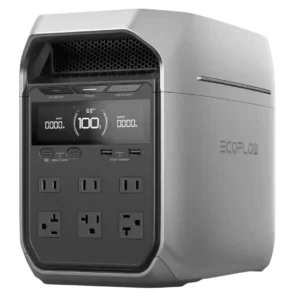
AC inverter idle draw is a recurring weakness and can consume tens of watts continuously, sharply reducing low-load runtime.
Pros: rated output, peak output
Cons: 30-amp output, parallel operation support
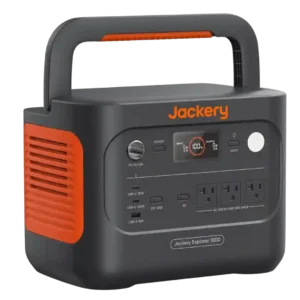
One direct test found unexpectedly high idle consumption, calling it a serious weakness for long unattended use.
Pros: rated output, peak output
Cons: standby power loss, specification accuracy