Best for USB-C power delivery
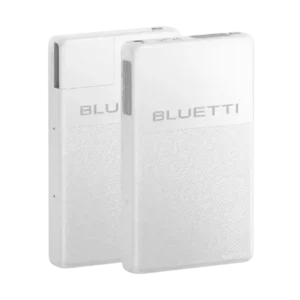
Bluetti Elite 30 V2
5.0 feature score
Highest scored product for this feature based on supporting review evidence.
Highest scored product for this feature based on supporting review evidence.
Balances feature score, supporting reviews, and overall product strength.
Has the broadest review evidence for this feature.
Strongest overall product among items with scored evidence for this feature.
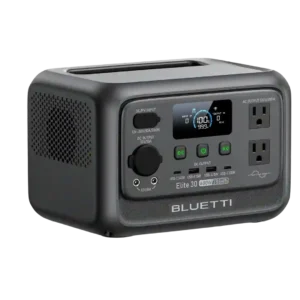
The 140W and 100W USB-C ports are a major advantage, fast-charging laptops, phones, and tablets simultaneously. This unusually strong USB-C setup is repeatedly singled out as a reason to choose...
Pros: rated output, output stability
Cons: over-voltage protection, cold-weather performance

The 100W USB-C port receives consistent praise for charging laptops at proper wall-adapter speeds.
Pros: rated output, peak output
Cons: standby power loss, specification accuracy
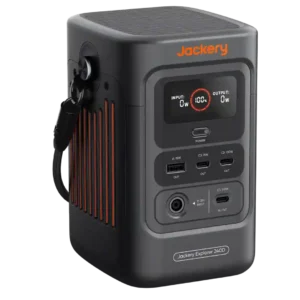
The 140W USB-C port is a standout strength, handling demanding laptops and gaming hardware at or near full charging speed. Every direct test of the high-power port was strongly positive.
Pros: power output, rated output
Cons: AC outlet count, repairability
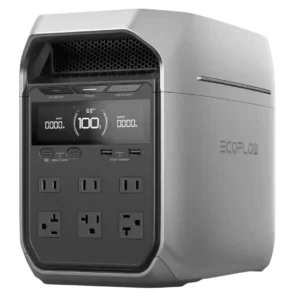
Both USB-C ports can deliver close to 140W simultaneously, making them excellent for modern laptops and other high-draw devices.
Pros: rated output, peak output
Cons: 30-amp output, parallel operation support
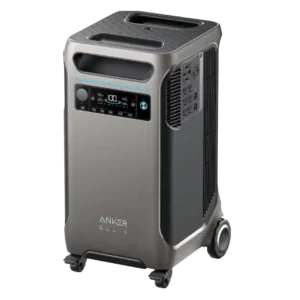
The high-power USB-C ports are repeatedly praised for fast laptop, tablet, and phone charging.
Pros: rated output, output stability
Cons: car charging speed, USB-A ports
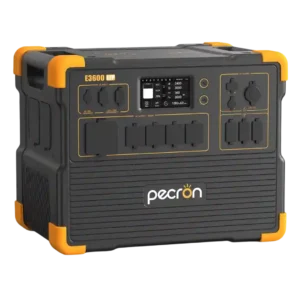
The 100-watt USB-C port delivered its rated power in testing and handled laptop-class charging without trouble.
Pros: power output, rated output
Cons: output stability, voltage regulation
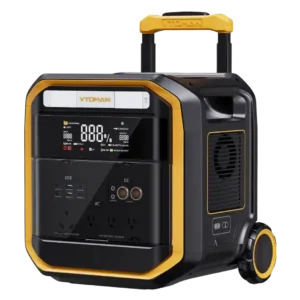
Dual 100W USB-C ports are a standout convenience, fast-charging laptops, drones, power banks, and other demanding mobile devices without separate bricks.
Pros: power output, surge capacity
Cons: specification accuracy, peak output

Two 140W USB-C PD ports are repeatedly praised for fast-charging laptops and other demanding devices without bulky AC adapters.
Pros: rated output, peak output
Cons: app connectivity, voltage regulation
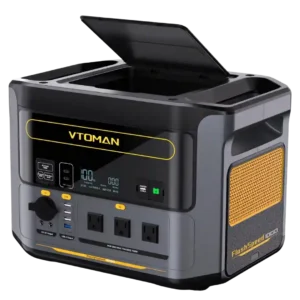
Each USB-C port can deliver up to 100W, making the station well suited to fast-charging laptops, tablets, and phones.
Pros: inverter quality, power quality
Cons: Wi-Fi connectivity, weather resistance
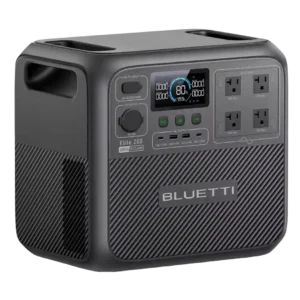
The two 100W USB-C ports are widely praised for charging laptops and other high-demand devices without using the AC inverter.
Pros: output stability, pure sine wave output
Cons: specification accuracy, startup reliability
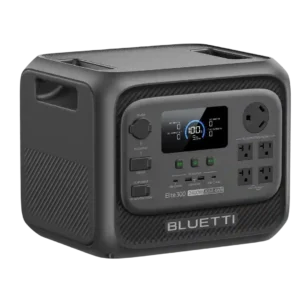
The 100W and 140W USB-C outputs are well suited to laptops and modern devices, with enough combined power to charge two computers at high speed.
Pros: surge capacity, voltage regulation
Cons: water resistance, ventilation requirements
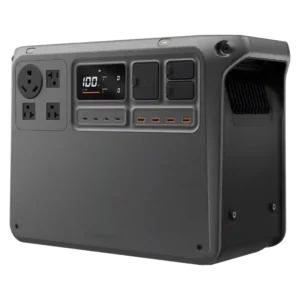
The high-output USB-C ports charge laptops and other demanding mobile devices quickly and directly.
Pros: rated output, peak output
Cons: startup reliability, full-load noise
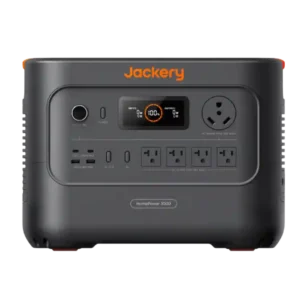
The pair of 100W USB-C outputs is strong enough for laptops and other higher-power USB-C devices.
Pros: power output, rated output
Cons: battery expandability, car charging speed
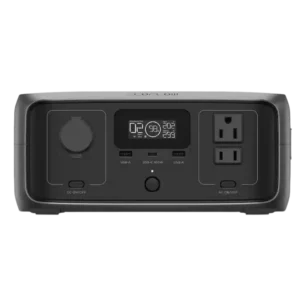
The 100W USB-C output is excellent for laptops and modern devices, although a few owners report underpowered behavior or port failures.
Pros: noise level, idle noise
Cons: self-discharge rate, air travel suitability
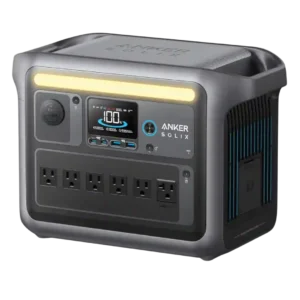
The 100W USB-C port is useful for laptops and larger electronics. Some versions pair it with a weaker 30W port, making the USB-C offering capable but uneven.
Pros: power output, rated output
Cons: dual-input charging, cable storage
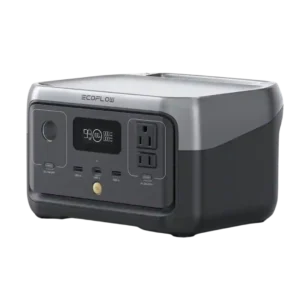
The consistent hands-on result is 60W bidirectional USB-C—adequate for many laptops, but less versatile than 100W competitors and weak for some legacy fast-charge modes.
Pros: surge capacity, output stability
Cons: dual-input charging, whole-home integration
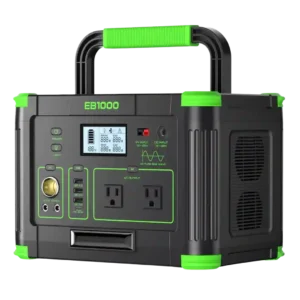
USB-C can reach a phone's maximum rate in good conditions, yet charging readings varied and one owner experienced an early PD-port failure.
Pros: rated output, output stability
Cons: battery expandability, startup reliability
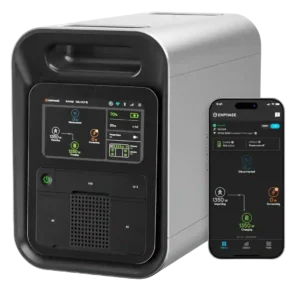
The USB-C ports are useful, but the missing published PD wattage makes laptop compatibility harder to judge.
Pros: rated output, output stability
Cons: runtime at full load, RV outlet
The expansion battery’s 18W USB-C port is underpowered, and the main unit lacks high-wattage USB-C entirely. It is poorly suited to laptop charging without using an AC adapter.
Pros: power output, rated output
Cons: USB-A ports, 12-volt outlet