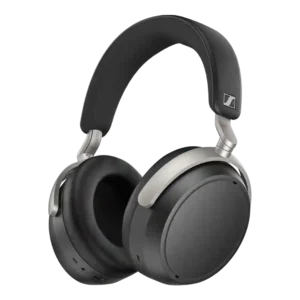
Parametric EQ is one of the strongest consensus features, repeatedly described as standout, powerful, class-leading, or among the best in the category.
Pros: Instrument separation, Charging
Cons: Xbox compatibility, Water/sweat resistance rating
Parametric EQ is one of the strongest consensus features, repeatedly described as standout, powerful, class-leading, or among the best in the category.
Pros: Instrument separation, Charging
Cons: Xbox compatibility, Water/sweat resistance rating
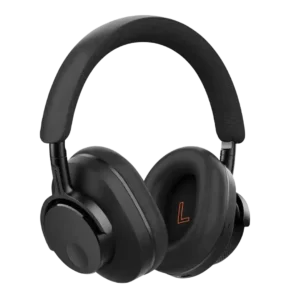
EQ customization is a major strength, with reviewers praising the seven-band EQ and how well the headphones respond to tuning.
Pros: Codec support, aptX
Cons: LDAC, Water/sweat resistance rating

EQ customization was a standout strength thanks to parametric controls, stored profiles, and easy headset-side switching.
Pros: Spatial audio, Software/setup simplicity
Cons: Xbox compatibility, Sidetone adjustment quality
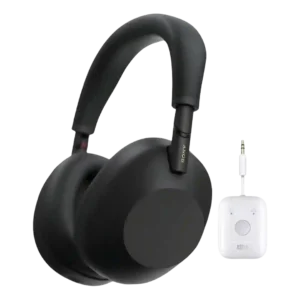
EQ customization was one of Sony's strongest feature advantages, with repeated praise for the 10-band EQ, guided EQ, and deep tuning control.
Pros: Smart Pause performance, Award recognition
Cons: Cable quality, USB-C
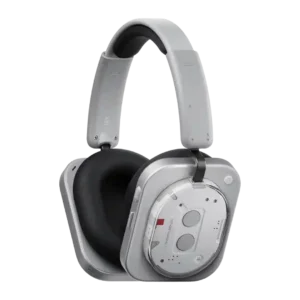
EQ customization was a standout feature, repeatedly described as powerful, granular, and sometimes essential for fixing the stock tuning.
Pros: Smart Pause performance, App
Cons: Wear detection performance, Wear detection auto-pause
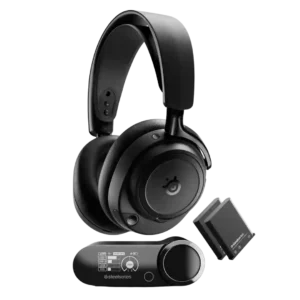
EQ customization is a major strength, with repeated praise for parametric EQ, per-source profiles, and on-the-fly tuning across app, hub, and PC software.
Pros: Maximum volume clarity, Multipoint connectivity reliability
Cons: Portability/foldability, USB-C
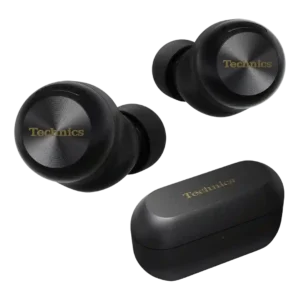
EQ customization is a clear strength, with many reviewers praising the eight-band control and meaningful tuning options.
Pros: Volume output, Maximum volume clarity
Cons: aptX, Auracast support
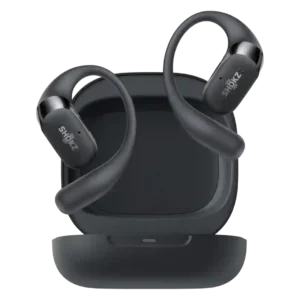
Equalizer customization is a plus for reviewers who want to fine-tune sound, with praise for custom EQ options and sound/control tuning.
Pros: Microphone noise reduction, Bluetooth
Cons: Active noise cancellation, Codec support
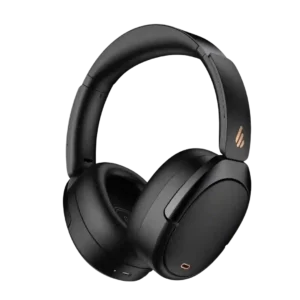
EQ customization was praised for letting listeners reshape the sound to their preferences.
Pros: Instrument separation, USB-C
Cons: Button control usability, Maximum volume clarity
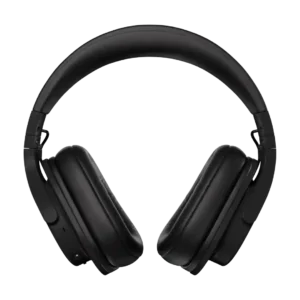
EQ customization was useful because the reviewer could create custom presets after factory presets missed the desired tuning.
Pros: Audio-video sync accuracy, Clamping force comfort
Cons: Transparency mode quality, Sustainability and repairability

Equalizer customization was a major advantage, with reviewers frequently using custom EQ or the app's 8-band controls to improve sound.
Pros: Android compatibility, Software/setup simplicity
Cons: Active noise cancellation, Noise isolation (passive)
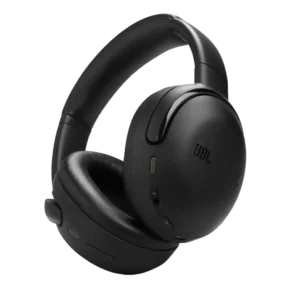
EQ customization was a major strength, with reviewers praising the flexible 10- or 12-band EQ and the ability to noticeably improve the sound.
Pros: Immersive audio quality, ANC background noise level
Cons: Replaceable pads/headband, Replaceable earpads
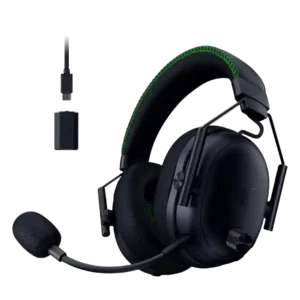
EQ customization was a major strength, with reviewers praising onboard EQ, 10-band controls, Synapse depth, and game-specific tuning flexibility.
Pros: Audio-video sync accuracy, Multi-platform compatibility
Cons: Cable quality, Preset EQ profile quality
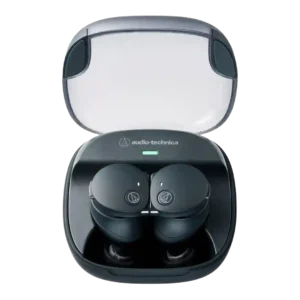
EQ customization was one of the strongest software features, with reviewers praising the ability to tune sound and create more personalized profiles.
Pros: Battery, Software/setup simplicity
Cons: Sensors, Voice assistant integration

EQ customization was a clear positive, giving reviewers useful tools to tame bass, adjust presets and personalize sound.
Pros: Volume output, Weight comfort
Cons: Cable quality, Smudge resistance
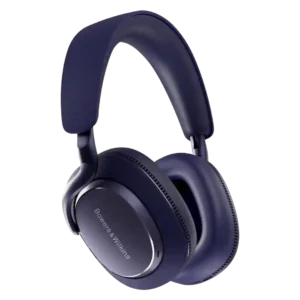
The 5-band EQ is widely welcomed as a big upgrade, though some reviewers still find it limited versus deeper EQ systems.
Pros: Frequency response accuracy, Multipoint connectivity reliability
Cons: LDAC, Wear detection performance
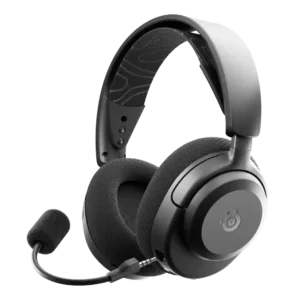
EQ customization was a strength overall, especially on PC and mobile, although some mobile implementations lacked a true custom equalizer.
Pros: Charging, Weight comfort
Cons: Sound leakage, Cable quality
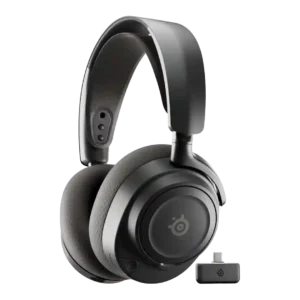
EQ customization was powerful, especially desktop parametric EQ and saved profiles, but mobile custom EQ limitations were a recurring caveat.
Pros: Connectivity versatility, Multi-platform compatibility
Cons: Transparency mode quality, Active noise cancellation
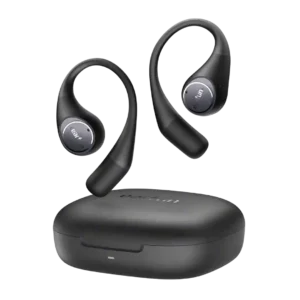
EQ customization was widely praised, especially the app’s presets, manual EQ, and personalized sound profile, despite a few usability caveats.
Pros: Codec support, Water/sweat resistance rating
Cons: Noise isolation (passive), Design and Aesthetics
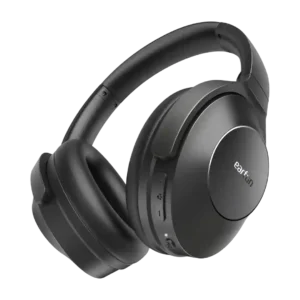
EQ customization is a clear strength, repeatedly described as powerful, tunable, and capable of improving the sound.
Pros: Stability, Bluetooth
Cons: Smudge resistance, Smart Pause performance
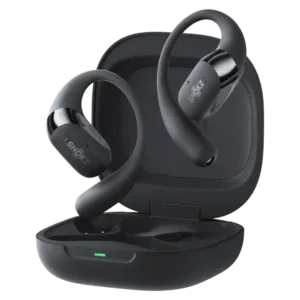
EQ customization was a clear strength: reviewers liked tweaking sound, custom EQ, and personal preference controls, though one app workflow was limited.
Pros: Clamping force comfort, Battery
Cons: Active noise cancellation, Noise isolation (passive)
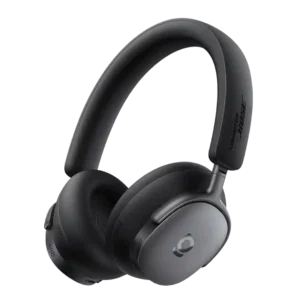
EQ customization was a major strength thanks to the eight-band EQ and flexible presets, with the main caveat being one app freeze issue.
Pros: Maximum volume clarity, Headband adjustability
Cons: Cable quality, Smart Pause performance
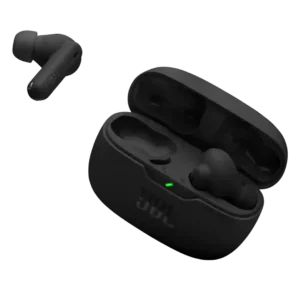
EQ customization was a consistent strength, with reviewers liking presets and custom profiles for tailoring bass and vocals.
Pros: Audio-video sync accuracy, Weight comfort
Cons: Sidetone adjustment quality, Microphone noise reduction
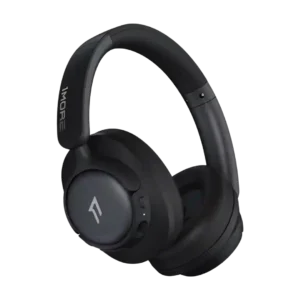
EQ customization was a strength, with reviewers valuing custom EQ and preset controls despite one review noting no custom EQ option.
Pros: Battery, ANC sound impact on audio
Cons: 3.5mm analog input availability, Treble clarity
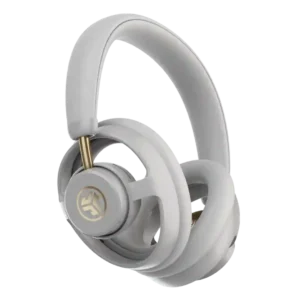
A detailed 10-band custom EQ is unusually generous for the price and gives users meaningful control. Some reviewers still prefer the default tuning because manual changes can reduce bass or...
Pros: Headband adjustability, Voice assistant integration
Cons: Maximum volume clarity, Xbox compatibility
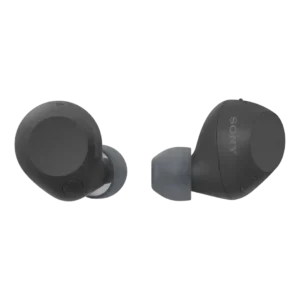
EQ customization was useful and often appreciated, though some reviewers wanted deeper controls or found Sony’s personalization basic.
Pros: Weight comfort, Android compatibility
Cons: Lossless audio support, Ear tip size options
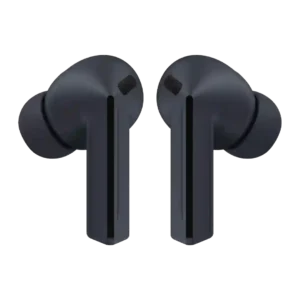
EQ customization is useful through Samsung software, with custom and preset options, but one reviewer misses personalized tuning.
Pros: Volume output, Audio-video sync accuracy
Cons: Multipoint connectivity reliability, LDAC
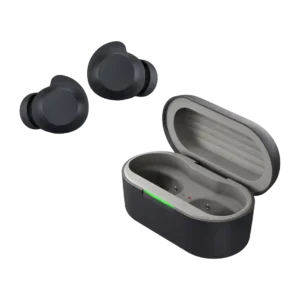
EQ customization is useful and can improve the sound, though reviewers agreed it does not fully erase the underlying tuning problems.
Pros: Charging, Portability/foldability
Cons: aptX, LDAC
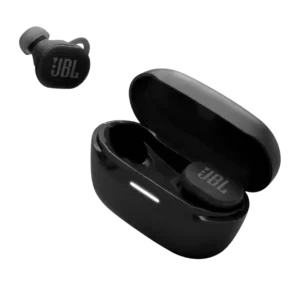
EQ customization was useful, especially for adding bass and getting a fuller sound.
Pros: Stability, Battery
Cons: Volume output, Cable quality
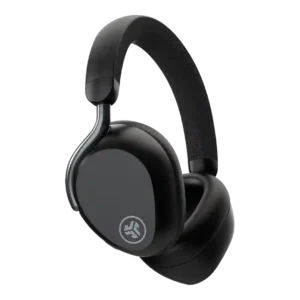
EQ customization was useful and often praised, but custom EQ volume drops and limited presets created notable caveats.
Pros: Award recognition, Audio-video sync accuracy
Cons: ANC sound impact on audio, ANC effect on sound signature
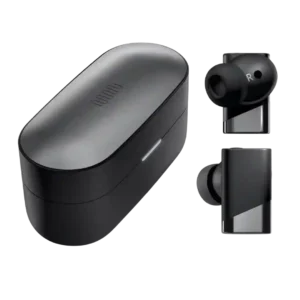
EQ customization is powerful overall, with 8-band and dynamic options, but some reviewers dislike technical sliders or automatic EQ normalization.
Pros: Maximum volume clarity, Sound quality
Cons: Spatial audio, Software/setup simplicity
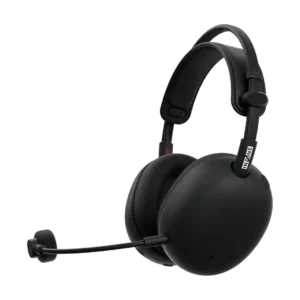
The custom EQ is powerful enough to fix much of the headset’s unusual default tuning and tailor it for other genres. The downside is that many reviewers felt EQ was...
Pros: Instrument separation, Maximum volume clarity
Cons: Packaging quality, Console compatibility limitations

EQ customization is useful and often praised, but reviewers also call it simple, locked down, vaguely labeled, or insufficient for fixing every sound issue.
Pros: Comfort during long use, Audio-video sync accuracy
Cons: aptX, Lossless audio support
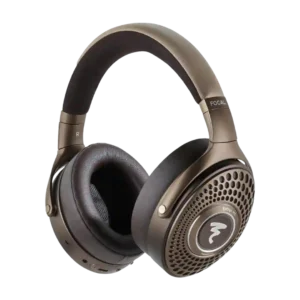
EQ customization is helpful but limited; reviewers like the usable bands and bass adjustment, while several wish for deeper or parametric control.
Pros: ANC effect on sound signature, Multi-platform compatibility
Cons: LE Audio readiness, Auracast support
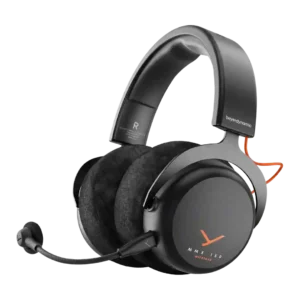
EQ support is mixed: wireless app EQ is useful, bass may need EQ, and the older wired review criticized the lack of software EQ.
Pros: Battery, Audio-video sync accuracy
Cons: Xbox compatibility, Volume output
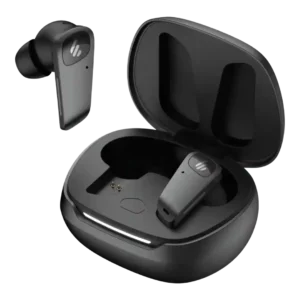
EQ customization is polarizing: reviewers like the depth and flexibility, but many criticize limited bands, poor bass impact, or weak responsiveness.
Pros: Instrument separation, Codec support
Cons: Spatial audio, Volume output
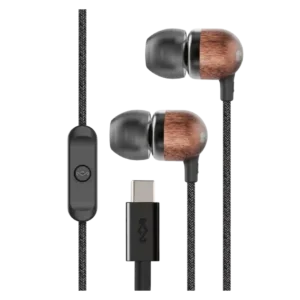
External EQ can add bass punch, midrange energy, brightness, and detail. Pushing it too far also increases boominess, sibilance, and upper-mid harshness.
Pros: Weight comfort, Software/setup simplicity
Cons: Electrical safety, Carry case quality
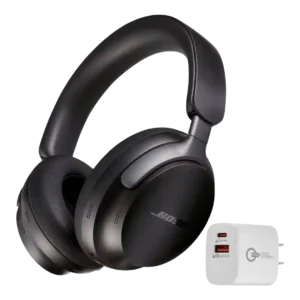
EQ customization was a common limitation because reviewers found Bose's three-band EQ and small preset set less granular than expected.
Pros: Volume output, Active noise cancellation
Cons: Water/sweat resistance rating, USB-C
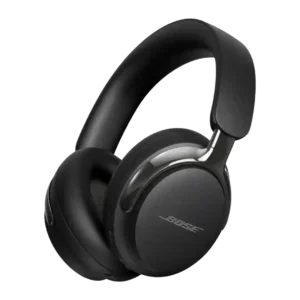
EQ customization is one of the most repeated complaints because Bose still relies on a simple three-band EQ.
Pros: Award recognition, ANC sound impact on audio
Cons: Water/sweat resistance rating, LE Audio readiness
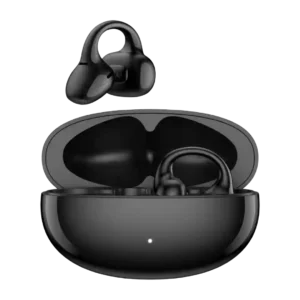
EQ customization is repeatedly criticized because reviewers wanted a true custom, graphic, or band EQ.
Pros: Weight comfort, Interchangeable left/right bud design
Cons: Smudge resistance, Voice assistant integration
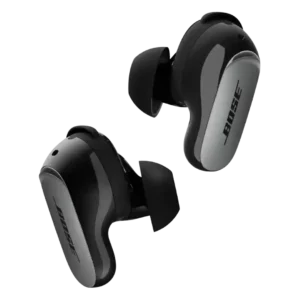
EQ customization is the clearest software weakness: many reviewers criticize the basic three-band EQ as too limited for premium earbuds.
Pros: Active noise cancellation, Volume output
Cons: Preset EQ profile quality, Equalizer customization
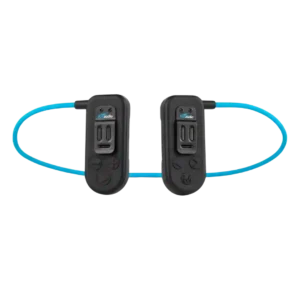
There is no useful onboard EQ for memory playback, a notable limitation because several reviewers found the default tuning bass-heavy. More app-based EQ control was specifically requested.
Pros: Comfort during long use, Water/sweat resistance rating
Cons: Equalizer customization, Sound leakage

Equalizer customization is a repeated complaint: reviewers call the lack of EQ a grave oversight or want a workaround-free adjustable EQ.
Pros: Audio-video sync accuracy, Transparency mode quality
Cons: aptX, LDAC
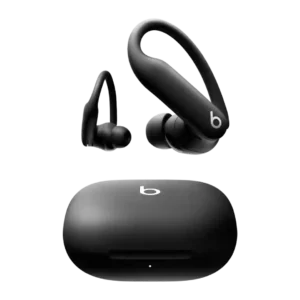
EQ customization was a repeated weakness, with reviewers criticizing the lack of a real custom or adjustable EQ.
Pros: Audio-video sync accuracy, Smudge resistance
Cons: Multipoint connectivity reliability, Equalizer customization

EQ customization was a repeated frustration because Apple still does not offer a full manual equalizer.
Pros: Button control usability, Design and Aesthetics
Cons: Water/sweat resistance rating, Included accessories
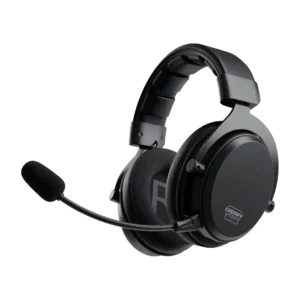
EQ customization was limited because there is no software or granular tuning beyond basic presets.
Pros: Volume output, Audio-video sync accuracy
Cons: Xbox compatibility, Equalizer customization
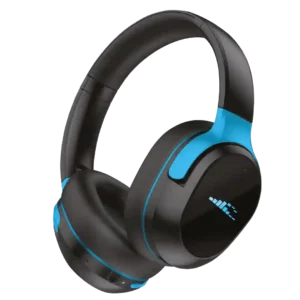
The fixed sound profile cannot be adjusted with an equalizer or vocal preset. That is especially frustrating for reviewers who wanted to tame bass, lift vocals, or correct the darker...
Pros: Volume output, Bluetooth
Cons: LDAC, Find My