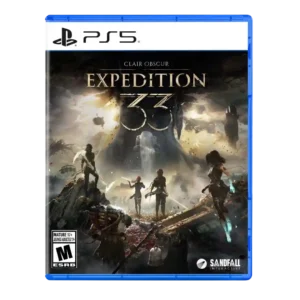
Resource balance was praised for avoiding inventory tedium and excessive item hoarding.
Pros: monetization fairness, microtransaction impact
Cons: platforming precision, menu usability
Resource balance was praised for avoiding inventory tedium and excessive item hoarding.
Pros: monetization fairness, microtransaction impact
Cons: platforming precision, menu usability

Resource balance is praised where simplified material categories and less strict upgrade paths encourage more engagement.
Pros: movement feel, environmental detail
Cons: puzzle design, age appropriateness
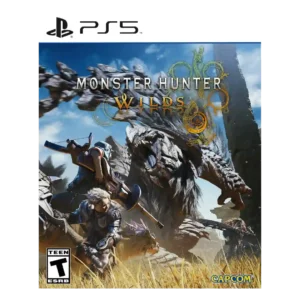
Resource balance was praised in at least one case for quality-of-life touches like reclaiming traps and saving materials.
Pros: art direction, cross-play support
Cons: dialogue quality, monetization fairness

Materials and faction economies give players useful goals beyond simple kills, while barter rewards make salvage feel valuable. The better implementations keep resources circulating without completely removing the consequences of...
Pros: world interactivity, voice acting
Cons: menu usability, HUD clarity
Resource balance was mostly praised for satisfying pressure and strong management hooks, though some reviewers found it irritating or overly punishing.
Pros: controls responsiveness, onboarding experience
Cons: crash stability, grind level
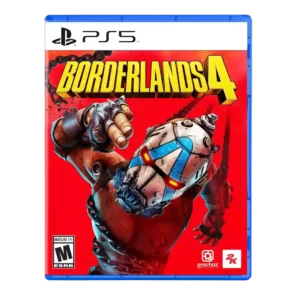
Resource balance has limited evidence, but the repkit health option is judged useful when health drops are unavailable.
Pros: sandbox freedom, art direction
Cons: polish, save system reliability
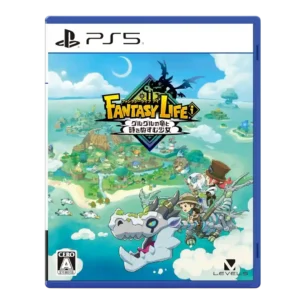
Resource balance is helped by systems that reduce monotonous grinding through purchasing or targeting materials.
Pros: load times, crash stability
Cons: originality, voice acting
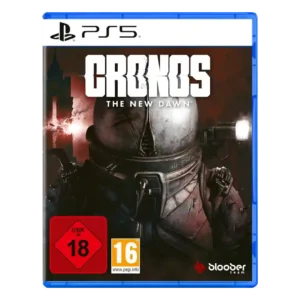
Resource economy was central to the experience and heavily discussed; most praised the tension of scarcity, while some found it stingy, nuisance-heavy, or frustrating.
Pros: core gameplay loop, emotional impact
Cons: checkpoint system, bug frequency
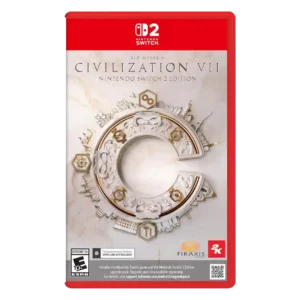
Resource, influence, town/city, and balance systems drew praise for meaningful choices and diplomacy, but some reviewers found influence, gold, or console resource management confusing or unbalanced.
Pros: animation quality, controls responsiveness
Cons: matchmaking quality, user interface design
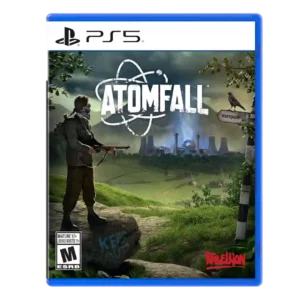
Resource balance and barter drew mixed-to-positive notes for scarcity and trade tension, offset by complaints about inventory limits and unrewarding combat loot.
Pros: art direction, frame rate stability
Cons: boss design, camera behavior
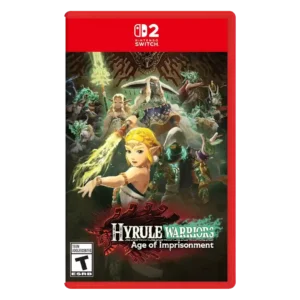
Economy and resource balance was mixed: some found the item economy deliberate, while others found materials too abundant or weapon resources awkward.
Pros: animation quality, multiplayer design
Cons: save system reliability, companion AI

Resource balance split reviewers: some liked the tension from durability, sanity, scarce supplies, and limited inventory, while others found healing scarcity or item limits frustrating.
Pros: voice acting, emotional impact
Cons: family friendliness, menu usability
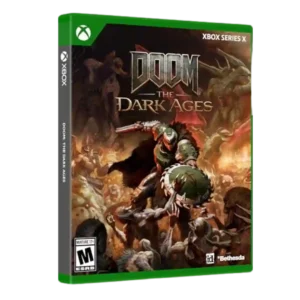
Resource balance was split between praise for easier ammo sustain and criticism that ammo pressure became irrelevant.
Pros: environmental detail, polish
Cons: camera behavior, value for money
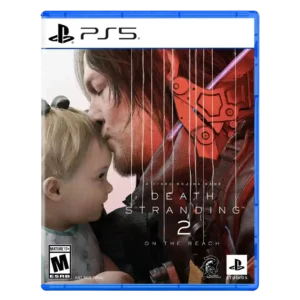
Resource balance is mixed because plentiful building materials make construction smoother but also reduce challenge.
Pros: animation quality, facial animations
Cons: quest design, AI behavior

Resource balance is a repeated caveat: several reviewers like having lots to collect but say the currencies and materials can be too much.
Pros: skill tree depth, dialogue quality
Cons: emotional impact, economy and resource balance
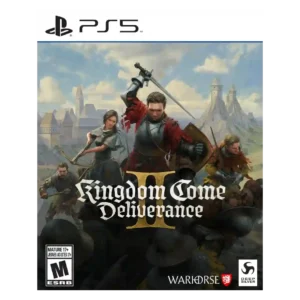
The early economy was described as restrictive, especially when selling damaged or stolen goods with limited vendor money.
Pros: soundtrack quality, fun factor
Cons: checkpoint system, family friendliness
Resource balance divided reviewers: some liked the meaningful economy, while others felt crafting materials and upgrade resources were too scarce.
Pros: tutorial quality, level design
Cons: stealth mechanics, endgame content

The rosary and shard economy is the most repeated systems complaint, often described as stingy, grindy, or slightly misbalanced.
Pros: core gameplay loop, world interactivity
Cons: loot system, accessibility options
Inventory limits and stash pressure were the main resource-balance complaints, especially when quest items occupy space until full turn-ins.
Pros: frame rate stability, platform-specific feature support
Cons: voice acting, writing quality
Economy balance was criticized because gold and chips became so abundant that they weakened resource pressure.
Pros: gameplay mechanics, world interactivity
Cons: economy and resource balance, enemy variety
Random map and reward outcomes sometimes made failures feel outside the player's control.
Pros: emotional impact, visual effects quality
Cons: crash stability, cross-play support
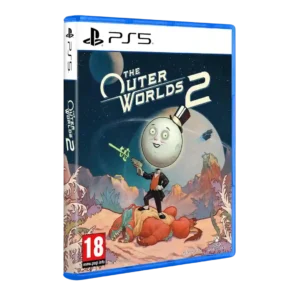
Economy balance drew criticism from one reviewer who found bits and faction standing underdeveloped.
Pros: world-building, mission design
Cons: mission variety, enemy variety
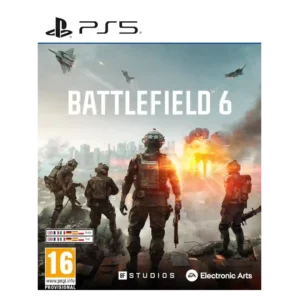
Battlefield Coins and battle-pass progression were criticized as overly slow.
Pros: haptic feedback integration, performance optimization
Cons: pacing, microtransaction impact