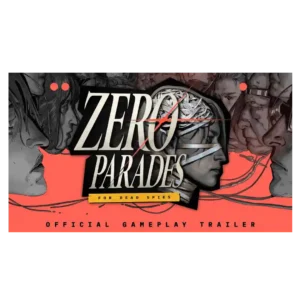
The writing, art, and lived-in setting make Portofiro easy to inhabit, even when outfit swapping or missing voice lines occasionally break the spell.
Pros: level design, world interactivity
Cons: performance optimization, menu usability
The writing, art, and lived-in setting make Portofiro easy to inhabit, even when outfit swapping or missing voice lines occasionally break the spell.
Pros: level design, world interactivity
Cons: performance optimization, menu usability
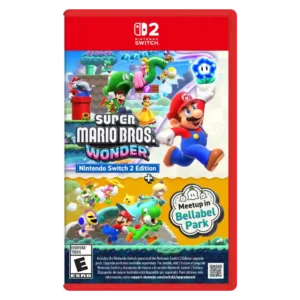
Wonder’s vivid presentation and playful movement continue to pull players into the Flower Kingdom, with the Switch 2 polish strengthening an already engaging sense of place.
Pros: controls responsiveness, voice acting
Cons: matchmaking quality, user interface design
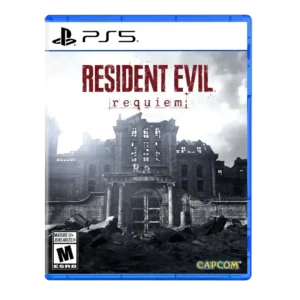
Immersion was praised through Grace’s vulnerability and how strongly it affected player behavior.
Pros: driving mechanics, protagonist appeal
Cons: platform-specific feature support, checkpoint system
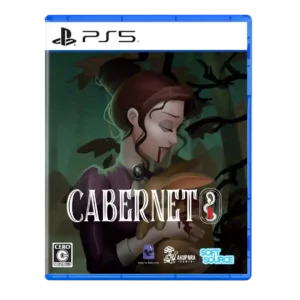
Immersion was a standout for many reviewers, driven by role-playing, atmosphere, world-building, and emotional investment, though some audio and logic issues could disrupt it.
Pros: accessibility options, protagonist appeal
Cons: frame rate stability, polish
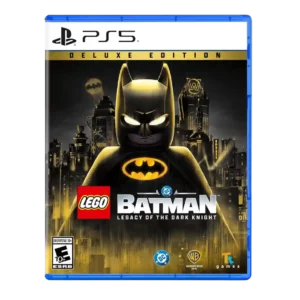
Immersion is strong, with reviewers praising a lived-in open world and a cinematic tone that takes the story seriously.
Pros: pacing, core gameplay loop
Cons: companion AI, map and navigation design
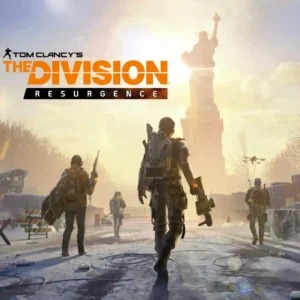
Story framing, presentation, music, and active combat can make the mobile world feel coherent and absorbing.
Pros: exploration quality, sandbox freedom
Cons: mission variety, companion AI
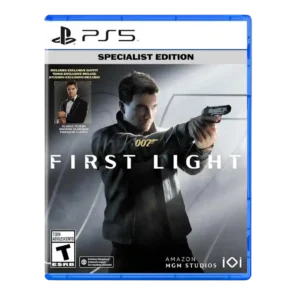
Immersion is a major strength, with reviewers saying the action and interactions feel cinematic and like playing inside a Bond movie.
Pros: level design, user interface design
Cons: AI behavior, facial animations
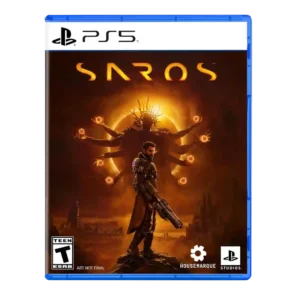
Immersion was praised through tactile feedback, 3D audio, and audiovisual design that pulled reviewers into Carcosa.
Pros: value for money, fun factor
Cons: map and navigation design, side character depth
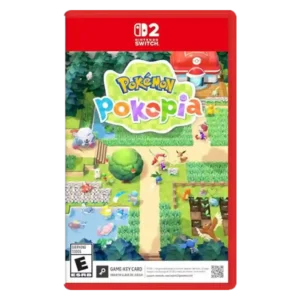
Immersion was boosted by Ditto’s fantasy, environmental storytelling, and the sense of being locked into the Pokémon world.
Pros: protagonist appeal, faithfulness to franchise
Cons: map and navigation design, aiming precision
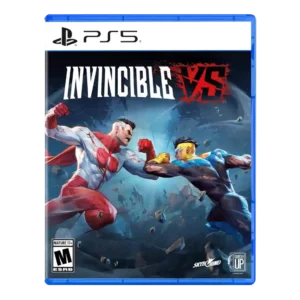
Immersion was praised through authentic chaos, destructible brutality, and a strong Omni-Man fantasy.
Pros: immersion, frame rate stability
Cons: user interface design, bug frequency
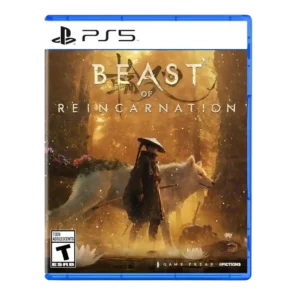
The combination of beautiful ruins, ethereal music, fast traversal, and absorbing combat creates a strong sense of immersion. One two-hour session reportedly felt like only minutes.
Pros: soundtrack quality, value for money
Cons: onboarding experience, aiming precision
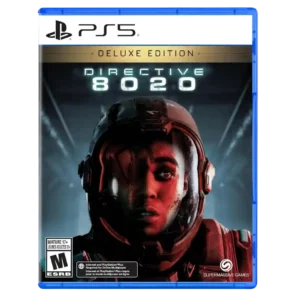
Immersion was praised through the cinematic feel, believable spaces, and reviewers feeling pulled into the world.
Pros: user interface design, graphics quality
Cons: combat system, animation quality
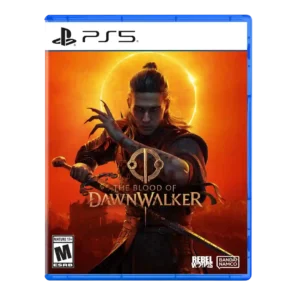
Immersion was strong where reviewers felt the world operated like a character and conveyed medieval authenticity.
Pros: core gameplay loop, replay value
Cons: value for money, difficulty balance
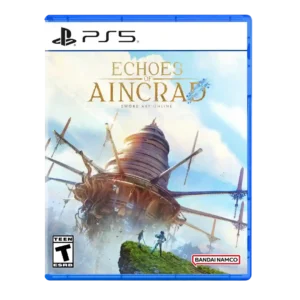
Immersion was a standout, with reviewers praising the MMO-like feel, fatal-game hook, and expedition structure.
Pros: environmental detail, art direction
Cons: world interactivity, loot system
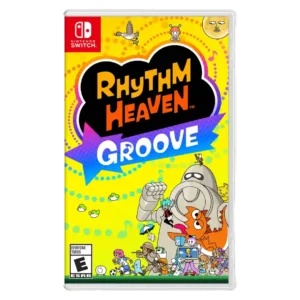
Immersion comes from the music and timing loop, with reviewers describing entrancement and flow-state-like focus when the rhythms click.
Pros: couch co-op quality, accessibility options
Cons: platform-specific feature support, performance optimization
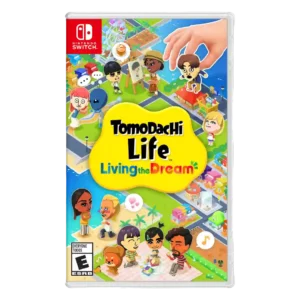
Reviewers who scored immersion felt the island tracks daily life well enough to feel like a living virtual world.
Pros: grind level, originality
Cons: social features, accessibility options
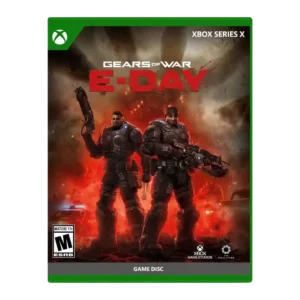
Immersion evidence is positive around ray-traced lighting and high-fidelity presentation.
Pros: emotional impact, art direction
Cons: value for money, platform-specific feature support

Immersion was praised where the game seemed to bring Logan from comic pages into playable form.
Pros: environmental detail, graphics quality
Cons: gameplay mechanics, emotional impact
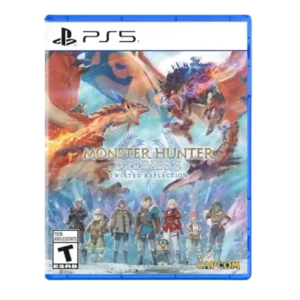
Immersion improved through party backstories, character niches, and the more realized story presentation.
Pros: art direction, environmental detail
Cons: multiplayer design, accessibility options
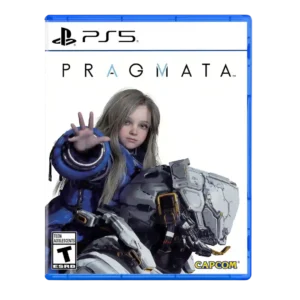
Immersion benefits from the two-character combat feel, strong sci-fi presentation, audio, and environmental design.
Pros: bug frequency, user interface design
Cons: HUD clarity, mission design
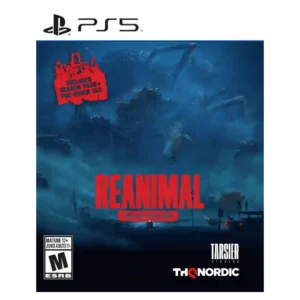
Immersion is a strong positive, driven by atmosphere, camera, world scale, secrets, and the feeling of being small in a hostile world.
Pros: onboarding experience, environmental detail
Cons: family friendliness, movement feel
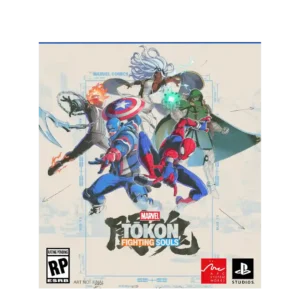
One reviewer found the combined sights and sounds made fights feel alive and engaging.
Pros: emotional impact, frame rate stability
Cons: server reliability, tutorial quality
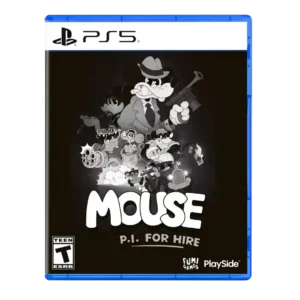
Detailed environments, expressive animation, strong audio, and a cohesive noir tone make Mouseburg feel like a living cartoon. Frame drops, invisible walls, and shallow investigation can briefly break the illusion.
Pros: lore depth, user interface design
Cons: AI behavior, aiming precision
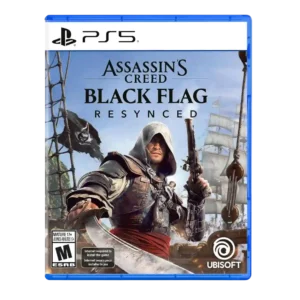
Immersion impressions are positive where the remake is said to push dynamism, gameplay, and immersion further.
Pros: core gameplay loop, visual effects quality
Cons: monetization fairness, microtransaction impact
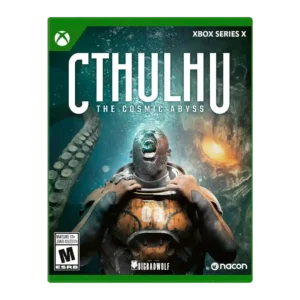
One reviewer strongly praised the game for feeling like a Lovecraft story experienced first-hand.
Pros: world-building, world interactivity
Cons: enemy variety, stealth mechanics

Immersion is mostly positive thanks to Japan, screenshots, and worry-free tourism, but traffic and reactivity issues reduce the effect.
Pros: open-world design, replay value
Cons: dialogue quality, writing quality
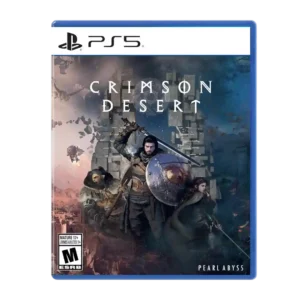
Reviewer evidence is positive: immersion was generally praised, though some notes were more qualified across 3 review(s).
Pros: level design, replay value
Cons: stealth mechanics, save system reliability
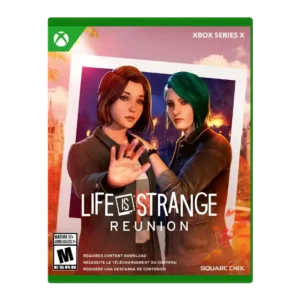
The warm setting and central relationship can be absorbing, but public secret conversations, reused spaces, and sparse interaction sometimes expose the game’s artificiality.
Pros: level design, accessibility options
Cons: world-building, haptic feedback integration
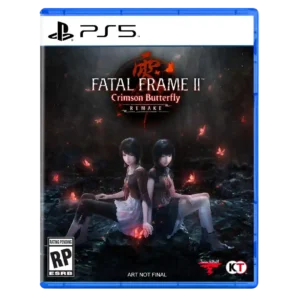
Sound, lighting, village detail, and the sisters’ vulnerability pull players into Minakami, while busy HUD elements and gamey upgrade systems can break the spell.
Pros: writing quality, checkpoint system
Cons: bug frequency, HUD clarity
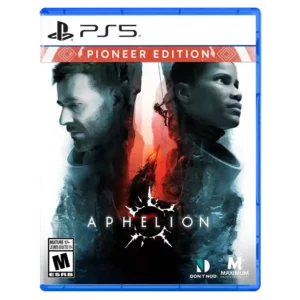
Visual scale, minimal interface, grounded science, and detailed audio pull players in, while glitches, artificial rules, and clunky interaction can break the spell.
Pros: HUD clarity, onboarding experience
Cons: user interface design, menu usability
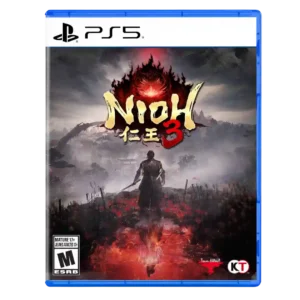
Immersion was mixed: one review said empty restored areas harmed it, while another said technical hiccups did not break it.
Pros: pacing, visual effects quality
Cons: tutorial quality, character roster
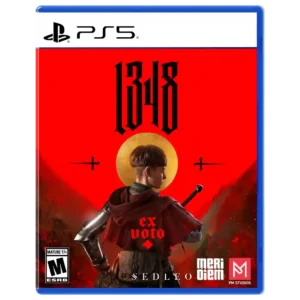
The setting can be absorbing, but rough animations, technical glitches, and interface choices repeatedly remind players of the machinery underneath and pull them out of the historical fantasy.
Pros: visual effects quality, horror tension
Cons: aiming precision, stealth mechanics
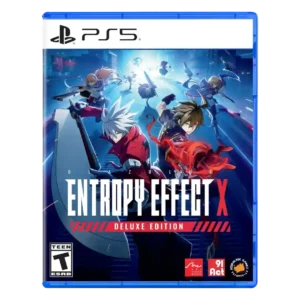
Immersion evidence is negative in one review, where animated sequences look good but the complex story fails to pull the reviewer in.
Pros: movement feel, skill tree depth
Cons: menu usability, HUD clarity
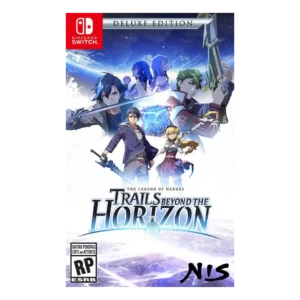
Immersion had negative evidence from one reviewer noting voice and soundtrack issues could break immersion.
Pros: facial animations, polish
Cons: grind level, stealth mechanics

A reviewer found that a noticeable glitch briefly broke immersion, even though it was not severe enough to ruin the broader experience.
Pros: gameplay mechanics, boss design
Cons: age appropriateness, family friendliness