#1

The familiar structure and straightforward mechanics make the game easy for shooter veterans to understand quickly, with several reviewers describing it as simple to jump into.
Pros: gameplay mechanics, boss design
Cons: age appropriateness, family friendliness
#2
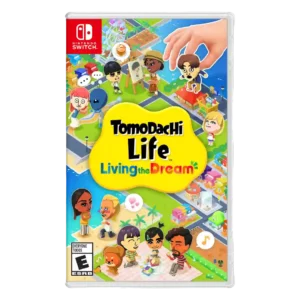
The game is widely framed as easy to pick up, approachable, and accessible in play style rather than demanding or skill-heavy.
Pros: grind level, originality
Cons: social features, accessibility options
#3

The action format is easier to pick up than traditional tactical Disgaea, making it a friendlier entry point for newcomers.
Pros: bug frequency, movement feel
Cons: enemy variety, AI behavior
#4

The learning curve had limited positive support, with one reviewer saying the mechanics initially seem complex but are actually simple.
Pros: accessibility options, protagonist appeal
Cons: frame rate stability, polish
#5
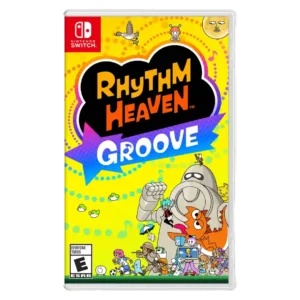
The learning curve is viewed as well staged, introducing games gradually before removing training wheels and demanding more precise timing.
Pros: couch co-op quality, accessibility options
Cons: platform-specific feature support, performance optimization
#6

The learning curve appears gentle, with reviewers saying controls were easy to pick up and intuitive.
Pros: pacing, core gameplay loop
Cons: companion AI, map and navigation design
#7
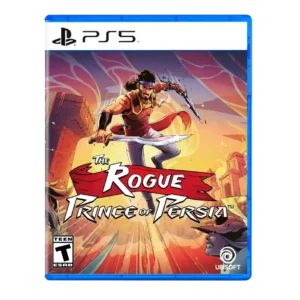
The learning curve was considered manageable and rewarding, with mastery rather than frustration emphasized.
Pros: crash stability, HUD clarity
Cons: character development, visual effects quality
#8
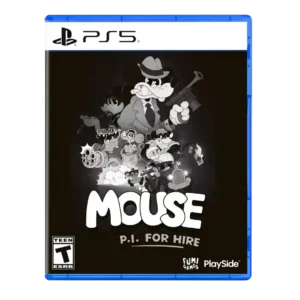
New weapons and movement abilities are introduced gradually, keeping the systems approachable without overwhelming newcomers. Experienced shooter players may find the early hours overly simple.
Pros: lore depth, user interface design
Cons: AI behavior, aiming precision
#9

The learning curve is approachable, with reviewers noting overall simplicity and forgiving design despite horror tension.
Pros: onboarding experience, environmental detail
Cons: family friendliness, movement feel
#10

The game accommodates a wide span of skill levels: newcomers can lean on support options while later challenges ramp into demanding tests. This makes the path from beginner play to...
Pros: controls responsiveness, voice acting
Cons: matchmaking quality, user interface design
#11
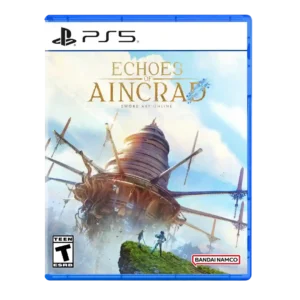
The learning curve was helped by flexible respecs and experimentation-friendly character building.
Pros: environmental detail, art direction
Cons: world interactivity, loot system
#12

One newcomer-oriented review found the intimidating systems introduced clearly enough to avoid feeling lost.
Pros: facial animations, polish
Cons: grind level, stealth mechanics
#13
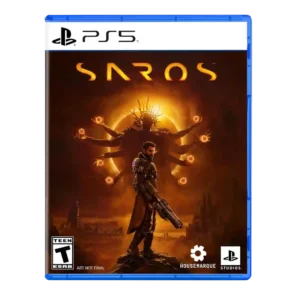
The learning curve was approachable for some but still initially demanding, with trial-and-error teaching and a tough early adjustment.
Pros: value for money, fun factor
Cons: map and navigation design, side character depth
#14

Learning curve is mixed: assists and slower starts help, but sensitive handling, wheels, and car-by-car tuning still require adjustment.
Pros: open-world design, replay value
Cons: dialogue quality, writing quality
#15
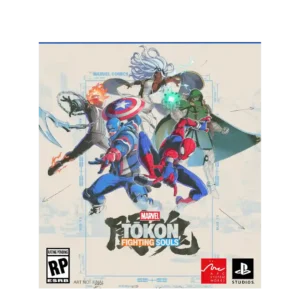
The game is described as easy to enter but hard to fully understand, with a steep depth curve beneath the accessible surface.
Pros: emotional impact, frame rate stability
Cons: server reliability, tutorial quality
#16
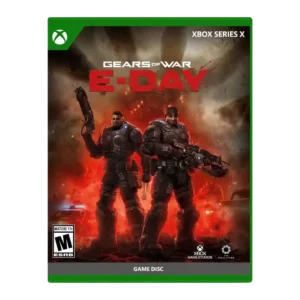
Learning curve evidence is mixed because the team expects returning players to adjust to changed mechanics even though the game remains built around familiar Gears foundations.
Pros: emotional impact, art direction
Cons: value for money, platform-specific feature support
#17
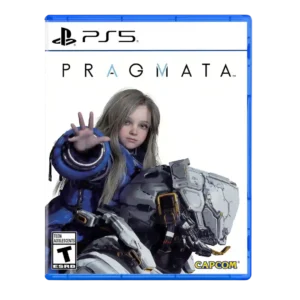
The learning curve is noticeable because simultaneous hacking and shooting takes time, but reviewers usually found the process well managed.
Pros: bug frequency, user interface design
Cons: HUD clarity, mission design
#18

Learning curve impressions were mixed: some liked the lack of handholding, while others needed many hours or wanted more nudges.
Pros: protagonist appeal, faithfulness to franchise
Cons: map and navigation design, aiming precision
#19

The camera system needs some adjustment time, but combat becomes more natural once focus, timing, filters, and Fatal Frames click.
Pros: writing quality, checkpoint system
Cons: bug frequency, HUD clarity
#20
The systems can look dense at first, but they become manageable when approached like a tabletop RPG rather than a conventional action game.
Pros: level design, world interactivity
Cons: performance optimization, menu usability
#21
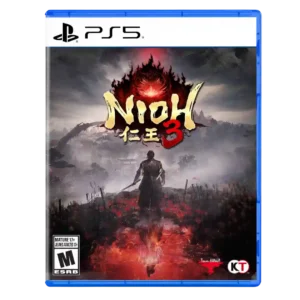
The learning curve was widely described as approachable but still steep, dense, or overwhelming depending on player familiarity.
Pros: pacing, visual effects quality
Cons: tutorial quality, character roster
#22

The learning curve is clearly substantial; reviewers praised the high ceiling, but also described many systems, encyclopedia-like complexity, and too many inputs.
Pros: immersion, frame rate stability
Cons: user interface design, bug frequency
#23
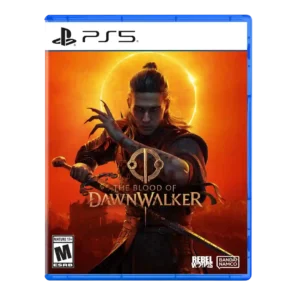
The directional combat learning curve looked complicated enough that assistance icons seemed important.
Pros: core gameplay loop, replay value
Cons: value for money, difficulty balance
#24
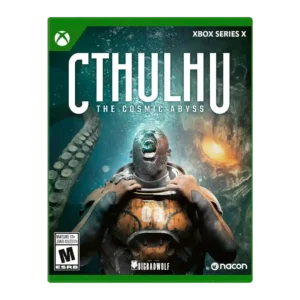
The early learning curve was described as overwhelming or hurdle-like, though some reviewers accepted that complexity as part of the game’s appeal.
Pros: world-building, world interactivity
Cons: enemy variety, stealth mechanics
#25
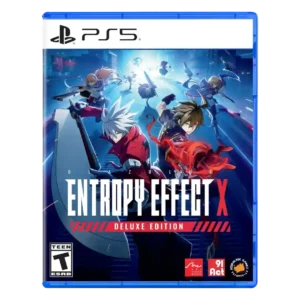
Learning curve is mixed: the action can be easy to learn, but many systems, terms, and early decisions are unclear or overwhelming.
Pros: movement feel, skill tree depth
Cons: menu usability, HUD clarity
#26
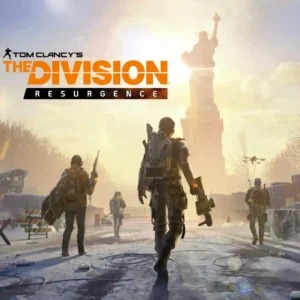
The many menus, currencies, builds, and progression layers can feel overwhelming, but gradual introductions keep them manageable for many players.
Pros: exploration quality, sandbox freedom
Cons: mission variety, companion AI
#27
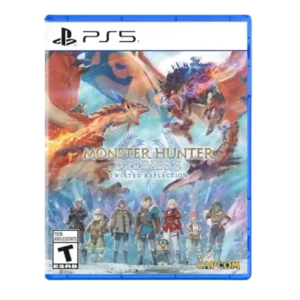
The early learning curve was considered sharp and occasionally overwhelming.
Pros: art direction, environmental detail
Cons: multiplayer design, accessibility options
#28
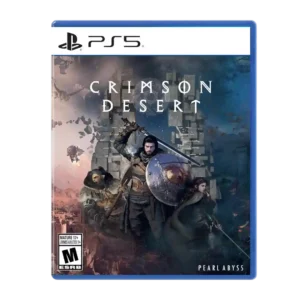
Reviewer evidence is negative or mixed: learning curve was often criticized, even where some reviewers found redeeming moments across 2 review(s).
Pros: level design, replay value
Cons: stealth mechanics, save system reliability
#29
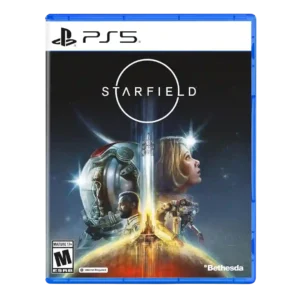
The learning curve is steep. Several reviewers say Starfield has many systems and does not explain enough up front.
Pros: puzzle design, sound design
Cons: accessibility options, AI behavior
#30
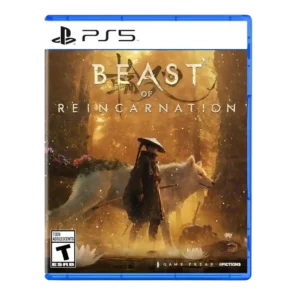
There is a meaningful learning curve, but poor explanation makes it steeper than necessary. One player reached the first serious boss without understanding several expected mechanics.
Pros: soundtrack quality, value for money
Cons: onboarding experience, aiming precision
#31
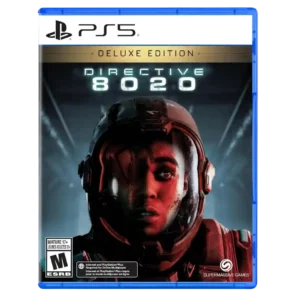
The learning curve was criticized when one reviewer was dropped mid-game before understanding the unusual controls.
Pros: user interface design, graphics quality
Cons: combat system, animation quality
#32

Combat is difficult to read for the wrong reasons in early play, with one reviewer still unable to make sense of parry and dodge timing well after the tutorial.
Pros: visual effects quality, horror tension
Cons: aiming precision, stealth mechanics