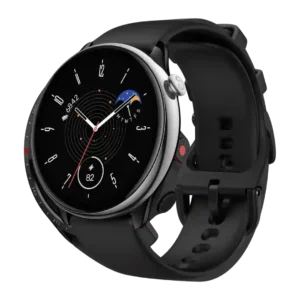
The operating system experience was praised as fast, simple, lightweight, and useful for a sports-watch experience.
Pros: pairing reliability, workout tracking variety
Cons: contactless payments, onboard music storage
The operating system experience was praised as fast, simple, lightweight, and useful for a sports-watch experience.
Pros: pairing reliability, workout tracking variety
Cons: contactless payments, onboard music storage
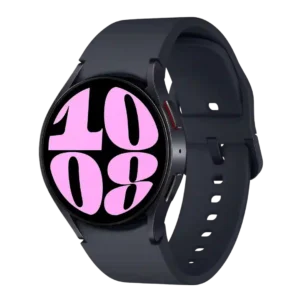
The operating system experience was praised as a strong Wear OS implementation, though app and ecosystem restrictions kept it from being flawless.
Pros: voice assistant quality, music controls
Cons: blood oxygen tracking, cross-platform compatibility
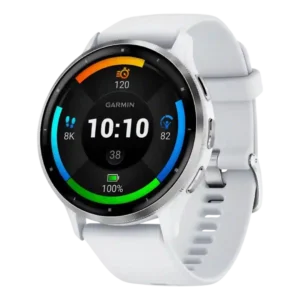
The operating system experience is positive overall, with reviewers describing it as convenient, well rounded, and a seamless blend of fitness and daily smartwatch use.
Pros: health tracking accuracy, software smoothness
Cons: LTE connectivity, mapping and navigation
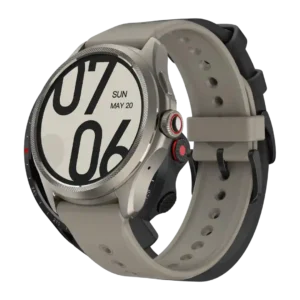
Wear OS experience was generally strong, with reviewers praising the modern interface while flagging uncertain future updates.
Pros: contactless payments, battery life
Cons: voice assistant quality, LTE connectivity
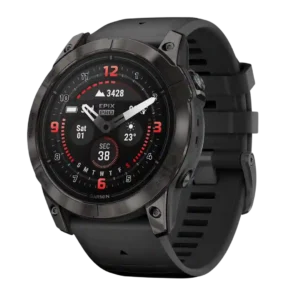
The operating system experience is strong overall, described as more robust and as operating well for endurance use.
Pros: GPS accuracy, charging speed
Cons: ECG functionality, voice assistant quality
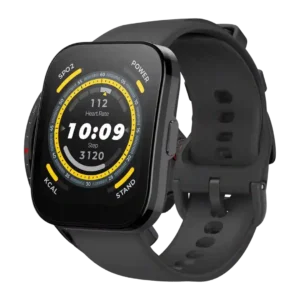
Operating system experience receives positive evidence for a responsive, well-balanced interface.
Pros: comfort, touchscreen responsiveness
Cons: calorie tracking usefulness, onboard music storage
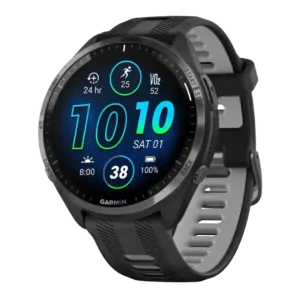
The OS experience was viewed as effective and more fun with the refreshed AMOLED-era interface.
Pros: water resistance, workout tracking variety
Cons: LTE connectivity, ECG functionality
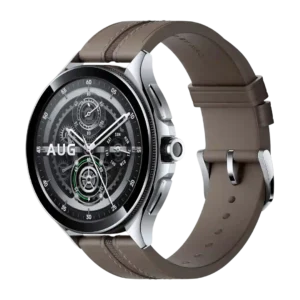
Wear OS made the watch much more capable, but reviewers disagreed on execution because Xiaomi’s skin and update path raised polish concerns.
Pros: pairing reliability, outdoor visibility
Cons: ECG functionality, running power support
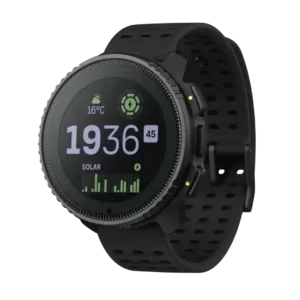
The operating system experience was considered usable but not especially polished or distinctive.
Pros: battery life, durability
Cons: resume later function, ECG functionality
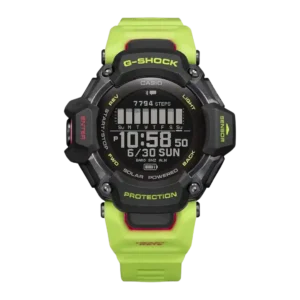
The operating system is viewed as a meaningful step forward by one reviewer, but another still found the overall experience only middling.
Pros: brightness, charging convenience
Cons: ECG functionality, stress tracking
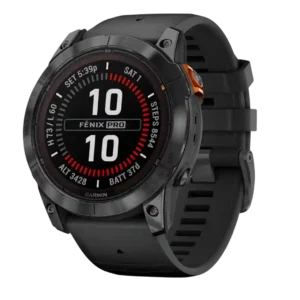
Operating system experience was polarized, with one review calling it one of the best user experiences and another finding Garmin interfaces frustrating after Apple.
Pros: GPS accuracy, app ecosystem
Cons: ECG functionality, calorie tracking usefulness
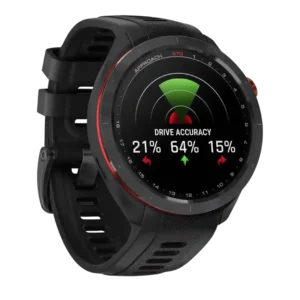
Operating system experience is mixed: one reviewer found it intuitive, while others preferred competing smartwatch platforms or criticized the OS.
Pros: recovery insights, GPS accuracy
Cons: software smoothness, fitness tracking accuracy
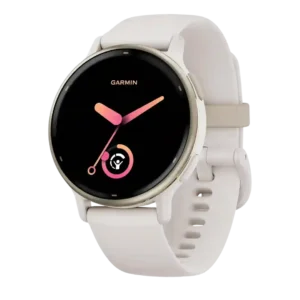
The operating system experience was mixed, with reviewers saying Garmin still needed polish in its AMOLED/touch software flow.
Pros: fitness tracking accuracy, wellness insights
Cons: software smoothness, ECG functionality
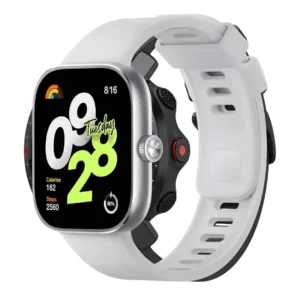
The operating system experience is smooth but constrained, with reviewers describing HyperOS or the watch software as basic and not very expansive.
Pros: battery life, software smoothness
Cons: contactless payments, recovery insights
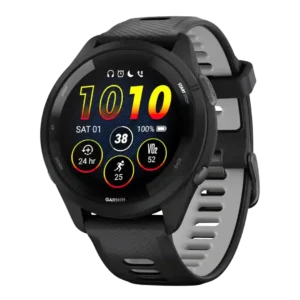
The operating-system experience was functional but not very modern, and one reviewer criticized Garmin's software segmentation.
Pros: step counting accuracy, third-party app support
Cons: ECG functionality, LTE connectivity
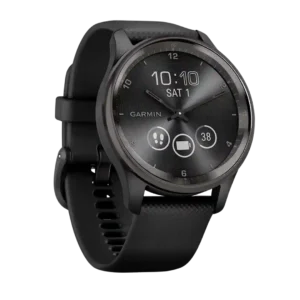
The operating system experience was criticized as somewhat clunky despite the watch's appealing design.
Pros: activity auto-detection, build quality
Cons: blood oxygen tracking, Bluetooth connectivity
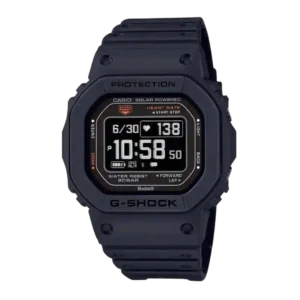
The operating system experience is held back by a dated, complicated, and laggy interaction model.
Pros: durability, outdoor visibility
Cons: app ecosystem, third-party app support