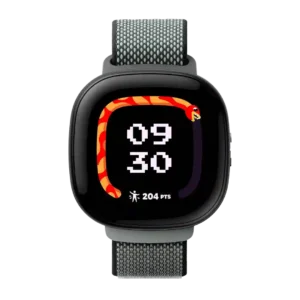
The operating system experience was praised as polished, slick, and purpose-built for children.
Pros: operating system experience, watch face quality
Cons: app ecosystem, third-party app support
The operating system experience was praised as polished, slick, and purpose-built for children.
Pros: operating system experience, watch face quality
Cons: app ecosystem, third-party app support
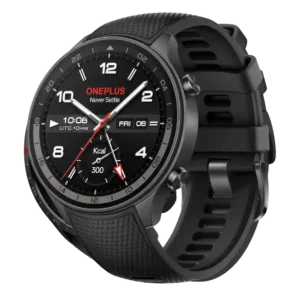
The Wear OS and RTOS dual-system experience was mostly praised as smooth, harmonious, and lag-free.
Pros: software smoothness, charging speed
Cons: ECG functionality, safety features
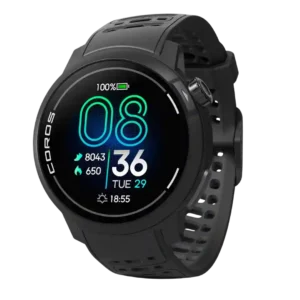
The operating system experience was considered focused and polished by reviewers who wanted a training-first watch rather than a full smartwatch.
Pros: outdoor visibility, display quality
Cons: contactless payments, flashlight usefulness
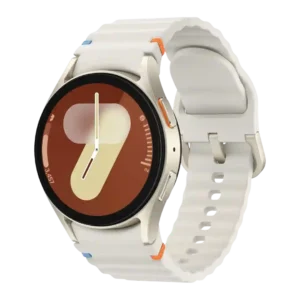
The operating-system experience is generally slick, with Wear OS 5 and Samsung One UI providing expandable apps and a smooth smartwatch feel.
Pros: display quality, durability
Cons: cross-platform compatibility, antioxidant index
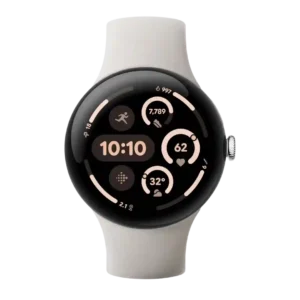
Wear OS was widely described as polished, zippy, and much improved, though some reviewers still noticed quiet updates, occasional stutters, or missing Gemini-era polish.
Pros: outdoor visibility, pairing reliability
Cons: calorie tracking usefulness, materials quality
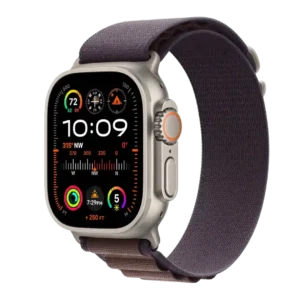
The operating system experience was positive overall, with watchOS and Smart Stack improving everyday usability.
Pros: app ecosystem, smartwatch features
Cons: cross-platform compatibility, blood oxygen tracking
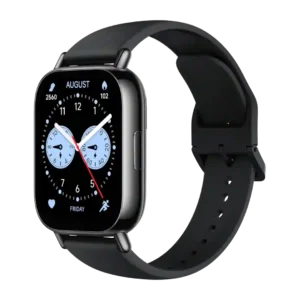
HyperOS was mostly smooth and attractive, though one reviewer found parts of the sleep/night-mode behavior unrefined.
Pros: cross-platform compatibility, pairing reliability
Cons: third-party app support, contactless payments
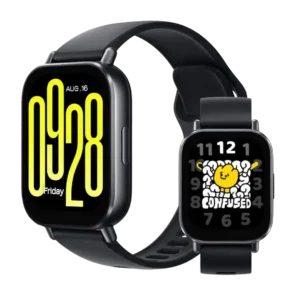
The OS experience was generally smooth and lightweight, though one reviewer still framed it as basic rather than full smartwatch software.
Pros: wellness insights, Bluetooth connectivity
Cons: contactless payments, third-party app support
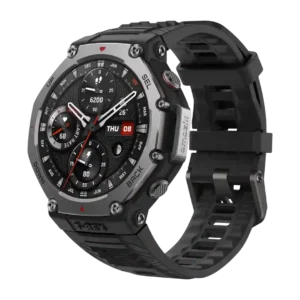
The operating experience was generally smooth and responsive, though some software features still felt immature.
Pros: resume later function, brightness
Cons: safety features, activity auto-detection
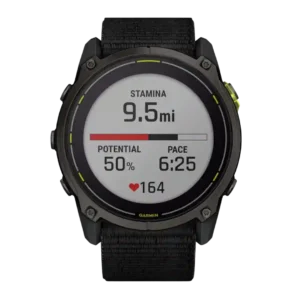
The updated software experience makes the Enduro 3 feel closer to a smartwatch while keeping its sports-watch focus.
Pros: contactless payments, reliability
Cons: onboard music storage, watch face quality
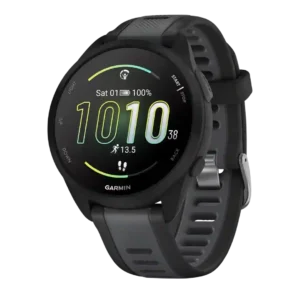
The operating experience was familiar and straightforward for Garmin users.
Pros: smartphone notifications, watch face quality
Cons: music controls, Wi-Fi connectivity
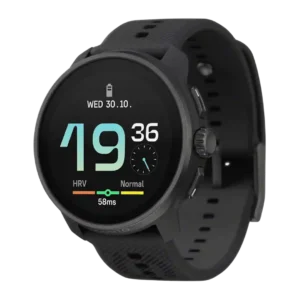
The operating system experience is mixed-positive: reviewers saw a basic, sports-first platform that improved in responsiveness but is not a rich smartwatch OS.
Pros: workout tracking variety, value for money
Cons: blood oxygen tracking, contactless payments
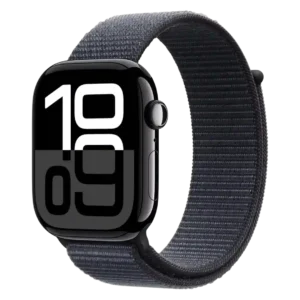
The operating-system experience was mostly strong, but one reviewer felt Apple’s once-simple interface is becoming more muddled.
Pros: reliability, comfort
Cons: calorie tracking usefulness, mapping and navigation
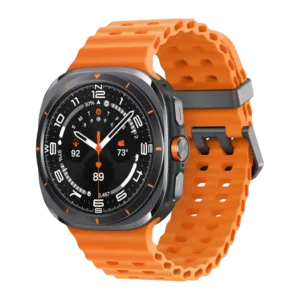
Operating system feedback was mostly positive for Wear OS completeness, though the one-year review noted a One UI update skewed some running metrics.
Pros: build quality, software smoothness
Cons: stress tracking, blood oxygen tracking
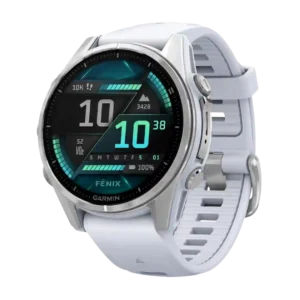
Operating system experience was mixed: Garmin’s system is powerful and improving but remains less fluid and less app-rich than rivals.
Pros: workout tracking variety, onboard music storage
Cons: LTE connectivity, value for money
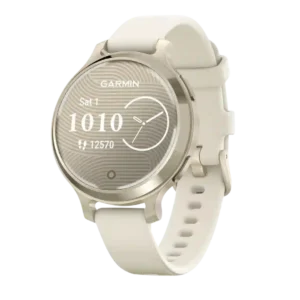
The operating experience may feel unusual to traditional Garmin users, but the reviewer says the approach makes sense for this type of watch.
Pros: health tracking accuracy, blood oxygen tracking
Cons: ECG functionality, onboard music storage
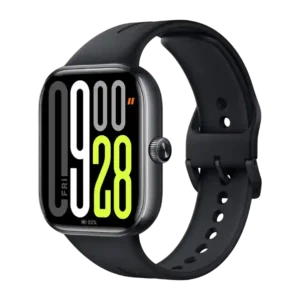
The operating system is smooth and functional for basics, but reviewers criticized HyperOS limitations and missing richer smartwatch integrations.
Pros: step counting accuracy, display quality
Cons: voice assistant quality, contactless payments
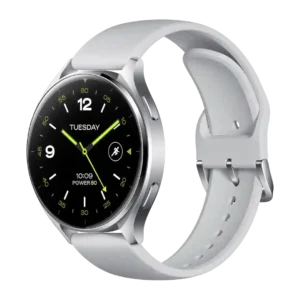
Operating system experience was mixed: Wear OS gave strong app access, but reviewers criticized the older Wear OS 3.5 base and uncertain update path.
Pros: charging speed, Bluetooth connectivity
Cons: ECG functionality, recovery insights
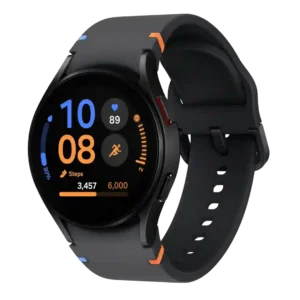
Operating system experience was mixed: Wear OS brought app richness and strong software alternatives, but underpowered hardware hurt the experience for some.
Pros: materials quality, workout tracking variety
Cons: size options, cross-platform compatibility
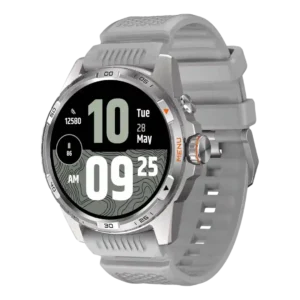
Operating system experience is the most repeated tradeoff: Wear OS works, but update uncertainty and older software hurt confidence.
Pros: touchscreen responsiveness, software smoothness
Cons: ECG functionality, LTE connectivity
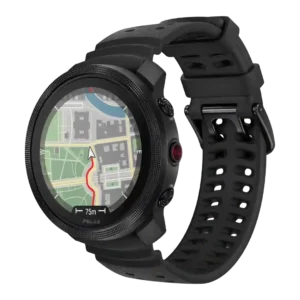
The operating-system experience feels dated and slow-moving, with several reviewers criticizing update cadence or software polish.
Pros: brightness, display quality
Cons: call handling, voice assistant quality
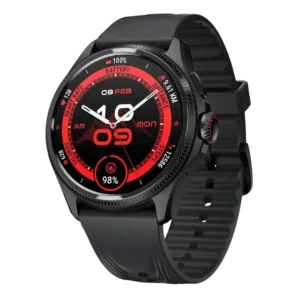
The operating system was the most consistent drawback: reviewers liked Wear OS basics but criticized Wear OS 3.5 and uncertain updates.
Pros: menu navigation, battery life
Cons: ECG functionality, voice assistant quality
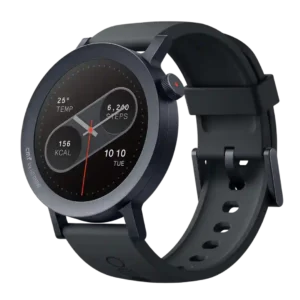
The operating system experience was seen as basic and less polished than established smartwatch platforms.
Pros: pairing reliability, materials quality
Cons: data privacy, health tracking accuracy
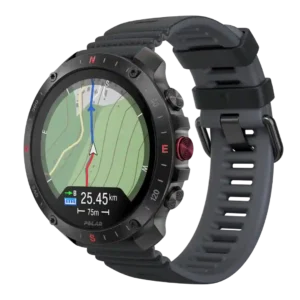
The software/OS experience was described as behind the curve despite the hardware improvements.
Pros: recovery insights, build quality
Cons: contactless payments, onboard music storage