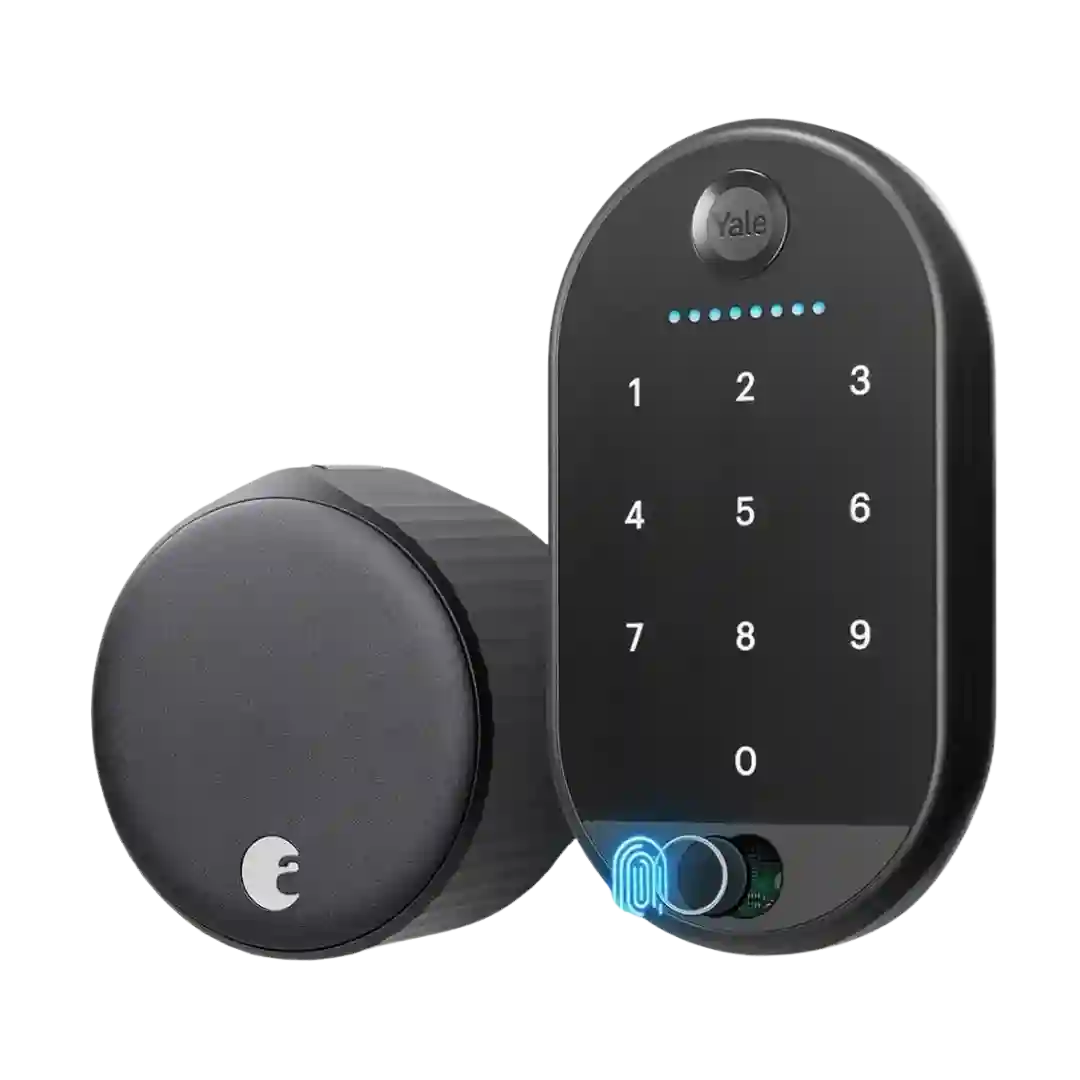
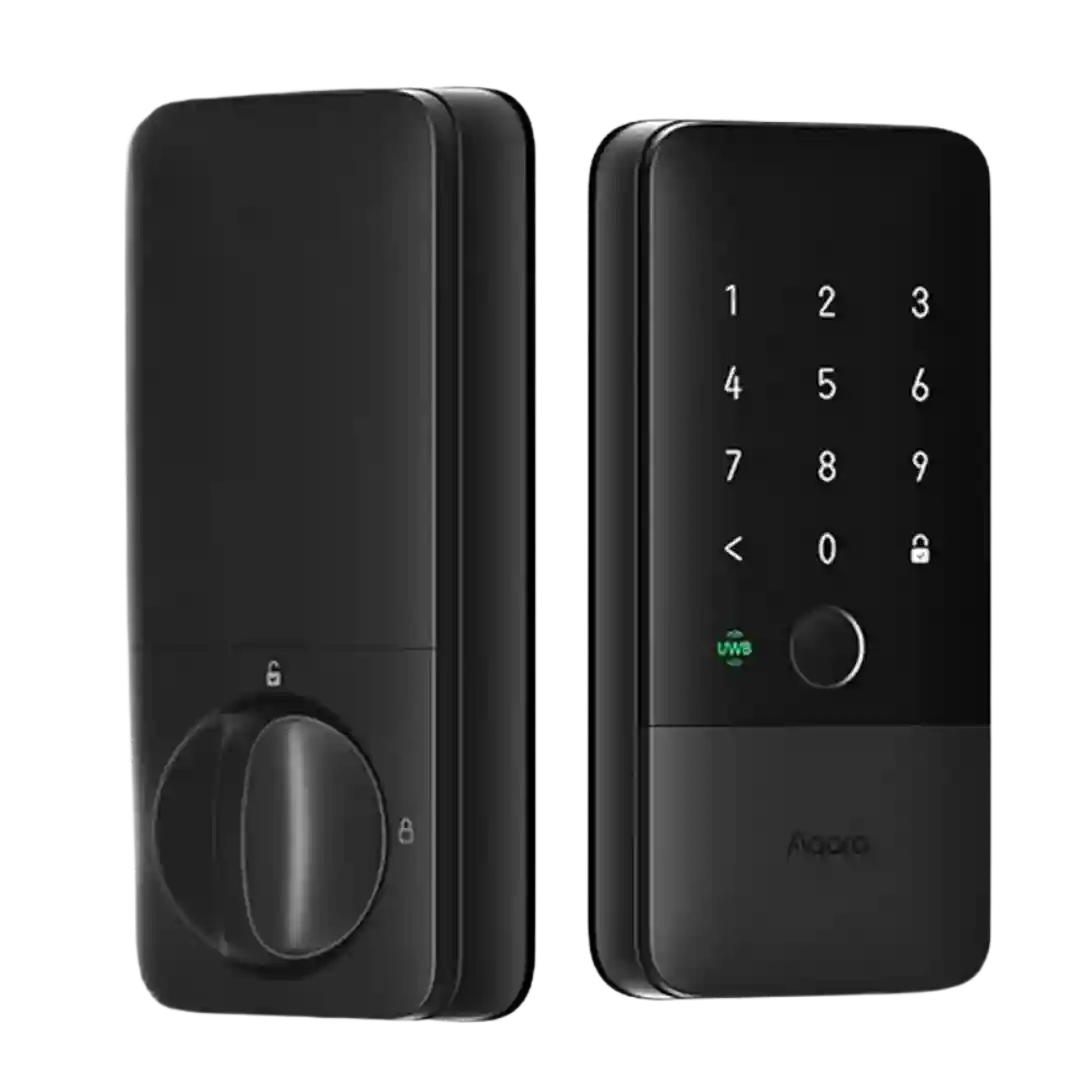
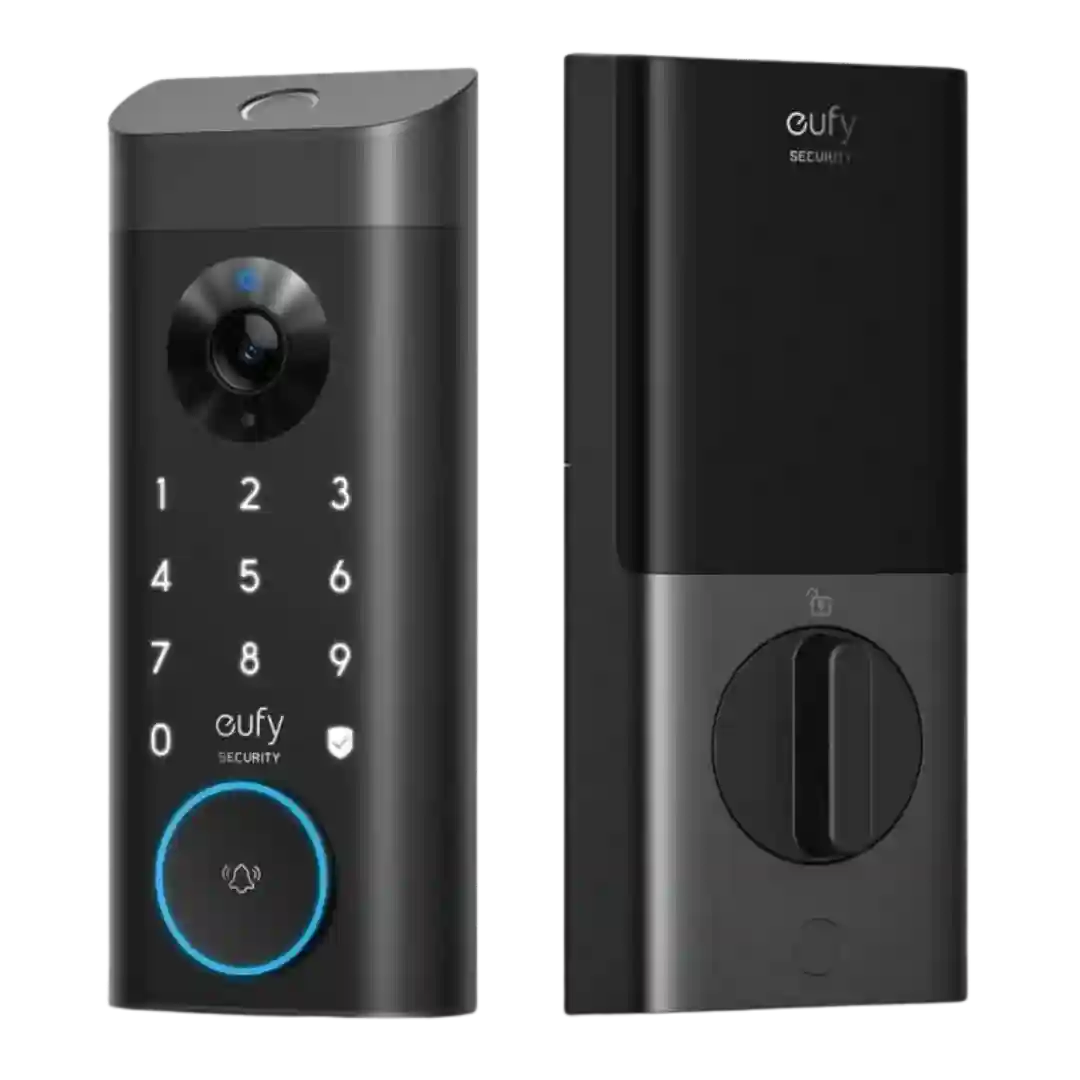
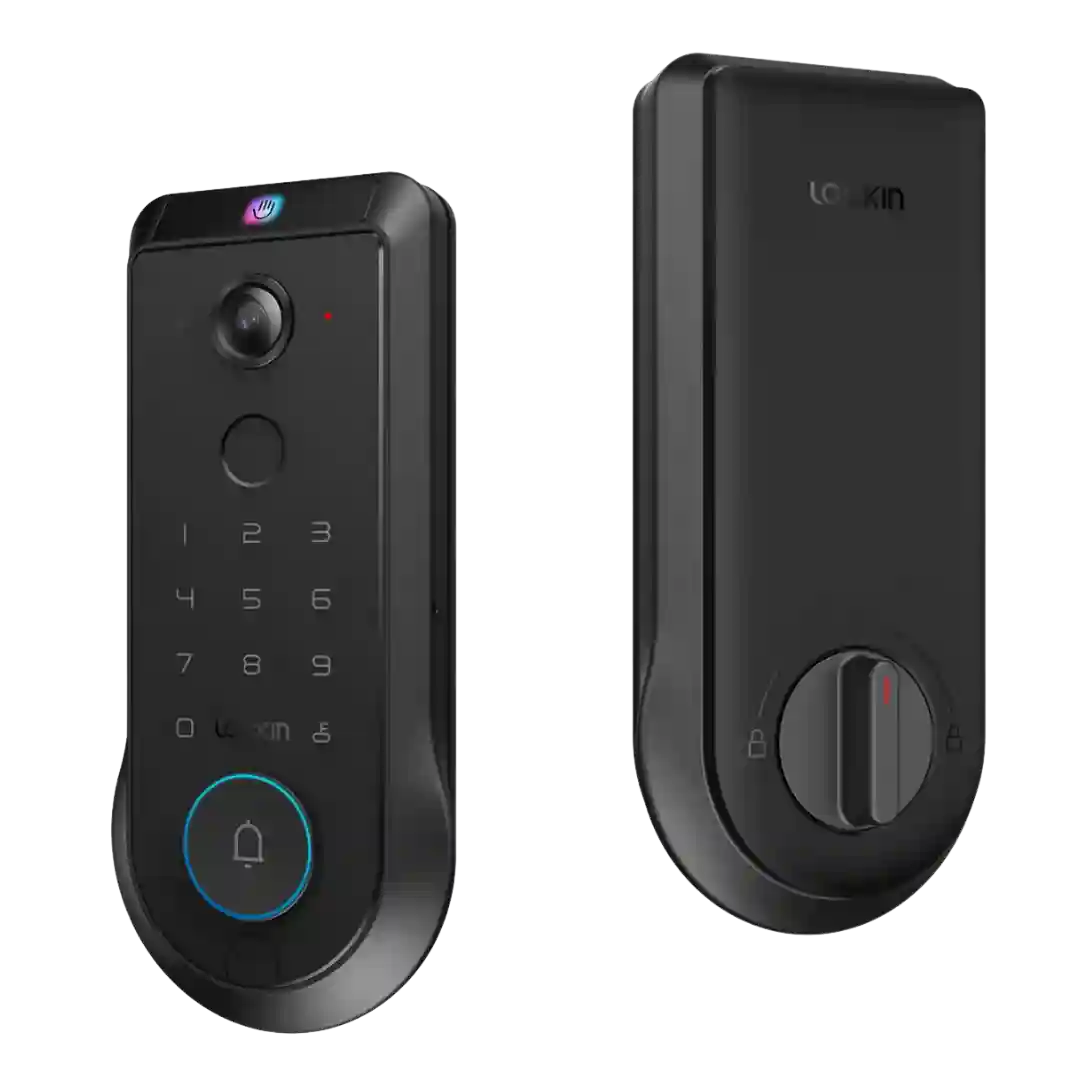
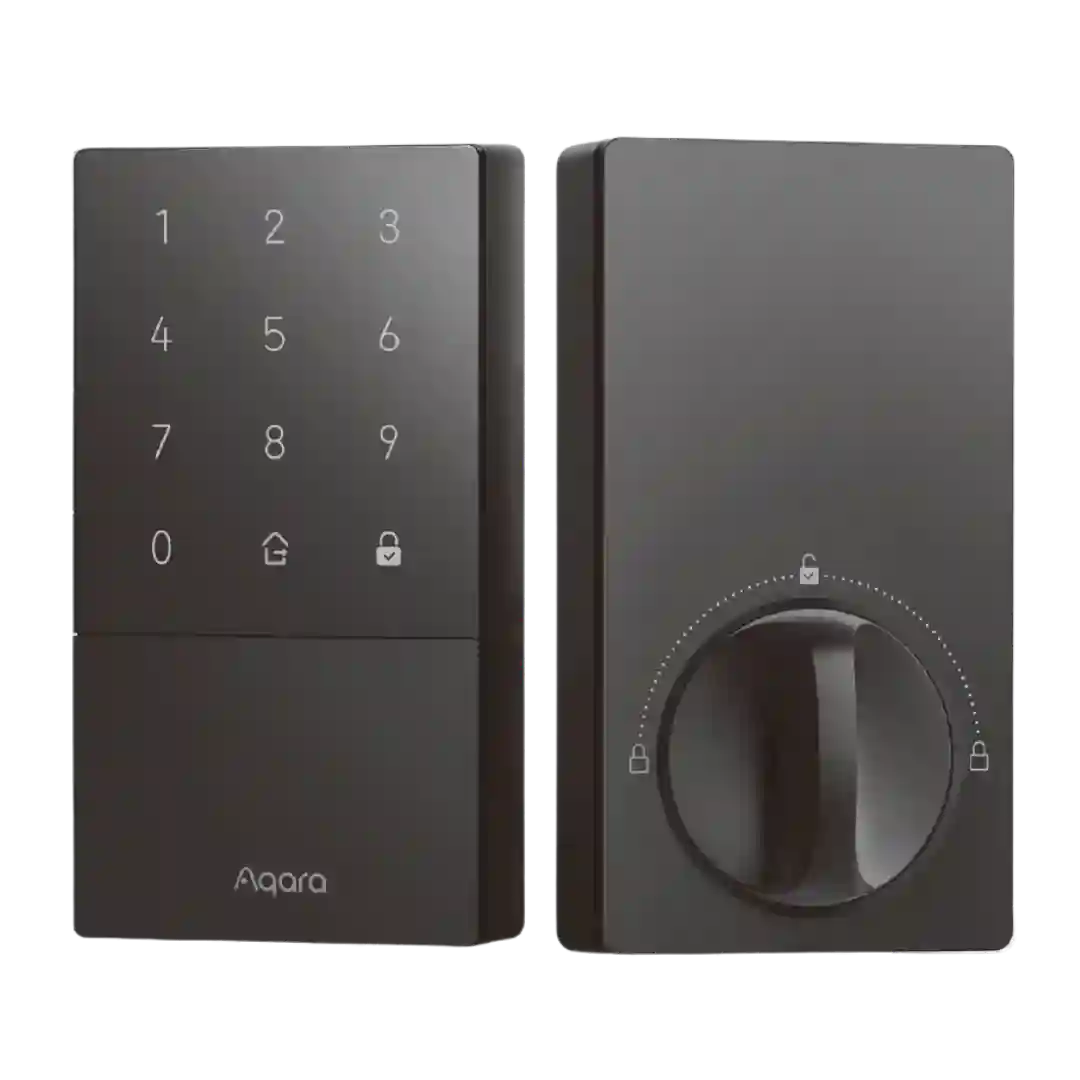
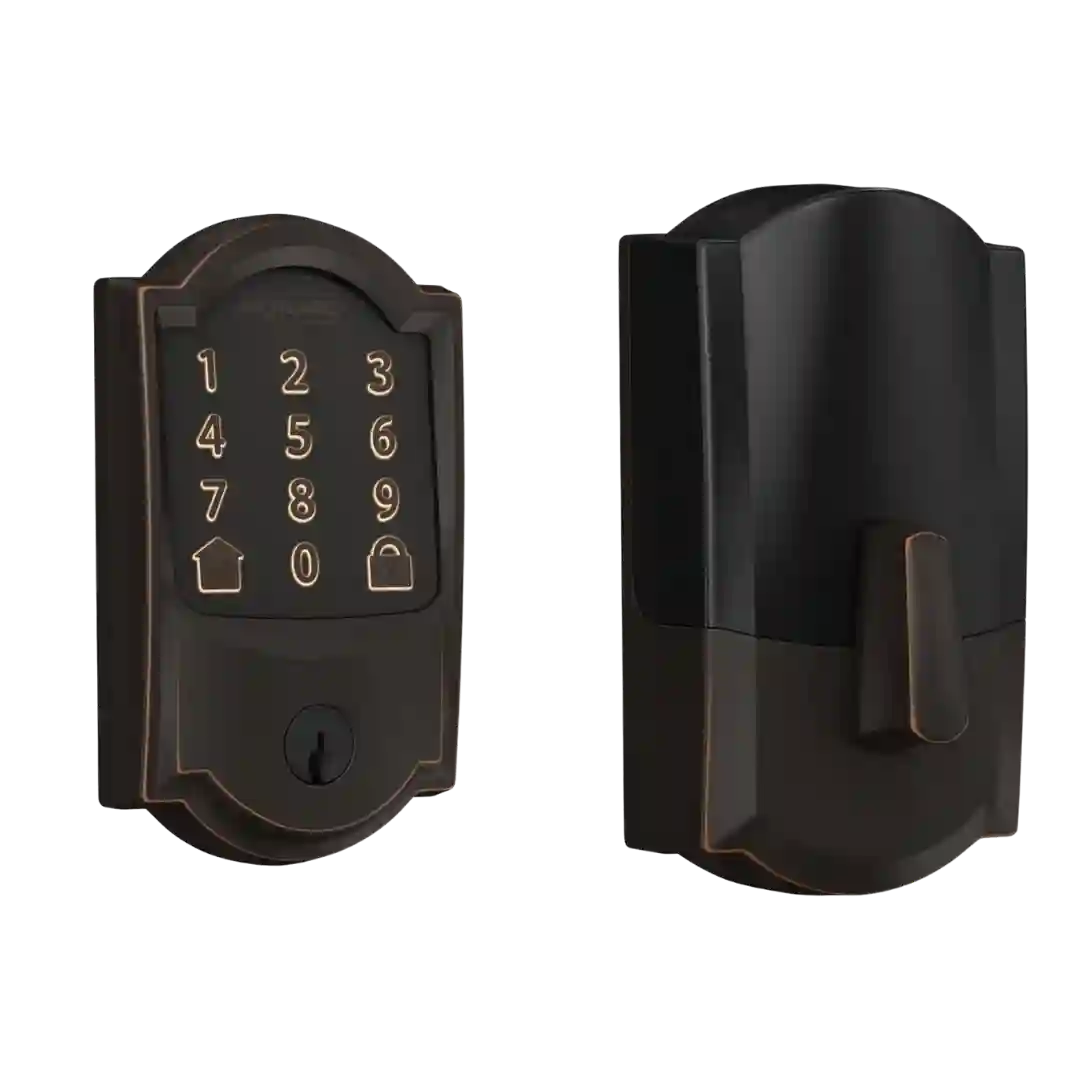
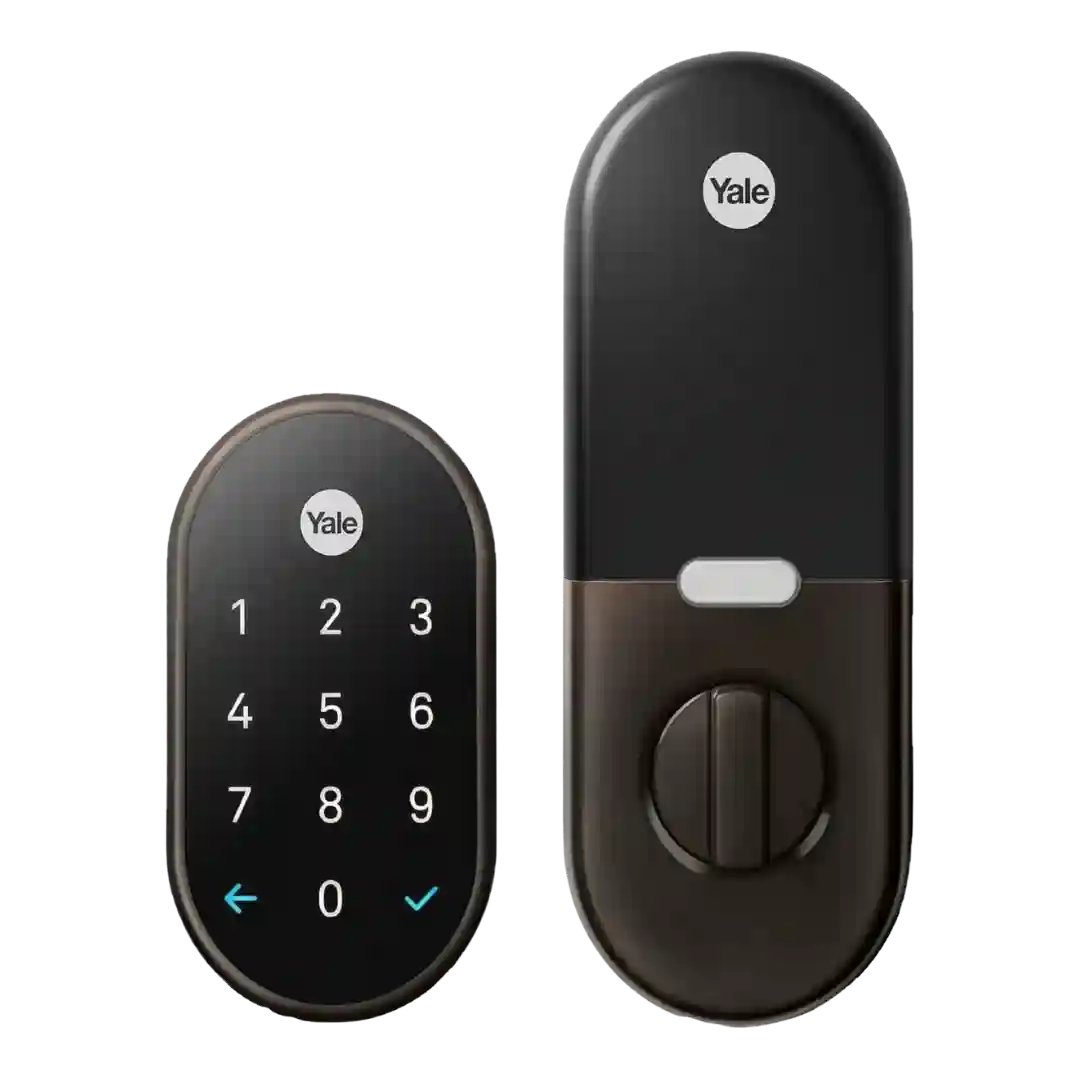
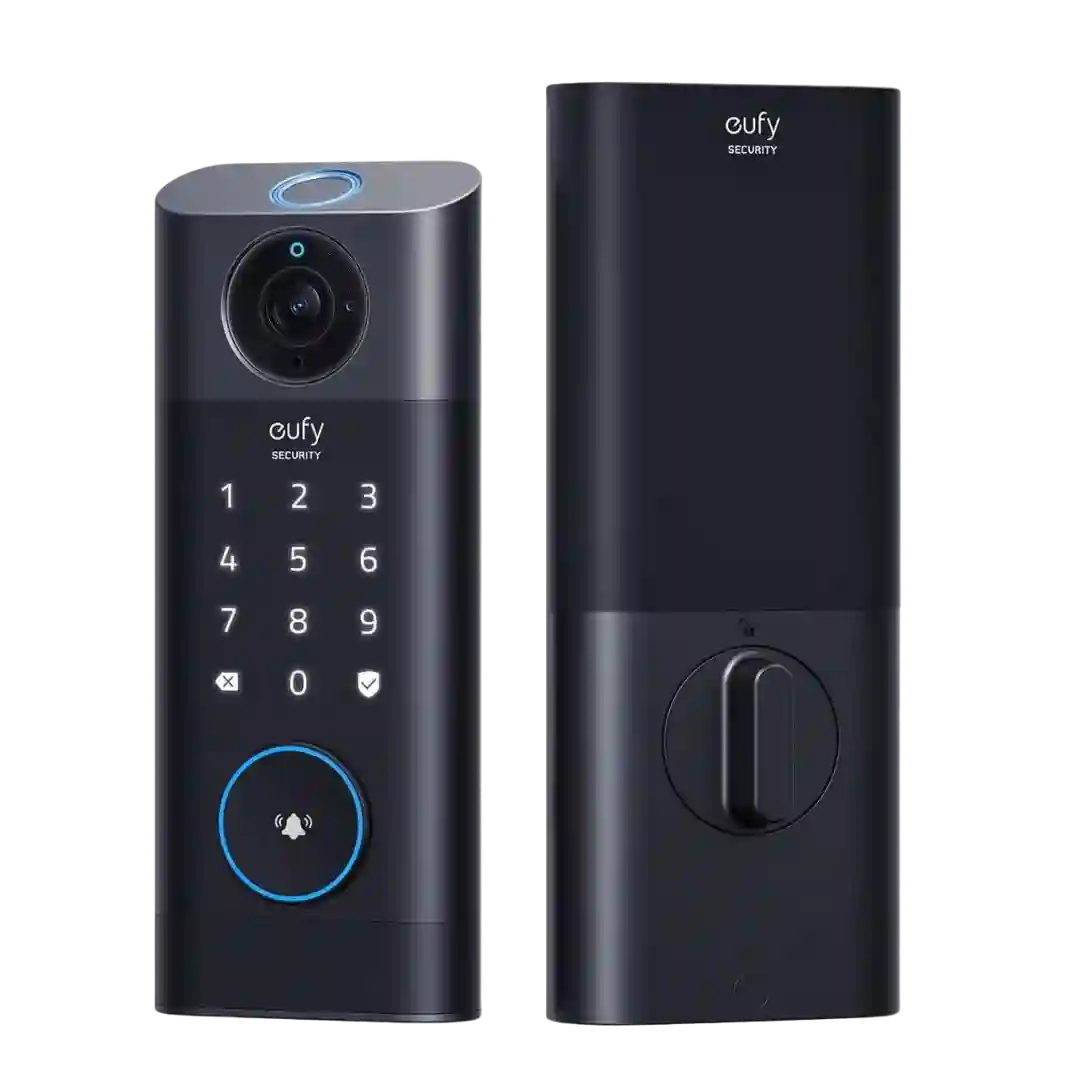
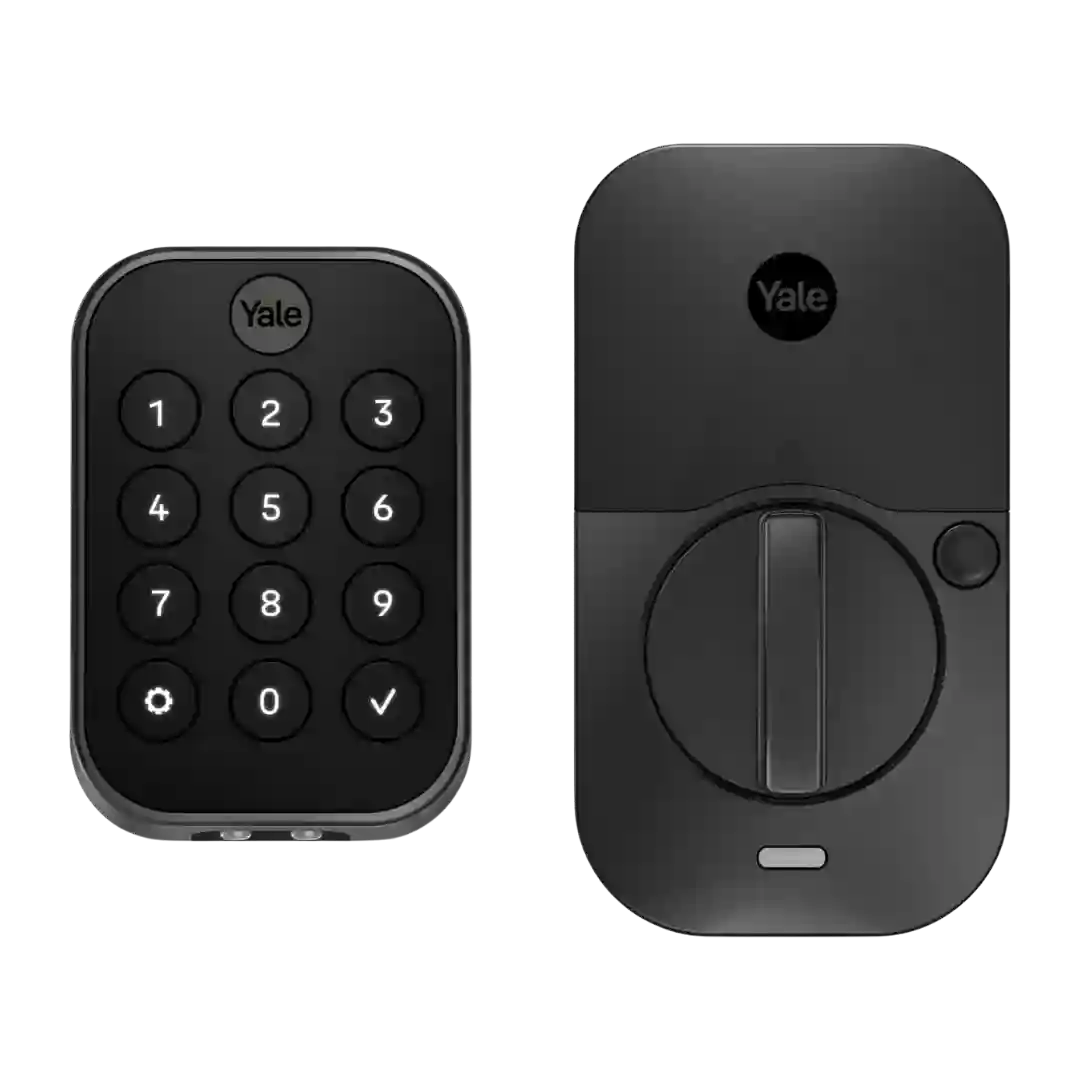
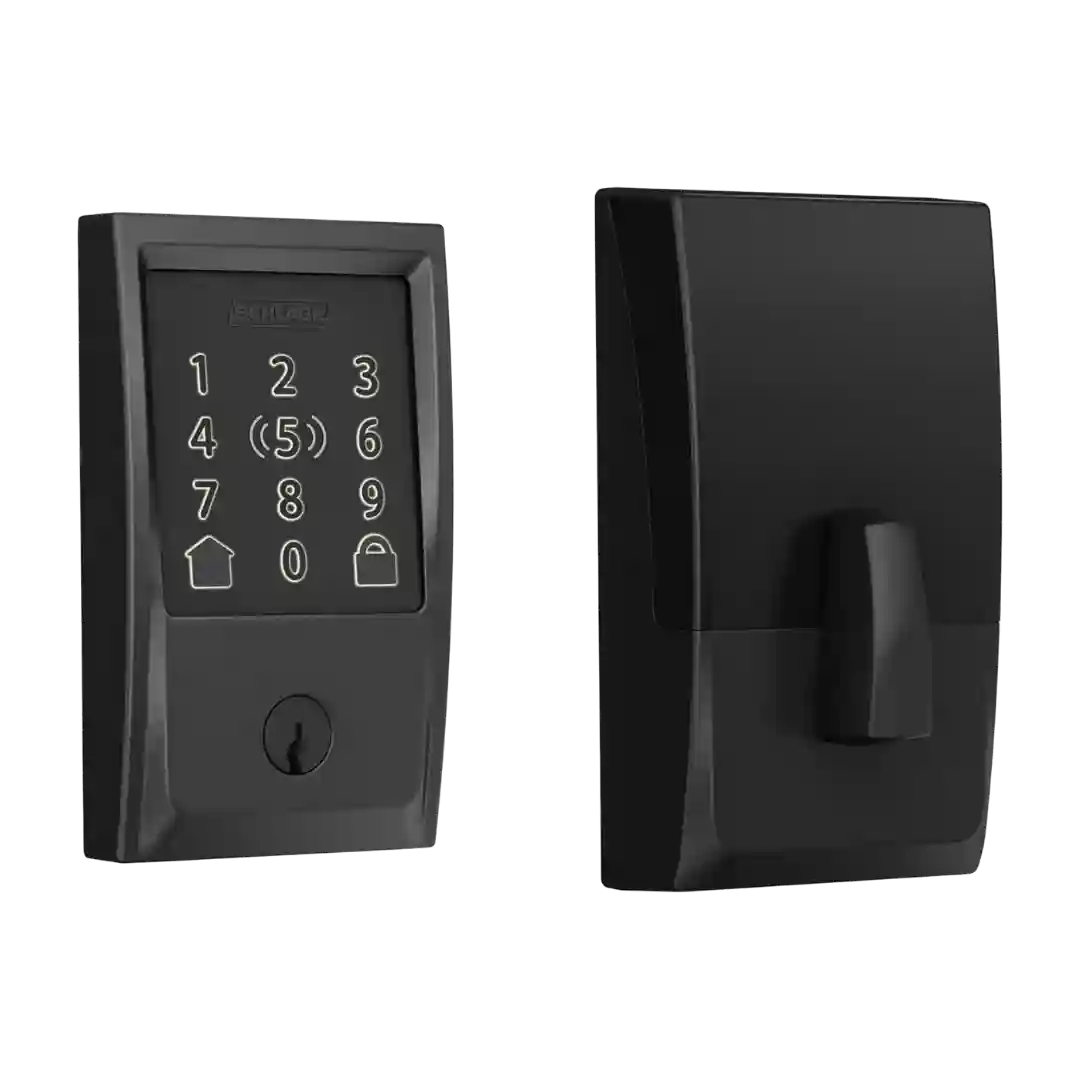
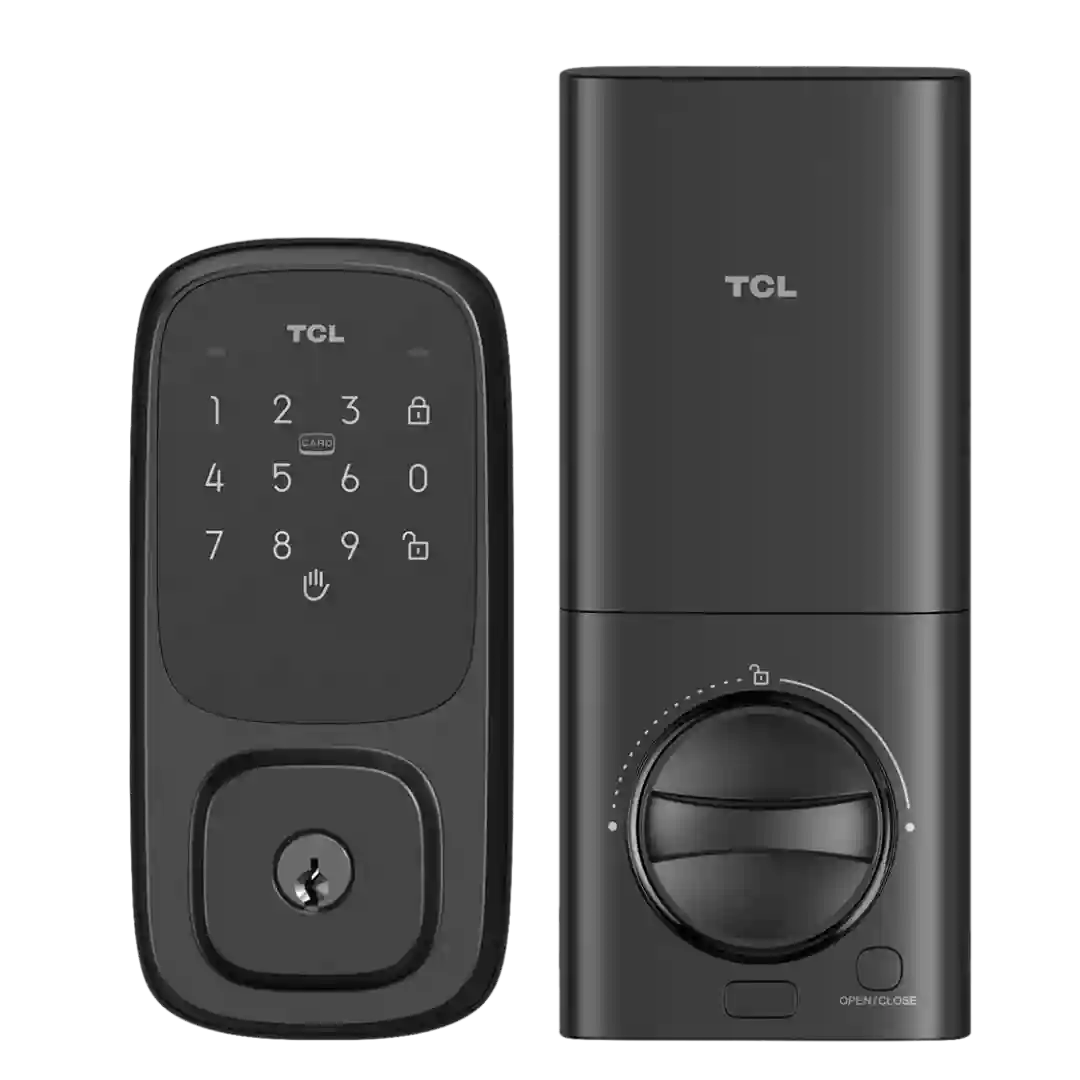
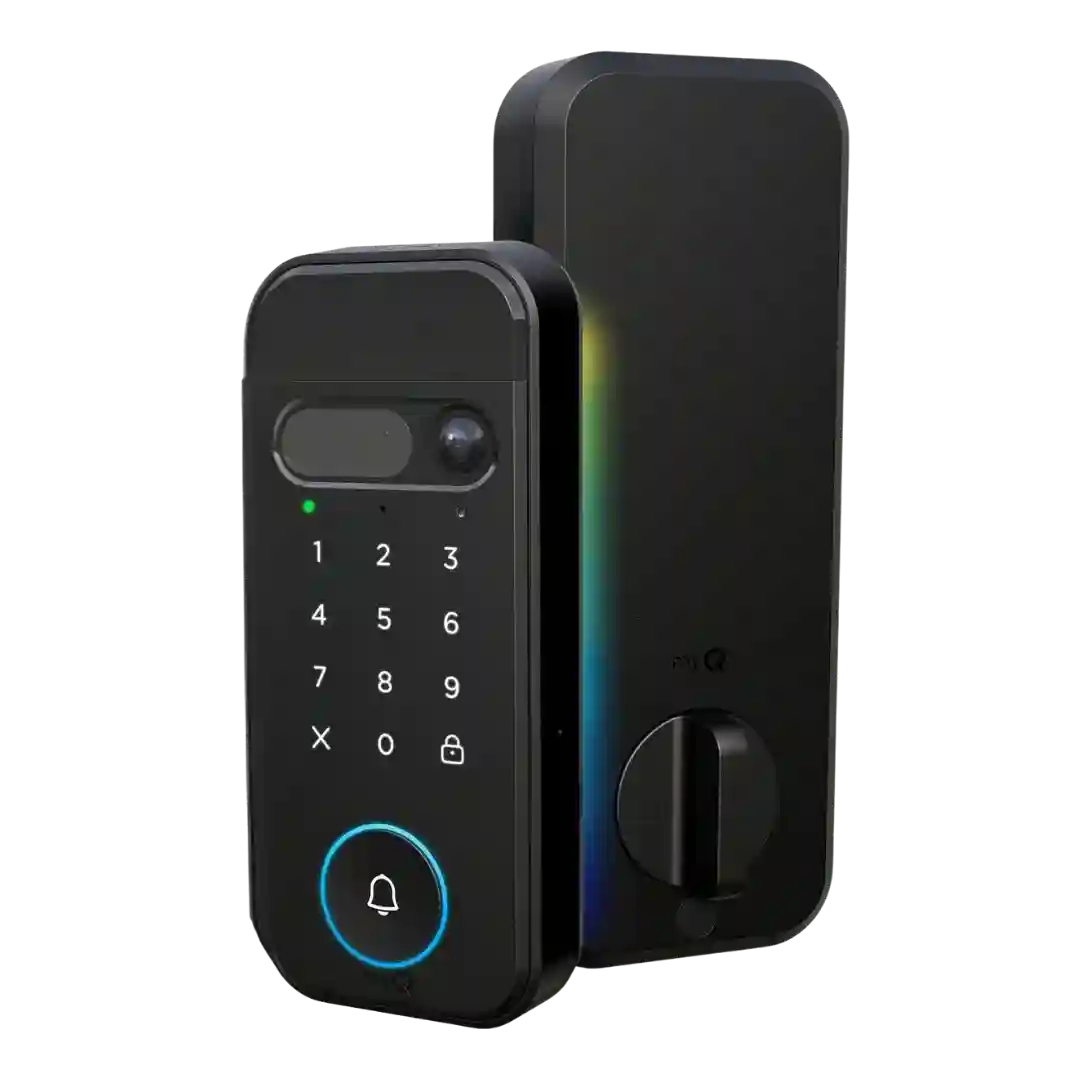
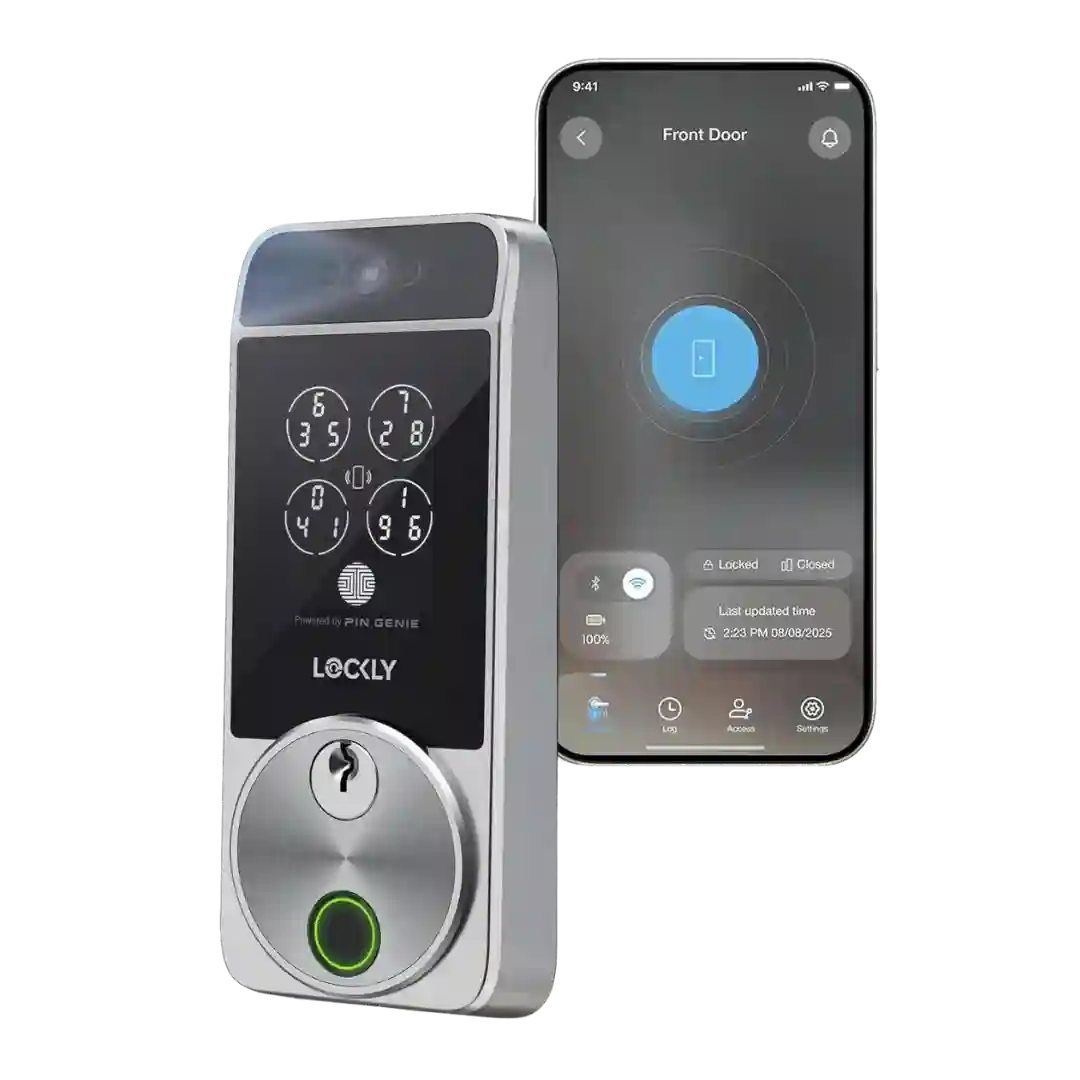
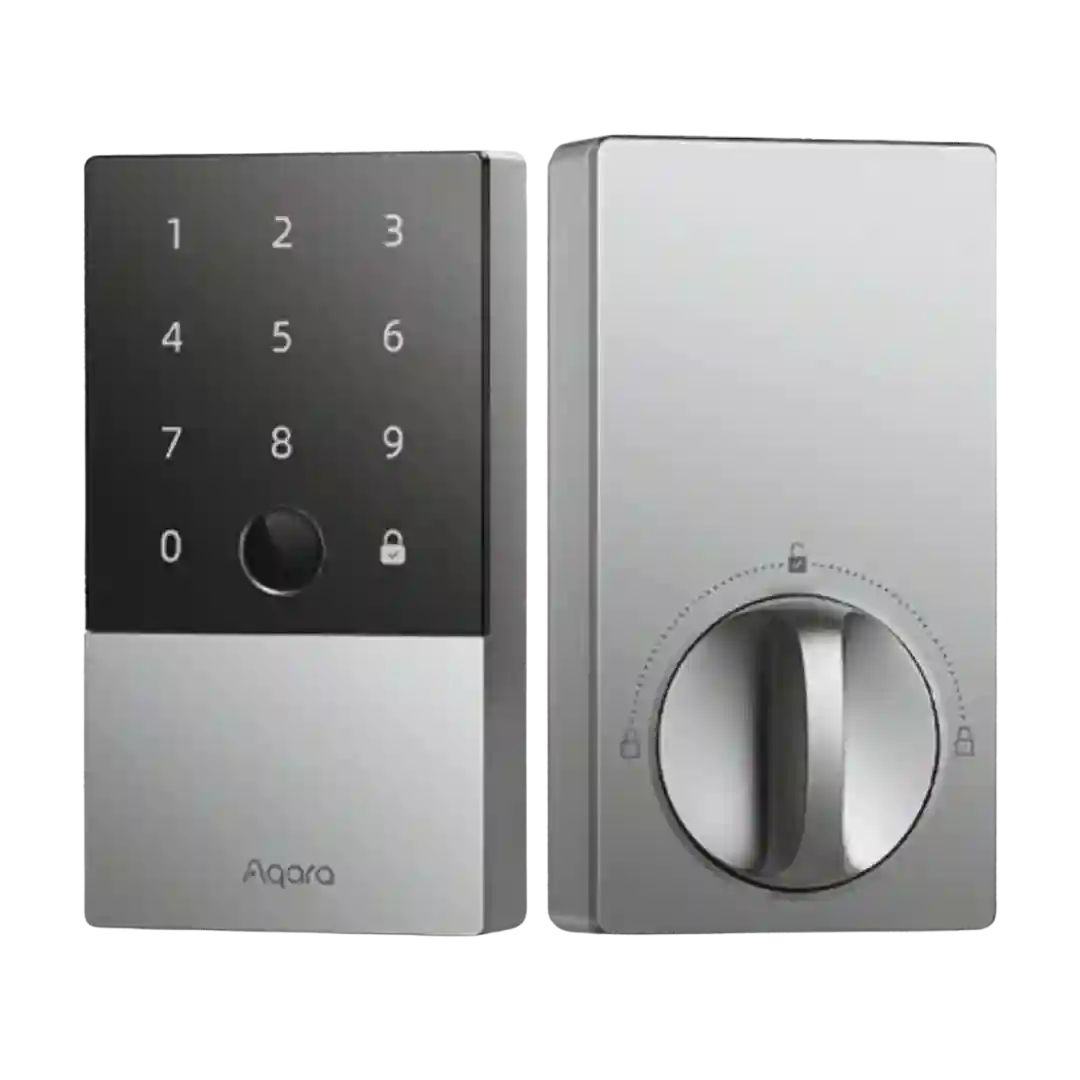
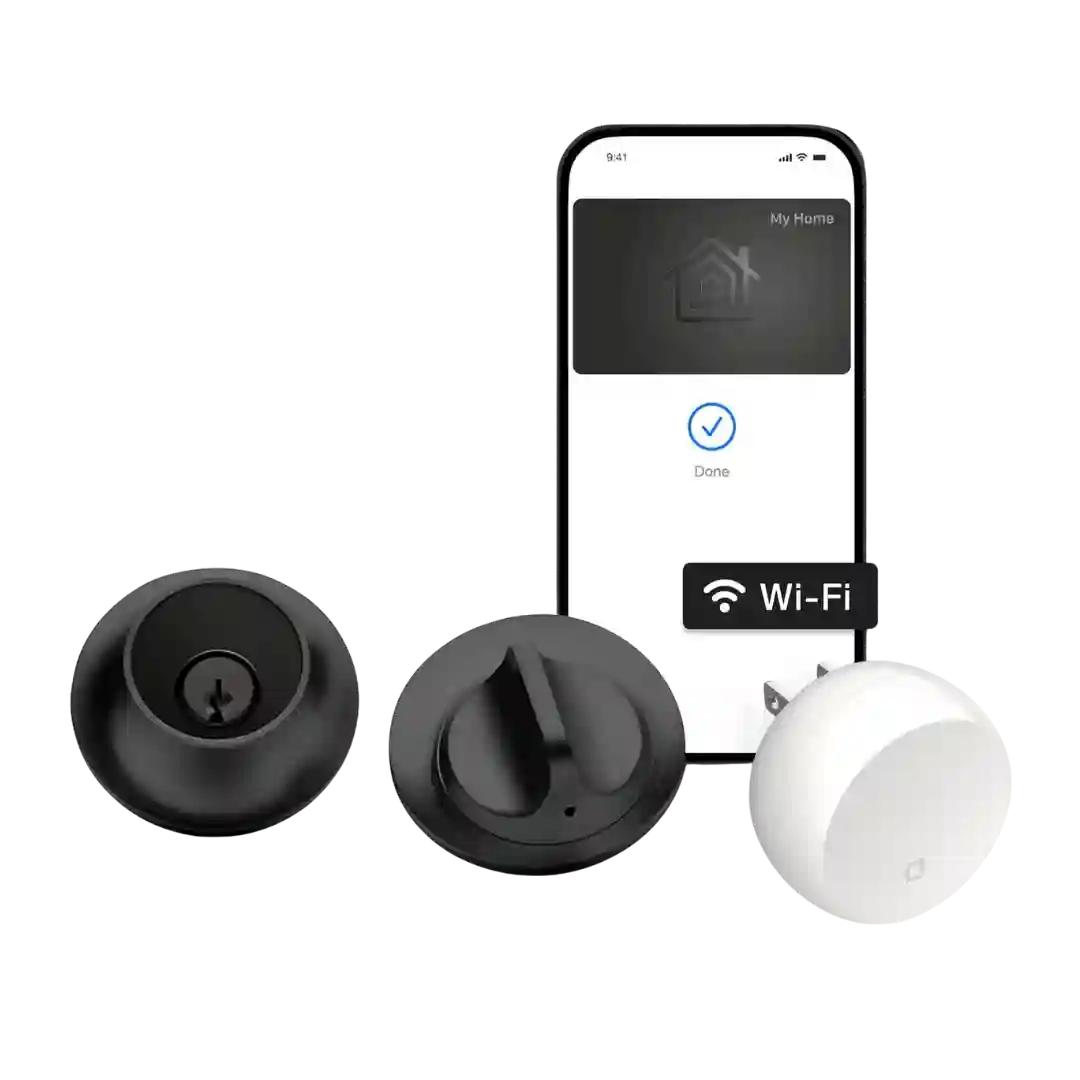
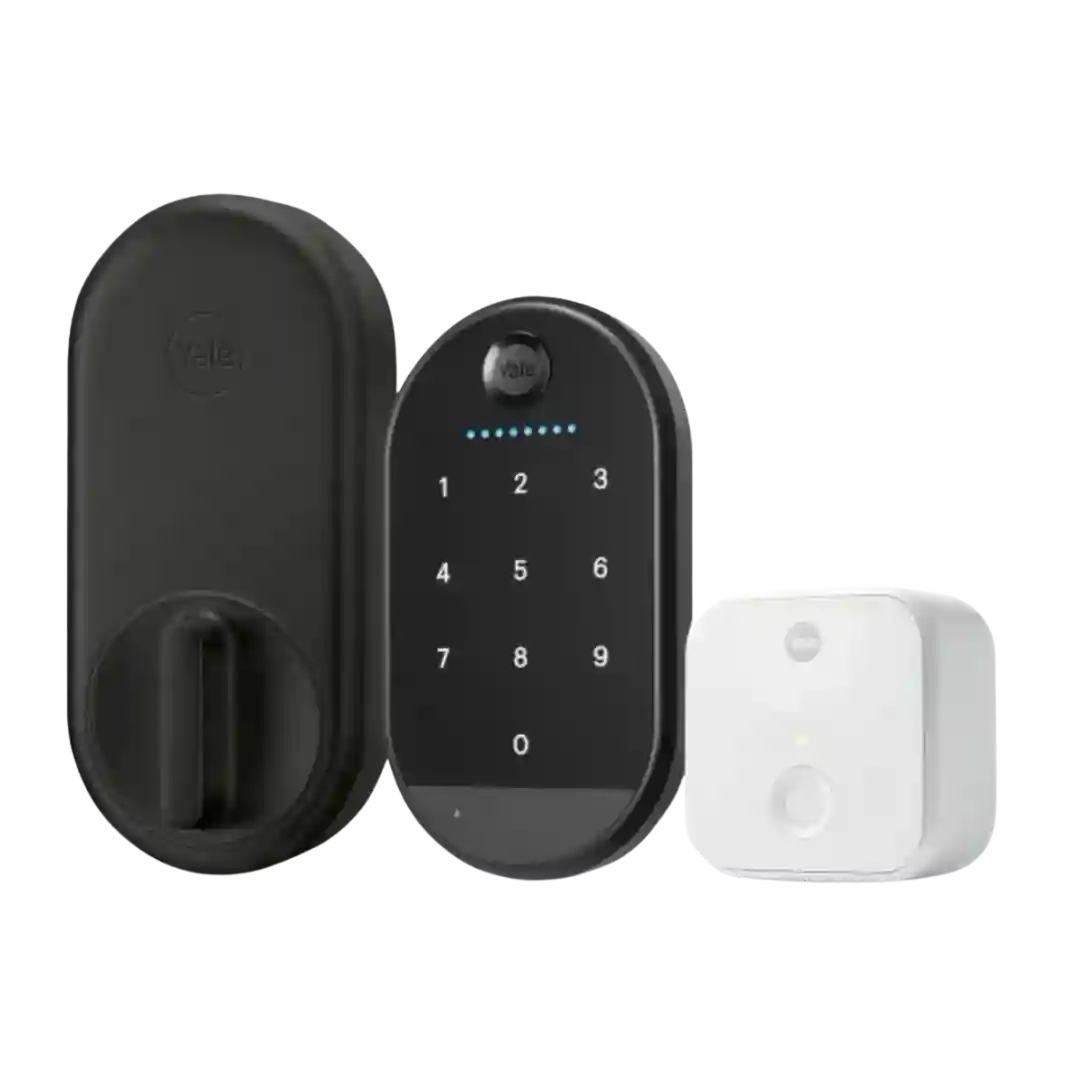
Auto-lock is consistently praised for flexibility (from very short delays up to about 30 minutes) and for preventing accidentally-unlocked doors, but some users disable it to avoid being locked out when they step outside without phone or keys. Auto-unlock is a high-convenience feature when it behaves, but experiences vary: some reviews say it works well most of the time, while long-term users report it can be slow, inconsistent, or unreliable enough to fall back to physical keys.
Auto-lock is widely supported and commonly used, with options ranging from immediate lock-on-close styles to time-based delays. Some reviewers note occasional timing quirks (door-close detection can take a few seconds or mis-time), so many recommend keeping a time-based auto-lock as a safety net.
Auto-lock is widely described as reliable and flexible, with adjustable timers and scheduling, though it is timer-based rather than true door-position sensing.
Auto-lock is widely praised and highly configurable (immediate to timed delays). The built-in door-closed sensing helps prevent locking before the door is shut, improving real-world reliability.
Auto-lock is widely praised for flexibility: you can set short delays and schedules, and it generally waits for the door to be closed before engaging. A few notes suggest edge cases if the door is only slightly ajar, so tuning is worthwhile.
Auto-lock is highly configurable (often described from ~15 seconds to 15 minutes) and can be scheduled on some setups; however, one expert review warns that misalignment can cause auto-lock to retry repeatedly or behave erratically until strike alignment is corrected. Auto-unlock is mentioned as an optional proximity-style unlock via Bluetooth in at least one review, with reviewers flagging it as convenient but something to weigh against personal security comfort.
Auto-lock is a major strength: it is configurable (seconds to minutes), and in Wi-Fi/door-sensor setups it can avoid locking when the door is open/ajar. A recurring minor complaint is that auto-lock being enabled by default can surprise new users, though it is easy to adjust or disable.
Auto-lock features are frequently praised, including timed auto-lock and door-closed-based locking; reviewers also like modes that temporarily bypass auto-lock for high-traffic situations.
Auto-lock is frequently praised for preventing forgotten locks, with adjustable delays from seconds to minutes; a minority caution that auto-lock can be annoying if the door is often opened/closed rapidly or if alignment causes bolt contact. Auto-unlock is repeatedly listed as missing, and reviewers suggest paying more for a different model if hands-free entry is a must-have.
Auto-lock is widely praised and is often configurable (short delays up to several minutes) and can tie into Nest Home/Away behavior. Multiple testers report it working reliably, though it can be inconvenient without door-sense if the door is left ajar. Across reviews, the lock is repeatedly criticized for lacking hands-free auto-unlock (no proximity, Bluetooth, or GPS unlock). Expect to use the keypad or open the app each time.
Auto-lock is commonly praised for peace of mind and flexibility (including short delays and schedules). Some reviewers cautioned that auto-lock can be risky if your door isn’t reliably closed/aligned or if door state detection is imperfect.
Auto-lock is widely praised when configured, especially when paired with the door sensor to confirm the door is closed, and timing controls are commonly cited. However, at least one reviewer reports software trouble enabling auto-lock reliably. Hands-free unlocking is available via phone location and short-range connectivity, and some reviewers like it as a Home Key alternative. Others report it can be slow or inconsistent and choose to leave it disabled.
Auto-lock is described as configurable with delays and schedules, but practical intelligence may be limited because at least one hands-on review says there is no door-ajar sensor. Auto-unlock is presented primarily via arrive-home automations (location-based routines), which depend on phone location permissions and user setup rather than a dedicated proximity sensor.
Auto-lock is flexible (timers, door-closed conditions) and often works well when the door sensor is accurate and the door’s mechanics are straightforward. On certain doors (lift-to-lock or sensor misreads), auto-lock can fail or require delays and user training to avoid jams or unwanted lockouts.
Auto-relock/auto-lock features are commonly praised for convenience and worked consistently in testing, but toggling settings may require opening the interior panel and using small switches.
Auto-lock is flexible (timer-based and, with DoorSense, door-closed-based) and usually reliable, but a few users report edge cases where it attempted to lock when the door was open or wish the door-closed requirement were stricter by default. Auto-unlock is convenient when it works, using Bluetooth proximity plus location-aware modes, but experiences vary: some report near-perfect reliability while others see misses (especially with Wi-Fi setups) or dislike always-on location permissions.
Auto-lock is supported and commonly used, but multiple reviewers note it is configured in the Schlage app (or handled via Apple Home automations) rather than being fully exposed inside Apple Home.
Auto-lock is widely reported as available and adjustable (commonly 5 to 900 seconds). Some users wish it supported scheduling, and others note the setting can be harder to find in the app than it should be.
Auto-lock can be enabled and timed in-app (example: ~90 seconds), providing set-and-forget security once the door is closed. Hands-free face access and other biometric/PIN methods make entry convenient, but at least one outlet notes face-based automations can require a paid plan, reducing the value of the feature.
Auto-lock is configurable and works well when the door and strike are well-aligned, but some reports suggest it can fail or beep if the deadbolt does not slide smoothly. Facial recognition auto-unlock is the headline feature and is widely described as fast, reliable, and hard to spoof, working in bright sun, low light, and with sunglasses in most tests.
Auto-lock is feature-rich (door-close sensing, timers, schedules, passage mode), and many find it convenient. However, some reviews label it beta and report occasional misfires or latch problems if calibration or door alignment is off. Auto-unlock behaviors are mainly achieved through automations (for example, location-based routines or ecosystem rules) rather than a pure hands-free proximity unlock. These can work well but may depend on hubs and platform security prompts.
Auto-lock works as a time-based setting and is generally seen as useful, but reviewers note it cannot confirm the door is actually closed. Some users compensate with Home automations using a separate door sensor. Auto-unlock exists but is treated as more finicky than Home Key, because it relies on Bluetooth plus location logic and often requires leaving the geofence boundary before it will re-arm. Several reviewers prefer NFC/Home Key for intentional, predictable entry.
Auto-lock timing is flexible (seconds to minutes) and often works reliably once configured. A few reviewers report it becoming inconsistent until a reset, and several note there is no geofence-based auto-lock when you leave, only timer-based relocking.
Auto-lock is available with a short delay range (often cited as 5 to 120 seconds) and works as intended for many users, but its time-based nature and limited delay range drew criticism in a few reviews.
Auto-lock is configurable and often works as intended, but several reviewers warn it can be risky without door sensing because the bolt may extend while the door is still open. No true proximity auto-unlock is described in the review set; entry is manual via fingerprint, app, voice assistant, or key.