Best for Auto-lock
Lockly Secure Plus Smart Lock
5.0 feature score
Highest scored product for this feature based on supporting review evidence.
Highest scored product for this feature based on supporting review evidence.
Balances feature score, supporting reviews, and overall product strength.
Has the broadest review evidence for this feature.
Strongest overall product among items with scored evidence for this feature.
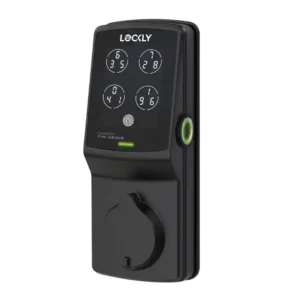
Auto-lock has limited but strong evidence, with PCMag reporting that the feature worked very well in testing.
Pros: Auto-lock, Touchscreen
Cons: Notifications, Smart-home integration (Alexa
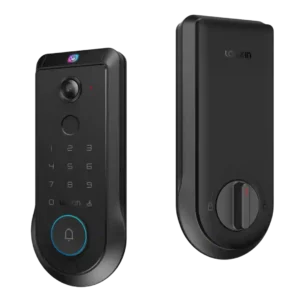
Auto-lock is consistently praised or reported to work as intended, especially when paired with door-closed sensing.
Pros: Lock/unlock speed, Wi-Fi
Cons: Feature additions via updates, Warranty and support
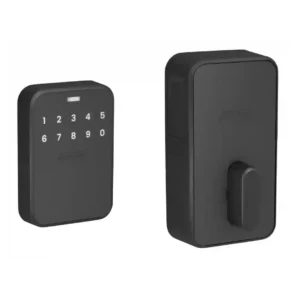
Auto-lock worked reliably and can be configured in either Apple Home or the Schlage app. Reviewers valued not having to remember to secure the door manually.
Pros: Door compatibility (deadbolt fit), Locking motor
Cons: Door-sense, Facial recognition
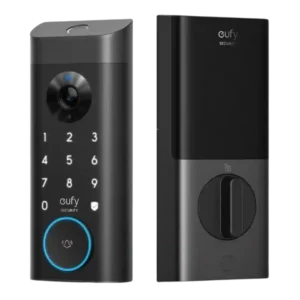
Auto-lock drew strong praise for reliably relocking after a set time and reducing worry about whether the door was left unlocked.
Pros: Lock/unlock speed, Security features (encryption)
Cons: Door-sense, Keyway quality
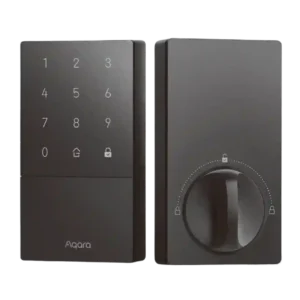
Auto-lock is one of the U50's clearest strengths, with reviewers praising improved behavior, passage-style controls, and dependable nighttime locking.
Pros: Access logs, Value and Price
Cons: Warranty and support, Wi-Fi
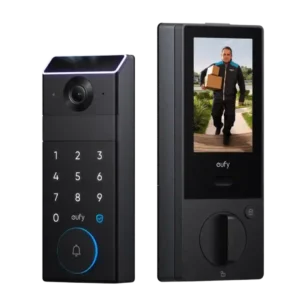
Auto-lock was viewed as a meaningful convenience and peace-of-mind feature, especially for families that forget to lock up.
Pros: Lock/unlock speed, Locking reliability
Cons: Door compatibility (deadbolt fit), Hub requirement
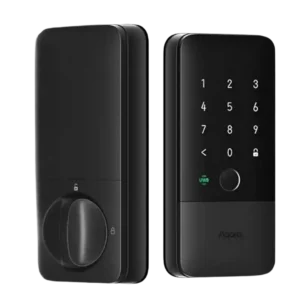
Auto-lock was broadly praised and often described as reliable or well implemented, though one reviewer found Aqara app close-detection sometimes delayed.
Pros: Locking reliability, Lock/unlock speed
Cons: Bluetooth, Physical attack resistance
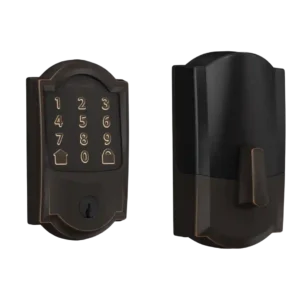
Auto-lock was widely useful for forgotten doors, though reviewers warned that timing and lack of door awareness can create practical issues.
Pros: Bluetooth, Hub requirement
Cons: Door-sense, Fingerprint
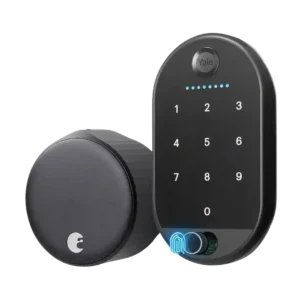
Auto-lock was one of the strongest features, praised for flexibility and peace of mind, though one reviewer disabled it because it could lock them out.
Pros: Locking motor, Physical attack resistance
Cons: Fingerprint, Battery
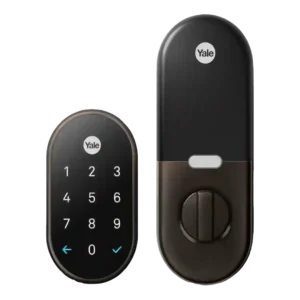
Auto-lock was usually reliable and useful, especially with Home/Away behavior, but reviewers noted it does not provide automatic unlocking and one found the options limited.
Pros: Weather resistance, Notifications
Cons: Door-sense, Bluetooth
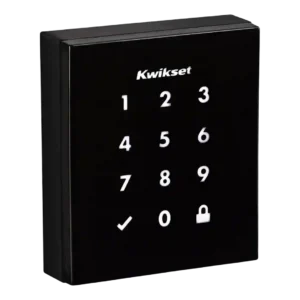
Auto-lock was reliable and easy to set up in stronger reviews, though one transcript noted that changing related customization switches required a screwdriver.
Pros: Existing hardware reuse, Build quality and durability
Cons: Weather resistance, Locking motor
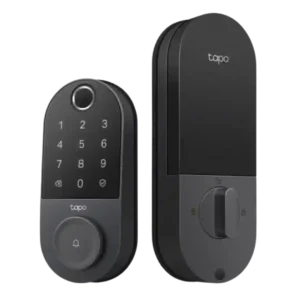
Auto-lock was widely praised as convenient and configurable, but the PCWorld review found it could repeatedly cycle when calibration was off.
Pros: Value and Price, Lock/unlock speed
Cons: Existing hardware reuse, Door compatibility (deadbolt fit)
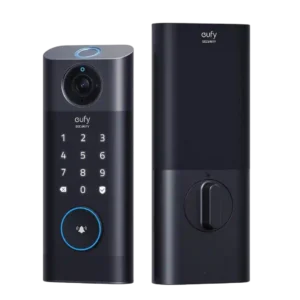
Auto-lock was valued for peace of mind, though one reviewer cautioned against using timed auto-lock without reliable door-position awareness.
Pros: Lock/unlock speed, Wi-Fi
Cons: Jam detection, Door compatibility (deadbolt fit)
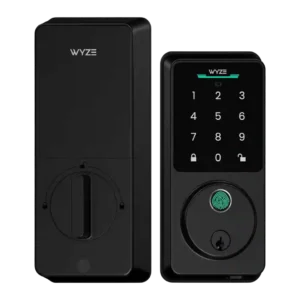
Auto-lock is viewed positively for end-of-day or accidental-unlocked protection, with praise for configurable lock behavior.
Pros: Lock/unlock speed, Keypad
Cons: Door-sense, Battery
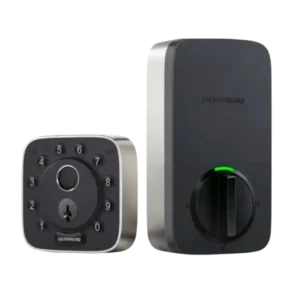
Auto-lock was highly valued when it worked, with multiple reviewers praising its usefulness, but one reviewer could not enable it reliably.
Pros: Weather resistance, User access management
Cons: Locking motor, Remote access
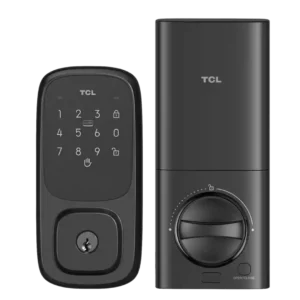
Auto-lock is useful and configurable, though one reviewer wanted scheduling so it would not always lock during repeated coming and going.
Pros: Wi-Fi, Hub requirement
Cons: Door-sense, Geofencing
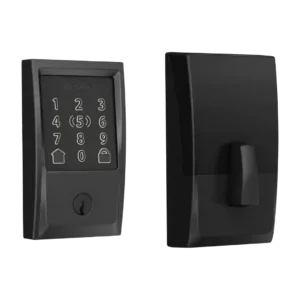
Auto-lock received positive comments as a useful safety net, especially for users who want the door to relock after a delay or when the last person leaves.
Pros: Locking reliability, Lock/unlock speed
Cons: Weather resistance, Door-sense
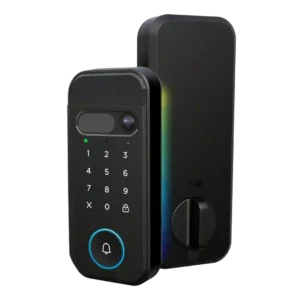
Auto-lock support was viewed as useful and configurable, though the evidence centers on one reviewer’s setup experience.
Pros: Lock/unlock speed, Locking motor
Cons: Smart-home integration (Alexa, Google
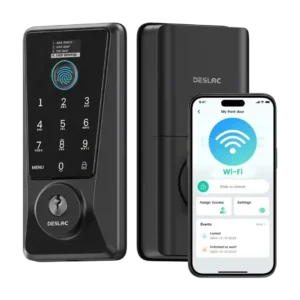
Auto-lock was praised for peace of mind and convenience, but multiple reviewers flagged limits around timing and open-door behavior.
Pros: Feature additions via updates, Locking reliability
Cons: Door-sense, Auto-relock after failed attempts
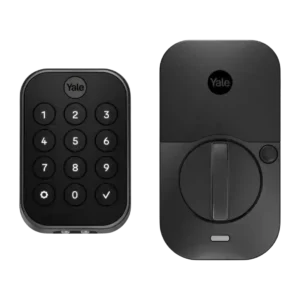
Auto-lock and auto-unlock were useful conveniences for many reviewers, but reliability depended on DoorSense behavior, proximity logic, and reviewer preference for location tracking.
Pros: Lock/unlock speed, Guest Codes and Access
Cons: Backset compatibility, Warranty and support
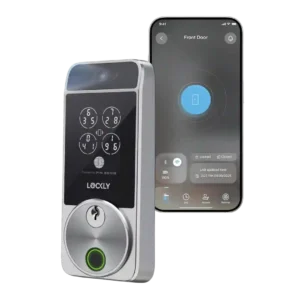
Auto-lock worked well in favorable installs, but one reviewer warned it becomes unreliable when the deadbolt does not slide smoothly.
Pros: Touchscreen, Hub requirement
Cons: Camera and doorbell performance, Door-sense
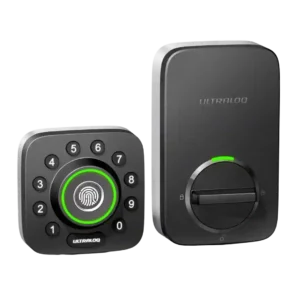
Auto-lock was valued for peace of mind, especially with door sensing, but multiple reviewers disliked that it could lock too quickly or surprise them by being enabled by default.
Pros: Locking reliability, Build quality and durability
Cons: Two-factor authentication availability, Backset compatibility
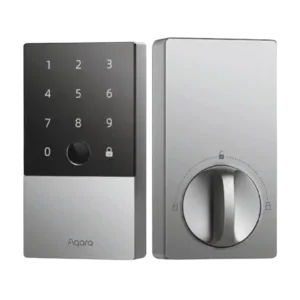
Auto-lock evidence was mixed, ranging from flawless or cool performance to beta-feature delays and at least one lockout caused by latch behavior.
Pros: Lock/unlock speed, Fingerprint
Cons: Keyway quality, Wi-Fi
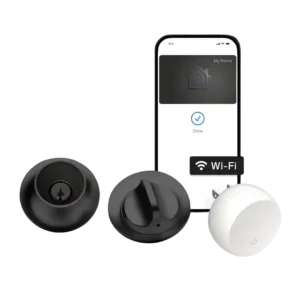
Auto-lock was useful but limited because it relies on timing rather than knowing with certainty that the door is closed.
Pros: Industrial design, Build quality and durability
Cons: Pick/drill resistance (if rated), Keyway quality
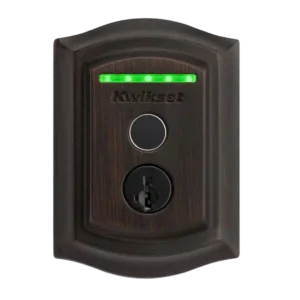
Auto-lock split reviewers: some liked it as a safety net for forgotten locks, while others saw it as risky because the lock can throw the bolt while the door is...
Pros: Lock/unlock speed, Locking reliability
Cons: Auto-relock after failed attempts, Door compatibility (deadbolt fit)
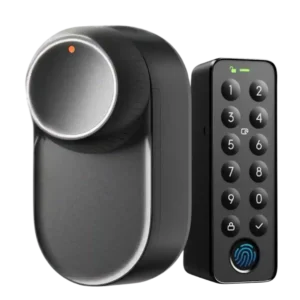
Auto-lock drew mixed evidence: some reviewers liked the extra security or found it reliable, while lift-to-lock doors and a bad door sensor broke the experience for others.
Pros: App, Battery
Cons: Geofencing, Jam detection
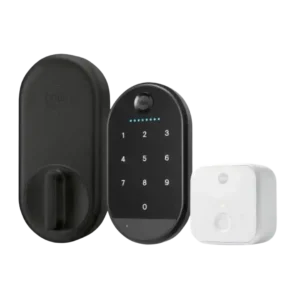
Auto-lock worked reliably for some reviewers, but others disliked its timer-only behavior, lack of leave-range locking, or wonky performance.
Pros: Key override reliability, Remote access
Cons: Warranty and support, Bluetooth