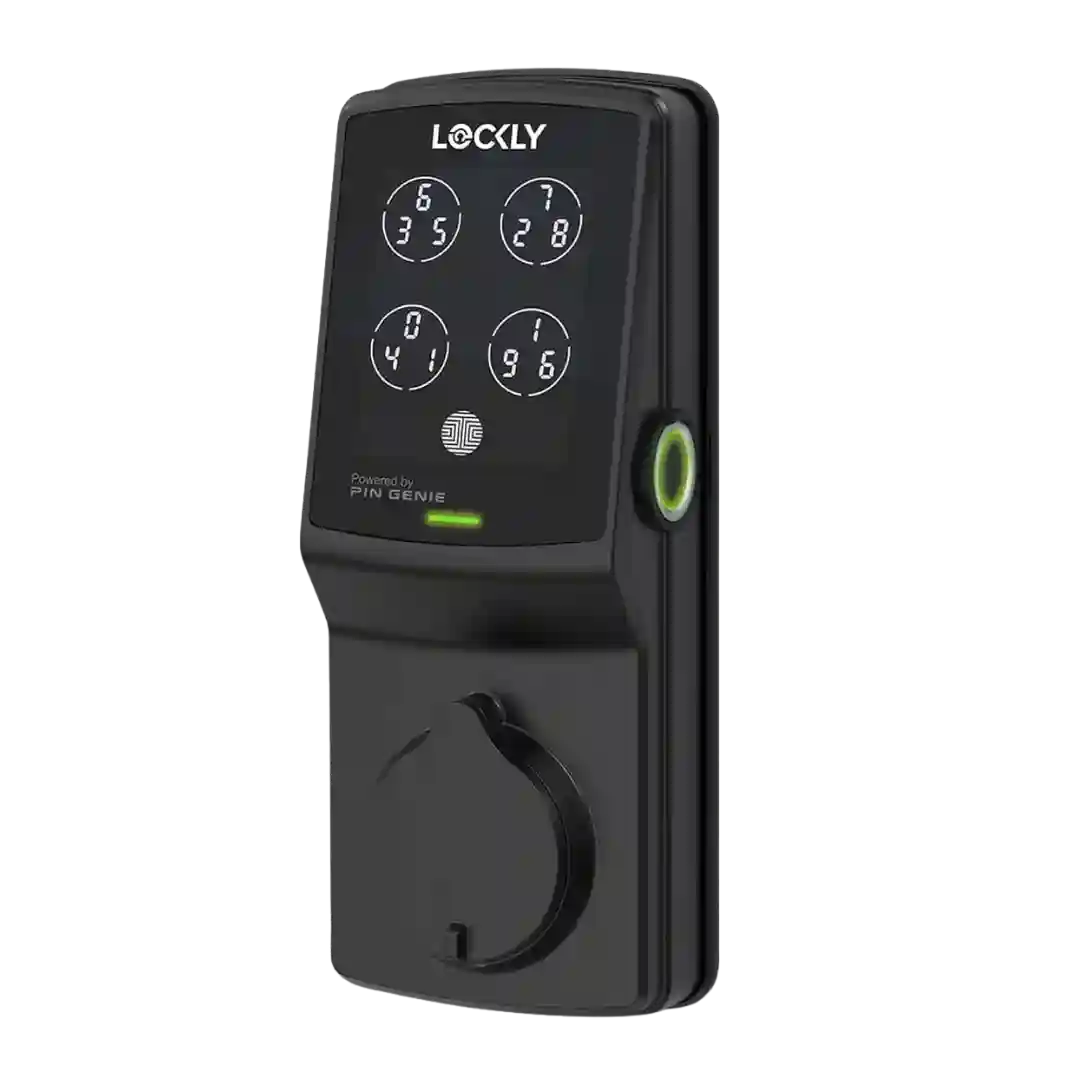
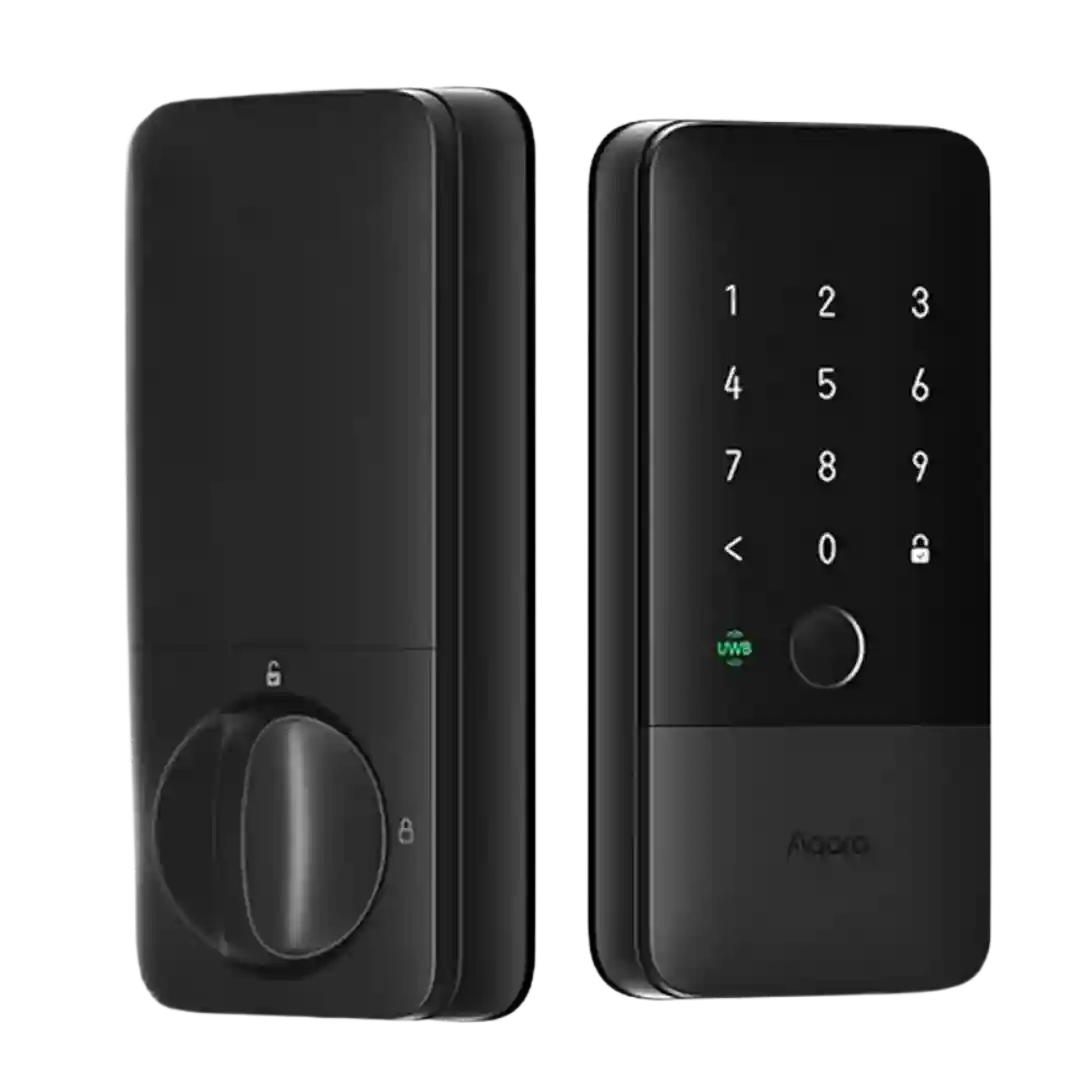
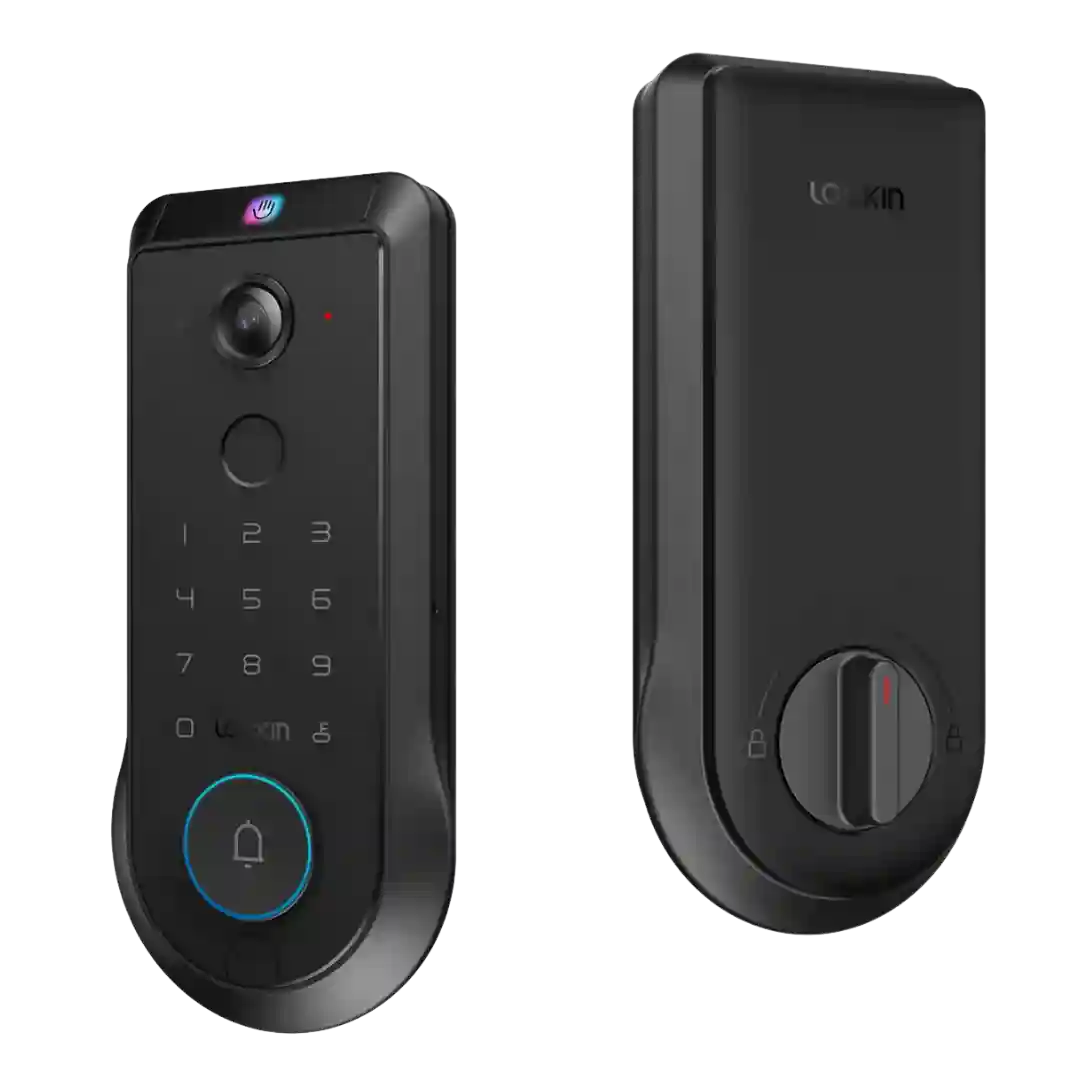
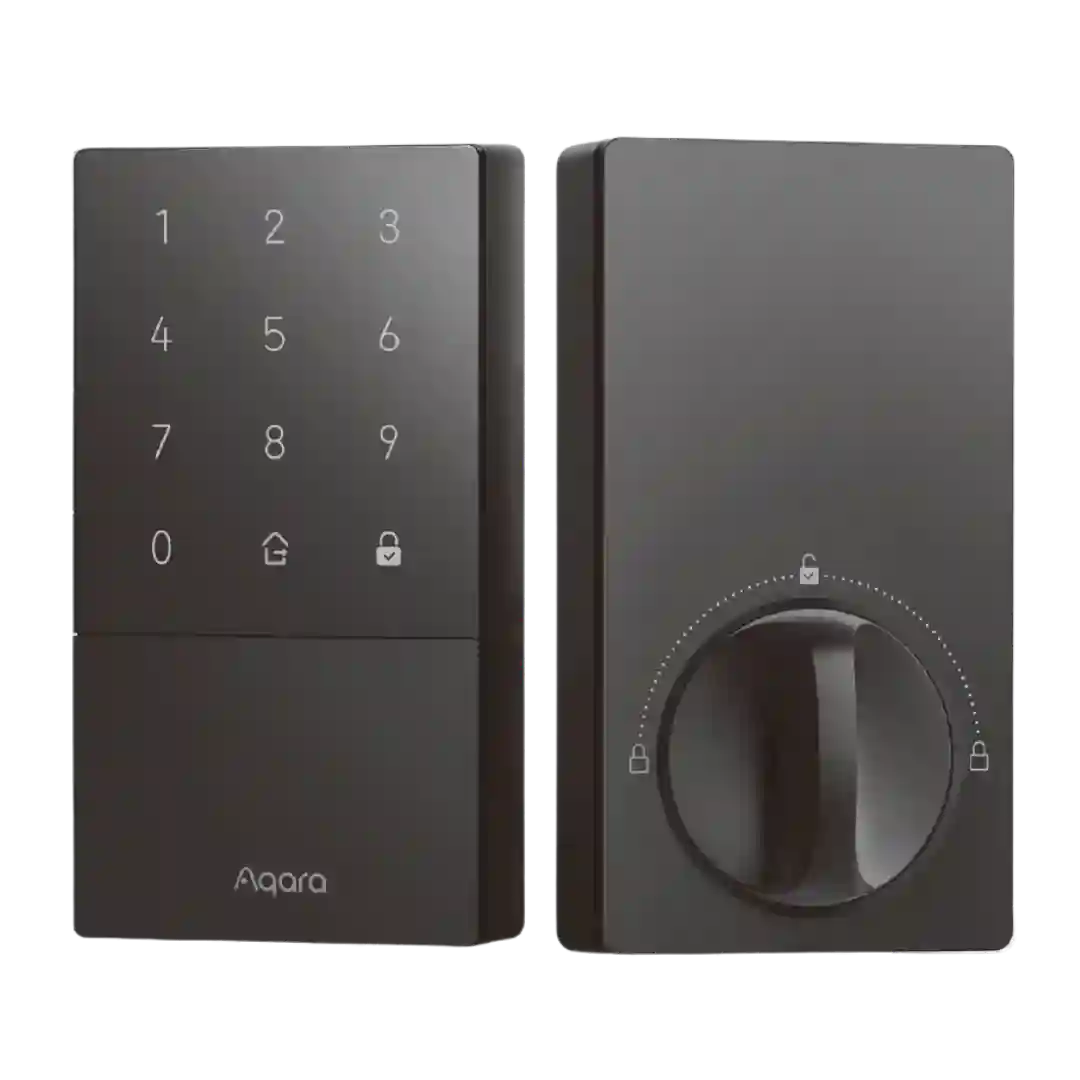
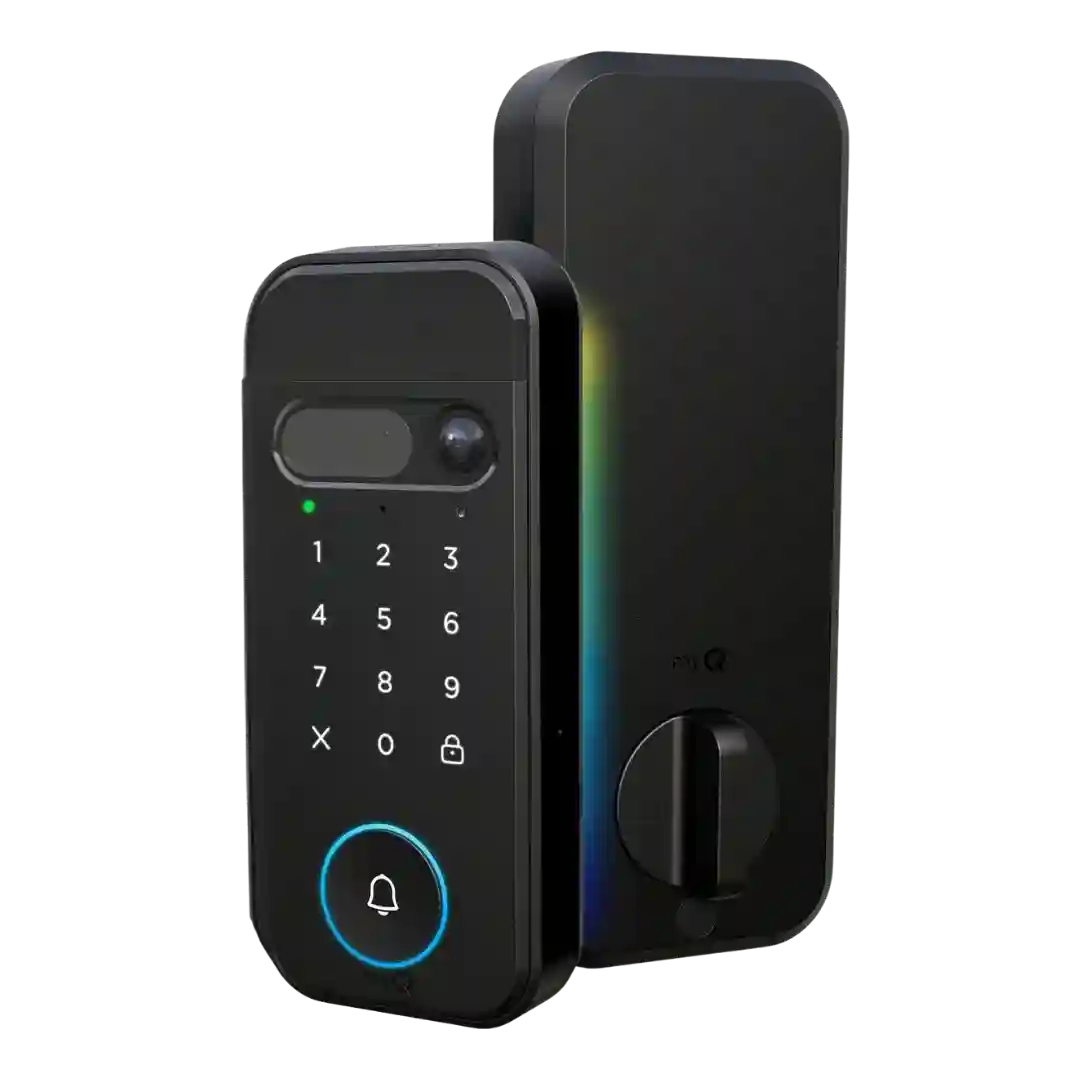
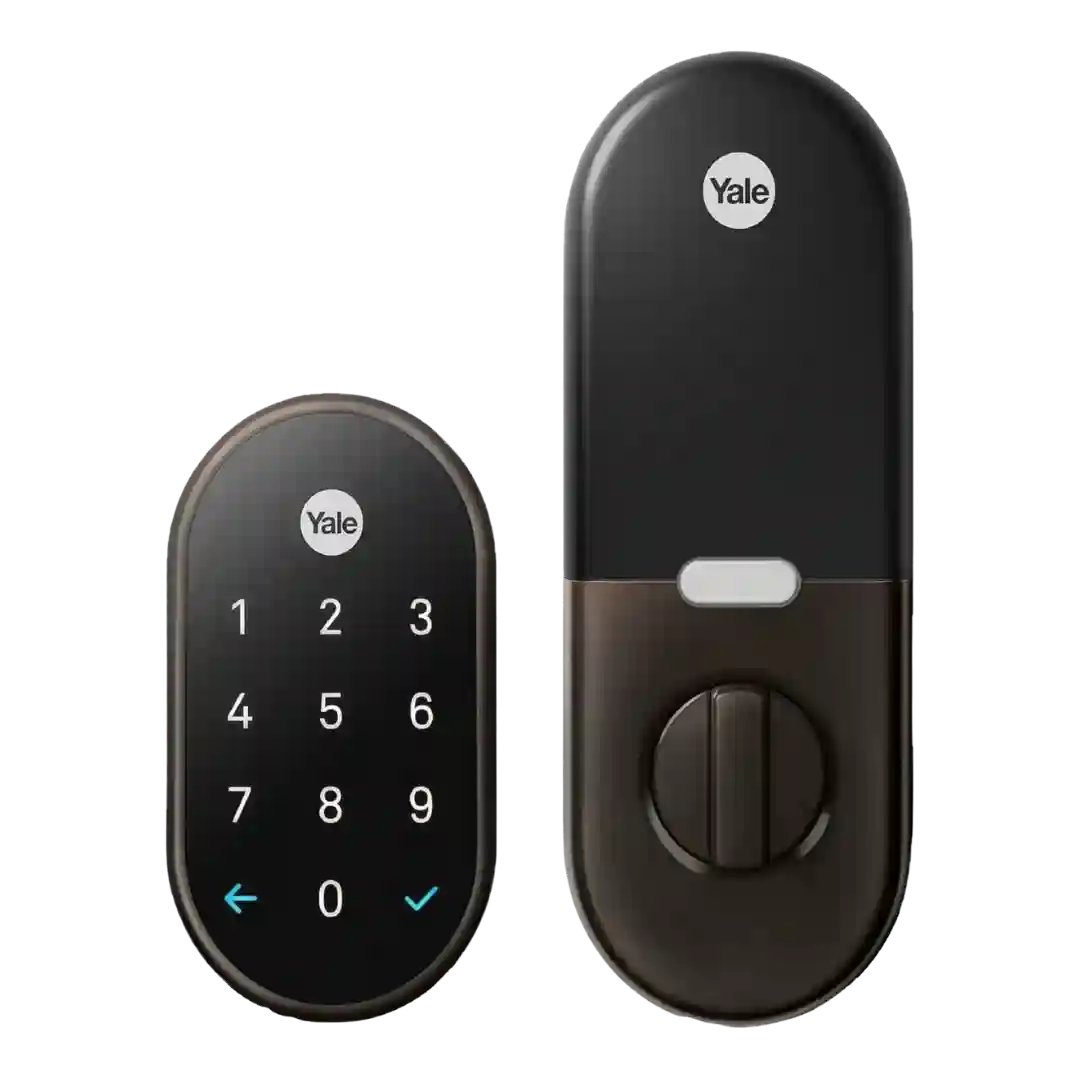
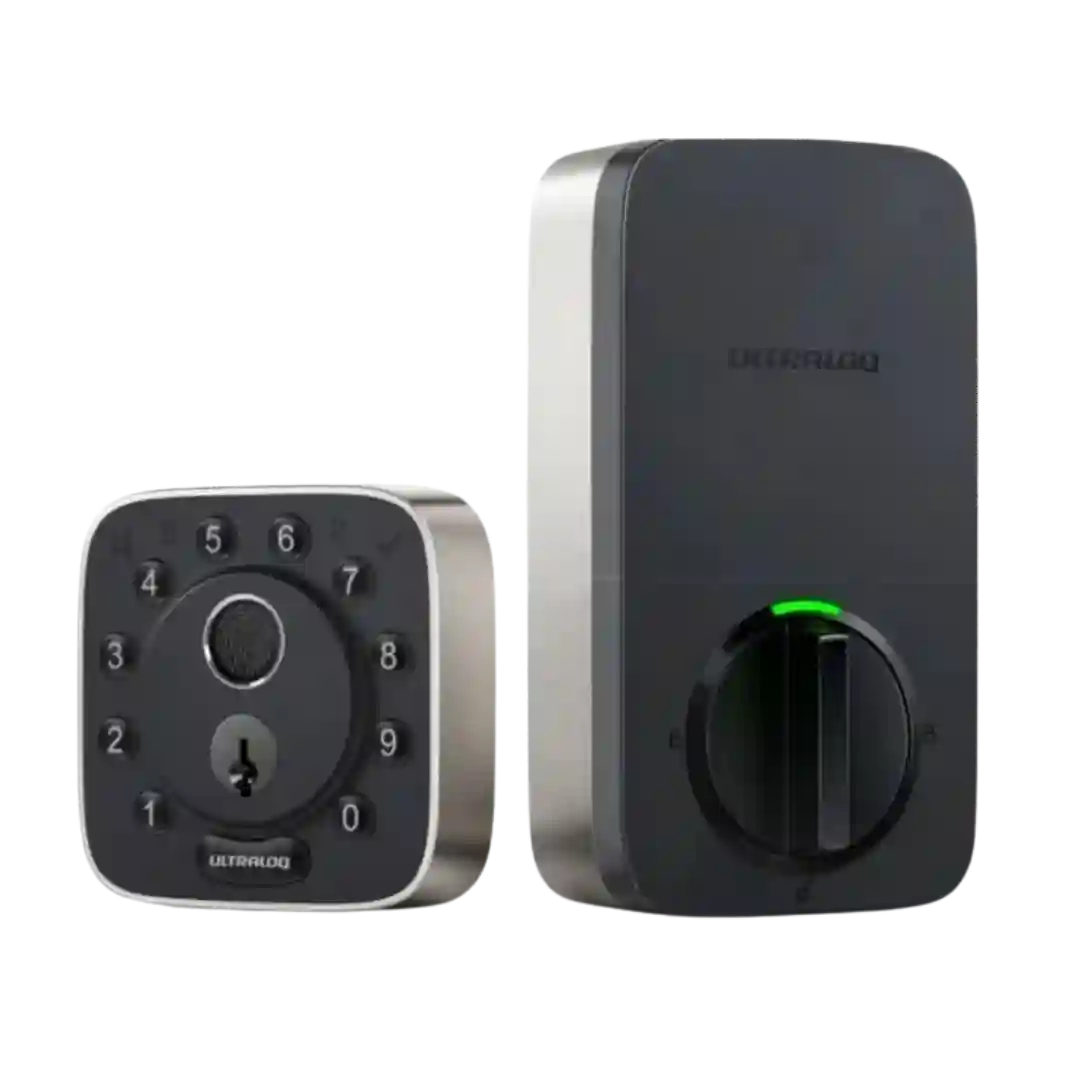
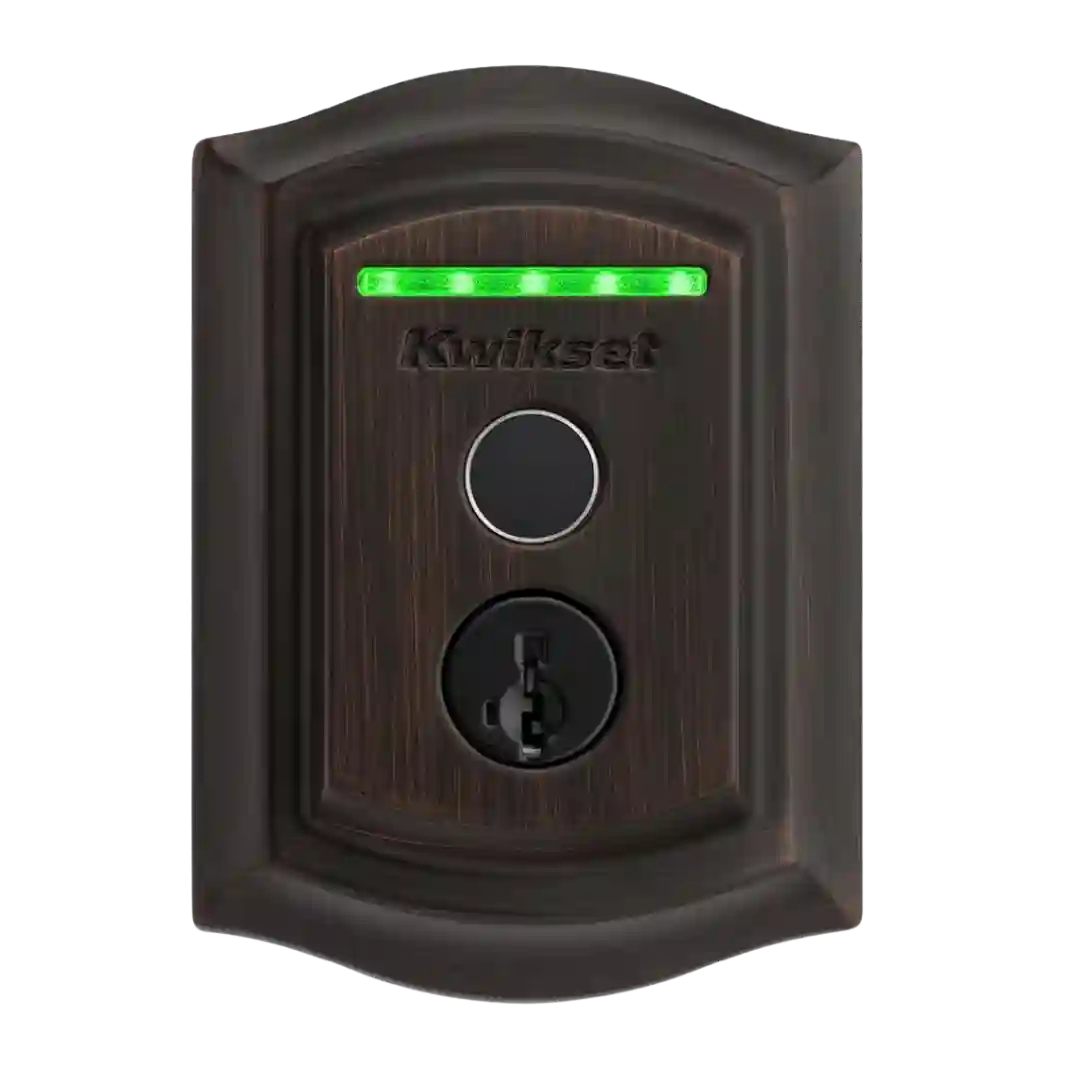
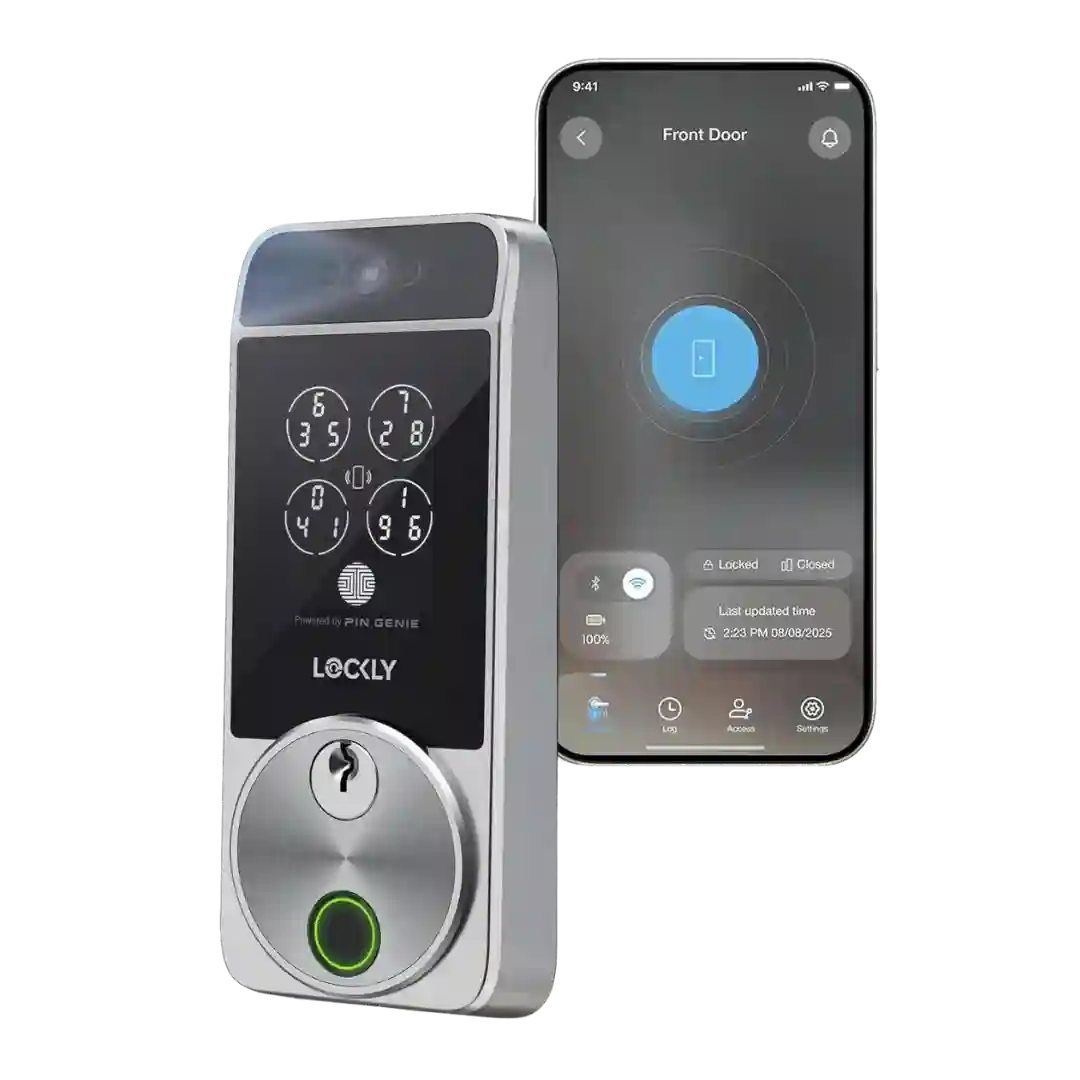
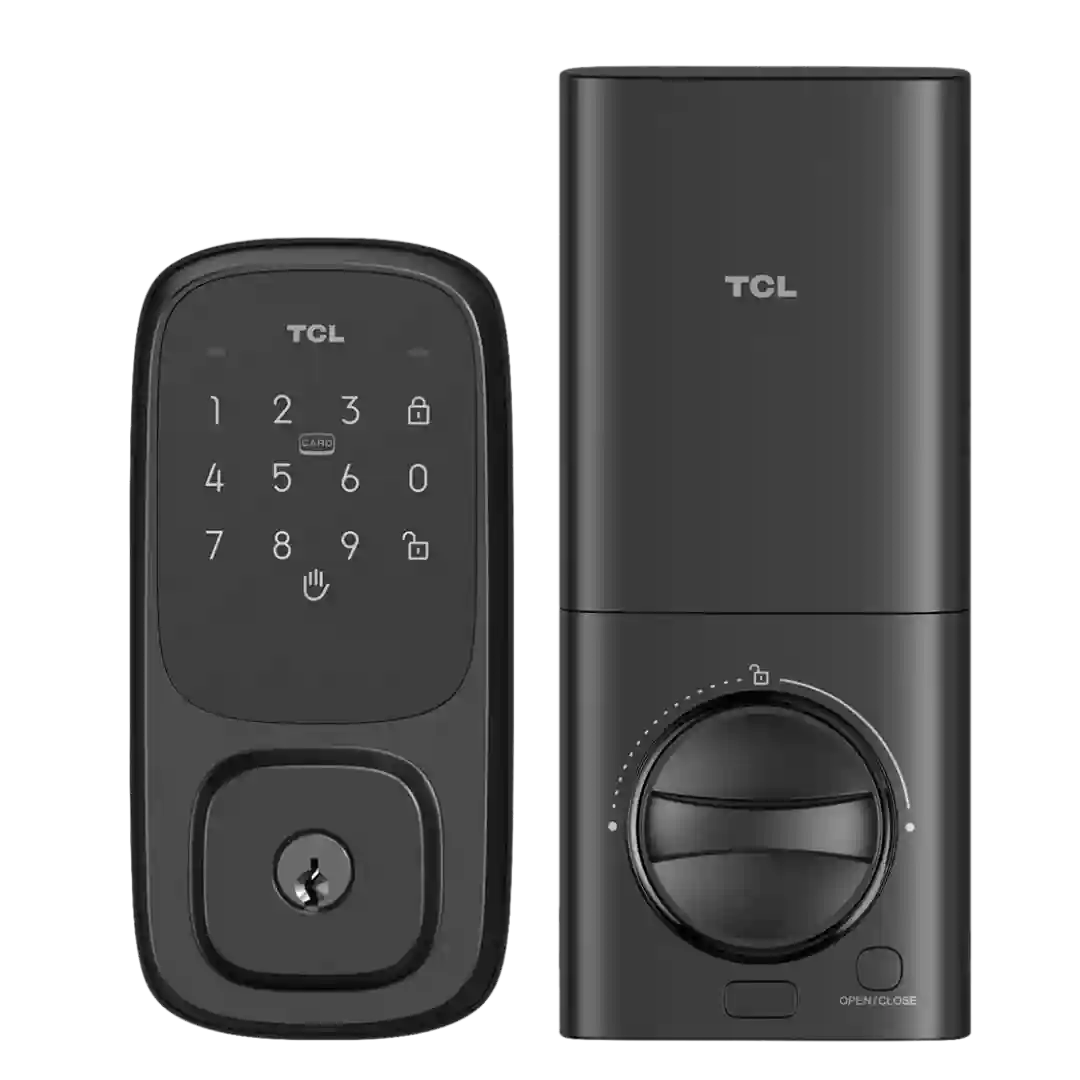
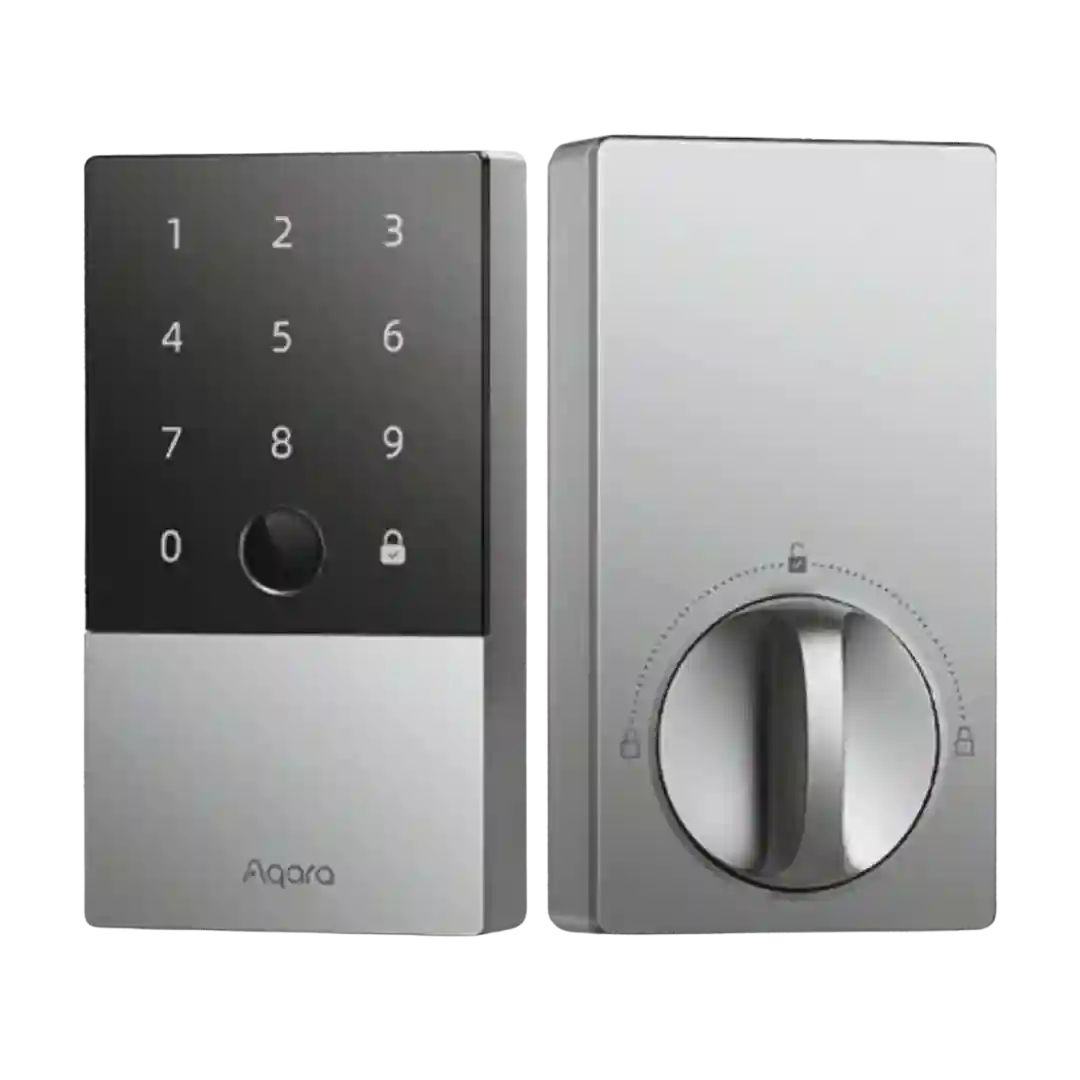
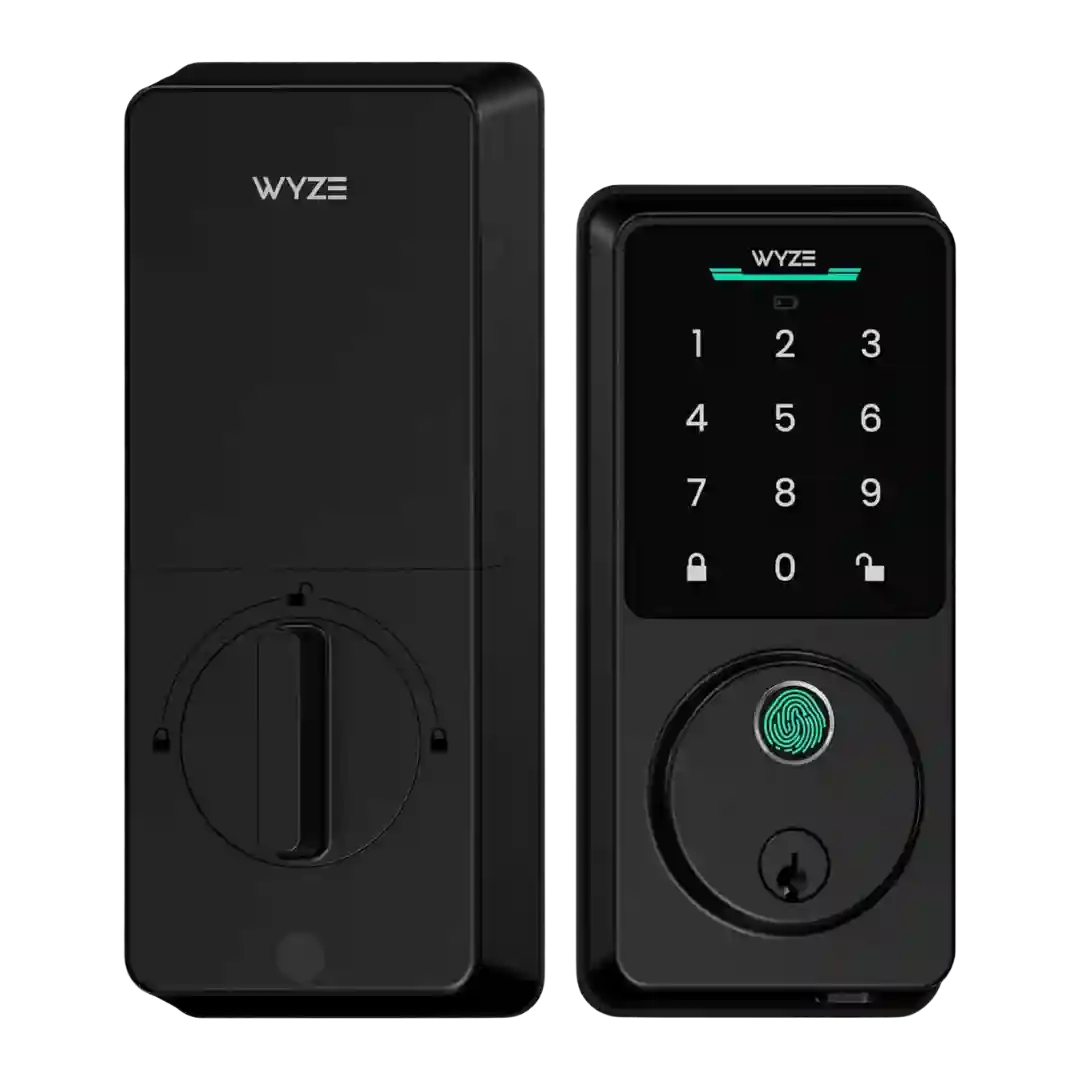
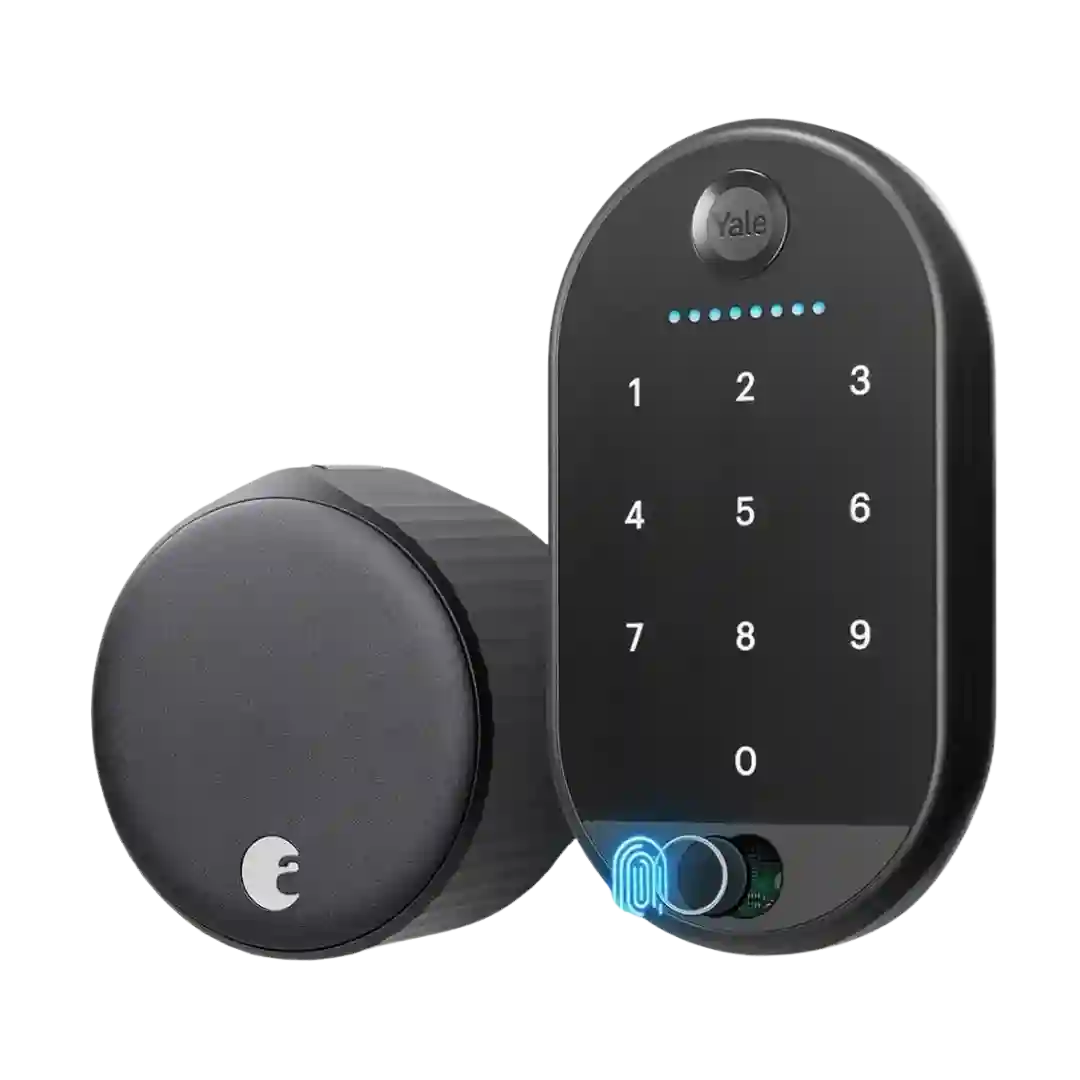
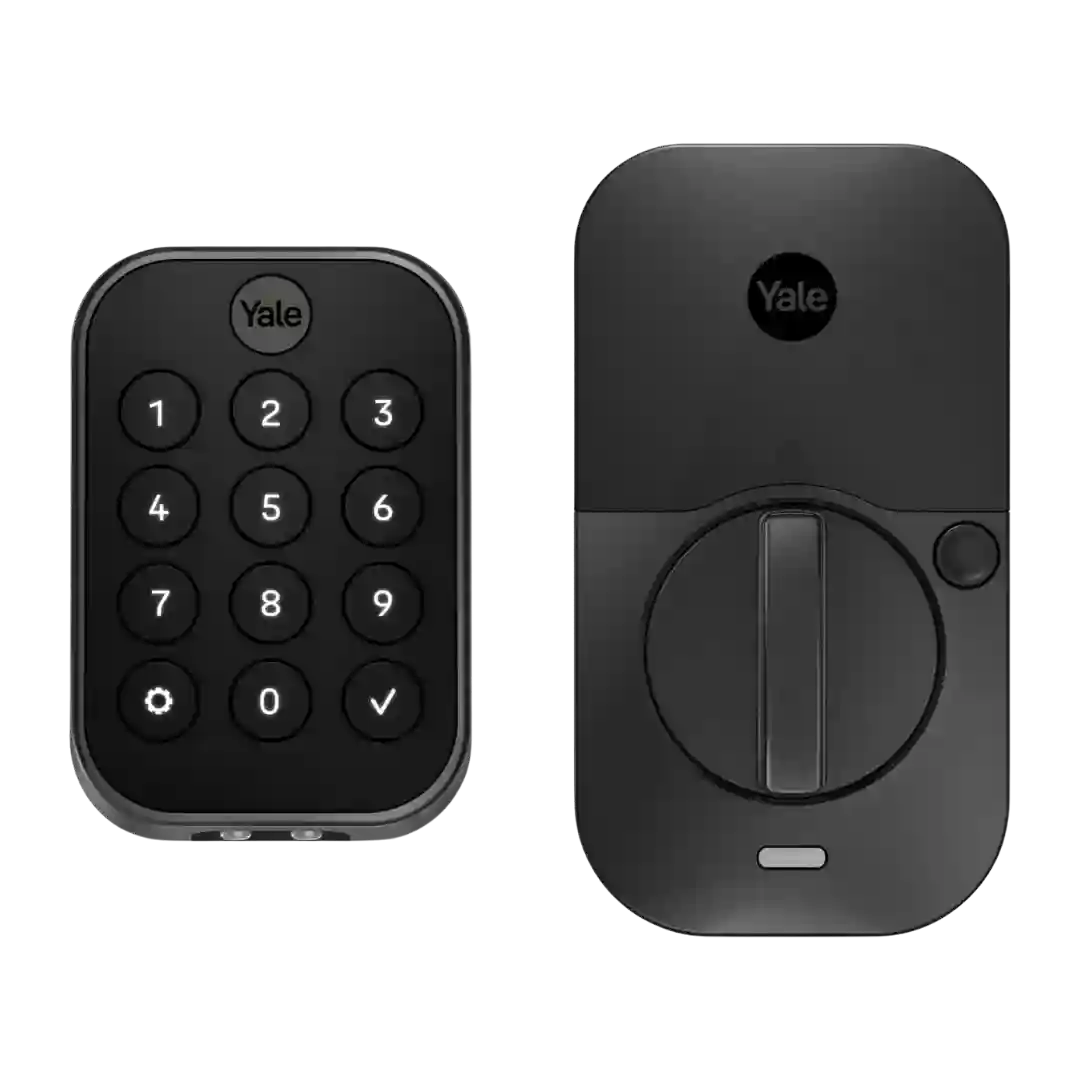
Battery design is a highlight: reviewers frequently cite long life on the rechargeable pack plus multiple layers of backup power (backup battery/capacitor/emergency unlock) to reduce lockout risk. A common gripe is that charging typically requires removing the battery pack, though backup power helps bridge that downtime.
Battery performance is a standout: the removable ~10,000mAh rechargeable pack is frequently described as capable of around a year of use, and several reviewers report very slow drain early on. A noted tradeoff is that the lock can be offline while the pack is removed for charging unless temporarily powered.
The dual-power design is a standout: a large rechargeable 15,000mAh pack plus AAA backup batteries. Reviews like the concept for avoiding lockouts during charging, but real-world endurance varies with video settings, and heavy surveillance use can drain the main battery much faster.
Battery life is a highlight: the 10,000mAh rechargeable pack is repeatedly described as lasting months, with long-term users charging only a few times per year when tuned (for example, human-only motion). Charging can take hours and you may need to supply your own USB-C power gear.
Battery life is typically characterized as around six months per charge, with strong praise for USB-C charging and emergency external power options. A recurring concern is the practicality of spare/replaceable rechargeable packs compared with swapping AA batteries.
Battery life is commonly framed as roughly three months for the Pro, with USB-C charging and emergency power options. Several reviews highlight an optional solar panel that can meaningfully top up the battery, although placement and looks are a frequent complaint.
Battery life is commonly positioned as months on four AA cells, with USB-C emergency power as a safety net; several reviewers report better battery behavior than early U100 units.
Most sources cite roughly 4–6+ months per charge and like the rechargeable pack; charging can take several hours, and a swap/spare battery option is mentioned for avoiding downtime.
Battery life is commonly described as strong (around a year, with some users reporting longer), with clear low-battery warnings in the app and on the lock. Many reviews mention the external 9V terminals as an emergency option if the AAs die.
The lock uses eight AA batteries, with reviewers commonly citing a target of roughly a year of life, and noting that heavy Wi-Fi usage can increase drain. Some reviewers prefer rechargeable systems, but most appreciate that AAs are easy to replace.
Rechargeable battery packs (often with a spare included) reduce downtime, but real-world longevity varies by settings like always-on face scanning and Wi-Fi usage, ranging from weeks in max scanning mode to months with power saving.
Power comes from a rechargeable battery pack typically described as lasting several months, with low-battery alerts in the app. Reviews also highlight emergency USB-C power from the outside and note a practical downside: if only one pack is included, the lock can be unavailable while charging.
Battery life is often rated around 8 months on four AA cells and many users report strong endurance, while a few long-term accounts cite faster drain. USB-C emergency power and a physical key mitigate low-battery scenarios.
Battery life is commonly described around eight months using eight AA batteries; USB-C emergency power and a physical key are emphasized as backup access paths, while at least one reviewer dislikes the non-rechargeable approach.
Battery life varies by usage and connectivity: manufacturer claims range from months to longer, but reviewers report anything from about a month during heavy testing to multiple months in normal use. Strong low-battery warnings are commonly noted, and emergency USB power plus a hidden key reduce lockout risk.
Battery life is commonly quoted around six months on four AA cells (often not included), with Wi-Fi potentially increasing drain; multiple reviews highlighted USB-C emergency power, and one follow-up credited firmware updates and a Wi-Fi toggle with improving battery impact.
Battery design (CR2 hidden in the bolt) is widely praised for tool-free access and simplicity, with typical life estimates around six months. The most common complaint is the app reporting being too coarse (no percentage), making planning replacements harder.
Battery life is the biggest unresolved weakness: light use can be respectable, but several reviewers saw much shorter runtimes than the 8-12 month marketing claim once motion, video, and notifications were active.
Battery life is commonly estimated around six months for Wi-Fi use, with real-world reports ranging from better-than-expected to shorter than some non-Wi-Fi models; most agree Wi-Fi convenience comes with more frequent AA changes.
Battery life is the most inconsistent theme: some reviewers report around six months, while at least one long-term user reports closer to two months even on Thread. Several imply that door alignment, resistance, and usage patterns strongly affect longevity.
The lock uses four AA batteries with widely cited claims of roughly 12 months of life, while keypad battery life is often quoted around several months. Downsides include no battery percentage meter for the lock in the app and at least one report of unusually fast keypad drain or loose batteries during installation.
Powered by four AA batteries with low-battery warnings and external 9V jump terminals for emergencies; battery life reports vary (some cite roughly 5 to 6 months), and battery access can require partial disassembly.
Battery life is the most common tradeoff: the lock uses two CR123 batteries, and while some sources cite multi-month expectations, at least one long-term review reports significantly shorter life (weeks) and others note higher replacement cost and limited in-app visibility.
Battery life is a recurring pain point on Wi-Fi setups, often quoted around three months and sometimes closer to 5–7 weeks in heavy use, and the app commonly lacks a clear battery percentage until late in the cycle, making low-battery lockouts more plausible.