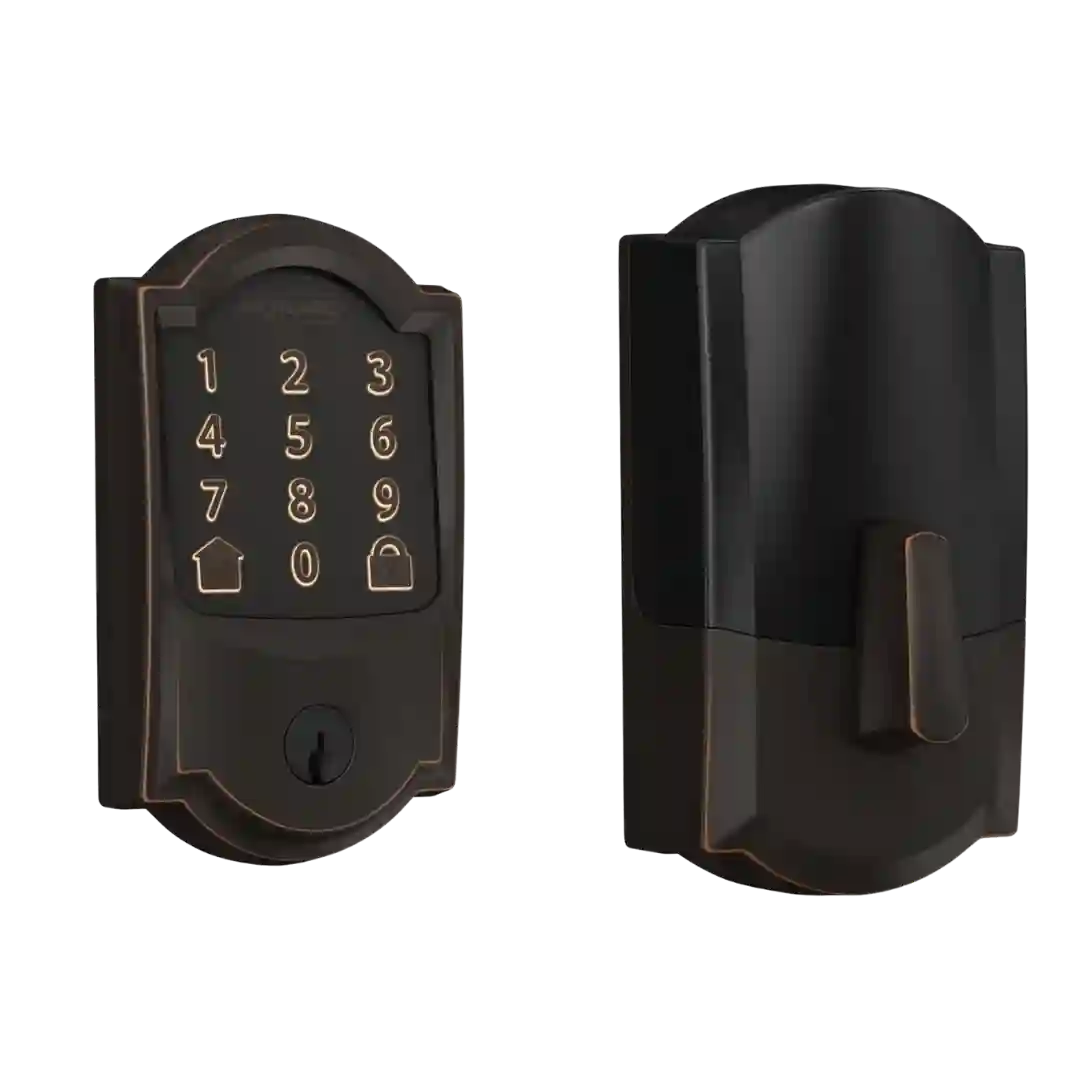
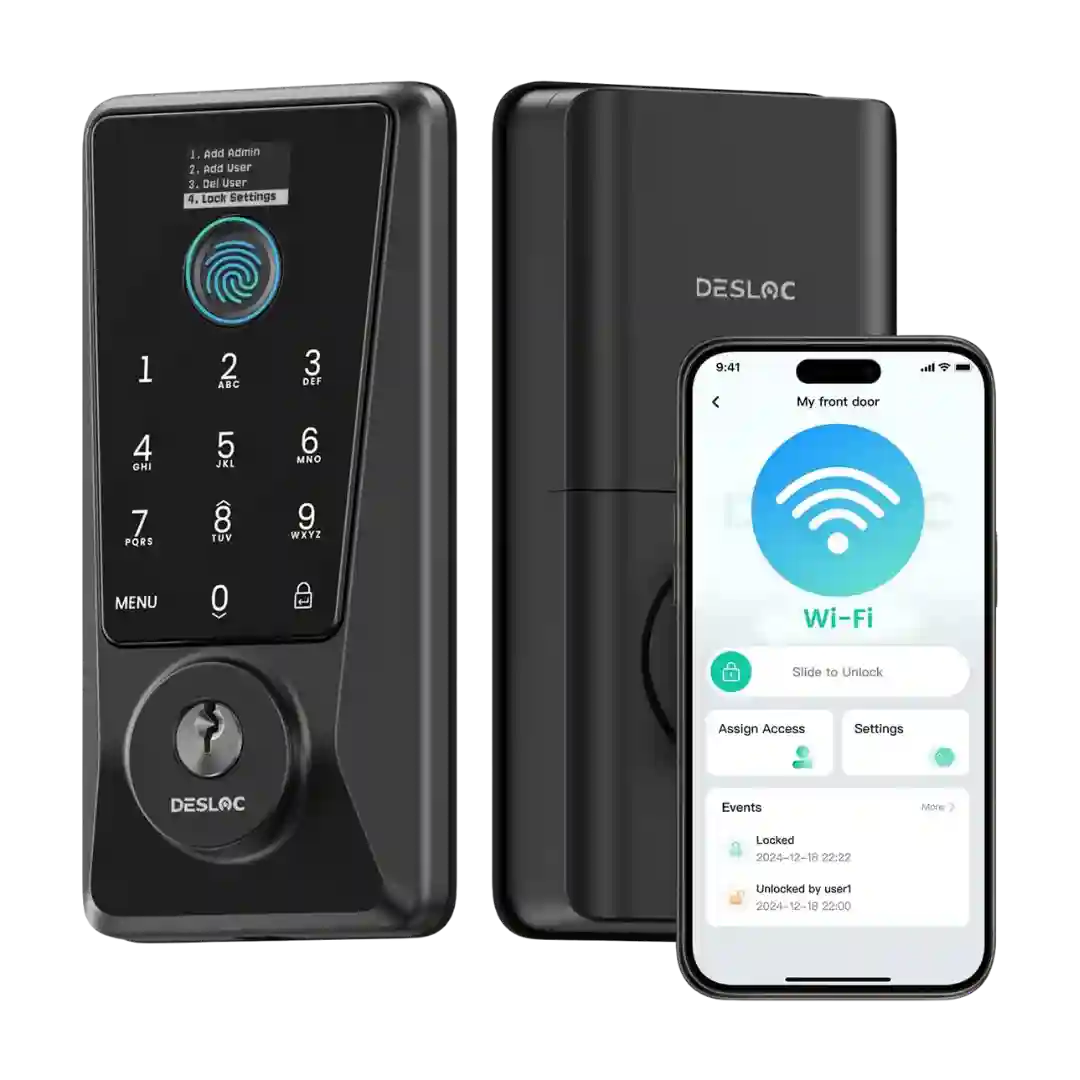
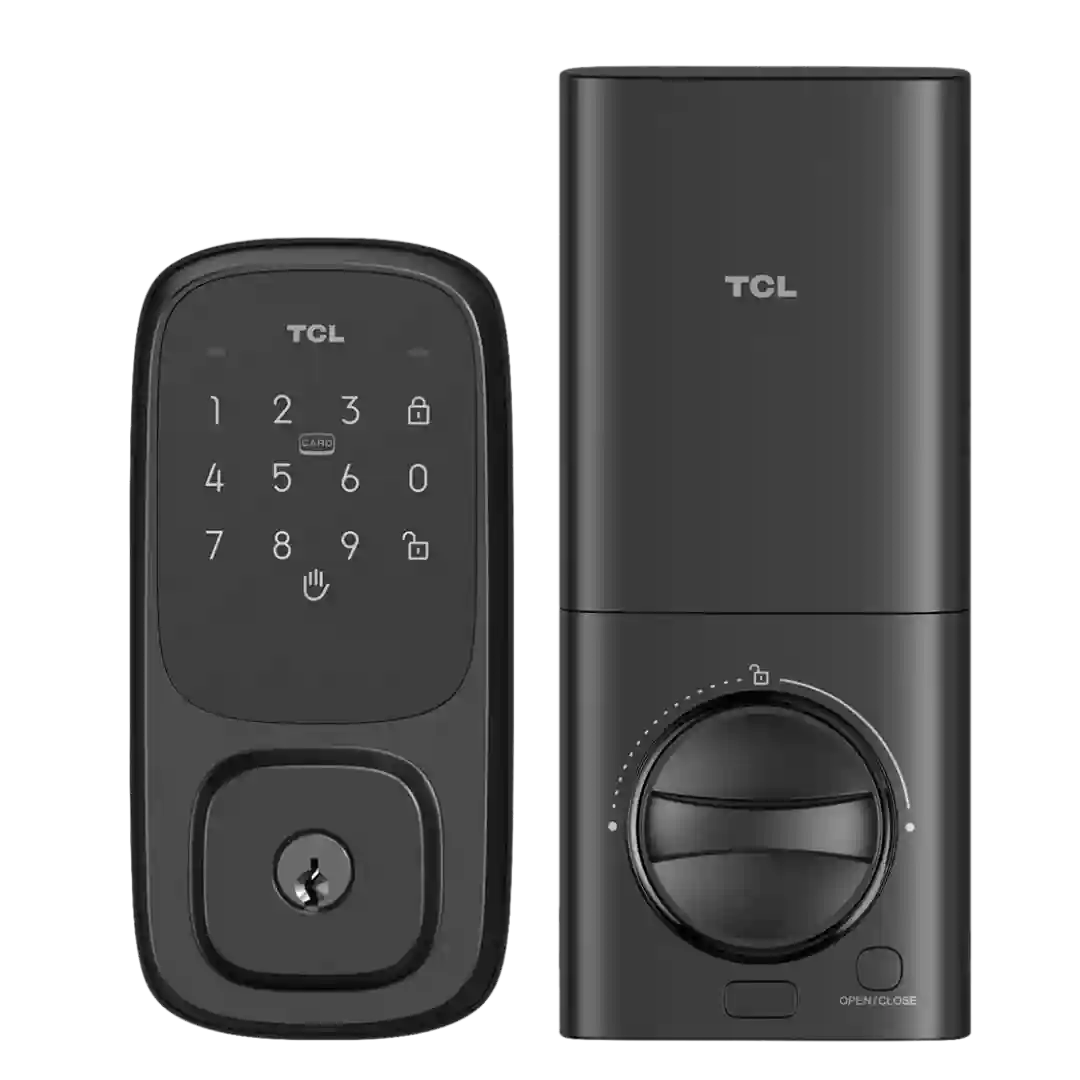
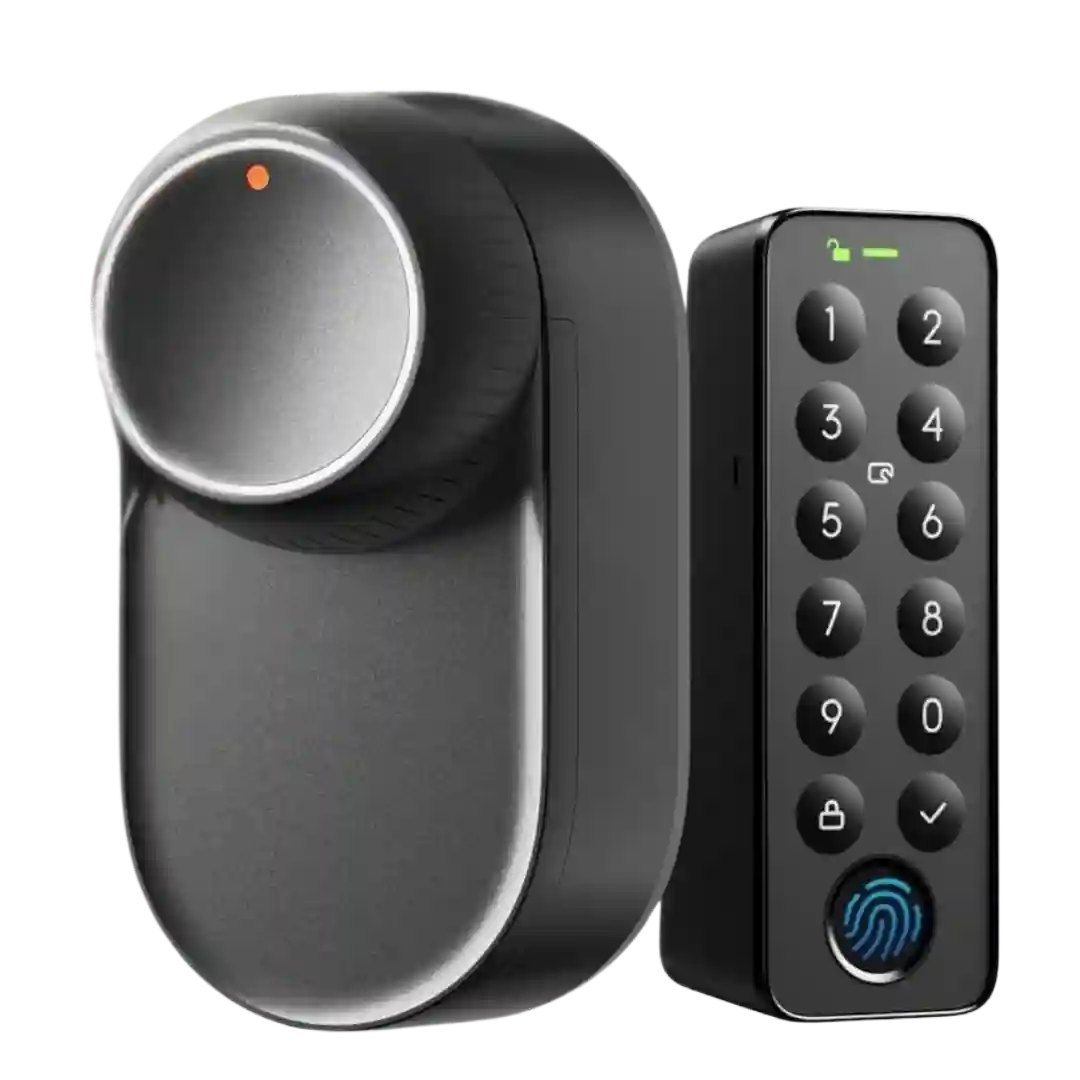
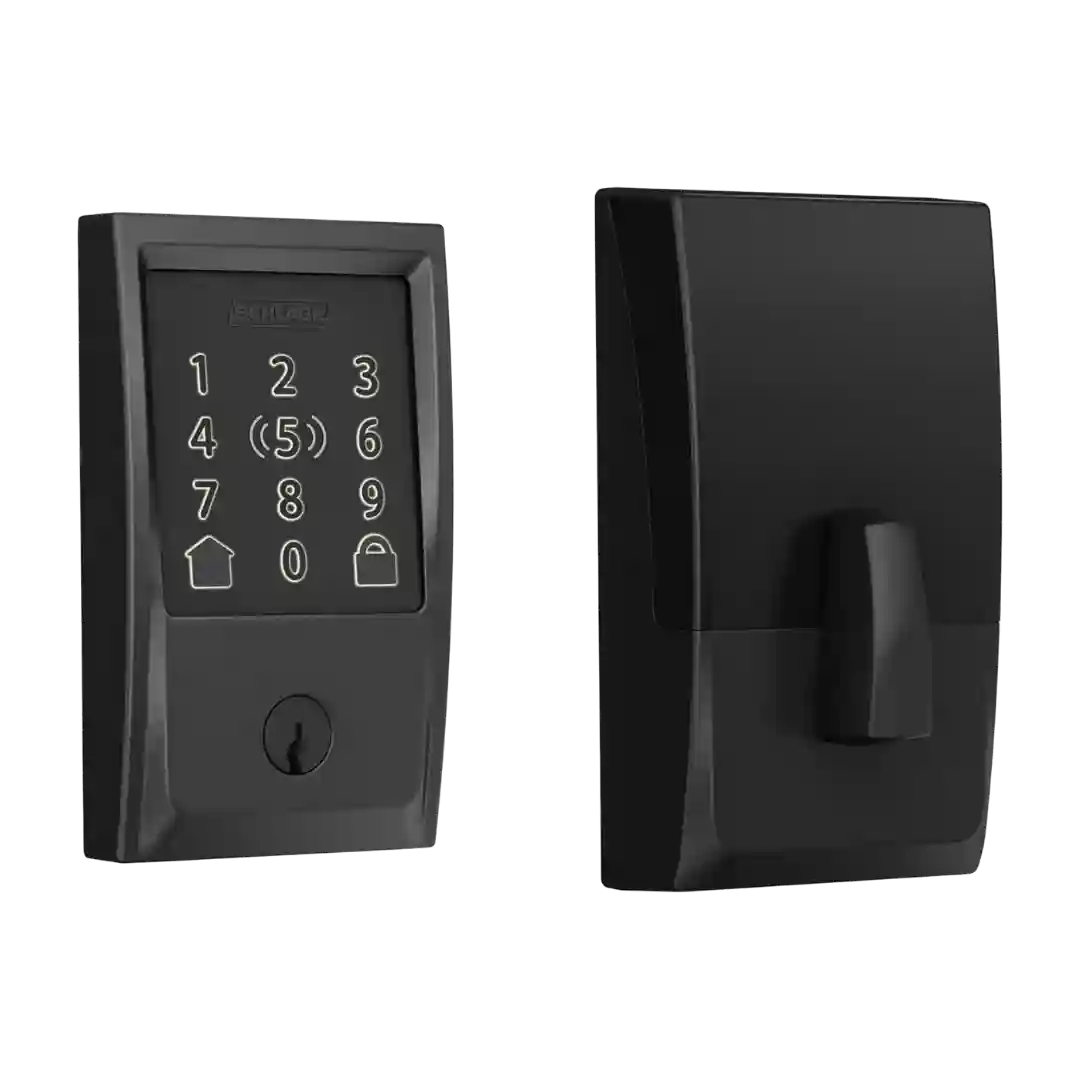
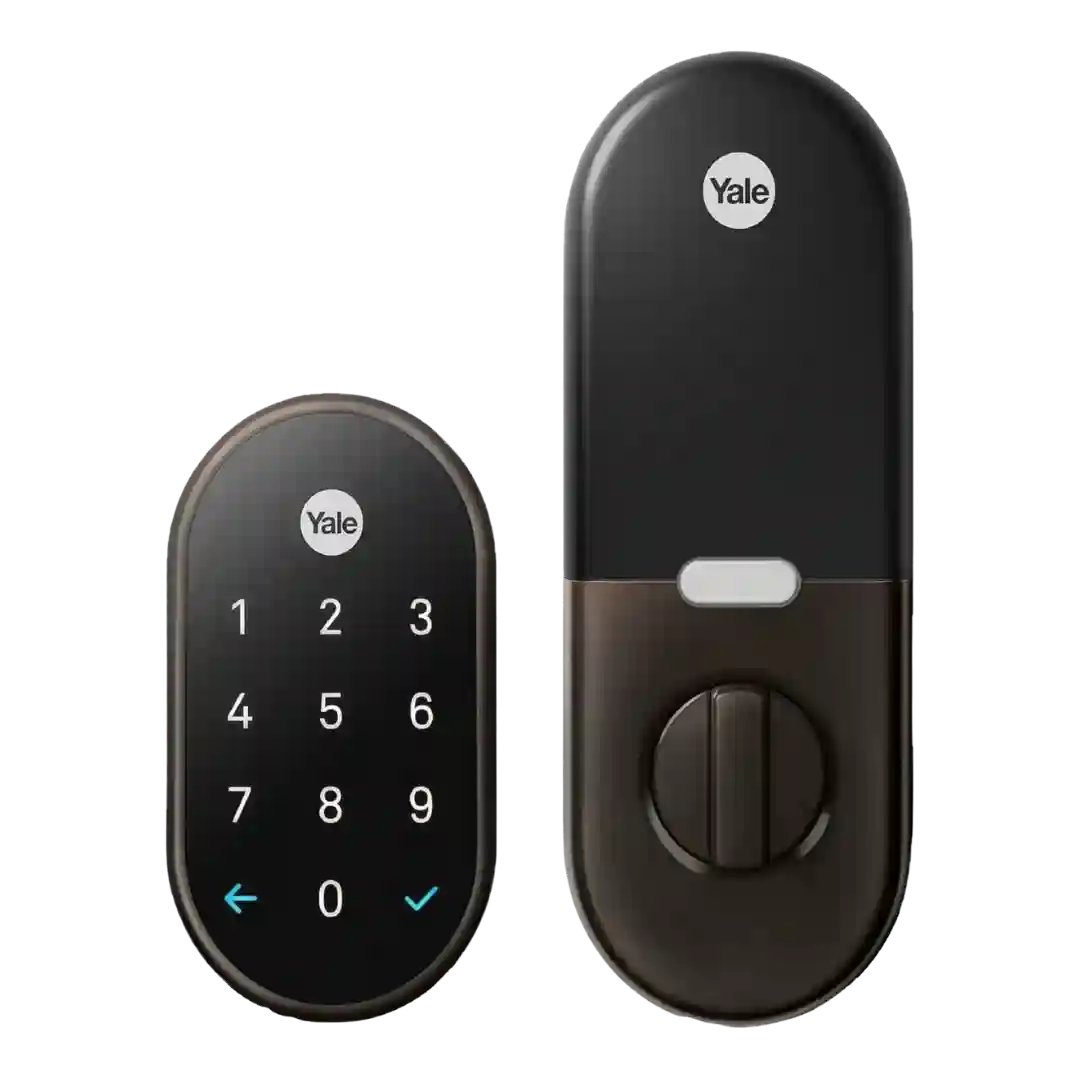
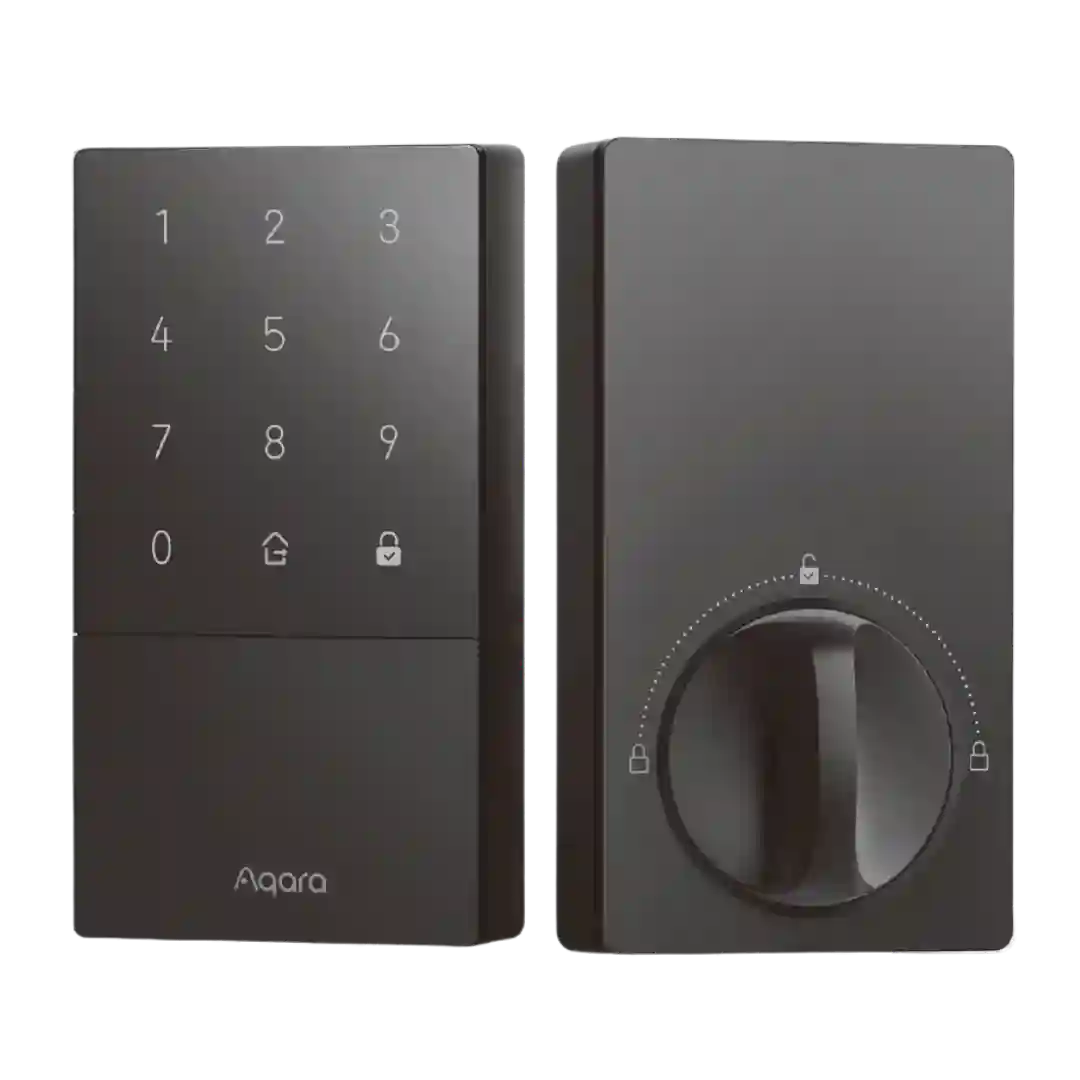
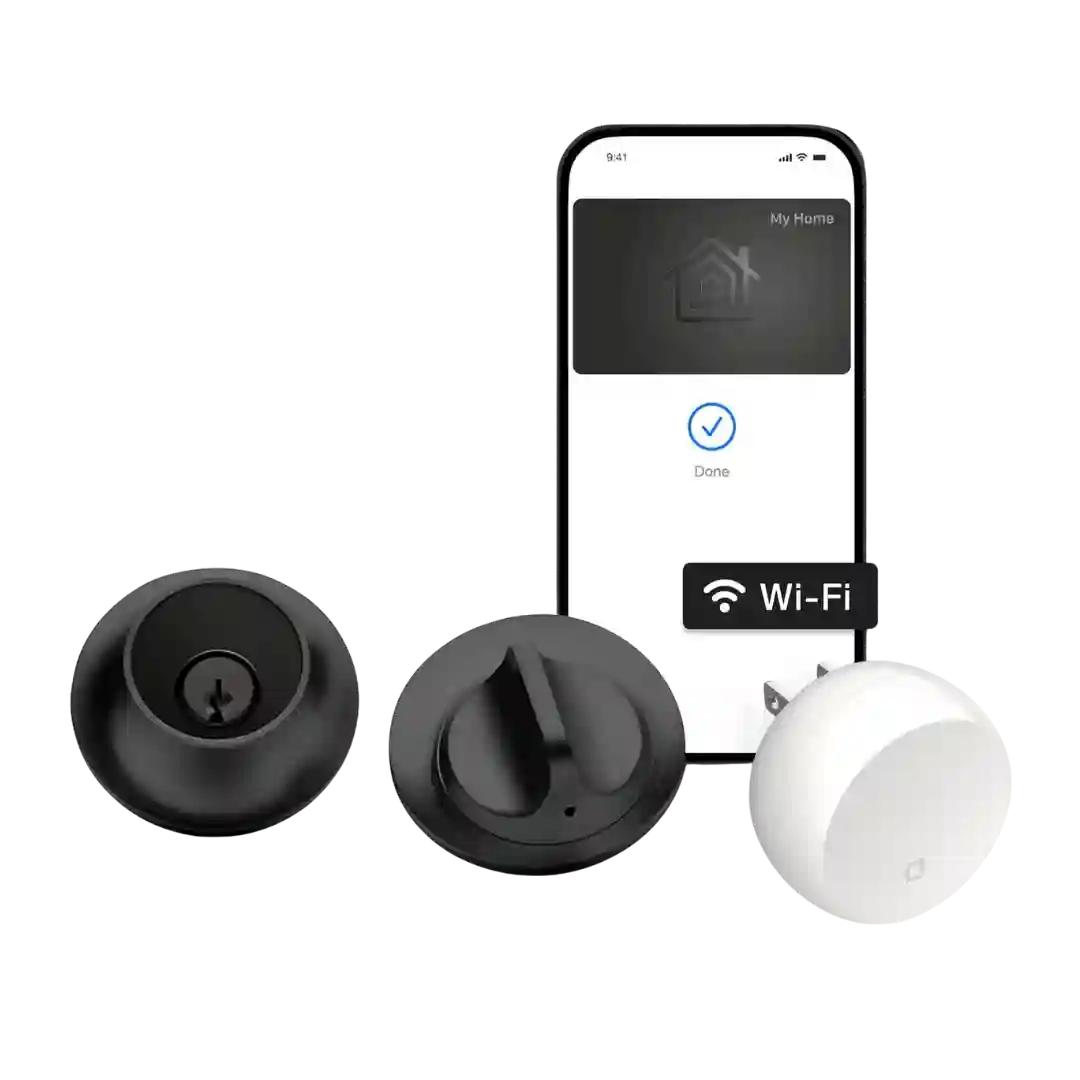
Multiple reviewers praise that Encode connects directly to Wi-Fi with no bridge or hub, which simplifies setup and ongoing use compared with add-on adapters.
Because Wi-Fi is integrated, reviews emphasize there is no separate hub or bridge required for remote access, simplifying deployment compared with older generations that needed a plug-in module.
No mandatory hub is emphasized across reviews; optional accessories (like chimes or hubs) are discussed for convenience rather than basic functionality.
A hub is optional rather than required: the lock works on its own, while HomeBase 3 mainly adds AI features, storage flexibility, and ecosystem extras.
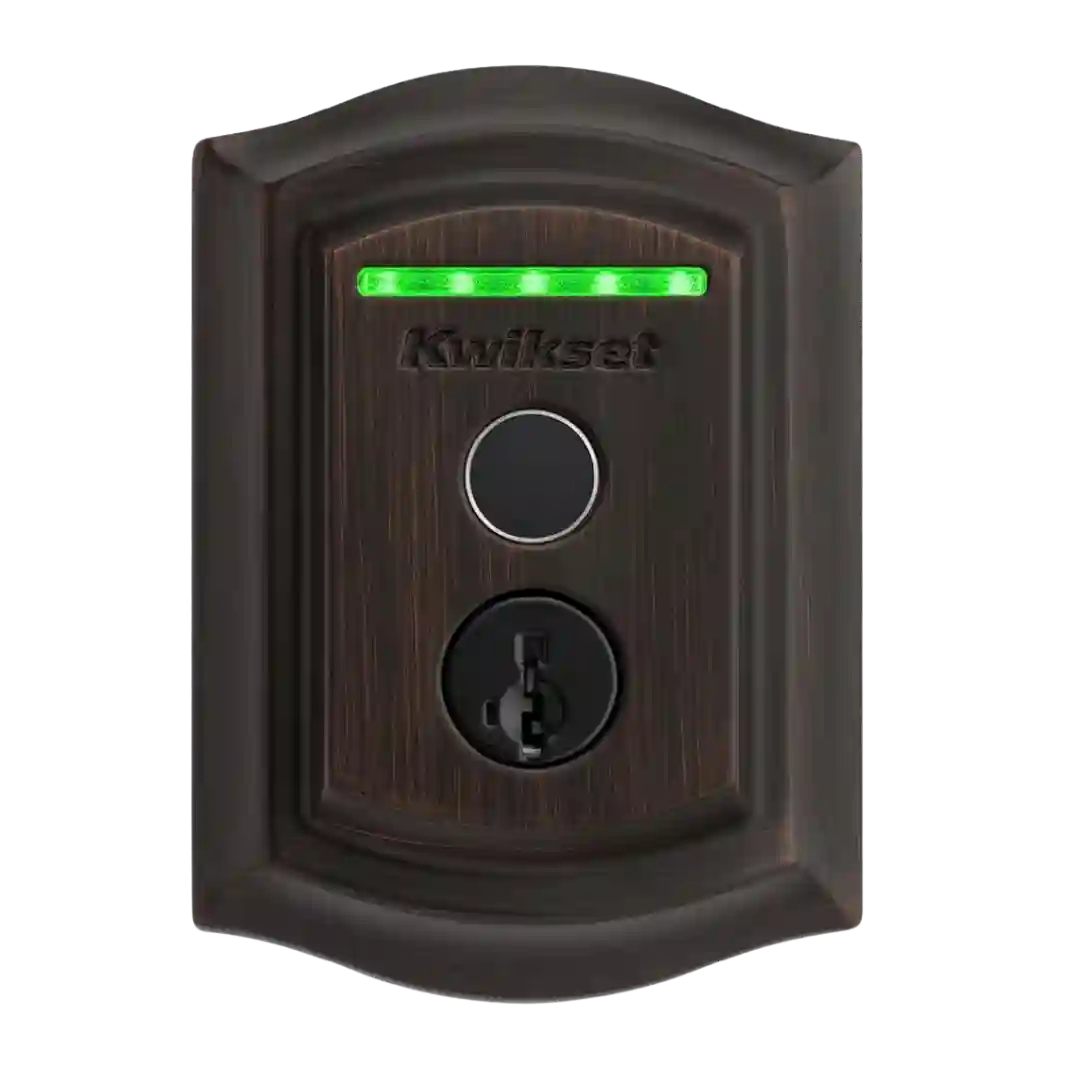
The modular design reduces hard hub dependence, but you still need the right path for your ecosystem: Wi-Fi for broad third-party integrations, or an Apple home hub for Bluetooth-only HomeKit remote access; reviewers also appreciate that Wi-Fi no longer requires a separate bridge.
The required plug-in chime/bridge is a core part of the experience: it enables remote connectivity and local storage, and many liked having a loud indoor chime. Downsides include extra setup steps and needing to provide your own microSD card.
A hub is not required for basic operation and remote control over Wi-Fi, but a HomeBase is repeatedly positioned as the path to expanded storage and smarter alerts (such as facial recognition) and can also act as an indoor chime. There are also reports that certain smart-home pairing flows work best when the lock is on Wi-Fi rather than routed through a hub.
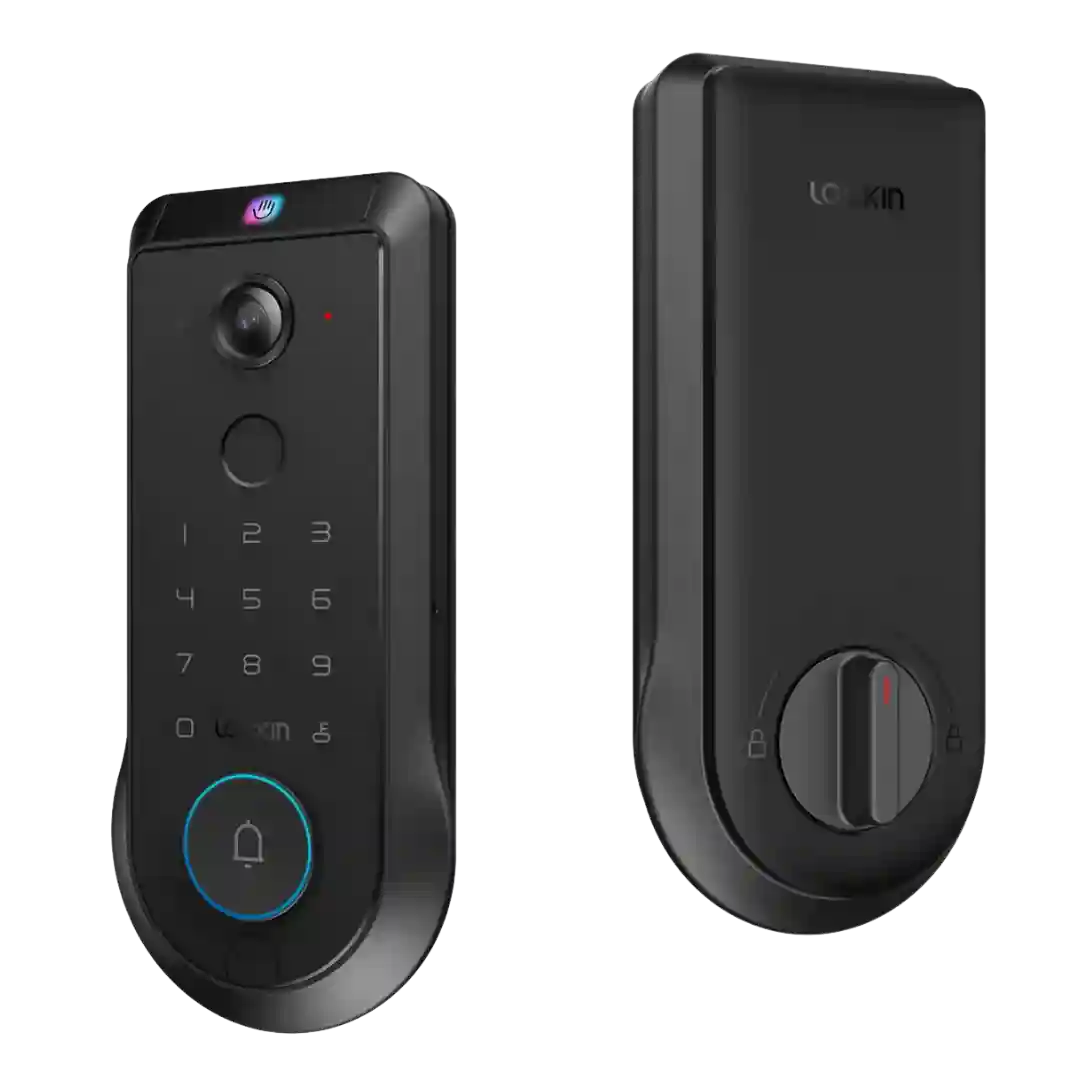
For ecosystem control, reviewers note you may need a Matter controller hub (or similar hub) to add the lock to platforms like Apple Home, Google Home, Alexa, or SmartThings; hub use often comes with reduced feature depth versus the Lockin app.
Hub needs depend on ecosystem and model. Some versions are described as not needing a dedicated hub for standard smart features, while Apple Home/Matter remote control can depend on a compatible hub or adapter depending on configuration.
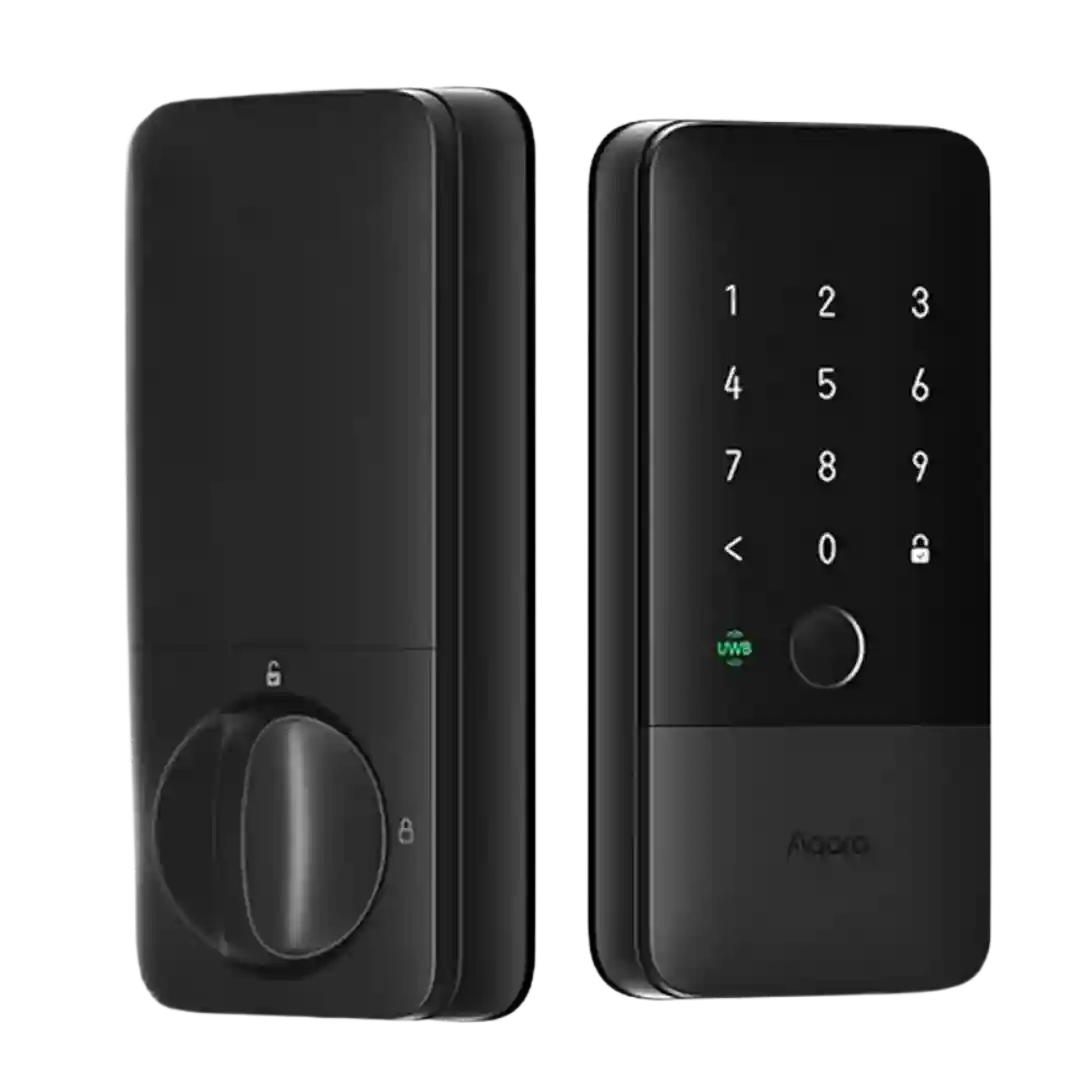
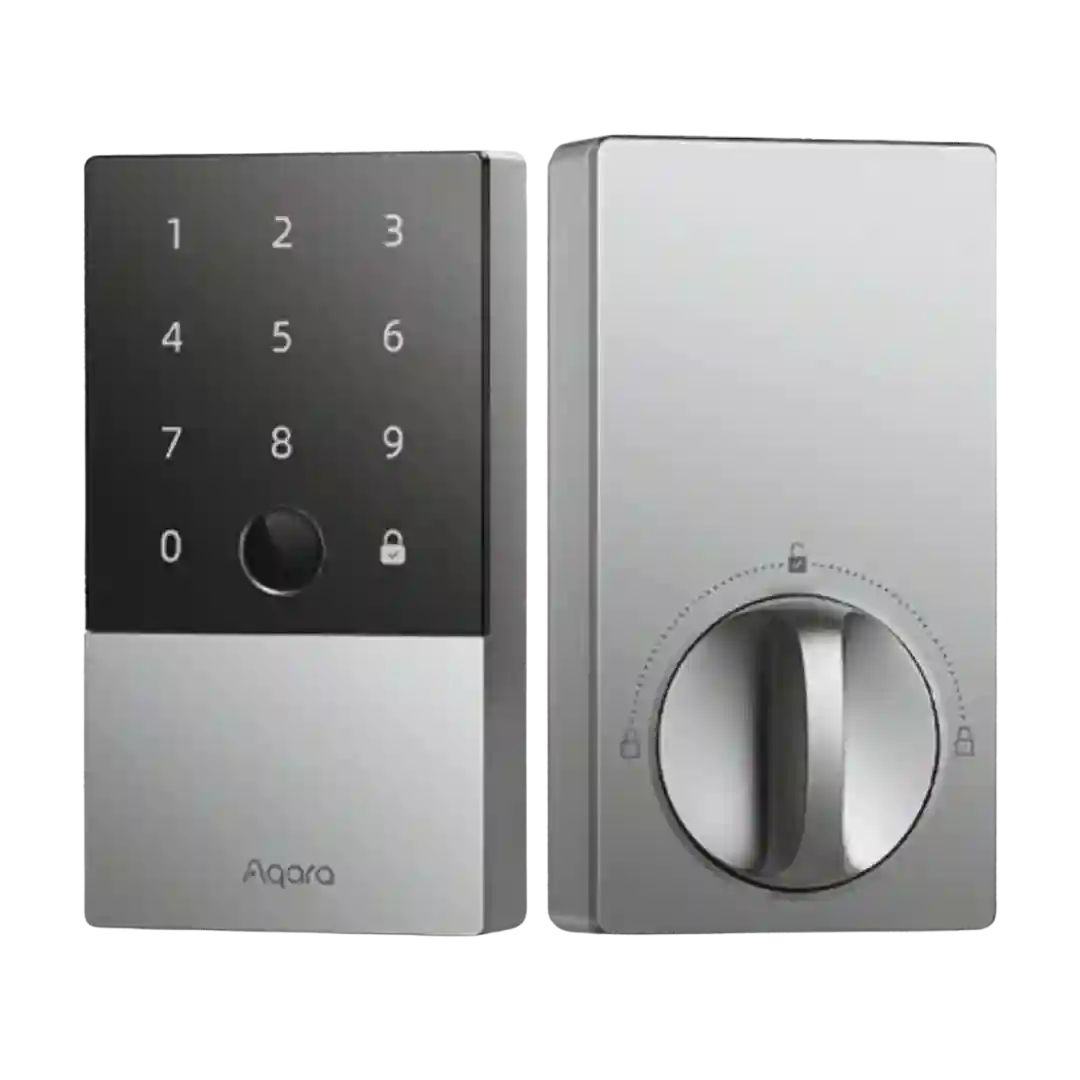
A Thread border router is commonly described as effectively required to get meaningful Matter/Thread functionality and remote control in third-party platforms. Aqara hubs are optional but can add Aqara-app remote access and certain integrations.
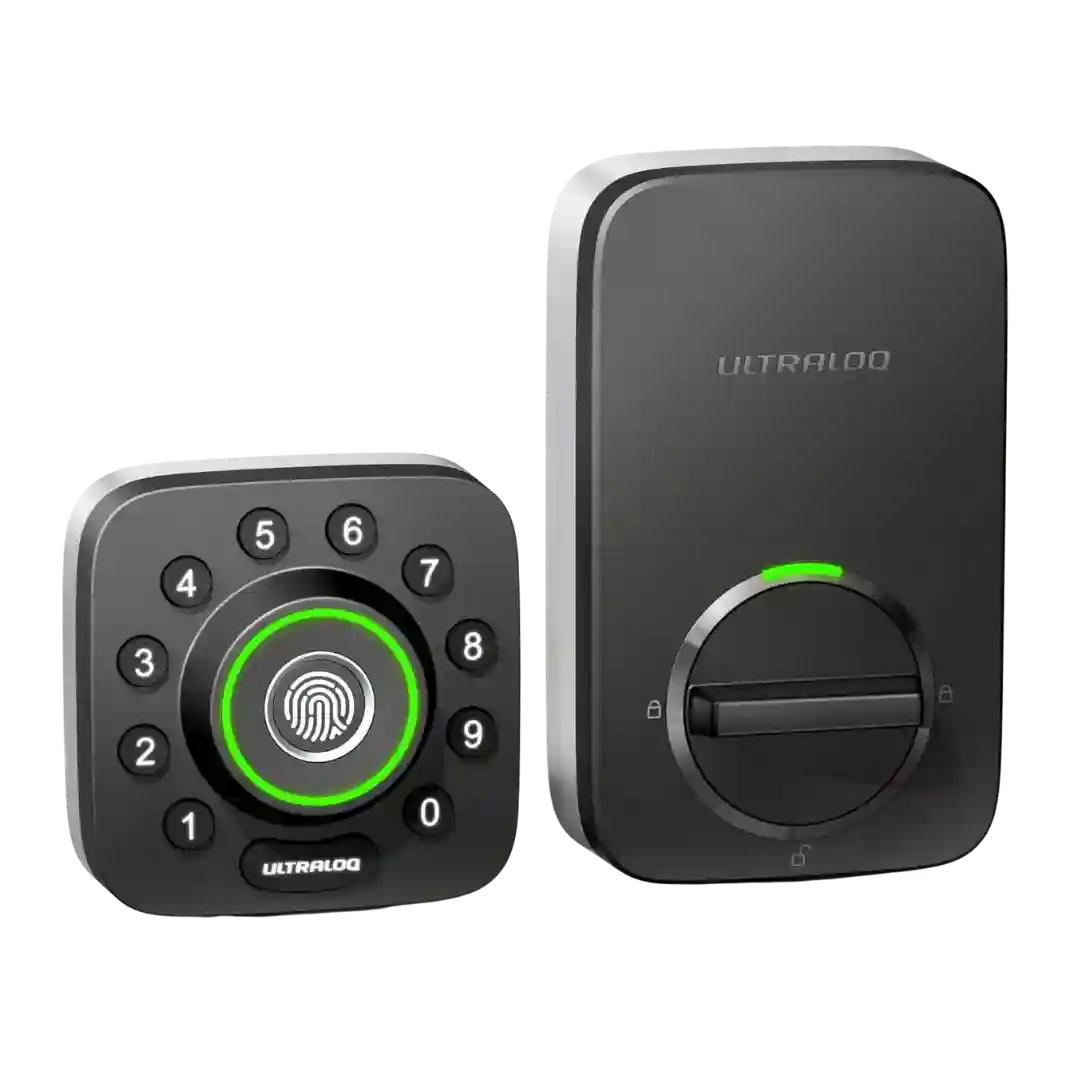
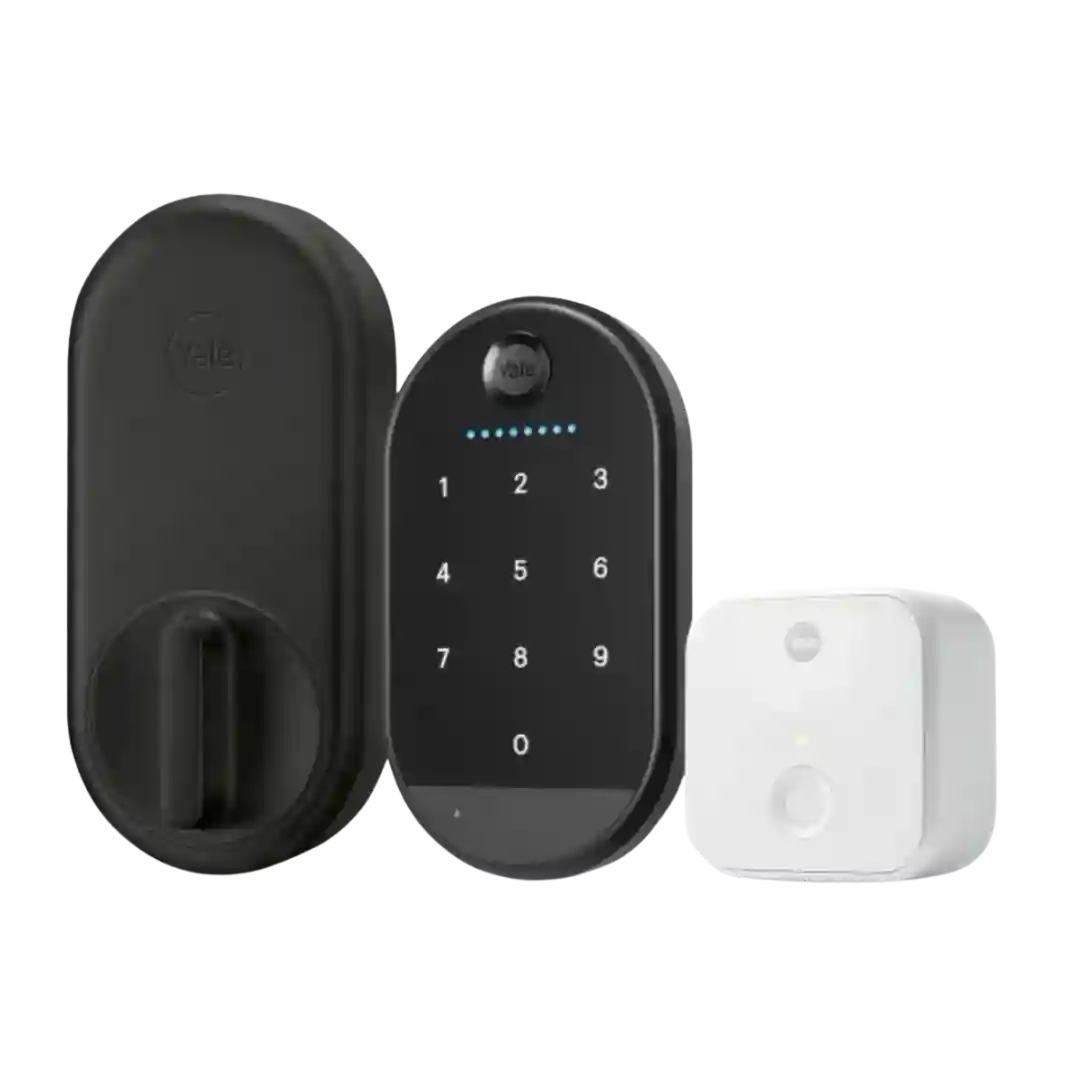
Hub/bridge needs depend on the version: built-in Wi-Fi models remove the bridge requirement, while older bundles require a bridge placed close to the door (often described as within about 10 feet). Bridge requirement is a common source of complexity for voice assistants and remote features on non-Wi-Fi versions.
The hub is optional for basic local use but commonly required for the “full” experience (remote access, Matter, voice assistants, and broader smart-home integration). Multiple reviews frame this as the primary tradeoff of the product’s Bluetooth-first design.
No third-party bridge is required for Wi-Fi, but Apple Home remote control typically needs a Home hub (Apple TV or HomePod). Thread performance also depends on having a Thread border router in the home.
Remote features generally require a Nest Connect or Nest Secure hub, which adds cost and another device to place near the door. Reviewers often accept this as the price of reliability, but it is a recurring drawback for non-Nest households.
A hub is frequently recommended to unlock full functionality (broader integrations, Matter bridging, richer automations), but adds cost and can introduce placement or connectivity considerations.
Hub/bridge needs are a recurring theme. Apple Home users get the cleanest remote experience with a Home hub, while non-Apple ecosystems often need Level Connect or other bridges and may still feel less complete until Thread/Matter support is fully active.
Hubs are optional for basic local use but commonly required for the best experience: Apple Home remote access needs a Home hub, and Matter/Alexa/Google/IFTTT and many remote features need an Aqara hub. This adds cost and setup complexity.
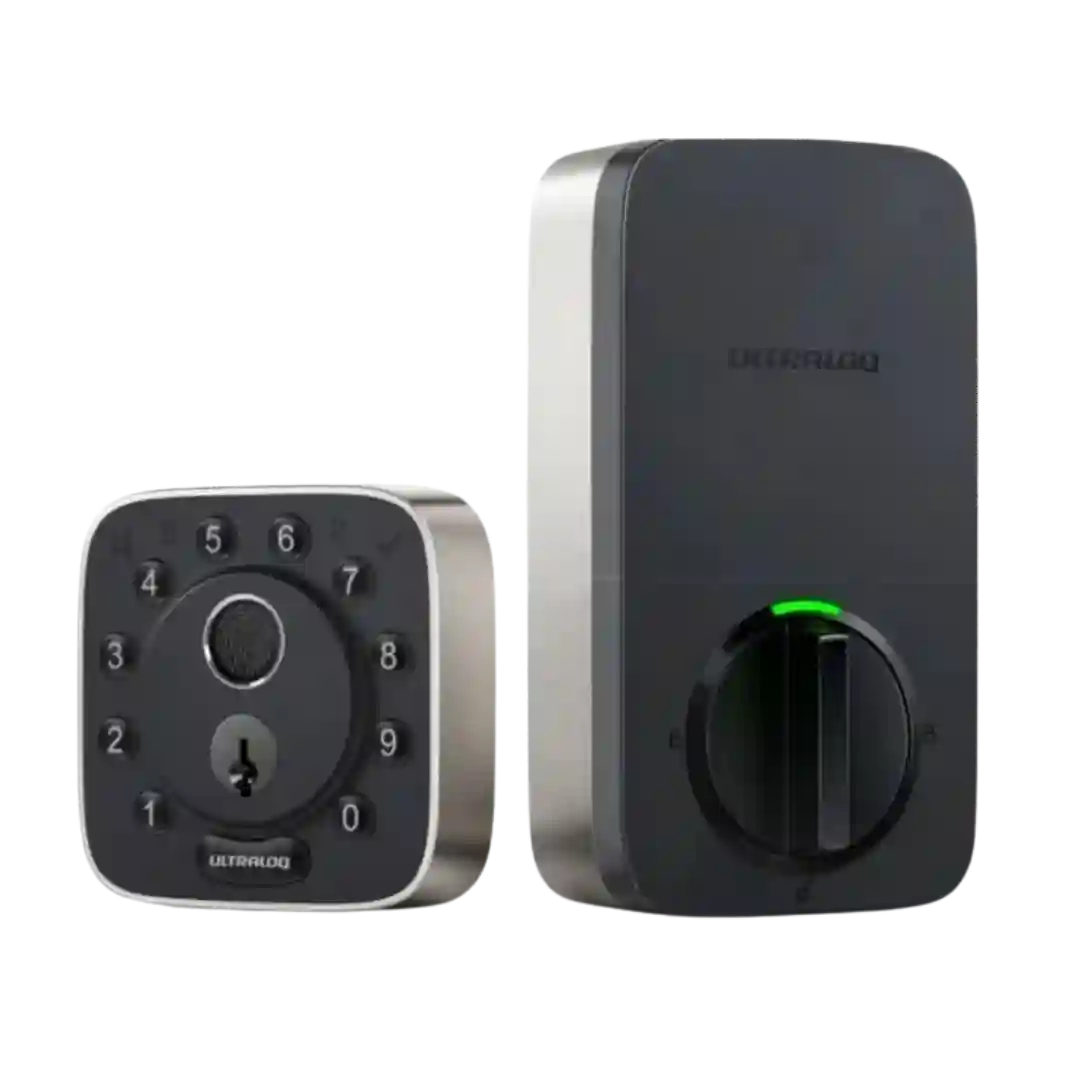
Remote access and voice features rely on a separate Wi-Fi bridge rather than built-in Wi-Fi. Reviews consistently call this a convenience and reliability tradeoff because it needs an outlet near the door and stable bridge-to-lock Bluetooth connectivity.