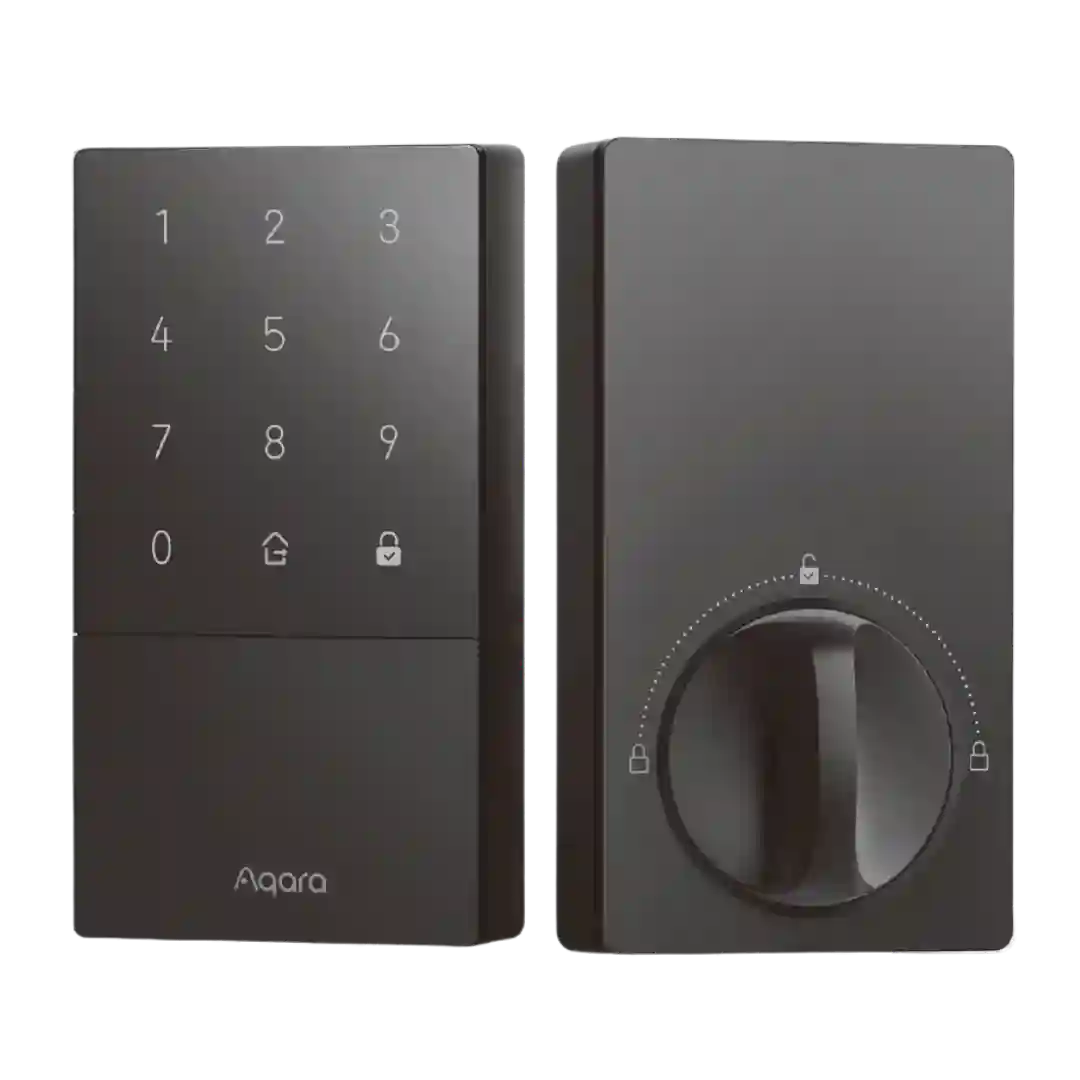
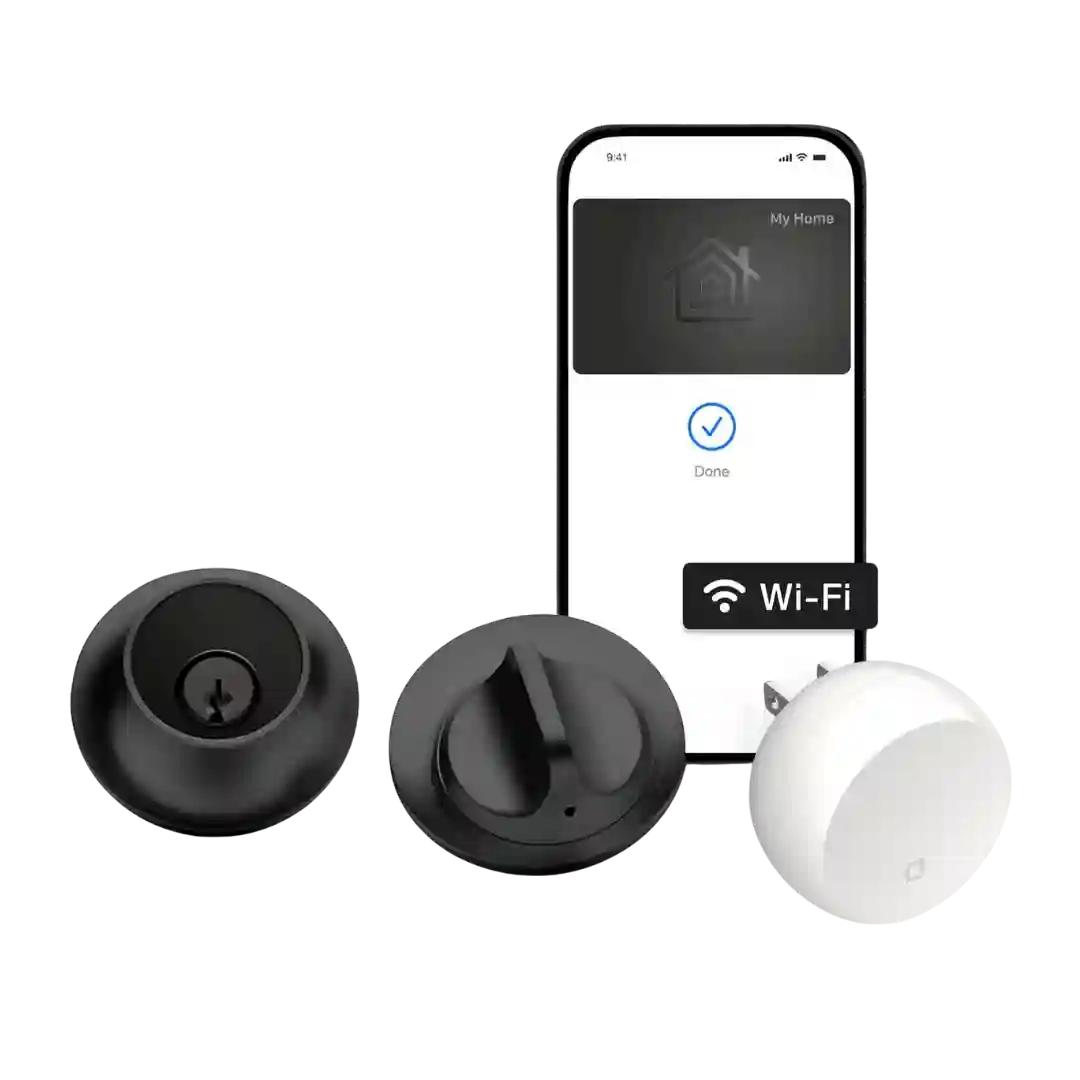
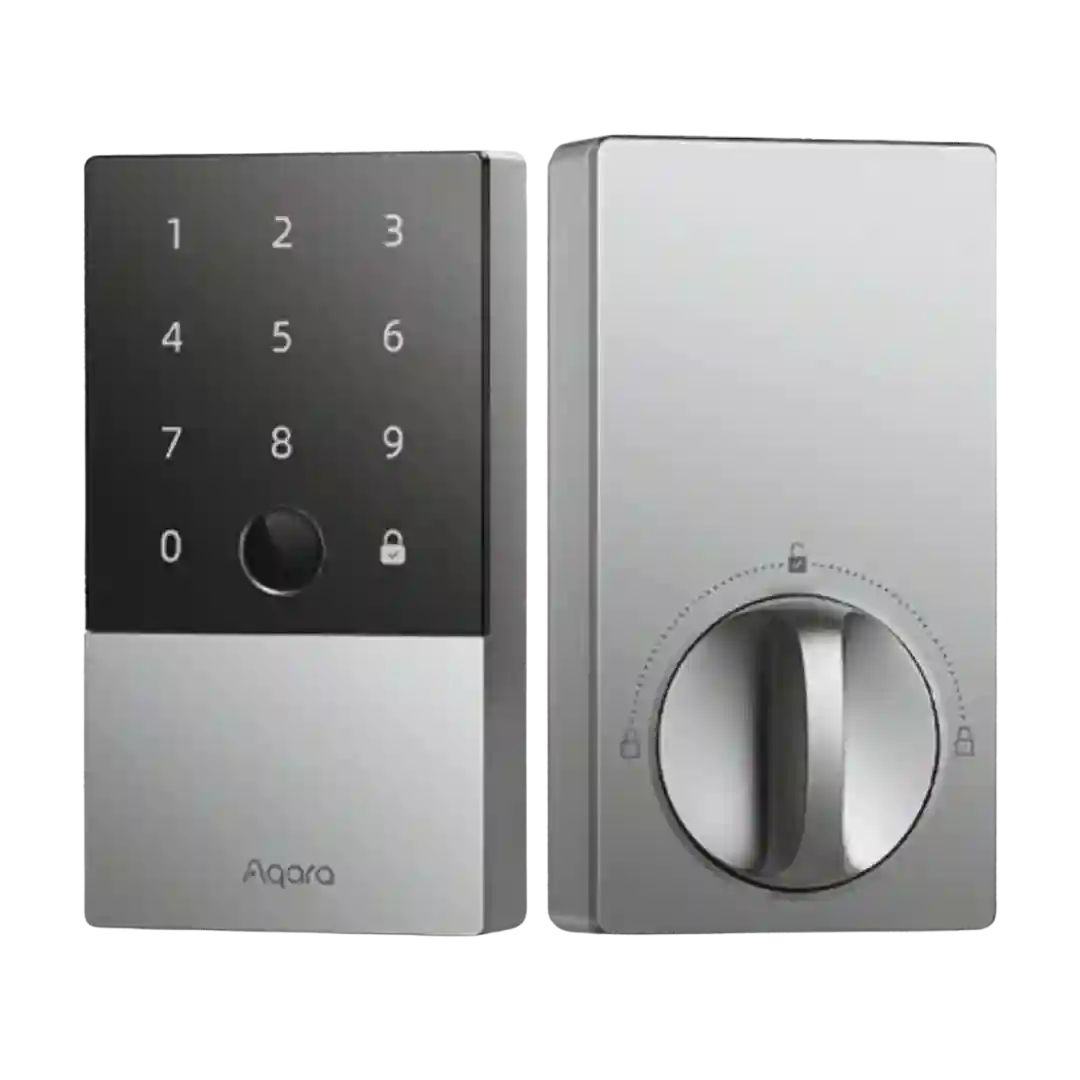
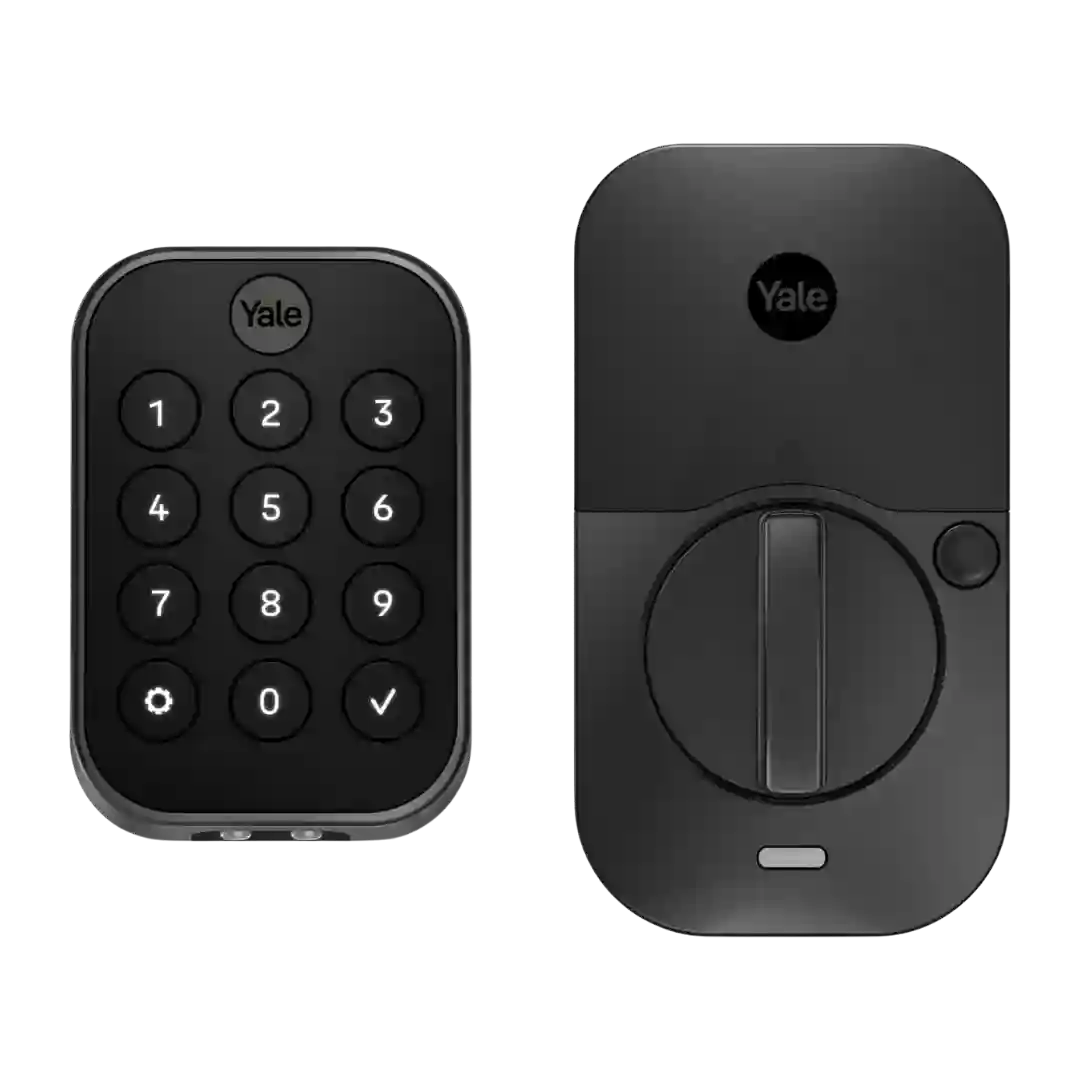
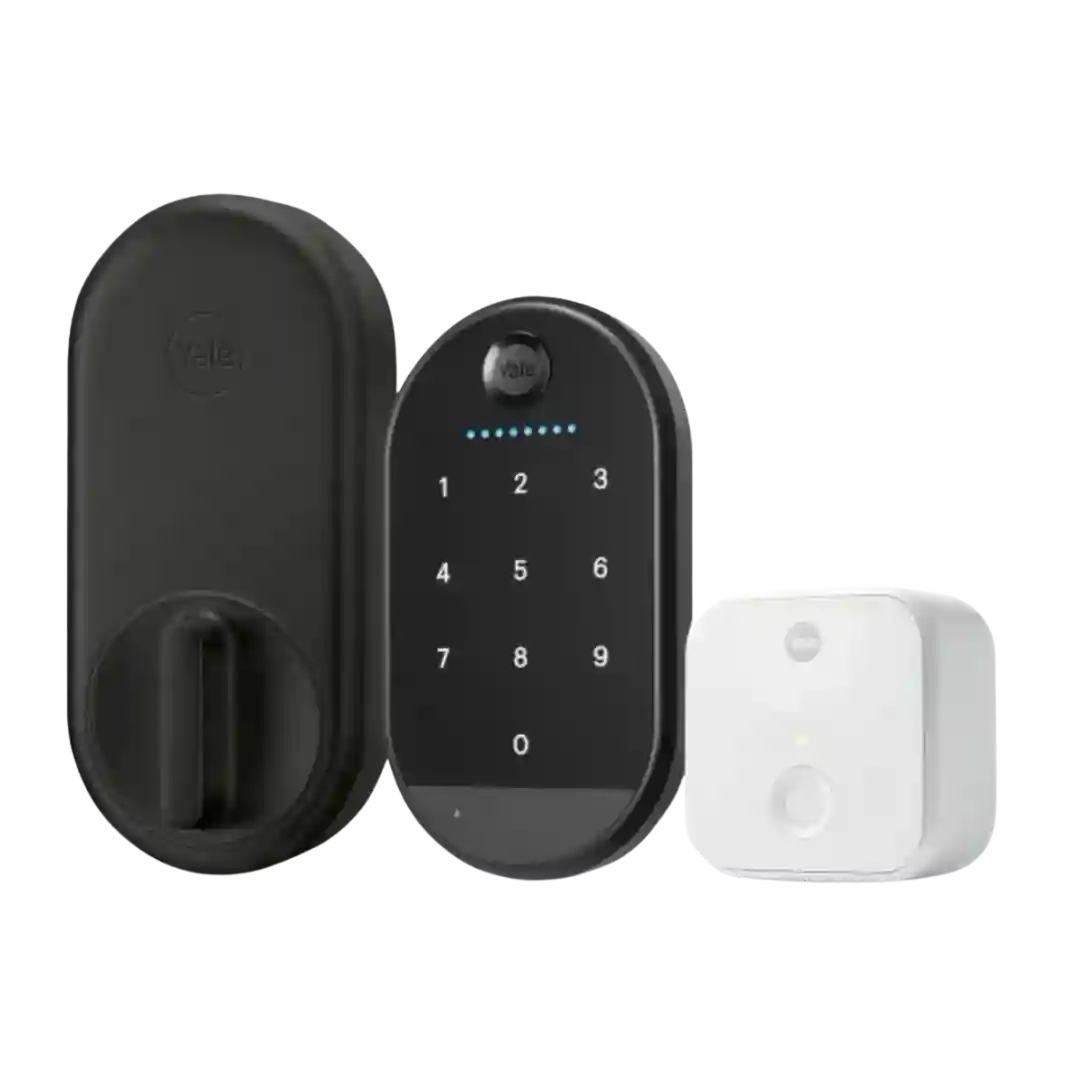
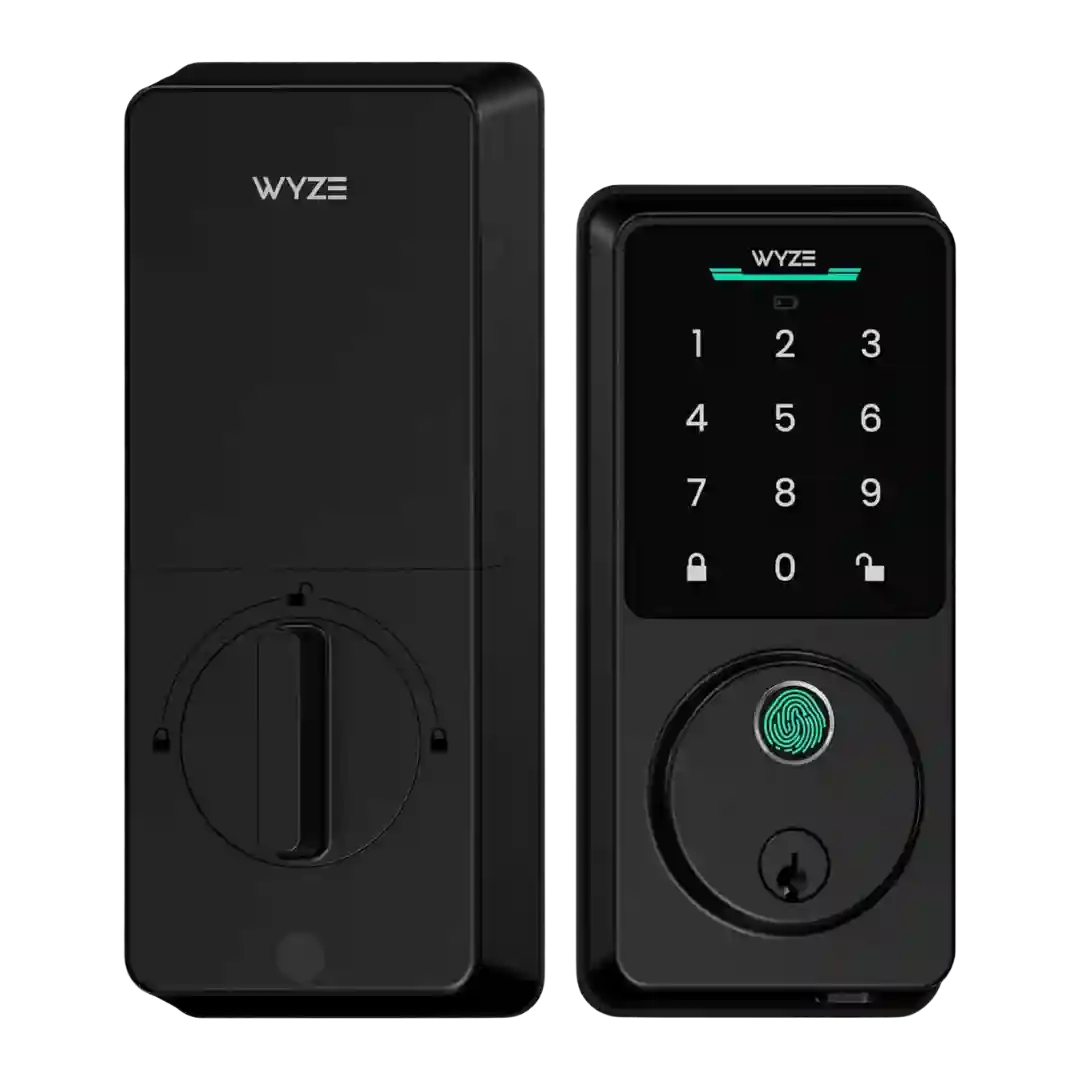
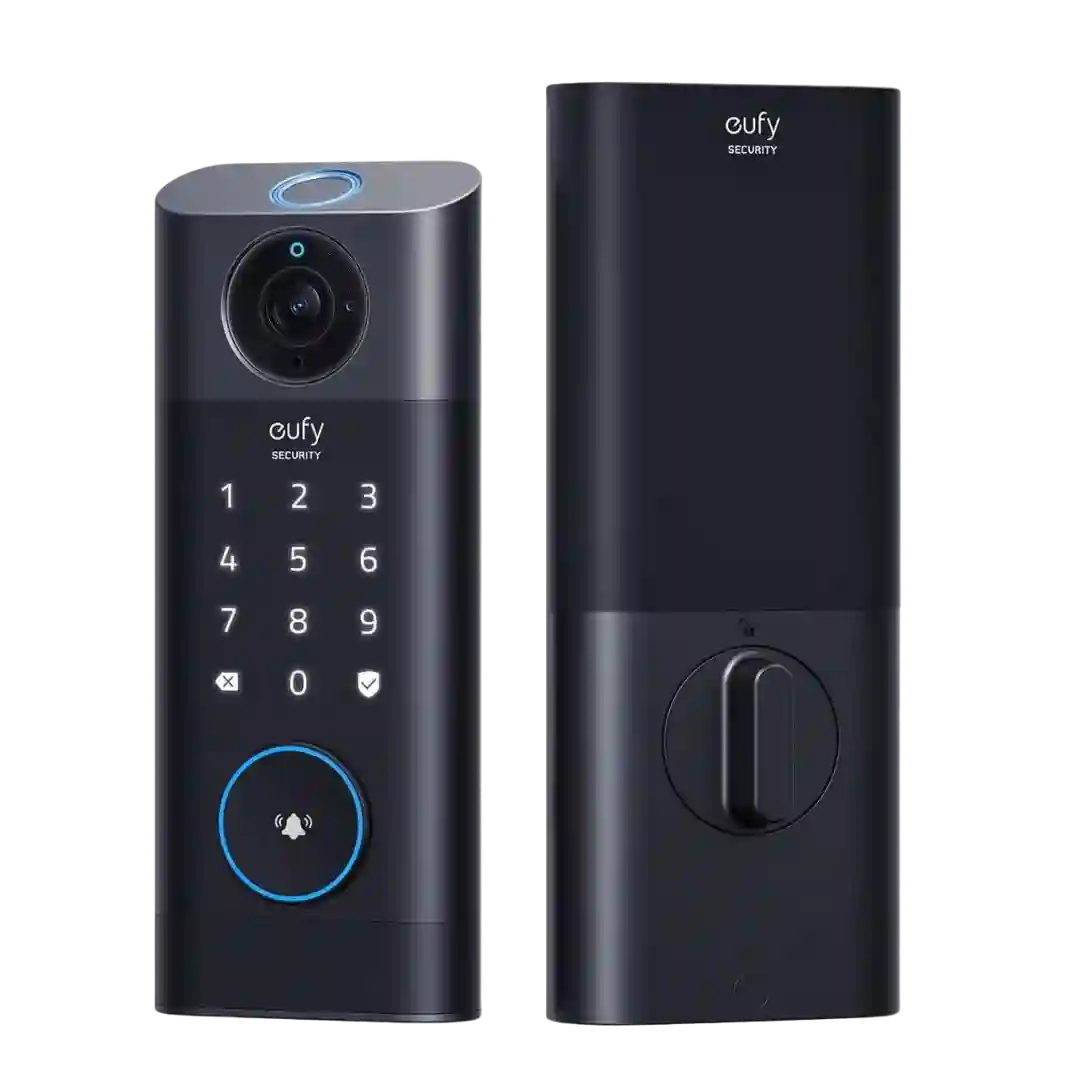
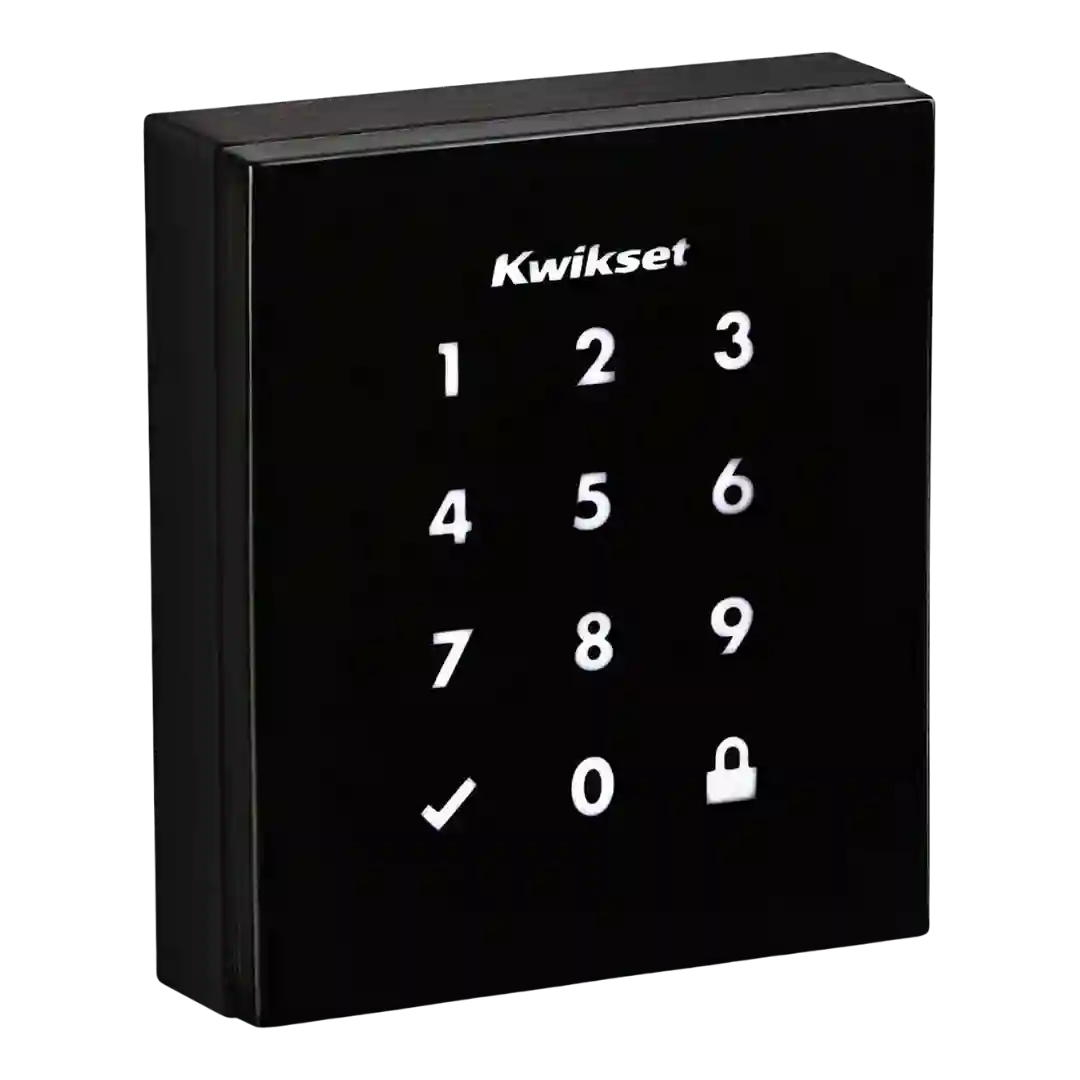
Smart-home integration is a major strength: Matter over Thread is repeatedly cited for broad compatibility (Apple Home, Google Home, Alexa, SmartThings, Home Assistant) and responsive local control. Apple Home Key is central to the best experience for Apple users.
Smart-home compatibility is repeatedly cited as a major strength, spanning popular ecosystems (including Apple Home/HomeKit, Alexa, Google, and, on some variants, Matter). A recurring caveat is that certain advanced features may still require the manufacturer app, and responsiveness can vary by platform.
Smart-home integration is a headline win: HomeKit with Home Key, plus Alexa and Google Assistant support are repeatedly cited. Thread support is highlighted as improving responsiveness and stability in Apple Home environments.
Integration is a major strength, with support for Apple Home/Home Key plus Alexa and Google; reviewers generally found commands and automations responsive once set up.
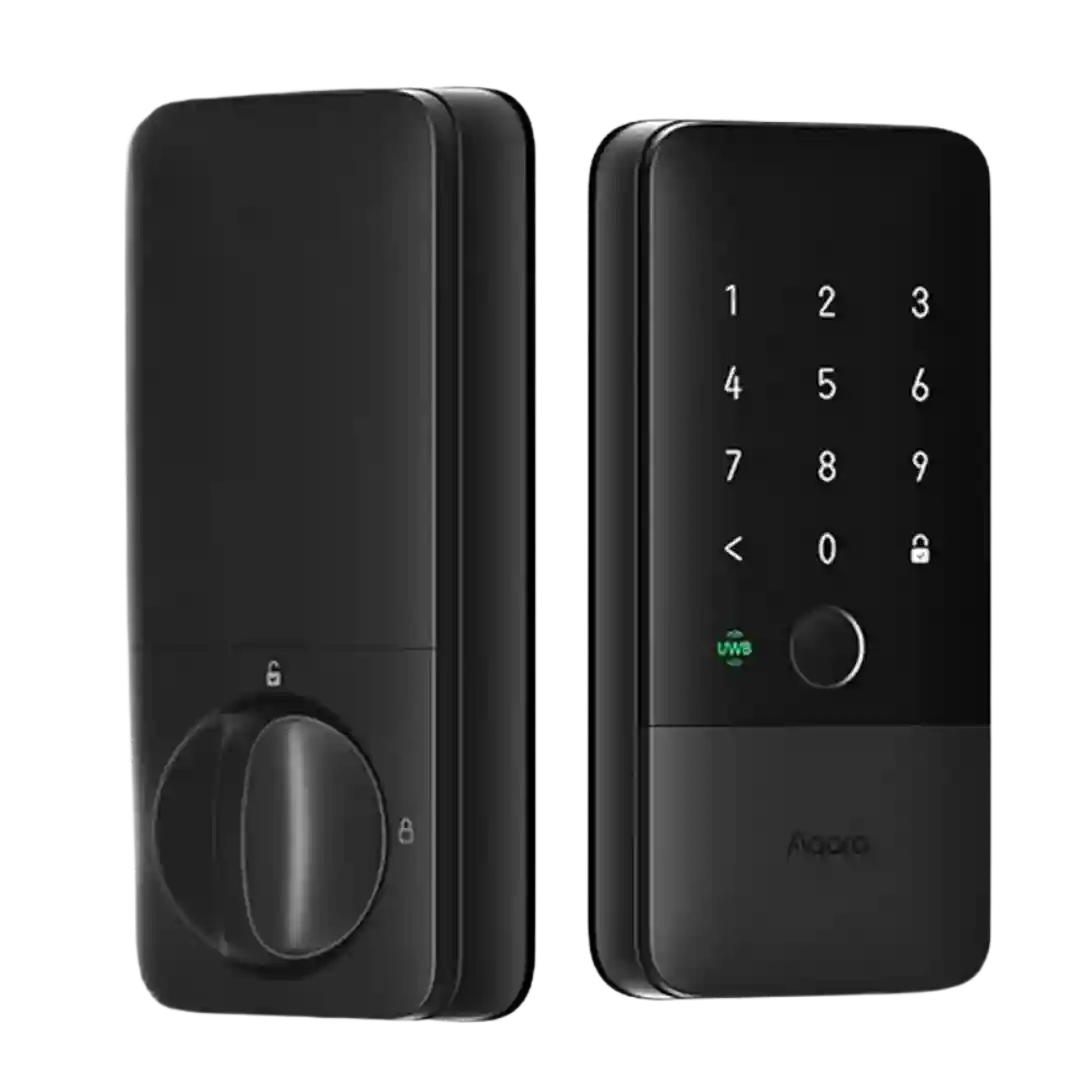
Integration is repeatedly cited as a strength, especially Apple HomeKey and Apple Home support; broader platform support (Google, Alexa, Matter/SmartThings) is often possible but typically depends on using an Aqara hub or compatible controller.
Smart-home integration is best in Apple Home/HomeKit, where Home Key is a standout differentiator. Alexa/Google/SmartThings support is more conditional (often bridge- or version-dependent), and Thread/Matter readiness is frequently discussed as a future-proofing promise.
Integration is a major strength: Apple Home/Home Key and Siri work well, and with an Aqara hub the lock can expand to Matter, Alexa, Google Home, and IFTTT. A few ecosystem-specific quirks and hub dependencies are the main downsides.
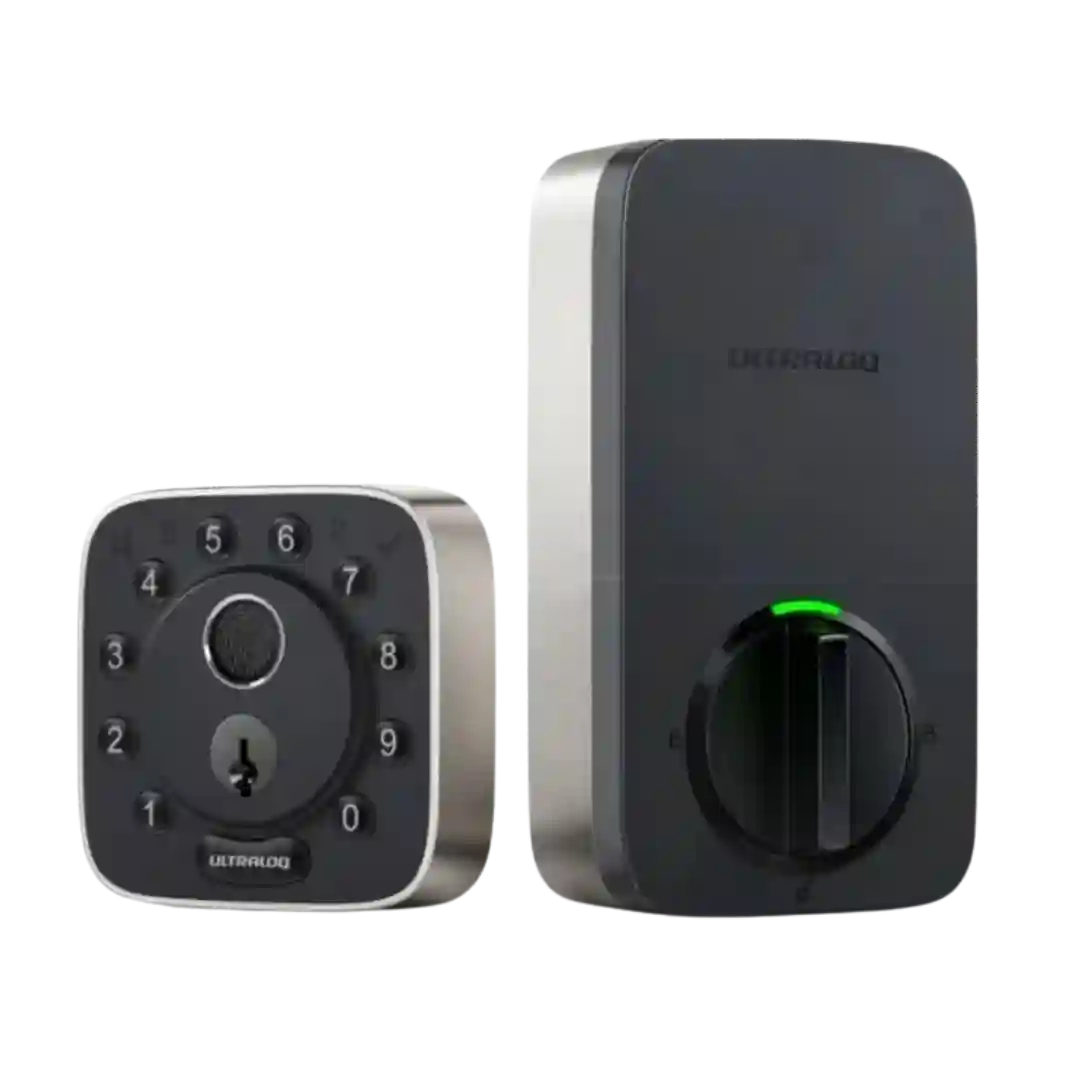
Ecosystem support is a strength when paired with the appropriate module, spanning HomeKit and (with Wi-Fi) Alexa/Google and other platforms; however, many variants lack Apple Home Key, and some users report platform-specific limitations like Google routines gaps or PIN-required voice unlocking.
Integration is good but not universal: Alexa and Google are commonly supported, HomeBase 3 adds more capability, and HomeKit support is notably absent.
Smart-home integration coverage centers on Alexa, Google Assistant/Google Home, and SmartThings/SmartThings-style ecosystems. Reviews do not clearly confirm HomeKit, Thread, or Matter support, so buyers wanting those should verify before purchase.
Smart-home integrations are broad (Alexa, Google, IFTTT, and sometimes SmartThings), enabling routines and automations. The most consistent limitation is the lack of Apple HomeKit support; setup can also be a bit quirky depending on how platforms label the integration and which connectivity version you own.
Matter/smart-home integration typically requires a hub or SwitchBot bridge device and often exposes a basic lock/unlock experience in platforms like Apple Home or Home Assistant. Results range from smooth to slow/unreliable depending on ecosystem and setup, so local keypad entry is often the fastest path.
Smart-home integration is a core strength with support for Alexa, Google, and HomeKit (plus other ecosystems noted in reviews), though HomeKit stability and device state accuracy are not perfect for every user over time.
Integrations are strongest with Alexa, Google Assistant, Amazon Key, and select Ring doorbells/cameras; repeated drawbacks are no Apple HomeKit on this model, limited Google capabilities, no IFTTT/SmartThings, and known Ring Alarm limitations.
Smart-home compatibility is frequently advertised as broad (Matter/Thread plus major platforms), and pairing generally works, but reviewers repeatedly note that third-party apps expose only basic lock functions and omit many advanced features (especially doorbell/camera and granular access controls).
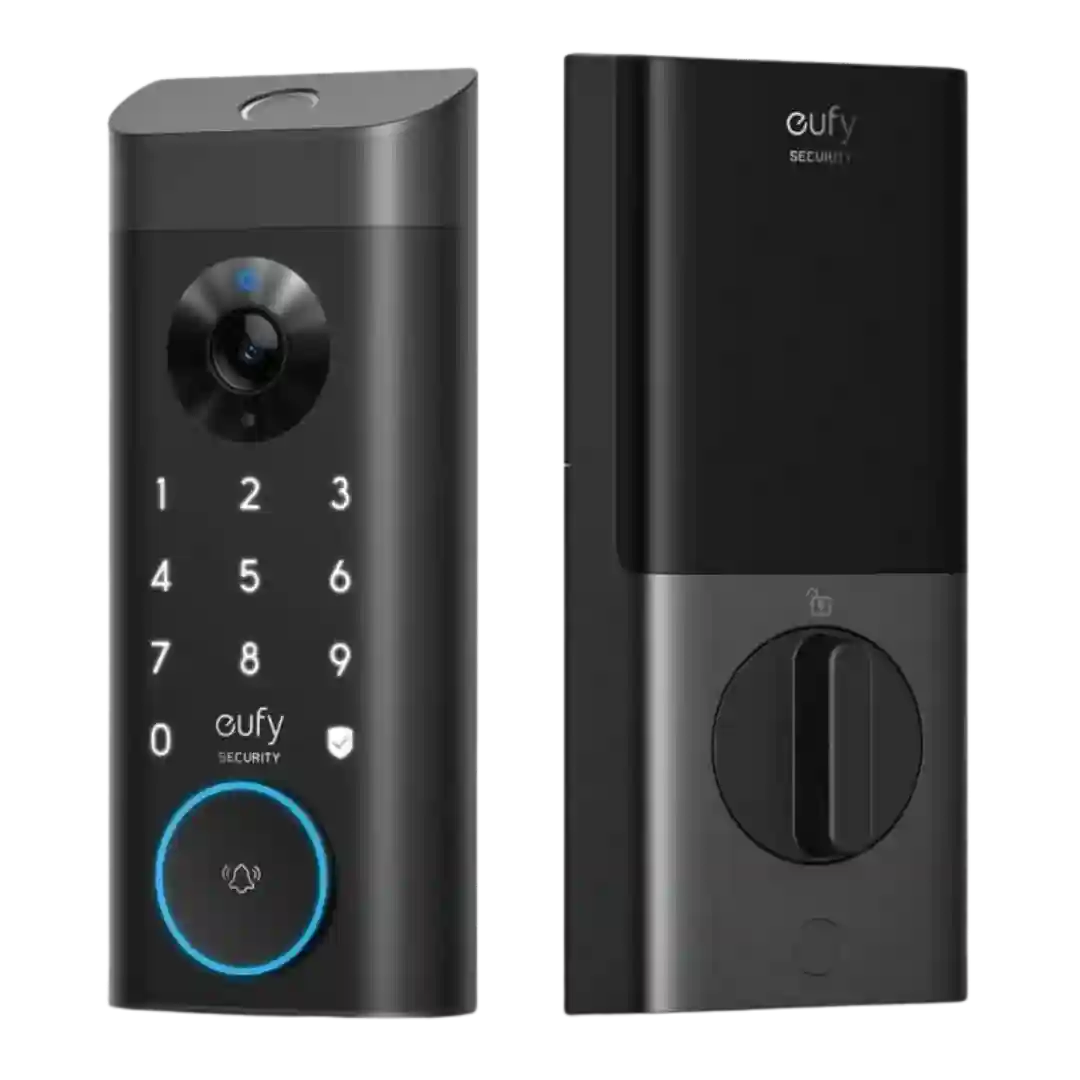
Matter support and voice assistant compatibility are consistently described as real but limited: third-party platforms generally expose basic lock controls, while camera, doorbell, and palm features remain primarily inside the Eufy ecosystem.
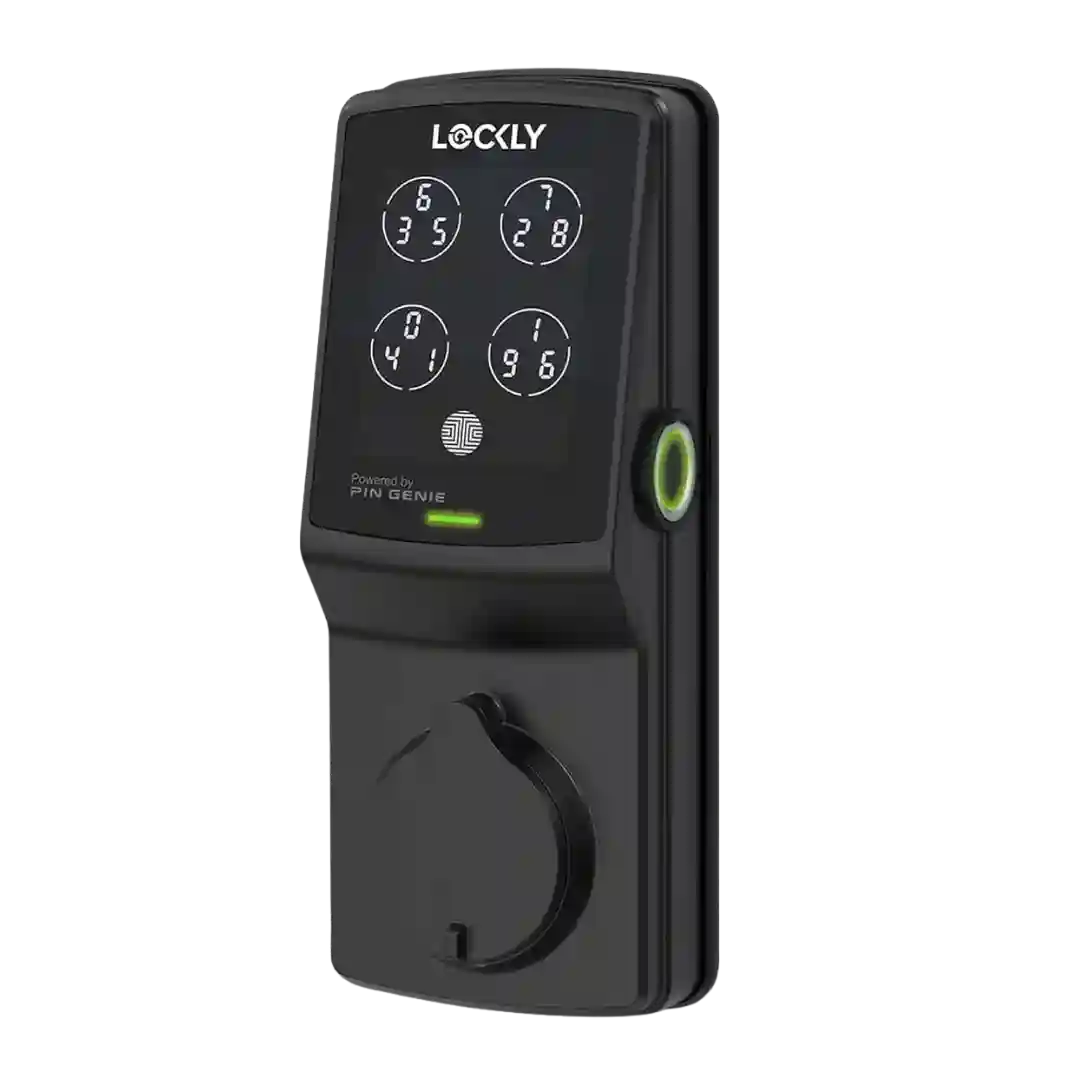
Smart-home platform support is commonly reported for Alexa, Google Home, SmartThings, and Hue integrations, but multiple reviews emphasize the lack of HomeKit at the time of testing. Matter and Thread are frequently referenced as planned for the future rather than enabled today.
Smart-home integration is largely limited to Alexa and Google (including routines), with multiple sources explicitly noting no HomeKit or Matter support at launch.
Smart-home integration is limited compared to ecosystems that prioritize Apple: reviewers consistently note Alexa and Google support, but no Apple HomeKit, Matter, or IFTTT.
Integration centers on Z-Wave hubs (such as SmartThings, Wink, and Control4) with Alexa/Google voice control typically routed through that hub; multiple reviews call out missing native HomeKit support.
Works with Alexa and Google Assistant and can be used in routines, but reviewers repeatedly call out limited ecosystem depth (no HomeKit, no IFTTT) and fewer third-party integrations than some rivals.
Integration is largely described as Nest-centric, with frequent notes that HomeKit, SmartThings, Z-Wave, and similar ecosystems are not supported. Nest Secure integration is a standout, while cross-platform smart-home flexibility is a common weakness.
Smart-home support is consistently limited to Alexa and Google ecosystems, with repeated callouts that Apple HomeKit and Matter support are not available.
Integration is limited compared with top competitors: Alexa and Google Assistant support is common, while Apple HomeKit and Matter are repeatedly reported as unsupported, and IFTTT/Home Assistant support is also commonly cited as missing.
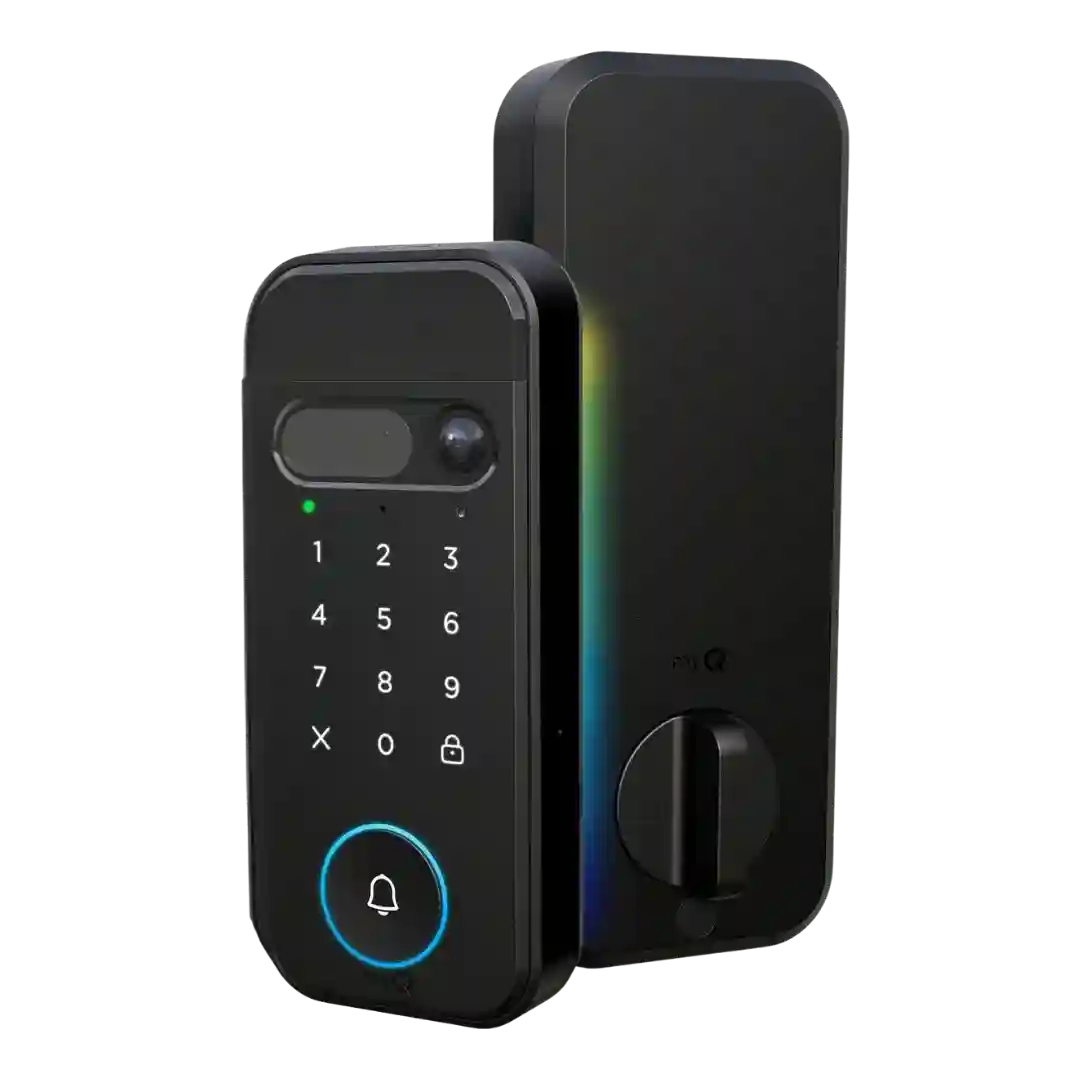
Coverage repeatedly notes limited integration with major platforms (Apple Home/HomeKit, Alexa, Google) and stronger ties to the myQ ecosystem and select security partners.
Smart-home integration is limited without accessories; Alexa and Google support is tied to the Wi-Fi hub, while HomeKit, Matter, Thread, and IFTTT-style automation are repeatedly noted as absent or limited.