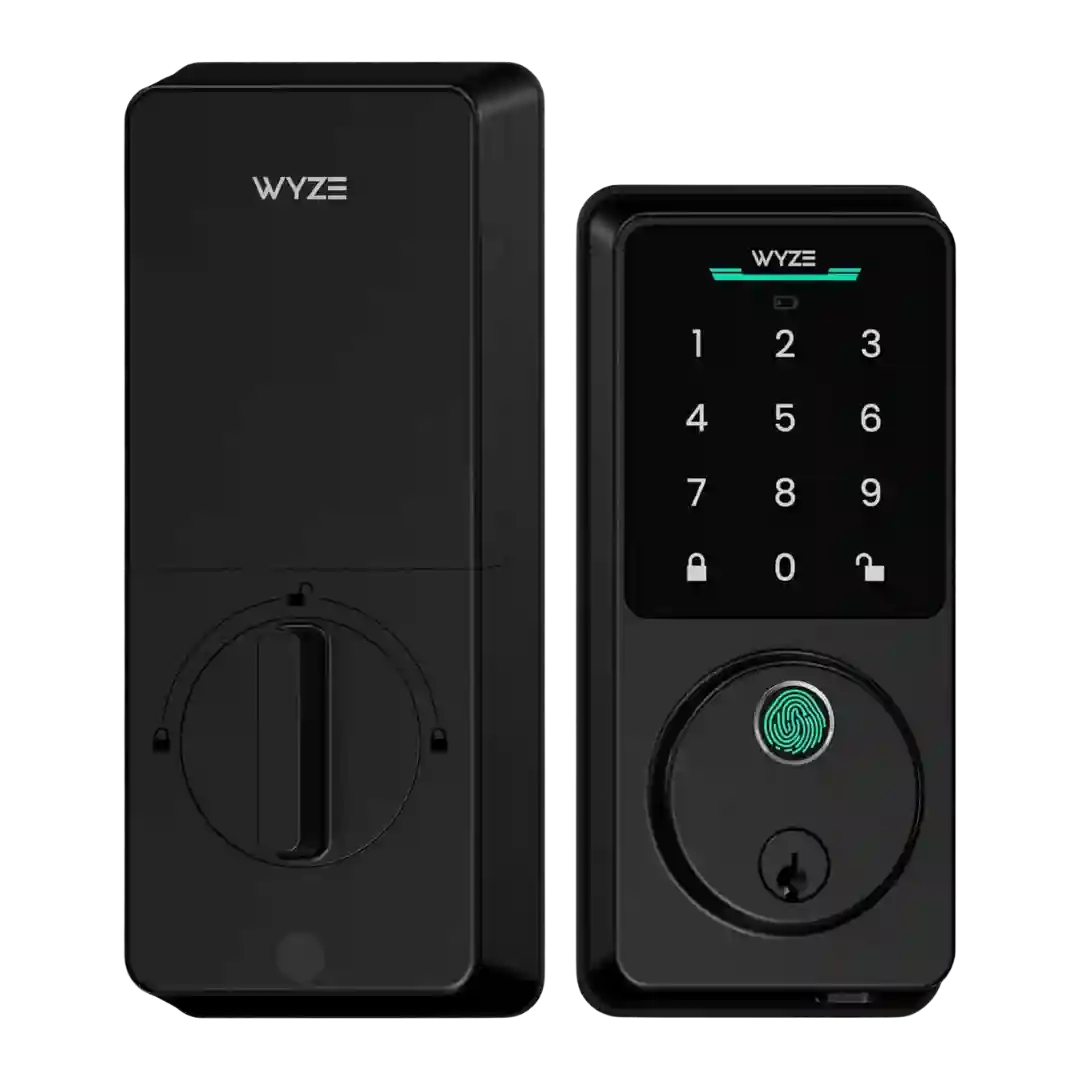
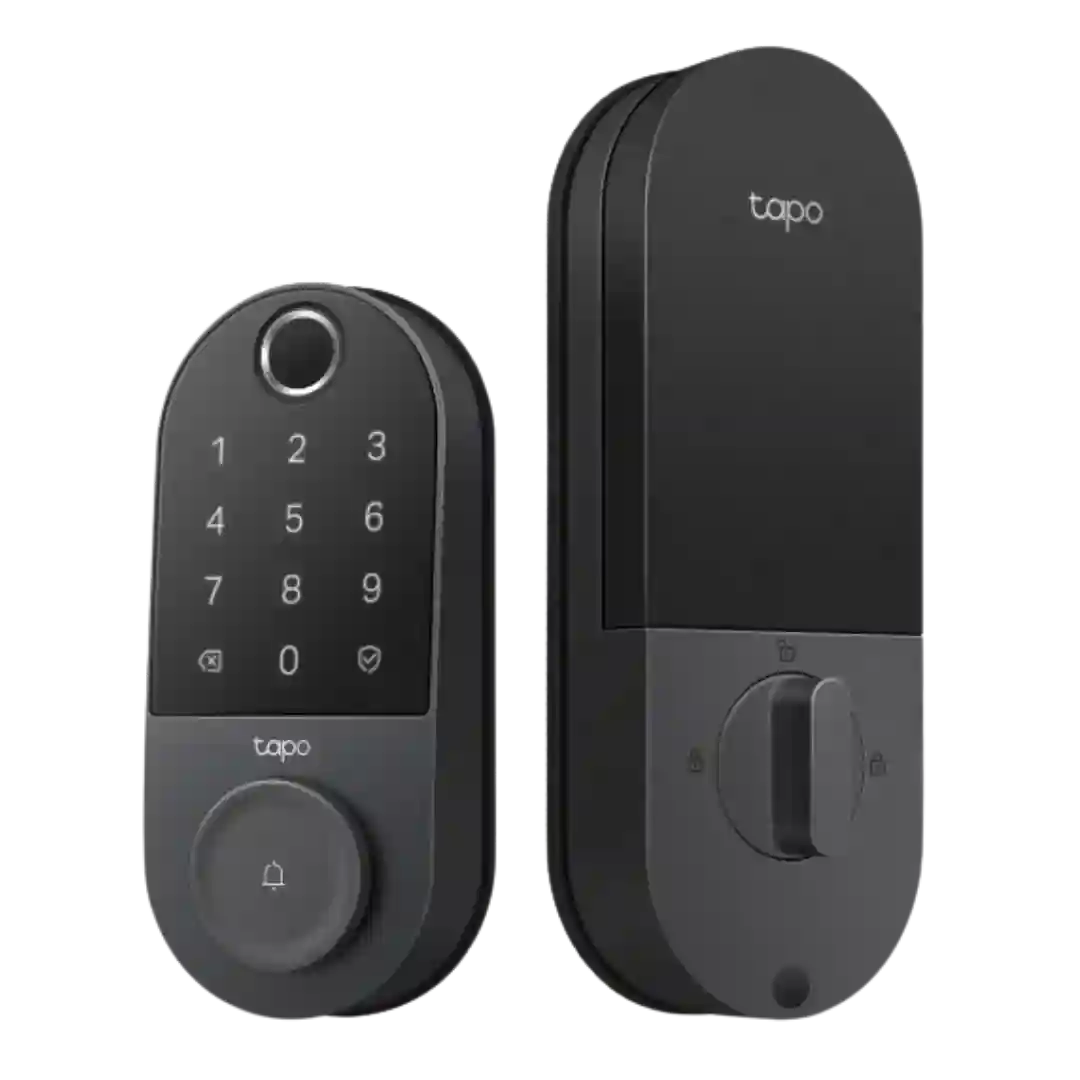
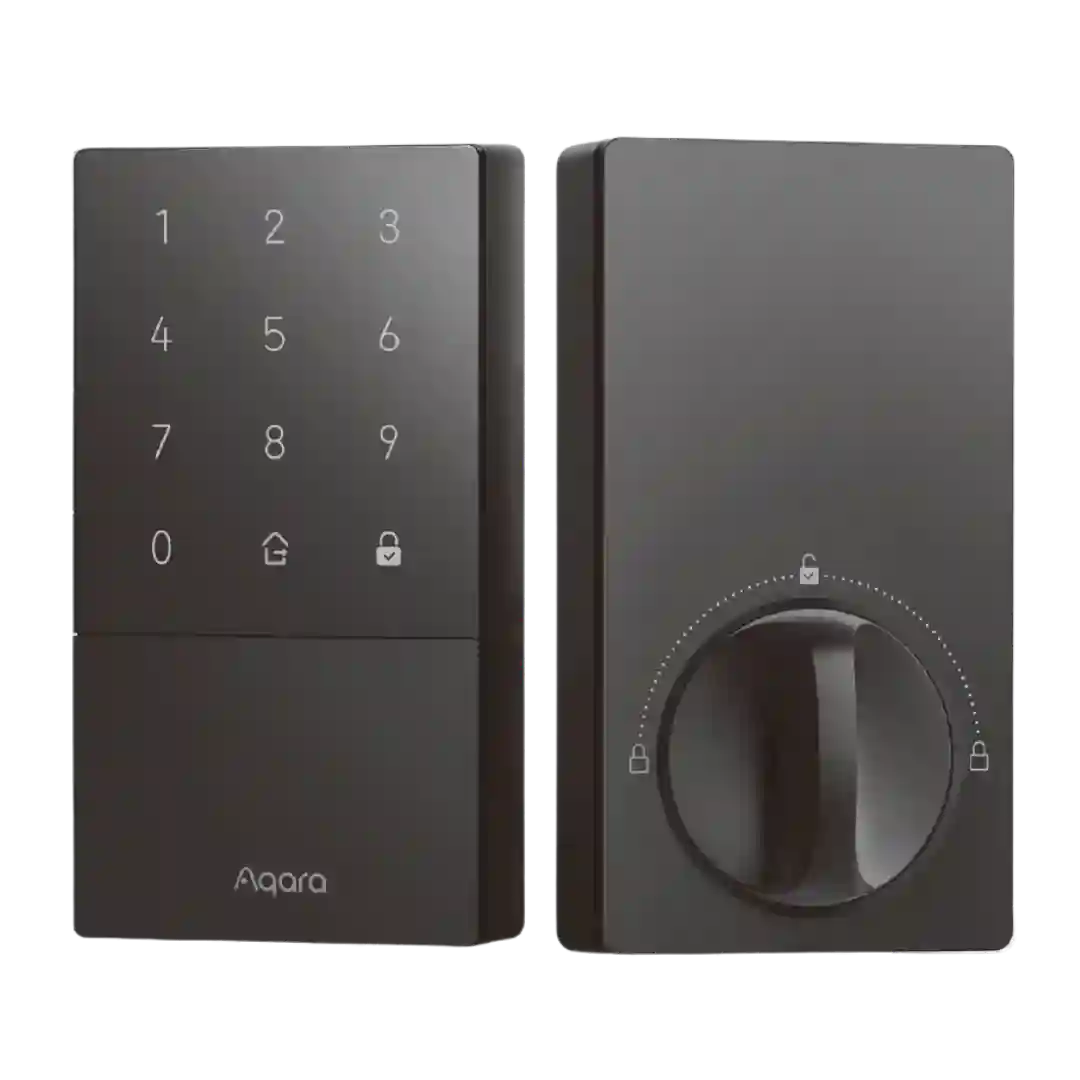
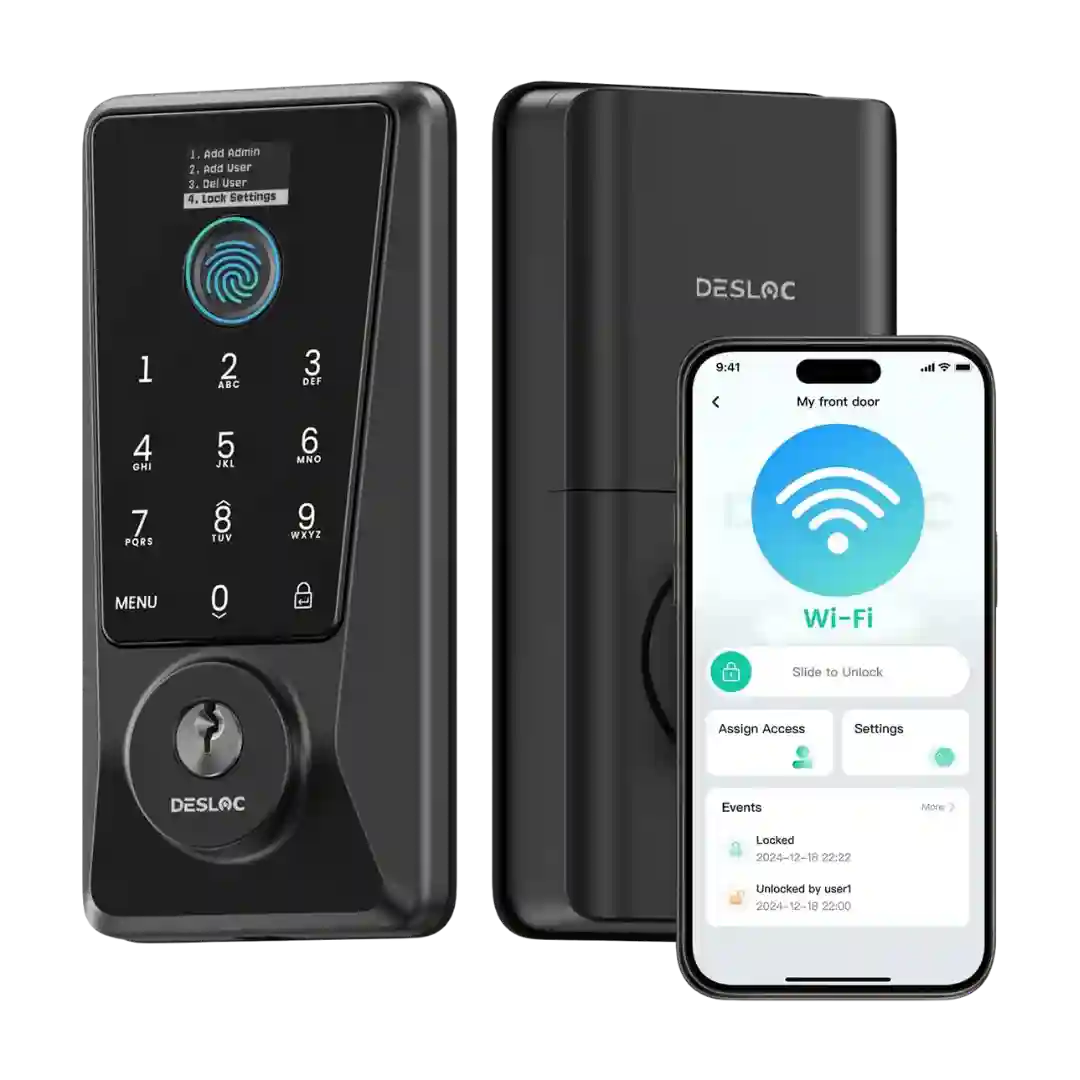
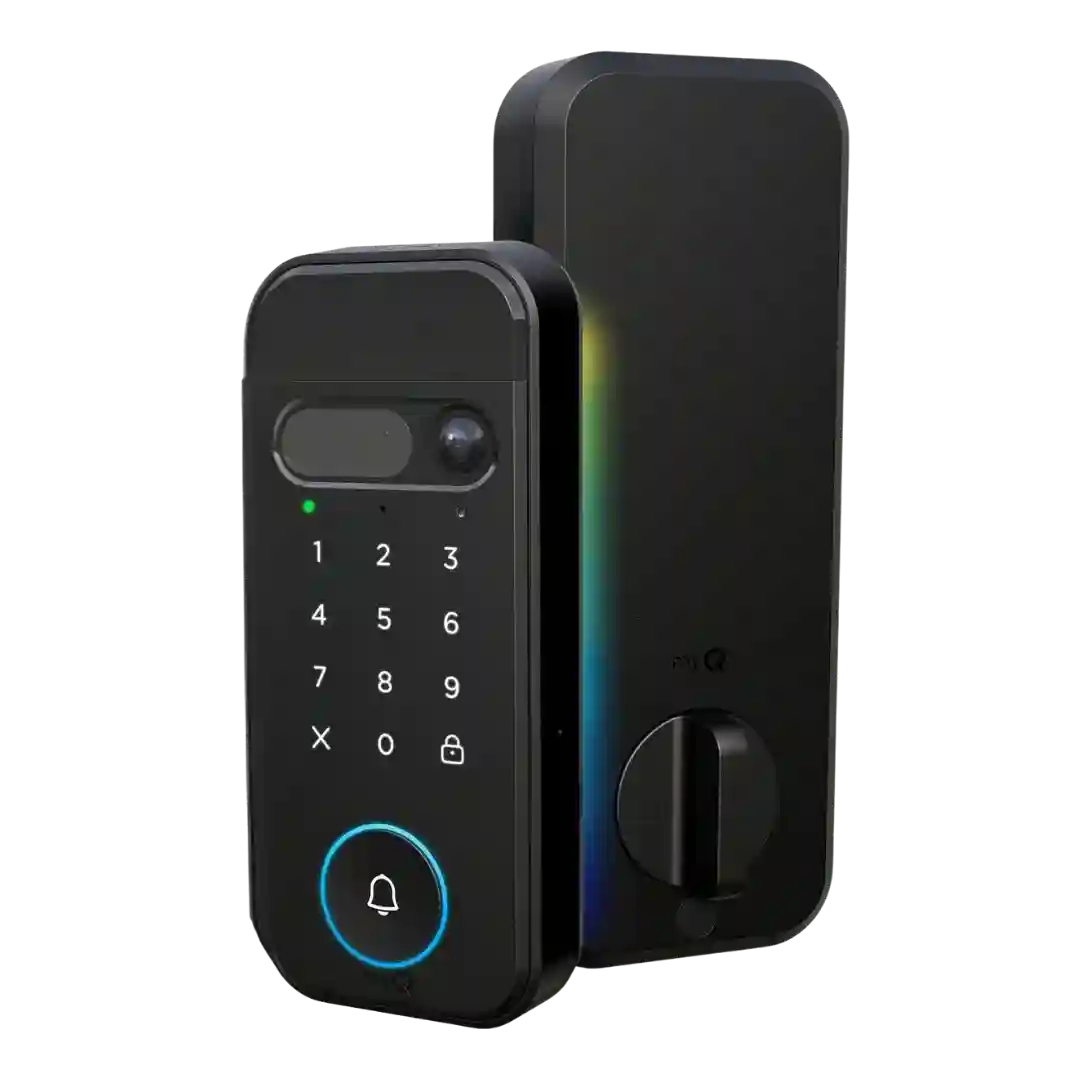
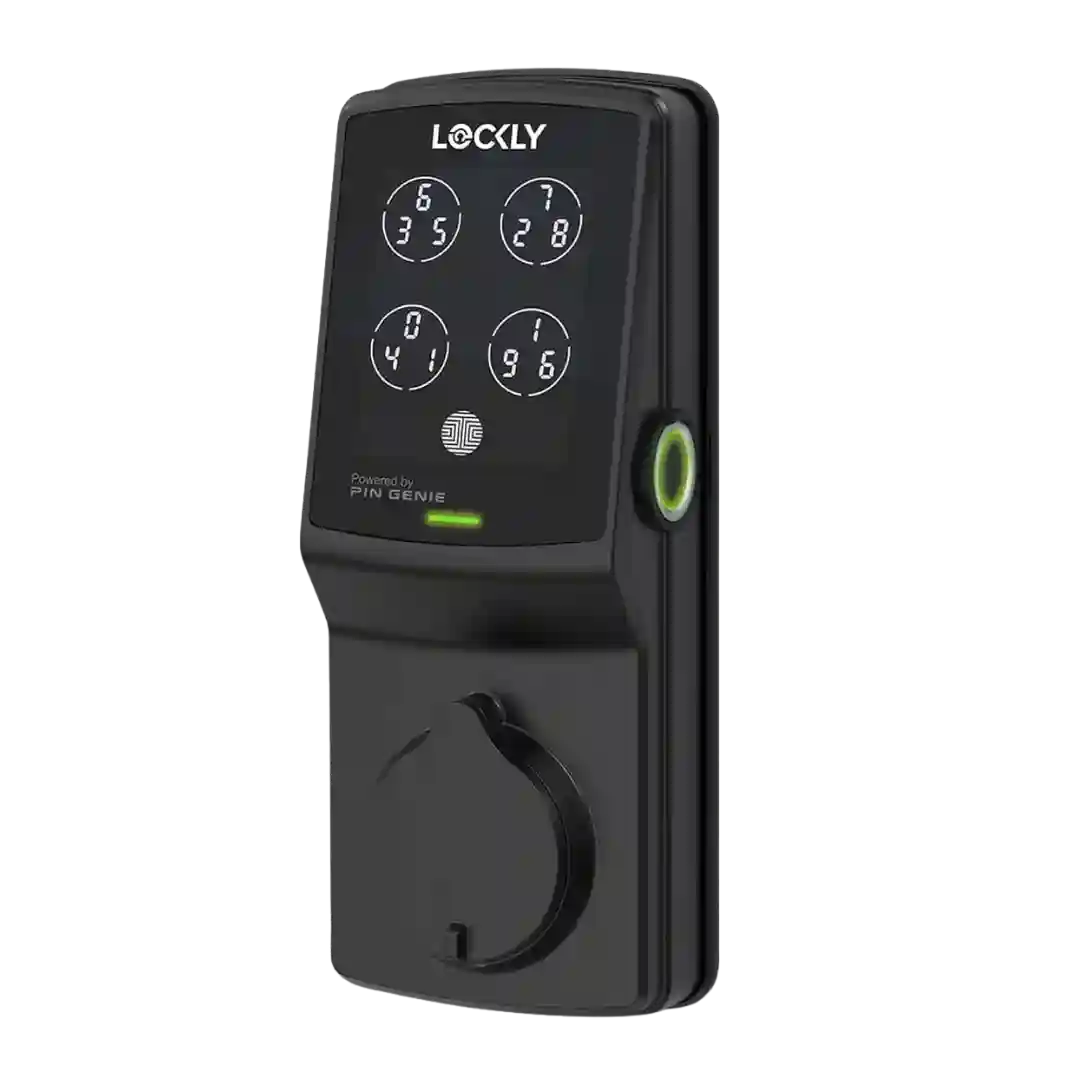
Across reviews, the standout theme is value: a sub-$100 price for Wi-Fi remote control, keypad, and fingerprint access is repeatedly framed as best-in-class for budget buyers.
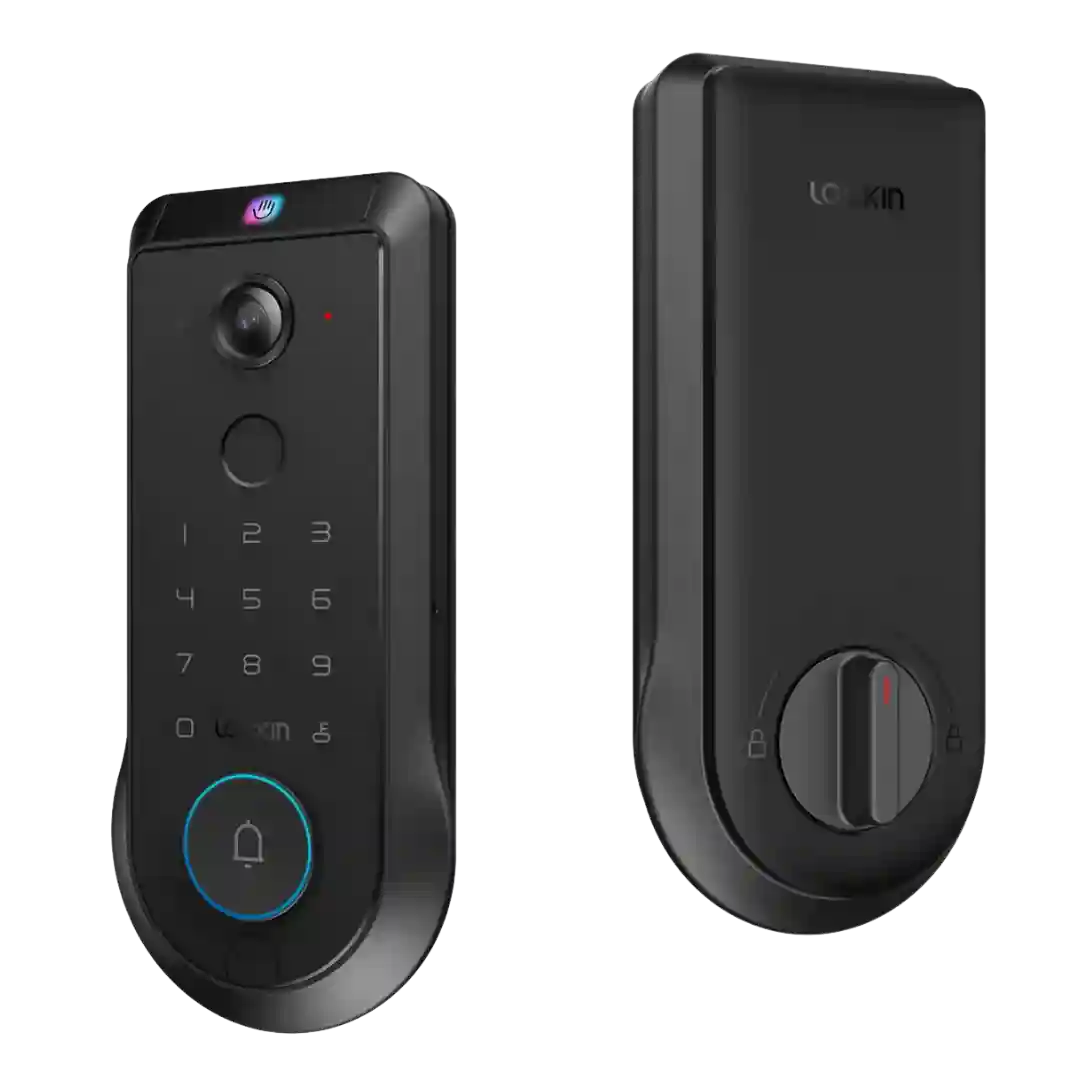
Value is a dominant theme: reviewers repeatedly frame the DL110 as delivering premium-feeling features (fast fingerprint, Wi-Fi remote access, logs, alerts, doorbell) at a far lower price than many competing locks.
Value is a major theme: most reviews call U50 one of the most affordable HomeKey-capable options, though the need for an additional hub to unlock full functionality can reduce the perceived bargain.
Many reviews frame the lock as strong value, especially when discounted under $100, due to built-in Wi-Fi and multiple entry methods, but one outlet argued the compromises (install quirks and scanner quality) reduce the perceived bargain.
At roughly $129 for the lock (and more for keypad bundles), most reviewers consider it strong value for a retrofit smart lock, especially versus pricier alternatives. The value case weakens if you factor in the bridge outlet requirement, installation complexity, or a higher risk of setup and reliability hiccups.
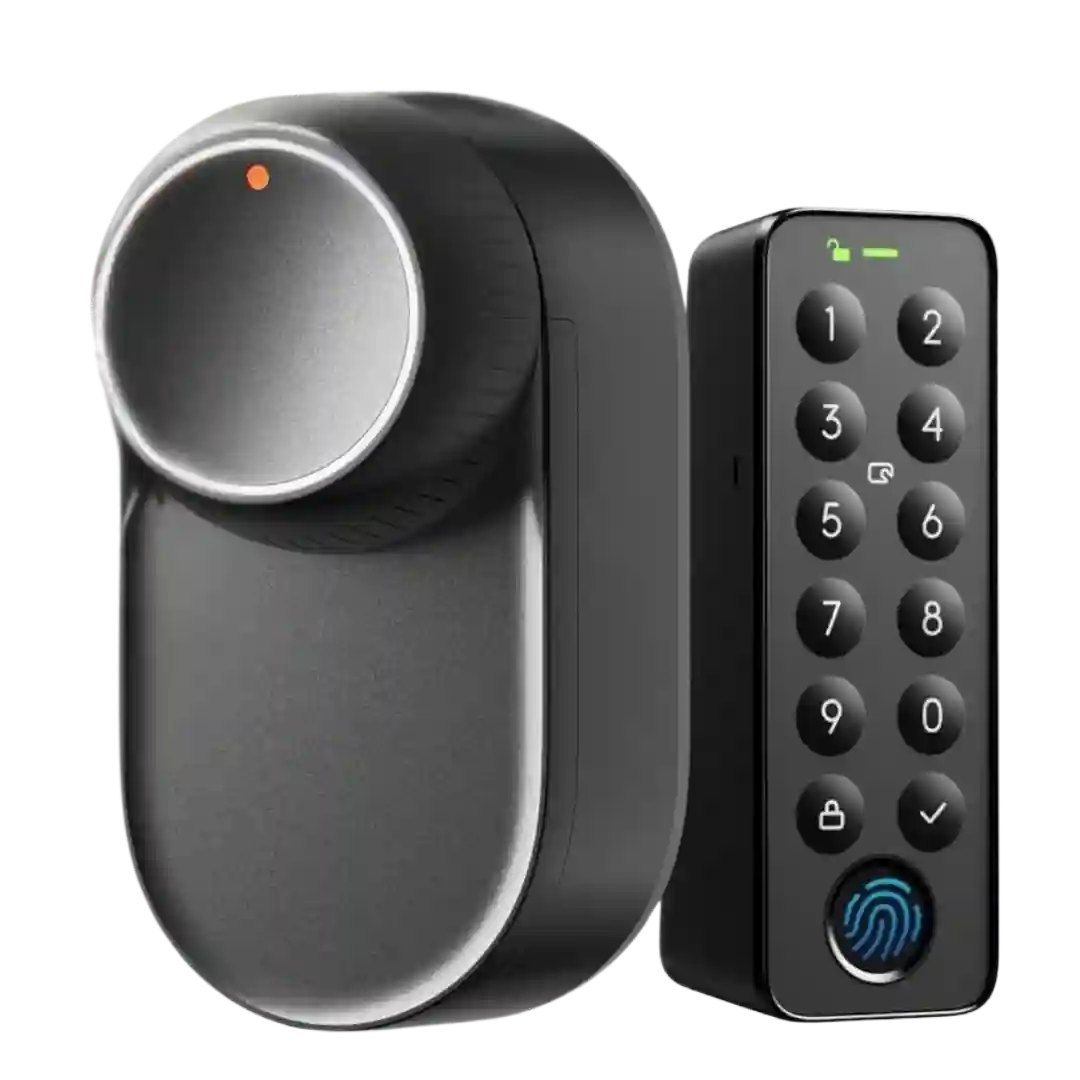
Value is often viewed as strong for a modern retrofit lock, particularly for users already in the SwitchBot ecosystem. Total cost can rise quickly if you add a hub and the Vision keypad, at which point some reviewers compare it to full smart-lock alternatives.
Value is frequently rated high, especially when discounted and compared with other Home Key locks. The main price caveat is that adding hubs can push the total closer to premium competitors.
Value is generally rated positively relative to competitors because it bundles many entry methods (fingerprint + keypad + app + key) and strong guest-management features. Some reviewers still call MSRP expensive, but discounts and the feature set often shift the judgment toward good value.
Value is debated: many feel the hub-free Wi-Fi convenience and high security rating justify the premium, while others consider it expensive versus competitors, especially given missing HomeKit/geofencing and the need to replace AA batteries more often.
Value is commonly described as strong for a palm-recognition lock, especially when discounted below MSRP. Some reviewers still feel it competes in a crowded price tier where better ecosystems exist, so the app and integration limits factor heavily into perceived value.
Value is framed as strongest when the price is closer to the low-to-mid $300s, since it combines multiple devices and includes the chime/bridge. At full price near $400, reviewers still call it feature-rich, but expectations rise for perfect reliability and broad ecosystem support.
Pricing is often framed around a roughly $270 tier: some call it reasonable for first-to-market UWB convenience, while others label it pricey compared with strong fingerprint-first alternatives. The perceived value rises sharply for Apple Home users who will actually use UWB daily.
Value depends heavily on price: reviewers see the all-in-one concept and no-subscription local storage as compelling, but MSRP is considered expensive, and early-bird pricing is viewed as much more competitive given software maturity concerns.
Value depends heavily on configuration: the base lock can feel reasonably priced for the design and access features, but Wi-Fi and future modules add cost, making it less appealing if long battery life or flawless connectivity are your top priorities.
At roughly $349, it sits at the premium end; many reviewers feel the feature set earns the price, while others think it is hard to justify without built-in video doorbell functionality.
Pricing is commonly described as on the expensive side for a smart lock, but some reviewers feel the access flexibility and ecosystem support justify it. Value perception drops when reviewers encounter connectivity problems, missing built-in Wi-Fi on certain variants, or loud motor noise.
Price is repeatedly described as premium, and value is framed as strongest for Apple households who will use Home Key daily. Outside that use case, reviewers suggest the cost and feature omissions (like fingerprint or geofencing) may be harder to justify.
Pricing is often called high but competitive for built-in Wi-Fi smart locks; many justify it for the retrofit convenience, while critics point to CR123 upkeep and occasional reliability hiccups as value detractors.
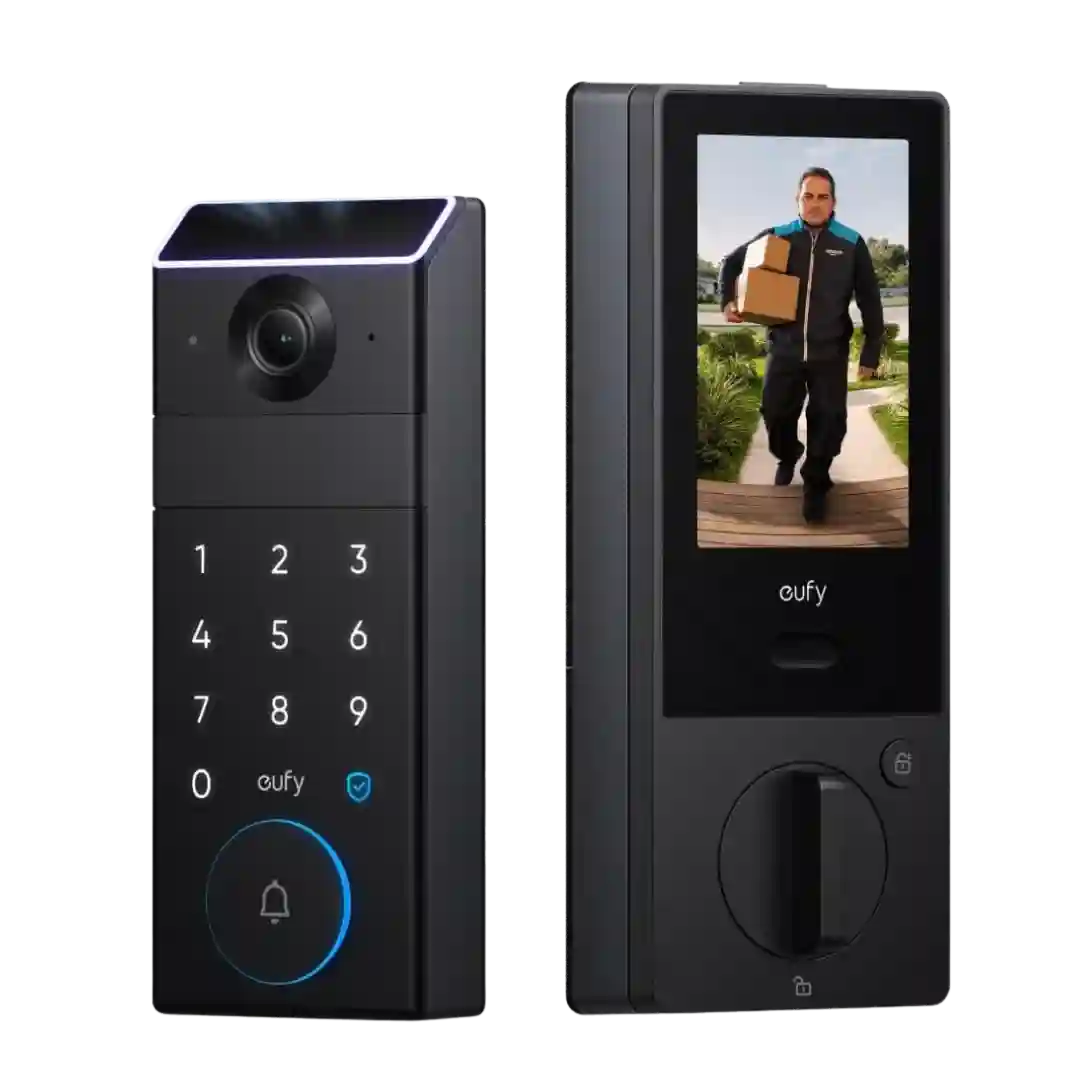
Value is mixed: the combined lock-camera-doorbell design and no-subscription local storage are appealing, but the price stings more when battery life or fit issues reduce the benefit.
Pricing is consistently called high (roughly $329-$349). Reviewers see the value proposition as strongest for buyers who prioritize an invisible design plus Home Key convenience, and weakest for those who want built-in keypad features or higher-security cylinders without extra cost.
Price is the biggest recurring downside: most reviews call it expensive, though many also concede it can replace a separate smart lock and doorbell. Value improves most for users who genuinely want the integrated screen and consolidated hardware.
Pricing is typically described around the mid-$200 range. Some reviewers call it fair for hub-free Wi-Fi plus fingerprint, while others say it is expensive compared with better-integrated competitors.
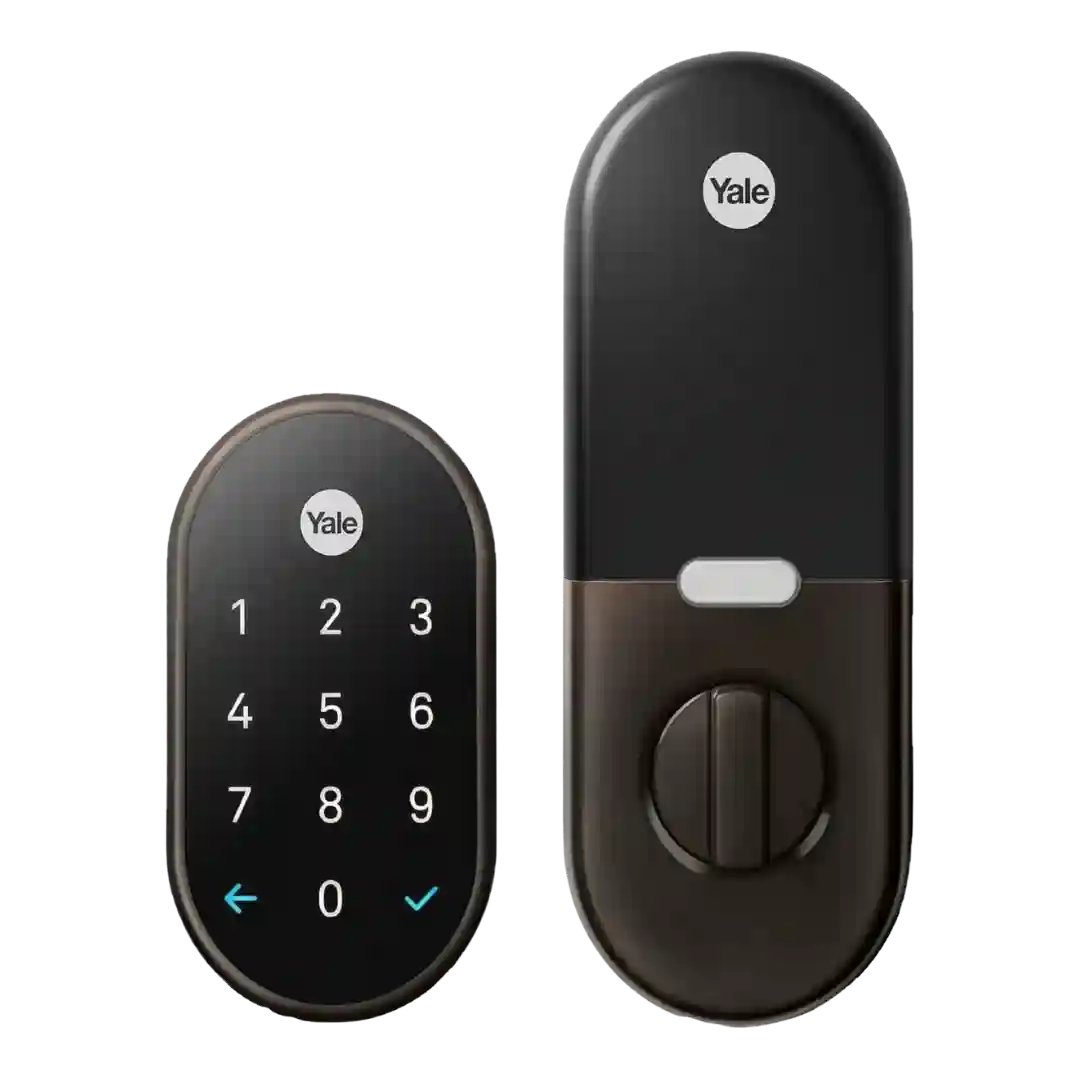
Most reviewers call the lock expensive, especially if you also need a Nest Connect or paid installation, but several still consider it worth it for Nest households. Value drops sharply for people who are not already committed to the Nest ecosystem.
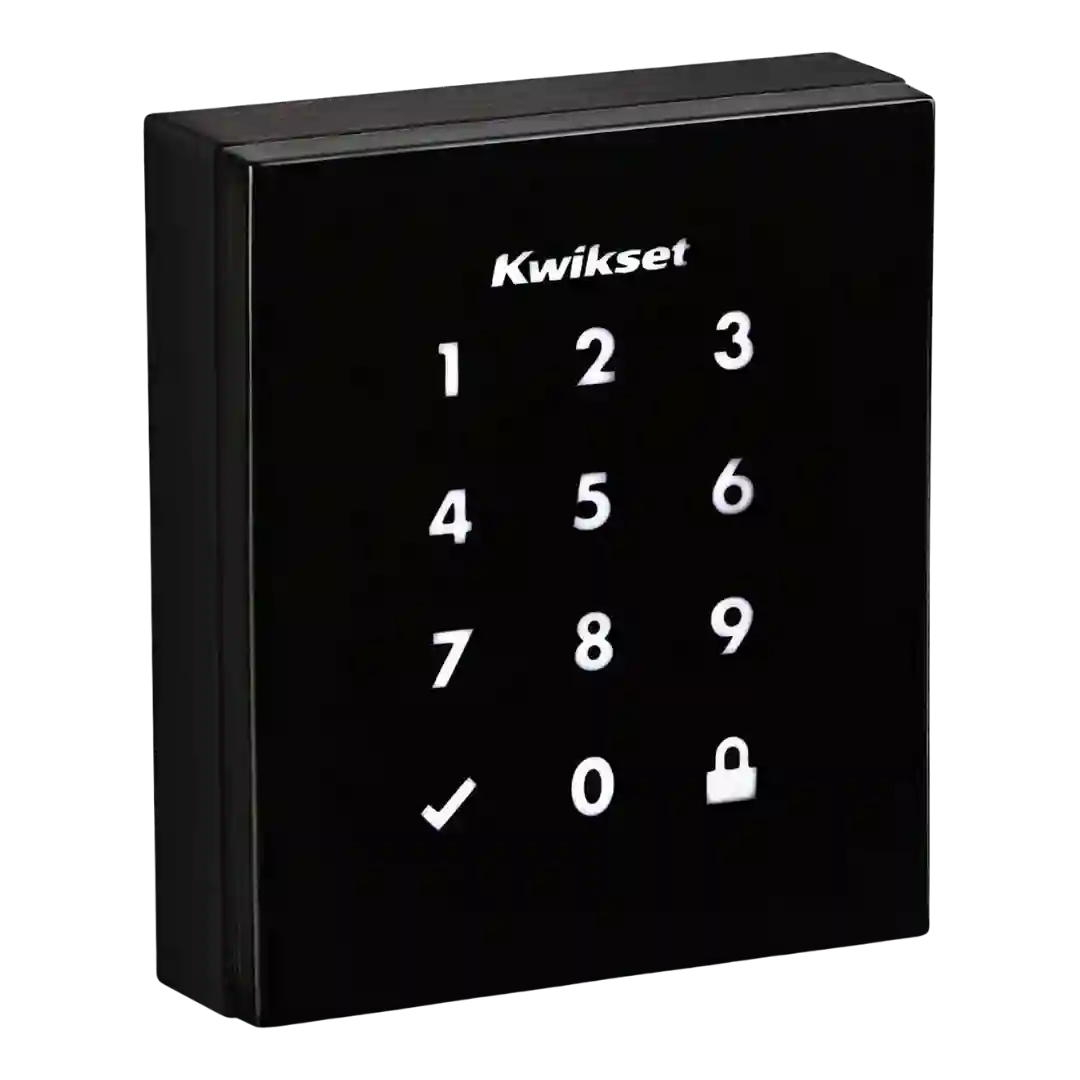
Pricing is mid-to-premium for a touchscreen deadbolt; value is better if you already own a Z-Wave hub, but paying extra for a hub and living with limited code controls can reduce perceived value.
At roughly $279.99 plus potential monthly fees for premium camera/AI features, reviewers frame it as a premium-priced option where total cost depends on whether you subscribe.