
Accessibility support was praised in one review because infinite blood mode lets players avoid feeding pressure and focus on the story.
Pros: accessibility options, protagonist appeal
Cons: frame rate stability, polish
Accessibility support was praised in one review because infinite blood mode lets players avoid feeding pressure and focus on the story.
Pros: accessibility options, protagonist appeal
Cons: frame rate stability, polish
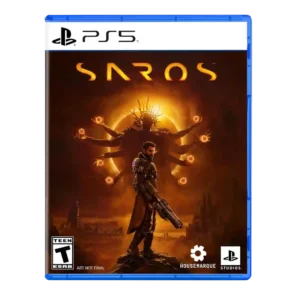
Reviewers praised Saros for broad accessibility and difficulty-tuning options, including modifiers, visual recoloring, remapping, and ways to soften or intensify challenge.
Pros: value for money, fun factor
Cons: map and navigation design, side character depth
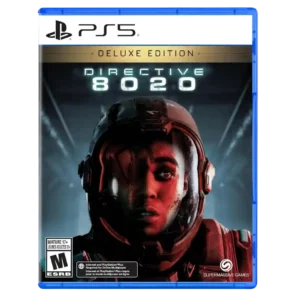
Accessibility options were praised for letting players tailor death risk, difficulty, and skill demands to different comfort levels.
Pros: user interface design, graphics quality
Cons: combat system, animation quality
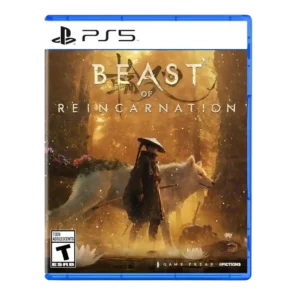
Difficulty can be raised or lowered at any time, and generous parry timing makes the combat more approachable. No broader accessibility suite was evaluated, but the available flexibility is encouraging.
Pros: soundtrack quality, value for money
Cons: onboarding experience, aiming precision
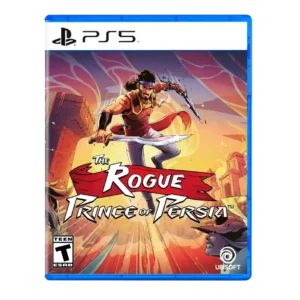
Accessibility was positively noted where reviewers mentioned useful or extensive options.
Pros: crash stability, HUD clarity
Cons: character development, visual effects quality
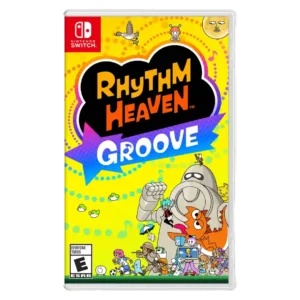
Accessibility impressions are positive where discussed: previews call the simple physical inputs highly accessible and praise voiced tutorial text that reduces reliance on reading.
Pros: couch co-op quality, accessibility options
Cons: platform-specific feature support, performance optimization

Readability controls are a strong point, with useful text sizing, contrast, outline, and dyslexic-font options. Some settings can strain the interface when pushed too far.
Pros: level design, world interactivity
Cons: performance optimization, menu usability
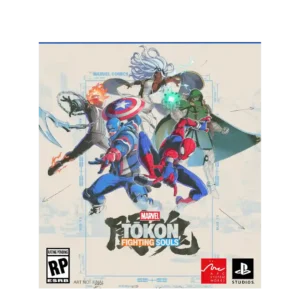
Simplified inputs and auto-combos are widely seen as beginner-friendly, while later impressions say accessibility improved further.
Pros: emotional impact, frame rate stability
Cons: server reliability, tutorial quality

Accessibility options are praised, especially assists and autosteering that broaden who can play and tailor the racing experience.
Pros: open-world design, replay value
Cons: dialogue quality, writing quality
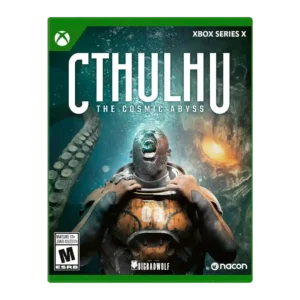
Difficulty and assist options were consistently praised as helpful, granular, and customizable without fully removing the investigative challenge.
Pros: world-building, world interactivity
Cons: enemy variety, stealth mechanics

Accessibility is praised through approachable controls and multiple difficulty options for players of different experience levels.
Pros: pacing, core gameplay loop
Cons: companion AI, map and navigation design
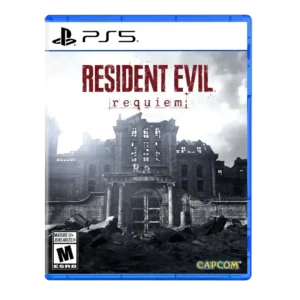
One reviewer praised the way difficulty and accessibility were balanced rather than treating options as a pure checklist.
Pros: driving mechanics, protagonist appeal
Cons: platform-specific feature support, checkpoint system

Accessibility options for reducing gore were repeatedly viewed as useful, nuanced, and welcome.
Pros: environmental detail, graphics quality
Cons: gameplay mechanics, emotional impact
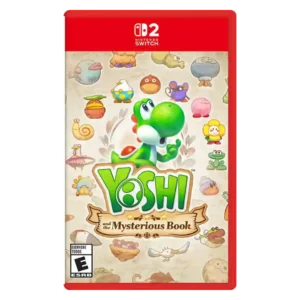
The no-fail structure, optional hints, and multiple control layouts make the game unusually approachable. Some reviewers still wanted stronger visual accessibility options and clearer guidance when puzzles become obscure.
Pros: platforming precision, protagonist appeal
Cons: pacing, co-op experience
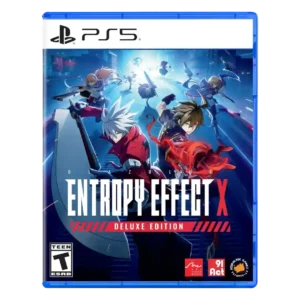
Accessibility evidence is limited but positive: one reviewer notes visual settings help address excessive flashiness.
Pros: movement feel, skill tree depth
Cons: menu usability, HUD clarity
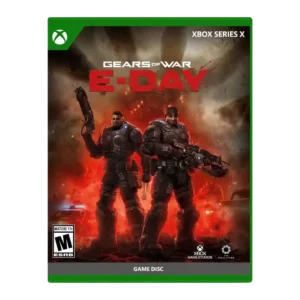
Customization options are viewed as respectful because they let players make controls and presentation their own.
Pros: emotional impact, art direction
Cons: value for money, platform-specific feature support
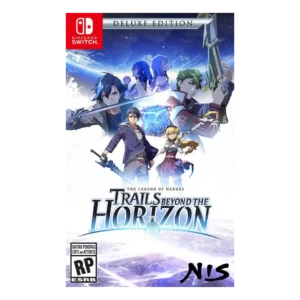
Accessibility options received limited positive evidence around quality-of-life difficulty options for separate battle types.
Pros: facial animations, polish
Cons: grind level, stealth mechanics
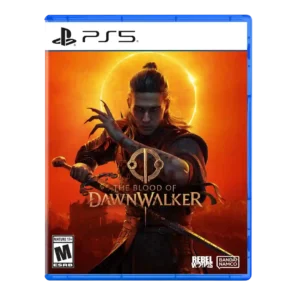
Combat-assist indicators mattered because one reviewer would not want to play without them, suggesting helpful accessibility support.
Pros: core gameplay loop, replay value
Cons: value for money, difficulty balance
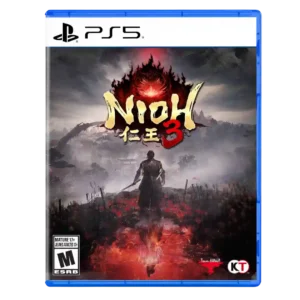
Accessibility evidence was mixed: one review criticized the lack of lower difficulty options, while another noted subtitle and caption-related options.
Pros: pacing, visual effects quality
Cons: tutorial quality, character roster
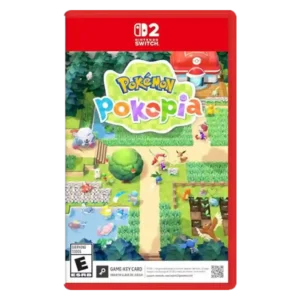
Accessibility evidence is mixed: one review praised the interface for speed and immediacy, while another found the dedicated accessibility menu thin beyond basics.
Pros: protagonist appeal, faithfulness to franchise
Cons: map and navigation design, aiming precision
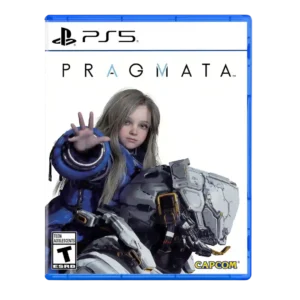
Accessibility evidence is mixed: grouped presets help, but reviewers specifically criticized missing colorblind support and red tile readability.
Pros: bug frequency, user interface design
Cons: HUD clarity, mission design
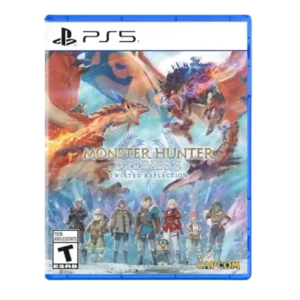
Accessibility evidence was negative, with one review saying the game was not fully accessible.
Pros: art direction, environmental detail
Cons: multiplayer design, accessibility options
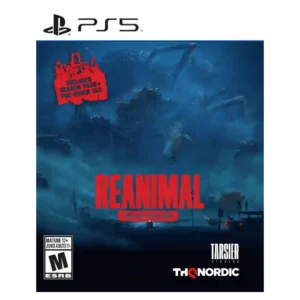
Accessibility is criticized in solo play because multitasking controls may disadvantage players who struggle with simultaneous inputs.
Pros: onboarding experience, environmental detail
Cons: family friendliness, movement feel
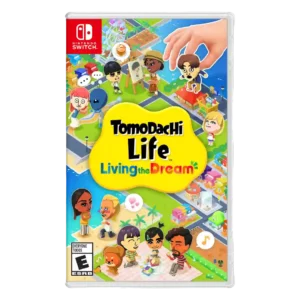
Only one review directly discusses accessibility options, and it flags the absence of specific settings as a limitation despite general ease of play.
Pros: grind level, originality
Cons: social features, accessibility options
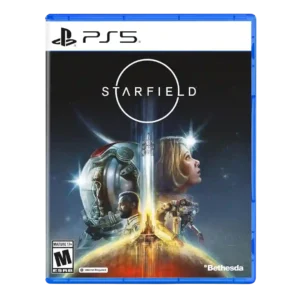
Accessibility is a serious weak spot in the most critical take, with one reviewer saying the limited options leave some players shut out rather than merely inconvenienced.
Pros: puzzle design, sound design
Cons: accessibility options, AI behavior