Best for lore depth
Diablo IV
5.0 feature score
Highest scored product for this feature based on supporting review evidence.
Highest scored product for this feature based on supporting review evidence.
Balances feature score, supporting reviews, and overall product strength.
Has the broadest review evidence for this feature.
Strongest overall product among items with scored evidence for this feature.
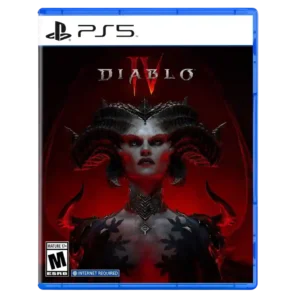
One review strongly praised Diablo IV as rewarding for lore enthusiasts.
Pros: lore depth, art direction
Cons: mission variety, protagonist appeal
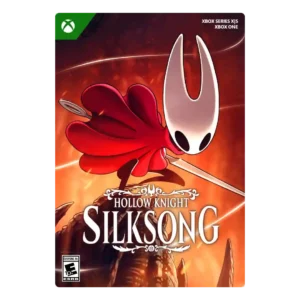
Lore depth is praised for hidden mysteries, optional heritage threads, and deeper history that rewards curiosity.
Pros: core gameplay loop, world interactivity
Cons: loot system, accessibility options
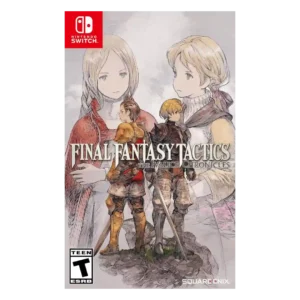
Lore depth was praised through the political themes, State of the Realm, sound novels, and world-history tools.
Pros: emotional impact, polish
Cons: bug frequency, crash stability
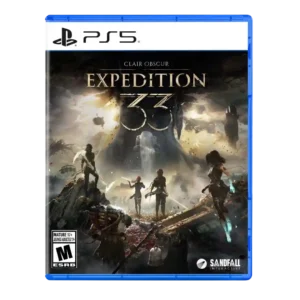
Lore depth was praised through expedition journals, wider history, and an intriguing world.
Pros: monetization fairness, microtransaction impact
Cons: platforming precision, menu usability
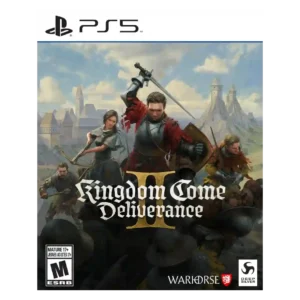
The historical codex and contextual detail were praised for offering extensive background on people, events, and society.
Pros: soundtrack quality, fun factor
Cons: checkpoint system, family friendliness
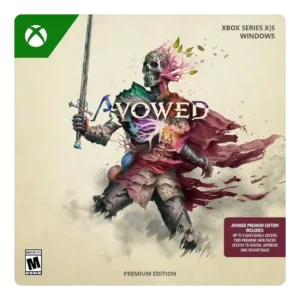
Lore depth was consistently praised, especially the in-game books, history, politics, and reference systems that made Eora feel rich.
Pros: tutorial quality, level design
Cons: stealth mechanics, endgame content
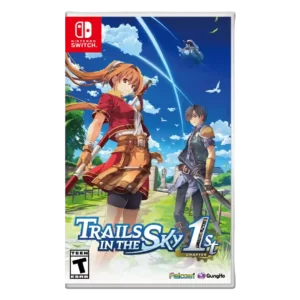
Lore depth was praised for its connected saga, worldbuilding, and long-term setup.
Pros: protagonist appeal, art direction
Cons: camera behavior, tutorial quality

Lore depth was praised for making Southern Gothic worldbuilding feel intriguing and distinctive.
Pros: atmosphere, voice acting
Cons: world interactivity, camera behavior
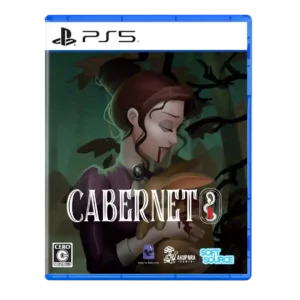
Lore depth was a strong point, with reviewers praising the vampire mythology, folklore, glossary material, and social-commentary roots.
Pros: accessibility options, protagonist appeal
Cons: frame rate stability, polish
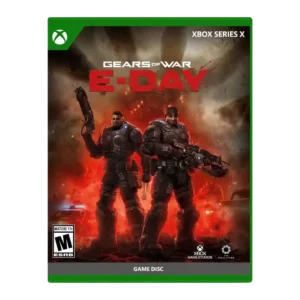
Lore handling earns strong praise for preserving existing history while expanding details around E-Day.
Pros: emotional impact, art direction
Cons: value for money, platform-specific feature support
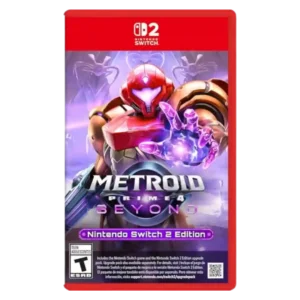
Lore through scanning and Lamorn history was a clear positive for reviewers who valued environmental storytelling.
Pros: world-building, frame rate stability
Cons: companion AI, upgrade system
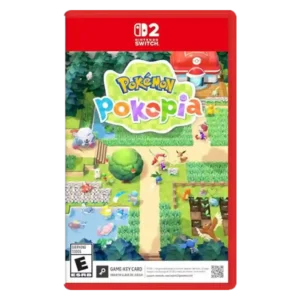
Lore was praised through notes, drops, and mysteries that hinted at what happened to the ruined world.
Pros: protagonist appeal, faithfulness to franchise
Cons: map and navigation design, aiming precision
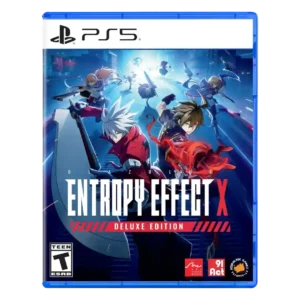
Lore depth gets positive but limited evidence because the story links back through familiar BlazBlue continuity and characters.
Pros: movement feel, skill tree depth
Cons: menu usability, HUD clarity
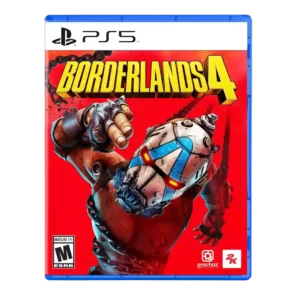
Lore depth receives limited but positive evidence for building on vault and Siren lore.
Pros: sandbox freedom, art direction
Cons: polish, save system reliability
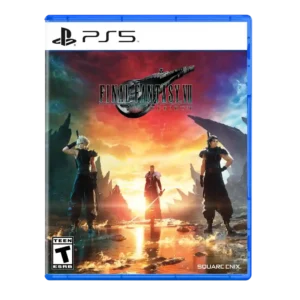
World Intel and regional information are praised for deepening understanding of Final Fantasy VII's world.
Pros: world-building, art direction
Cons: mission design, stealth mechanics
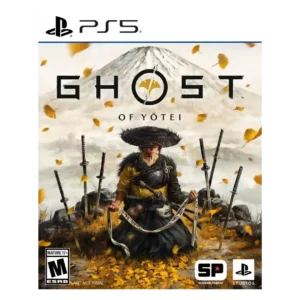
Lore depth receives positive but limited support through mythic tales and storytelling sequences that expand the world’s legends.
Pros: movement feel, environmental detail
Cons: puzzle design, age appropriateness

Road Trip's lore was praised as worth experiencing, especially around how Air Riding came to exist.
Pros: flying mechanics, exploration quality
Cons: AI behavior, boss design
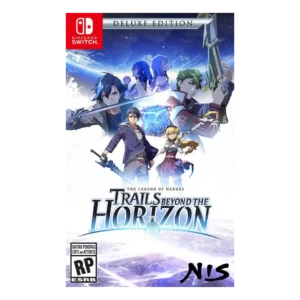
Lore depth was praised for references and details that made the world feel more alive.
Pros: facial animations, polish
Cons: grind level, stealth mechanics
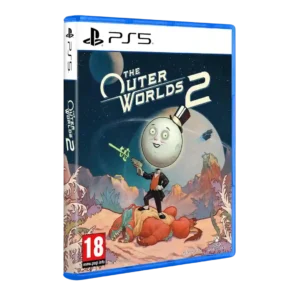
Lore depth was praised where new factions made Arcadia feel deeper and more distinct than the first game.
Pros: world-building, mission design
Cons: mission variety, enemy variety

Lore depth is praised through Batman references, familiar pieces reworked in new ways, and appeal to diehard Batman fans.
Pros: pacing, core gameplay loop
Cons: companion AI, map and navigation design
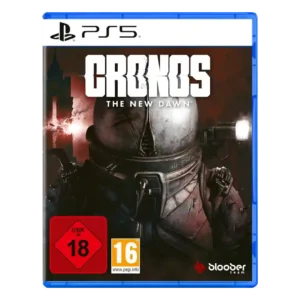
Lore depth was praised by reviewers who enjoyed piecing together codex entries, worldbuilding, and background clues.
Pros: core gameplay loop, emotional impact
Cons: checkpoint system, bug frequency
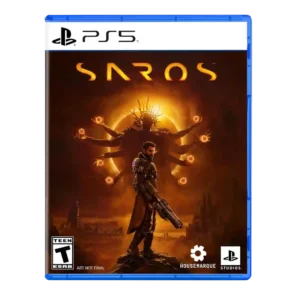
Lore depth was praised where reviewers enjoyed logs, mysteries, and hidden material that encouraged deeper digging.
Pros: value for money, fun factor
Cons: map and navigation design, side character depth
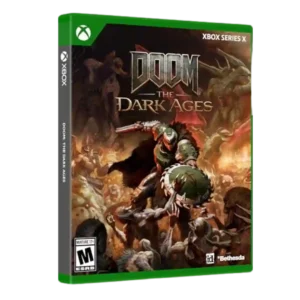
Lore depth was praised where codex material and broader Doom world-building were assessed directly.
Pros: environmental detail, polish
Cons: camera behavior, value for money
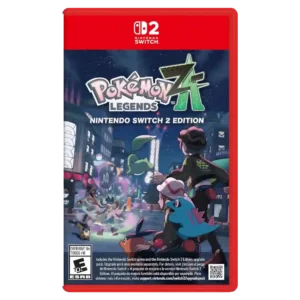
Lore depth was praised when reviews connected Z-A to X/Y, Sinnoh-style mythology, or franchise history.
Pros: crash stability, gameplay mechanics
Cons: AI behavior, monetization fairness

Lore support and depth are praised through the Corpus encyclopedia, which helps handle the dense terminology and proper nouns.
Pros: animation quality, facial animations
Cons: quest design, AI behavior
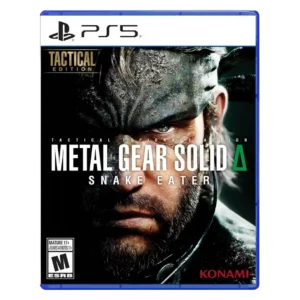
Lore depth is praised through the way Snake Eater ties its events back into the wider Metal Gear arc.
Pros: world interactivity, sandbox freedom
Cons: crash stability, learning curve
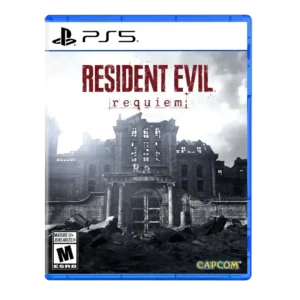
Lore depth was praised for giving long-time fans a lot to sift through.
Pros: driving mechanics, protagonist appeal
Cons: platform-specific feature support, checkpoint system

Lore depth was usually praised for notes, folklore, religious context, and New Game+ revelations, though one negative review argued the lore lacked cohesion.
Pros: voice acting, emotional impact
Cons: family friendliness, menu usability

Lore depth is a positive for franchise fans, with reviewers noting more story, backstory, and South Town lore than expected.
Pros: emotional impact, animation quality
Cons: enemy variety, server reliability
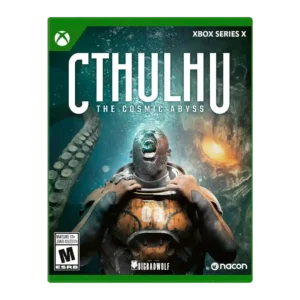
One review praised the lore as well-written and meaningful to the station’s backstory and investigation.
Pros: world-building, world interactivity
Cons: enemy variety, stealth mechanics
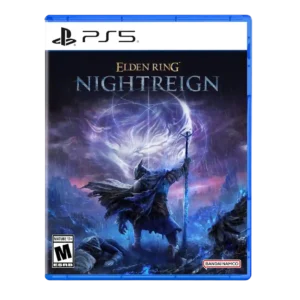
Lore depth benefited from Elden Ring's groundwork, though it was concentrated in character side stories rather than a broad main plot.
Pros: emotional impact, visual effects quality
Cons: crash stability, cross-play support
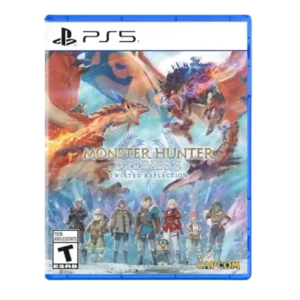
Lore depth was supported by locations that communicate their own stories and inhabitants.
Pros: art direction, environmental detail
Cons: multiplayer design, accessibility options
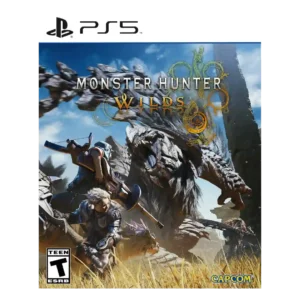
Lore depth was positively noted by a reviewer who found Monster Hunter lore fascinating despite criticizing the story delivery.
Pros: art direction, cross-play support
Cons: dialogue quality, monetization fairness
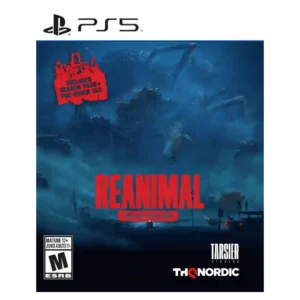
Lore depth is supported by one analysis that says optional portraits and details help flesh out the world.
Pros: onboarding experience, environmental detail
Cons: family friendliness, movement feel
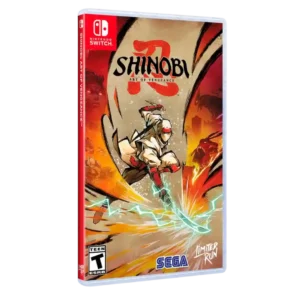
Lore depth gets mild praise where the reviewer appreciates Shinobi’s blend of cultural mythological elements.
Pros: graphics quality, environmental detail
Cons: bug frequency, dialogue quality

Lore references and Final Fight/Street Fighter connections added flavor for longtime fans.
Pros: movement feel, art direction
Cons: platforming precision, writing quality
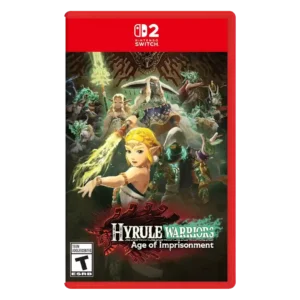
Lore depth was divisive: many praised canonical gap-filling, while IGN-style reviews argued key lore threads were still underexplored.
Pros: animation quality, multiplayer design
Cons: save system reliability, companion AI

Lore depth is valued mainly through hidden scenes and fan-service details that reward Dragon Ball knowledge.
Pros: movement feel, world-building
Cons: save system reliability, mission variety
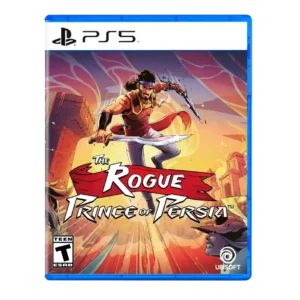
Lore depth received limited positive support from one review tying lore discoveries to Mind Map expansion.
Pros: crash stability, HUD clarity
Cons: character development, visual effects quality
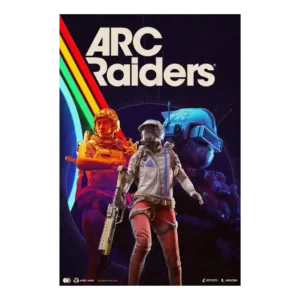
The story and lore intrigued reviewers, but evidence also showed that much of it remains light or left to imagination.
Pros: frame rate stability, platform-specific feature support
Cons: voice acting, writing quality
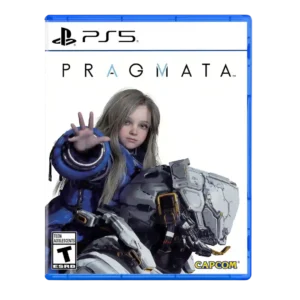
Lore depth is useful but uneven, with datapads and holograms adding detail while sometimes carrying story information that should have been central.
Pros: bug frequency, user interface design
Cons: HUD clarity, mission design
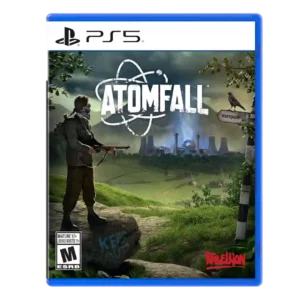
Lore depth was mixed, with compelling mysteries and notes offset by underused premise and surface-level faction development.
Pros: art direction, frame rate stability
Cons: boss design, camera behavior

Lore depth was a repeated weakness; reviewers often found the Abyss, supernatural elements, or broader mystery underexplained or unresolved.
Pros: character roster, animation quality
Cons: core gameplay loop, polish
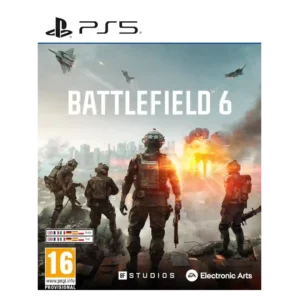
lore depth was criticized as shallow setup.
Pros: haptic feedback integration, performance optimization
Cons: pacing, microtransaction impact
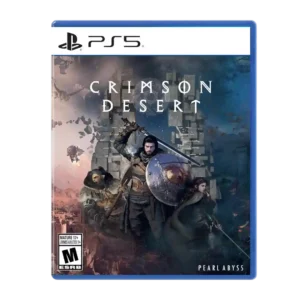
Reviewer evidence is negative or mixed: lore depth was often criticized, even where some reviewers found redeeming moments across 1 review(s).
Pros: level design, replay value
Cons: stealth mechanics, save system reliability
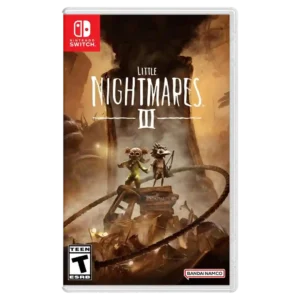
Lore depth drew negative evidence from a reviewer who felt understanding the story depended too much on outside material.
Pros: load times, haptic feedback integration
Cons: save system reliability, aiming precision
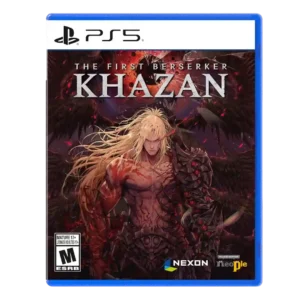
Lore depth is limited in one review’s view, with little to learn beyond mechanical hub functions.
Pros: core gameplay loop, controls responsiveness
Cons: mission design, learning curve