Best for mission design
Absolum
5.0 feature score
Highest scored product for this feature based on supporting review evidence.
Highest scored product for this feature based on supporting review evidence.
Balances feature score, supporting reviews, and overall product strength.
Has the broadest review evidence for this feature.
Strongest overall product among items with scored evidence for this feature.
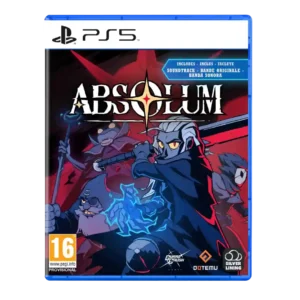
Mission structure worked best when story events and run transitions surfaced naturally during exploration.
Pros: mission design, world interactivity
Cons: quest design, endgame content
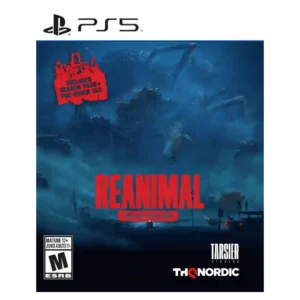
Set-piece and mission design are a consistent strength, with chase sequences, staged horror moments, and choreographed encounters repeatedly praised.
Pros: onboarding experience, environmental detail
Cons: family friendliness, movement feel
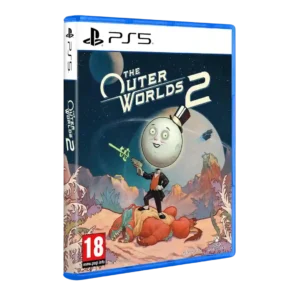
Major missions and tentpole scenarios were praised for puzzle-box structure, role-play opportunities, and varied routes.
Pros: world-building, mission design
Cons: mission variety, enemy variety
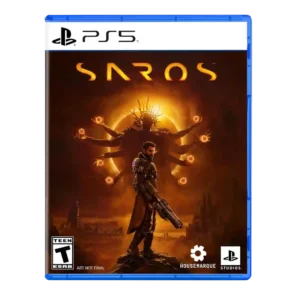
Optional challenge-space design was praised as brutal but rewarding.
Pros: value for money, fun factor
Cons: map and navigation design, side character depth
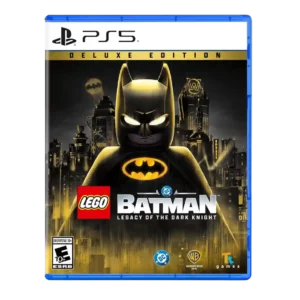
Mission design receives strong praise for compact plotting, length, structure, and hands-on fun across previews.
Pros: pacing, core gameplay loop
Cons: companion AI, map and navigation design
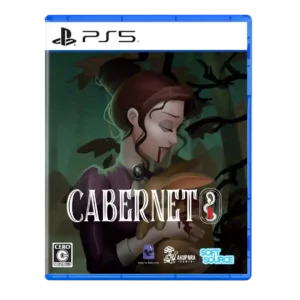
Mission structure received positive support from one review that highlighted varied tasks and fresh, engaging gameplay.
Pros: accessibility options, protagonist appeal
Cons: frame rate stability, polish
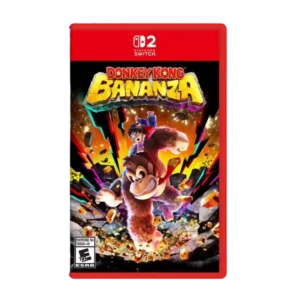
Mission design was praised where routes to hidden goals encouraged planning rather than simple objective chasing.
Pros: gameplay mechanics, world interactivity
Cons: economy and resource balance, enemy variety
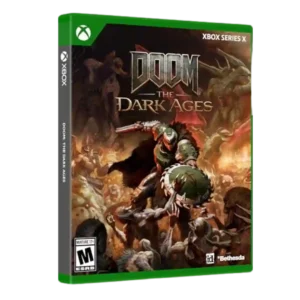
Mission design was praised in the supporting review for making the core demon-slaying missions feel exciting.
Pros: environmental detail, polish
Cons: camera behavior, value for money
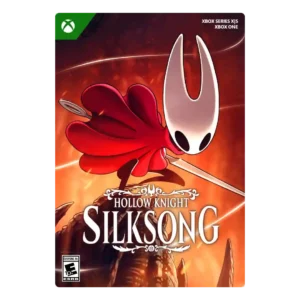
Mission design earns positive evidence where missions give players reasons to revisit areas and make NPC discoveries feel more purposeful.
Pros: core gameplay loop, world interactivity
Cons: loot system, accessibility options
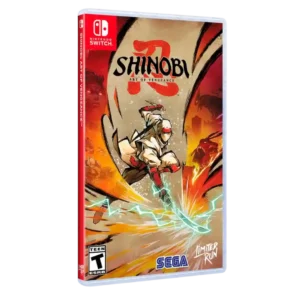
Mission design is praised through comments about well-crafted stages that mix platforming, combat, puzzles, and optional routes.
Pros: graphics quality, environmental detail
Cons: bug frequency, dialogue quality
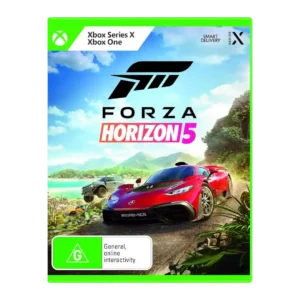
Mission design is viewed positively because Expeditions and story events use Mexico’s culture, spectacle, and pacing to add purpose beyond standard racing.
Pros: controls responsiveness, movement feel
Cons: tutorial quality, animation quality
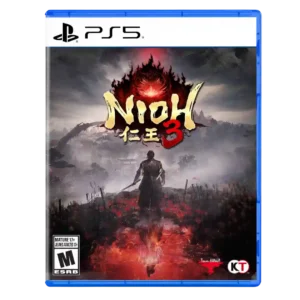
Mission and Crucible design were viewed positively, with reviewers noting more open paths, pressure-test encounters, and dungeon-like challenge.
Pros: pacing, visual effects quality
Cons: tutorial quality, character roster
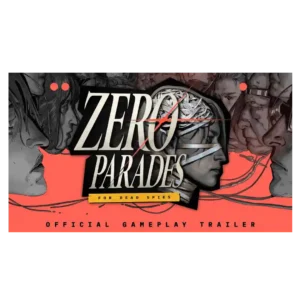
Dramatic encounters and multi-stage operations create some of the game’s tensest moments. They are memorable and well constructed, though several reviewers wished there were more of them.
Pros: level design, world interactivity
Cons: performance optimization, menu usability
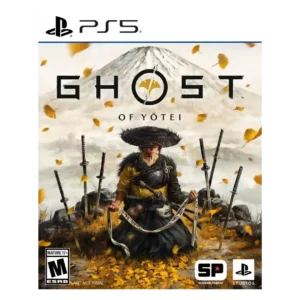
Mission design is generally positive for diverse objectives and strong campaign structure, though some side mission design is criticized elsewhere.
Pros: movement feel, environmental detail
Cons: puzzle design, age appropriateness
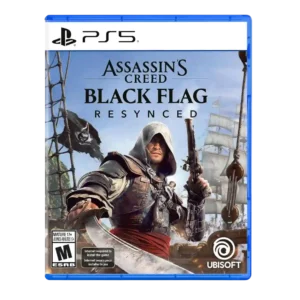
Mission design is mostly praised because tailing and eavesdropping no longer hard-fail instantly, though one reviewer worried the new approach weakens stealth tension.
Pros: core gameplay loop, visual effects quality
Cons: monetization fairness, microtransaction impact
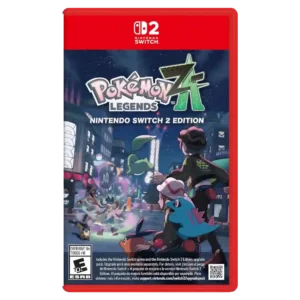
Mission design evidence praised the range of stakes and activities, especially when missions kept the adventure moving.
Pros: crash stability, gameplay mechanics
Cons: AI behavior, monetization fairness
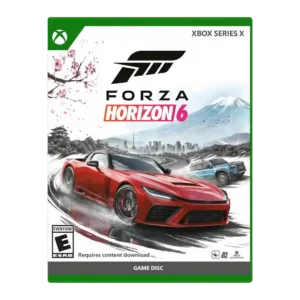
Races and showcases are generally enjoyable or impressive, but some previews say events feel familiar or need more final-game context.
Pros: open-world design, replay value
Cons: dialogue quality, writing quality
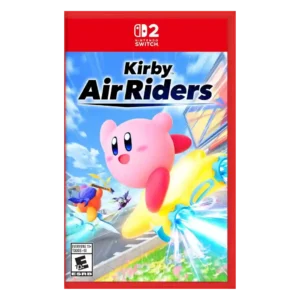
Road Trip and challenge design were often praised for fast, varied encounters, but dissenting reviews found Road Trip dull, repetitive, or chore-like.
Pros: flying mechanics, exploration quality
Cons: AI behavior, boss design
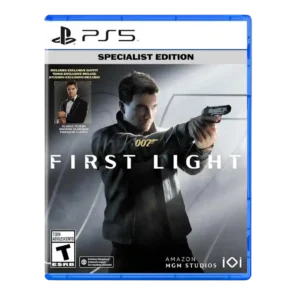
Mission design is generally praised for memorable settings, multiple approaches, and Bond fantasy, though one source calls some action-adventure structure generic.
Pros: level design, user interface design
Cons: AI behavior, facial animations
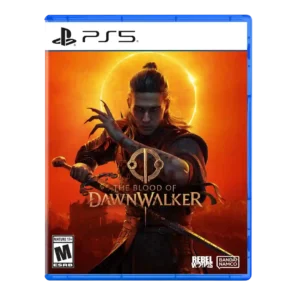
Mission design was praised for branching, multi-stage outcomes, but the prologue’s introductory errands were considered less interesting by IGN.
Pros: core gameplay loop, replay value
Cons: value for money, difficulty balance
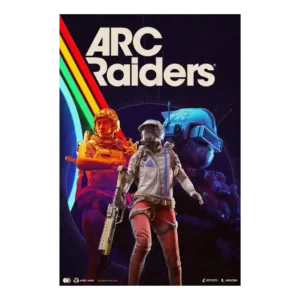
One review praised quests and trials for giving specific match goals with worthwhile rewards.
Pros: frame rate stability, platform-specific feature support
Cons: voice acting, writing quality
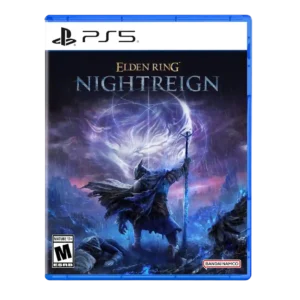
Mission design was praised for demanding mastery on the fly rather than slow, methodical FromSoftware play.
Pros: emotional impact, visual effects quality
Cons: crash stability, cross-play support
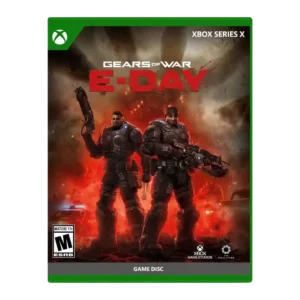
Optional encounters are described positively as giving players the choice to help or ignore situations.
Pros: emotional impact, art direction
Cons: value for money, platform-specific feature support
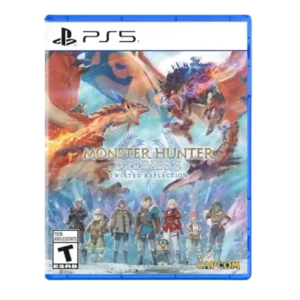
Mission objectives were described as quick and useful for making the world feel active.
Pros: art direction, environmental detail
Cons: multiplayer design, accessibility options
Mission design earned positive mention where objectives and clues gave players more agency during runs.
Pros: crash stability, HUD clarity
Cons: character development, visual effects quality
Training Camp’s short objective-based missions are widely praised for turning familiar stages into focused tests of speed, avoidance, combat, and execution. Some feel slight or tutorial-like, but the stronger challenges...
Pros: controls responsiveness, voice acting
Cons: matchmaking quality, user interface design
Episodes of South Town and related missions are often praised as fun or useful for learning systems, though some special conditions are criticized as frustrating.
Pros: emotional impact, animation quality
Cons: enemy variety, server reliability
Mission design was split between admiration for naturalistic quest feel and criticism that many leads still became point-to-point errands.
Pros: art direction, frame rate stability
Cons: boss design, camera behavior
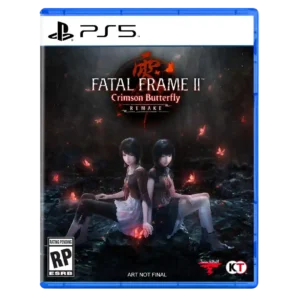
Optional side stories often add worthwhile character and lore context, though some feel redundant or less naturally integrated than the main path.
Pros: writing quality, checkpoint system
Cons: bug frequency, HUD clarity
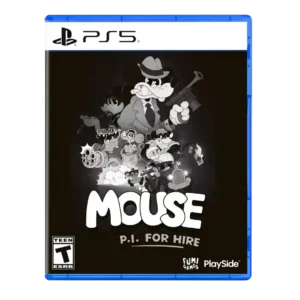
The three intertwined cases provide memorable locations and a steady sense of forward movement. Some missions feel overly convenient or leave little room for substantial side stories.
Pros: lore depth, user interface design
Cons: AI behavior, aiming precision
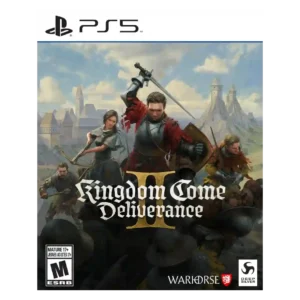
Main mission design was mixed: reviewers praised varied scenarios, but one criticized a required sequence for lacking an alternate path.
Pros: soundtrack quality, fun factor
Cons: checkpoint system, family friendliness
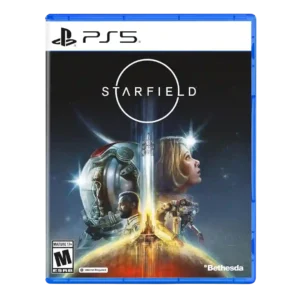
Mission design is uneven: some missions and factions are memorable, while others feel short, repetitive, or underdeveloped.
Pros: puzzle design, sound design
Cons: accessibility options, AI behavior
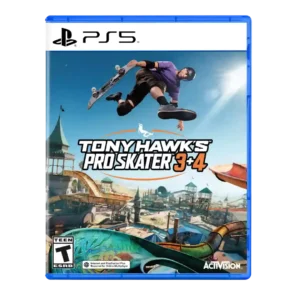
Mission and goal design was divisive: some praised the streamlined objectives and new goals, while THPS4 fans missed NPC missions, original goals, and structure.
Pros: core gameplay loop, controls responsiveness
Cons: crash stability, cross-save support
Mission design was useful for structure but sometimes too guided, rail-like, or busywork-heavy.
Pros: protagonist appeal, faithfulness to franchise
Cons: map and navigation design, aiming precision
Mission design was mixed to negative, with story missions praised but many objectives criticized as repetitive, short, or non-bespoke.
Pros: animation quality, multiplayer design
Cons: save system reliability, companion AI
Contracts give each run a concrete purpose and feed faction progression, but several missions are vague, repetitive, or frustrating. The one-active-contract restriction is a frequent complaint because it can make...
Pros: world interactivity, voice acting
Cons: menu usability, HUD clarity
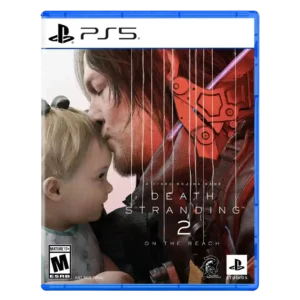
Mission design is mixed: reviewers liked forward momentum and variety, but some criticized forced backtracking or insufficient challenge.
Pros: animation quality, facial animations
Cons: quest design, AI behavior
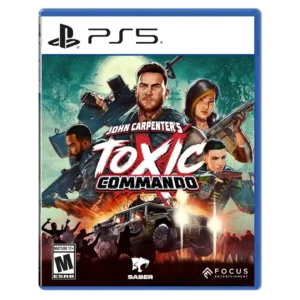
Mission design can produce excellent set-piece defenses and a few clever objectives, but some reviewers criticize the broader structure as overlong, predictable, or poorly arranged.
Pros: gameplay mechanics, boss design
Cons: age appropriateness, family friendliness
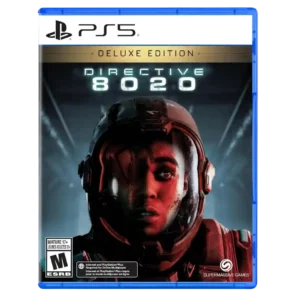
Mission design was mixed, ranging from time-flying engagement in one preview to a simple, dull objective in another.
Pros: user interface design, graphics quality
Cons: combat system, animation quality
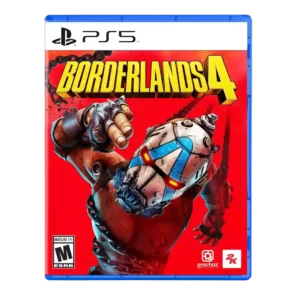
Main mission design ranges from carefully crafted to fetch-quest heavy, with reviewers split between praise for structure and frustration with repetition.
Pros: sandbox freedom, art direction
Cons: polish, save system reliability
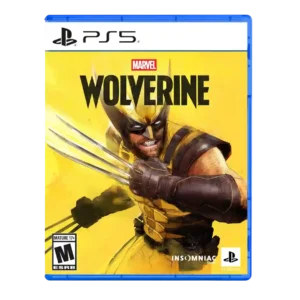
Mission design was split: one reviewer criticized canned set pieces, while another liked having different objective approaches.
Pros: environmental detail, graphics quality
Cons: gameplay mechanics, emotional impact
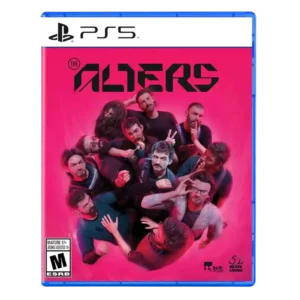
Mission design received mixed evidence because one reviewer felt survival objectives and narrative goals could work against each other.
Pros: controls responsiveness, onboarding experience
Cons: crash stability, grind level
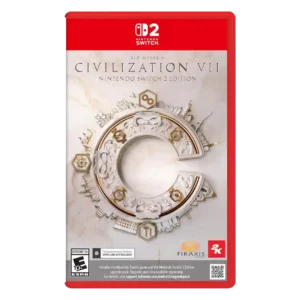
Legacy paths, quests, and victory objectives were seen as useful guidance by some, but others found certain paths rigid, repetitive, or unevenly designed.
Pros: animation quality, controls responsiveness
Cons: matchmaking quality, user interface design
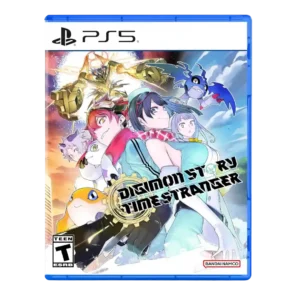
Mission design was mixed to negative: side missions often felt basic or fetch-like, though some reviewers liked their world flavor and progression rewards.
Pros: atmosphere, world-building
Cons: HUD clarity, fast travel convenience
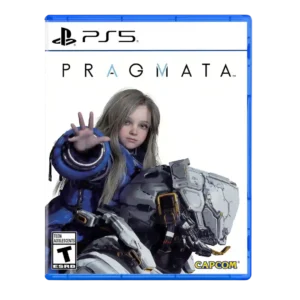
Mission design is mixed because some reviewers enjoyed the structure, while others criticized repeated lock-and-door objectives or formulaic area setups.
Pros: bug frequency, user interface design
Cons: HUD clarity, mission design
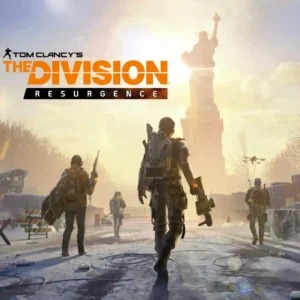
Combat arenas can be fun and energetic, but some campaign objectives feel trivial or poorly matched to the serious tactical setting.
Pros: exploration quality, sandbox freedom
Cons: mission variety, companion AI
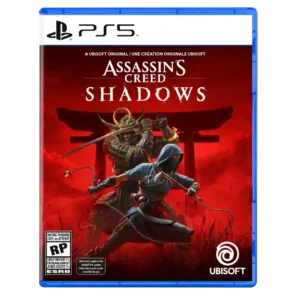
Mission design is mixed: the moment-to-moment action entertains, but several reviewers called setups bland, thin, or repetitive.
Pros: environmental detail, cross-save support
Cons: writing quality, enemy variety
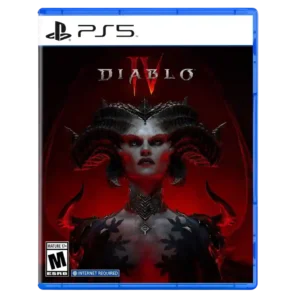
Mission design drew criticism in expansion coverage for repetitive objective flow and travel-to-talk sequences.
Pros: lore depth, art direction
Cons: mission variety, protagonist appeal
One reviewer criticized the broader mission structure for lacking clear direction and goals.
Pros: writing quality, checkpoint system
Cons: menu usability, user interface design

Mission design was mixed to negative because reviewers enjoyed some lessons and minigames but disliked fetch quests and backtracking.
Pros: movement feel, art direction
Cons: platforming precision, writing quality