Best for world-building
Clair Obscur: Expedition 33
5.0 feature score
Highest scored product for this feature based on supporting review evidence.
Highest scored product for this feature based on supporting review evidence.
Balances feature score, supporting reviews, and overall product strength.
Has the broadest review evidence for this feature.
Strongest overall product among items with scored evidence for this feature.
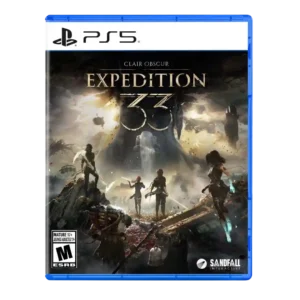
World-building is a standout, with reviewers praising its distinct identity, lore, cultures, and sense of place.
Pros: world-building, crash stability
Cons: platforming precision, map and navigation design
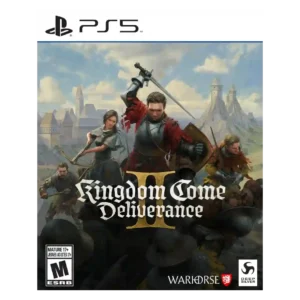
World-building is a major strength, grounded in medieval Bohemia, historical events, codex material, and dense social systems.
Pros: core gameplay loop, emotional impact
Cons: family friendliness, checkpoint system
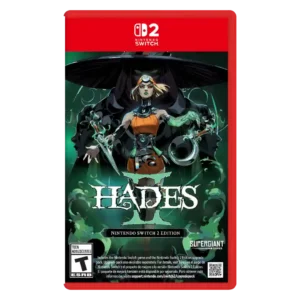
World-building is a major strength, with reviewers praising Greek myth reinterpretation, expanded settings, and Supergiant’s character-first mythological framing.
Pros: world interactivity, side character depth
Cons: grind level
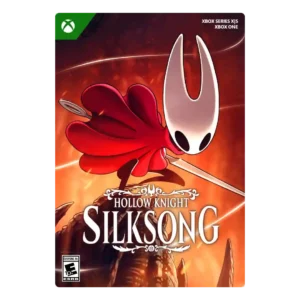
World-building is one of the strongest consensus areas, with Pharloom's history, class structure, religion, silk, architecture, and inhabitants reinforcing the setting.
Pros: value for money, sound design
Cons: loot system, camera behavior
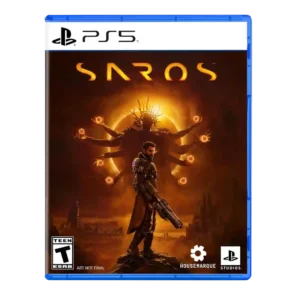
World-building is praised for Carcosa, Soltari, cosmic horror, and layered environmental storytelling.
Pros: load times, fun factor
Cons: side character depth, facial animations
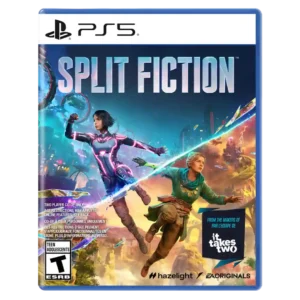
World-building is praised for using Mio and Zoe’s imagined worlds to reveal personal histories and support the AI/creativity theme.
Pros: cross-play support, platforming precision
Cons: side character depth, matchmaking quality
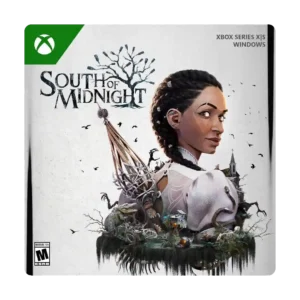
World-building is one of the clearest strengths, with reviewers praising the Deep South setting, folklore, culture, and historical texture.
Pros: art direction, facial animations
Cons: onboarding experience, mission variety

World-building benefits from Mexico as a cultural setting, car stories, and small character/environment details.
Pros: cross-play support, open-world design
Cons: cross-save support, tutorial quality

World-building is strong where reviewers describe Playground's rendition of Japan as convincing and genuinely incredible.
Pros: replay value, level design
Cons: dialogue quality, writing quality
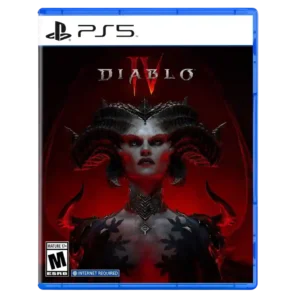
Reviewer evidence is broadly positive: world-building reviewers repeatedly treat it as one of Diablo IV's strengths, with Sanctuary's history, lore, and evolving locations treated as strong.
Pros: cross-play support, faithfulness to franchise
Cons: family friendliness, age appropriateness
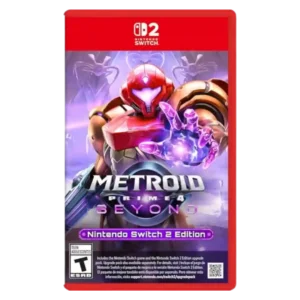
World-building is a major strength, especially in how Viewros, the Lamorn, and environmental scans make the planet feel coherent.
Pros: bug frequency, frame rate stability
Cons: save system reliability, tutorial quality
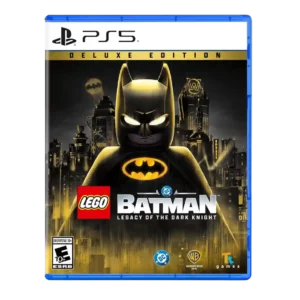
World-building is supported by Gotham details, Batman media references, and evidence that the game uses a broad range of franchise history.
Pros: voice acting, performance optimization
Cons: multiplayer design, monetization fairness
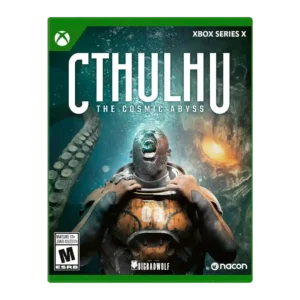
World-building is strong, especially the near-future Lovecraft setting, corporate occult framing, and futuristic treatment of classic tropes.
Pros: faithfulness to franchise, load times
Cons: platforming precision, stealth mechanics
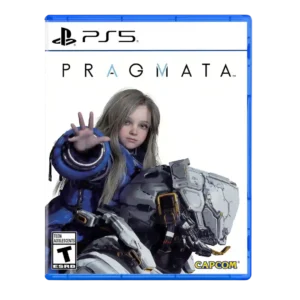
World-building is praised for near-future technology, Lunafilament, environmental storytelling, and humanity-focused sci-fi ideas.
Pros: crash stability, bug frequency
Cons: accessibility options, map and navigation design
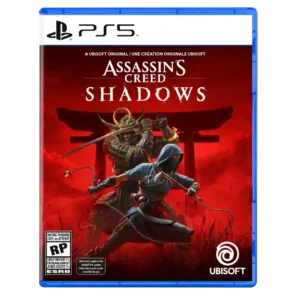
reviewers praise historical atmosphere, court life, cultural detail, and immersion in the constructed Japan.
Pros: polish, cross-save support
Cons: family friendliness, age appropriateness

World-building is praised for distinct underground civilizations, whimsical internal logic, and a world built around the destruction mechanic.
Pros: load times, movement feel
Cons: enemy variety, platforming precision
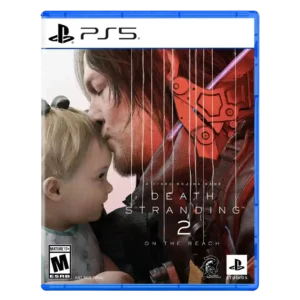
World-building was praised for being unique, expanded, bizarre, and richly thought out, though sometimes delivered through dense exposition.
Pros: load times, haptic feedback integration
Cons: online stability, quest design
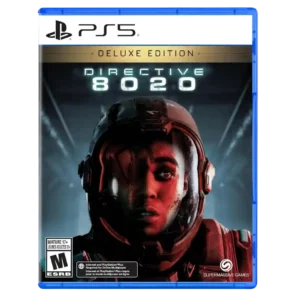
World-building is supported through background communications, environmental storytelling, and the high-stakes colony-ship setup.
Pros: immersion, accessibility options
Cons: onboarding experience, AI behavior
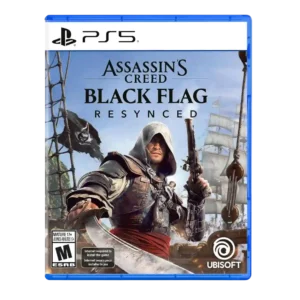
World-building is supported by the preserved pirate-and-assassin fantasy, though evidence is less extensive than for visuals or combat.
Pros: environmental detail, platform-specific feature support
Cons: DLC value, multiplayer design

World-building works best as Dragon Ball fanservice: iconic locations, lore references, and character interactions make the universe feel authentic.
Pros: animation quality, frame rate stability
Cons: cross-play support, load times

The game’s lore and setting inspired enough interest that one reviewer emphasized being invested in South Town and Fatal Fury history.
Pros: gameplay mechanics, combat system
Cons: user interface design, menu usability

World-building benefits from Ezo’s culture, Ainu details, and the sense that the region has its own history and conflicts.
Pros: load times, art direction
Cons: family friendliness, age appropriateness
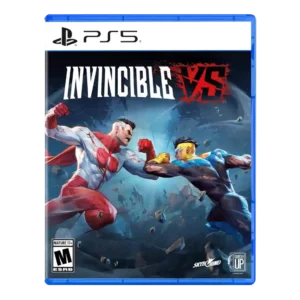
World-building is supported by show-faithful visual language and an original story that puts familiar events into a different setup.
Pros: world interactivity, visual effects quality
Cons: age appropriateness, family friendliness
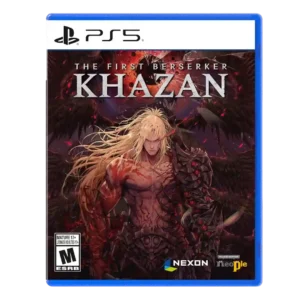
World-building is supported by the Dungeon Fighter setting, dragonkin history, Netherworld hierarchy, and broader lore context.
Pros: gameplay mechanics, value for money
Cons: multiplayer design, character development
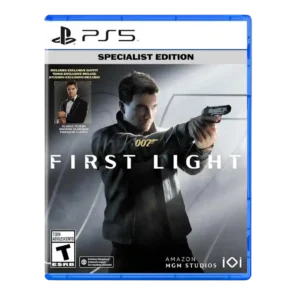
World-building leans on modern technology, MI6's role, Bond legacy, and lived-in spaces rather than exhaustive lore dumps.
Pros: soundtrack quality, atmosphere
Cons: AI behavior, camera behavior

World-building is supported by Metro City’s NPCs, franchise references, and wider conspiracy setup.
Pros: onboarding experience, animation quality
Cons: platforming precision, quest design
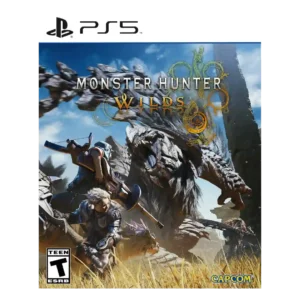
World-building was mixed, with some praising the new land and residents while others felt the series identity was being lost.
Pros: cross-play support, atmosphere
Cons: dialogue quality, mission design
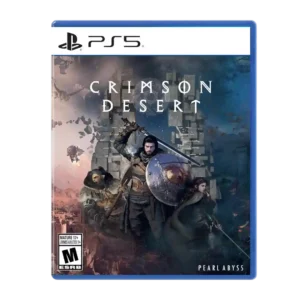
World-building is mixed: some reviews praise regional context and Pywel, while others find it lacking soul or distinctiveness.
Pros: visual effects quality, soundtrack quality
Cons: stealth mechanics, save system reliability
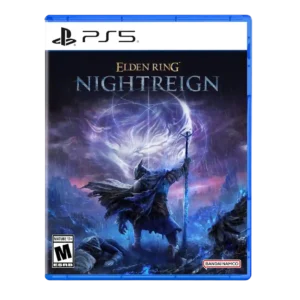
World-building is weaker than FromSoftware’s usual standard because the run format sacrifices sense of place.
Pros: emotional impact, animation quality
Cons: cross-play support, flying mechanics
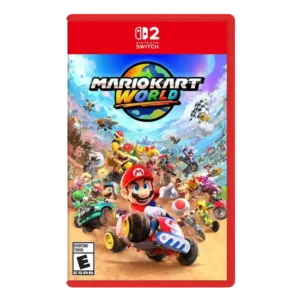
World-building is charming and reference-rich, though critical reviews argue the connected world does not fully realize its potential.
Pros: load times, crash stability
Cons: narrative quality, value for money