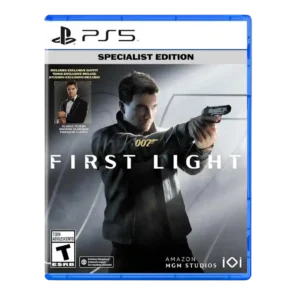
Level design receives very strong praise from IGN for systemic intelligence, opportunity density, and the way environments support stealth and action.
Pros: level design, user interface design
Cons: AI behavior, facial animations
Level design receives very strong praise from IGN for systemic intelligence, opportunity density, and the way environments support stealth and action.
Pros: level design, user interface design
Cons: AI behavior, facial animations
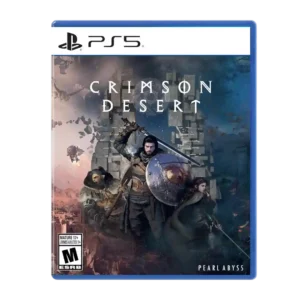
Reviewer evidence is strongly positive: level design was repeatedly praised as a standout strength across 1 review(s).
Pros: level design, replay value
Cons: stealth mechanics, save system reliability
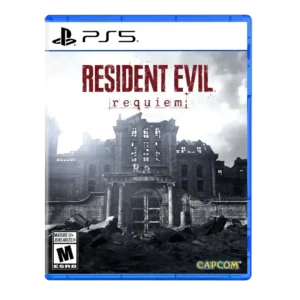
Level design was a major strength, especially the care center’s loops, agency, and interconnected mansion-like structure.
Pros: driving mechanics, protagonist appeal
Cons: platform-specific feature support, checkpoint system

Level and map layouts were praised for thoughtful movement, beautiful spaces, and rewarding terrain.
Pros: art direction, environmental detail
Cons: multiplayer design, accessibility options
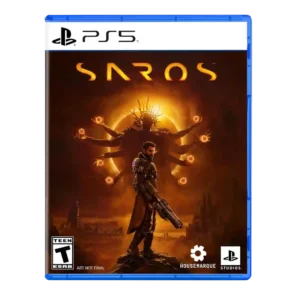
Level design was strongly praised for handcrafted chunks, biome structure, combat spaces, and a balance between freshness and mastery.
Pros: value for money, fun factor
Cons: map and navigation design, side character depth
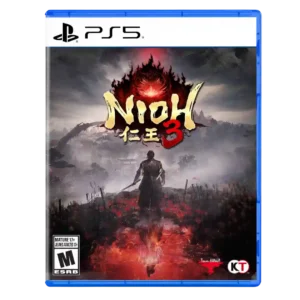
Level design was broadly praised for open-field layouts, strong world structure, and mission-like areas integrated into larger spaces.
Pros: pacing, visual effects quality
Cons: tutorial quality, character roster
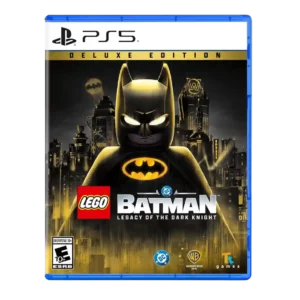
Level design is praised for longer, more vertical, and well-designed mission spaces rather than flat or shallow levels.
Pros: pacing, core gameplay loop
Cons: companion AI, map and navigation design

Stage transitions are praised for being fast and not interrupting match flow.
Pros: emotional impact, frame rate stability
Cons: server reliability, tutorial quality
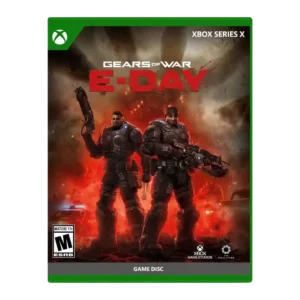
Kalona's city-based combat spaces are viewed as a strong fit for Gears, with verticality and new traversal seen as potentially game-changing.
Pros: emotional impact, art direction
Cons: value for money, platform-specific feature support
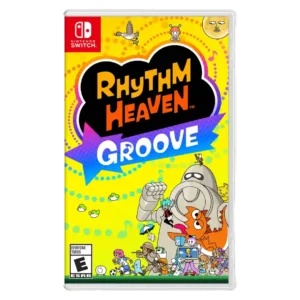
Level design gets positive marks for remixes, logical escalation, and mini-games that reviewers found well thought out and engaging.
Pros: couch co-op quality, accessibility options
Cons: platform-specific feature support, performance optimization
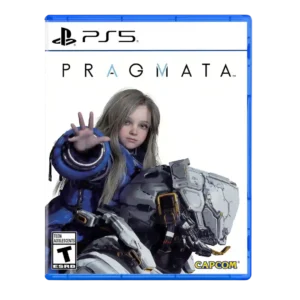
Level design is widely admired for semi-linear routes, shortcuts, varied sectors, and combat arenas, though repetition appears in a few late-game comments.
Pros: bug frequency, user interface design
Cons: HUD clarity, mission design

Road, city, track, and landscape design are often praised as dense and varied, though some criticism targets overly wide roads.
Pros: open-world design, replay value
Cons: dialogue quality, writing quality
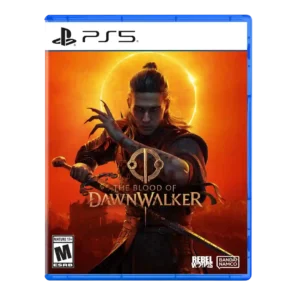
The clearest level-design praise centered on vampire abilities opening unconventional routes through environments.
Pros: core gameplay loop, replay value
Cons: value for money, difficulty balance
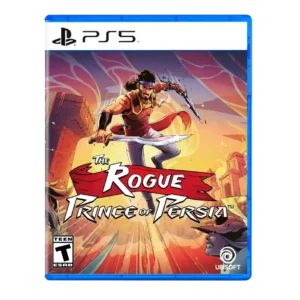
Level design was often praised for branching paths, biomes, and movement support, though procedural layouts sometimes became familiar or disrupted flow.
Pros: crash stability, HUD clarity
Cons: character development, visual effects quality

Level design ranges from criticized simple spaces to praised scale, nonlinear structure, and distinct larger environments.
Pros: onboarding experience, environmental detail
Cons: family friendliness, movement feel
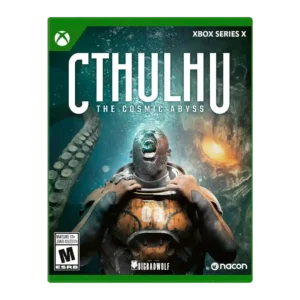
Level design ranged from intuitive and propulsive in positive reviews to overly restrictive or lacking interpretive room in a negative one.
Pros: world-building, world interactivity
Cons: enemy variety, stealth mechanics

Dungeon and level design drew mixed evidence: some praised memorable layouts and new gimmicks, while one reviewer disliked a Grim Garten objective enough to sour the experience.
Pros: facial animations, polish
Cons: grind level, stealth mechanics
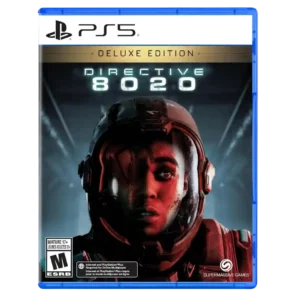
Level design had strong claustrophobic highlights in vents and corridors, but one larger station area was criticized as nondescript.
Pros: user interface design, graphics quality
Cons: combat system, animation quality
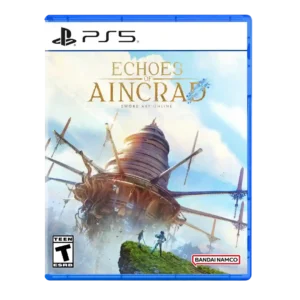
Level design ranged from dungeon-like, vertical, side-path-heavy praise to complaints that early spaces could resemble long linear hallways.
Pros: environmental detail, art direction
Cons: world interactivity, loot system

Arena layouts were described as relatively flat, though the same review still appreciated the genre-consistent presentation.
Pros: immersion, frame rate stability
Cons: user interface design, bug frequency

Level design has limited, mixed evidence, with one reviewer criticizing repeated small rooms that look similar.
Pros: movement feel, skill tree depth
Cons: menu usability, HUD clarity
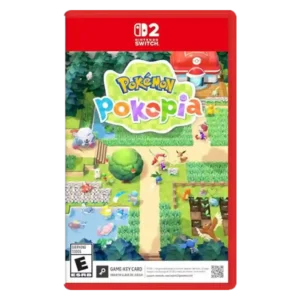
Level design was mixed, with one reviewer finding the large terrain rewarding but sometimes too mountainous or exhausting.
Pros: protagonist appeal, faithfulness to franchise
Cons: map and navigation design, aiming precision
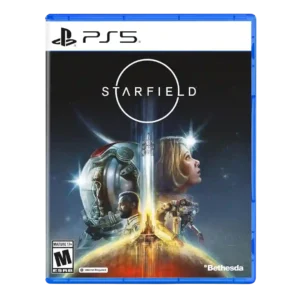
Level design criticism focuses on repeated arenas and spaces that do not support the scope of the world.
Pros: puzzle design, sound design
Cons: accessibility options, AI behavior