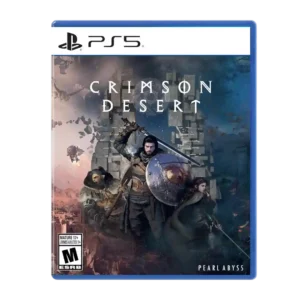
Reviewer evidence is strongly positive: innovation was repeatedly praised as a standout strength across 1 review(s).
Pros: level design, replay value
Cons: stealth mechanics, save system reliability
Reviewer evidence is strongly positive: innovation was repeatedly praised as a standout strength across 1 review(s).
Pros: level design, replay value
Cons: stealth mechanics, save system reliability
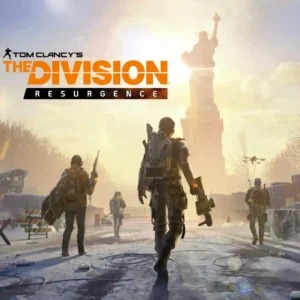
The franchise's first fully shared open world is seen as a major improvement that should influence future Division games.
Pros: exploration quality, sandbox freedom
Cons: mission variety, companion AI

The game boldly reframes a Yoshi platformer as an interactive creature study built around experimentation. Reviewers widely praised its willingness to prioritize discovery over conventional stage completion.
Pros: platforming precision, protagonist appeal
Cons: pacing, co-op experience

Innovation had limited but strong support from a reviewer who said the RPG-infused visual novel felt unlike anything they had encountered in the genre.
Pros: accessibility options, protagonist appeal
Cons: frame rate stability, polish
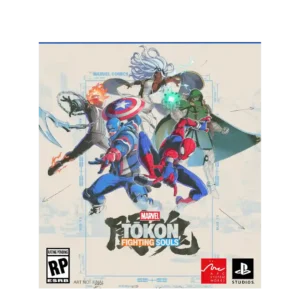
The reveal was received as bold and surprising, emphasizing the game's unusual 4v4 Marvel fighter concept.
Pros: emotional impact, frame rate stability
Cons: server reliability, tutorial quality
Conditioning meaningfully expands the familiar thought-system formula with violations, restrictions, and stronger interaction with the rest of the build.
Pros: level design, world interactivity
Cons: performance optimization, menu usability
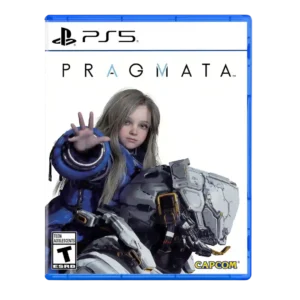
Innovation is one of the strongest attributes, especially the real-time hacking/shooting blend and Capcom’s willingness to build a new IP around it.
Pros: bug frequency, user interface design
Cons: HUD clarity, mission design
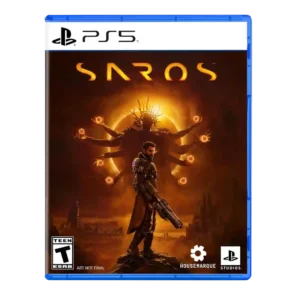
Innovation centered on the shield, bullet-as-resource design, haptic implementation, and a more flexible challenge structure.
Pros: value for money, fun factor
Cons: map and navigation design, side character depth
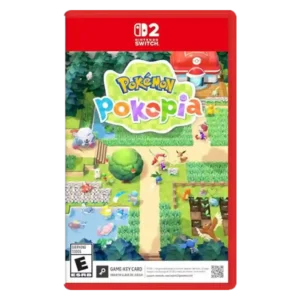
Innovation was praised as a fresh direction for Pokémon, with reviewers calling it novel, benchmark-setting, and franchise-reinvigorating.
Pros: protagonist appeal, faithfulness to franchise
Cons: map and navigation design, aiming precision
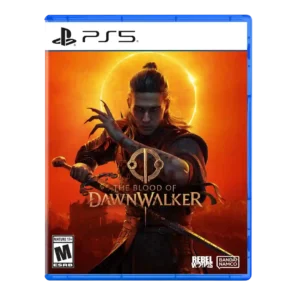
Innovation was one of the highest-rated areas, especially the baked-in choice structure, difference from standard RPGs, and time-sandbox design.
Pros: core gameplay loop, replay value
Cons: value for money, difficulty balance
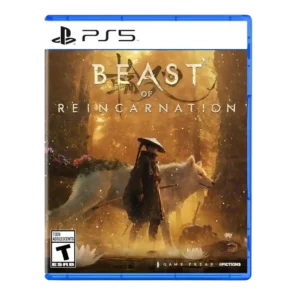
Blending real-time parries with slow-motion companion commands creates a fresh tactical rhythm. Koo’s abilities and Emma’s vine movement help the game distinguish itself from straightforward Soulslike comparisons.
Pros: soundtrack quality, value for money
Cons: onboarding experience, aiming precision
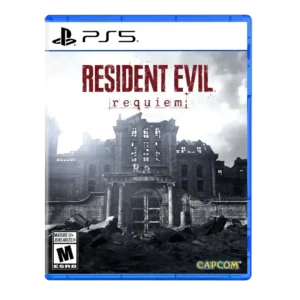
Innovation drew praise where reviewers saw Requiem as a step forward or ambitious new baseline for the franchise.
Pros: driving mechanics, protagonist appeal
Cons: platform-specific feature support, checkpoint system
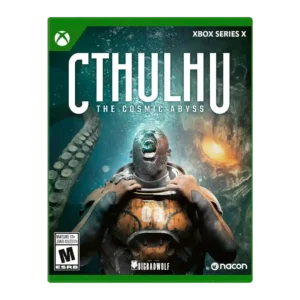
One review strongly praised the sci-fi Lovecraft blend, suggesting the game made that approach feel newly appealing.
Pros: world-building, world interactivity
Cons: enemy variety, stealth mechanics
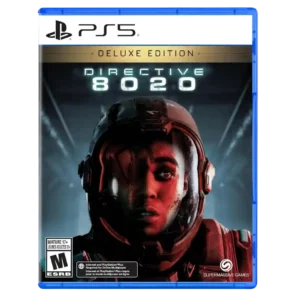
Innovation was praised where reviewers saw exploration, direct control, and the sci-fi impostor setup as meaningful changes.
Pros: user interface design, graphics quality
Cons: combat system, animation quality
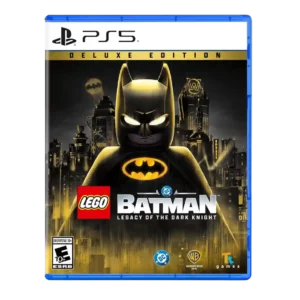
Innovation is promising, with reviewers saying the game feels unexpectedly different and potentially TT Games' most ambitious project.
Pros: pacing, core gameplay loop
Cons: companion AI, map and navigation design

The base game is still celebrated for constant invention, while the best new boss and co-op ideas cleverly reuse those mechanics. Bellabel Park is less revolutionary overall because much of...
Pros: controls responsiveness, voice acting
Cons: matchmaking quality, user interface design

Innovation is positive overall, with reviewers citing broader ambition, new verbs, camera work, co-op, and fresh action-exploration ideas.
Pros: onboarding experience, environmental detail
Cons: family friendliness, movement feel
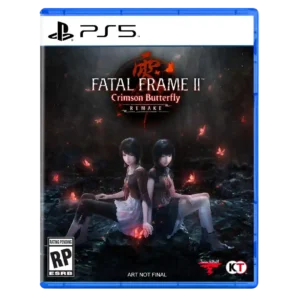
The Camera Obscura remains an inventive horror concept, and the remake takes some smart chances with filters and combat without reinventing the series.
Pros: writing quality, checkpoint system
Cons: bug frequency, HUD clarity

Innovation was praised for unique twists, meaningful fight damage, and design choices that distinguish it from other fighters.
Pros: immersion, frame rate stability
Cons: user interface design, bug frequency

Innovation was credited where Insomniac was described as breaking new ground with Wolverine.
Pros: environmental detail, graphics quality
Cons: gameplay mechanics, emotional impact
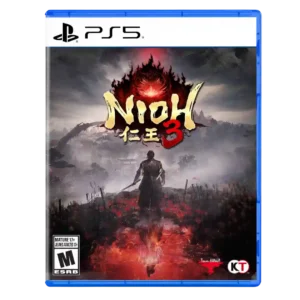
Innovation received positive evidence for blending outside influences into a cohesive whole.
Pros: pacing, visual effects quality
Cons: tutorial quality, character roster
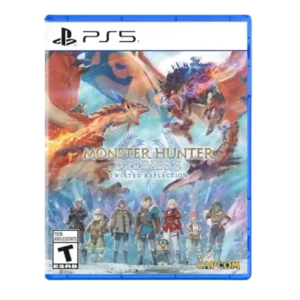
Innovation was generally positive around ambition and stronger systems, though one review noted it still plays safe.
Pros: art direction, environmental detail
Cons: multiplayer design, accessibility options
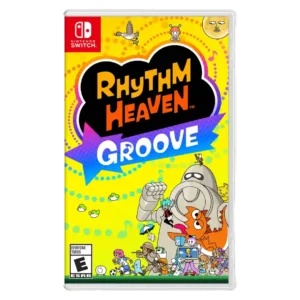
Innovation is strongest in Beatspell and the remixing of rhythm mechanics, though some reviewers also stress that Groove is not rewriting the series' rules.
Pros: couch co-op quality, accessibility options
Cons: platform-specific feature support, performance optimization
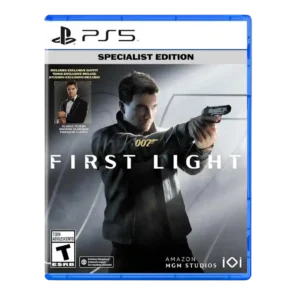
Innovation is cautiously positive, emphasizing bigger, bolder adaptation choices in a crowded cinematic action genre.
Pros: level design, user interface design
Cons: AI behavior, facial animations
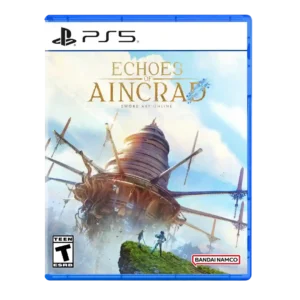
Innovation was modest but positive, with reviewers calling it a fresh take and noting different ideas from prior SAO games.
Pros: environmental detail, art direction
Cons: world interactivity, loot system
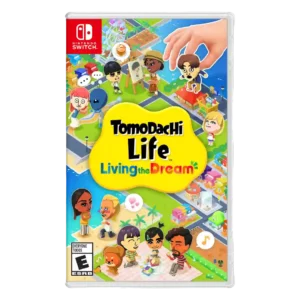
One review frames the sequel as a bold evolution, expanding the series with a more connected world, deeper systems, and player-created content.
Pros: grind level, originality
Cons: social features, accessibility options
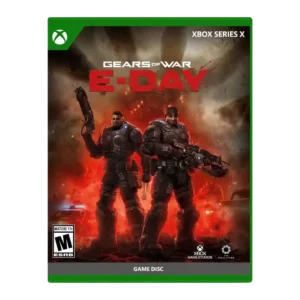
Innovation is praised for new features and authentic novelty, but one reviewer warns that too much change at once may be risky.
Pros: emotional impact, art direction
Cons: value for money, platform-specific feature support

Vehicles, mud physics, and semi-open maps give the formula a fresh wrinkle, but reviewers broadly agree the game evolves familiar horde-shooter ideas rather than reinventing the genre.
Pros: gameplay mechanics, boss design
Cons: age appropriateness, family friendliness
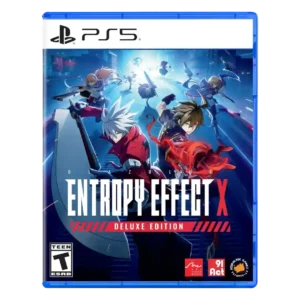
Innovation is modestly positive: one overview liked the unusual 2D-fighter roguelike transfer, while another said it is not earth-shattering.
Pros: movement feel, skill tree depth
Cons: menu usability, HUD clarity
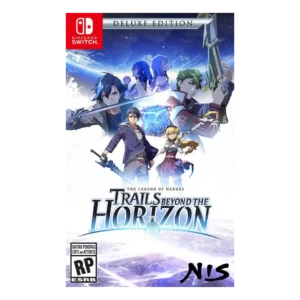
Innovation was mixed: reviewers praised refinement and evolution but also noted underused mechanics rather than bold reinvention.
Pros: facial animations, polish
Cons: grind level, stealth mechanics

Innovation is mixed: new audio, progression, and map ideas help, but several reviewers say the game plays safe or is not revolutionary.
Pros: open-world design, replay value
Cons: dialogue quality, writing quality
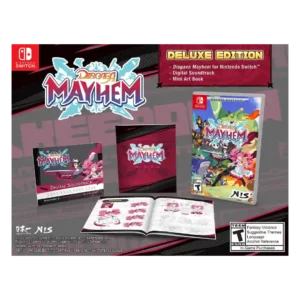
Turning Disgaea into an action RPG is an inviting and promising idea, but reviewers disagree on whether the first attempt realizes that potential.
Pros: bug frequency, movement feel
Cons: enemy variety, AI behavior
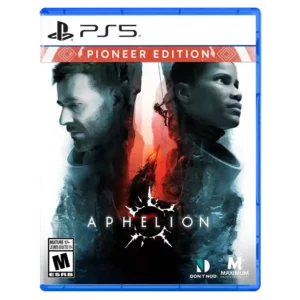
The intimate sci-fi framing feels fresh to some, but the underlying climbing and stealth borrow heavily from familiar action-adventure formulas.
Pros: HUD clarity, onboarding experience
Cons: user interface design, menu usability
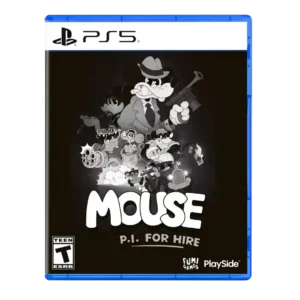
The game does not reinvent first-person shooting or detective mechanics, and its combat structure is deliberately familiar. Its unusual fusion of rubber-hose animation, noir storytelling, and boomer-shooter action supplies most...
Pros: lore depth, user interface design
Cons: AI behavior, aiming precision
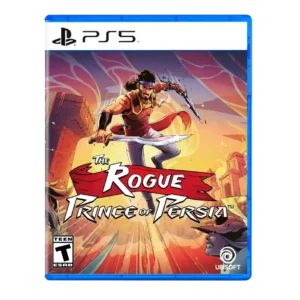
Innovation was low in one review that criticized the game for not matching or exceeding stronger roguelikes.
Pros: crash stability, HUD clarity
Cons: character development, visual effects quality
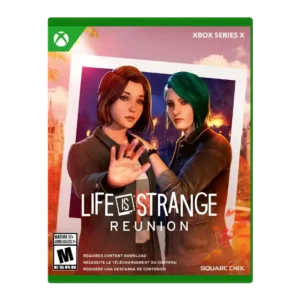
This finale stays close to the established formula and introduces little that feels genuinely new, even when the dual-protagonist setup works well.
Pros: level design, accessibility options
Cons: world-building, haptic feedback integration

Several reviewers see the game borrowing prestige-action conventions without adding enough mechanical depth of its own, making the design feel more imitative than inventive.
Pros: visual effects quality, horror tension
Cons: aiming precision, stealth mechanics