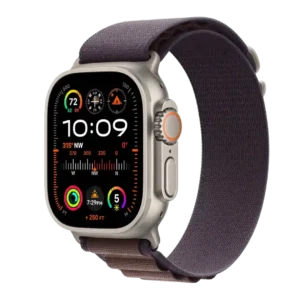
Third-party app support was a standout, with reviewers praising the selection and the ability to fill mapping or sports gaps with apps.
Pros: app ecosystem, smartwatch features
Cons: cross-platform compatibility, blood oxygen tracking
Third-party app support was a standout, with reviewers praising the selection and the ability to fill mapping or sports gaps with apps.
Pros: app ecosystem, smartwatch features
Cons: cross-platform compatibility, blood oxygen tracking
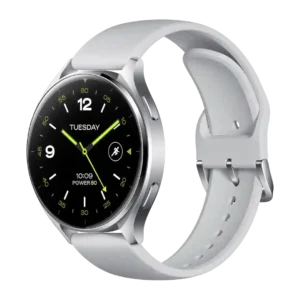
Third-party app support was a major advantage, with multiple reviewers praising access to Google Play apps and big-name services.
Pros: charging speed, Bluetooth connectivity
Cons: ECG functionality, recovery insights
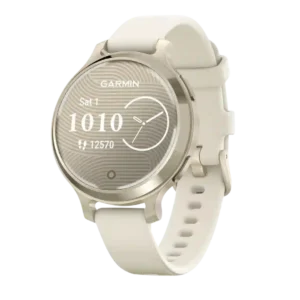
Third-party app support is positive, especially syncing workout data outward and broadcasting heart rate to other devices.
Pros: health tracking accuracy, blood oxygen tracking
Cons: ECG functionality, onboard music storage
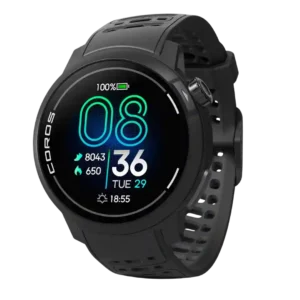
Third-party app support was positive where mentioned, with a rich set of apps and quick data sharing.
Pros: outdoor visibility, display quality
Cons: contactless payments, flashlight usefulness
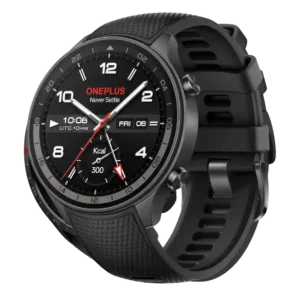
Third-party app support was strong overall through Wear OS, but one reviewer noted that some wanted apps were missing.
Pros: software smoothness, charging speed
Cons: ECG functionality, safety features
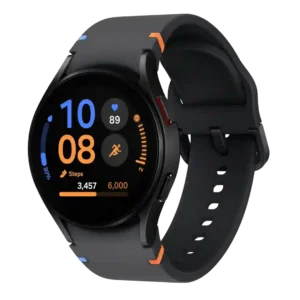
Third-party app support was rated well, with reviewers highlighting popular apps and an advantage over cheaper non-Wear OS watches.
Pros: materials quality, workout tracking variety
Cons: size options, cross-platform compatibility
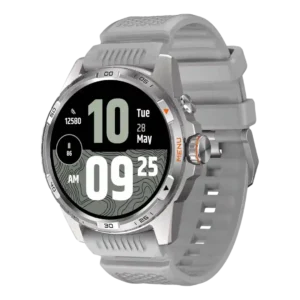
Third-party app support is solid through Wear OS and the Play Store, with Strava, Spotify, and other apps working well.
Pros: touchscreen responsiveness, software smoothness
Cons: ECG functionality, LTE connectivity

Third-party app support was a Wear OS advantage, with Strava, Spotify, WhatsApp, and low-power display integrations mostly viewed positively.
Pros: menu navigation, battery life
Cons: ECG functionality, voice assistant quality
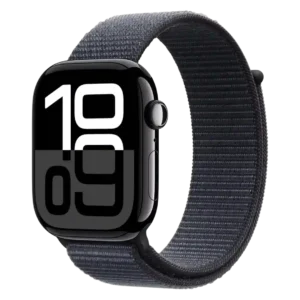
Third-party app support was valuable for sports and customization, though reviewers wanted better APIs for route syncing and deeper integration.
Pros: reliability, comfort
Cons: calorie tracking usefulness, mapping and navigation
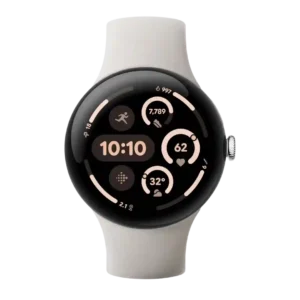
Third-party app support was generally strong, especially for Wear OS fitness and smartwatch apps, though app updating and some ecosystem limitations remained less intuitive.
Pros: outdoor visibility, pairing reliability
Cons: calorie tracking usefulness, materials quality
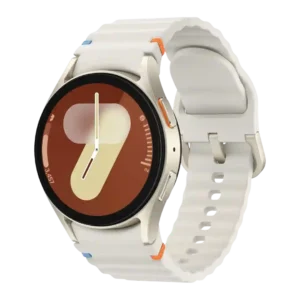
Third-party app support is generally good through Wear OS and the Play Store, but deeper Samsung Health data export and integration remain limited.
Pros: display quality, durability
Cons: cross-platform compatibility, antioxidant index
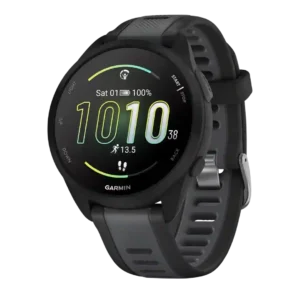
Third-party app/widget support was available and sometimes useful for tailoring data, though one reviewer did not find it especially useful.
Pros: smartphone notifications, watch face quality
Cons: music controls, Wi-Fi connectivity
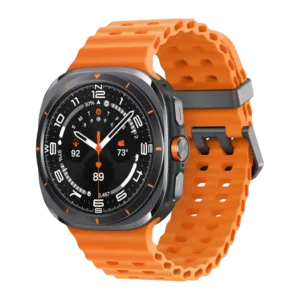
Third-party app support was useful through Wear OS, but custom watch-face support created a notable limitation for one reviewer.
Pros: build quality, software smoothness
Cons: stress tracking, blood oxygen tracking
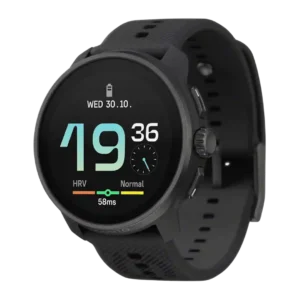
Third-party app support is useful but not fully baked in, with praise for the app store offset by criticism that some tools should be native.
Pros: workout tracking variety, value for money
Cons: blood oxygen tracking, contactless payments

Third-party support was mixed: Strava and apps could work well, but route syncing and data exports had clear limitations.
Pros: resume later function, brightness
Cons: safety features, activity auto-detection
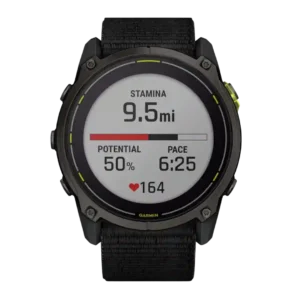
Third-party app support was judged weak compared with Apple’s ecosystem, with reviewers saying the Connect IQ offering does not rival fuller smartwatches.
Pros: contactless payments, reliability
Cons: onboard music storage, watch face quality
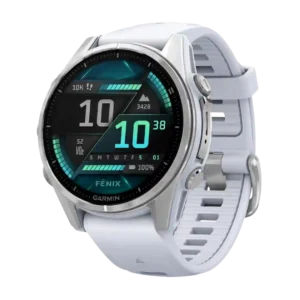
Third-party app support was a weakness compared with Apple, Samsung, watchOS, or Wear OS options.
Pros: workout tracking variety, onboard music storage
Cons: LTE connectivity, value for money
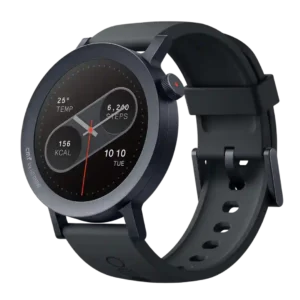
Third-party app support was constrained: Strava and health-platform integrations helped, but reviewers still criticized missing real third-party apps or broken Strava export.
Pros: pairing reliability, materials quality
Cons: data privacy, health tracking accuracy
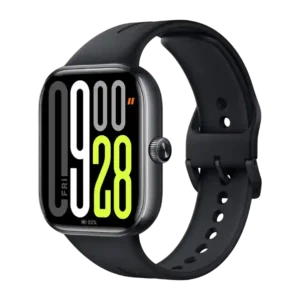
Third-party app support is weak because reviewers noted no native major music/map apps, no third-party apps, and limited accessory support.
Pros: step counting accuracy, display quality
Cons: voice assistant quality, contactless payments
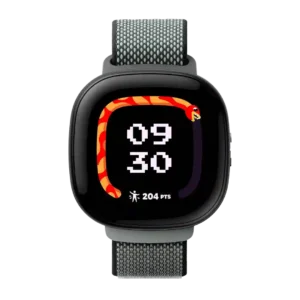
Third-party app support is weak because reviewers noted there are no apps and that older kids may want more app capability.
Pros: operating system experience, watch face quality
Cons: app ecosystem, third-party app support
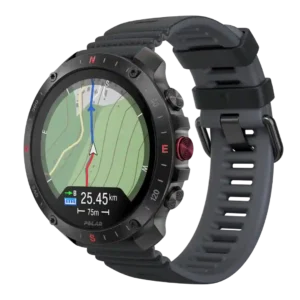
Third-party app/program support was weak, especially the lack of TrainingPeaks support on the watch.
Pros: recovery insights, build quality
Cons: contactless payments, onboard music storage
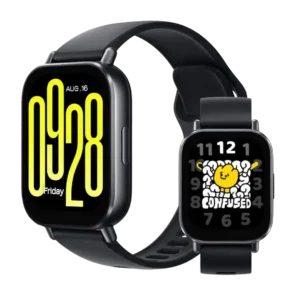
Third-party app support was weak because reviewers noted that extra apps such as Google Maps cannot be installed.
Pros: wellness insights, Bluetooth connectivity
Cons: contactless payments, third-party app support
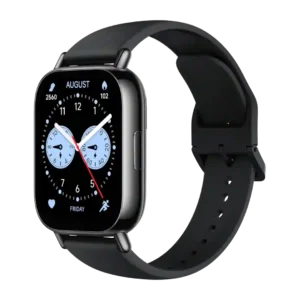
Third-party app support was weak because one reviewer explicitly listed the lack of third-party apps among the watch's cons.
Pros: cross-platform compatibility, pairing reliability
Cons: third-party app support, contactless payments
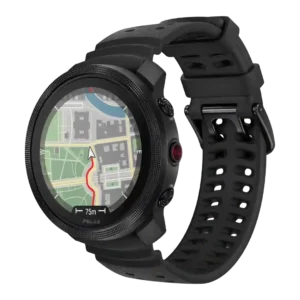
Third-party app support is consistently criticized, with no app store or downloadable extensions.
Pros: brightness, display quality
Cons: call handling, voice assistant quality