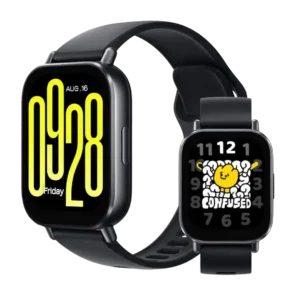
Touchscreen responsiveness was praised as quick and responsive.
Pros: wellness insights, Bluetooth connectivity
Cons: contactless payments, third-party app support
Touchscreen responsiveness was praised as quick and responsive.
Pros: wellness insights, Bluetooth connectivity
Cons: contactless payments, third-party app support
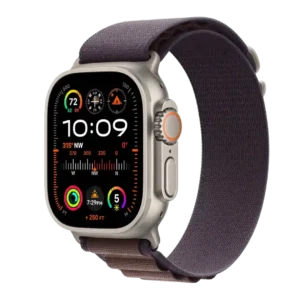
Touchscreen responsiveness was praised for accurate, hassle-free input and joy-to-use responsiveness.
Pros: app ecosystem, smartwatch features
Cons: cross-platform compatibility, blood oxygen tracking
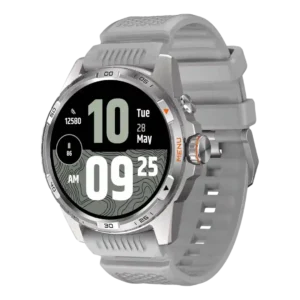
Touchscreen responsiveness is strong in the few reviews that tested it directly.
Pros: touchscreen responsiveness, software smoothness
Cons: ECG functionality, LTE connectivity
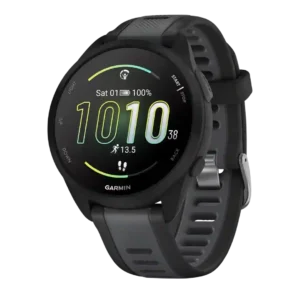
Touchscreen responsiveness was widely praised, including smooth swiping, reliable taps, and usability with gloves or wet screens.
Pros: smartphone notifications, watch face quality
Cons: music controls, Wi-Fi connectivity
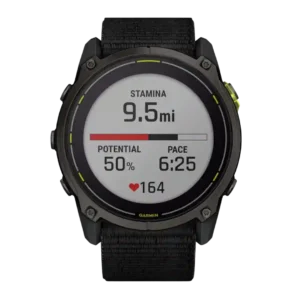
Touchscreen responsiveness was viewed positively, with reviewers praising touch unlock, responsiveness, and the touchscreen/buttons mix.
Pros: contactless payments, reliability
Cons: onboard music storage, watch face quality
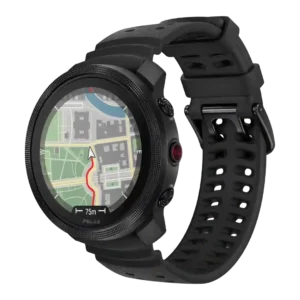
Touchscreen responsiveness is praised as snappy, responsive and intuitive.
Pros: brightness, display quality
Cons: call handling, voice assistant quality
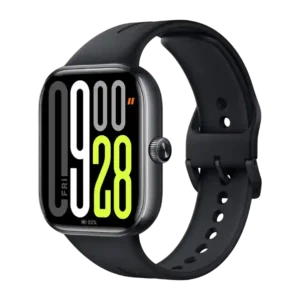
Touchscreen responsiveness is positive, with reviewers praising swipes, taps, and even wet-screen responsiveness.
Pros: step counting accuracy, display quality
Cons: voice assistant quality, contactless payments
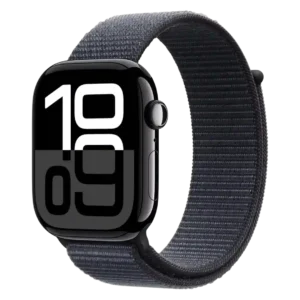
Touchscreen/display responsiveness had limited but positive evidence, with one reviewer describing the OLED as very responsive.
Pros: reliability, comfort
Cons: calorie tracking usefulness, mapping and navigation
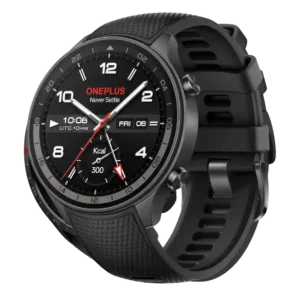
Touchscreen responsiveness was praised in one review as lag-free and responsive.
Pros: software smoothness, charging speed
Cons: ECG functionality, safety features
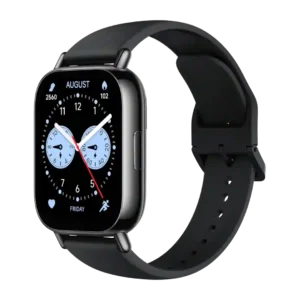
Touch response was positive overall, with reviewers describing the screen as responsive, quick, and free of odd mistouches.
Pros: cross-platform compatibility, pairing reliability
Cons: third-party app support, contactless payments
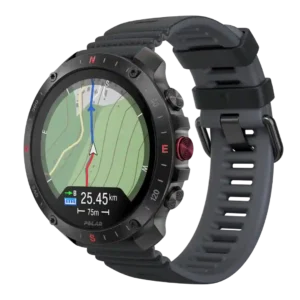
Touchscreen responsiveness was generally praised, including reliable taps/swipes and good wet-weather usability.
Pros: recovery insights, build quality
Cons: contactless payments, onboard music storage
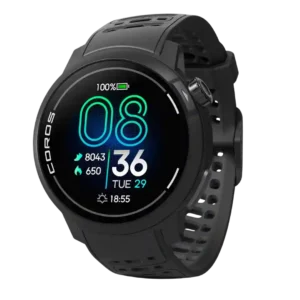
Touchscreen responsiveness was usually excellent, but some reviewers noted finicky scrolling, water-triggered touches, or touchscreen design that felt secondary.
Pros: outdoor visibility, display quality
Cons: contactless payments, flashlight usefulness
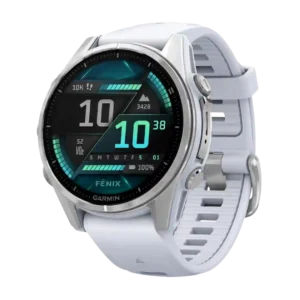
Touchscreen responsiveness ranged from excellent to frustrating: reviewers liked touch unlock and responsive AMOLED use, but one MIP tester reported repeated taps.
Pros: workout tracking variety, onboard music storage
Cons: LTE connectivity, value for money
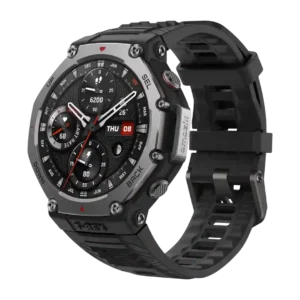
Touchscreen responsiveness was mostly strong, though water/wetsuit touches and some map modes caused issues.
Pros: resume later function, brightness
Cons: safety features, activity auto-detection
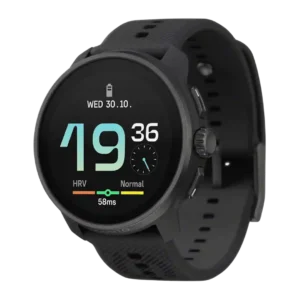
Touchscreen responsiveness is mostly positive after improvements, though moisture sensitivity and a less-slick feel kept scores from being perfect.
Pros: workout tracking variety, value for money
Cons: blood oxygen tracking, contactless payments
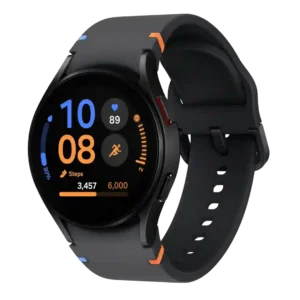
Touchscreen responsiveness was mostly good, though one reviewer had occasional missed taps or unregistered increments.
Pros: materials quality, workout tracking variety
Cons: size options, cross-platform compatibility
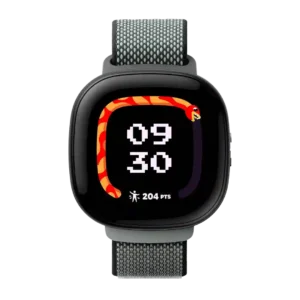
Touch responsiveness is mixed: one reviewer found controls sluggish, while another found the watch responsive and fast.
Pros: operating system experience, watch face quality
Cons: app ecosystem, third-party app support
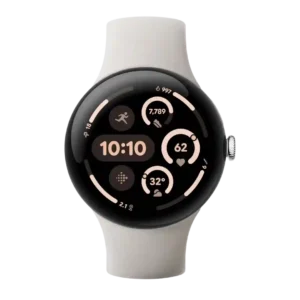
Touchscreen responsiveness was strong when dry, but DC Rainmaker found it struggled noticeably when wet or sweaty compared with Garmin touchscreens.
Pros: outdoor visibility, pairing reliability
Cons: calorie tracking usefulness, materials quality
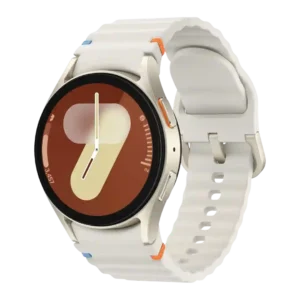
Touch responsiveness is mixed: the display itself can be very responsive, but wet use and the digital bezel are recurring weak points.
Pros: display quality, durability
Cons: cross-platform compatibility, antioxidant index
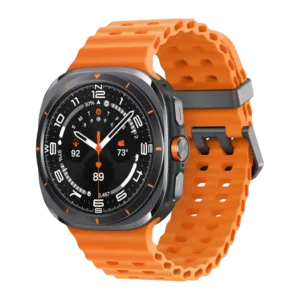
Touch interaction was mixed: the touch bezel could be excellent, but wet or sweaty workout use remained a clear limitation.
Pros: build quality, software smoothness
Cons: stress tracking, blood oxygen tracking
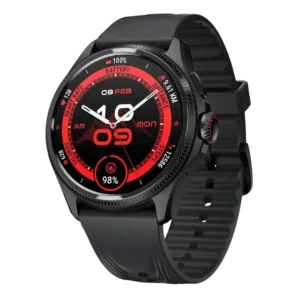
Touchscreen responsiveness was generally good, but accidental touches through clothing and occasional gesture issues reduced confidence.
Pros: menu navigation, battery life
Cons: ECG functionality, voice assistant quality
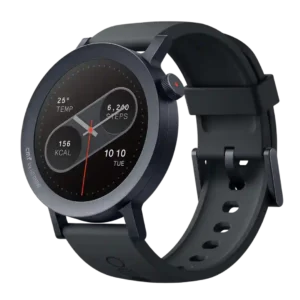
Touchscreen responsiveness was mostly acceptable, but tap-to-wake reliability remained a noted quirk.
Pros: pairing reliability, materials quality
Cons: data privacy, health tracking accuracy
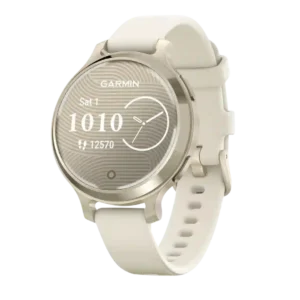
Touchscreen responsiveness is split, with one reviewer finding it very sensitive and simple, while another calls the controls finicky.
Pros: health tracking accuracy, blood oxygen tracking
Cons: ECG functionality, onboard music storage
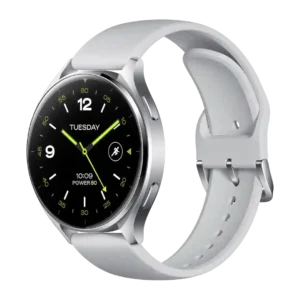
Touch responsiveness was mixed: one reviewer found typing acceptable, while another said responsiveness could be slow after startup.
Pros: charging speed, Bluetooth connectivity
Cons: ECG functionality, recovery insights
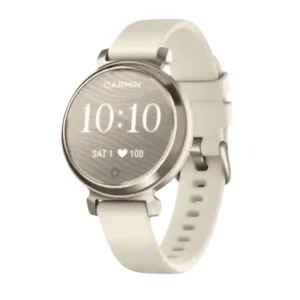
Touchscreen responsiveness is a recurring concern, with several reviewers reporting slow response, missed taps, or frustration.
Pros: pairing reliability, wellness insights
Cons: ECG functionality, body temperature tracking