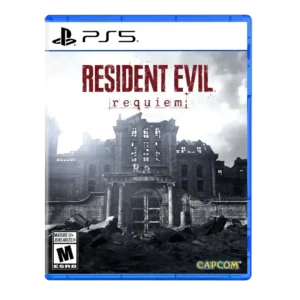
World-building was praised for making the setting feel grotesquely alive.
Pros: driving mechanics, protagonist appeal
Cons: platform-specific feature support, checkpoint system
World-building was praised for making the setting feel grotesquely alive.
Pros: driving mechanics, protagonist appeal
Cons: platform-specific feature support, checkpoint system

World-building was consistently praised for its living town, memorable characters, political themes, folklore, and richly imagined Eastern European vampire society.
Pros: accessibility options, protagonist appeal
Cons: frame rate stability, polish
Portofiro is a richly layered city shaped by debt, empire, propaganda, local culture, and personal survival. Its history, neighborhoods, and residents make it one of the game’s most consistently praised...
Pros: level design, world interactivity
Cons: performance optimization, menu usability
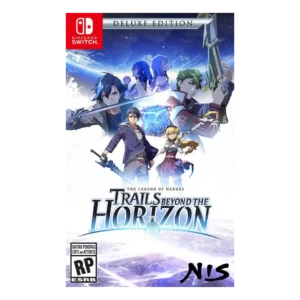
World-building was strongly praised for a detailed setting and revelations that shook reviewers’ understanding of the series.
Pros: facial animations, polish
Cons: grind level, stealth mechanics

Mouseburg feels lived-in through its factions, newspapers, politics, character histories, and distinctive districts. The hub hints at a larger city that some players wanted to explore more deeply.
Pros: lore depth, user interface design
Cons: AI behavior, aiming precision

One review strongly praised how the game explains otherworldly concepts without stopping the gameplay.
Pros: world-building, world interactivity
Cons: enemy variety, stealth mechanics
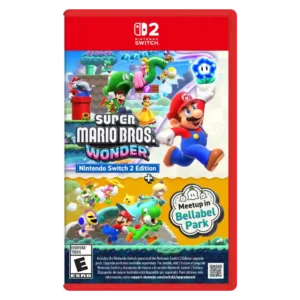
The Flower Kingdom is praised as an unusually well-realized Mario setting, with its distinct identity helping Wonder push beyond the familiar Mushroom Kingdom backdrop.
Pros: controls responsiveness, voice acting
Cons: matchmaking quality, user interface design
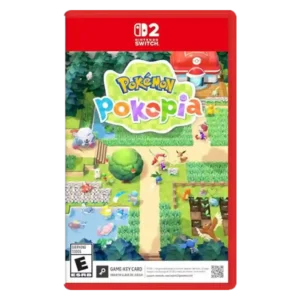
World-building was a major strength, with reviewers praising Kanto’s depth, lore, environmental clues, and ruined-world context.
Pros: protagonist appeal, faithfulness to franchise
Cons: map and navigation design, aiming precision
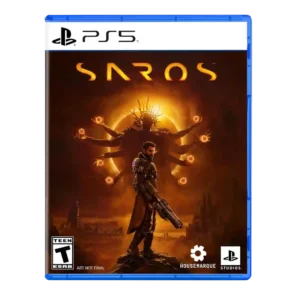
World-building was praised through Carcosa’s mysteries, logs, lore, and thematic environmental storytelling.
Pros: value for money, fun factor
Cons: map and navigation design, side character depth

World-building was a strength thanks to environmental themes, habitat restoration, and a more believable ecosystem.
Pros: art direction, environmental detail
Cons: multiplayer design, accessibility options

Minakami’s architecture, rituals, journals, spirits, and side stories form a cohesive folk-horror setting that grows richer the more it is explored.
Pros: writing quality, checkpoint system
Cons: bug frequency, HUD clarity
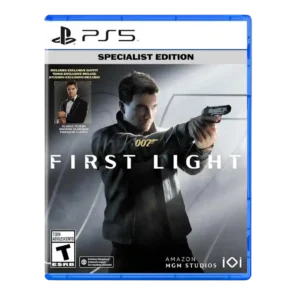
World-building evidence is limited but positive, highlighting the stylish Bond world, sartorial detail, and luxury iconography.
Pros: level design, user interface design
Cons: AI behavior, facial animations
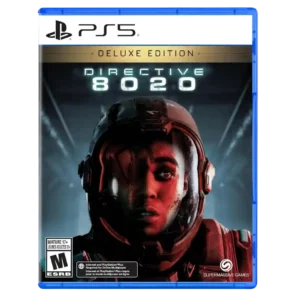
World-building was praised for themes of isolation, uncertainty, and human fragility within the sci-fi premise.
Pros: user interface design, graphics quality
Cons: combat system, animation quality
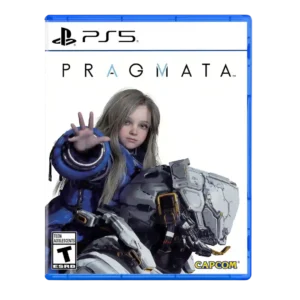
World-building is praised for its lunafilament, moon-base setting, environmental storytelling, and AI/technology themes.
Pros: bug frequency, user interface design
Cons: HUD clarity, mission design
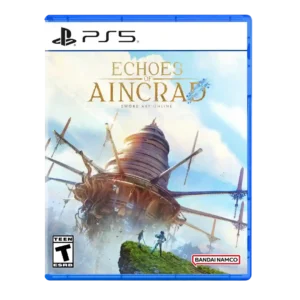
World-building looked promising to one reviewer, who saw groundwork for high-stakes storytelling and deeper side content.
Pros: environmental detail, art direction
Cons: world interactivity, loot system
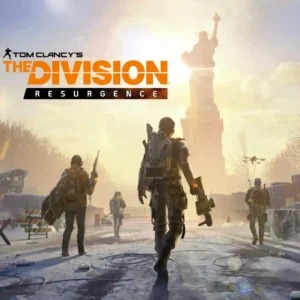
Narrative framing connects missions and side activities into a coherent version of post-outbreak Manhattan.
Pros: exploration quality, sandbox freedom
Cons: mission variety, companion AI
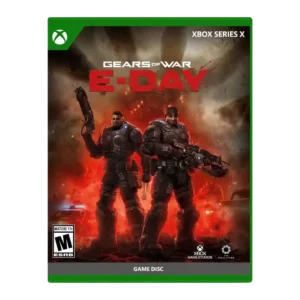
World-building is praised for making Kalona feel alive and for connecting the new city to wider Gears history.
Pros: emotional impact, art direction
Cons: value for money, platform-specific feature support
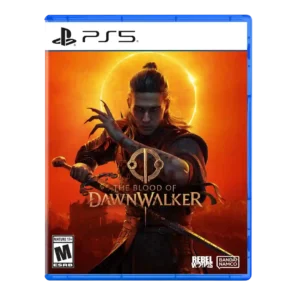
World-building was praised for social nuance, dark medieval inspiration, and a setting that felt bigger than scenery.
Pros: core gameplay loop, replay value
Cons: value for money, difficulty balance

World-building is strongly praised for environmental storytelling, dark thematic cohesion, and a world that invites interpretation.
Pros: onboarding experience, environmental detail
Cons: family friendliness, movement feel
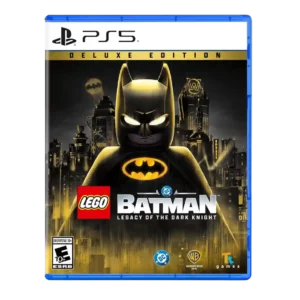
World-building is praised for nods to Batman media, a broad source-material base, and a blend of Arkham and Lego influences.
Pros: pacing, core gameplay loop
Cons: companion AI, map and navigation design
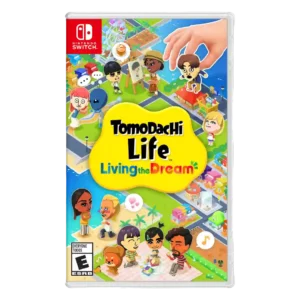
The island can become a personalized little society, with reviewers highlighting its growth from a blank space into a distinct Mii world.
Pros: grind level, originality
Cons: social features, accessibility options

World-building is mostly praised for regional identity, Japanese details, and authentic-feeling spaces, though one review says the city can feel soulless.
Pros: open-world design, replay value
Cons: dialogue quality, writing quality
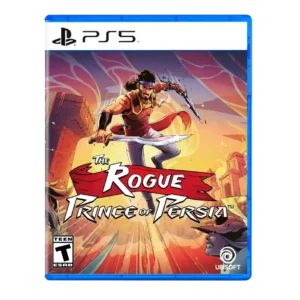
World-building earned positive support where optional world and character context enhanced the story.
Pros: crash stability, HUD clarity
Cons: character development, visual effects quality

World-building was praised for on-brand global locations and a more lived-in Marvel universe.
Pros: environmental detail, graphics quality
Cons: gameplay mechanics, emotional impact
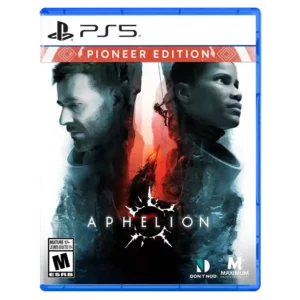
Grounded science, ESA details, abandoned facilities, and Persephone’s mysteries create a believable setting, even when some lore feels underdeveloped.
Pros: HUD clarity, onboarding experience
Cons: user interface design, menu usability
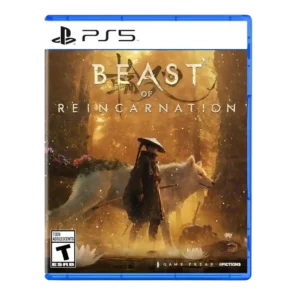
The ruined future Japan is compelling, melancholy, and filled with intriguing social tensions. The world’s presentation is strong, though some of its corruption-based mythology initially feels familiar.
Pros: soundtrack quality, value for money
Cons: onboarding experience, aiming precision
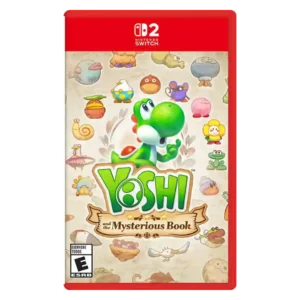
The living encyclopedia and its connected ecosystems create an inviting storybook world with memorable creatures. Lore and dramatic context remain intentionally light.
Pros: platforming precision, protagonist appeal
Cons: pacing, co-op experience
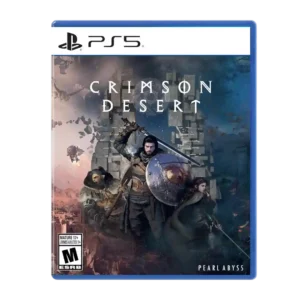
Reviewer evidence is mixed: world-building drew both praise and caveats across 4 review(s).
Pros: level design, replay value
Cons: stealth mechanics, save system reliability
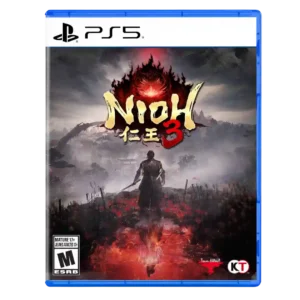
World-building was mixed, with time-period variety praised but identity, lore depth, and restored-world immersion criticized in several reviews.
Pros: pacing, visual effects quality
Cons: tutorial quality, character roster

The Carpenter-inspired setting and Sludge God concept can give the world a fun identity, but some reviewers find the actual mission locations too bland to sustain that promise.
Pros: gameplay mechanics, boss design
Cons: age appropriateness, family friendliness

Reviewers admire the medieval Italian setting and plague-era concept, but many feel the game underuses its history, religion, class tensions, and social collapse instead of making the world feel fully...
Pros: visual effects quality, horror tension
Cons: aiming precision, stealth mechanics
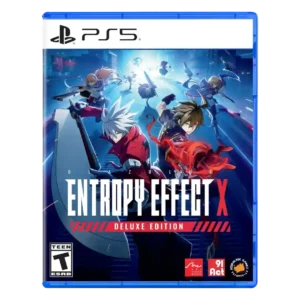
World-building is weak in one review because the roguelike action left the reviewer detached from the dialogue and setting.
Pros: movement feel, skill tree depth
Cons: menu usability, HUD clarity
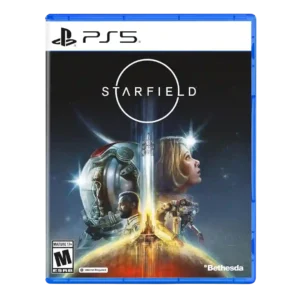
World-building is divisive: some admire the sci-fi scale, while others find the vision of humanity and space underwhelming.
Pros: puzzle design, sound design
Cons: accessibility options, AI behavior

One especially negative assessment finds Caledon lifeless and its conversations narrowly devoted to exposition, making the setting feel populated by plot devices rather than people.
Pros: level design, accessibility options
Cons: world-building, haptic feedback integration