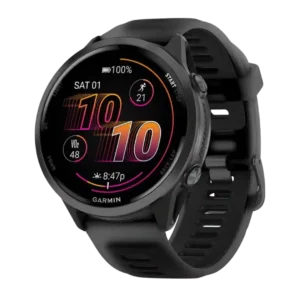
Recovery insights were a standout for several reviewers, helping them judge readiness, avoid overtraining, and interpret rest.
Pros: charging speed, GPS accuracy
Cons: ECG functionality, smartphone notifications
Recovery insights were a standout for several reviewers, helping them judge readiness, avoid overtraining, and interpret rest.
Pros: charging speed, GPS accuracy
Cons: ECG functionality, smartphone notifications
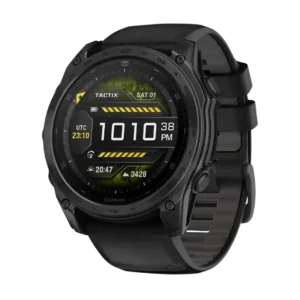
Recovery insights were one of Garmin's strongest areas, with reviewers relying on training recommendations, recovery timing, and readiness guidance.
Pros: wellness insights, build quality
Cons: LTE connectivity, band quality
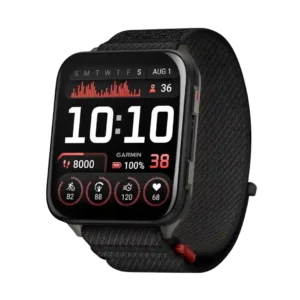
Recovery insights were praised for helping users understand when to push, rest, and interpret body effort after workouts.
Pros: pairing reliability, watch face quality
Cons: ECG functionality, LTE connectivity
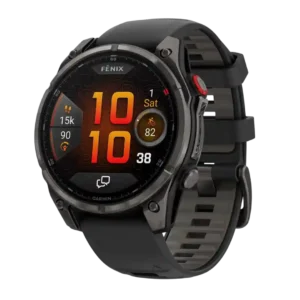
Training Readiness and related recovery metrics were described as useful or standout, especially for deciding when to train or rest.
Pros: workout tracking variety, pairing reliability
Cons: size options, companion app quality
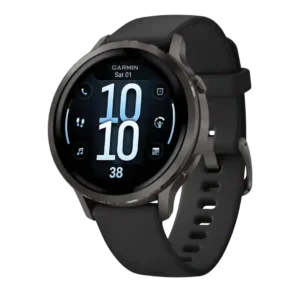
Recovery tools such as Body Battery, Training Readiness, and recovery recommendations were consistently described as helpful and well matched to how reviewers felt.
Pros: activity auto-detection, style and design
Cons: LTE connectivity, charging convenience
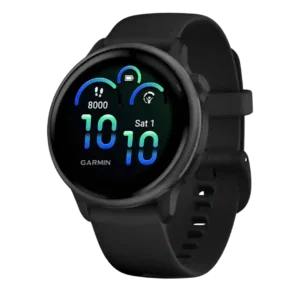
Recovery insights are a strength, with reviewers praising Body Battery, Sleep Need, and recovery-aware recommendations as genuinely useful day-to-day context.
Pros: software smoothness, comfort
Cons: LTE connectivity, voice assistant quality

Recovery insights were praised for helping identify missing training types after sustained activity.
Pros: heart rate accuracy, GPS accuracy
Cons: onboard music storage, mapping and navigation
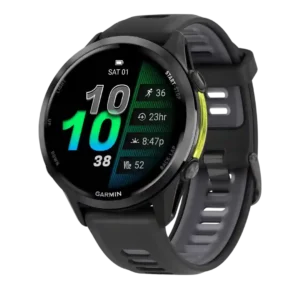
Recovery insights were a major strength: reviewers found impact load, training readiness, running tolerance, and daily reports useful for pacing workload and avoiding overtraining.
Pros: stress tracking, customization options
Cons: menu navigation, companion app quality
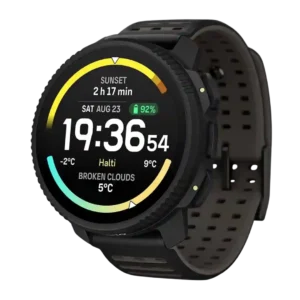
Recovery insights were generally useful, with reviewers saying advice or training-state feedback aligned with how they felt and helped track progress.
Pros: operating system experience, materials quality
Cons: contactless payments, onboard music storage
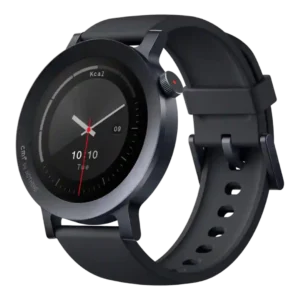
Recovery insights were useful where reviewers discussed recovery time, training load, VO2 max, and planning the next workout.
Pros: workout tracking variety, user interface
Cons: Wi-Fi connectivity, onboard music storage
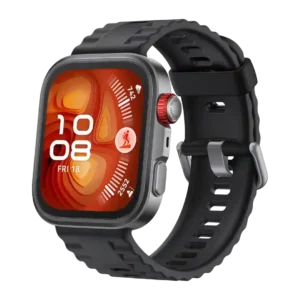
Recovery insights were useful but not perfect: biocharge and readiness improved over older metrics, while some sleep/training-load scores seemed generous or immature.
Pros: Bluetooth connectivity, calorie tracking usefulness
Cons: ECG functionality, flashlight usefulness
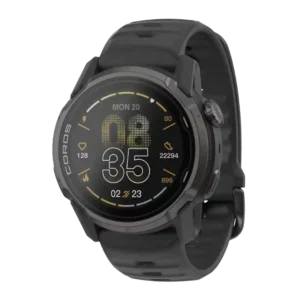
Recovery insights are useful and clearly presented, but reviewers note some limitations such as weekly training-load reset behavior.
Pros: reliability, battery life
Cons: LTE connectivity, flashlight usefulness
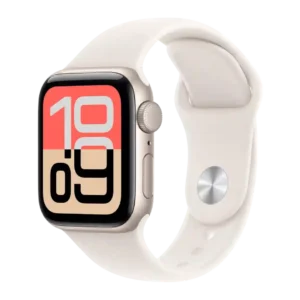
Recovery-related evidence was limited, but one fitness-focused review valued training-load tracking as a way to monitor workout volume over time.
Pros: app ecosystem, operating system experience
Cons: cross-platform compatibility, ECG functionality

Recovery guidance had limited evidence, but one reviewer appreciated that the watch leaned toward rest rather than pushing overreaching.
Pros: third-party app support, heart rate accuracy
Cons: music controls, cross-platform compatibility
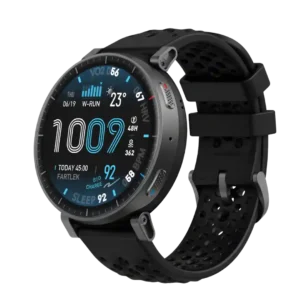
Recovery insights such as BioCharge and training-status data were useful for casual guidance, though reviewers noted they depend on the underlying sensor data and are not always on par with...
Pros: workout tracking variety, outdoor visibility
Cons: calorie tracking usefulness, safety features
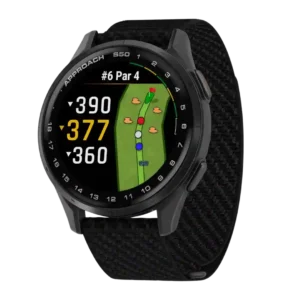
Recovery insights were useful for sleep-related recovery in one review but easy to ignore for another reviewer during daily use.
Pros: touchscreen responsiveness, health tracking accuracy
Cons: call handling, voice assistant quality
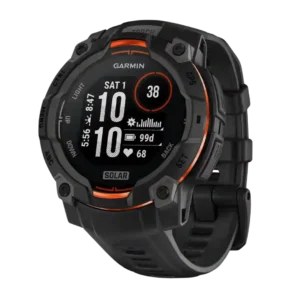
Recovery insights are mixed: Training Readiness can feel accurate, but some recovery time suggestions were considered overkill or not useful.
Pros: customization options, charging speed
Cons: onboard music storage, voice assistant quality
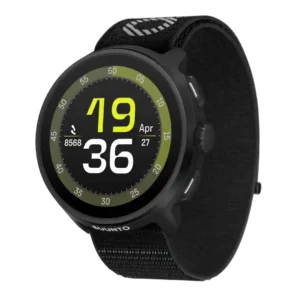
Recovery insights were valued for combining sleep, HRV, training load, and post-workout recovery, but several reviewers felt the metrics could be quirky, acronym-heavy, or poorly contextualized.
Pros: comfort, value for money
Cons: contactless payments, Wi-Fi connectivity
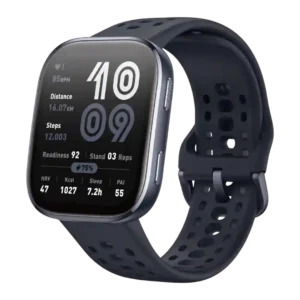
Recovery insights were useful when tied to plans or Readiness, but some reviewers questioned the algorithm or noted premium/subscription limits.
Pros: value for money, battery life
Cons: contactless payments, stress tracking
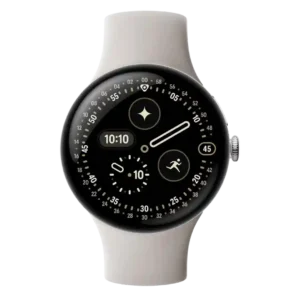
Recovery insights were helpful when calibrated, especially Readiness and Load, but some readiness results felt odd or overly anxiety-inducing.
Pros: step counting accuracy, charging speed
Cons: stress tracking, band quality
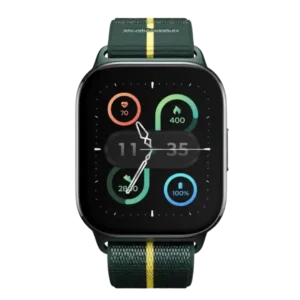
Recovery insights were present through a stamina-style readiness estimate, described as interesting rather than advanced.
Pros: software smoothness, menu navigation
Cons: contactless payments, stress tracking
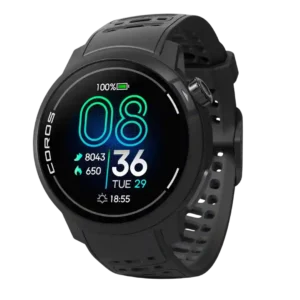
Recovery and training-load insights were useful for interpreting fitness, although one reviewer criticized Coros’s weekly training-load reset.
Pros: comfort, value for money
Cons: third-party app support, contactless payments
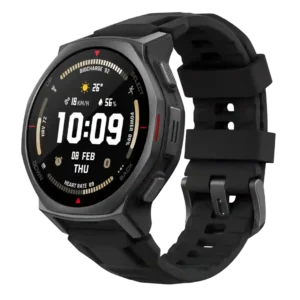
Recovery insights are uneven. Reviewers liked alignment with Garmin or BioCharge concepts, but criticized lack of detail, half-baked insights or needing to wear the watch overnight.
Pros: workout tracking variety, calorie tracking usefulness
Cons: LTE connectivity, ECG functionality
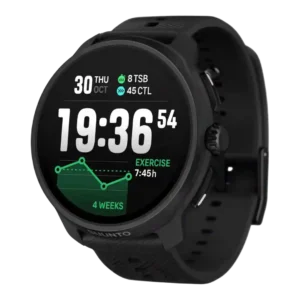
Recovery insights were mixed: reviewers liked the training context but criticized confusing TrainingPeaks terms, overly optimistic resources, and presentation that was hard to parse.
Pros: operating system experience, brightness
Cons: safety features, health tracking accuracy
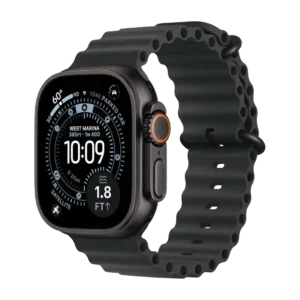
Recovery and training analysis remained a recurring weakness, with reviewers saying Apple still lacks the depth of dedicated sports-watch platforms.
Pros: app ecosystem, watch face quality
Cons: cross-platform compatibility, size options
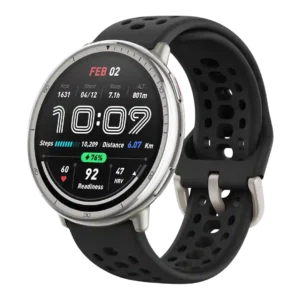
Recovery and readiness insights were useful as guidance for some, but multiple reviewers found the scoring overly generous or not very actionable.
Pros: pairing reliability, value for money
Cons: stress tracking, onboard music storage
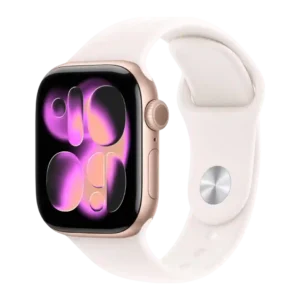
Recovery insights are a repeated weakness: reviewers wanted readiness, body battery, HRV, or deeper training-analysis features beyond Apple’s current sleep and training metrics.
Pros: ECG functionality, app ecosystem
Cons: cross-platform compatibility, recovery insights

Recovery guidance was a weakness, with reviewers wanting more advanced load and recovery context.
Pros: blood oxygen tracking, step counting accuracy
Cons: LTE connectivity, calorie tracking usefulness
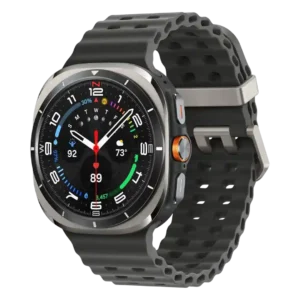
Recovery-style guidance is a weak spot in one long-term review, where the energy score felt redundant and unhelpful.
Pros: LTE connectivity, pairing reliability
Cons: antioxidant index, blood oxygen tracking