Best for combat system
Absolum
4.9 feature score
Highest scored product for this feature based on supporting review evidence.
Highest scored product for this feature based on supporting review evidence.
Balances feature score, supporting reviews, and overall product strength.
Has the broadest review evidence for this feature.
Strongest overall product among items with scored evidence for this feature.
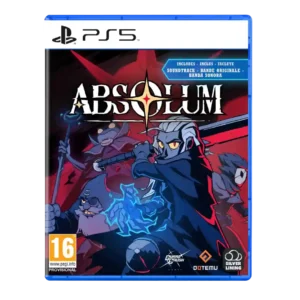
Combat was the clearest strength, with reviewers repeatedly praising its feel, depth, combo freedom, and beat-em-up fundamentals.
Pros: mission design, world interactivity
Cons: quest design, endgame content
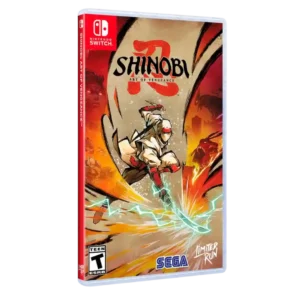
Combat is the most consistently praised attribute, with reviewers calling it fluid, deep, expressive, satisfying, and central to the game’s appeal.
Pros: graphics quality, environmental detail
Cons: bug frequency, dialogue quality
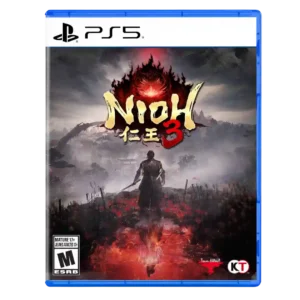
Combat was the most strongly praised attribute, repeatedly called deep, smooth, flexible, and among the best in the soulslike/action RPG space.
Pros: pacing, visual effects quality
Cons: tutorial quality, character roster
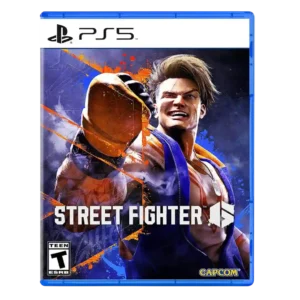
Combat earned the strongest praise: reviewers highlighted expressive Drive options, strategic meter use, and satisfying risk-reward decisions.
Pros: movement feel, art direction
Cons: platforming precision, writing quality
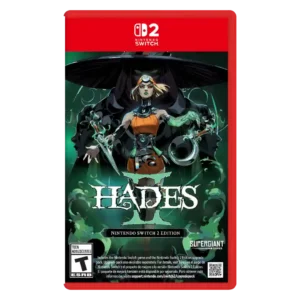
Combat is one of the clearest strengths: fast, satisfying, tactical, and deeper than before, with only scattered concerns about flow or screen clutter.
Pros: skill tree depth, dialogue quality
Cons: emotional impact, economy and resource balance
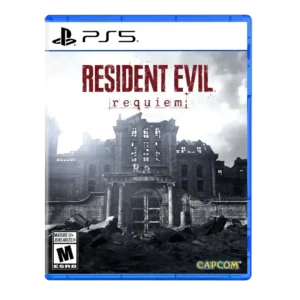
Combat drew broad praise for weight, weapon handling, Leon’s action toolkit, and entertaining encounters, though one review noted some harassment-style friction.
Pros: driving mechanics, protagonist appeal
Cons: platform-specific feature support, checkpoint system
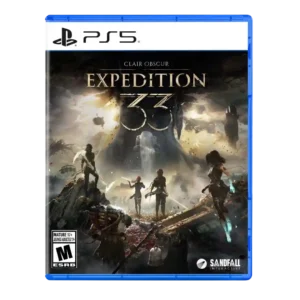
Combat was the most consistently praised system, with reviewers highlighting active dodges, parries, character-specific mechanics, and satisfying turn-based depth; a few found it divisive or demanding.
Pros: monetization fairness, microtransaction impact
Cons: platforming precision, menu usability
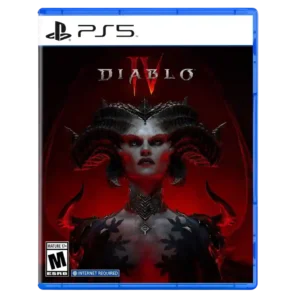
Combat was one of the strongest points, with repeated praise for precision, satisfaction, and tactical chaos; only one review framed it as more uneven.
Pros: lore depth, art direction
Cons: mission variety, protagonist appeal
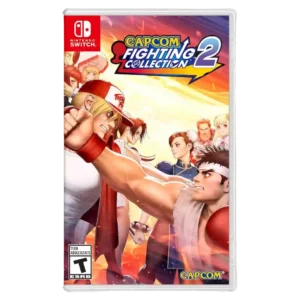
Combat is widely described as tactical, deep, and enjoyable, with standout praise for Capcom vs. SNK, Street Fighter Alpha, and the Power Stone-style action.
Pros: emotional impact, sound design
Cons: cross-play support, boss design
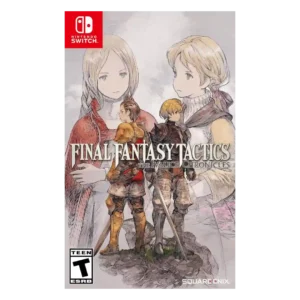
The tactical combat system was one of the most consistently praised elements, described as fun, strategic, and still genre-leading.
Pros: emotional impact, polish
Cons: bug frequency, crash stability
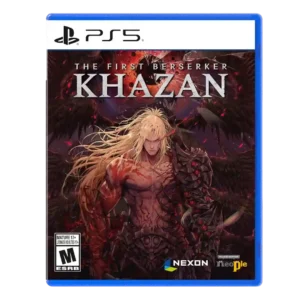
Combat is the product’s clearest strength: reviewers repeatedly call it fast, satisfying, deep, and among the genre’s best, with only a few reservations about stamina or consistency.
Pros: core gameplay loop, controls responsiveness
Cons: mission design, learning curve
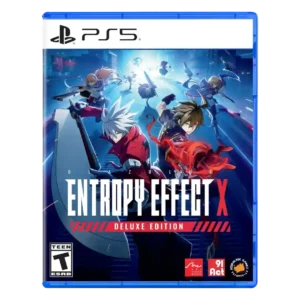
Combat is the clearest consensus strength: reviewers repeatedly call it fun, fluid, satisfying, stylish, and the main reason to keep playing.
Pros: movement feel, skill tree depth
Cons: menu usability, HUD clarity
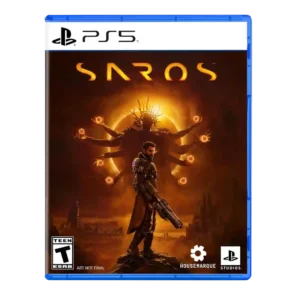
Combat was the strongest consensus point, described as thrilling, precise, tactile, and among Housemarque’s best work.
Pros: value for money, fun factor
Cons: map and navigation design, side character depth
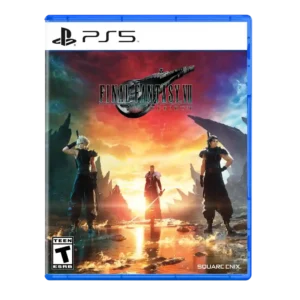
Combat is one of the strongest points: reviewers repeatedly praise the hybrid action/ATB foundation, Synergy additions, tactical depth, and character-specific playstyles, while only a few note occasional clumsy or frustrating...
Pros: world-building, art direction
Cons: mission design, stealth mechanics
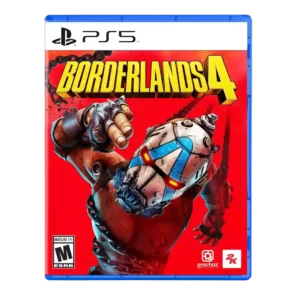
Combat is the strongest consensus point: reviewers praise punchy gunplay, chaotic fights, and responsive shooting, despite a few concerns about repetition or tuning.
Pros: sandbox freedom, art direction
Cons: polish, save system reliability
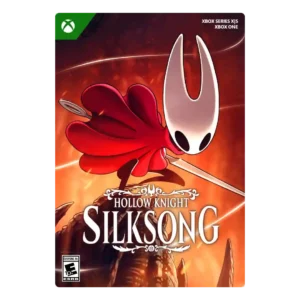
Combat is a major strength, described as fast, precise, tense, dance-like, and rewarding, though some reviews tie its highs to demanding difficulty.
Pros: core gameplay loop, world interactivity
Cons: loot system, accessibility options
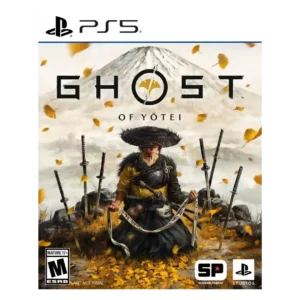
Combat is the most broadly praised system, with fluid parries, weapon-swapping, violent impact, and strong duels; criticisms focus on rigidity or fatigue in the rock-paper-scissors weapon setup.
Pros: movement feel, environmental detail
Cons: puzzle design, age appropriateness

Turn-based battles remain the game’s biggest strength: simple to operate, but deep enough that typing, abilities, movesets, stats, and team construction reward planning.
Pros: boss design, side character depth
Cons: monetization fairness, originality
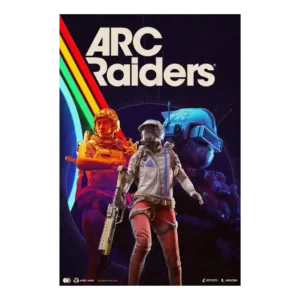
Combat drew broad praise for tense, punchy, tactical third-person firefights, with only a few reviews calling it cumbersome or mediocre.
Pros: frame rate stability, platform-specific feature support
Cons: voice acting, writing quality

Combat is the central strength: reviewers praise the 3v3 tag system, speed, accessibility, depth, and the way fights feel powerful and readable.
Pros: movement feel, world-building
Cons: save system reliability, mission variety
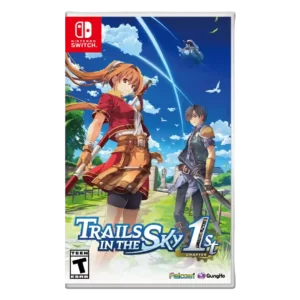
Combat drew the strongest agreement: reviewers liked the hybrid real-time and command-battle system, though a few found the action side simple.
Pros: protagonist appeal, art direction
Cons: camera behavior, tutorial quality
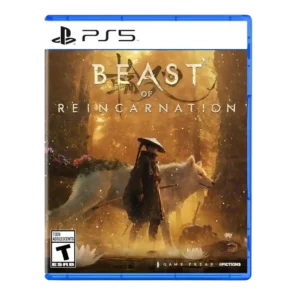
Parry-driven swordplay gains real tactical depth from Koo’s slow-motion Bloom Arts and support abilities. It is the clearest standout, with multiple hands-on players describing it as satisfying, expressive, and difficult...
Pros: soundtrack quality, value for money
Cons: onboarding experience, aiming precision
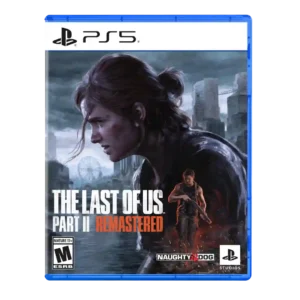
Combat was one of the strongest areas overall, with reviewers praising its brutal feel, polish, resource pressure, and ability to shine in No Return despite a few dissenting takes.
Pros: core gameplay loop, level design
Cons: family friendliness, puzzle design
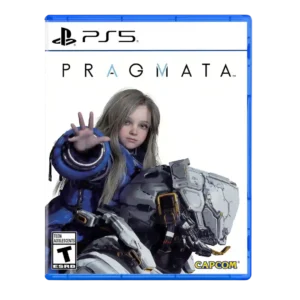
Combat is the strongest consensus point, with reviewers praising the simultaneous hacking and shooting as satisfying, distinctive, and deeply engaging despite occasional clunkiness.
Pros: bug frequency, user interface design
Cons: HUD clarity, mission design
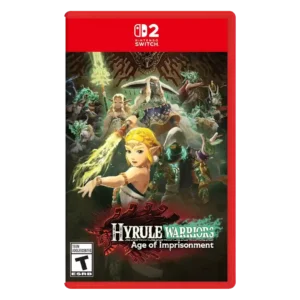
Combat was the clearest strength across the review set, often called deep, reactive, satisfying, or the best Hyrule Warriors has felt.
Pros: animation quality, multiplayer design
Cons: save system reliability, companion AI
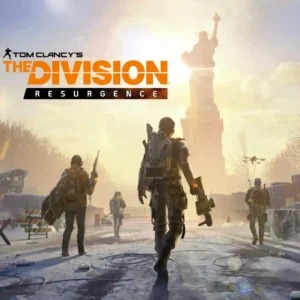
Cover shooting is consistently praised as punchy, responsive, and tactical, preserving the satisfying feel of the mainline games.
Pros: exploration quality, sandbox freedom
Cons: mission variety, companion AI
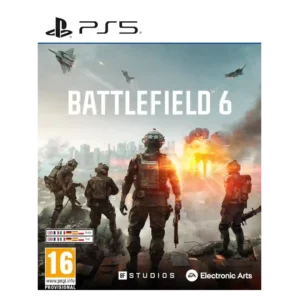
combat and gunplay were repeatedly praised as satisfying, impactful, and series-leading.
Pros: haptic feedback integration, performance optimization
Cons: pacing, microtransaction impact

Combat is repeatedly praised for mechanical density, rhythm, speed, and improved assist/tag dynamics, with only beta-era roughness holding it back.
Pros: emotional impact, frame rate stability
Cons: server reliability, tutorial quality
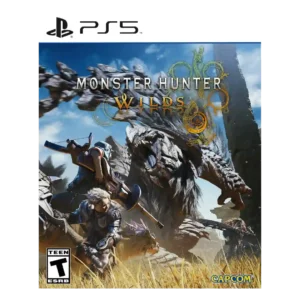
Combat was the clearest consensus strength, praised as fluid, satisfying, richer, dynamic, and in some cases the best the series has felt.
Pros: art direction, cross-play support
Cons: dialogue quality, monetization fairness

Combat was viewed positively when material properties affected enemy encounters and made fights more strategic than simple punching.
Pros: gameplay mechanics, world interactivity
Cons: economy and resource balance, enemy variety
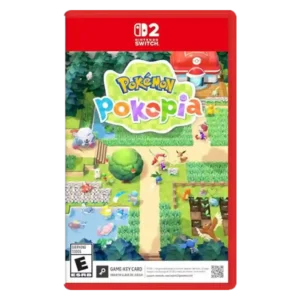
The lack of combat was judged as a good fit for the life-sim design rather than a missing feature.
Pros: protagonist appeal, faithfulness to franchise
Cons: map and navigation design, aiming precision

Bungie-style gunplay is the clearest strength: weapons feel punchy, precise, and satisfying, and team fights can be exhilarating. The very short time-to-kill can also make some deaths feel abrupt or...
Pros: world interactivity, voice acting
Cons: menu usability, HUD clarity
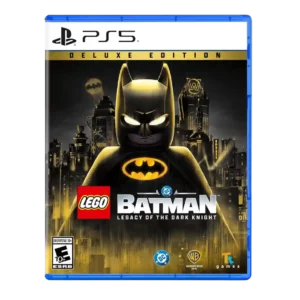
Combat earns the broadest praise, with reviewers calling it fluid, punchy, deep, immersive, and fun while noting clear Arkham influence.
Pros: pacing, core gameplay loop
Cons: companion AI, map and navigation design
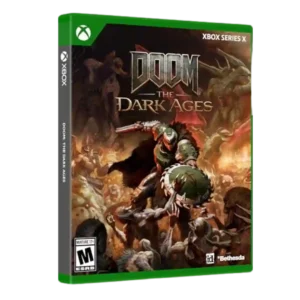
Combat drew the strongest agreement, with most reviewers praising shield-led, melee-heavy gunfights, while a minority felt the defensive shift weakened Doom’s flow.
Pros: environmental detail, polish
Cons: camera behavior, value for money
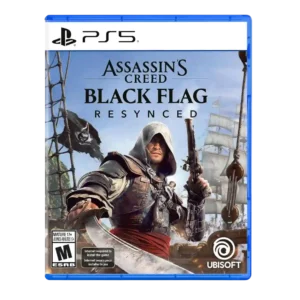
Combat is one of the most consistently praised areas, with reviewers highlighting faster attacks, parries, chain takedowns, added depth, and a more modern feel.
Pros: core gameplay loop, visual effects quality
Cons: monetization fairness, microtransaction impact
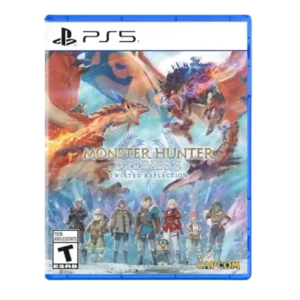
Combat was widely praised for tactical depth, body-part targeting and challenge, but several reviewers found it passive, slow or mentally taxing.
Pros: art direction, environmental detail
Cons: multiplayer design, accessibility options

Most reviewers find the combat deep, satisfying, and well considered, while a minority feel it is watered down or clunky compared with other fighters.
Pros: emotional impact, animation quality
Cons: enemy variety, server reliability
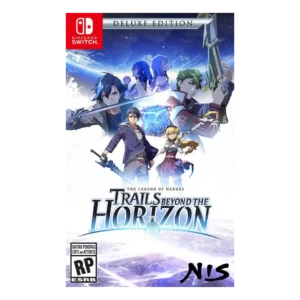
Combat was the most consistently praised system, with many reviewers calling it deep, refined, fun, and stronger than earlier Calvard entries, though a few found field combat or balance too...
Pros: facial animations, polish
Cons: grind level, stealth mechanics
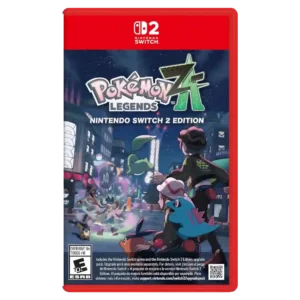
Real-time combat was the dominant positive, widely praised as fresh and exciting, though a few reviewers called it clunky, spammy, or poorly refined.
Pros: crash stability, gameplay mechanics
Cons: AI behavior, monetization fairness
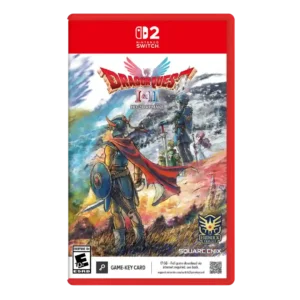
Combat was widely seen as engaging and more strategic, though several reviewers noted Dragon Quest I's solo fights could become frustrating or unfair.
Pros: visual effects quality, environmental detail
Cons: AI behavior, level design
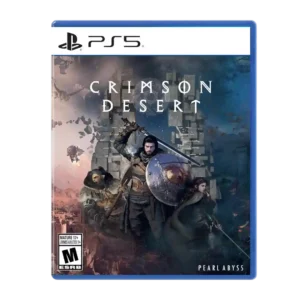
Reviewer evidence is positive: combat system was generally praised, though some notes were more qualified across 17 review(s).
Pros: level design, replay value
Cons: stealth mechanics, save system reliability
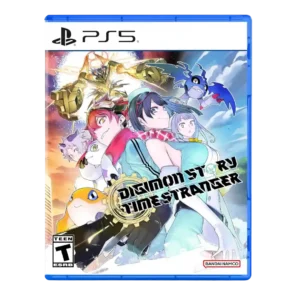
Combat drew broad praise for its turn-based depth, weakness systems, and boss demands, although some reviewers found normal encounters or HP-heavy fights less exciting.
Pros: atmosphere, world-building
Cons: HUD clarity, fast travel convenience
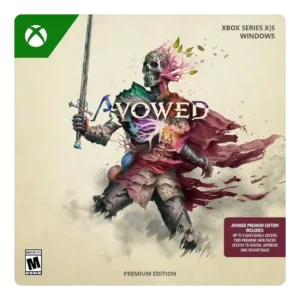
Combat was one of the most consistently praised elements, especially magic, responsiveness, and build variety, despite repetition and gear-gating complaints.
Pros: tutorial quality, level design
Cons: stealth mechanics, endgame content
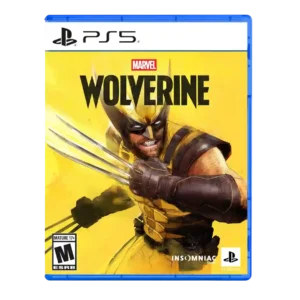
Combat is the most discussed attribute, praised by many as brutal, satisfying, strategic, and exciting, but criticized by one reviewer as canned or overly familiar.
Pros: environmental detail, graphics quality
Cons: gameplay mechanics, emotional impact
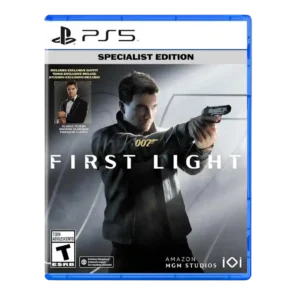
Combat earns broad praise for fluid melee, environmental takedowns, and cinematic force, though one preview finds the gunfight presentation less clean than the driving.
Pros: level design, user interface design
Cons: AI behavior, facial animations
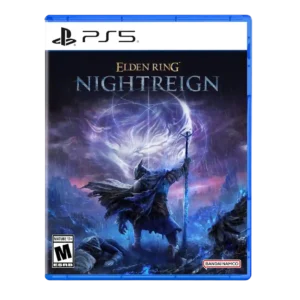
Combat drew strong praise when it retained Elden Ring's timing and aggression, though a few reviewers felt the multiplayer format strained the system.
Pros: emotional impact, visual effects quality
Cons: crash stability, cross-play support
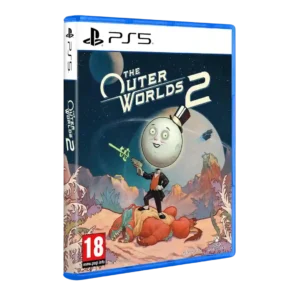
Combat was widely seen as a major improvement, especially gunplay, though melee feel and RPG-shooter limitations kept some scores mixed.
Pros: world-building, mission design
Cons: mission variety, enemy variety
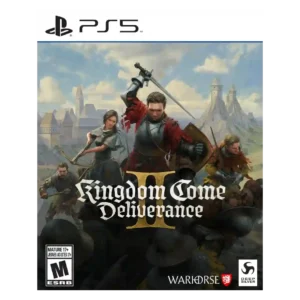
Combat drew broad attention for its realism, skill focus, and improvements, though several reviewers still found it harsh, clunky, or frustrating early on.
Pros: soundtrack quality, fun factor
Cons: checkpoint system, family friendliness
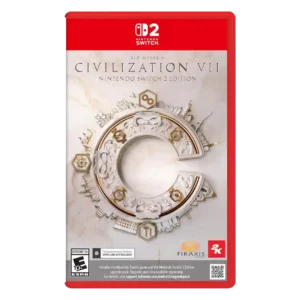
Combat was one of the most consistently praised systems thanks to commanders, easier army movement, and reduced tedium, though a few reviewers found war only adequate or overused.
Pros: animation quality, controls responsiveness
Cons: matchmaking quality, user interface design
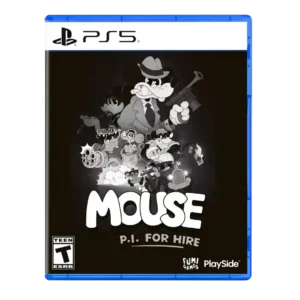
Fast movement, punchy weapons, environmental traps, and rapid weapon swapping make firefights energetic and satisfying. The action can become repetitive or generic during longer stretches, and a few players disliked...
Pros: lore depth, user interface design
Cons: AI behavior, aiming precision