Best for core gameplay loop
Hollow Knight: Silksong
5.0 feature score
Highest scored product for this feature based on supporting review evidence.
Highest scored product for this feature based on supporting review evidence.
Balances feature score, supporting reviews, and overall product strength.
Has the broadest review evidence for this feature.
Strongest overall product among items with scored evidence for this feature.
The loop of scarce resources, tense routes, and repeated survival decisions was praised by reviewers who found it tough, fair, and replayable.
Pros: core gameplay loop, emotional impact
Cons: checkpoint system, bug frequency
The core loop is praised as pure Metroidvania satisfaction: tough encounters, discovery, and rewarding progression through new areas.
Pros: core gameplay loop, world interactivity
Cons: loot system, accessibility options
The core loop is described as a well-crafted platforming foundation that supports the game's cooperative variety.
Pros: core gameplay loop, movement feel
Cons: character development, dialogue quality
The core loop earns praise for making hard-earned combat wins feel cathartic and motivating.
Pros: core gameplay loop, controls responsiveness
Cons: mission design, learning curve
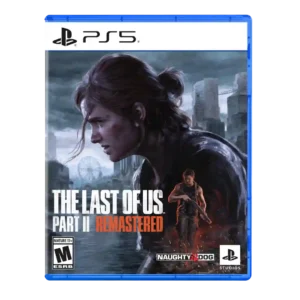
The No Return loop was praised as a high-stakes, rewarding way to experience the game’s encounters repeatedly.
Pros: core gameplay loop, level design
Cons: family friendliness, puzzle design
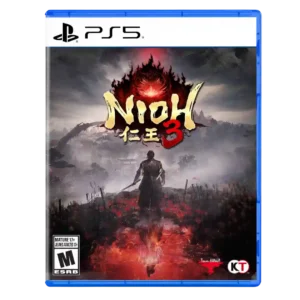
The core loop was described as addictive and hard to put down, with repeated praise for combat-driven progression and long-term engagement.
Pros: pacing, visual effects quality
Cons: tutorial quality, character roster
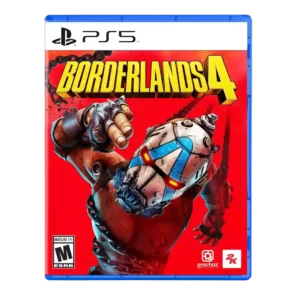
The shoot-loot-repeat loop is repeatedly praised as addictive and strong, with reviewers calling the core feel one of the game’s biggest successes.
Pros: sandbox freedom, art direction
Cons: polish, save system reliability
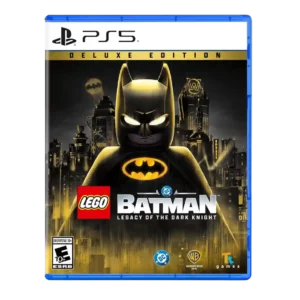
The core loop is repeatedly praised as fun, moreish, charming, and engaging, with combat and Lego collection hooks driving strong enthusiasm.
Pros: pacing, core gameplay loop
Cons: companion AI, map and navigation design
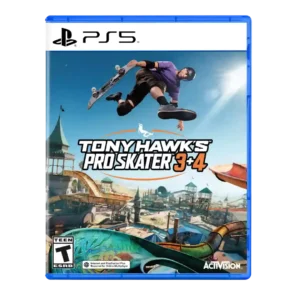
The two-minute arcade loop remained a major strength, producing strong one-more-run momentum and familiar Tony Hawk flow.
Pros: core gameplay loop, controls responsiveness
Cons: crash stability, cross-save support
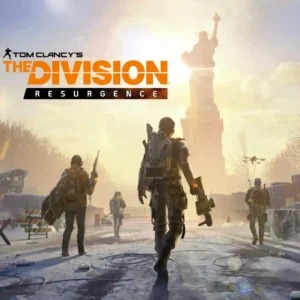
The cycle of completing missions, finding better gear, and improving builds is highly addictive and repeatedly inspires one more activity.
Pros: exploration quality, sandbox freedom
Cons: mission variety, companion AI
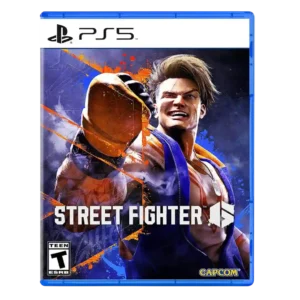
The core loop was repeatedly described as quick, satisfying, addictive, and hard to put down.
Pros: movement feel, art direction
Cons: platforming precision, writing quality
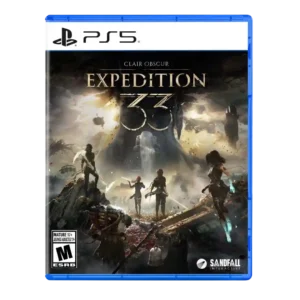
One review directly called the layered combat and action elements an outstanding gameplay loop.
Pros: monetization fairness, microtransaction impact
Cons: platforming precision, menu usability
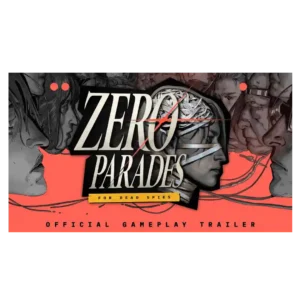
The combatless loop of exploring, talking, rolling checks, and living with failure remains engrossing for players who enjoy text-heavy RPGs.
Pros: level design, world interactivity
Cons: performance optimization, menu usability

Exploring, catching, training, and battling remains remarkably addictive. The loop is repeatedly described as the reason these games still work decades later.
Pros: boss design, side character depth
Cons: monetization fairness, originality
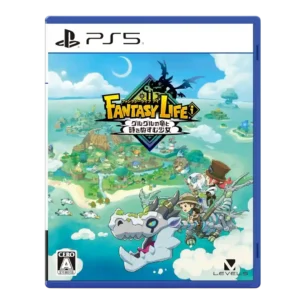
The core loop is repeatedly described as addictive, satisfying, smooth, and hard to put down across a wide spread of reviews.
Pros: load times, crash stability
Cons: originality, voice acting
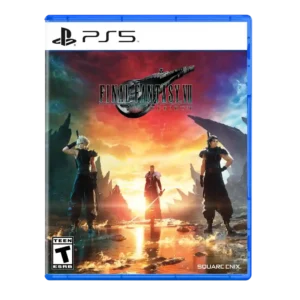
Reviewers describe the overall loop as a much larger and more satisfying RPG experience than Remake, with battle, exploration, and side systems keeping them engaged.
Pros: world-building, art direction
Cons: mission design, stealth mechanics
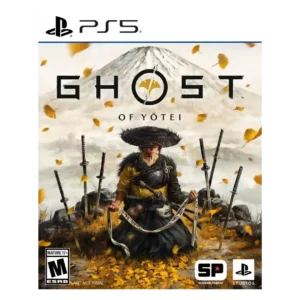
The core loop is repeatedly described as compelling, hard to put down, and more fruitful than Tsushima for some reviewers.
Pros: movement feel, environmental detail
Cons: puzzle design, age appropriateness
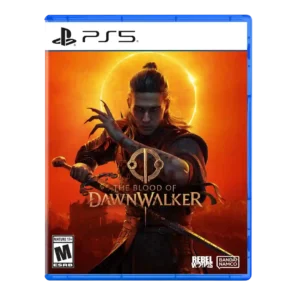
The loop of time pressure, consequence, and dual-form choice was one of the strongest points, described as exceptionally compelling and a major draw.
Pros: core gameplay loop, replay value
Cons: value for money, difficulty balance
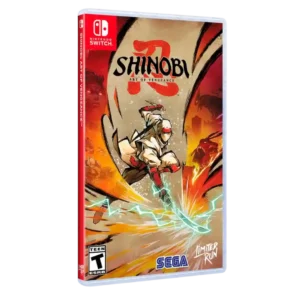
The core loop is widely liked as fast, stylish 2D action with strong combat and traversal, with a few reviewers calling it great despite structural complaints.
Pros: graphics quality, environmental detail
Cons: bug frequency, dialogue quality
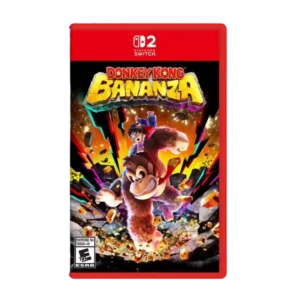
The core loop of breaking terrain, collecting rewards, using Bananza forms, and returning to challenges was strongly positive, though one review warned powers can reduce challenge.
Pros: gameplay mechanics, world interactivity
Cons: economy and resource balance, enemy variety
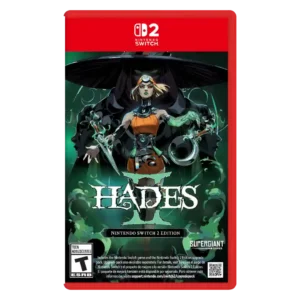
The run-based roguelike loop is repeatedly praised as rewarding and addictive, though one review found its structure somewhat convoluted.
Pros: skill tree depth, dialogue quality
Cons: emotional impact, economy and resource balance
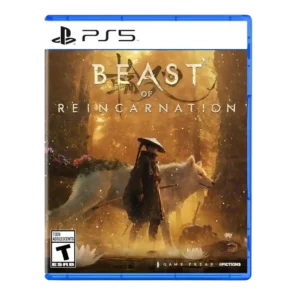
The main loop of parrying, charging Koo’s abilities, exploring open zones, and upgrading the duo is highly engaging. Several players came away eager to continue after only the opening hours.
Pros: soundtrack quality, value for money
Cons: onboarding experience, aiming precision
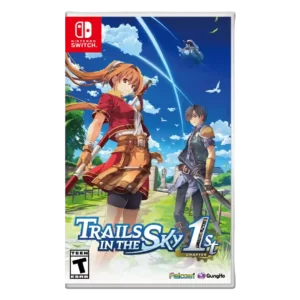
The core loop was praised for blending action entry points, turn-based follow-through, and rewarding pacing that kept reviewers engaged.
Pros: protagonist appeal, art direction
Cons: camera behavior, tutorial quality
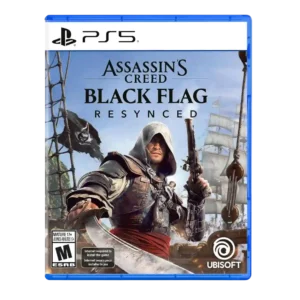
Reviewers strongly liked that the remake preserves a solo action-adventure identity rather than converting Black Flag into an RPG.
Pros: core gameplay loop, visual effects quality
Cons: monetization fairness, microtransaction impact
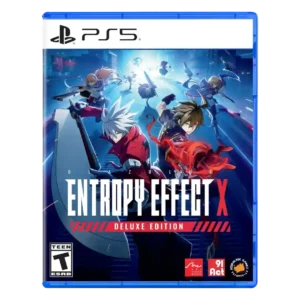
The core loop is widely praised as fruitful, hooking, rewarding, pristine, and strong enough to overcome repetition or rough edges.
Pros: movement feel, skill tree depth
Cons: menu usability, HUD clarity
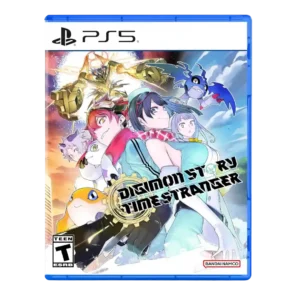
The loop of collecting, training, evolving, and rebuilding teams was repeatedly described as addictive and rewarding, with only light fatigue or grind caveats.
Pros: atmosphere, world-building
Cons: HUD clarity, fast travel convenience
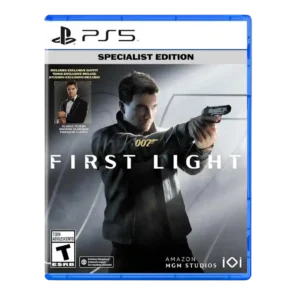
The core loop is framed as planning, adapting, and escalating from stealth into spectacle, with reviewers especially liking the blend of authored chaos and player agency.
Pros: level design, user interface design
Cons: AI behavior, facial animations
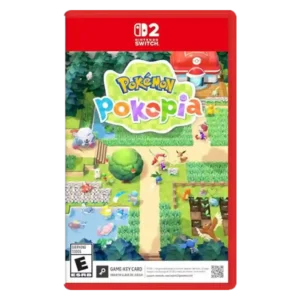
The core loop drew the strongest agreement: building habitats, helping Pokémon, gathering resources, and progressing was repeatedly called addictive and satisfying.
Pros: protagonist appeal, faithfulness to franchise
Cons: map and navigation design, aiming precision
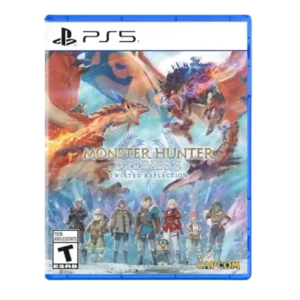
The hunting, hatching, restoring and upgrading loop was repeatedly described as rewarding and self-sustaining, with only a few reviewers finding collection repetitive.
Pros: art direction, environmental detail
Cons: multiplayer design, accessibility options
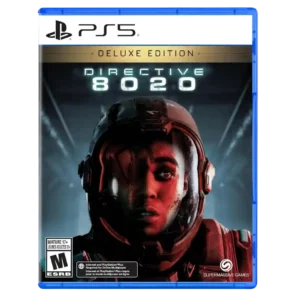
The core loop of tension, choices, and consequences was described as exciting and potentially one of the game’s clearest strengths.
Pros: user interface design, graphics quality
Cons: combat system, animation quality
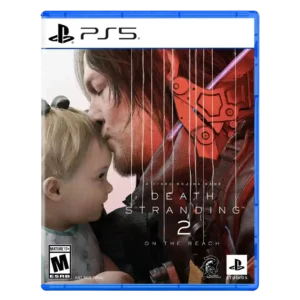
The delivery loop is often called addictive, satisfying, and more approachable, with dissent focused on repetition rather than the basic loop itself.
Pros: animation quality, facial animations
Cons: quest design, AI behavior
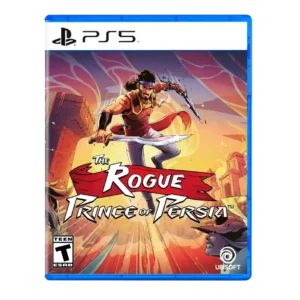
The core loop was widely praised as addictive, slick, and rewarding, with a few caveats around repetition or shorter staying power.
Pros: crash stability, HUD clarity
Cons: character development, visual effects quality
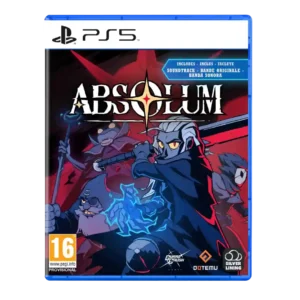
The core loop was often described as addictive and replay-friendly, though a few reviewers found the loop slowed by structure.
Pros: mission design, world interactivity
Cons: quest design, endgame content
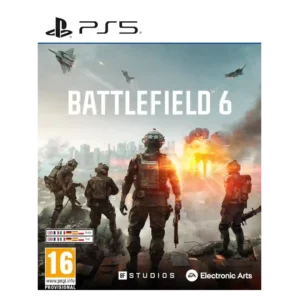
the core loop was treated as a strong Battlefield-style foundation.
Pros: haptic feedback integration, performance optimization
Cons: pacing, microtransaction impact
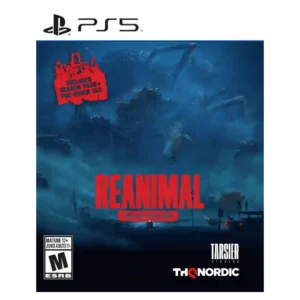
The core loop is praised as simple and elegant, built around moving through the world, cooperating, and continuing through the horror.
Pros: onboarding experience, environmental detail
Cons: family friendliness, movement feel
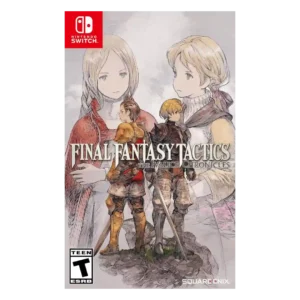
The central loop of tactical battles, party building, and incremental improvement was described as challenging and rewarding.
Pros: emotional impact, polish
Cons: bug frequency, crash stability

The loop of racing, building cars, and progressing is praised as clear, satisfying, and well suited to long-term play.
Pros: open-world design, replay value
Cons: dialogue quality, writing quality
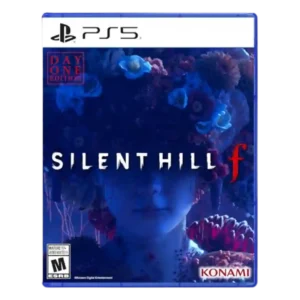
The core loop was praised when exploration and combat reinforced Hinako’s psychological journey rather than acting like a pure action game.
Pros: voice acting, emotional impact
Cons: family friendliness, menu usability
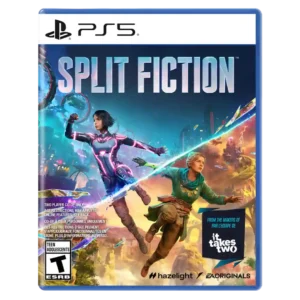
The core loop was praised as gameplay-first, using its premise mainly to enable new co-op situations.
Pros: puzzle design, level design
Cons: exploration quality, side character depth
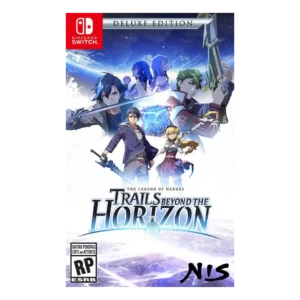
The 4SPG-centered loop was directly praised as possibly the best it has been, especially for players who enjoy combing through side content.
Pros: facial animations, polish
Cons: grind level, stealth mechanics
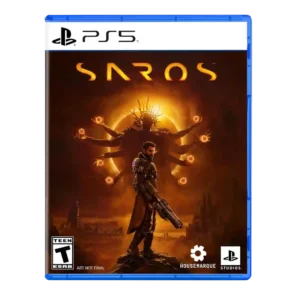
The core loop was usually seen as compelling and satisfying, though Polygon felt progression systems weakened the roguelike loop.
Pros: value for money, fun factor
Cons: map and navigation design, side character depth
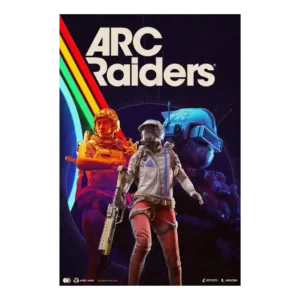
Most reviewers found the loot-extract-repeat loop addictive and memorable, but a major negative review found it tedious and unrewarding.
Pros: frame rate stability, platform-specific feature support
Cons: voice acting, writing quality
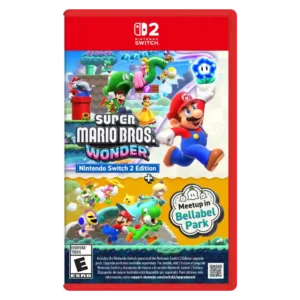
The original Wonder campaign remains the package’s biggest asset: imaginative, polished, and consistently enjoyable even years after release. The expansion adds more around it without displacing that core experience.
Pros: controls responsiveness, voice acting
Cons: matchmaking quality, user interface design
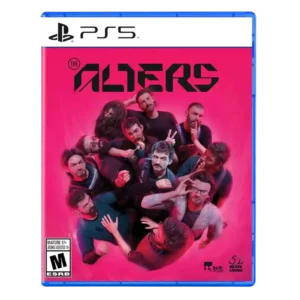
The core loop was often described as compelling, addictive, or well-designed, with one dissenting review arguing the hybrid systems failed to cohere.
Pros: controls responsiveness, onboarding experience
Cons: crash stability, grind level
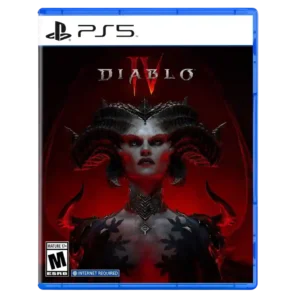
Reviewers described the core loop as deeply compelling overall, though one found repeated spaces blurred together after long sessions.
Pros: lore depth, art direction
Cons: mission variety, protagonist appeal

The core loop is described as excellent, grounded, and depth-rich when the fighting itself is the focus.
Pros: emotional impact, animation quality
Cons: enemy variety, server reliability
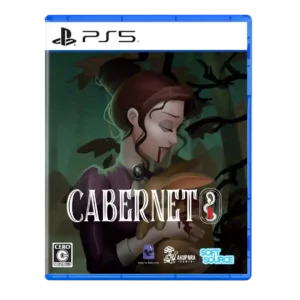
The nightly action-point loop, coffin deadline, and relationship management were usually praised for creating meaningful prioritization, with one reviewer noting the slow social pace is not for everyone.
Pros: accessibility options, protagonist appeal
Cons: frame rate stability, polish
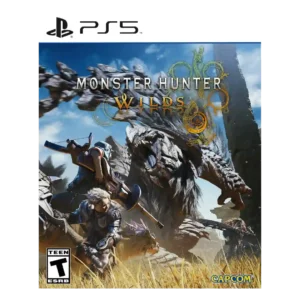
The core gameplay loop earned strong praise from most reviewers, though one strongly negative review argued streamlining undermined the hunt-craft-prep loop.
Pros: art direction, cross-play support
Cons: dialogue quality, monetization fairness

The core loop centers on open-world exploration, racing, and rewards; one reviewer loved the structure while another found its always-on excitement less personally compelling.
Pros: controls responsiveness, movement feel
Cons: tutorial quality, animation quality
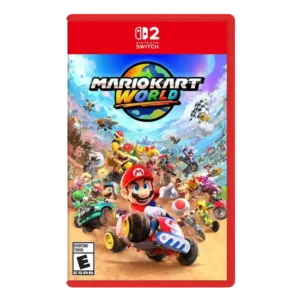
Reviewers agreed the core Mario Kart racing remains fun and strong even when they criticized the open-world wrapper around it.
Pros: animation quality, sound design
Cons: difficulty balance, AI behavior