Best for level design
The Last of Us Part II Remastered
5.0 feature score
Highest scored product for this feature based on supporting review evidence.
Highest scored product for this feature based on supporting review evidence.
Balances feature score, supporting reviews, and overall product strength.
Has the broadest review evidence for this feature.
Strongest overall product among items with scored evidence for this feature.
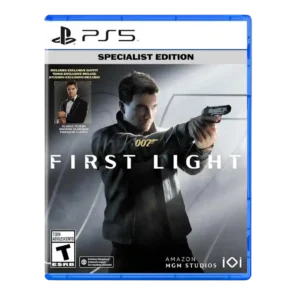
Level design receives very strong praise from IGN for systemic intelligence, opportunity density, and the way environments support stealth and action.
Pros: level design, user interface design
Cons: AI behavior, facial animations
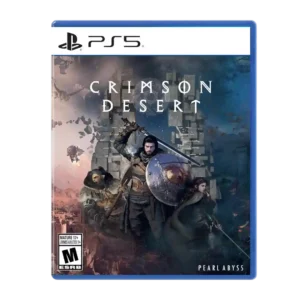
Reviewer evidence is strongly positive: level design was repeatedly praised as a standout strength across 1 review(s).
Pros: level design, replay value
Cons: stealth mechanics, save system reliability

Level design earns praise for standout roads and elevation changes that create memorable racing routes.
Pros: controls responsiveness, movement feel
Cons: tutorial quality, animation quality

The previewed locations stand out for environmental storytelling, charm, and personality-rich visual composition.
Pros: level design, accessibility options
Cons: world-building, haptic feedback integration

Level design received strong praise from one reviewer for making linear spaces feel flexible and meaningful.
Pros: core gameplay loop, level design
Cons: family friendliness, puzzle design
Districts, interiors, rooftops, and alleys communicate history and mood before dialogue begins. The compact city supports discovery without feeling like a generic open world.
Pros: level design, world interactivity
Cons: performance optimization, menu usability
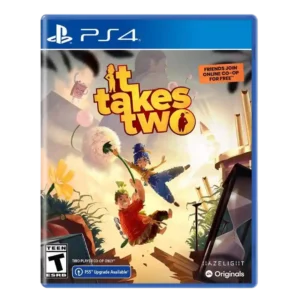
Level design is consistently praised as creative, intricate, masterfully mapped out, and varied across imaginative environments.
Pros: core gameplay loop, movement feel
Cons: character development, dialogue quality

Level design is strongly praised for seamless area flow, purposeful rooms, thoughtful platform placement, and dense Metroidvania structure.
Pros: core gameplay loop, world interactivity
Cons: loot system, accessibility options
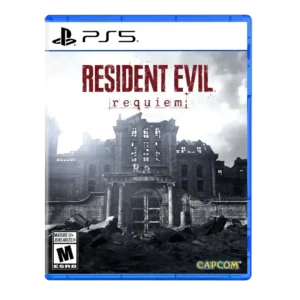
Level design was a major strength, especially the care center’s loops, agency, and interconnected mansion-like structure.
Pros: driving mechanics, protagonist appeal
Cons: platform-specific feature support, checkpoint system

Level design was widely admired for dense, layered spaces, fresh ideas, and challenge variety, especially once the game opens up.
Pros: gameplay mechanics, world interactivity
Cons: economy and resource balance, enemy variety
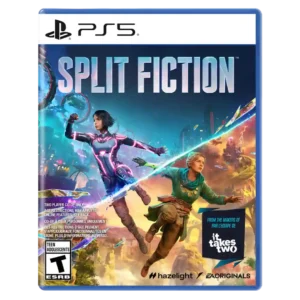
Level design stood out for memorable finales, strong set pieces, and mechanics that could sustain larger ideas.
Pros: puzzle design, level design
Cons: exploration quality, side character depth

Level design was praised for verticality, density, handcrafted routes, and spaces that felt larger than their footprint.
Pros: tutorial quality, level design
Cons: stealth mechanics, endgame content

Level and environment design is praised for being more thoughtful and confident in how it leverages traversal.
Pros: animation quality, facial animations
Cons: quest design, AI behavior

Level and map layouts were praised for thoughtful movement, beautiful spaces, and rewarding terrain.
Pros: art direction, environmental detail
Cons: multiplayer design, accessibility options
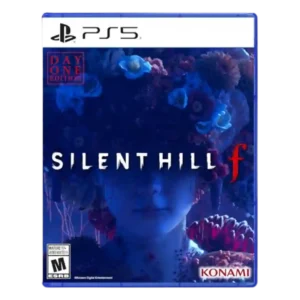
Level design was praised for compact, meaningful areas and strong map layout, especially when supporting exploration, puzzles, and atmosphere.
Pros: voice acting, emotional impact
Cons: family friendliness, menu usability
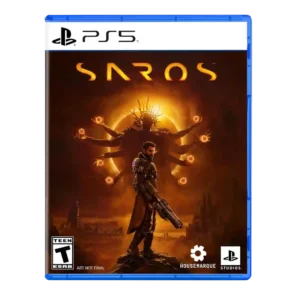
Level design was strongly praised for handcrafted chunks, biome structure, combat spaces, and a balance between freshness and mastery.
Pros: value for money, fun factor
Cons: map and navigation design, side character depth

Kanto’s compact, interconnected routes and smart roadblocks remain a major strength, letting players discover paths and sequence parts of the journey without becoming directionless.
Pros: boss design, side character depth
Cons: monetization fairness, originality

Level and map design remained a major strength because verticality and terrain created memorable tactical spaces.
Pros: emotional impact, polish
Cons: bug frequency, crash stability

Stage and level design earn praise for evolving Power Stone arenas and thoughtful layouts that support strategy and spectacle.
Pros: emotional impact, sound design
Cons: cross-play support, boss design

Level design is praised for distinct areas, route variety, and region-specific mechanics that add structure beyond simple room chains.
Pros: skill tree depth, dialogue quality
Cons: emotional impact, economy and resource balance
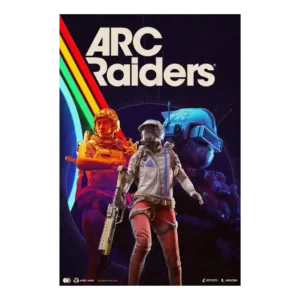
Maps received strong praise for flow, density, varied spaces, and strategic layouts across multiple reviews.
Pros: frame rate stability, platform-specific feature support
Cons: voice acting, writing quality
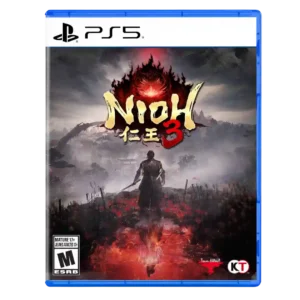
Level design was broadly praised for open-field layouts, strong world structure, and mission-like areas integrated into larger spaces.
Pros: pacing, visual effects quality
Cons: tutorial quality, character roster
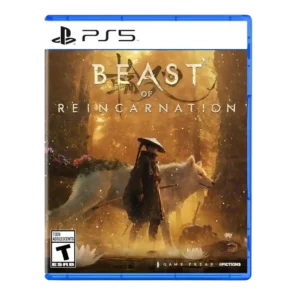
The game uses broad, explorable stages rather than one continuous open world. Hidden paths, optional items, side activities, and compact runbacks give the zones both freedom and structure.
Pros: soundtrack quality, value for money
Cons: onboarding experience, aiming precision
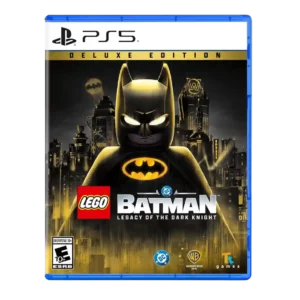
Level design is praised for longer, more vertical, and well-designed mission spaces rather than flat or shallow levels.
Pros: pacing, core gameplay loop
Cons: companion AI, map and navigation design
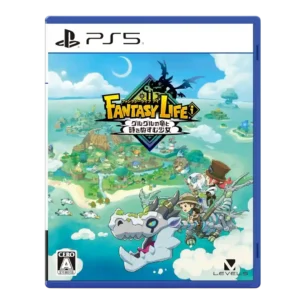
The roguelike dungeon rooms are praised for turning gentle life activities into timed, tense challenges.
Pros: load times, crash stability
Cons: originality, voice acting
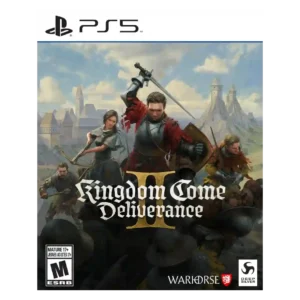
One reviewer praised the way locations were recontextualized into memorable set-pieces that rewarded planning and awareness.
Pros: soundtrack quality, fun factor
Cons: checkpoint system, family friendliness
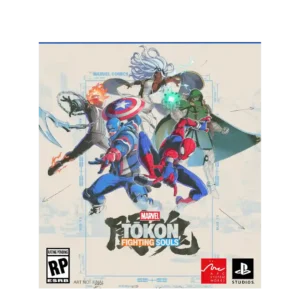
Stage transitions are praised for being fast and not interrupting match flow.
Pros: emotional impact, frame rate stability
Cons: server reliability, tutorial quality
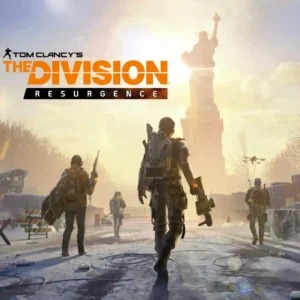
Enemy nests, alleys, rooftops, and urban squares provide lively, action-focused combat arenas.
Pros: exploration quality, sandbox freedom
Cons: mission variety, companion AI
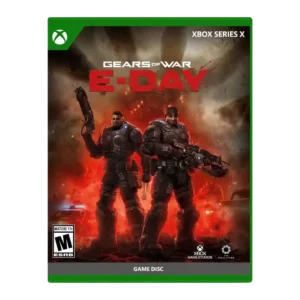
Kalona's city-based combat spaces are viewed as a strong fit for Gears, with verticality and new traversal seen as potentially game-changing.
Pros: emotional impact, art direction
Cons: value for money, platform-specific feature support
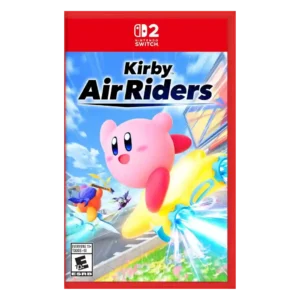
Track design was usually praised for style, branching, and spectacle, with only a few complaints about cramped layouts or visual overload.
Pros: flying mechanics, exploration quality
Cons: AI behavior, boss design
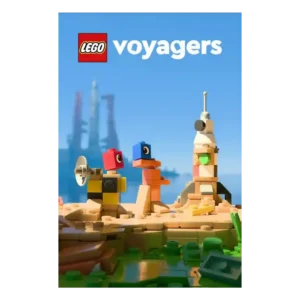
Reviewers praised level design for its handcrafted worlds, co-op readability, and sense of wonder, with a few comments on unclear routes.
Pros: writing quality, checkpoint system
Cons: menu usability, user interface design

Map design improves noticeably as the game opens up, with Outpost and Cryo Archive earning especially strong praise for verticality, secrets, and combat flow. The earliest maps are more divisive...
Pros: world interactivity, voice acting
Cons: menu usability, HUD clarity
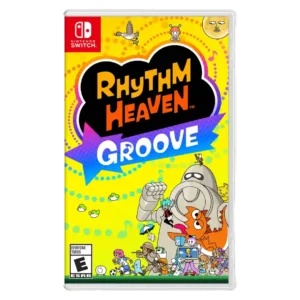
Level design gets positive marks for remixes, logical escalation, and mini-games that reviewers found well thought out and engaging.
Pros: couch co-op quality, accessibility options
Cons: platform-specific feature support, performance optimization

Level design was broadly positive, especially THPS3 classics and the new Waterpark/Pinball/Movie Studio stages, though some THPS4 conversions drew criticism.
Pros: core gameplay loop, controls responsiveness
Cons: crash stability, cross-save support
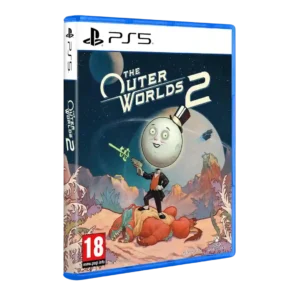
Dense openings and dungeon spaces earned strong praise, with reviewers singling out alternate routes and thoughtful layouts.
Pros: world-building, mission design
Cons: mission variety, enemy variety
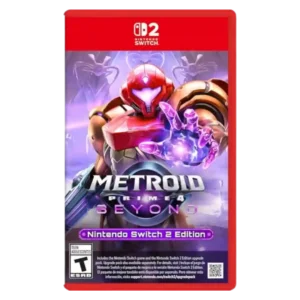
The main facilities drew praise for set-piece design and atmosphere, while linearity and the connective hub lowered scores for some critics.
Pros: world-building, frame rate stability
Cons: companion AI, upgrade system
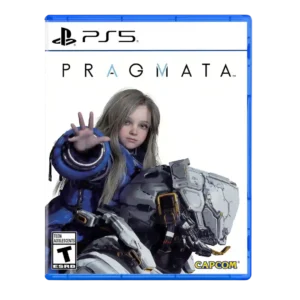
Level design is widely admired for semi-linear routes, shortcuts, varied sectors, and combat arenas, though repetition appears in a few late-game comments.
Pros: bug frequency, user interface design
Cons: HUD clarity, mission design
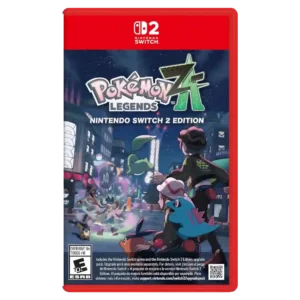
Level design was praised when interiors, rooftops, and compact city layouts felt purposeful, even as repeated streets limited variety.
Pros: crash stability, gameplay mechanics
Cons: AI behavior, monetization fairness
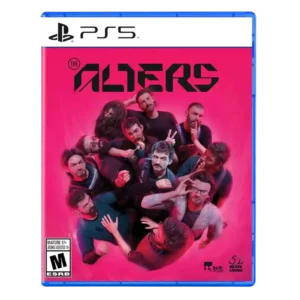
Level and map design were praised for dense, hand-crafted layouts and well-crafted act-specific maps.
Pros: controls responsiveness, onboarding experience
Cons: crash stability, grind level
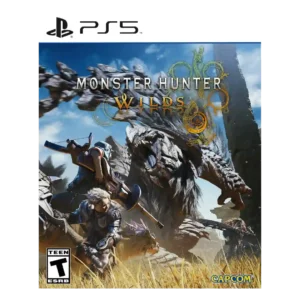
Level design was praised for world spaces with nooks, crannies, verticality, and useful layouts.
Pros: art direction, cross-play support
Cons: dialogue quality, monetization fairness

Road, city, track, and landscape design are often praised as dense and varied, though some criticism targets overly wide roads.
Pros: open-world design, replay value
Cons: dialogue quality, writing quality

Level design is usually praised for scale, variety, secrets, and challenge structure, but some reviewers criticize flow, pacing, or underused combat spaces.
Pros: graphics quality, environmental detail
Cons: bug frequency, dialogue quality
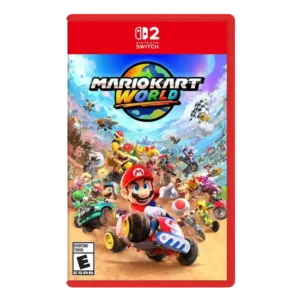
Dedicated courses earned broad praise, especially standout tracks and Rainbow Road, but route-driven structure and wide connecting roads reduced enthusiasm for some.
Pros: animation quality, sound design
Cons: difficulty balance, AI behavior
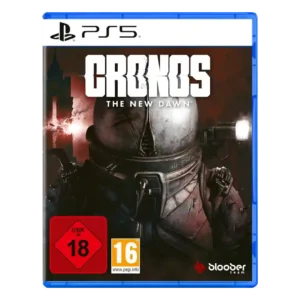
Level design was usually praised for shortcuts, layout, and environmental flow, but a few reviewers noted padding, repetition, or a lack of meaningful puzzle-like structure.
Pros: core gameplay loop, emotional impact
Cons: checkpoint system, bug frequency
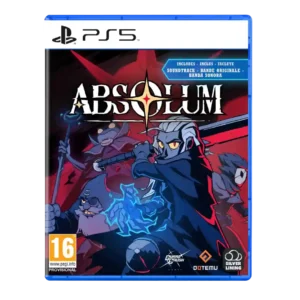
Level design earned praise for criss-crossing paths and route variety rather than a purely linear brawler flow.
Pros: mission design, world interactivity
Cons: quest design, endgame content
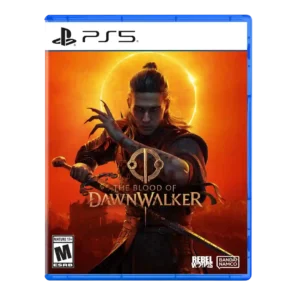
The clearest level-design praise centered on vampire abilities opening unconventional routes through environments.
Pros: core gameplay loop, replay value
Cons: value for money, difficulty balance
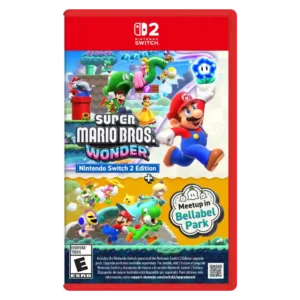
Wonder’s original level design remains a standout, and the best Training Camp and Koopaling remixes find smart new uses for familiar spaces. Some expansion stages are criticized as recycled or...
Pros: controls responsiveness, voice acting
Cons: matchmaking quality, user interface design
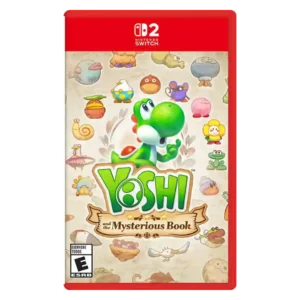
Most stages work as compact, open-ended sandboxes filled with interactions rather than simple left-to-right courses. The best pages feel dense and clever, while weaker ones can seem small, empty, or...
Pros: platforming precision, protagonist appeal
Cons: pacing, co-op experience
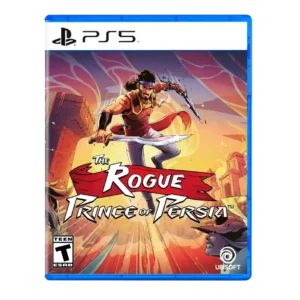
Level design was often praised for branching paths, biomes, and movement support, though procedural layouts sometimes became familiar or disrupted flow.
Pros: crash stability, HUD clarity
Cons: character development, visual effects quality

Open, vehicle-sized maps are a major point of differentiation and can make exploration feel freeing, but some reviewers think the larger spaces dilute pacing and memorable encounter design.
Pros: gameplay mechanics, boss design
Cons: age appropriateness, family friendliness