Best for pacing
Nioh 3
5.0 feature score
Highest scored product for this feature based on supporting review evidence.
Highest scored product for this feature based on supporting review evidence.
Balances feature score, supporting reviews, and overall product strength.
Has the broadest review evidence for this feature.
Strongest overall product among items with scored evidence for this feature.
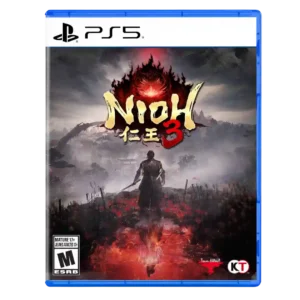
Pacing received excellent marks where reviewers described the setting and exploration rhythm as unrelentingly addictive.
Pros: pacing, visual effects quality
Cons: tutorial quality, character roster
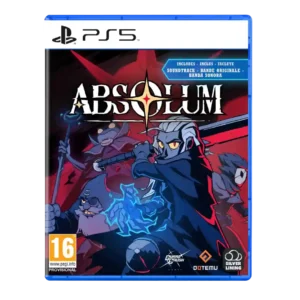
Pacing was praised by some for compact run lengths and momentum once the systems clicked.
Pros: mission design, world interactivity
Cons: quest design, endgame content
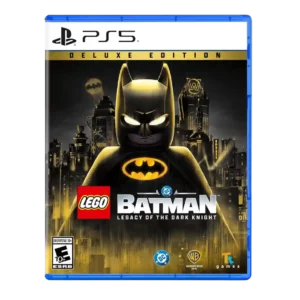
One hands-on preview strongly praises the mission pacing, saying the demo structure was well paced.
Pros: pacing, core gameplay loop
Cons: companion AI, map and navigation design
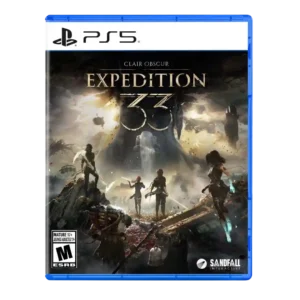
Most reviewers praised the focused pacing and lack of filler, while one found some areas padded.
Pros: monetization fairness, microtransaction impact
Cons: platforming precision, menu usability
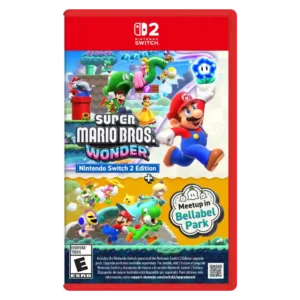
The new single-player additions can move at an appealingly brisk clip, with fast Training Courses helping the expansion feel easy to dip into between longer campaign sessions.
Pros: controls responsiveness, voice acting
Cons: matchmaking quality, user interface design
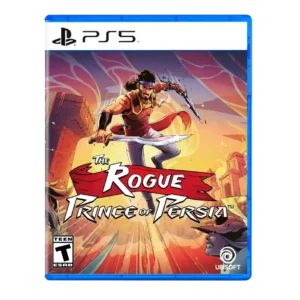
Pacing was considered well balanced, with short, pick-up-and-play runs that still leave room to learn.
Pros: crash stability, HUD clarity
Cons: character development, visual effects quality
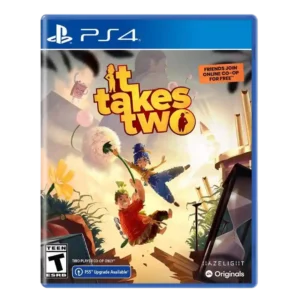
Pacing is mostly praised as breakneck, fantastic, and expertly paced, though one reviewer felt the game overstayed its welcome and another noted one section ran long.
Pros: core gameplay loop, movement feel
Cons: character development, dialogue quality
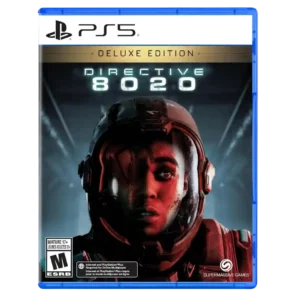
Pacing was viewed positively when tied to episodic stopping points and a rhythm that lets tension build before release.
Pros: user interface design, graphics quality
Cons: combat system, animation quality
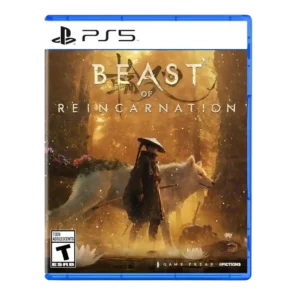
The opening moves quickly into conflict and core mechanics, while early cutscenes establish the premise without overstaying. That briskness helps momentum, though it also contributes to thin explanations.
Pros: soundtrack quality, value for money
Cons: onboarding experience, aiming precision
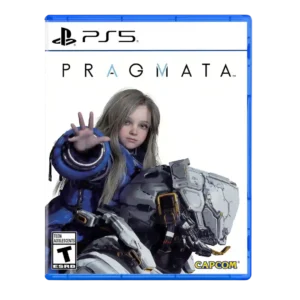
Pacing is mostly strong, with reviewers praising brisk forward momentum and a compact runtime, though one late section was said to drag.
Pros: bug frequency, user interface design
Cons: HUD clarity, mission design
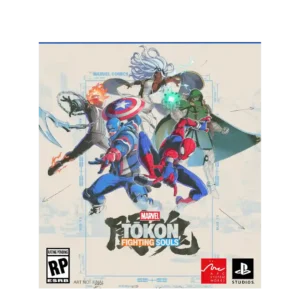
Pacing earns praise when fights build tension and stage transitions flow well, but one reviewer found the speed initially too slow.
Pros: emotional impact, frame rate stability
Cons: server reliability, tutorial quality
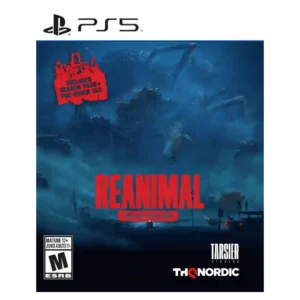
Pacing is widely praised as brisk and deliberate, though a few reviews say slow animations, episodic repetition, or momentum loss can hurt it.
Pros: onboarding experience, environmental detail
Cons: family friendliness, movement feel
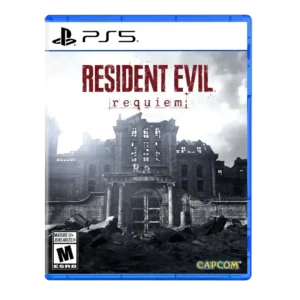
Pacing was the most discussed tradeoff: many praised the action-horror balance, while others found the character split lopsided or jarring.
Pros: driving mechanics, protagonist appeal
Cons: platform-specific feature support, checkpoint system
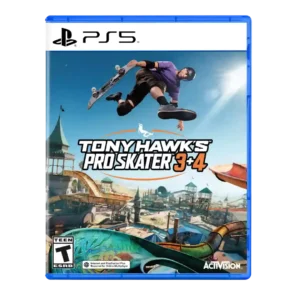
Pacing usually benefited from the traditional timer and quick restart loop, though that same choice was controversial for the THPS4 half.
Pros: core gameplay loop, controls responsiveness
Cons: crash stability, cross-save support
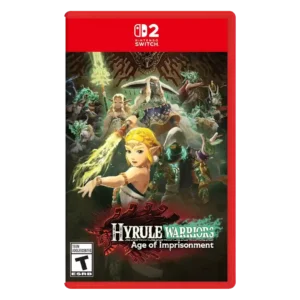
Pacing was generally positive when story breaks and ability unlocks were praised, but sidequest padding disrupted some narrative momentum.
Pros: animation quality, multiplayer design
Cons: save system reliability, companion AI
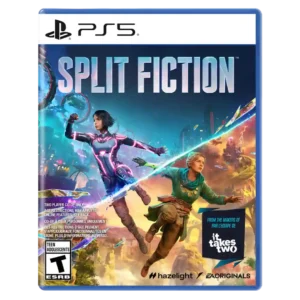
Pacing was one of the most praised areas, though a minority felt certain ideas lingered too long or were not flawless.
Pros: puzzle design, level design
Cons: exploration quality, side character depth
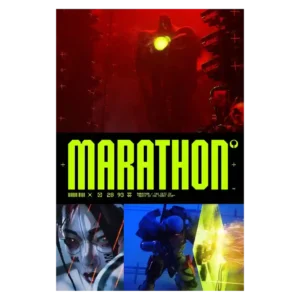
The pace swings between careful, slow movement and explosive, very short firefights. That contrast can create terrific tension, but it also makes the game feel abrupt or uneven for players...
Pros: world interactivity, voice acting
Cons: menu usability, HUD clarity

The campaign is compact and purposeful compared with many modern RPGs, though grinding, random encounters, and slow early movement can interrupt that otherwise strong rhythm.
Pros: boss design, side character depth
Cons: monetization fairness, originality
The structure works well for quick mobile sessions or longer grinds, but campaign level gates can badly slow the later story.
Pros: exploration quality, sandbox freedom
Cons: mission variety, companion AI
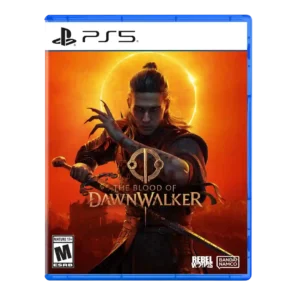
Pacing was mostly positive for its tight, tense, focused structure, though IGN found the opening less sharp than the later promise.
Pros: core gameplay loop, replay value
Cons: value for money, difficulty balance
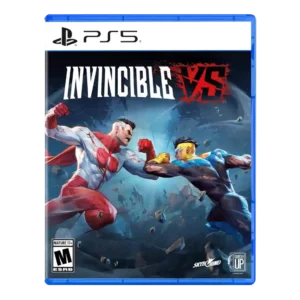
Story pacing received positive support because the episode-length approach was seen as respectful of players’ time.
Pros: immersion, frame rate stability
Cons: user interface design, bug frequency
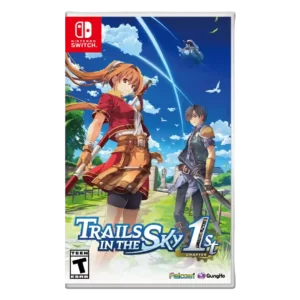
Pacing was the clearest tradeoff: many liked the slow-burn structure, while several warned about long dialogue or cutscene-heavy stretches.
Pros: protagonist appeal, art direction
Cons: camera behavior, tutorial quality

Pacing was often praised for momentum and concise runtime, though some reviewers criticized a slow start, rushed ending, or underwhelming finale.
Pros: atmosphere, voice acting
Cons: world interactivity, camera behavior
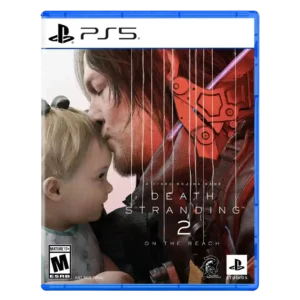
Pacing is mixed: many reviews praise improved mission or story momentum, while others call the narrative slow, muddled, or filler-heavy.
Pros: animation quality, facial animations
Cons: quest design, AI behavior
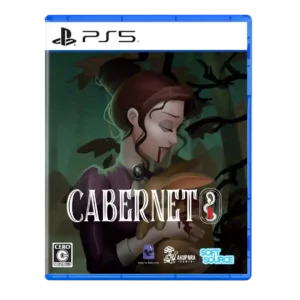
Pacing was mixed, with praise for strong momentum and well-paced stretches balanced against story lulls, slow social play, and a central plot that could recede too much.
Pros: accessibility options, protagonist appeal
Cons: frame rate stability, polish
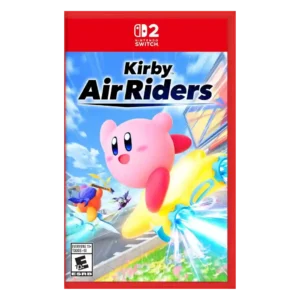
Road Trip's forward momentum helped the package feel brisk, though one review thought the separate modes lacked cohesion.
Pros: flying mechanics, exploration quality
Cons: AI behavior, boss design
Pacing splits opinion, with one review praising its momentum and another calling the campaign laborious and rehashed.
Pros: core gameplay loop, controls responsiveness
Cons: mission design, learning curve
Pacing opinions varied: some praised the sustained momentum, while others complained about indulgent cutscenes or late-game pacing issues.
Pros: soundtrack quality, fun factor
Cons: checkpoint system, family friendliness
Pacing was one of the more mixed areas: some found the flow excellent, while others felt added content created bloat or uneven late-game stretches.
Pros: visual effects quality, environmental detail
Cons: AI behavior, level design
Pacing was one of the most split areas: some reviewers thought the short runtime was well used, while others cited side-tracked sections, slow stretches, abrupt movement, or rough emotional timing.
Pros: side character depth, visual effects quality
Cons: user interface design, handheld play suitability
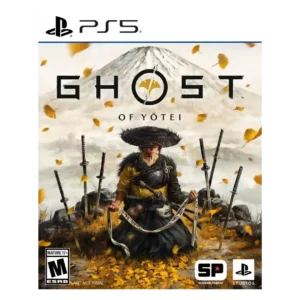
Pacing is divisive: Game Informer praises it as a triumph, while several reviewers cite predictability, prolonged beats, or odd act structure.
Pros: movement feel, environmental detail
Cons: puzzle design, age appropriateness
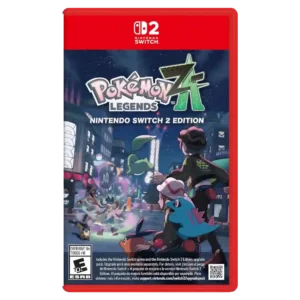
Pacing ranged from tight and breezy to repetitive or slow, depending on whether reviewers focused on the start, Royale loop, or full campaign.
Pros: crash stability, gameplay mechanics
Cons: AI behavior, monetization fairness
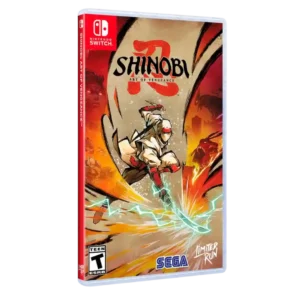
Pacing is mixed: several reviewers like the length and steady tool rollout, while others say long stages, revisit loops, or samey rhythm weaken momentum.
Pros: graphics quality, environmental detail
Cons: bug frequency, dialogue quality
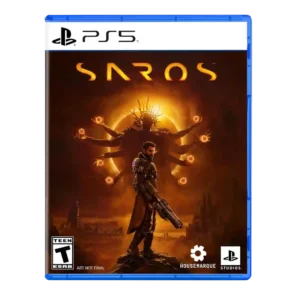
Pacing drew mixed responses, from tighter run pacing to complaints that story, repetition, or traversal could drag.
Pros: value for money, fun factor
Cons: map and navigation design, side character depth
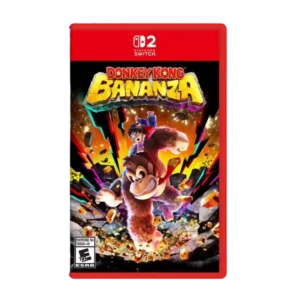
Pacing was mixed: reviewers liked fast clips and breather layers, but several flagged uneven layers, early sluggishness, or filler.
Pros: gameplay mechanics, world interactivity
Cons: economy and resource balance, enemy variety
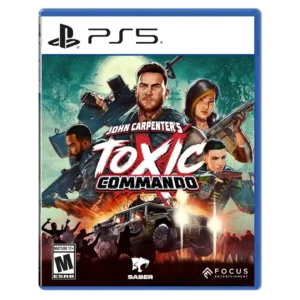
Pacing is highly context-dependent: compact points of interest can keep the action flowing, while long missions, resource detours, mud, and repeated objectives can slow the experience considerably.
Pros: gameplay mechanics, boss design
Cons: age appropriateness, family friendliness

Pacing is mixed: one reviewer found the abundance of interruptions scatterbrained, while another thought character-led detours improved the flow.
Pros: controls responsiveness, movement feel
Cons: tutorial quality, animation quality
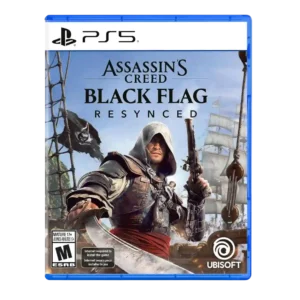
Pacing has a mild caveat because one reviewer thought the parkour footage looked slower than the original.
Pros: core gameplay loop, visual effects quality
Cons: monetization fairness, microtransaction impact
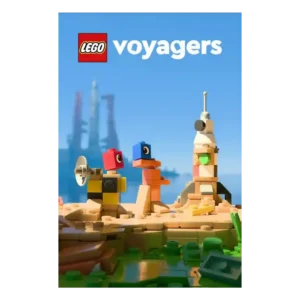
Pacing was mixed: some felt the short runtime kept momentum brisk, while many felt the adventure ended just as it was getting going.
Pros: writing quality, checkpoint system
Cons: menu usability, user interface design
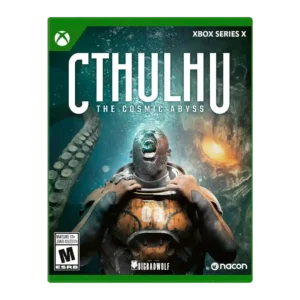
Pacing was context-dependent: meditative, slow-burn discovery worked for some, but trial-and-error navigation dragged for others.
Pros: world-building, world interactivity
Cons: enemy variety, stealth mechanics
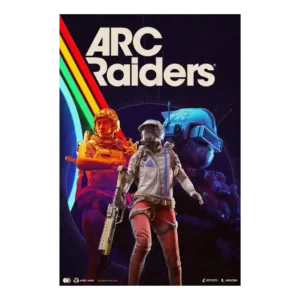
Pacing was divisive, ranging from fast and tense to slow, sleepy, or bogged down by between-run chores.
Pros: frame rate stability, platform-specific feature support
Cons: voice acting, writing quality
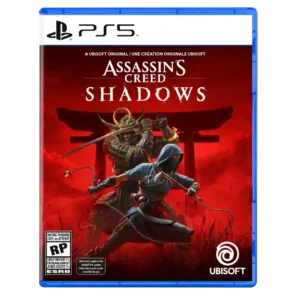
Pacing ranges from brisk or even immaculate in favorable reviews to slow, padded, or flow-breaking in more critical ones.
Pros: environmental detail, cross-save support
Cons: writing quality, enemy variety
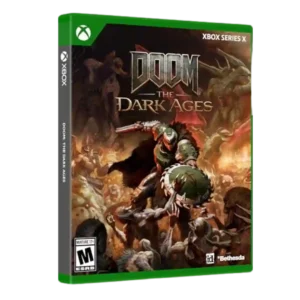
Pacing was split: some liked the measured rollout and breathless campaign, while others disliked the ending, reduced momentum or open-map slowdown.
Pros: environmental detail, polish
Cons: camera behavior, value for money
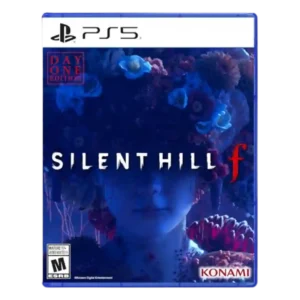
Pacing opinions were mixed: some liked the compact survival-horror length, while others criticized abrupt arcs, drawn-out final hours, or disjointed world transitions.
Pros: voice acting, emotional impact
Cons: family friendliness, menu usability
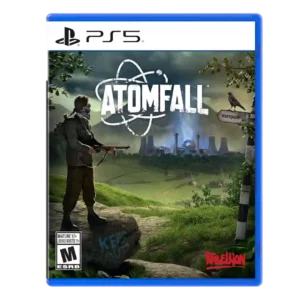
Pacing opinions were mixed: some liked the short, focused runtime, while others complained about trudging, busywork, repetition, or inconsistent momentum.
Pros: art direction, frame rate stability
Cons: boss design, camera behavior
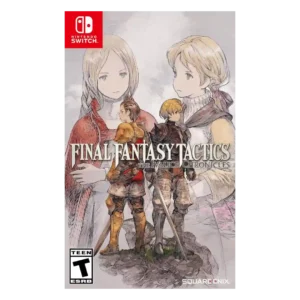
Pacing was mixed: several reviewers liked the compact storytelling, while others wanted skip options or more time with twists and characters.
Pros: emotional impact, polish
Cons: bug frequency, crash stability
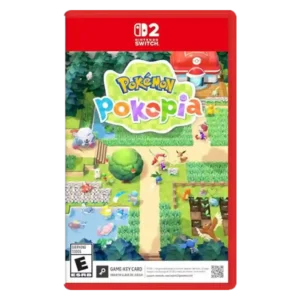
Pacing was sharply mixed: some called it brilliant, while others disliked day-long construction waits and story throttling.
Pros: protagonist appeal, faithfulness to franchise
Cons: map and navigation design, aiming precision
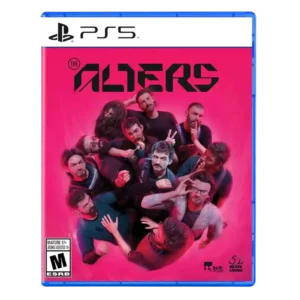
Pacing was mixed, with praise for quick days and well-timed beats offset by complaints about cyclical acts, clocks, and difficult bad-end pressure.
Pros: controls responsiveness, onboarding experience
Cons: crash stability, grind level

Pacing is mixed: some progression structures help, but linear or dull career stretches and familiar rhythms draw criticism.
Pros: open-world design, replay value
Cons: dialogue quality, writing quality
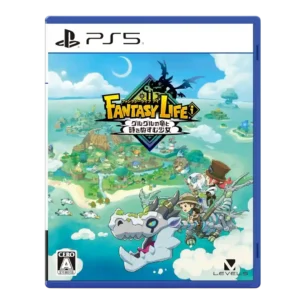
Pacing is mixed: the game can drag or feel busier than its slow-life label, but the breadth keeps many players engaged.
Pros: load times, crash stability
Cons: originality, voice acting