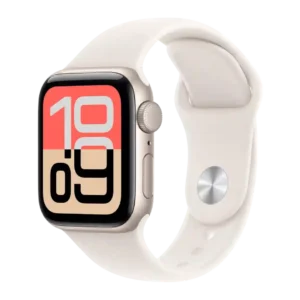
The app ecosystem was one of the SE 3’s strongest advantages, repeatedly described as unmatched or far richer than competing budget watches.
Pros: app ecosystem, operating system experience
Cons: cross-platform compatibility, ECG functionality
Showing Wearable Tech only. Switch back to all Smartwatches anytime.
The app ecosystem was one of the SE 3’s strongest advantages, repeatedly described as unmatched or far richer than competing budget watches.
Pros: app ecosystem, operating system experience
Cons: cross-platform compatibility, ECG functionality
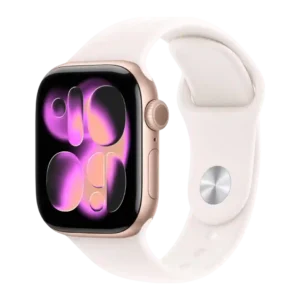
The app ecosystem remains a major advantage, with reviewers praising the sheer range and breadth of Apple Watch apps.
Pros: ECG functionality, app ecosystem
Cons: cross-platform compatibility, recovery insights
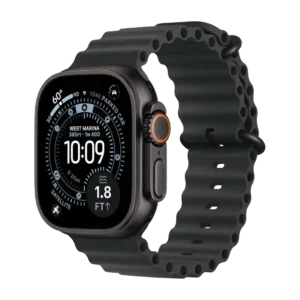
The app ecosystem was a standout strength, with reviewers praising the huge App Store and iPhone-integrated app experience.
Pros: app ecosystem, watch face quality
Cons: cross-platform compatibility, size options
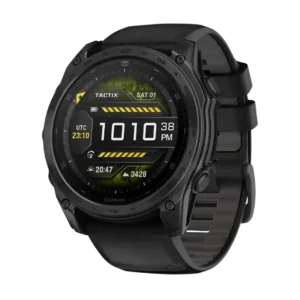
The app ecosystem was described as vast, mainly through the breadth of available Garmin widgets and apps.
Pros: wellness insights, build quality
Cons: LTE connectivity, band quality
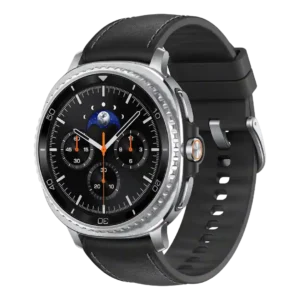
The app ecosystem received limited but strong praise because Wear OS gives the watch access to Google Play.
Pros: third-party app support, heart rate accuracy
Cons: music controls, cross-platform compatibility
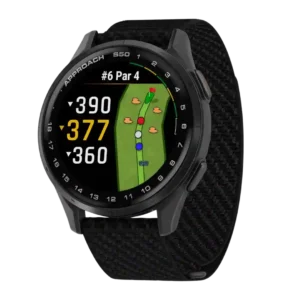
Reviewers liked the Garmin ecosystem because devices and data transfer felt easy to manage, especially for people already using multiple Garmin products.
Pros: touchscreen responsiveness, health tracking accuracy
Cons: call handling, voice assistant quality

The Wear OS app ecosystem was a clear strength, giving the watch broad app access and flexibility.
Pros: blood oxygen tracking, step counting accuracy
Cons: LTE connectivity, calorie tracking usefulness
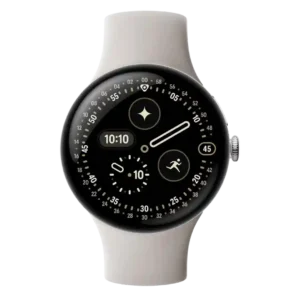
Reviewers praised the Wear OS Play Store and app availability, saying the ecosystem is robust and includes the major third-party options.
Pros: step counting accuracy, charging speed
Cons: stress tracking, band quality
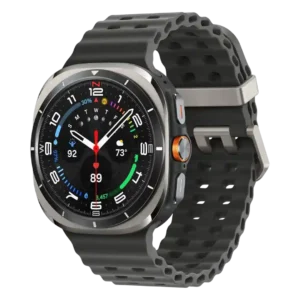
The app ecosystem is strong, with reviewers citing many apps and plenty of smartwatch functionality.
Pros: LTE connectivity, pairing reliability
Cons: antioxidant index, blood oxygen tracking
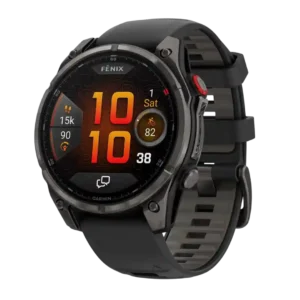
The Garmin app-and-device ecosystem was praised for sharing information across connected Garmin gear.
Pros: workout tracking variety, pairing reliability
Cons: size options, companion app quality
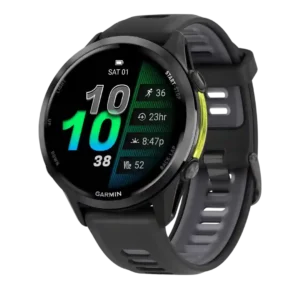
The app ecosystem scored well where reviewers discussed Connect IQ, especially because Garmin’s marketplace is much larger than rival sports-watch ecosystems.
Pros: stress tracking, customization options
Cons: menu navigation, companion app quality
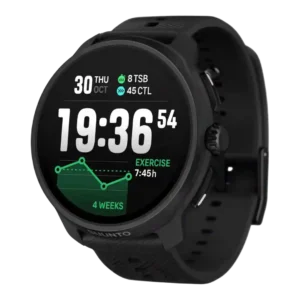
The app ecosystem received positive evidence from SuuntoPlus, with one reviewer saying integrations made the watch feel less insular than rival fitness watches.
Pros: operating system experience, brightness
Cons: safety features, health tracking accuracy
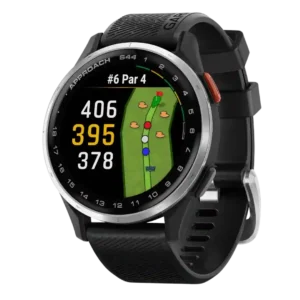
Reviewers liked the Garmin ecosystem, especially when pairing the S44 with Garmin apps, rangefinders, and club sensors for deeper golf data.
Pros: user interface, brightness
Cons: wellness insights, charging convenience
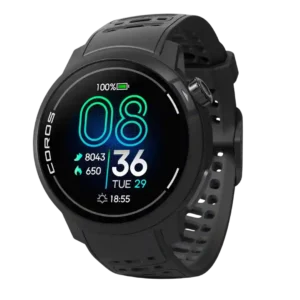
The Coros ecosystem scored well because training analysis is broadly shared across the range and app/training-lab access was praised as free.
Pros: comfort, value for money
Cons: third-party app support, contactless payments
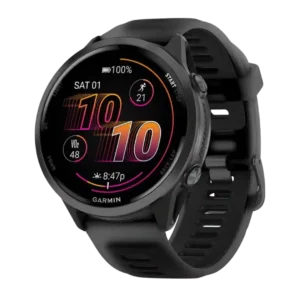
Reviewers saw Garmin’s ecosystem as a strength versus many sports-watch rivals, though not as broad as full smartwatch platforms.
Pros: charging speed, GPS accuracy
Cons: ECG functionality, smartphone notifications
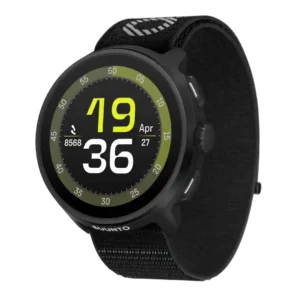
The app ecosystem earned positive remarks where reviewers valued Strava/platform connections and Suunto’s broader ecosystem, though this was less central than hardware performance.
Pros: comfort, value for money
Cons: contactless payments, Wi-Fi connectivity
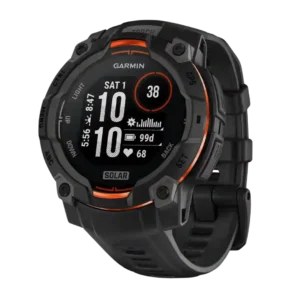
The app ecosystem gets a modest positive note because Connect IQ can expand what the watch can do beyond Garmin’s built-in tools.
Pros: customization options, charging speed
Cons: onboard music storage, voice assistant quality
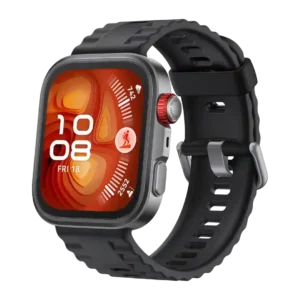
The Zepp app store was seen as useful for basic extras, but reviewers still framed the app ecosystem as smaller than major smartwatch platforms.
Pros: Bluetooth connectivity, calorie tracking usefulness
Cons: ECG functionality, flashlight usefulness
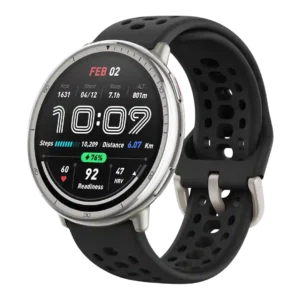
The app ecosystem is decent for the price, helped by data syncing, but it remains far from Apple or Google’s app depth.
Pros: pairing reliability, value for money
Cons: stress tracking, onboard music storage
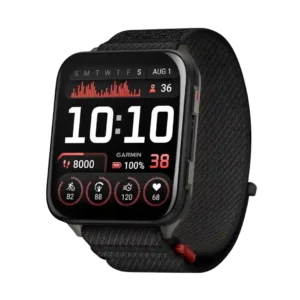
Garmin’s own ecosystem was praised by one reviewer, while others noted it lacks Apple-style integration and broader smart-app depth.
Pros: pairing reliability, watch face quality
Cons: ECG functionality, LTE connectivity
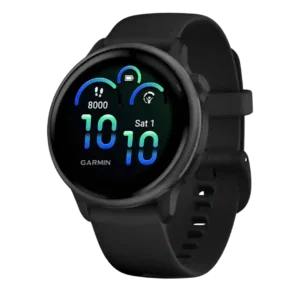
The app ecosystem is mixed: Connect IQ is appreciated, but the broader smartwatch app ecosystem is thin compared with Apple or Wear OS.
Pros: software smoothness, comfort
Cons: LTE connectivity, voice assistant quality
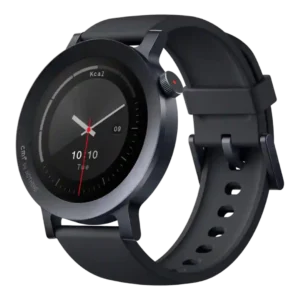
Reviewers generally saw the app ecosystem as limited, especially without direct Strava-style app access or richer smartwatch apps, though some accepted the tradeoff at the price.
Pros: workout tracking variety, user interface
Cons: Wi-Fi connectivity, onboard music storage
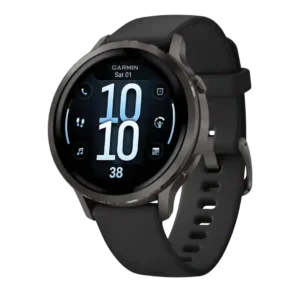
The app ecosystem was a consistent limitation, with reviewers saying Garmin's app breadth and polish lag far behind Apple or Google.
Pros: activity auto-detection, style and design
Cons: LTE connectivity, charging convenience
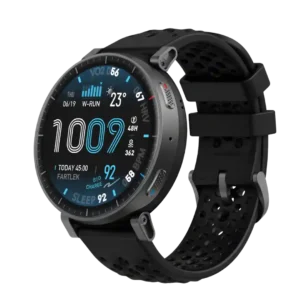
The app ecosystem lagged behind true smartwatch platforms, mainly because reviewers found the store lacking major apps and integrations.
Pros: workout tracking variety, outdoor visibility
Cons: calorie tracking usefulness, safety features
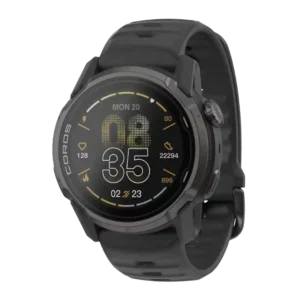
The broader Coros ecosystem is useful for analysis and route planning, but reviewers say social and third-party breadth still lags rivals.
Pros: reliability, battery life
Cons: LTE connectivity, flashlight usefulness
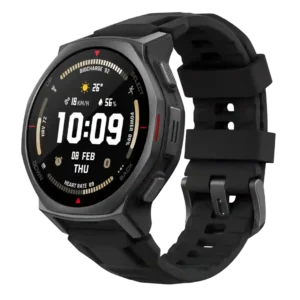
The app ecosystem is mixed-to-weak: reviewers liked having some apps and watch faces, but repeatedly said Zepp’s app store lacks big names and trails Apple or Google.
Pros: workout tracking variety, calorie tracking usefulness
Cons: LTE connectivity, ECG functionality
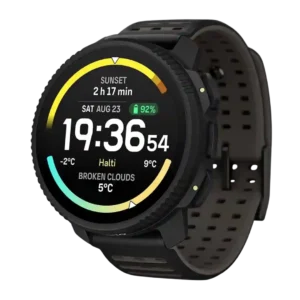
The app ecosystem was a weakness relative to Garmin, with reviewers calling out a lack of deeper training ecosystem or rich smart features.
Pros: operating system experience, materials quality
Cons: contactless payments, onboard music storage
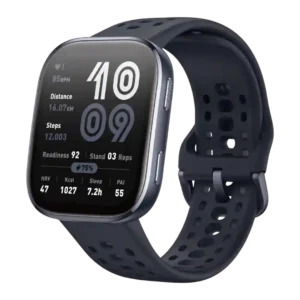
The ecosystem is one of the clearest limitations: reviewers repeatedly described the app store and broader platform as sparse or less robust than Wear OS/watchOS.
Pros: value for money, battery life
Cons: contactless payments, stress tracking
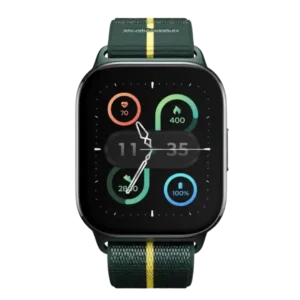
The app ecosystem was limited because the watch lacks a broad app store and offers only a small set of built-in or Motorola apps.
Pros: software smoothness, menu navigation
Cons: contactless payments, stress tracking