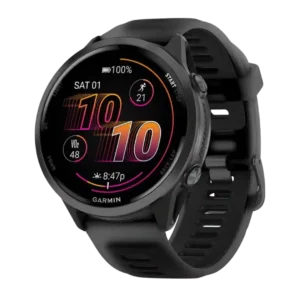
Button controls were strongly praised, especially for wet hands, sweaty workouts, swimming, and glove use.
Pros: charging speed, GPS accuracy
Cons: ECG functionality, smartphone notifications
Button controls were strongly praised, especially for wet hands, sweaty workouts, swimming, and glove use.
Pros: charging speed, GPS accuracy
Cons: ECG functionality, smartphone notifications
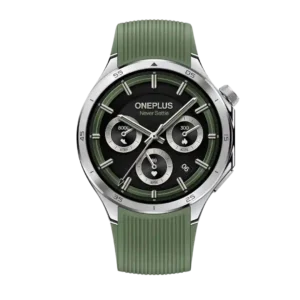
Button controls were a standout: the functional rotating crown, haptics, and shortcut controls earned broad praise.
Pros: blood oxygen tracking, step counting accuracy
Cons: LTE connectivity, calorie tracking usefulness
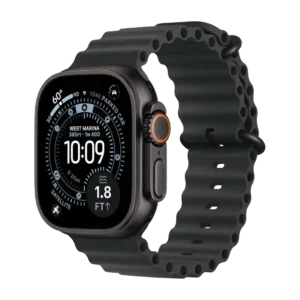
Button and gesture controls were a strength, especially the Action button and touch-free gestures.
Pros: app ecosystem, watch face quality
Cons: cross-platform compatibility, size options
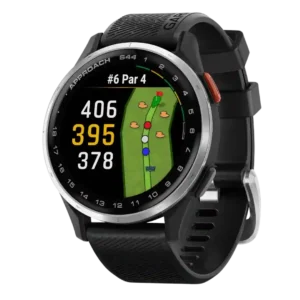
Button controls were a clear upgrade over the S42, with reviewers calling the second button easier, more intuitive, and better for navigation.
Pros: user interface, brightness
Cons: wellness insights, charging convenience
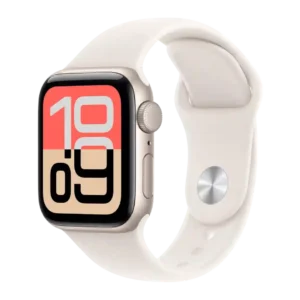
Button and gesture controls were widely praised, especially Double Tap, Wrist Flick, the Digital Crown, and side-button shortcuts.
Pros: app ecosystem, operating system experience
Cons: cross-platform compatibility, ECG functionality
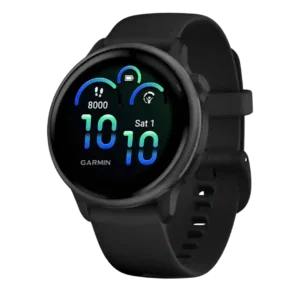
Button controls are generally well-liked, with reviewers praising the raised button, simplicity, and tactile workout controls.
Pros: software smoothness, comfort
Cons: LTE connectivity, voice assistant quality
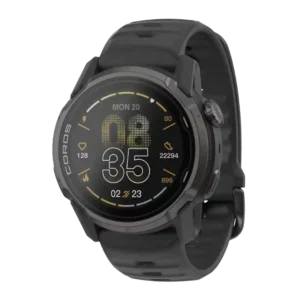
Button controls are generally praised, especially the action button and revised crown placement, with only minor control caveats.
Pros: reliability, battery life
Cons: LTE connectivity, flashlight usefulness
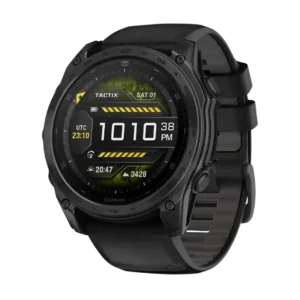
Button controls were mostly praised for texture and feel, but dive-rated buttons created mixed feedback from users who preferred older tactile clicks.
Pros: wellness insights, build quality
Cons: LTE connectivity, band quality
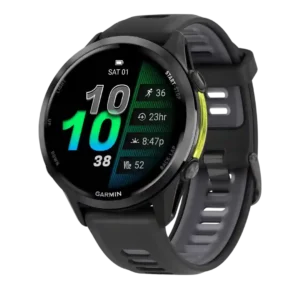
Button controls were useful and reliable, preserving full control when touch is unavailable, though one reviewer wanted a more tactile click.
Pros: stress tracking, customization options
Cons: menu navigation, companion app quality
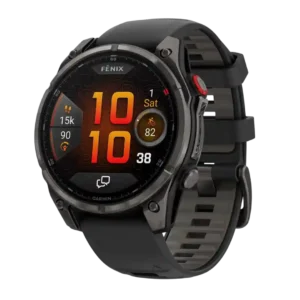
Button controls were praised for premium haptics and easier, quicker operation than earlier Fenix buttons.
Pros: workout tracking variety, pairing reliability
Cons: size options, companion app quality
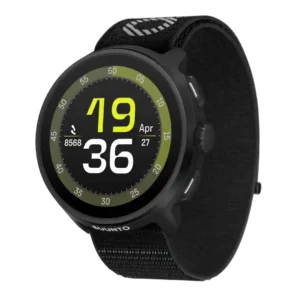
Button controls were a strength overall, especially the crown and physical buttons for running, gloves, sweat, and menu movement, though one reviewer wanted more buttons.
Pros: comfort, value for money
Cons: contactless payments, Wi-Fi connectivity
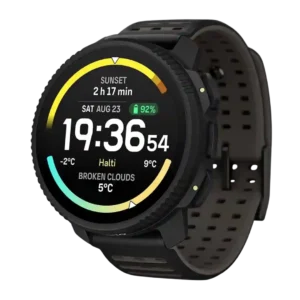
Button controls were broadly praised for glove use and tactile feedback, though some reviewers still preferred a crown or different interface logic.
Pros: operating system experience, materials quality
Cons: contactless payments, onboard music storage
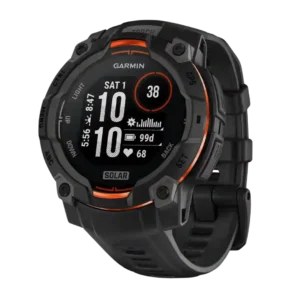
Button controls are mostly praised for predictable wet/glove use, though a few reviewers found the buttons harder to press or slower than touch controls.
Pros: customization options, charging speed
Cons: onboard music storage, voice assistant quality
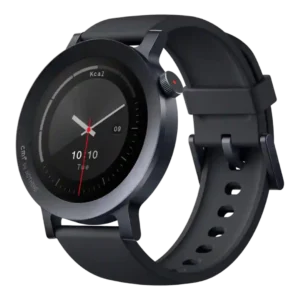
The crown and button controls were often praised for tactility and haptics, though a few reviewers wanted better sizing or deeper integration in the interface.
Pros: workout tracking variety, user interface
Cons: Wi-Fi connectivity, onboard music storage
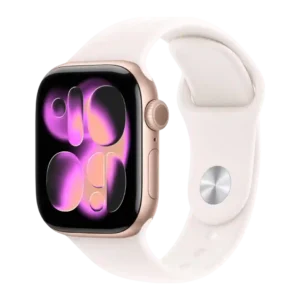
Controls are mostly useful, especially the crown, side button, Double Tap, and wrist flick, but runners disliked the lack of a dedicated lap or Action button.
Pros: ECG functionality, app ecosystem
Cons: cross-platform compatibility, recovery insights
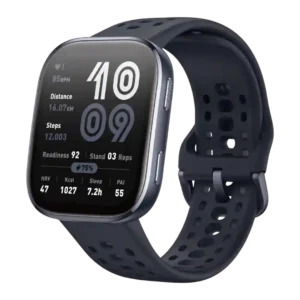
Button controls were generally useful and customizable, although one reviewer missed a crown-style control for long lists.
Pros: value for money, battery life
Cons: contactless payments, stress tracking
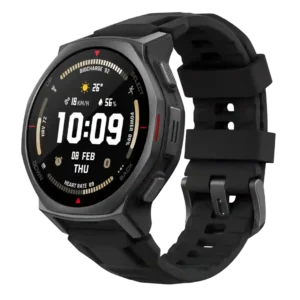
Button controls are generally useful, especially in wet, gloved or workout conditions, though one reviewer found the up/down buttons sticky on hikes.
Pros: workout tracking variety, calorie tracking usefulness
Cons: LTE connectivity, ECG functionality
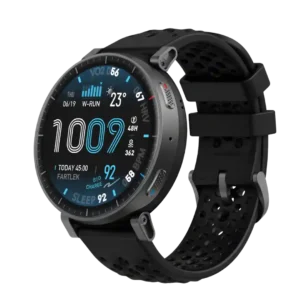
Button controls were useful and tactile, but reviewers who wanted more buttons or a crown found the two-button setup limiting.
Pros: workout tracking variety, outdoor visibility
Cons: calorie tracking usefulness, safety features
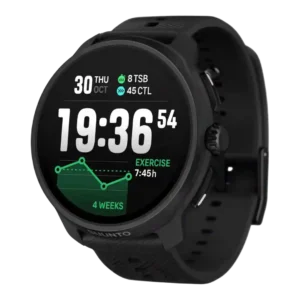
Button controls were mostly praised as clicky and usable during activity, though one reviewer had a sticky-button problem.
Pros: operating system experience, brightness
Cons: safety features, health tracking accuracy
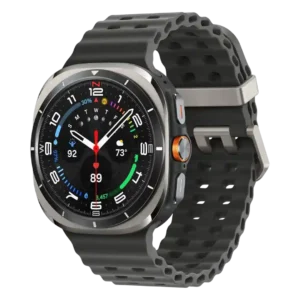
Button controls are polarized: reviewers like the programmable/quick button, but one long-term reviewer had repeated accidental presses and wanted better workout shortcuts.
Pros: LTE connectivity, pairing reliability
Cons: antioxidant index, blood oxygen tracking
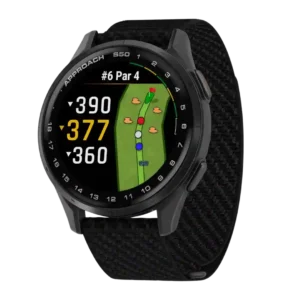
Button controls were usable but not ideal for button-first users; reviewers found navigation workable while still preferring more physical controls on higher-end models.
Pros: touchscreen responsiveness, health tracking accuracy
Cons: call handling, voice assistant quality
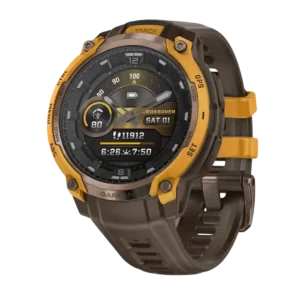
Button controls split opinion: one reviewer found them second nature, while others found the no-touchscreen button workflow slower or fiddly.
Pros: heart rate accuracy, GPS accuracy
Cons: onboard music storage, mapping and navigation
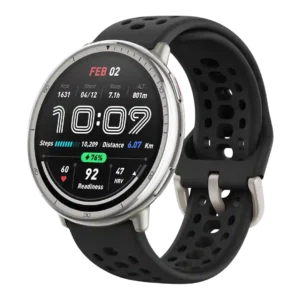
Button controls were useful and sometimes responsive, but reviewers disliked the layout, tactile feel, or double-press workout behavior.
Pros: pairing reliability, value for money
Cons: stress tracking, onboard music storage
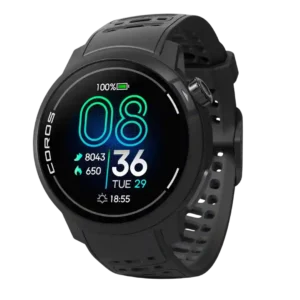
Button controls were useful for shortcuts and navigation, but reviewers disliked the digital dial during runs and the limited action-button behavior outside activities.
Pros: comfort, value for money
Cons: third-party app support, contactless payments
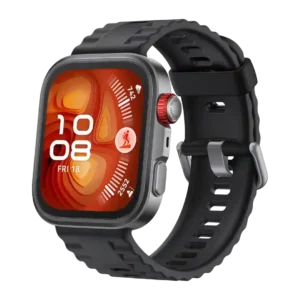
Button controls were mixed: some reviewers liked the tactile buttons and crown, while others found the crown cheap or the activity controls easy to mis-trigger.
Pros: Bluetooth connectivity, calorie tracking usefulness
Cons: ECG functionality, flashlight usefulness
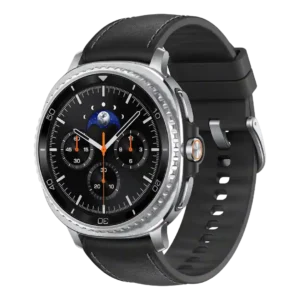
Button controls were mixed: customization was useful, but the base model’s two buttons and lack of a Quick Button or physical bezel frustrated some reviewers.
Pros: third-party app support, heart rate accuracy
Cons: music controls, cross-platform compatibility
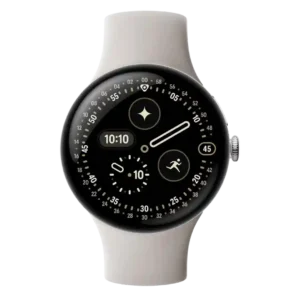
Button and control feedback was mixed: gestures and crown use often worked well, while manual laps or the thin side button drew complaints.
Pros: step counting accuracy, charging speed
Cons: stress tracking, band quality
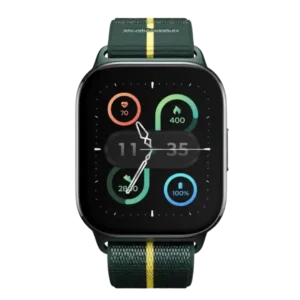
Button controls were mixed: ending workouts could be quick, but another reviewer wanted more buttons or a crown.
Pros: software smoothness, menu navigation
Cons: contactless payments, stress tracking
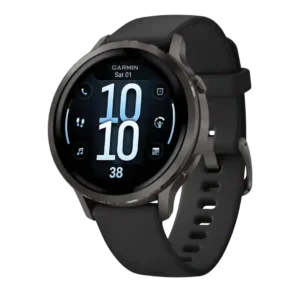
Button controls were one of the most repeated tradeoffs: the two-button layout looks cleaner, but several reviewers missed more physical controls during activity.
Pros: activity auto-detection, style and design
Cons: LTE connectivity, charging convenience
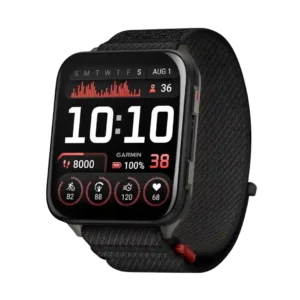
The two-button design was the most repeated control complaint, with reviewers missing Garmin’s extra buttons or wanting another shortcut button.
Pros: pairing reliability, watch face quality
Cons: ECG functionality, LTE connectivity