Best for progression system
The Outbound Ghost
5.0 feature score
Highest scored product for this feature based on supporting review evidence.
Highest scored product for this feature based on supporting review evidence.
Balances feature score, supporting reviews, and overall product strength.
Has the broadest review evidence for this feature.
Strongest overall product among items with scored evidence for this feature.

Shared experience across all Figments is widely praised because reserve party members stay useful without extra grinding or constant rotation.
Pros: progression system, onboarding experience
Cons: mission design, mission variety

Progression is widely praised for making failed and successful runs feel useful, with steady unlocks, resources, arcana, and new systems.
Pros: skill tree depth, dialogue quality
Cons: emotional impact, economy and resource balance
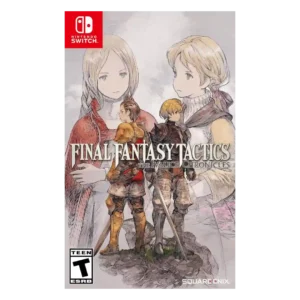
Progression remained satisfying, especially the constant job-point feedback and visible advancement toward new abilities.
Pros: emotional impact, polish
Cons: bug frequency, crash stability
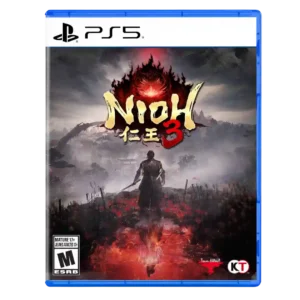
Progression was praised for free respecs, build freedom, rewarding upgrades, and flexible experimentation across styles and weapons.
Pros: pacing, visual effects quality
Cons: tutorial quality, character roster
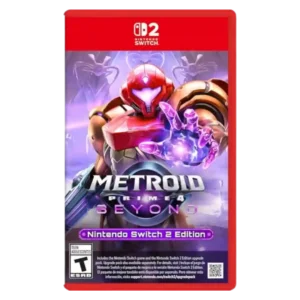
Progression was praised when upgrades opened new routes and improved movement, though some disliked overly linear or lock-and-key usage.
Pros: world-building, frame rate stability
Cons: companion AI, upgrade system

Reviewers strongly praised the checklist, achievements, unlocks, and constant rewards, though one negative review felt too many rewards were cosmetic.
Pros: flying mechanics, exploration quality
Cons: AI behavior, boss design

Progression is broadly praised, especially boss-attempt rewards, free skill respecs, and multiple growth systems that keep failures productive.
Pros: core gameplay loop, controls responsiveness
Cons: mission design, learning curve
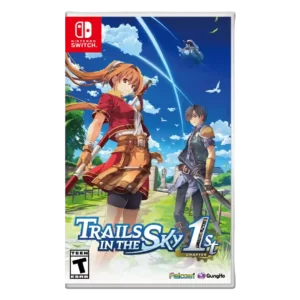
The Orbment/progression systems were praised for flexible character building and rewarding experimentation.
Pros: protagonist appeal, art direction
Cons: camera behavior, tutorial quality

Progression is broadly praised for constant rewards, player choice, and less overwhelming event unlocking, with only minor concerns about excess rewards.
Pros: controls responsiveness, movement feel
Cons: tutorial quality, animation quality
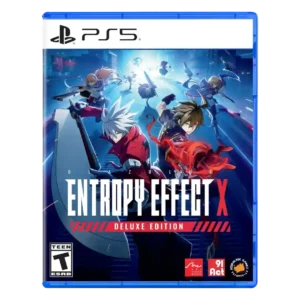
Progression is a consistent strength, with permanent upgrades, inheritance, mind systems, and run rewards making attempts feel purposeful.
Pros: movement feel, skill tree depth
Cons: menu usability, HUD clarity

Progression is praised for steadily adding moves, abilities, upgrades, and customization that keep combat and traversal evolving.
Pros: graphics quality, environmental detail
Cons: bug frequency, dialogue quality
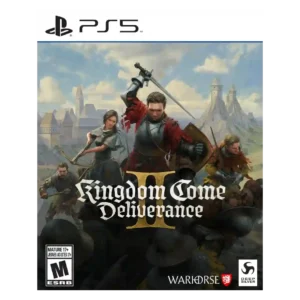
Progression was widely praised for turning early friction into rewarding growth through skills, perks, equipment, and player learning.
Pros: soundtrack quality, fun factor
Cons: checkpoint system, family friendliness
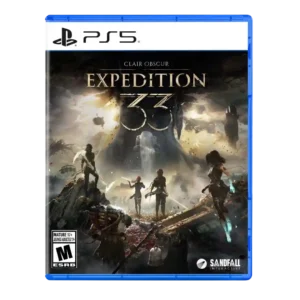
Progression earned strong marks for build preparation, Pictos/Lumina, customization, and viable options, with only occasional complexity caveats.
Pros: monetization fairness, microtransaction impact
Cons: platforming precision, menu usability
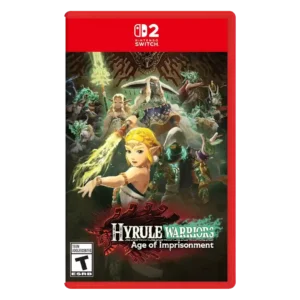
Progression was praised for a rewarding map loop, meaningful unlocks, and steady character growth.
Pros: animation quality, multiplayer design
Cons: save system reliability, companion AI
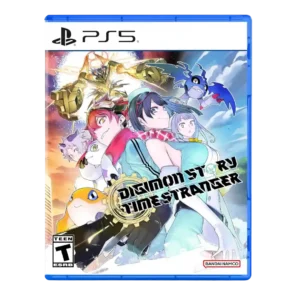
Progression was one of the strongest areas, with Digivolution, Agent Rank, personality growth, and team-building repeatedly called gratifying, flexible, and deep.
Pros: atmosphere, world-building
Cons: HUD clarity, fast travel convenience

Progression in No Return was praised for unlocks, challenges, and longer-term rewards that kept runs moving.
Pros: core gameplay loop, level design
Cons: family friendliness, puzzle design
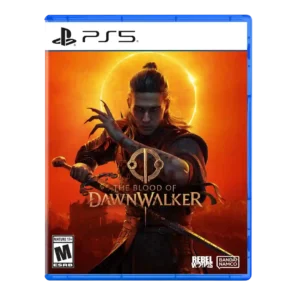
Progression earned praise from the visible build scope created by the skill-tree structure.
Pros: core gameplay loop, replay value
Cons: value for money, difficulty balance
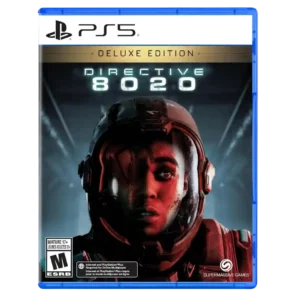
Progression through branching outcomes and player-controlled consequences was seen as more impactful than in earlier entries.
Pros: user interface design, graphics quality
Cons: combat system, animation quality
Progression was widely praised for maintaining forward momentum, though some skill-tree and grind complaints remained.
Pros: frame rate stability, platform-specific feature support
Cons: voice acting, writing quality

Progression is praised for faster unlock pacing and more forgiving advancement that keeps deliveries rewarding.
Pros: animation quality, facial animations
Cons: quest design, AI behavior

Progression was widely praised for tying stats, books, outfits, and dialogue checks into role-playing, with reviewers calling the RPG elements satisfying and intriguing.
Pros: accessibility options, protagonist appeal
Cons: frame rate stability, polish
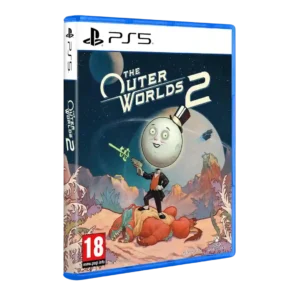
Progression, perks, flaws, and no-respec commitment were widely praised, though level-cap and respec complaints created some friction.
Pros: world-building, mission design
Cons: mission variety, enemy variety

Progression is praised for tying upgrades to exploration and skill shrines, though some reviewers want more depth or nuance.
Pros: movement feel, environmental detail
Cons: puzzle design, age appropriateness

Progression is mostly praised for wristbands, collections, and a better middle ground between grind and freedom, though reward systems can conflict.
Pros: open-world design, replay value
Cons: dialogue quality, writing quality
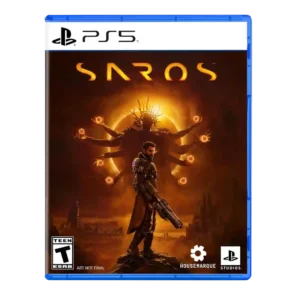
Progression was usually praised for meaningful permanent upgrades, though one reviewer felt it overemphasized numbers over skill.
Pros: value for money, fun factor
Cons: map and navigation design, side character depth
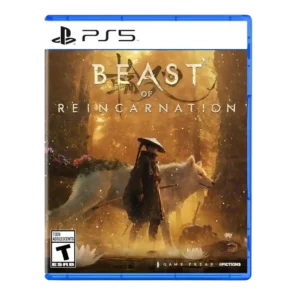
Separate skill growth, gear, and build-crafting systems create a promising progression path for Emma and Koo. The opening hours suggest meaningful specialization, even though the full depth remains untested.
Pros: soundtrack quality, value for money
Cons: onboarding experience, aiming precision

Stars, discoveries, and newly appearing creatures provide frequent rewards and steadily open more chapters. Revisiting earlier pages with new knowledge adds satisfying layers, though late completion can require persistence.
Pros: platforming precision, protagonist appeal
Cons: pacing, co-op experience
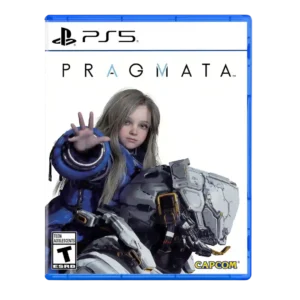
Progression is a major strength, with upgrades, currencies, hub growth, and loadout improvements providing steady goals and player choice.
Pros: bug frequency, user interface design
Cons: HUD clarity, mission design
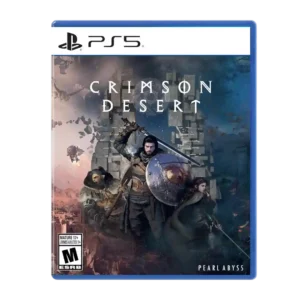
Reviewer evidence is positive: progression system was generally praised, though some notes were more qualified across 5 review(s).
Pros: level design, replay value
Cons: stealth mechanics, save system reliability
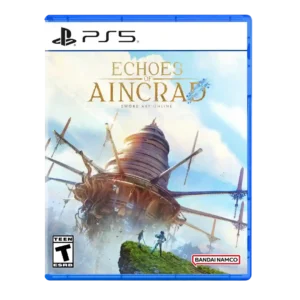
Progression was one of the better-received systems, with reviewers praising stat milestones, build freedom, and character growth options.
Pros: environmental detail, art direction
Cons: world interactivity, loot system
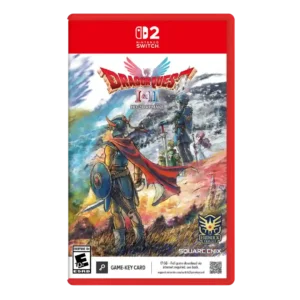
Scrolls and character growth were praised for adding light customization and clearer progression without becoming overly complicated.
Pros: visual effects quality, environmental detail
Cons: AI behavior, level design

Progression was viewed positively when upgrades and New Game+ rewards encouraged exploration and gave players more reasons to revisit areas.
Pros: voice acting, emotional impact
Cons: family friendliness, menu usability
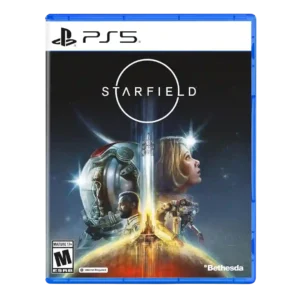
Progression is a relative strength, with skill trees, outposts, and build growth giving players multiple ways to shape their playstyle.
Pros: puzzle design, sound design
Cons: accessibility options, AI behavior
Progression drew both praise and criticism: reviewers liked unlocks and ability growth but flagged occasional poor gating.
Pros: protagonist appeal, faithfulness to franchise
Cons: map and navigation design, aiming precision
Progression is generally praised for fresh upgrades and satisfying forward motion, but one review criticizes opaque true-ending requirements.
Pros: core gameplay loop, world interactivity
Cons: loot system, accessibility options

The rage/progression loop was received positively for giving stealth and combat actions practical advantages.
Pros: environmental detail, graphics quality
Cons: gameplay mechanics, emotional impact
Item enhancement, weapon mastery, absurd leveling, and stat growth remain the game’s strongest and most addictive systems.
Pros: bug frequency, movement feel
Cons: enemy variety, AI behavior
Progression is mostly praised for satisfying loops and steady improvement, though early paths can feel irksome or uneven.
Pros: load times, crash stability
Cons: originality, voice acting

Progression appears improved through weapon perks, trinket-style choices, and returning fleet management that adds light progression outside core missions.
Pros: core gameplay loop, visual effects quality
Cons: monetization fairness, microtransaction impact
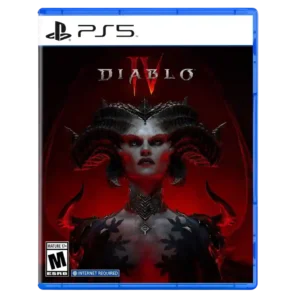
Progression was mostly praised for freshness, item growth, and useful systems, though a few reviewers found leveling or rewards slow early on.
Pros: lore depth, art direction
Cons: mission variety, protagonist appeal

The relationship and choice systems were often praised for reactivity, especially in Tape 2, though at least one review felt dialogue choices lacked meaning.
Pros: character roster, animation quality
Cons: core gameplay loop, polish
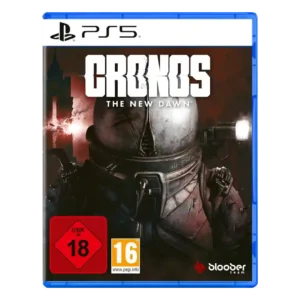
Progression through essence buffs and character shaping was considered interesting, though not always transparent.
Pros: core gameplay loop, emotional impact
Cons: checkpoint system, bug frequency

Camera progression gives exploration a satisfying sense of growth and makes later encounters more manageable.
Pros: writing quality, checkpoint system
Cons: bug frequency, HUD clarity
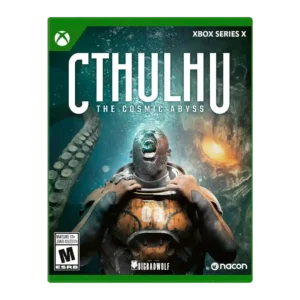
The corruption and evolution system was praised as fun mechanical depth that supports exploration without overwhelming the puzzle focus.
Pros: world-building, world interactivity
Cons: enemy variety, stealth mechanics
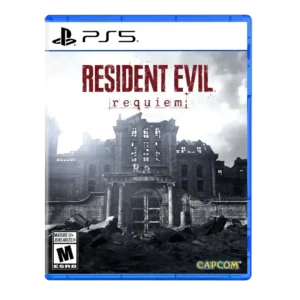
Leon’s progression system was viewed positively as a fairly fleshed-out way to build out his arsenal.
Pros: driving mechanics, protagonist appeal
Cons: platform-specific feature support, checkpoint system
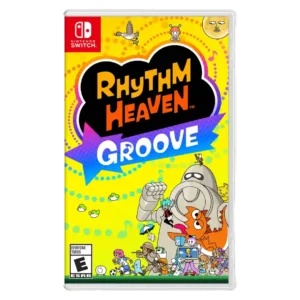
The medal-based progression appears motivating in early play, with one reviewer making medal collection a personal goal.
Pros: couch co-op quality, accessibility options
Cons: platform-specific feature support, performance optimization
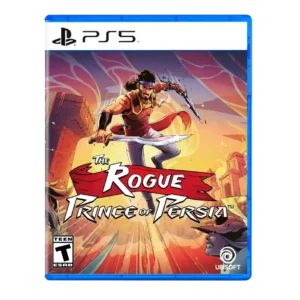
Progression was generally rewarding and steady, though some reviews criticized shallow or limited long-term upgrade depth.
Pros: crash stability, HUD clarity
Cons: character development, visual effects quality
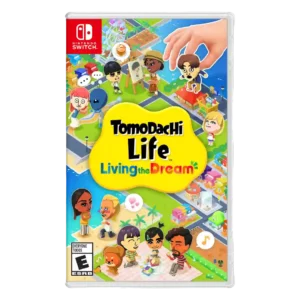
The Wishing Fountain, island ranks, and Mii levels are often rewarding, but some reviewers found later unlocks generic or less motivating.
Pros: grind level, originality
Cons: social features, accessibility options

Bellabel Water, unlockable badges, decorations, and collectibles give Bellabel Park visible progression, but the loop can feel shallow beside the main campaign. Wonder Seed gating in the base game is...
Pros: controls responsiveness, voice acting
Cons: matchmaking quality, user interface design

Progression is often praised for customization and character growth, but some reviewers dislike slow early growth, RNG layers, or Ultimate Vault Hunter progression friction.
Pros: sandbox freedom, art direction
Cons: polish, save system reliability