
Upgrade systems are praised for breadth and power growth, especially arcana and meta progression, with reviewers emphasizing flexibility.
Pros: skill tree depth, dialogue quality
Cons: emotional impact, economy and resource balance
Upgrade systems are praised for breadth and power growth, especially arcana and meta progression, with reviewers emphasizing flexibility.
Pros: skill tree depth, dialogue quality
Cons: emotional impact, economy and resource balance
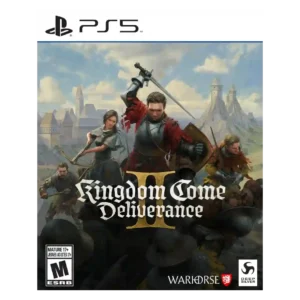
The revised perk and upgrade system was praised for offering meaningful upside-focused choices rather than weak side-grades.
Pros: soundtrack quality, fun factor
Cons: checkpoint system, family friendliness

The upgrade system is praised for meaningful amulets, combat additions, and flexible build choices that alter playstyle.
Pros: graphics quality, environmental detail
Cons: bug frequency, dialogue quality

Upgrade systems are praised for flexible perks and incentives that help tailor traversal, stealth, and combat approaches.
Pros: animation quality, facial animations
Cons: quest design, AI behavior

Upgrades are praised for being tied to exploration, weapons, armor, charms, and mastery activities rather than pure XP grinding.
Pros: movement feel, environmental detail
Cons: puzzle design, age appropriateness

Upgrade systems were praised when ability unlocks felt impactful, while costume boosts were seen as more situational.
Pros: gameplay mechanics, world interactivity
Cons: economy and resource balance, enemy variety

Upgrade systems were viewed positively for making gear and Orbment improvements easier and more convenient.
Pros: protagonist appeal, art direction
Cons: camera behavior, tutorial quality
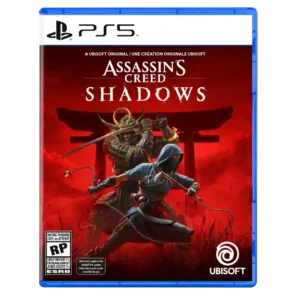
Upgrades are generally praised, especially the Forge, weapon improvement, and approachable base-linked progression.
Pros: environmental detail, cross-save support
Cons: writing quality, enemy variety

Crests, tools, and upgrades are widely seen as flexible and creative, though a few reviews found early limitations or resource-linked tool use frustrating.
Pros: core gameplay loop, world interactivity
Cons: loot system, accessibility options

Upgrade systems receive positive evidence for direct SDU upgrades and inventory-capacity improvements tied to collectibles.
Pros: sandbox freedom, art direction
Cons: polish, save system reliability
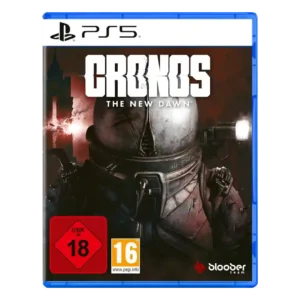
Upgrades were generally praised as meaningful because scarce cores, suit boosts, and weapon improvements forced real tradeoffs.
Pros: core gameplay loop, emotional impact
Cons: checkpoint system, bug frequency

weapon upgrades and attachments were praised for making weapons improve and change meaningfully.
Pros: haptic feedback integration, performance optimization
Cons: pacing, microtransaction impact
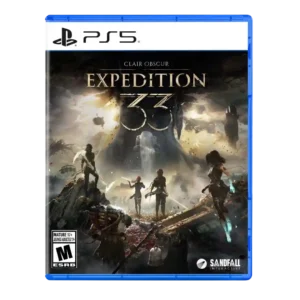
Weapon upgrading was described as a useful part of the broader equipment loop.
Pros: monetization fairness, microtransaction impact
Cons: platforming precision, menu usability

Upgrade and Mega-related systems were praised when Mega Evolution felt improved, but some reviewers reduced it to a stat boost button.
Pros: crash stability, gameplay mechanics
Cons: AI behavior, monetization fairness

Upgrade system evidence was limited but positive, with weapon improvement through crafting described as helpful.
Pros: art direction, frame rate stability
Cons: boss design, camera behavior

Upgrade flow is praised for unlocking abilities, materials, and schematics as players move between Lives.
Pros: load times, crash stability
Cons: originality, voice acting

Road Trip's upgrade choices added strategic balancing, asking players to build a well-rounded machine rather than chase one stat blindly.
Pros: flying mechanics, exploration quality
Cons: AI behavior, boss design

The upgrade system earned praise in one review for later enhancements that made positioning and cooldown management more interesting.
Pros: atmosphere, voice acting
Cons: world interactivity, camera behavior
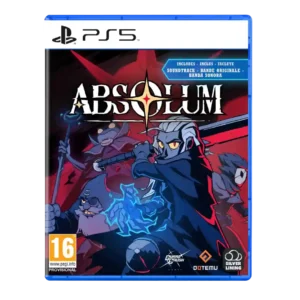
Upgrade systems offered build variety and experimentation, but reviewers split over random, temporary, or underwhelming upgrades.
Pros: mission design, world interactivity
Cons: quest design, endgame content
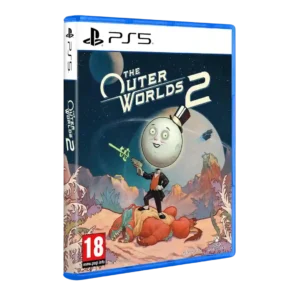
Weapon and gear upgrades were usually liked for customization, but some reviewers found mod limits or specific systems clunky.
Pros: world-building, mission design
Cons: mission variety, enemy variety
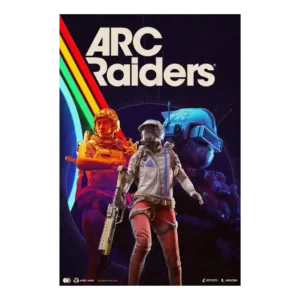
Upgrades and workbenches add depth, but unclear item requirements and workshop friction made the system less smooth.
Pros: frame rate stability, platform-specific feature support
Cons: voice acting, writing quality

Upgrade system was mixed: reviewers liked easy, useful upgrades and new moves but criticized weapon upgrading as resource-heavy or boring.
Pros: animation quality, multiplayer design
Cons: save system reliability, companion AI

Upgrade systems were appreciated for strategic trade-offs and natural-feeling growth, but a few reviewers found the mechanics minor or confusing.
Pros: voice acting, emotional impact
Cons: family friendliness, menu usability
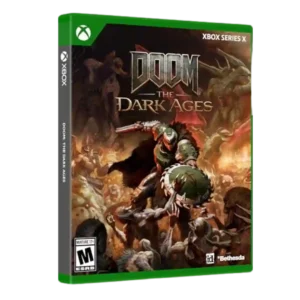
Upgrade systems were mixed: some liked streamlined and useful upgrades, while others wanted more depth or disliked passive-feeling progression.
Pros: environmental detail, polish
Cons: camera behavior, value for money
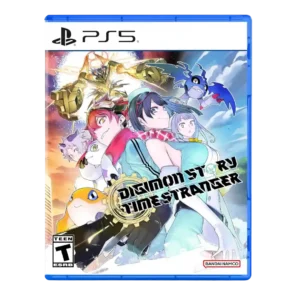
Cross Arts and upgrades added tactical options, but reviewers criticized limits such as only equipping one Cross Art at a time.
Pros: atmosphere, world-building
Cons: HUD clarity, fast travel convenience

Upgrade systems were sharply divisive, with some liking gear longevity and many others criticizing tiers, scarcity, or number-go-up design.
Pros: tutorial quality, level design
Cons: stealth mechanics, endgame content

The upgrade/build system was a mixed point where tighter buildcrafting created tradeoffs but made High Rank gear feel limited to one reviewer.
Pros: art direction, cross-play support
Cons: dialogue quality, monetization fairness

Upgrades were fun and familiar for some, but others felt certain powers were underused or too lock-and-key.
Pros: world-building, frame rate stability
Cons: companion AI, upgrade system