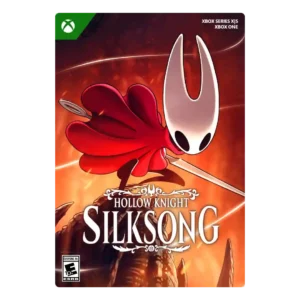
Lore depth is praised for hidden mysteries, optional heritage threads, and deeper history that rewards curiosity.
Pros: core gameplay loop, world interactivity
Cons: loot system, accessibility options
Lore depth is praised for hidden mysteries, optional heritage threads, and deeper history that rewards curiosity.
Pros: core gameplay loop, world interactivity
Cons: loot system, accessibility options
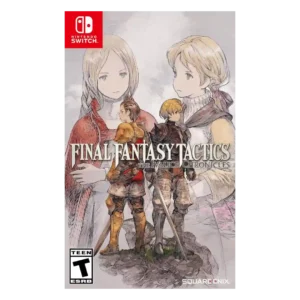
Lore depth was praised through the political themes, State of the Realm, sound novels, and world-history tools.
Pros: emotional impact, polish
Cons: bug frequency, crash stability
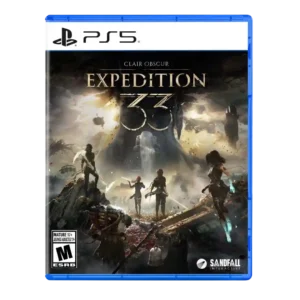
Lore depth was praised through expedition journals, wider history, and an intriguing world.
Pros: monetization fairness, microtransaction impact
Cons: platforming precision, menu usability
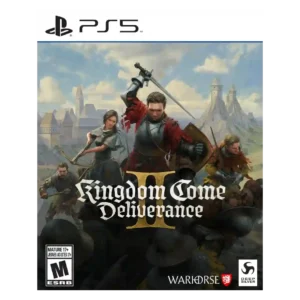
The historical codex and contextual detail were praised for offering extensive background on people, events, and society.
Pros: soundtrack quality, fun factor
Cons: checkpoint system, family friendliness
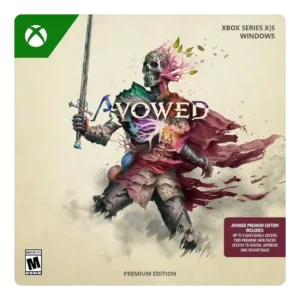
Lore depth was consistently praised, especially the in-game books, history, politics, and reference systems that made Eora feel rich.
Pros: tutorial quality, level design
Cons: stealth mechanics, endgame content
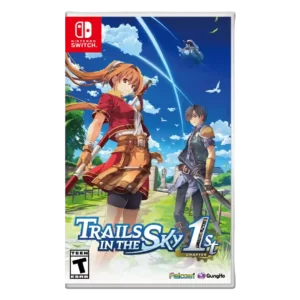
Lore depth was praised for its connected saga, worldbuilding, and long-term setup.
Pros: protagonist appeal, art direction
Cons: camera behavior, tutorial quality
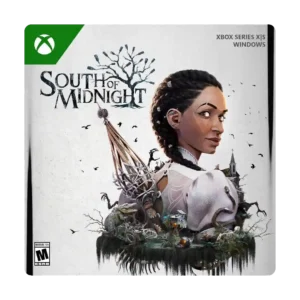
Lore depth was praised for making Southern Gothic worldbuilding feel intriguing and distinctive.
Pros: atmosphere, voice acting
Cons: world interactivity, camera behavior
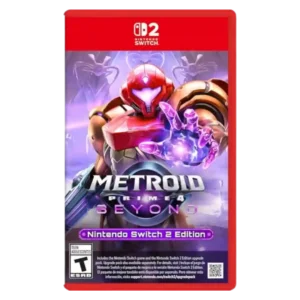
Lore through scanning and Lamorn history was a clear positive for reviewers who valued environmental storytelling.
Pros: world-building, frame rate stability
Cons: companion AI, upgrade system
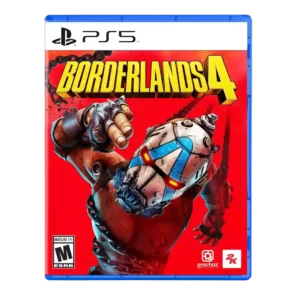
Lore depth receives limited but positive evidence for building on vault and Siren lore.
Pros: sandbox freedom, art direction
Cons: polish, save system reliability
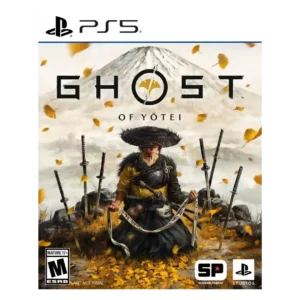
Lore depth receives positive but limited support through mythic tales and storytelling sequences that expand the world’s legends.
Pros: movement feel, environmental detail
Cons: puzzle design, age appropriateness
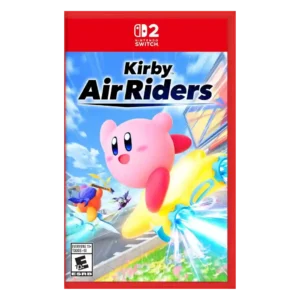
Road Trip's lore was praised as worth experiencing, especially around how Air Riding came to exist.
Pros: flying mechanics, exploration quality
Cons: AI behavior, boss design
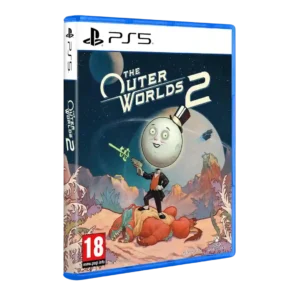
Lore depth was praised where new factions made Arcadia feel deeper and more distinct than the first game.
Pros: world-building, mission design
Cons: mission variety, enemy variety
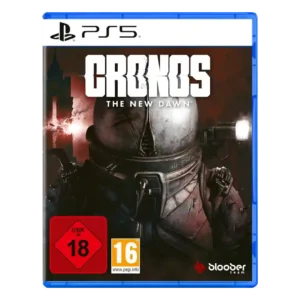
Lore depth was praised by reviewers who enjoyed piecing together codex entries, worldbuilding, and background clues.
Pros: core gameplay loop, emotional impact
Cons: checkpoint system, bug frequency
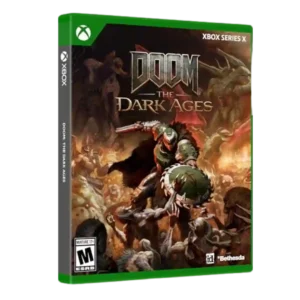
Lore depth was praised where codex material and broader Doom world-building were assessed directly.
Pros: environmental detail, polish
Cons: camera behavior, value for money
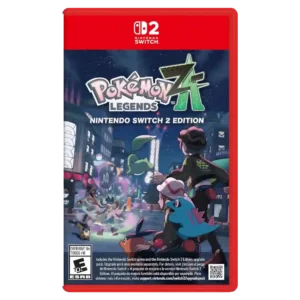
Lore depth was praised when reviews connected Z-A to X/Y, Sinnoh-style mythology, or franchise history.
Pros: crash stability, gameplay mechanics
Cons: AI behavior, monetization fairness
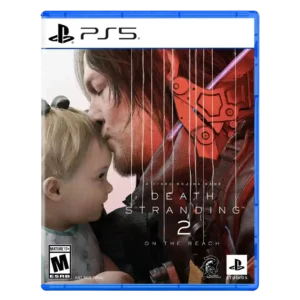
Lore support and depth are praised through the Corpus encyclopedia, which helps handle the dense terminology and proper nouns.
Pros: animation quality, facial animations
Cons: quest design, AI behavior
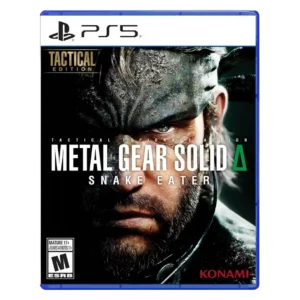
Lore depth is praised through the way Snake Eater ties its events back into the wider Metal Gear arc.
Pros: world interactivity, sandbox freedom
Cons: crash stability, learning curve
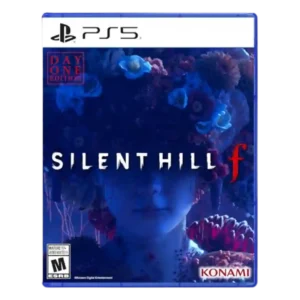
Lore depth was usually praised for notes, folklore, religious context, and New Game+ revelations, though one negative review argued the lore lacked cohesion.
Pros: voice acting, emotional impact
Cons: family friendliness, menu usability

Lore depth is a positive for franchise fans, with reviewers noting more story, backstory, and South Town lore than expected.
Pros: emotional impact, animation quality
Cons: enemy variety, server reliability
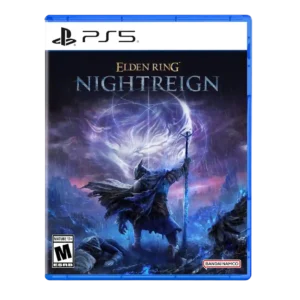
Lore depth benefited from Elden Ring's groundwork, though it was concentrated in character side stories rather than a broad main plot.
Pros: emotional impact, visual effects quality
Cons: crash stability, cross-play support
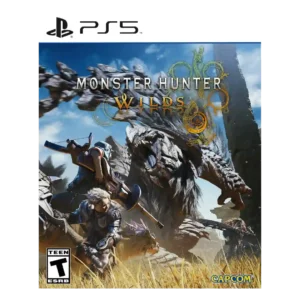
Lore depth was positively noted by a reviewer who found Monster Hunter lore fascinating despite criticizing the story delivery.
Pros: art direction, cross-play support
Cons: dialogue quality, monetization fairness
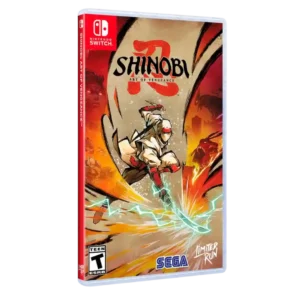
Lore depth gets mild praise where the reviewer appreciates Shinobi’s blend of cultural mythological elements.
Pros: graphics quality, environmental detail
Cons: bug frequency, dialogue quality
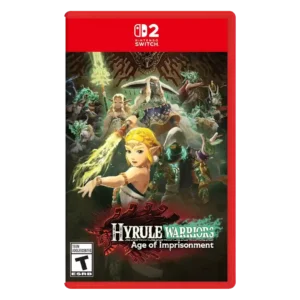
Lore depth was divisive: many praised canonical gap-filling, while IGN-style reviews argued key lore threads were still underexplored.
Pros: animation quality, multiplayer design
Cons: save system reliability, companion AI
The story and lore intrigued reviewers, but evidence also showed that much of it remains light or left to imagination.
Pros: frame rate stability, platform-specific feature support
Cons: voice acting, writing quality
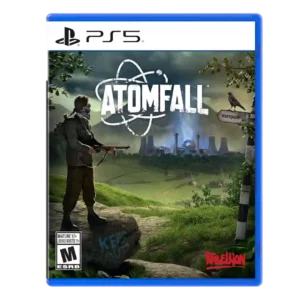
Lore depth was mixed, with compelling mysteries and notes offset by underused premise and surface-level faction development.
Pros: art direction, frame rate stability
Cons: boss design, camera behavior
Lore depth was a repeated weakness; reviewers often found the Abyss, supernatural elements, or broader mystery underexplained or unresolved.
Pros: character roster, animation quality
Cons: core gameplay loop, polish
lore depth was criticized as shallow setup.
Pros: haptic feedback integration, performance optimization
Cons: pacing, microtransaction impact
Lore depth drew negative evidence from a reviewer who felt understanding the story depended too much on outside material.
Pros: load times, haptic feedback integration
Cons: save system reliability, aiming precision
Lore depth is limited in one review’s view, with little to learn beyond mechanical hub functions.
Pros: core gameplay loop, controls responsiveness
Cons: mission design, learning curve