Learning curve was praised in limited evidence because the mechanics click quickly and let the storytelling stay central.
Pros: side character depth, visual effects quality
Cons: user interface design, handheld play suitability
Learning curve was praised in limited evidence because the mechanics click quickly and let the storytelling stay central.
Pros: side character depth, visual effects quality
Cons: user interface design, handheld play suitability

The learning curve is favorable because reviewers describe the combat as simple to engage with while still rewarding mastery.
Pros: graphics quality, environmental detail
Cons: bug frequency, dialogue quality

The game was repeatedly described as a good entry point for children, partners, and newer players, despite some motor-control challenges.
Pros: writing quality, checkpoint system
Cons: menu usability, user interface design
Learning curve evidence was positive, especially around the recommended Survivor setting feeling steep but satisfying.
Pros: art direction, frame rate stability
Cons: boss design, camera behavior

Most reviewers saw the game as approachable but still skill-heavy, with simple basics and a higher ceiling once combos, balance, and precision matter.
Pros: core gameplay loop, controls responsiveness
Cons: crash stability, cross-save support

The learning curve was approachable for experienced players but could require adjustment for casual players.
Pros: puzzle design, level design
Cons: exploration quality, side character depth
One impressions review said the game remains easier to approach despite the genre’s high skill ceiling and many systems.
Pros: frame rate stability, platform-specific feature support
Cons: voice acting, writing quality

Learning support was helped by reference and lore systems that made Eora’s terminology easier to understand.
Pros: tutorial quality, level design
Cons: stealth mechanics, endgame content
The supporting review found the vehicle controls easy to grasp quickly, reflecting a low-friction learning curve.
Pros: environmental detail, polish
Cons: camera behavior, value for money

Learning curve evidence is positive but modest, emphasizing learn-by-doing design that mirrors Atsu’s practice and attention rather than heavy explanation.
Pros: movement feel, environmental detail
Cons: puzzle design, age appropriateness
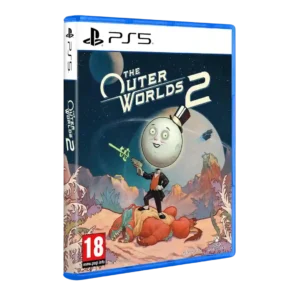
One reviewer found the broader RPG structure easy to grasp despite its added ambition.
Pros: world-building, mission design
Cons: mission variety, enemy variety

The learning curve was mostly manageable, though some reviewers noted disorientation or clunky single-solution moments before the systems click.
Pros: gameplay mechanics, world interactivity
Cons: economy and resource balance, enemy variety

Learning curve impressions varied: one reviewer called the systems approachable, while another found the combat complexity and tutorials potentially off-putting.
Pros: protagonist appeal, art direction
Cons: camera behavior, tutorial quality
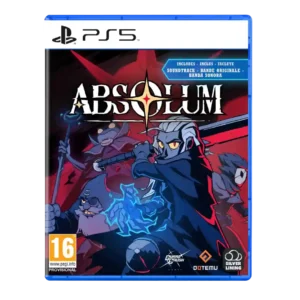
The learning curve can be frustrating early, but reviewers said mastery and focused builds make the game more rewarding.
Pros: mission design, world interactivity
Cons: quest design, endgame content
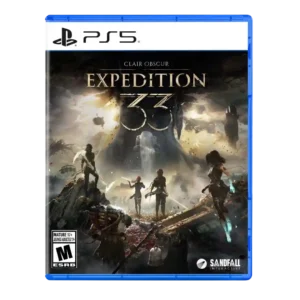
The game was considered easy enough to start yet challenging to master, though one review found some systems overwhelming at first.
Pros: monetization fairness, microtransaction impact
Cons: platforming precision, menu usability

The learning curve is steeper than past entries, but reviewers generally framed that depth as manageable or rewarding.
Pros: animation quality, sound design
Cons: difficulty balance, AI behavior
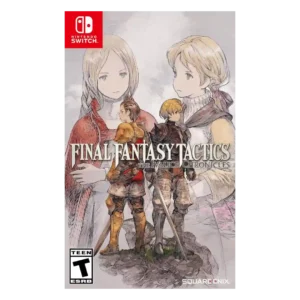
Learning curve was still real, but reviewers found the payoff worthwhile and appreciated systems that reduced confusion.
Pros: emotional impact, polish
Cons: bug frequency, crash stability
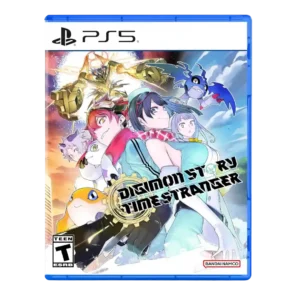
The learning curve was mostly manageable, though several reviewers noted many systems, stats, and personalities to absorb.
Pros: atmosphere, world-building
Cons: HUD clarity, fast travel convenience

The learning curve is real, especially around Melinoë's cast and playstyle, but reviewers generally frame that adjustment as worthwhile.
Pros: skill tree depth, dialogue quality
Cons: emotional impact, economy and resource balance
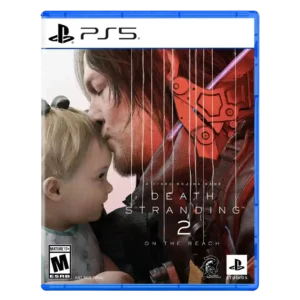
The main noted learning curve is movement weight, which takes adjustment before it becomes satisfying.
Pros: animation quality, facial animations
Cons: quest design, AI behavior

The learning curve was described as noticeable but manageable, especially as players adapt to clunky melee timing and survival choices.
Pros: voice acting, emotional impact
Cons: family friendliness, menu usability

The learning curve is divisive: reviewers praise approachable basics and smart controls, but many stress that advanced play is demanding.
Pros: emotional impact, animation quality
Cons: enemy variety, server reliability
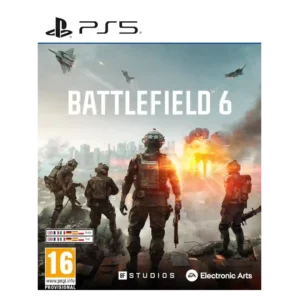
the learning curve was mixed: some systems are accessible, but new players can feel overwhelmed.
Pros: haptic feedback integration, performance optimization
Cons: pacing, microtransaction impact
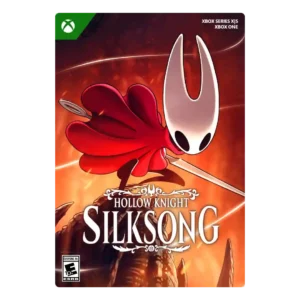
The learning curve is steep, with reviewers noting hours of mastery and occasional git-gud walls, but also rewarding skill growth.
Pros: core gameplay loop, world interactivity
Cons: loot system, accessibility options
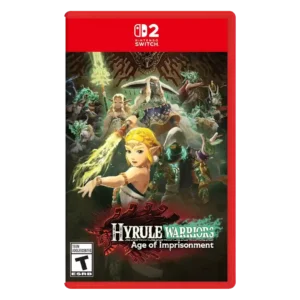
Learning curve was approachable but sometimes dense, with tutorial and prompt support balanced against information overload.
Pros: animation quality, multiplayer design
Cons: save system reliability, companion AI

The learning curve was noticeable because movement, battle positioning, and strategy took time to internalize.
Pros: crash stability, gameplay mechanics
Cons: AI behavior, monetization fairness

The learning curve was described as occasionally unclear but not severely punishing once hazards and combat expectations clicked.
Pros: atmosphere, voice acting
Cons: world interactivity, camera behavior

Most reviewers noted a real learning curve: easy basics and useful lessons, but an initially overwhelming or unintuitive transition for newcomers.
Pros: flying mechanics, exploration quality
Cons: AI behavior, boss design
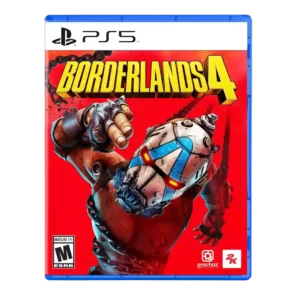
Learning curve evidence is limited and mixed, with one reviewer noting that builds take time to come online.
Pros: sandbox freedom, art direction
Cons: polish, save system reliability
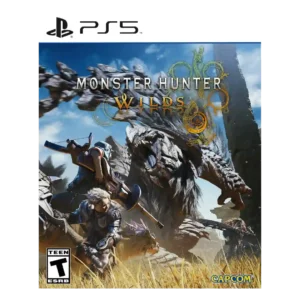
Learning curve remained a barrier despite approachability, with several reviewers still finding the game bewildering or difficult to slip into.
Pros: art direction, cross-play support
Cons: dialogue quality, monetization fairness

Several reviewers found the early scope and tutorial flow overwhelming, though one framed the game as relaxing once understood.
Pros: load times, crash stability
Cons: originality, voice acting

The learning curve is mixed because newcomers may struggle with grooves, ratios, inputs, and deeper systems, even though the tools soften the entry point.
Pros: emotional impact, sound design
Cons: cross-play support, boss design
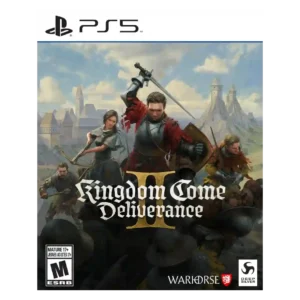
The learning curve was repeatedly described as steep, slow, and friction-heavy, rewarding patience but likely turning some players away.
Pros: soundtrack quality, fun factor
Cons: checkpoint system, family friendliness
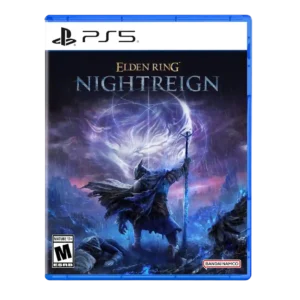
The learning curve was steep, with reviewers describing early runs as overwhelming and knowledge-heavy before the game clicks.
Pros: emotional impact, visual effects quality
Cons: crash stability, cross-play support
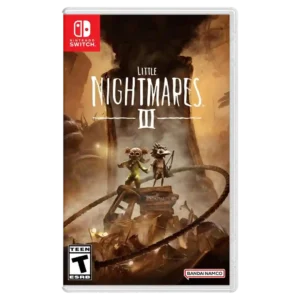
Learning curve evidence was negative because unclear direction and minimal tutorialization made the game easy to feel lost in.
Pros: load times, haptic feedback integration
Cons: save system reliability, aiming precision

The learning curve can be rough, with at least one reviewer feeling underprepared by systems and item requirements.
Pros: world interactivity, sandbox freedom
Cons: crash stability, learning curve
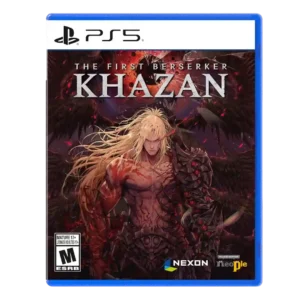
The learning curve is steep, with early difficulty spikes strong enough to make one reviewer consider stopping.
Pros: core gameplay loop, controls responsiveness
Cons: mission design, learning curve
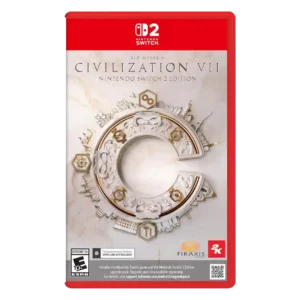
Several reviewers found the learning curve frustrating because familiar Civ knowledge did not transfer cleanly and the UI obscured key rules.
Pros: animation quality, controls responsiveness
Cons: matchmaking quality, user interface design