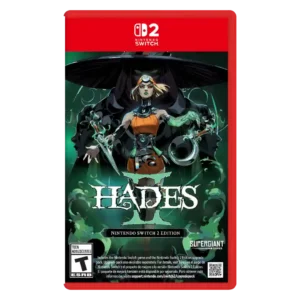
Progression is widely praised for making failed and successful runs feel useful, with steady unlocks, resources, arcana, and new systems.
Pros: skill tree depth, dialogue quality
Cons: emotional impact, economy and resource balance
Progression is widely praised for making failed and successful runs feel useful, with steady unlocks, resources, arcana, and new systems.
Pros: skill tree depth, dialogue quality
Cons: emotional impact, economy and resource balance
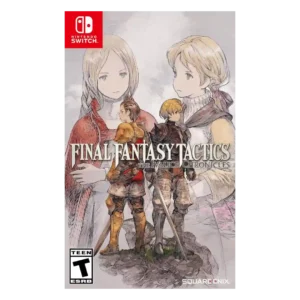
Progression remained satisfying, especially the constant job-point feedback and visible advancement toward new abilities.
Pros: emotional impact, polish
Cons: bug frequency, crash stability
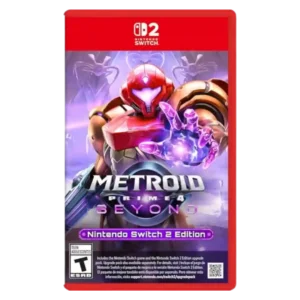
Progression was praised when upgrades opened new routes and improved movement, though some disliked overly linear or lock-and-key usage.
Pros: world-building, frame rate stability
Cons: companion AI, upgrade system
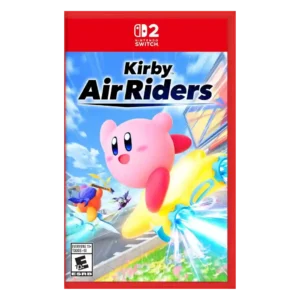
Reviewers strongly praised the checklist, achievements, unlocks, and constant rewards, though one negative review felt too many rewards were cosmetic.
Pros: flying mechanics, exploration quality
Cons: AI behavior, boss design
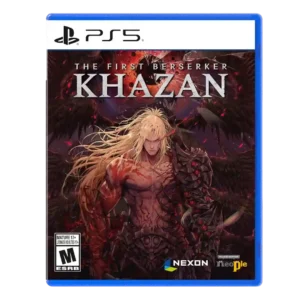
Progression is broadly praised, especially boss-attempt rewards, free skill respecs, and multiple growth systems that keep failures productive.
Pros: core gameplay loop, controls responsiveness
Cons: mission design, learning curve
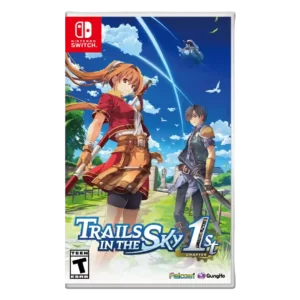
The Orbment/progression systems were praised for flexible character building and rewarding experimentation.
Pros: protagonist appeal, art direction
Cons: camera behavior, tutorial quality
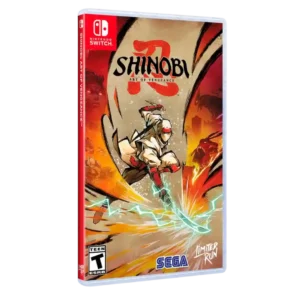
Progression is praised for steadily adding moves, abilities, upgrades, and customization that keep combat and traversal evolving.
Pros: graphics quality, environmental detail
Cons: bug frequency, dialogue quality
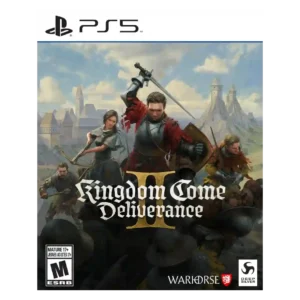
Progression was widely praised for turning early friction into rewarding growth through skills, perks, equipment, and player learning.
Pros: soundtrack quality, fun factor
Cons: checkpoint system, family friendliness
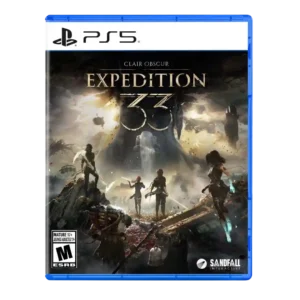
Progression earned strong marks for build preparation, Pictos/Lumina, customization, and viable options, with only occasional complexity caveats.
Pros: monetization fairness, microtransaction impact
Cons: platforming precision, menu usability
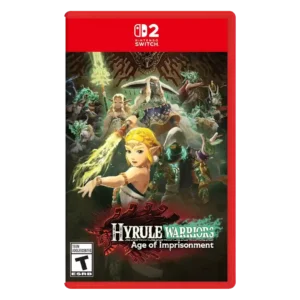
Progression was praised for a rewarding map loop, meaningful unlocks, and steady character growth.
Pros: animation quality, multiplayer design
Cons: save system reliability, companion AI
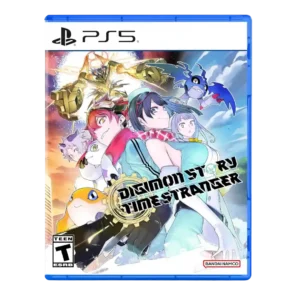
Progression was one of the strongest areas, with Digivolution, Agent Rank, personality growth, and team-building repeatedly called gratifying, flexible, and deep.
Pros: atmosphere, world-building
Cons: HUD clarity, fast travel convenience
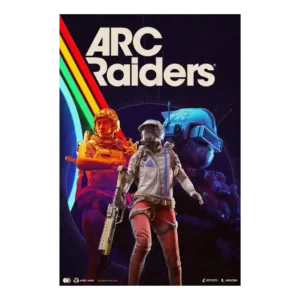
Progression was widely praised for maintaining forward momentum, though some skill-tree and grind complaints remained.
Pros: frame rate stability, platform-specific feature support
Cons: voice acting, writing quality
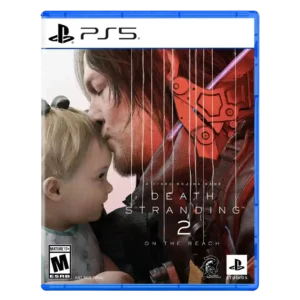
Progression is praised for faster unlock pacing and more forgiving advancement that keeps deliveries rewarding.
Pros: animation quality, facial animations
Cons: quest design, AI behavior
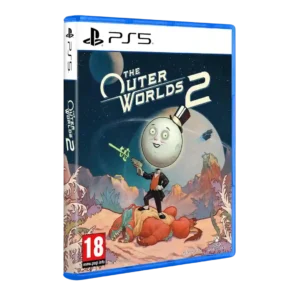
Progression, perks, flaws, and no-respec commitment were widely praised, though level-cap and respec complaints created some friction.
Pros: world-building, mission design
Cons: mission variety, enemy variety
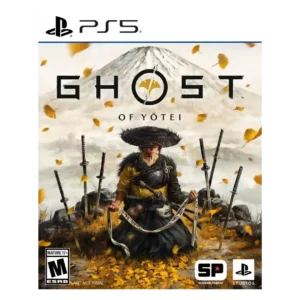
Progression is praised for tying upgrades to exploration and skill shrines, though some reviewers want more depth or nuance.
Pros: movement feel, environmental detail
Cons: puzzle design, age appropriateness
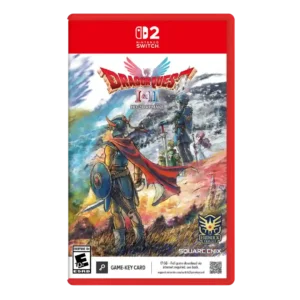
Scrolls and character growth were praised for adding light customization and clearer progression without becoming overly complicated.
Pros: visual effects quality, environmental detail
Cons: AI behavior, level design
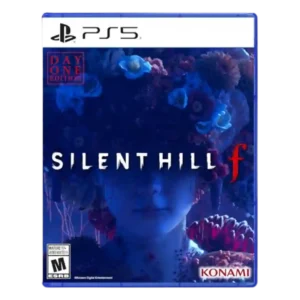
Progression was viewed positively when upgrades and New Game+ rewards encouraged exploration and gave players more reasons to revisit areas.
Pros: voice acting, emotional impact
Cons: family friendliness, menu usability
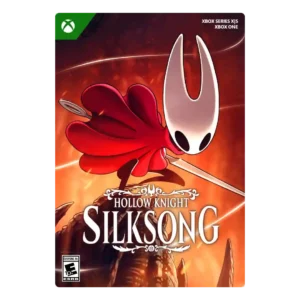
Progression is generally praised for fresh upgrades and satisfying forward motion, but one review criticizes opaque true-ending requirements.
Pros: core gameplay loop, world interactivity
Cons: loot system, accessibility options
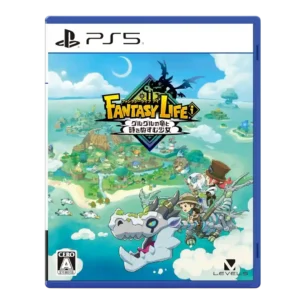
Progression is mostly praised for satisfying loops and steady improvement, though early paths can feel irksome or uneven.
Pros: load times, crash stability
Cons: originality, voice acting
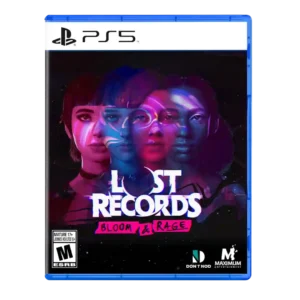
The relationship and choice systems were often praised for reactivity, especially in Tape 2, though at least one review felt dialogue choices lacked meaning.
Pros: character roster, animation quality
Cons: core gameplay loop, polish
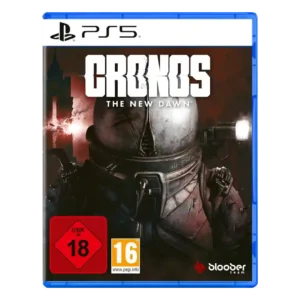
Progression through essence buffs and character shaping was considered interesting, though not always transparent.
Pros: core gameplay loop, emotional impact
Cons: checkpoint system, bug frequency
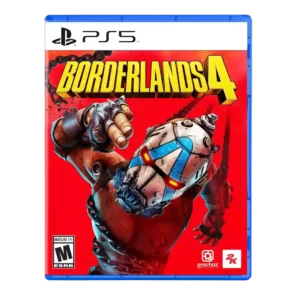
Progression is often praised for customization and character growth, but some reviewers dislike slow early growth, RNG layers, or Ultimate Vault Hunter progression friction.
Pros: sandbox freedom, art direction
Cons: polish, save system reliability
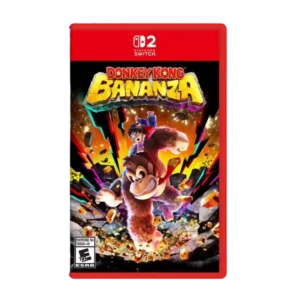
Progression received mixed-to-positive notes: skill points gave short-term goals, though some reviewers questioned whether the systems were necessary or evenly useful.
Pros: gameplay mechanics, world interactivity
Cons: economy and resource balance, enemy variety

Progression was viewed as useful and content-rich, but some reviewers disliked simplified goals or locking endgame challenges behind completion layers.
Pros: core gameplay loop, controls responsiveness
Cons: crash stability, cross-save support
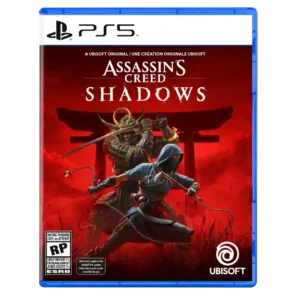
Progression usually feels rewarding through knowledge, skills, and character growth, but some reviewers found it only decent or half-hearted.
Pros: environmental detail, cross-save support
Cons: writing quality, enemy variety
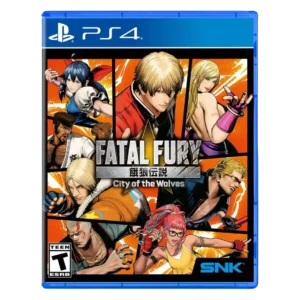
Light RPG progression is welcomed by several reviewers, but others say it becomes shallow or grind-driven.
Pros: emotional impact, animation quality
Cons: enemy variety, server reliability
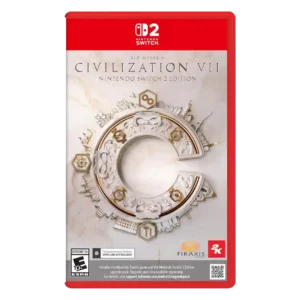
The age, civ-switching, legacy, and meta-progression systems were the product’s central split, praised as fresh by some and criticized as disjointed or anti-Civ by others.
Pros: animation quality, controls responsiveness
Cons: matchmaking quality, user interface design
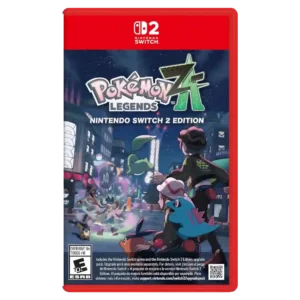
Progression through the Z-A Royale was enjoyable for some, but rank skipping and façade-like structure disappointed several reviewers.
Pros: crash stability, gameplay mechanics
Cons: AI behavior, monetization fairness
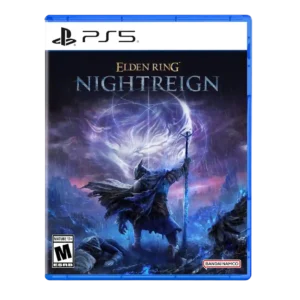
Progression was mixed, with useful relics and quests praised but meta-progression often criticized as thin, random, or too limited.
Pros: emotional impact, visual effects quality
Cons: crash stability, cross-play support
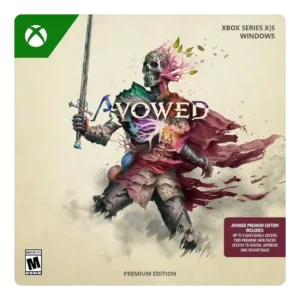
Progression systems were divisive: some liked flexible builds and added points, while others found midgame growth stagnant or too gear-dependent.
Pros: tutorial quality, level design
Cons: stealth mechanics, endgame content
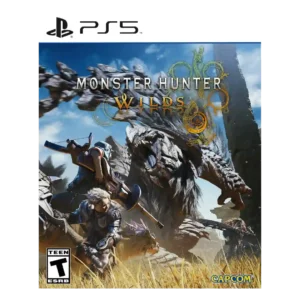
Progression was mixed: several reviews liked smoother systems, but others thought unlocks dragged or progression became too fast to matter.
Pros: art direction, cross-play support
Cons: dialogue quality, monetization fairness
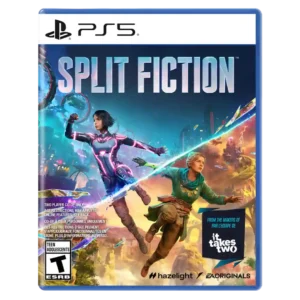
Progression was intentionally minimal, with no score tracking or skill leveling, which some players may find limiting.
Pros: puzzle design, level design
Cons: exploration quality, side character depth
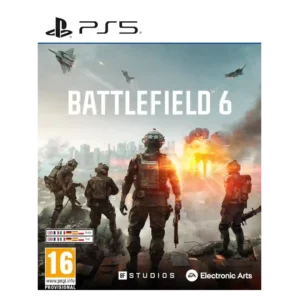
progression was divisive: straightforward or rewarding for some, but slow, grindy, or frustrating for others.
Pros: haptic feedback integration, performance optimization
Cons: pacing, microtransaction impact
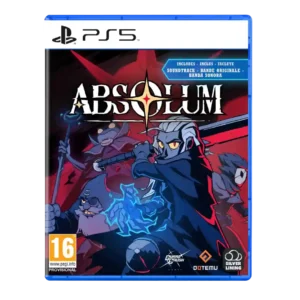
Progression was the most divisive system: some liked the steady growth, while others felt it over-relied on grinding and numbers.
Pros: mission design, world interactivity
Cons: quest design, endgame content
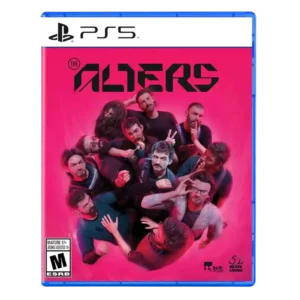
Progression drew criticism from one reviewer who felt unlocks mostly reduced earlier friction rather than adding exciting new capabilities.
Pros: controls responsiveness, onboarding experience
Cons: crash stability, grind level
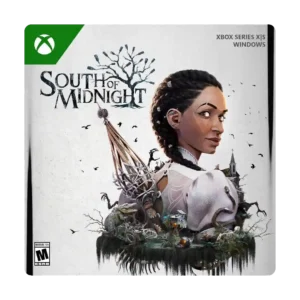
Progression was mostly viewed as weak or standard, with upgrades often described as unimportant to how combat actually plays.
Pros: atmosphere, voice acting
Cons: world interactivity, camera behavior
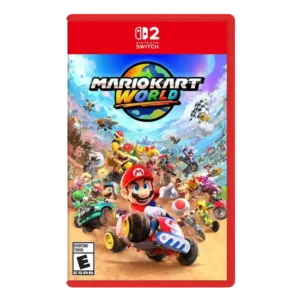
Progression was one of the clearest weak points, with stickers, RNG character unlocks, limited rewards, and confusing costume acquisition drawing complaints.
Pros: animation quality, sound design
Cons: difficulty balance, AI behavior
Progression system evidence was limited and negative, with one reviewer calling the overall progression very slim.
Pros: art direction, frame rate stability
Cons: boss design, camera behavior