Best for LTE connectivity
Samsung Galaxy Watch Ultra (2025)
5.0 feature score
Highest scored product for this feature based on supporting review evidence.
Highest scored product for this feature based on supporting review evidence.
Balances feature score, supporting reviews, and overall product strength.
Has the broadest review evidence for this feature.
Strongest overall product among items with scored evidence for this feature.
Showing Wearable Tech only. Switch back to all Smartwatches anytime.
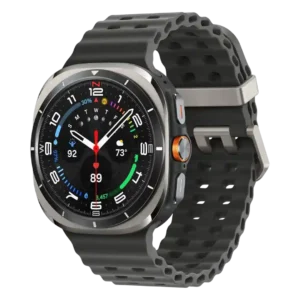
LTE is a meaningful advantage for users who want to run or stay reachable without carrying a phone.
Pros: LTE connectivity, pairing reliability
Cons: antioxidant index, blood oxygen tracking
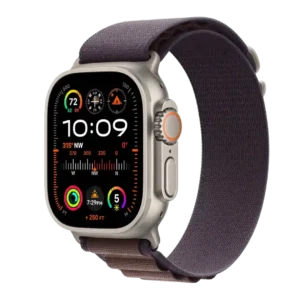
LTE connectivity was treated as a practical strength, supporting calls, streaming, messaging, and phone-free smartwatch use.
Pros: app ecosystem, smartwatch features
Cons: cross-platform compatibility, blood oxygen tracking
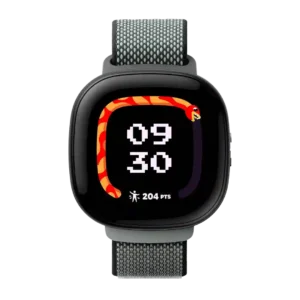
LTE connectivity is a major strength because reviewers framed it as a useful phone alternative for parents and kids.
Pros: operating system experience, watch face quality
Cons: app ecosystem, third-party app support

LTE was valued for phone-free contactability and satellite safety access, though the added cost remained a caveat.
Pros: step counting accuracy, charging speed
Cons: stress tracking, band quality
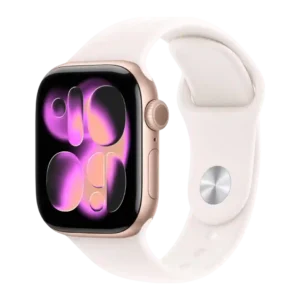
5G/cellular connectivity is considered useful for phone-free use and more efficient data access, but several reviewers see it as situational rather than a universal reason to upgrade.
Pros: ECG functionality, app ecosystem
Cons: cross-platform compatibility, recovery insights

LTE was widely valued for LiveTrack, messaging, safety, and phone-free runs, but one reviewer found it inconsistent and hit-or-miss in field testing.
Pros: workout tracking variety, pairing reliability
Cons: size options, companion app quality

LTE connectivity was viewed as useful for untethered use, but reviewers also noted battery, carrier, or pricing tradeoffs.
Pros: pairing reliability, outdoor visibility
Cons: ECG functionality, running power support

LTE is useful for phone-free calls and independent operation, though evidence focuses on use-case value rather than network performance.
Pros: display quality, durability
Cons: cross-platform compatibility, antioxidant index
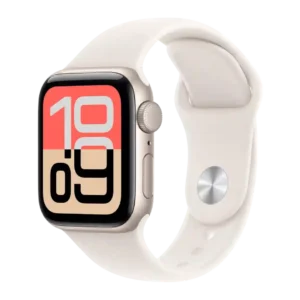
Cellular connectivity was viewed as a useful option, with 5G improving coverage, efficiency, and phone-free use for calls, messages, and downloads.
Pros: app ecosystem, operating system experience
Cons: cross-platform compatibility, ECG functionality

LTE evidence was mixed: standalone calling worked well, but Series 10 lacked the newer 5G coverage advantage discussed for Series 11.
Pros: reliability, comfort
Cons: calorie tracking usefulness, mapping and navigation
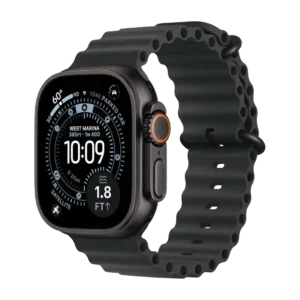
Cellular/5G was mixed: one reviewer saw stronger weak-signal reception, while another found little real-world benefit.
Pros: app ecosystem, watch face quality
Cons: cross-platform compatibility, size options
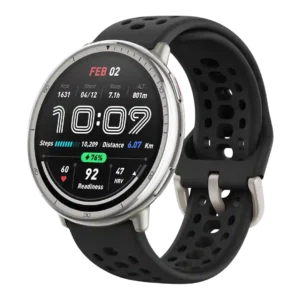
LTE was repeatedly treated as a missing option, with reviewers saying it could be a dealbreaker for some users.
Pros: pairing reliability, value for money
Cons: stress tracking, onboard music storage

LTE connectivity evidence was opinionated around the forced LTE/cellular model, which one reviewer disliked because there was no cheaper Bluetooth-only version.
Pros: build quality, software smoothness
Cons: stress tracking, blood oxygen tracking

LTE connectivity was a clear weakness because reviewers noted the lack of LTE, microphones, speakers, or standalone communication options.
Pros: outdoor visibility, charging speed
Cons: LTE connectivity, call handling

LTE is a clear weakness because reviewers note there is no cellular option or independent internet connection.
Pros: software smoothness, flashlight usefulness
Cons: sleep tracking accuracy, ECG functionality
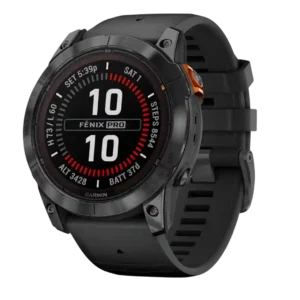
Standalone connectivity was a limitation, with one reviewer saying users far from their phone would be better off with an Apple Watch.
Pros: GPS accuracy, app ecosystem
Cons: ECG functionality, calorie tracking usefulness
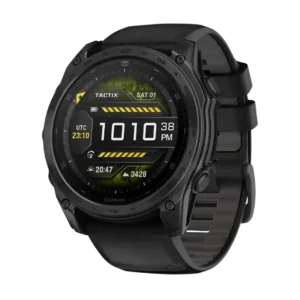
LTE connectivity was a weak point because one reviewer explicitly noted the watch lacks built-in carrier service and must stay linked to a phone.
Pros: wellness insights, build quality
Cons: LTE connectivity, band quality

LTE connectivity was a repeated limitation because there is no cellular model, though one reviewer said Wi-Fi and Bluetooth were enough for them.
Pros: menu navigation, battery life
Cons: ECG functionality, voice assistant quality

LTE was consistently treated as a missing smart feature that limits phone-free use and weakens the Ultra-style smartwatch pitch.
Pros: pairing reliability, watch face quality
Cons: ECG functionality, LTE connectivity
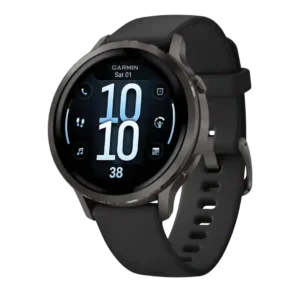
LTE was a clear weakness because the Venu 4 lacks cellular independence, which several reviewers called a downside or limitation.
Pros: activity auto-detection, style and design
Cons: LTE connectivity, charging convenience
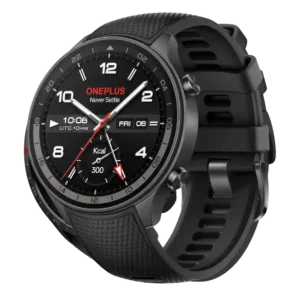
The lack of LTE or eSIM was a repeated drawback, especially because some competing watches offer cellular versions.
Pros: software smoothness, charging speed
Cons: ECG functionality, safety features

LTE connectivity was criticized only through its absence, with one reviewer calling the lack of cellular a missed opportunity.
Pros: contactless payments, battery life
Cons: voice assistant quality, LTE connectivity

LTE connectivity was a repeated weakness: reviewers specifically called out the lack of cellular/LTE as disappointing or missing.
Pros: workout tracking variety, onboard music storage
Cons: LTE connectivity, value for money
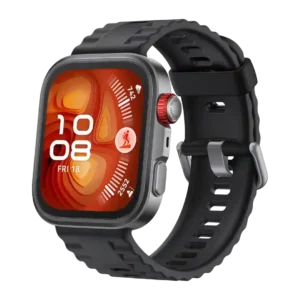
LTE connectivity was a weakness because reviewers repeatedly noted the lack of cellular independence from a phone.
Pros: Bluetooth connectivity, calorie tracking usefulness
Cons: ECG functionality, flashlight usefulness

LTE was a weakness, with reviewers criticizing the lack of cellular support, especially at a premium price.
Pros: fitness tracking accuracy, display quality
Cons: voice assistant quality, LTE connectivity
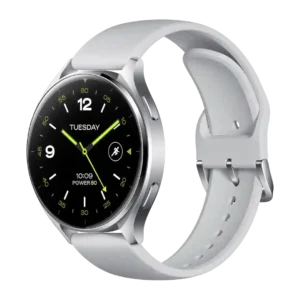
LTE connectivity was a repeated drawback because the standard Watch 2 lacks cellular support and pushes untethered users toward the Pro model.
Pros: charging speed, Bluetooth connectivity
Cons: ECG functionality, recovery insights

LTE connectivity was the clearest missing smart feature, repeatedly criticized as absent.
Pros: blood oxygen tracking, step counting accuracy
Cons: LTE connectivity, calorie tracking usefulness

LTE is a clear limitation: reviewers note the watch cannot operate independently online and needs a connected phone.
Pros: reliability, battery life
Cons: LTE connectivity, flashlight usefulness
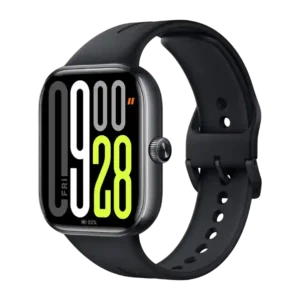
LTE connectivity is a drawback on the global model, with reviewers noting the lack of global LTE/eSIM support.
Pros: step counting accuracy, display quality
Cons: voice assistant quality, contactless payments
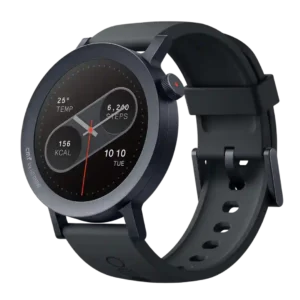
LTE connectivity was absent, leaving calls, messages, and notifications dependent on a nearby connected phone.
Pros: pairing reliability, materials quality
Cons: data privacy, health tracking accuracy
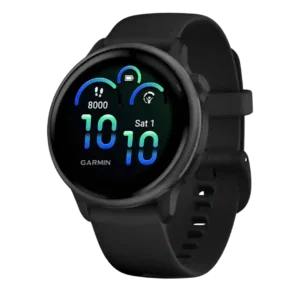
LTE connectivity is absent, and at least one reviewer explicitly hoped for LTE support.
Pros: software smoothness, comfort
Cons: LTE connectivity, voice assistant quality
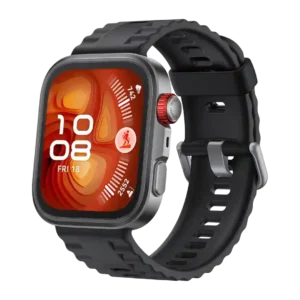
LTE/eSIM connectivity was a weakness, with direct evidence noting no eSIM support on this model.
Pros: software smoothness, durability
Cons: voice assistant quality, LTE connectivity

LTE is a clear limitation because one reviewer calls it the only glaring omission.
Pros: touchscreen responsiveness, software smoothness
Cons: ECG functionality, LTE connectivity
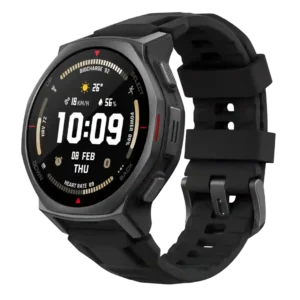
LTE connectivity is a weakness because reviewers explicitly call out the lack of LTE, 5G or cellular support as part of the safety and smartwatch tradeoff.
Pros: workout tracking variety, calorie tracking usefulness
Cons: LTE connectivity, ECG functionality
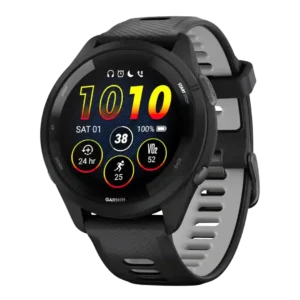
LTE was repeatedly called out as missing, limiting phone-free connected use.
Pros: step counting accuracy, third-party app support
Cons: ECG functionality, LTE connectivity
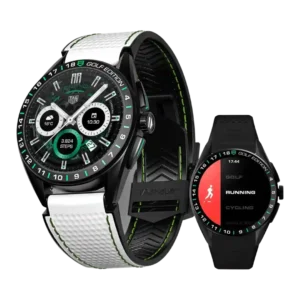
LTE connectivity is a repeated absence and a clear limitation versus other smartwatches.
Pros: contactless payments, pairing reliability
Cons: LTE connectivity, call handling
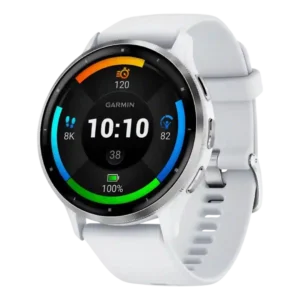
LTE connectivity is a repeated limitation: multiple reviewers call out the lack of LTE or cellular support as a drawback versus Apple, Samsung, or Google watches.
Pros: health tracking accuracy, software smoothness
Cons: LTE connectivity, mapping and navigation
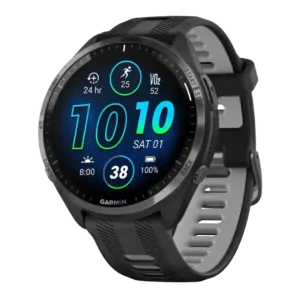
LTE was a clear omission; reviewers called Garmin’s lack of cellular connectivity a shame or noted it was not added.
Pros: water resistance, workout tracking variety
Cons: LTE connectivity, ECG functionality
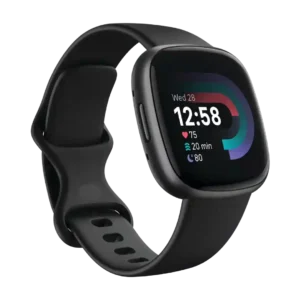
LTE connectivity was effectively absent; one reviewer said Fitbit watches lack cellular support, forcing users to keep a phone nearby.
Pros: pairing reliability, user interface
Cons: third-party app support, music controls
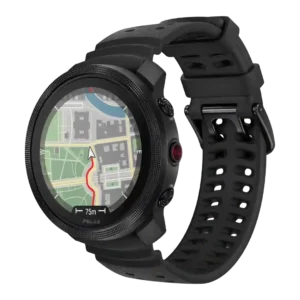
LTE/cellular support is absent, requiring a phone connection for connected features.
Pros: brightness, display quality
Cons: call handling, voice assistant quality