Best for gameplay mechanics
Donkey Kong Bananza
5.0 feature score
Highest scored product for this feature based on supporting review evidence.
Highest scored product for this feature based on supporting review evidence.
Balances feature score, supporting reviews, and overall product strength.
Has the broadest review evidence for this feature.
Strongest overall product among items with scored evidence for this feature.

Reviewers repeatedly praised the destructive mechanics and ability-driven play as the main hook, calling the smashing, digging, and new gameplay loop highly enjoyable.
Pros: gameplay mechanics, world interactivity
Cons: economy and resource balance, enemy variety

Reviewers who focus on the broader mechanical package like how shooting, classes, vehicles, exploration, and horde defenses interlock into an easy-to-grasp action game.
Pros: gameplay mechanics, boss design
Cons: age appropriateness, family friendliness

Reviewers praised the Drive-era mechanics as deep, flexible, and satisfying, with post-launch updates adding meaningful tactical changes.
Pros: movement feel, art direction
Cons: platforming precision, writing quality
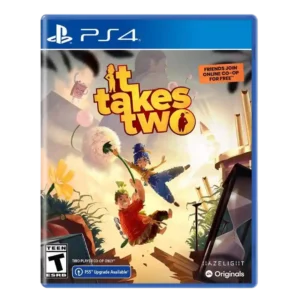
Reviewers overwhelmingly praise the mechanics as simple to grasp yet constantly inventive, with several genres and toolsets executed well.
Pros: core gameplay loop, movement feel
Cons: character development, dialogue quality
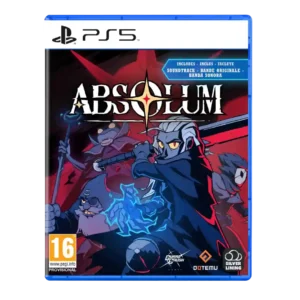
Reviewers praised the mechanical depth and expressive systems, especially once combos, rituals, and enemy responses opened up.
Pros: mission design, world interactivity
Cons: quest design, endgame content
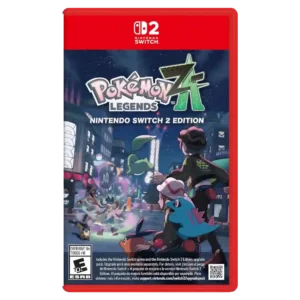
Reviewers praised the broader mechanics for making Pokémon management and move choices feel fresh, though some noted jank around execution.
Pros: crash stability, gameplay mechanics
Cons: AI behavior, monetization fairness

Overall gameplay mechanics are praised for being satisfying, accessible, deep, and rewarding across casual and serious play.
Pros: movement feel, world-building
Cons: save system reliability, mission variety
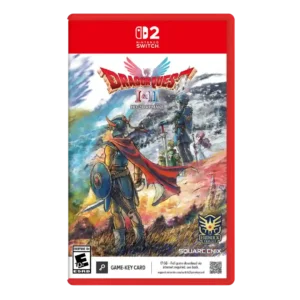
Reviewers praised Sigils, Scrolls, and other new mechanics for adding meaningful choices while keeping the classic JRPG foundation intact.
Pros: visual effects quality, environmental detail
Cons: AI behavior, level design

Reviewers describe the mechanics as familiar but meaningfully expanded, with witchcraft systems, richer magic use, and a few mixed notes about complexity.
Pros: skill tree depth, dialogue quality
Cons: emotional impact, economy and resource balance
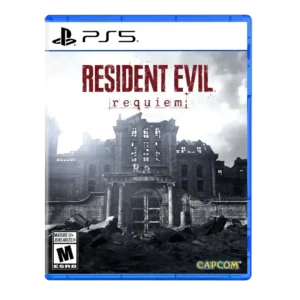
Gameplay mechanics were usually praised for combining survival horror and action cleanly, with Grace’s sections singled out as especially strong.
Pros: driving mechanics, protagonist appeal
Cons: platform-specific feature support, checkpoint system
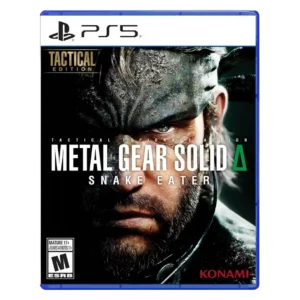
Reviewers repeatedly praised the survival and stealth systems as still strong, though one harsher review said the older structure did not click.
Pros: world interactivity, sandbox freedom
Cons: crash stability, learning curve

Reviewers consistently describe the racing play as crisp, satisfying, and strong, with only minor variation by platform or preference.
Pros: controls responsiveness, movement feel
Cons: tutorial quality, animation quality
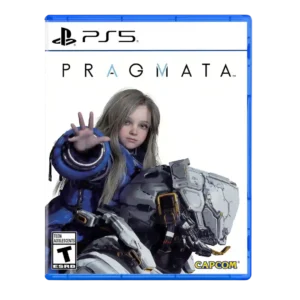
Reviewers praised the overall gameplay systems as well integrated, varied, and satisfying, especially when shooting, hacking, movement, and exploration reinforce one another.
Pros: bug frequency, user interface design
Cons: HUD clarity, mission design
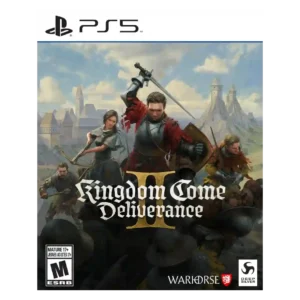
Reviewers repeatedly framed the systems-heavy design as a major strength, praising how mechanics connect to role-playing, dialogue, world simulation, and player expression.
Pros: soundtrack quality, fun factor
Cons: checkpoint system, family friendliness
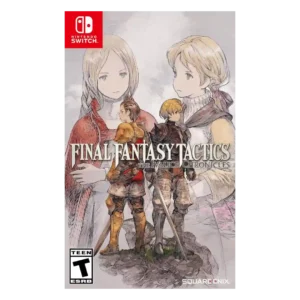
Gameplay mechanics remained flexible and rewarding, with reviewers praising customization, tactical choice, and satisfying systems.
Pros: emotional impact, polish
Cons: bug frequency, crash stability
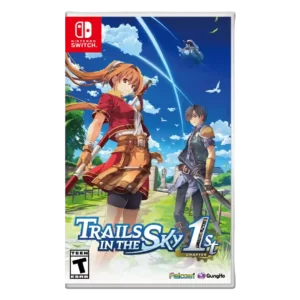
Reviewers praised the gameplay changes as a broad improvement, especially how the remake’s enhancements improve overall flow.
Pros: protagonist appeal, art direction
Cons: camera behavior, tutorial quality
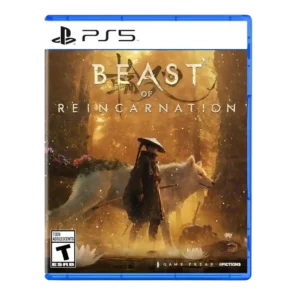
Combat, traversal, companion commands, and ranged tools fit together into a deliberate but flexible system. The mechanics encourage reading enemies and choosing the right response rather than relying on one...
Pros: soundtrack quality, value for money
Cons: onboarding experience, aiming precision
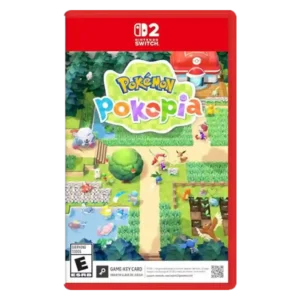
Gameplay mechanics were praised for being intuitive, modern, novel, and less laborious than similar cozy games.
Pros: protagonist appeal, faithfulness to franchise
Cons: map and navigation design, aiming precision

Pressure meters, exertion, conditioning, clothing, and failure-driven branches form a deep, reactive RPG system. Reviewers especially praised how mechanical consequences reinforce Cascade’s unstable inner life.
Pros: level design, world interactivity
Cons: performance optimization, menu usability
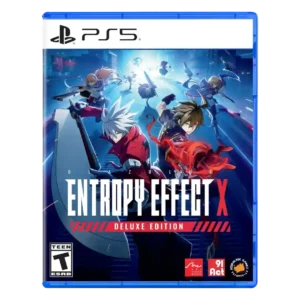
Gameplay mechanics are praised for fluid action, clever roguelike systems, and meaningful changes, despite some bugs in one review.
Pros: movement feel, skill tree depth
Cons: menu usability, HUD clarity
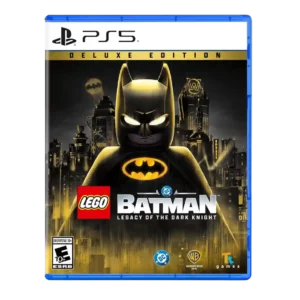
Reviewers describe the broader gameplay feature set as a major step up, with one preview calling the gameplay beyond amazing after hands-on play.
Pros: pacing, core gameplay loop
Cons: companion AI, map and navigation design
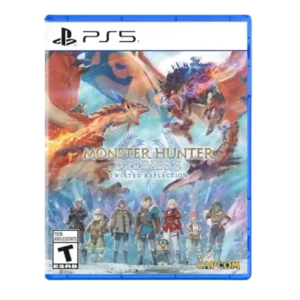
Reviewers mostly praised the layered systems around habitat restoration, genes, traversal and team building, though one found the extra layers overwhelming.
Pros: art direction, environmental detail
Cons: multiplayer design, accessibility options
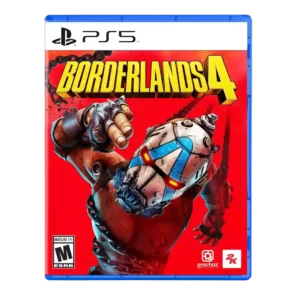
Reviewers who scored general gameplay mechanics describe the new mechanics as fun, layered, and stronger than prior entries, with only isolated caveats.
Pros: sandbox freedom, art direction
Cons: polish, save system reliability
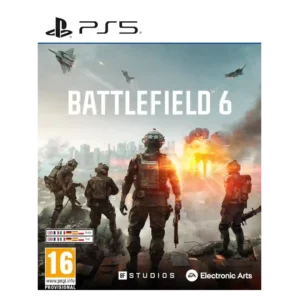
core mechanics were praised for smooth, strong FPS fundamentals.
Pros: haptic feedback integration, performance optimization
Cons: pacing, microtransaction impact
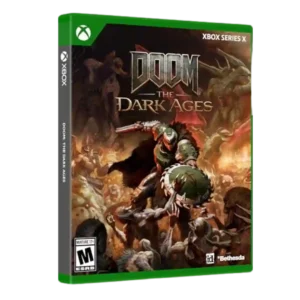
The shield saw and revised mechanics were often praised as a major new layer, though a few reviewers found the system one-note or overly dependent on the shield.
Pros: environmental detail, polish
Cons: camera behavior, value for money
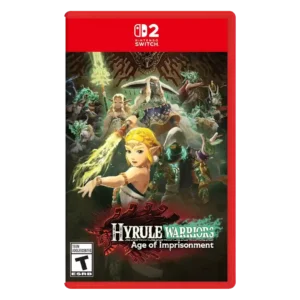
Gameplay mechanics were widely praised for adapting Zonai devices, Sync Strikes, counters, and elemental reactions into Musou combat.
Pros: animation quality, multiplayer design
Cons: save system reliability, companion AI

Reviewers broadly praise the REV/SPG mechanics, meter management, and strategic depth, though a few note that the system can become dense or uneven around Rev Blows.
Pros: emotional impact, animation quality
Cons: enemy variety, server reliability

Core skating mechanics were consistently praised as smooth, tight, polished, and satisfying, even by reviewers disappointed in other remake choices.
Pros: core gameplay loop, controls responsiveness
Cons: crash stability, cross-save support
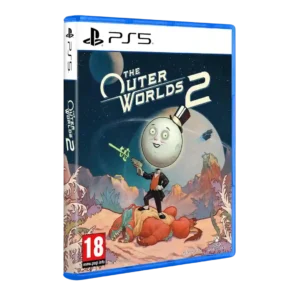
Reviewers generally liked the RPG systems, build options, and reactive mechanics, though a few found familiar systems less imaginative.
Pros: world-building, mission design
Cons: mission variety, enemy variety
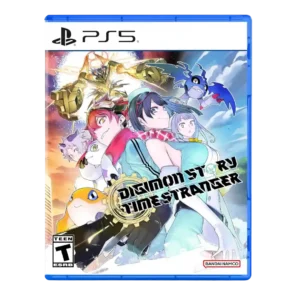
Reviewers liked the layered monster-building mechanics, especially flexible skills and personality systems, though the strongest praise focused on customization rather than novelty.
Pros: atmosphere, world-building
Cons: HUD clarity, fast travel convenience
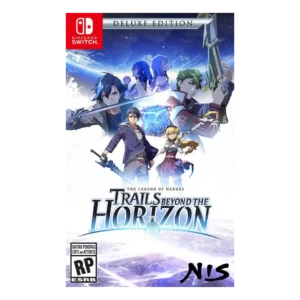
Reviewers praised the refined mechanics as deep, accessible for returning players, and mechanically dense, with one summary calling the systems easy to pick up after earlier Daybreak games.
Pros: facial animations, polish
Cons: grind level, stealth mechanics

Reviewers describe the mechanics as deep and increasingly rewarding, with later build impressions saying the system became much more dynamic, though auto-combos and complexity remain tradeoffs.
Pros: emotional impact, frame rate stability
Cons: server reliability, tutorial quality
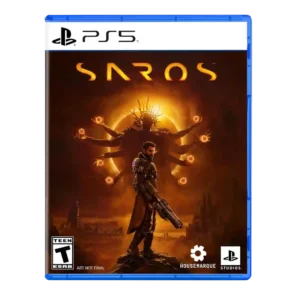
Gameplay mechanics, especially the shield, parry, eclipse, and modifier systems, were praised, though one review felt the systems could overprotect players.
Pros: value for money, fun factor
Cons: map and navigation design, side character depth

Reviewers generally praise the mechanics for depth, approachability, and varied systems across the included games, though some individual titles are odd or easier to outgrow.
Pros: emotional impact, sound design
Cons: cross-play support, boss design
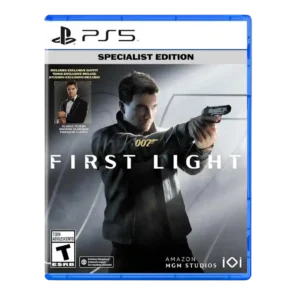
Reviewers consistently praise the flexible gadget, stealth, and improvisation systems, describing them as stylish, deep, and player-driven rather than a simple licensed action shell.
Pros: level design, user interface design
Cons: AI behavior, facial animations
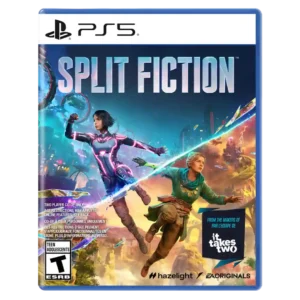
Reviewers broadly praised the constantly changing mechanics and strong moment-to-moment play, though a few found some actions forgettable or simple.
Pros: puzzle design, level design
Cons: exploration quality, side character depth
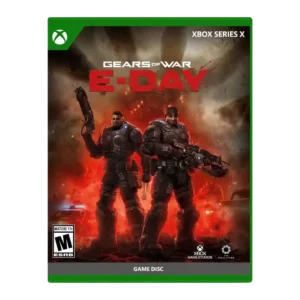
Previewers respond positively to refreshed low cover, traversal, and smoother play ideas, with one caveat that core systems still need to prove themselves in beta.
Pros: emotional impact, art direction
Cons: value for money, platform-specific feature support

Gameplay mechanics are praised for depth and power fantasy, though one reviewer argues an execution mechanic lacks meaningful challenge pressure.
Pros: graphics quality, environmental detail
Cons: bug frequency, dialogue quality

Most reviewers praised the blended survival, management, and narrative mechanics as polished or inventive, though a few found the underlying gameplay basic.
Pros: controls responsiveness, onboarding experience
Cons: crash stability, grind level
Core systems are streamlined for mobile without losing their tactical character, and abilities remain quick and satisfying to use.
Pros: exploration quality, sandbox freedom
Cons: mission variety, companion AI

Reviewers generally found the one-button foundation deeper than it first appears, with skill coming from timing, momentum, machine choice, and subtle race techniques.
Pros: flying mechanics, exploration quality
Cons: AI behavior, boss design
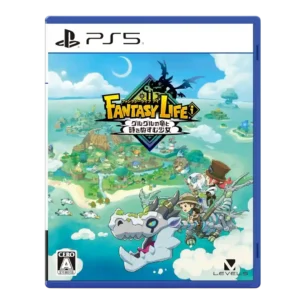
Reviewers generally praise the way life-sim, crafting, exploration, and RPG systems fit together, though one critic says the mechanics feel too basic.
Pros: load times, crash stability
Cons: originality, voice acting

One reviewer saw the remake giving players more direct control during combat, especially through revised tool and weapon handling.
Pros: core gameplay loop, visual effects quality
Cons: monetization fairness, microtransaction impact
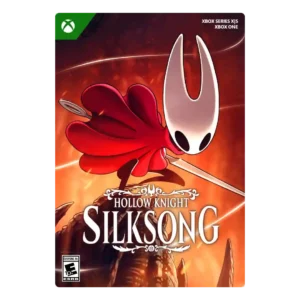
Review evidence frames the broader mechanics as more complex than the original, especially through Hornet’s expanded combat and movement options.
Pros: core gameplay loop, world interactivity
Cons: loot system, accessibility options
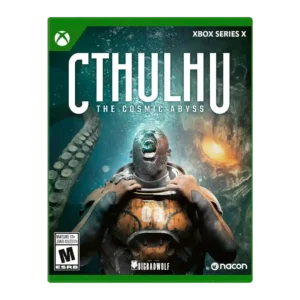
Reviewers broadly praised the investigation systems, especially sonar and deduction, though a few found the mechanics clunky or occasionally stumbling.
Pros: world-building, world interactivity
Cons: enemy variety, stealth mechanics

Reviewers generally found the RPG, morality, feeding, and vampire systems engaging and well matched to the narrative, though a few noted uneven execution or jank in ability use.
Pros: accessibility options, protagonist appeal
Cons: frame rate stability, polish

General mechanics are praised as refined and improved, though some reviewers call them reused rather than evolutionary.
Pros: movement feel, environmental detail
Cons: puzzle design, age appropriateness
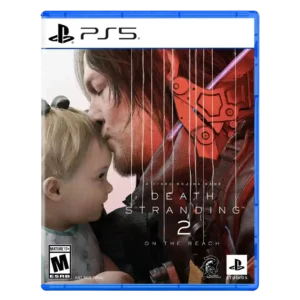
Reviewers generally describe the broader mechanics as substantially refined and more approachable, though one review found the gameplay disappointing despite the spectacle.
Pros: animation quality, facial animations
Cons: quest design, AI behavior
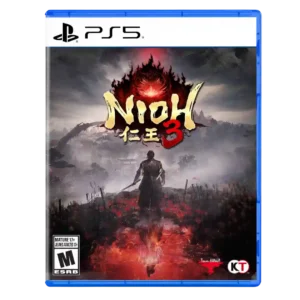
Reviewers largely praised the Samurai/Ninja systems and style switching for adding flexibility and depth, though a few found specific mechanics underpowered or limiting.
Pros: pacing, visual effects quality
Cons: tutorial quality, character roster
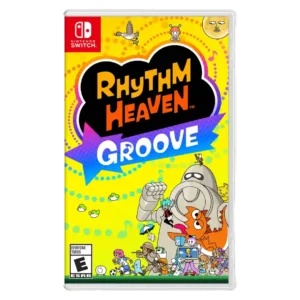
The mechanics are consistently framed as simple button timing used in varied ways, intuitive in action, and easy to understand even when hard to master.
Pros: couch co-op quality, accessibility options
Cons: platform-specific feature support, performance optimization