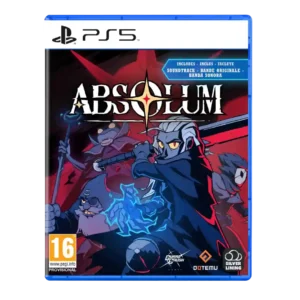
Combat was the clearest strength, with reviewers repeatedly praising its feel, depth, combo freedom, and beat-em-up fundamentals.
Pros: mission design, world interactivity
Cons: quest design, endgame content
Combat was the clearest strength, with reviewers repeatedly praising its feel, depth, combo freedom, and beat-em-up fundamentals.
Pros: mission design, world interactivity
Cons: quest design, endgame content
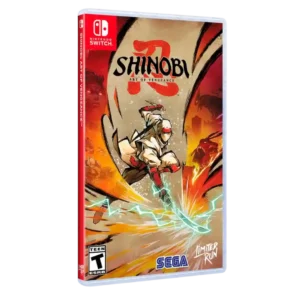
Combat is the most consistently praised attribute, with reviewers calling it fluid, deep, expressive, satisfying, and central to the game’s appeal.
Pros: graphics quality, environmental detail
Cons: bug frequency, dialogue quality
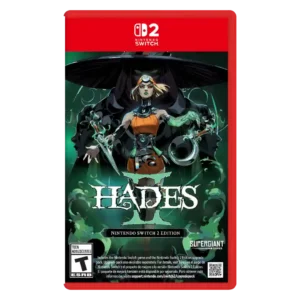
Combat is one of the clearest strengths: fast, satisfying, tactical, and deeper than before, with only scattered concerns about flow or screen clutter.
Pros: skill tree depth, dialogue quality
Cons: emotional impact, economy and resource balance
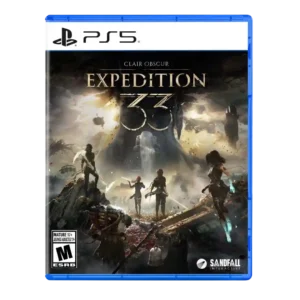
Combat was the most consistently praised system, with reviewers highlighting active dodges, parries, character-specific mechanics, and satisfying turn-based depth; a few found it divisive or demanding.
Pros: monetization fairness, microtransaction impact
Cons: platforming precision, menu usability
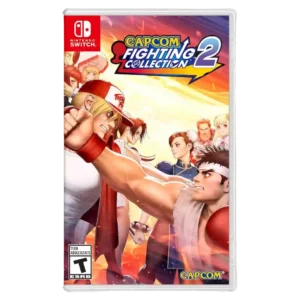
Combat is widely described as tactical, deep, and enjoyable, with standout praise for Capcom vs. SNK, Street Fighter Alpha, and the Power Stone-style action.
Pros: emotional impact, sound design
Cons: cross-play support, boss design
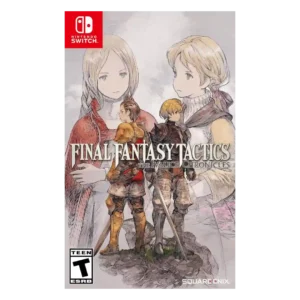
The tactical combat system was one of the most consistently praised elements, described as fun, strategic, and still genre-leading.
Pros: emotional impact, polish
Cons: bug frequency, crash stability
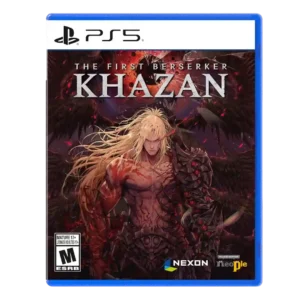
Combat is the product’s clearest strength: reviewers repeatedly call it fast, satisfying, deep, and among the genre’s best, with only a few reservations about stamina or consistency.
Pros: core gameplay loop, controls responsiveness
Cons: mission design, learning curve
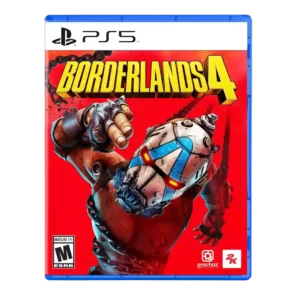
Combat is the strongest consensus point: reviewers praise punchy gunplay, chaotic fights, and responsive shooting, despite a few concerns about repetition or tuning.
Pros: sandbox freedom, art direction
Cons: polish, save system reliability
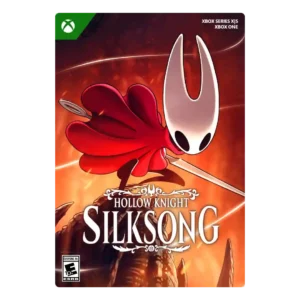
Combat is a major strength, described as fast, precise, tense, dance-like, and rewarding, though some reviews tie its highs to demanding difficulty.
Pros: core gameplay loop, world interactivity
Cons: loot system, accessibility options
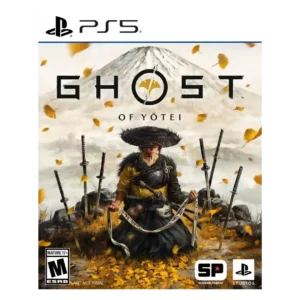
Combat is the most broadly praised system, with fluid parries, weapon-swapping, violent impact, and strong duels; criticisms focus on rigidity or fatigue in the rock-paper-scissors weapon setup.
Pros: movement feel, environmental detail
Cons: puzzle design, age appropriateness
Combat drew broad praise for tense, punchy, tactical third-person firefights, with only a few reviews calling it cumbersome or mediocre.
Pros: frame rate stability, platform-specific feature support
Cons: voice acting, writing quality
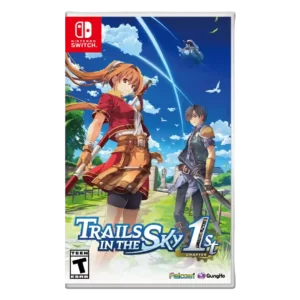
Combat drew the strongest agreement: reviewers liked the hybrid real-time and command-battle system, though a few found the action side simple.
Pros: protagonist appeal, art direction
Cons: camera behavior, tutorial quality
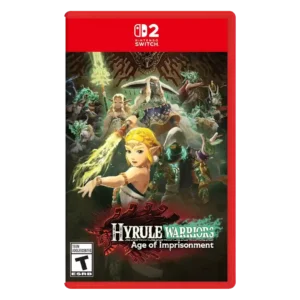
Combat was the clearest strength across the review set, often called deep, reactive, satisfying, or the best Hyrule Warriors has felt.
Pros: animation quality, multiplayer design
Cons: save system reliability, companion AI
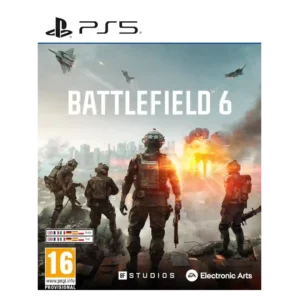
combat and gunplay were repeatedly praised as satisfying, impactful, and series-leading.
Pros: haptic feedback integration, performance optimization
Cons: pacing, microtransaction impact
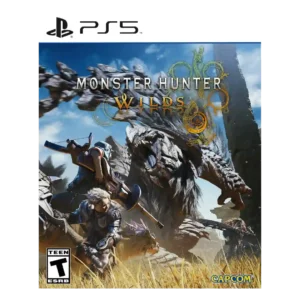
Combat was the clearest consensus strength, praised as fluid, satisfying, richer, dynamic, and in some cases the best the series has felt.
Pros: art direction, cross-play support
Cons: dialogue quality, monetization fairness
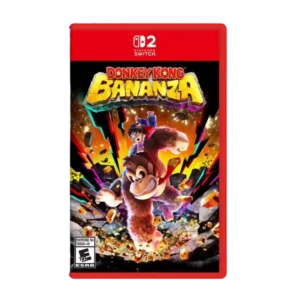
Combat was viewed positively when material properties affected enemy encounters and made fights more strategic than simple punching.
Pros: gameplay mechanics, world interactivity
Cons: economy and resource balance, enemy variety
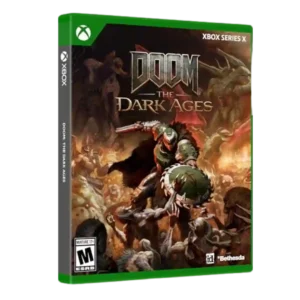
Combat drew the strongest agreement, with most reviewers praising shield-led, melee-heavy gunfights, while a minority felt the defensive shift weakened Doom’s flow.
Pros: environmental detail, polish
Cons: camera behavior, value for money
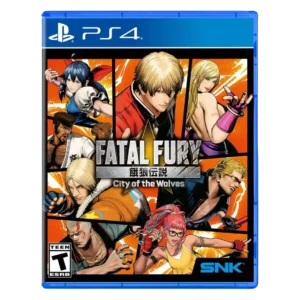
Most reviewers find the combat deep, satisfying, and well considered, while a minority feel it is watered down or clunky compared with other fighters.
Pros: emotional impact, animation quality
Cons: enemy variety, server reliability
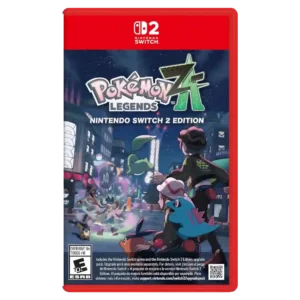
Real-time combat was the dominant positive, widely praised as fresh and exciting, though a few reviewers called it clunky, spammy, or poorly refined.
Pros: crash stability, gameplay mechanics
Cons: AI behavior, monetization fairness
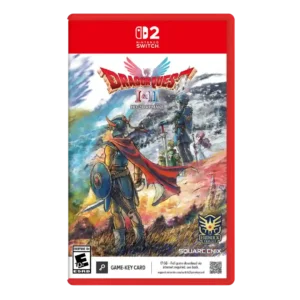
Combat was widely seen as engaging and more strategic, though several reviewers noted Dragon Quest I's solo fights could become frustrating or unfair.
Pros: visual effects quality, environmental detail
Cons: AI behavior, level design
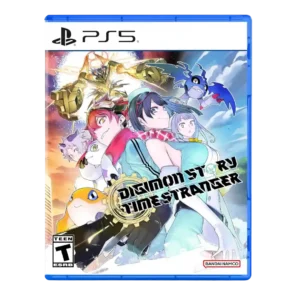
Combat drew broad praise for its turn-based depth, weakness systems, and boss demands, although some reviewers found normal encounters or HP-heavy fights less exciting.
Pros: atmosphere, world-building
Cons: HUD clarity, fast travel convenience
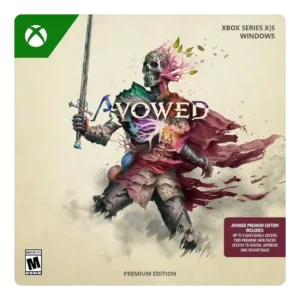
Combat was one of the most consistently praised elements, especially magic, responsiveness, and build variety, despite repetition and gear-gating complaints.
Pros: tutorial quality, level design
Cons: stealth mechanics, endgame content
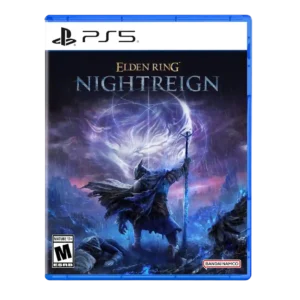
Combat drew strong praise when it retained Elden Ring's timing and aggression, though a few reviewers felt the multiplayer format strained the system.
Pros: emotional impact, visual effects quality
Cons: crash stability, cross-play support
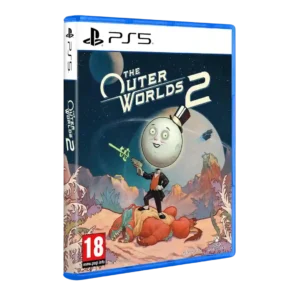
Combat was widely seen as a major improvement, especially gunplay, though melee feel and RPG-shooter limitations kept some scores mixed.
Pros: world-building, mission design
Cons: mission variety, enemy variety
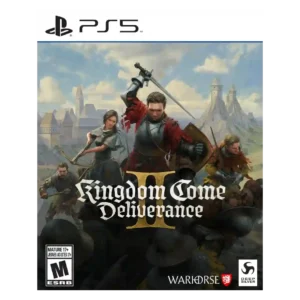
Combat drew broad attention for its realism, skill focus, and improvements, though several reviewers still found it harsh, clunky, or frustrating early on.
Pros: soundtrack quality, fun factor
Cons: checkpoint system, family friendliness
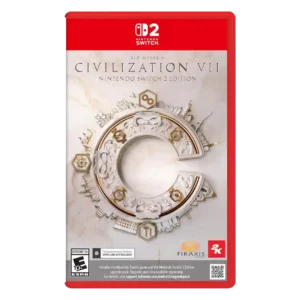
Combat was one of the most consistently praised systems thanks to commanders, easier army movement, and reduced tedium, though a few reviewers found war only adequate or overused.
Pros: animation quality, controls responsiveness
Cons: matchmaking quality, user interface design
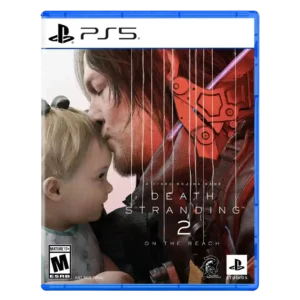
Combat is widely seen as tighter and more viable than before, but several reviewers still found it basic, intrusive, or less compelling than traversal.
Pros: animation quality, facial animations
Cons: quest design, AI behavior
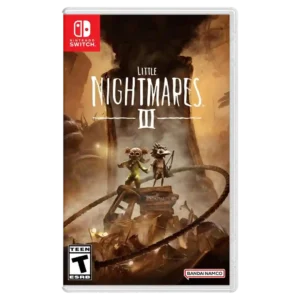
Combat drew limited but positive notice when Carnavale forced the pair into tense teamwork against doll enemies.
Pros: load times, haptic feedback integration
Cons: save system reliability, aiming precision
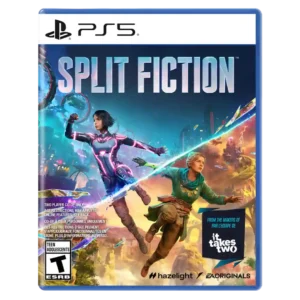
Combat was described positively when the game shifts into shooter and action-platforming sequences.
Pros: puzzle design, level design
Cons: exploration quality, side character depth
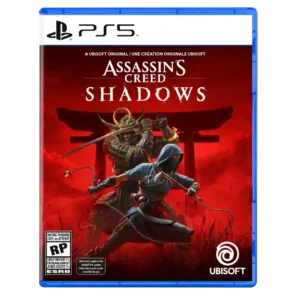
Combat is widely seen as stronger and more deliberate than recent entries, especially with Yasuke, though a few critics still found it clumsy or underdeveloped.
Pros: environmental detail, cross-save support
Cons: writing quality, enemy variety
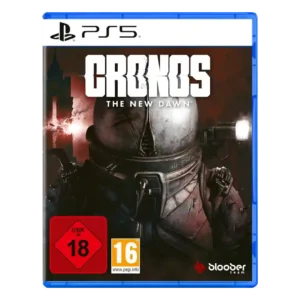
Combat was the most divisive attribute: many found it tense, strategic, and satisfying, while several called it rote, grating, clunky, or too derivative.
Pros: core gameplay loop, emotional impact
Cons: checkpoint system, bug frequency
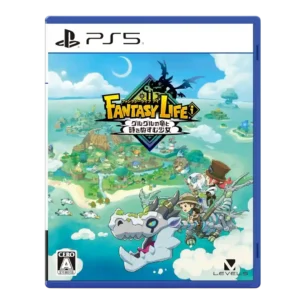
Combat is commonly seen as simple and accessible; several reviewers still find it enjoyable or dynamic, while a few call it shallow.
Pros: load times, crash stability
Cons: originality, voice acting
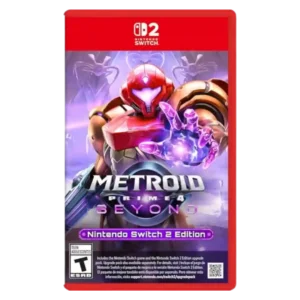
Combat was generally seen as satisfying and polished, but some reviewers criticized repeated waves, limited enemy interplay, or mixed encounter pacing.
Pros: world-building, frame rate stability
Cons: companion AI, upgrade system
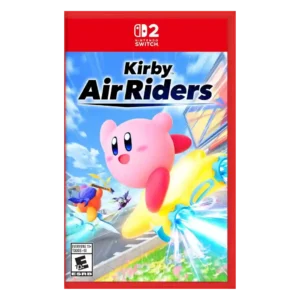
Combat was praised when folded into chaotic group play, but precise one-on-one targeting exposed the limits of the control scheme.
Pros: flying mechanics, exploration quality
Cons: AI behavior, boss design
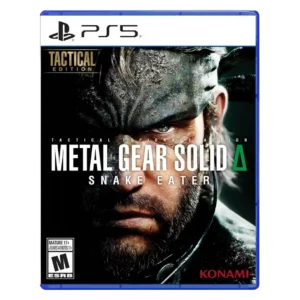
Combat impressions are mixed: one reviewer called it a great action game when needed, while others found melee or modern CQC uneven.
Pros: world interactivity, sandbox freedom
Cons: crash stability, learning curve
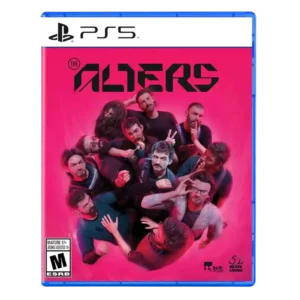
Combat-like anomaly encounters were generally seen as simple or secondary; some found them fitting, while others called them weak or uneven.
Pros: controls responsiveness, onboarding experience
Cons: crash stability, grind level
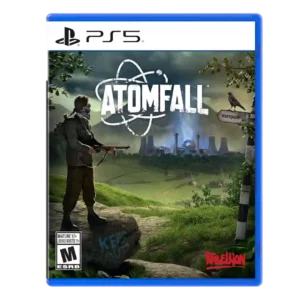
Combat drew the widest split: some praised its desperate, weighty firefights and satisfying weapons, while many called melee clunky, bland, janky, or underdeveloped.
Pros: art direction, frame rate stability
Cons: boss design, camera behavior
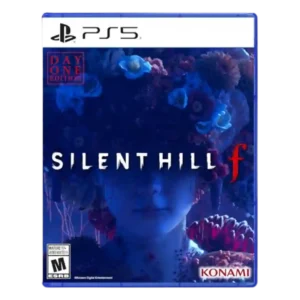
Combat was the most divisive attribute: several reviewers liked the melee pressure and thematic vulnerability, while many others found it clunky, overemphasized, unrewarding, or exhausting by the final act.
Pros: voice acting, emotional impact
Cons: family friendliness, menu usability

Combat was the most common weakness, praised in a few reviews for chunky or quick encounters but more often criticized as shallow, basic, or repetitive.
Pros: atmosphere, voice acting
Cons: world interactivity, camera behavior