Best for narrative quality
Clair Obscur: Expedition 33
4.9 feature score
Highest scored product for this feature based on supporting review evidence.
Highest scored product for this feature based on supporting review evidence.
Balances feature score, supporting reviews, and overall product strength.
Has the broadest review evidence for this feature.
Strongest overall product among items with scored evidence for this feature.
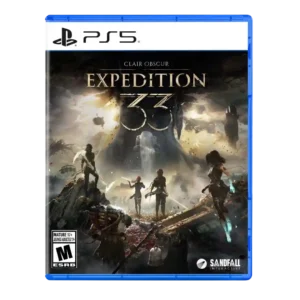
Narrative quality was the strongest consensus point, with reviews repeatedly calling the story unique, compelling, mature, and emotionally resonant.
Pros: monetization fairness, microtransaction impact
Cons: platforming precision, menu usability
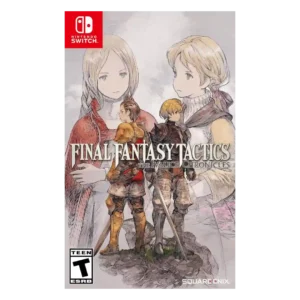
Narrative quality was the strongest consensus point, with reviewers repeatedly calling the story powerful, sophisticated, and still relevant.
Pros: emotional impact, polish
Cons: bug frequency, crash stability
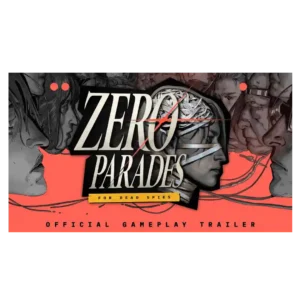
The espionage mystery grows into a layered story about identity, guilt, ideology, and cultural power. The opening can be difficult to parse, but the later convergence of its threads earned...
Pros: level design, world interactivity
Cons: performance optimization, menu usability
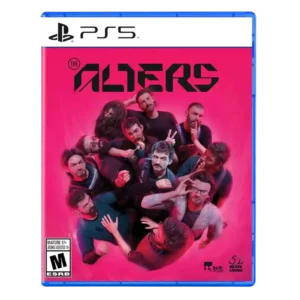
Narrative quality was one of the strongest areas, with many reviewers praising the story as compelling, thoughtful, philosophical, or emotionally resonant.
Pros: controls responsiveness, onboarding experience
Cons: crash stability, grind level
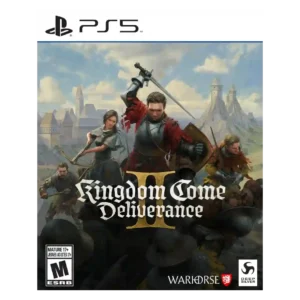
Narrative quality was a major strength, with reviewers praising the historical saga, main quest, character arcs, and cinematic ambition.
Pros: soundtrack quality, fun factor
Cons: checkpoint system, family friendliness
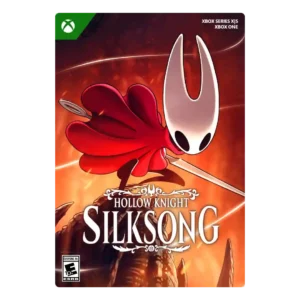
Narrative quality is praised as more focused and engaging than the original, helped by Hornet’s voice and guided exploration.
Pros: core gameplay loop, world interactivity
Cons: loot system, accessibility options
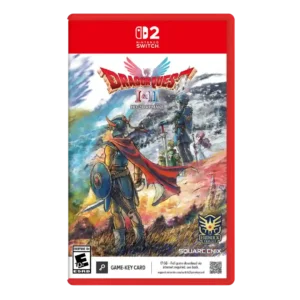
The expanded narrative was repeatedly praised for making the Erdrick trilogy feel richer, more cohesive, and less like a bare-bones relic.
Pros: visual effects quality, environmental detail
Cons: AI behavior, level design
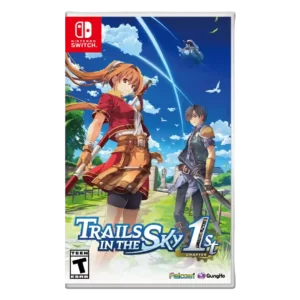
Narrative quality was heavily praised for its engaging mystery, character-driven structure, and satisfying setup despite being a first chapter.
Pros: protagonist appeal, art direction
Cons: camera behavior, tutorial quality
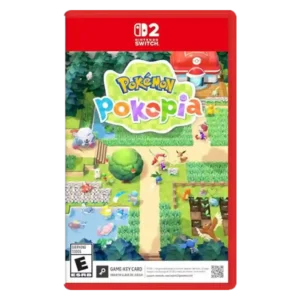
Narrative quality was widely praised for mystery, emotional hooks, and surprising story strength for a cozy spin-off.
Pros: protagonist appeal, faithfulness to franchise
Cons: map and navigation design, aiming precision
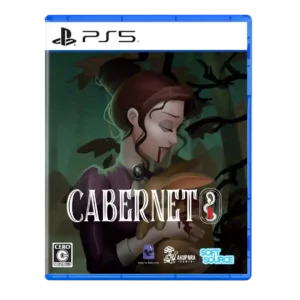
Narrative quality was the dominant strength, with broad praise for the vampire premise, branching story, character focus, and emotional storytelling despite some mixed views on main-plot lulls.
Pros: accessibility options, protagonist appeal
Cons: frame rate stability, polish
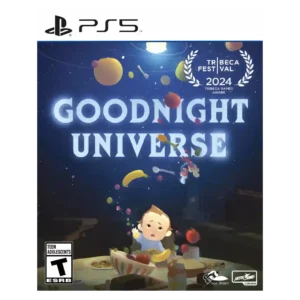
Narrative quality was the strongest consensus point, with most reviewers praising the emotional family story, unusual premise, and memorable journey, though a minority found it less focused or affecting.
Pros: side character depth, visual effects quality
Cons: user interface design, handheld play suitability
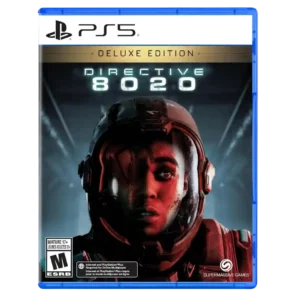
Narrative quality was consistently praised for its strong setup, meaningful choices, paranoia, and reactive story structure.
Pros: user interface design, graphics quality
Cons: combat system, animation quality
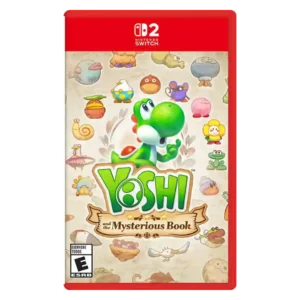
The story is light and secondary to the creature experiments, offering just enough context to connect the chapters. Players seeking a strong plot or dramatic stakes may find it thin.
Pros: platforming precision, protagonist appeal
Cons: pacing, co-op experience
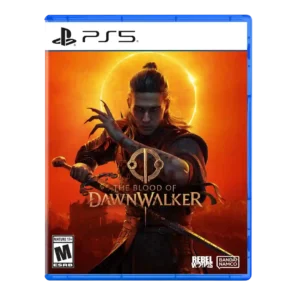
Narrative quality was one of the strongest themes, with reviewers praising confidence, experimentation, engaging opening stakes, and hard choices.
Pros: core gameplay loop, replay value
Cons: value for money, difficulty balance
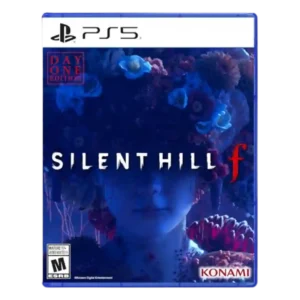
Narrative quality was one of the strongest areas, with most reviewers praising its dark, layered psychological story, though a minority found it confusing, disjointed, or unengaging.
Pros: voice acting, emotional impact
Cons: family friendliness, menu usability
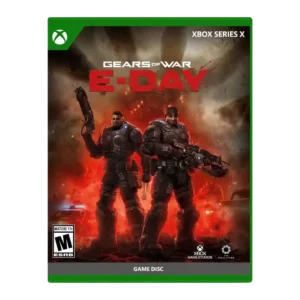
The story setup is viewed as promising, especially the Marcus and Dom prequel angle and the potential for another memorable campaign.
Pros: emotional impact, art direction
Cons: value for money, platform-specific feature support
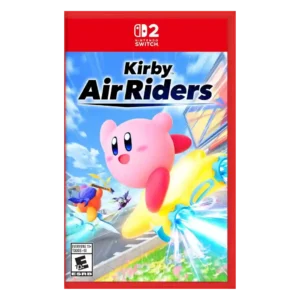
Road Trip's story and cutscenes were usually seen as surprisingly polished or charming, though a few found the story slight or secondary.
Pros: flying mechanics, exploration quality
Cons: AI behavior, boss design
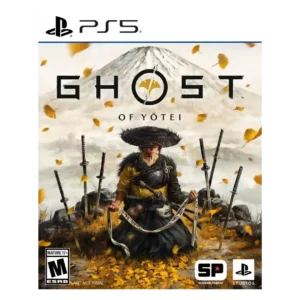
The narrative is generally praised as emotional, well-executed, and compelling, but some reviewers criticize predictability, structure, or linear revenge beats.
Pros: movement feel, environmental detail
Cons: puzzle design, age appropriateness
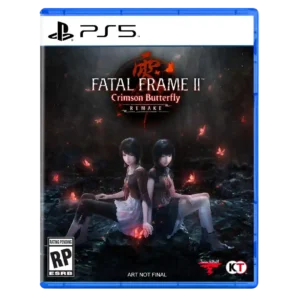
The tragic mystery of Mio, Mayu, and Minakami is consistently praised as a major strength, with new material generally expanding the story without disrupting it.
Pros: writing quality, checkpoint system
Cons: bug frequency, HUD clarity
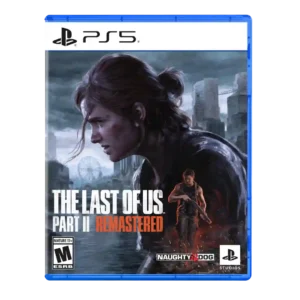
Narrative quality remained divisive but mostly positive, with many reviewers calling it profound or masterful while others criticized its structure, bleakness, and execution.
Pros: core gameplay loop, level design
Cons: family friendliness, puzzle design
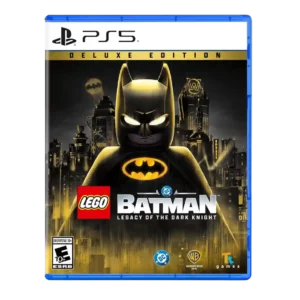
Narrative quality is promising, with reviewers noting a gripping plot, serious tone, and an intriguing story so far.
Pros: pacing, core gameplay loop
Cons: companion AI, map and navigation design
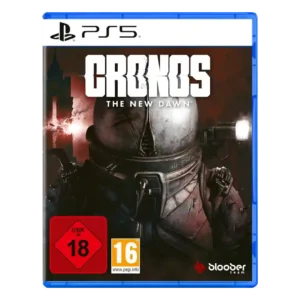
Narrative quality was broadly praised for mystery, time travel, and world intrigue, but several reviews found its execution muddled, emotionally distant, or over-complicated.
Pros: core gameplay loop, emotional impact
Cons: checkpoint system, bug frequency
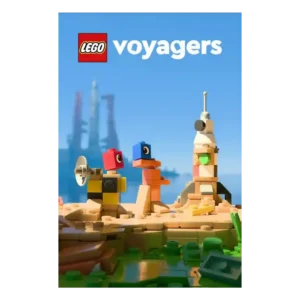
The wordless narrative was often praised as wholesome, coherent, touching, and surprisingly emotional, though a few reviewers found it vague or confusing.
Pros: writing quality, checkpoint system
Cons: menu usability, user interface design
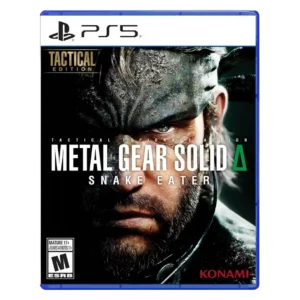
Narrative quality is mostly praised as gripping, timeless, and emotionally durable, with one review criticizing the story as badly aged.
Pros: world interactivity, sandbox freedom
Cons: crash stability, learning curve
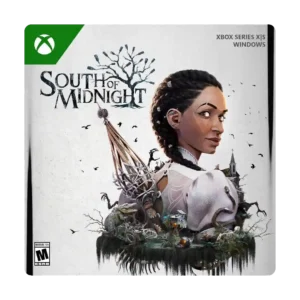
Narrative quality was a major strength overall, especially the folklore-driven stories, even though some reviews criticized connective tissue or messy plotting.
Pros: atmosphere, voice acting
Cons: world interactivity, camera behavior
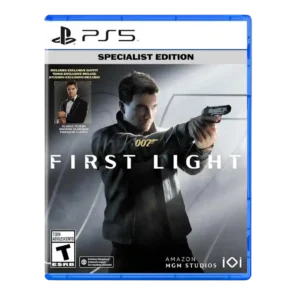
Narrative quality looks promising to reviewers because the young Bond premise, themes, and story hooks appear stronger than simple nostalgia.
Pros: level design, user interface design
Cons: AI behavior, facial animations
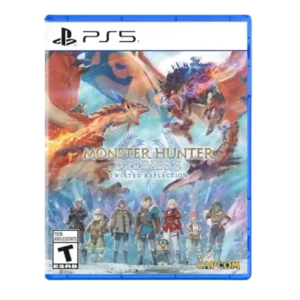
Narrative reception was broadly positive but mixed, with many praising richer stakes and political drama while others criticized pacing or weak script.
Pros: art direction, environmental detail
Cons: multiplayer design, accessibility options
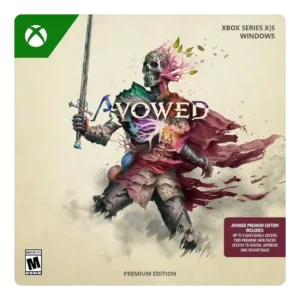
Narrative quality was usually a strength thanks to mystery, choices, and world stakes, but some reviewers found the main plot predictable or underwhelming.
Pros: tutorial quality, level design
Cons: stealth mechanics, endgame content
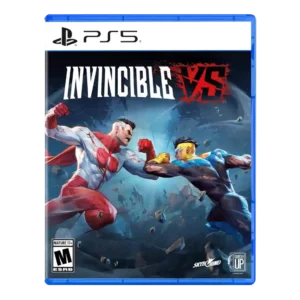
Story and narrative evidence was positive, highlighting an original story mode, creator involvement, and reviewer excitement for the campaign.
Pros: immersion, frame rate stability
Cons: user interface design, bug frequency
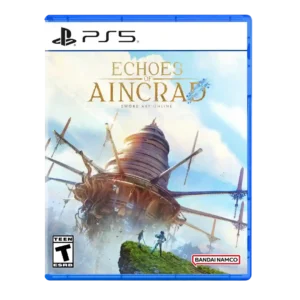
Narrative quality was generally promising thanks to the fresh perspective, though one review found the opening generic before seeing its later potential.
Pros: environmental detail, art direction
Cons: world interactivity, loot system
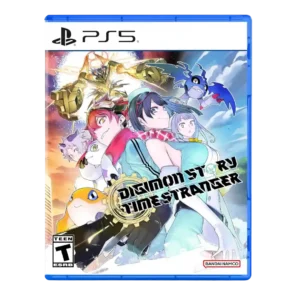
Narrative quality was generally positive, especially once the time-travel story builds momentum, but a few reviewers found parts uneven or generic.
Pros: atmosphere, world-building
Cons: HUD clarity, fast travel convenience
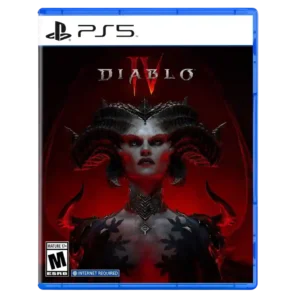
Narrative drew broad but mixed praise: many reviews liked Lilith, Mephisto, or expansion arcs, while several criticized weak, predictable, or ham-fisted storytelling.
Pros: lore depth, art direction
Cons: mission variety, protagonist appeal
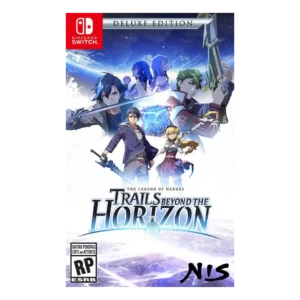
Narrative quality was broadly praised for wild twists, major reveals, and strong payoffs, but some reviewers were confused, underwhelmed, or less sold on the plot.
Pros: facial animations, polish
Cons: grind level, stealth mechanics
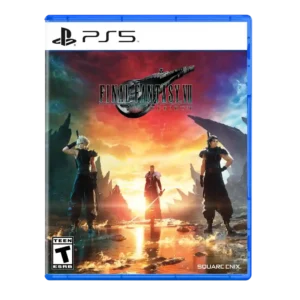
Narrative response is divided: reviewers praise the character-driven journey and remixed story, but several criticize thin macro plotting, convolution, or the ending's execution.
Pros: world-building, art direction
Cons: mission design, stealth mechanics
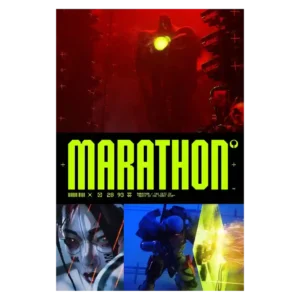
The underlying story and mystery are compelling, but Marathon tells them indirectly through factions, lore entries, briefings, and environmental clues. That approach fascinates lore-minded players and leaves others wishing for...
Pros: world interactivity, voice acting
Cons: menu usability, HUD clarity
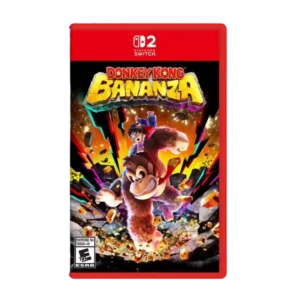
Narrative quality was more positive than expected for a platformer, especially around DK and Pauline, though one reviewer found the setting unengaging.
Pros: gameplay mechanics, world interactivity
Cons: economy and resource balance, enemy variety
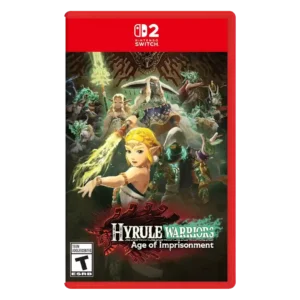
Narrative quality was the most divisive attribute: several reviewers praised the canon story, while others found it dull or a missed opportunity.
Pros: animation quality, multiplayer design
Cons: save system reliability, companion AI
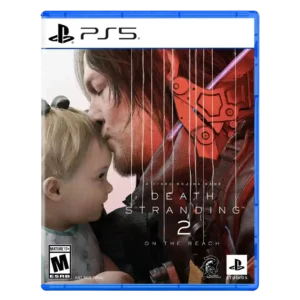
Narrative quality is highly divisive: many praise the story as memorable and emotional, while others find it muddled, messy, or unsatisfying.
Pros: animation quality, facial animations
Cons: quest design, AI behavior
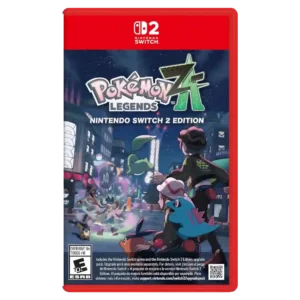
Narrative quality was broadly praised for mature themes and civic ideas, though some reviewers called it flat, underexplored, or not groundbreaking.
Pros: crash stability, gameplay mechanics
Cons: AI behavior, monetization fairness
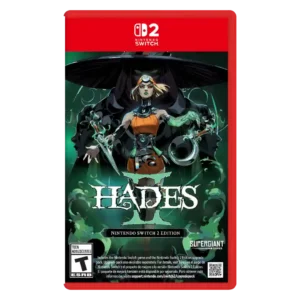
Narrative reactions are mixed: some call it seamless and compelling, while others find the ending, stakes, or emotional focus weaker.
Pros: skill tree depth, dialogue quality
Cons: emotional impact, economy and resource balance
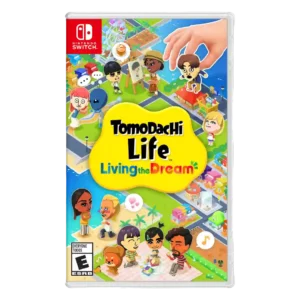
The story is mostly emergent and player-authored, producing memorable relationship drama for some while feeling barebones to others.
Pros: grind level, originality
Cons: social features, accessibility options
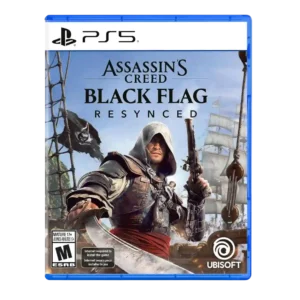
Narrative quality is promising because of Edward-focused additions and new story content, but the changed modern-day structure leaves some story questions.
Pros: core gameplay loop, visual effects quality
Cons: monetization fairness, microtransaction impact
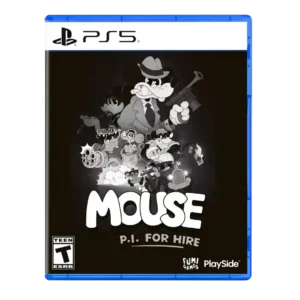
The noir mystery is engaging, characterful, and packed with entertaining twists, but its clarity and depth vary. Some players found the plot boilerplate, vague early on, or less satisfying under...
Pros: lore depth, user interface design
Cons: AI behavior, aiming precision
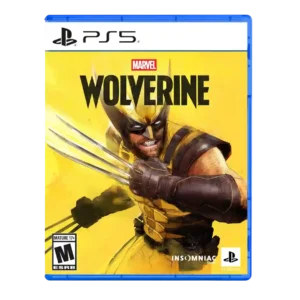
Narrative quality was polarizing: several reviewers liked the serious stakes and darker story, while one felt the violence was not yet earned.
Pros: environmental detail, graphics quality
Cons: gameplay mechanics, emotional impact
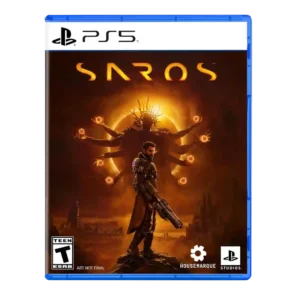
Narrative quality was the most mixed major attribute, ranging from gripping and coherent to underdeveloped, opaque, or overambitious.
Pros: value for money, fun factor
Cons: map and navigation design, side character depth
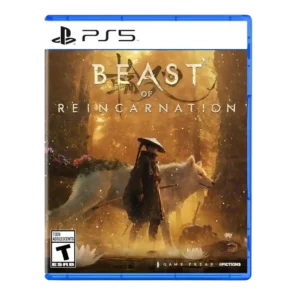
The premise, Emma’s isolation, and her bond with Koo create an intriguing opening. Reactions are split because the world has emotional and philosophical promise, while parts of the blight storyline...
Pros: soundtrack quality, value for money
Cons: onboarding experience, aiming precision
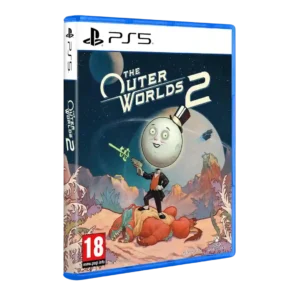
Narrative quality ranged from excellent political intrigue and strong story beats to complaints about a weak, predictable, or flat core story.
Pros: world-building, mission design
Cons: mission variety, enemy variety
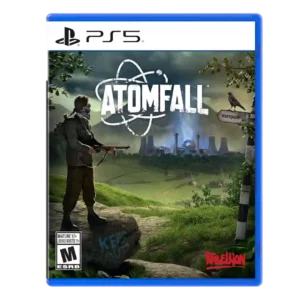
Narrative quality split reviewers: many enjoyed the mystery, branching endings, and investigative structure, while others found the plot thin, vague, or underwhelming at the end.
Pros: art direction, frame rate stability
Cons: boss design, camera behavior
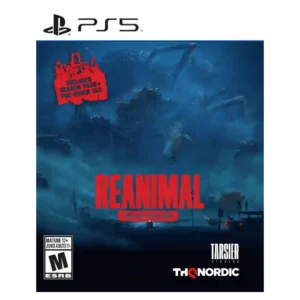
Narrative quality is sharply split: many praised the haunting, ambiguous story, while others found it vague, lacking, or insufficiently coherent.
Pros: onboarding experience, environmental detail
Cons: family friendliness, movement feel
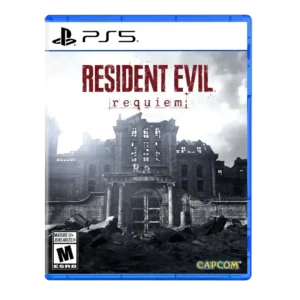
Narrative quality was polarized, with some calling the story strong or captivating and others finding it disappointing, messy, or thin.
Pros: driving mechanics, protagonist appeal
Cons: platform-specific feature support, checkpoint system