
Innovation was a major strength, with reviewers emphasizing technical ambition, reinvention, and fresh mechanics.
Pros: gameplay mechanics, world interactivity
Cons: economy and resource balance, enemy variety
Innovation was a major strength, with reviewers emphasizing technical ambition, reinvention, and fresh mechanics.
Pros: gameplay mechanics, world interactivity
Cons: economy and resource balance, enemy variety
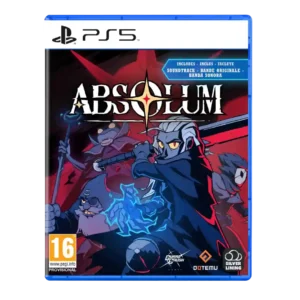
Innovation was praised where reviewers felt Absolum advanced or changed expectations for the beat-em-up genre.
Pros: mission design, world interactivity
Cons: quest design, endgame content

Reviewers praise the sequel’s inventive systems, unusual world, and a gameplay structure that few other games attempt.
Pros: animation quality, facial animations
Cons: quest design, AI behavior

Innovation was supported by reviewers who saw the sequel as a significant leap and a genuinely unusual racing alternative.
Pros: flying mechanics, exploration quality
Cons: AI behavior, boss design

Innovation was strongly praised through creative levels, final sequences, and inventive co-op design.
Pros: puzzle design, level design
Cons: exploration quality, side character depth

Innovation is praised in the update context, where new roster additions were framed as unexpected extra effort.
Pros: emotional impact, sound design
Cons: cross-play support, boss design
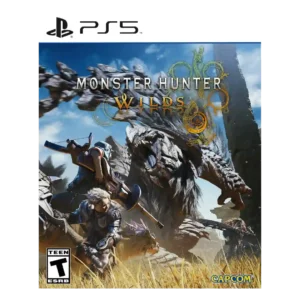
Innovation was praised where Wilds' new systems, weather, and traversal changes were seen as elevating the formula.
Pros: art direction, cross-play support
Cons: dialogue quality, monetization fairness

Innovation is praised where reviewers say the game evolves Shinobi meaningfully instead of merely repeating the past.
Pros: graphics quality, environmental detail
Cons: bug frequency, dialogue quality
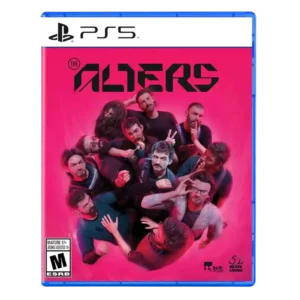
Innovation was praised through the game’s unusual genre blend and standout sci-fi structure.
Pros: controls responsiveness, onboarding experience
Cons: crash stability, grind level
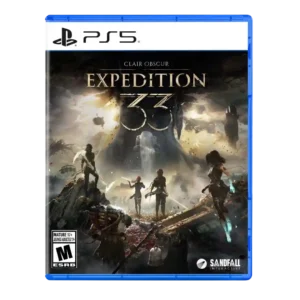
Innovation was praised for contributing to JRPG traditions while still feeling unique and structurally distinct.
Pros: monetization fairness, microtransaction impact
Cons: platforming precision, menu usability
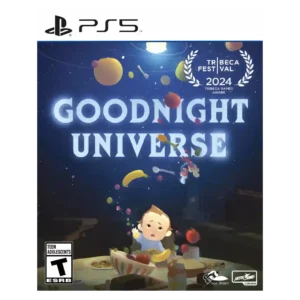
Innovation was praised for surprising mechanics and interactive storytelling, although one reviewer felt the good ideas were not fully realized.
Pros: side character depth, visual effects quality
Cons: user interface design, handheld play suitability
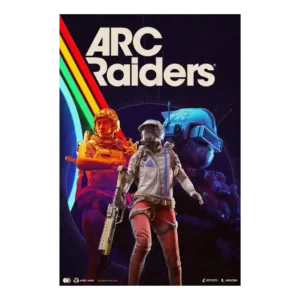
Reviewers felt Arc Raiders smartly refines extraction-shooter systems and, at its best, pushes the genre forward through social design.
Pros: frame rate stability, platform-specific feature support
Cons: voice acting, writing quality
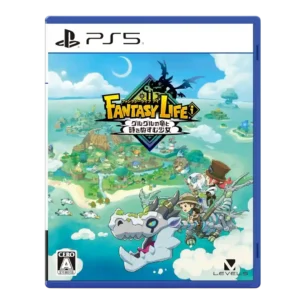
One review praises the roguelike dungeon design as unlike anything else in the genre mix.
Pros: load times, crash stability
Cons: originality, voice acting
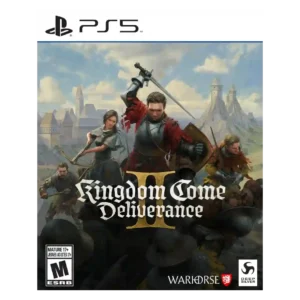
One reviewer praised the scale of improvement as something other studios rarely achieve.
Pros: soundtrack quality, fun factor
Cons: checkpoint system, family friendliness

Innovation evidence was positive, with the game praised for palpable ambition and big swings.
Pros: animation quality, sound design
Cons: difficulty balance, AI behavior

Innovation is praised in one review for meaningful twists on familiar mechanics.
Pros: core gameplay loop, controls responsiveness
Cons: mission design, learning curve

Innovation was widely praised for taking risks, evolving the formula, and experimenting with real-time combat and city structure.
Pros: crash stability, gameplay mechanics
Cons: AI behavior, monetization fairness
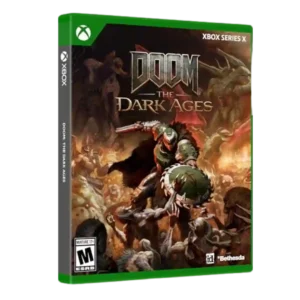
Innovation was broadly praised for reinventing Doom’s formula, though some reviewers saw the simplification as a tradeoff.
Pros: environmental detail, polish
Cons: camera behavior, value for money
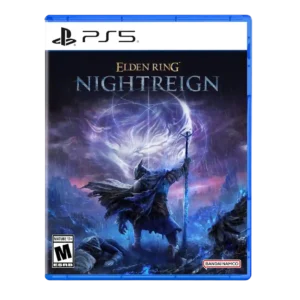
Innovation was generally admired as a risky FromSoftware experiment, even where execution missed some marks.
Pros: emotional impact, visual effects quality
Cons: crash stability, cross-play support
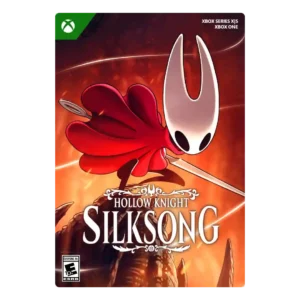
Innovation is positive but measured: reviewers praise new directions and system changes, while one calls it evolutionary rather than revolutionary.
Pros: core gameplay loop, world interactivity
Cons: loot system, accessibility options

Innovation was viewed as bold and risk-taking, though TechRadar framed those risks as both fantastic and flawed.
Pros: voice acting, emotional impact
Cons: family friendliness, menu usability

Innovation evidence centered on the Lead system and accessibility options, which one review explicitly praised as innovative.
Pros: art direction, frame rate stability
Cons: boss design, camera behavior

Innovation was praised more for personality and identity than for mechanical novelty.
Pros: atmosphere, voice acting
Cons: world interactivity, camera behavior
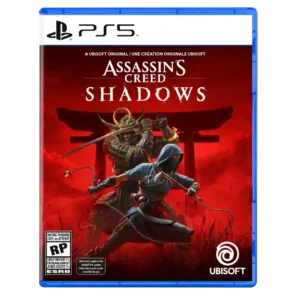
Innovation is mixed: fundamental changes impressed one reviewer, while another felt seasonal gameplay promises did not fully materialize.
Pros: environmental detail, cross-save support
Cons: writing quality, enemy variety
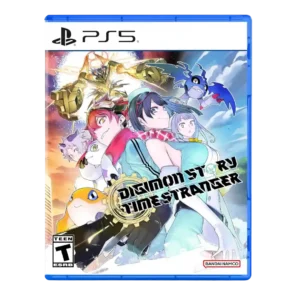
Innovation was framed as refinement rather than reinvention, with reviewers praising how existing Digimon systems were modernized.
Pros: atmosphere, world-building
Cons: HUD clarity, fast travel convenience
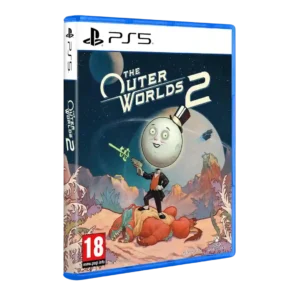
Innovation was split between praise for the flaws system and criticism that broader mechanics felt unimaginative.
Pros: world-building, mission design
Cons: mission variety, enemy variety
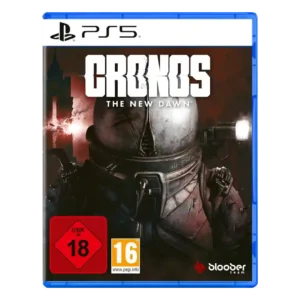
Innovation was split between praise for the survival-action hybrid and criticism that Cronos rarely pushes its ideas far enough.
Pros: core gameplay loop, emotional impact
Cons: checkpoint system, bug frequency
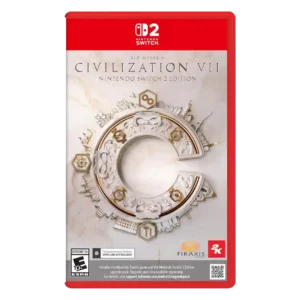
Innovation was generally acknowledged through bold structural changes, but reviewers disagreed on whether those changes improved the series.
Pros: animation quality, controls responsiveness
Cons: matchmaking quality, user interface design

Innovation is limited; reviewers say it is not reinventing the genre even when the core is enjoyable.
Pros: emotional impact, animation quality
Cons: enemy variety, server reliability

Innovation scores trend moderate because reviewers describe Yōtei as refinement rather than reinvention, with familiar systems made better.
Pros: movement feel, environmental detail
Cons: puzzle design, age appropriateness

Innovation was usually described as limited; reviewers saw Avowed as confident and enjoyable rather than genre-changing.
Pros: tutorial quality, level design
Cons: stealth mechanics, endgame content
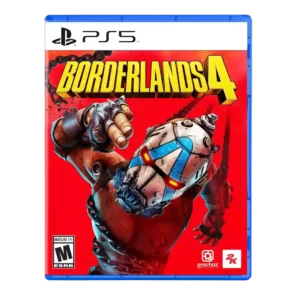
Innovation is mixed-to-low, with reviewers saying the series has not reinvented itself even as it improves key systems.
Pros: sandbox freedom, art direction
Cons: polish, save system reliability
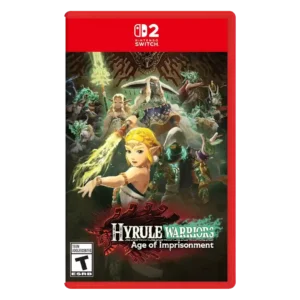
Innovation was mixed to low, with strong mechanical adaptations but criticism that creative thinking and mission structure were limited.
Pros: animation quality, multiplayer design
Cons: save system reliability, companion AI

Innovation was viewed as conservative: some refinements worked, but many reviewers felt the game did not push the genre forward.
Pros: world-building, frame rate stability
Cons: companion AI, upgrade system
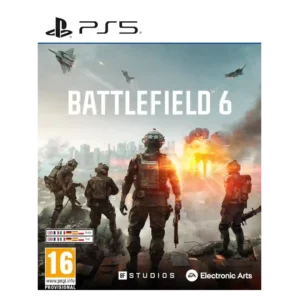
innovation was limited, with reviewers saying the game plays safe.
Pros: haptic feedback integration, performance optimization
Cons: pacing, microtransaction impact
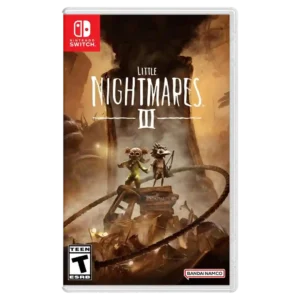
Innovation leaned negative overall: reviewers noted a few smart ideas but repeatedly said the sequel played too safe or lacked new mechanics.
Pros: load times, haptic feedback integration
Cons: save system reliability, aiming precision

Innovation is a weak point because several reviewers felt Delta was safe, not bold, and offered little additive perspective.
Pros: world interactivity, sandbox freedom
Cons: crash stability, learning curve