Best for app ecosystem
Apple Watch Ultra 2
4.9 feature score
Highest scored product for this feature based on supporting review evidence.
Highest scored product for this feature based on supporting review evidence.
Balances feature score, supporting reviews, and overall product strength.
Has the broadest review evidence for this feature.
Strongest overall product among items with scored evidence for this feature.
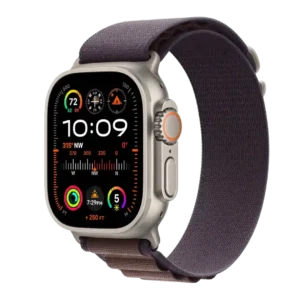
The app ecosystem is one of the clearest strengths, with reviewers praising Apple’s native and third-party app depth over competing watch platforms.
Pros: display quality, heart rate accuracy
Cons: cross-platform compatibility, recovery insights
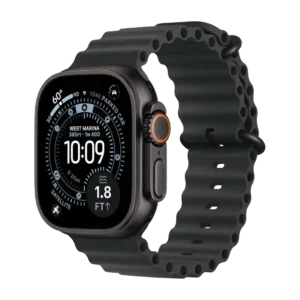
The app ecosystem is a major strength, with reviewers pointing to the huge Apple Watch app store and strong support from fitness and everyday apps.
Pros: pairing reliability, app ecosystem
Cons: cross-platform compatibility, size options
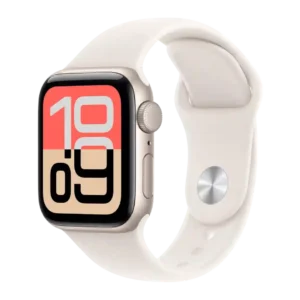
The app ecosystem is a major strength, with reviewers praising the Apple Watch App Store and broad app availability compared with rival budget watches.
Pros: value for money, contactless payments
Cons: blood oxygen tracking, ECG functionality
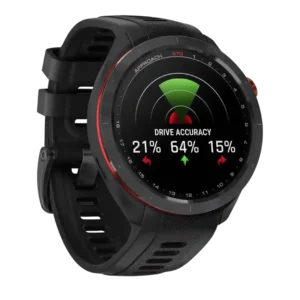
The Garmin ecosystem is praised for tying golf, fitness, watch faces, and Connect IQ-style additions together.
Pros: pairing reliability, brightness
Cons: software smoothness, user interface
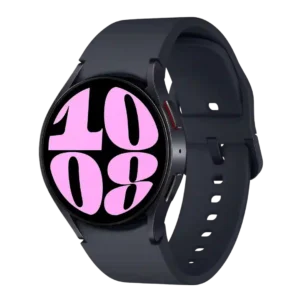
The app ecosystem is a major strength because Wear OS and Google Play give the watch a broad catalog, with several reviewers noting improving app availability.
Pros: outdoor visibility, workout tracking variety
Cons: cross-platform compatibility, battery life
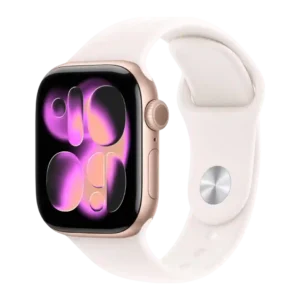
Reviewers point to the Apple Watch App Store, sports apps, and synced iPhone apps as a major strength of the platform.
Pros: contactless payments, pairing reliability
Cons: cross-platform compatibility, recovery insights
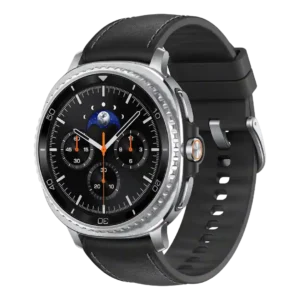
The app ecosystem is a strength because Google Play and Wear OS provide major smartwatch apps alongside Samsung's own software layer.
Pros: third-party app support, heart rate accuracy
Cons: cross-platform compatibility, antioxidant index
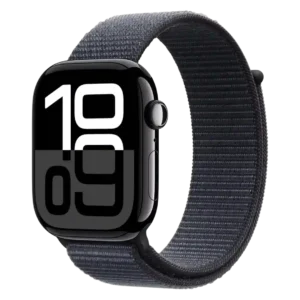
Reviewers repeatedly frame the watch as strongest inside Apple’s ecosystem, with apps and Apple-device integration giving it much of its practical value.
Pros: charging speed, contactless payments
Cons: cross-platform compatibility, blood oxygen tracking
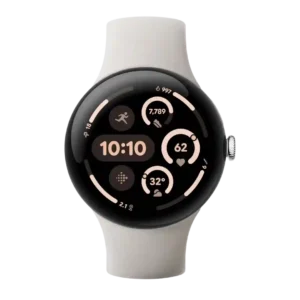
Reviewers liked Wear OS app availability and found the platform close enough to mature smartwatch ecosystems for most users.
Pros: outdoor visibility, health tracking accuracy
Cons: cross-platform compatibility, durability
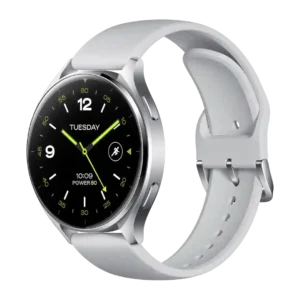
Reviewers consistently liked the Wear OS app ecosystem, highlighting Google apps, Play Store access, and major third-party apps as a major value advantage.
Pros: charging speed, workout tracking variety
Cons: ECG functionality, LTE connectivity

Reviewers consistently credit Wear OS and Google services with giving the watch a strong Android app ecosystem.
Pros: step counting accuracy, button controls
Cons: LTE connectivity, cross-platform compatibility
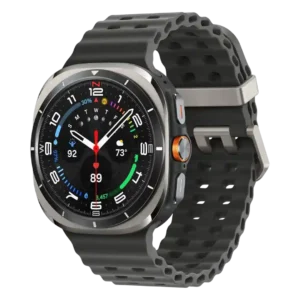
The app ecosystem is a strength: reviewers mention many available apps, Google Play access, and expanded usefulness from the extra storage.
Pros: brightness, durability
Cons: cross-platform compatibility, value for money
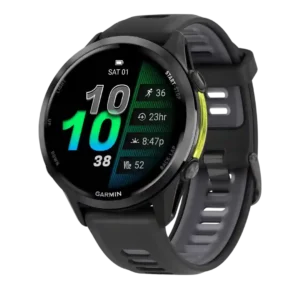
The app ecosystem was a clear Garmin advantage, with Connect IQ, downloadable faces, apps, and extensive sports-watch software repeatedly mentioned.
Pros: button controls, GPS accuracy
Cons: LTE connectivity, size options

The Garmin ecosystem was viewed positively because its metrics and Connect app make the watch more useful than the hardware alone.
Pros: cross-platform compatibility, water resistance
Cons: call handling, third-party app support
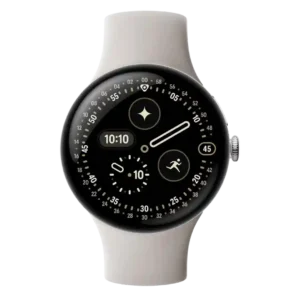
The Wear OS and Fitbit/Play Store ecosystem is consistently treated as strong, with robust app support and Fitbit standing out versus several Android-watch alternatives.
Pros: outdoor visibility, charging speed
Cons: stress tracking, band quality
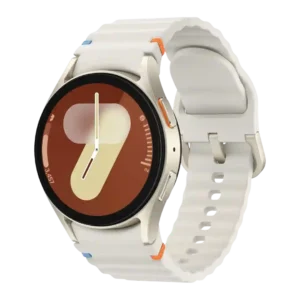
Wear OS gives the watch a strong app base, with Google Play, Google apps, and downloadable third-party apps repeatedly cited as strengths.
Pros: user interface, build quality
Cons: antioxidant index, cross-platform compatibility
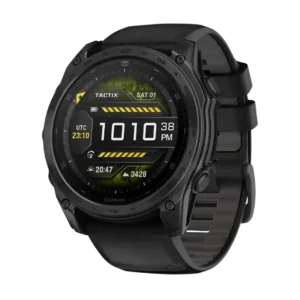
The app story is broad, with Garmin Connect, Applied Ballistics, AB Quantum, Spotify/Amazon music support, widgets, and AllTrails or map-related use mentioned.
Pros: materials quality, durability
Cons: LTE connectivity, value for money
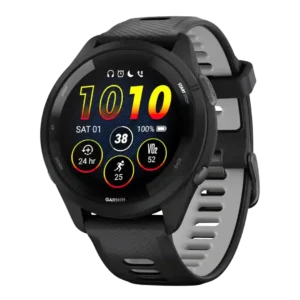
The Garmin ecosystem is a strength for data-heavy users, with deep sports analysis, Garmin Connect, Connect IQ, and broad fitness-data tools.
Pros: GPS accuracy, brightness
Cons: ECG functionality, voice assistant quality

Wear OS and Play Store access are the biggest upgrade, with reviewers broadly praising Google apps and third-party support despite some complaints about Xiaomi’s skin.
Pros: materials quality, Bluetooth connectivity
Cons: ECG functionality, reliability
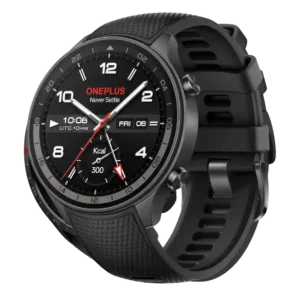
Wear OS gives the watch a strong app ecosystem, with reviewers citing Google Play access, Google apps, and many downloadable apps.
Pros: third-party app support, workout tracking variety
Cons: ECG functionality, LTE connectivity
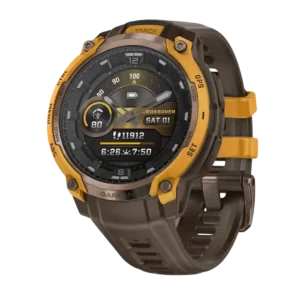
The Garmin ecosystem adds value mainly through Garmin Connect, which expands the watch into a performance tool.
Pros: fitness tracking accuracy, outdoor visibility
Cons: onboard music storage, touchscreen responsiveness
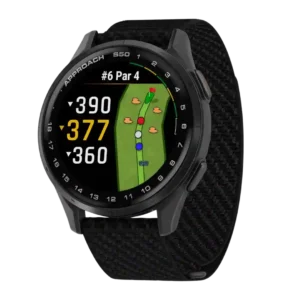
The Garmin ecosystem is a strength, especially app syncing, accessory support, Garmin Golf membership upgrades, club sensors, and cross-device benefits.
Pros: software smoothness, GPS accuracy
Cons: voice assistant quality, call handling
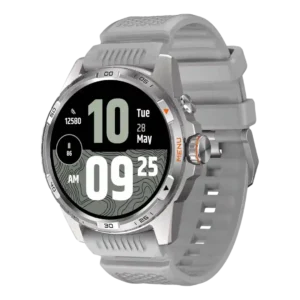
The Wear OS app ecosystem is a strength, with Play Store apps, Google services, and watch faces available, though some reviewers noted missing Assistant support elsewhere.
Pros: battery life, durability
Cons: ECG functionality, LTE connectivity
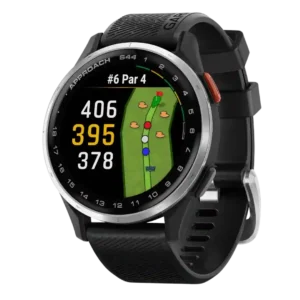
Garmin ecosystem support was a strength, especially CT10/CT1 sensors, rangefinder compatibility, Garmin Golf membership, and broader Garmin device pairing.
Pros: pairing reliability, display quality
Cons: heart rate accuracy, sleep tracking accuracy
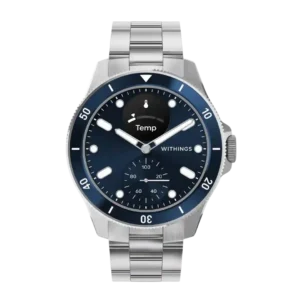
The Withings ecosystem is a major strength when paired with the app and other Withings health devices, with integrations into major phone health platforms.
Pros: software smoothness, safety features
Cons: contactless payments, music controls
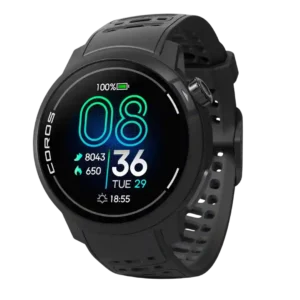
The app ecosystem is strong within Coros, especially the app, training hub and browser-based training lab, but it is not an open app-store ecosystem.
Pros: cross-platform compatibility, fit
Cons: call handling, voice assistant quality
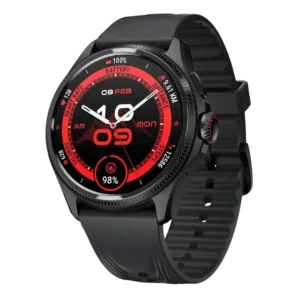
The Wear OS Play Store gives the watch a strong app ecosystem, with reviewers repeatedly citing Spotify, WhatsApp, Audible, Maps, Wallet, and other watch apps.
Pros: durability, battery life
Cons: ECG functionality, voice assistant quality
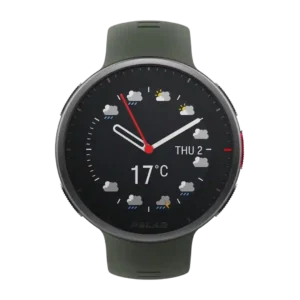
The app ecosystem is strongest through Polar Flow and partner syncing, with reviewers praising Flow and Strava or TrainingPeaks links, though it is not a broad app-store watch ecosystem.
Pros: reliability, workout tracking variety
Cons: blood oxygen tracking, contactless payments
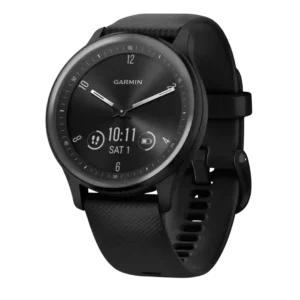
The Garmin ecosystem is viewed positively because Connect, Strava syncing, Garmin data depth, and ecosystem support add value beyond the watch hardware.
Pros: activity auto-detection, comfort
Cons: voice assistant quality, onboard music storage
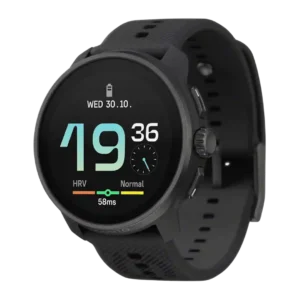
The app ecosystem is strong for routes, TrainingPeaks-style workflows and SuuntoPlus-style extensions.
Pros: build quality, GPS accuracy
Cons: activity auto-detection, contactless payments
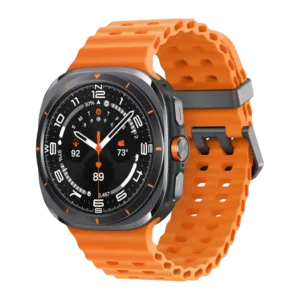
Wear OS and Google/Samsung integration were treated as major strengths, though one long-term reviewer still found smartwatch apps somewhat limited.
Pros: outdoor visibility, display quality
Cons: size options, cross-platform compatibility
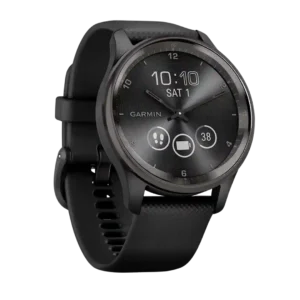
The Garmin ecosystem is a strength because Connect and the broader Garmin platform provide substantial health and workout data without a subscription, though Connect IQ limits remain.
Pros: activity auto-detection, display quality
Cons: ECG functionality, onboard music storage
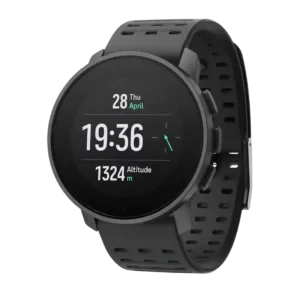
Reviewers see Suunto's app ecosystem as a real strength, especially SuuntoPlus, the Suunto Store, and broad partner integrations, though it is not as mature as Garmin's platform.
Pros: charging speed, durability
Cons: voice assistant quality, contactless payments
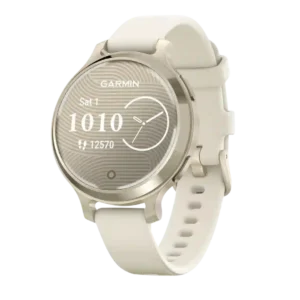
The Garmin ecosystem is strong around Connect, third-party workout platforms, and Strava-style integrations rather than a broad smartwatch app store.
Pros: comfort, style and design
Cons: ECG functionality, onboard music storage
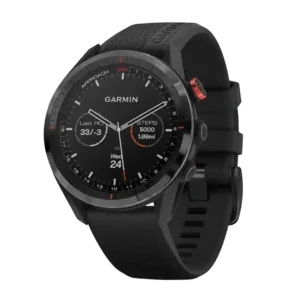
The Garmin Golf and Garmin Connect app pairing gives the S62 a useful Garmin-centered ecosystem, but it remains separate from broader Wear OS or Apple watchOS app libraries.
Pros: battery life, GPS accuracy
Cons: voice assistant quality, onboard music storage
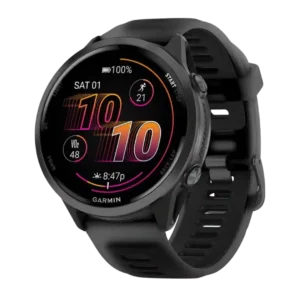
Garmin's app ecosystem is useful through Connect IQ and watchface downloads, though reviewers repeatedly describe it as more limited than Apple or Wear OS.
Pros: outdoor visibility, brightness
Cons: ECG functionality, LTE connectivity
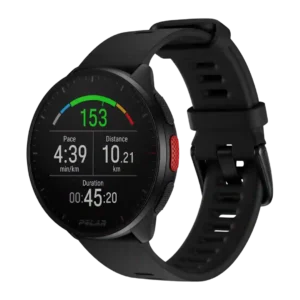
Reviewers liked the broader Polar ecosystem, especially Polar Flow analysis and links to services such as Strava, while keeping the focus on training rather than apps.
Pros: workout tracking variety, brightness
Cons: contactless payments, onboard music storage
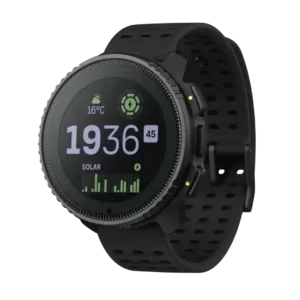
Reviewers saw a useful SuuntoPlus and partner-app ecosystem, but one noted that only one SuuntoPlus app can run at a time.
Pros: battery life, materials quality
Cons: ECG functionality, contactless payments
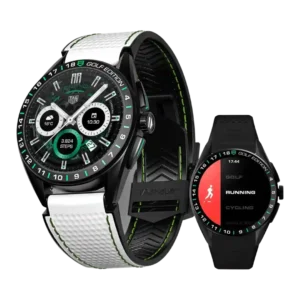
Reviewers liked that the watch uses Wear OS, Google Play, and installable apps, though the appeal is strongest when paired with TAG Heuer’s own software layer.
Pros: materials quality, style and design
Cons: blood oxygen tracking, ECG functionality
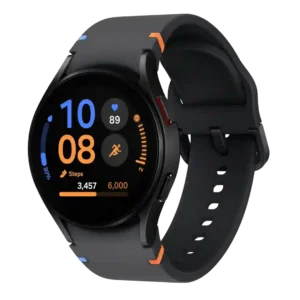
Wear OS gives the FE a strong app ecosystem, with Google Play and popular third-party apps, even if one reviewer still disliked its broader value.
Pros: workout tracking variety, materials quality
Cons: size options, cross-platform compatibility
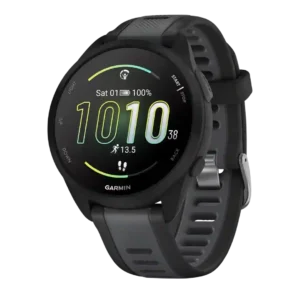
Connect IQ gives the watch a modest app ecosystem for watch faces, widgets, data fields, and extras, though it is not framed as a full smartwatch app platform.
Pros: brightness, outdoor visibility
Cons: ECG functionality, voice assistant quality
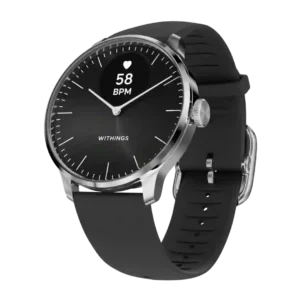
The Withings app ecosystem is a strength for users with other Withings health devices and centralized health data.
Pros: style and design, build quality
Cons: blood oxygen tracking, ECG functionality
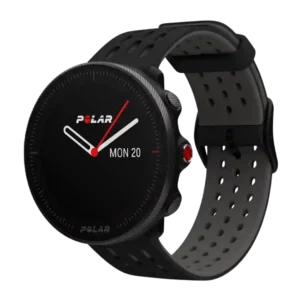
The app ecosystem is strong around Polar Flow, web tools, community features, and desktop/mobile access, not around downloadable watch apps.
Pros: workout tracking variety, sleep tracking accuracy
Cons: blood oxygen tracking, voice assistant quality
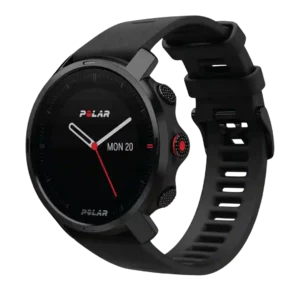
The app ecosystem was useful through Polar Flow, sensor pairing, web/app syncing, and links with health or training platforms.
Pros: wellness insights, workout tracking variety
Cons: contactless payments, onboard music storage
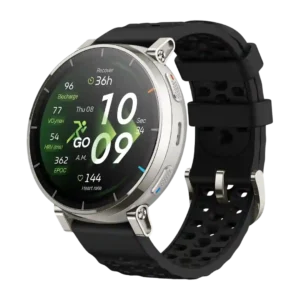
The app ecosystem is useful but bounded: reviewers mention hundreds of apps and Zepp App Store extras, while one notes apps must come from Zepp rather than Apple or Google...
Pros: outdoor visibility, software smoothness
Cons: ECG functionality, LTE connectivity
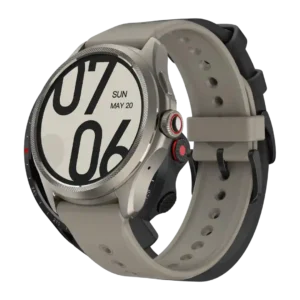
The Wear OS and Google Play ecosystem is a strength, though one review criticized Mobvoi's proprietary ecosystem as weaker than Apple or Samsung.
Pros: battery life, pairing reliability
Cons: ECG functionality, LTE connectivity
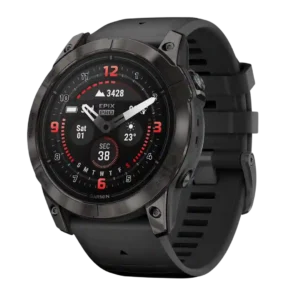
The Garmin ecosystem is described as expandable through a software marketplace and Connect IQ access, though the experience can feel more tool-like than slick.
Pros: mapping and navigation, GPS accuracy
Cons: voice assistant quality, call handling
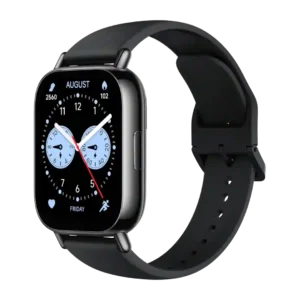
The app ecosystem is modest but useful, with evidence for Mi Fitness data sharing or integrations with Strava, Google Fit, Sunnto, and Zepp Life.
Pros: workout tracking variety, value for money
Cons: ECG functionality, third-party app support
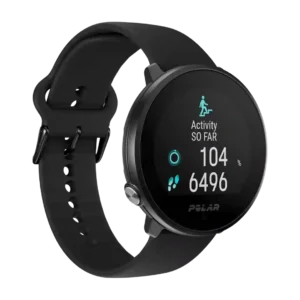
The Polar Flow ecosystem is treated as a real strength, especially for users who want detailed analysis across watch, phone app, and web, though it is not an app-store smartwatch...
Pros: operating system experience, charging speed
Cons: blood oxygen tracking, third-party app support
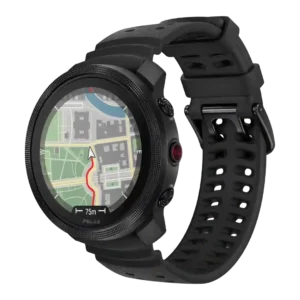
Reviewers split app ecosystem feedback: Polar Flow has useful phone, web, and desktop access, but the ecosystem feels less modern and expandable than Garmin or Apple alternatives.
Pros: workout tracking variety, outdoor visibility
Cons: call handling, voice assistant quality