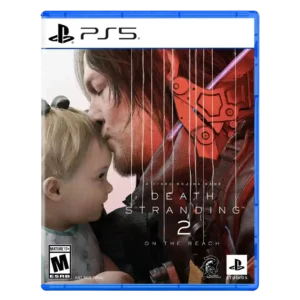
Immersion is strongly praised, with reviewers describing effortless absorption and deeply lingering experiences.
Pros: animation quality, facial animations
Cons: quest design, AI behavior
Showing Gaming only. Switch back to all Video Games anytime.
Immersion is strongly praised, with reviewers describing effortless absorption and deeply lingering experiences.
Pros: animation quality, facial animations
Cons: quest design, AI behavior
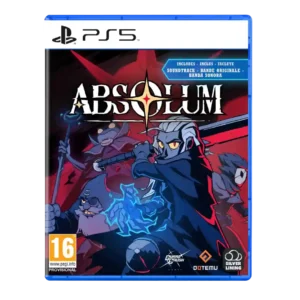
Immersion was praised when reviewers felt pulled into the magical world and its escapist atmosphere.
Pros: mission design, world interactivity
Cons: quest design, endgame content
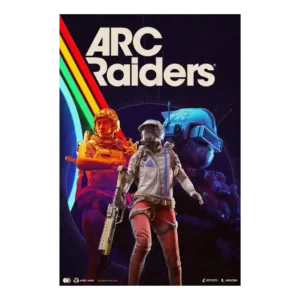
One review singled out Arc Raiders as highly immersive because its lore, world, sound, and machine threat all reinforce the fiction.
Pros: frame rate stability, platform-specific feature support
Cons: voice acting, writing quality
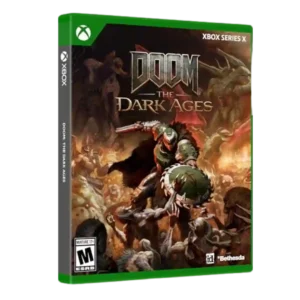
Immersion was praised in the supporting review for subtle audio and environmental feedback.
Pros: environmental detail, polish
Cons: camera behavior, value for money
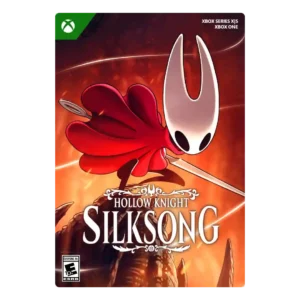
Immersion is strongly supported by one review’s comment about Pharloom lingering after play.
Pros: core gameplay loop, world interactivity
Cons: loot system, accessibility options
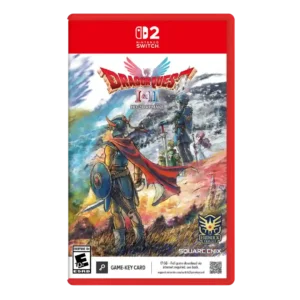
Reviewers praised the presentation, music, and environments for making the adventure feel rich, magical, and immersive.
Pros: visual effects quality, environmental detail
Cons: AI behavior, level design
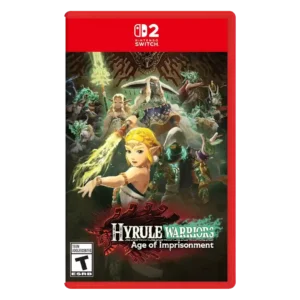
Immersion was high where discussed, especially for recreating the feeling of returning to Tears of the Kingdom’s Hyrule.
Pros: animation quality, multiplayer design
Cons: save system reliability, companion AI
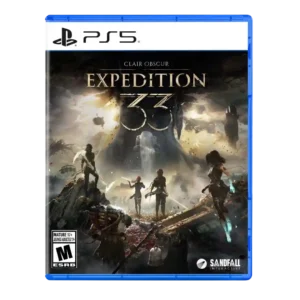
Immersion was strong, with reviewers wanting to dig deeper, feeling invested, and describing the experience as lingering after credits.
Pros: monetization fairness, microtransaction impact
Cons: platforming precision, menu usability
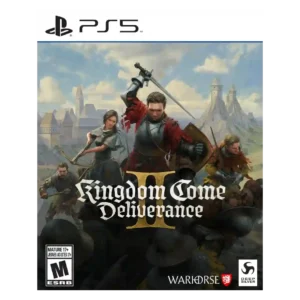
Immersion was one of the clearest strengths, with reviewers repeatedly describing the world, systems, and presentation as absorbing.
Pros: soundtrack quality, fun factor
Cons: checkpoint system, family friendliness

Immersion was praised by a reviewer who felt pulled in immediately by the narrative-driven adventure.
Pros: atmosphere, voice acting
Cons: world interactivity, camera behavior
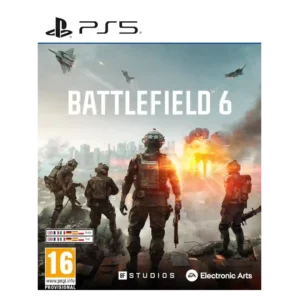
immersion was praised through grounded aesthetics and the way combat, levels, and destruction combine.
Pros: haptic feedback integration, performance optimization
Cons: pacing, microtransaction impact
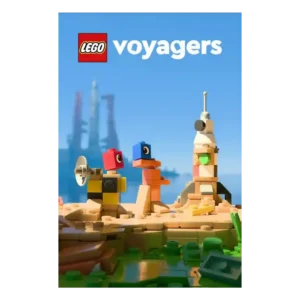
Immersion came from getting lost in the atmosphere, puzzle flow, lighting, and shared world moments.
Pros: writing quality, checkpoint system
Cons: menu usability, user interface design
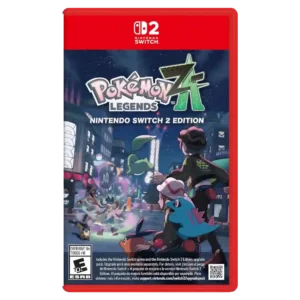
Immersion was praised when battles felt like the anime or boss fights engaged the player, but voice and UI issues could undercut it elsewhere.
Pros: crash stability, gameplay mechanics
Cons: AI behavior, monetization fairness
Immersion was praised for making the world feel more alive through visual and quality-of-life improvements.
Pros: protagonist appeal, art direction
Cons: camera behavior, tutorial quality
Immersion was praised when world detail, music, characters, and presentation made reviewers want to return to the setting.
Pros: atmosphere, world-building
Cons: HUD clarity, fast travel convenience
Immersion was strong but intense, with reviewers describing deep involvement and a claustrophobic, absorbing feel.
Pros: controls responsiveness, onboarding experience
Cons: crash stability, grind level
Immersion has limited positive evidence, with the open world helping one reviewer feel more like a Vault Hunter.
Pros: sandbox freedom, art direction
Cons: polish, save system reliability
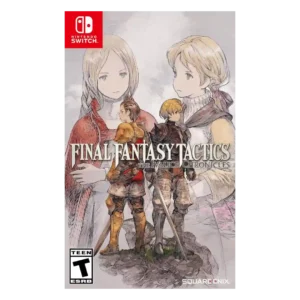
Immersion benefited from the diorama look, voice acting, and presentation changes that made Ivalice feel more immediate.
Pros: emotional impact, polish
Cons: bug frequency, crash stability
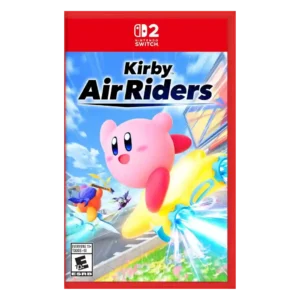
The high-speed rhythm could be absorbing, with one reviewer feeling locked into the action once the mechanics clicked.
Pros: flying mechanics, exploration quality
Cons: AI behavior, boss design
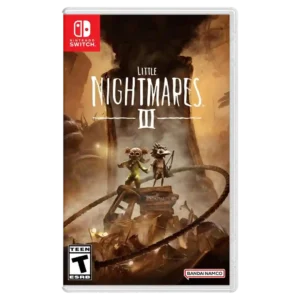
Immersion was praised by one reviewer who found the world atmospheric, transportive, and imaginative.
Pros: load times, haptic feedback integration
Cons: save system reliability, aiming precision

Immersion is positive in one review that finds the experience engaging and brutal.
Pros: core gameplay loop, controls responsiveness
Cons: mission design, learning curve

Immersion improves through 3D audio, accessibility, and smoother systems, although not all reviewers felt the old design fully supported it.
Pros: world interactivity, sandbox freedom
Cons: crash stability, learning curve
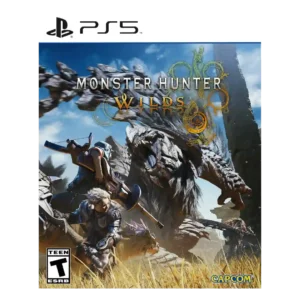
Immersion was mixed to positive: reviewers praised the living world, while one noted convenience systems could break the fiction.
Pros: art direction, cross-play support
Cons: dialogue quality, monetization fairness

Immersion is supported by strong presentation and visual depth, though one reviewer says the game remained enjoyable without strongly resonating.
Pros: graphics quality, environmental detail
Cons: bug frequency, dialogue quality
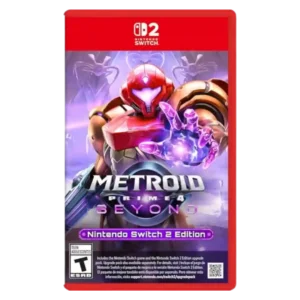
Immersion was strong when the game leaned into alien solitude, but hints, companions, and roadblocks could break that feeling.
Pros: world-building, frame rate stability
Cons: companion AI, upgrade system
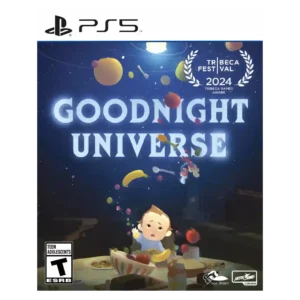
Immersion depended heavily on setup: webcam, headphones, and eye inputs often deepened immersion, while missing camera support, rough pacing, or weaker mechanics could reduce intimacy.
Pros: side character depth, visual effects quality
Cons: user interface design, handheld play suitability
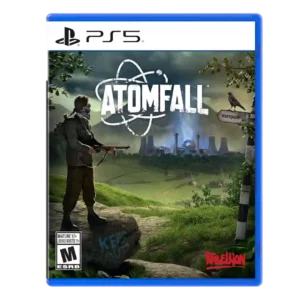
Immersion was usually strong due to exploration, setting, and atmosphere, though a few systems and empty-world moments broke the illusion.
Pros: art direction, frame rate stability
Cons: boss design, camera behavior
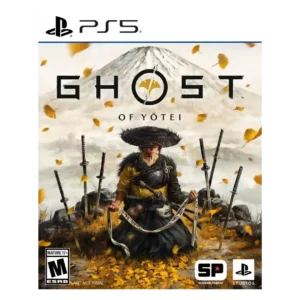
Immersion is a major strength through world navigation, sound, and minimal HUD, though occasional technical or duel design issues can break it.
Pros: movement feel, environmental detail
Cons: puzzle design, age appropriateness

Immersion was helped by dense worldbuilding and atmosphere but hurt for some by static NPCs and limited world reactivity.
Pros: tutorial quality, level design
Cons: stealth mechanics, endgame content

Immersion is helped by the city-tour feel of stages but hurt in one review by visual dissonance that breaks immersion.
Pros: emotional impact, animation quality
Cons: enemy variety, server reliability

Immersion was mixed: one reviewer praised immediate immersion, while another said an editing-like issue broke immersion.
Pros: character roster, animation quality
Cons: core gameplay loop, polish
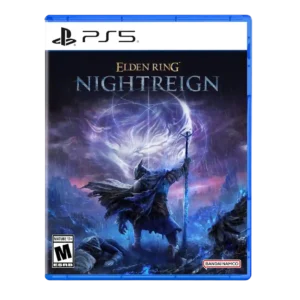
Immersion was mixed: some felt Elden Ring's adrenaline remained, while others thought discovery and delight were stripped away.
Pros: emotional impact, visual effects quality
Cons: crash stability, cross-play support
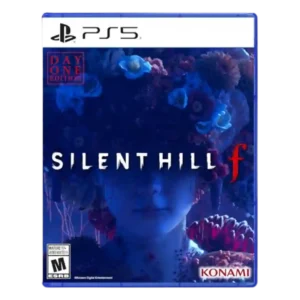
Immersion was mixed: atmosphere and world detail often pulled reviewers in, but combat friction, stutters, or performance issues could break the spell.
Pros: voice acting, emotional impact
Cons: family friendliness, menu usability
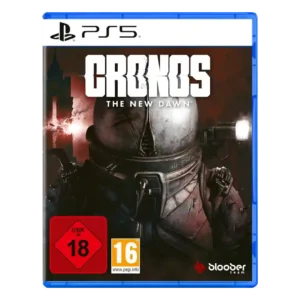
Immersion evidence was limited to a Switch 2 review where dated human models detracted from immersion.
Pros: core gameplay loop, emotional impact
Cons: checkpoint system, bug frequency
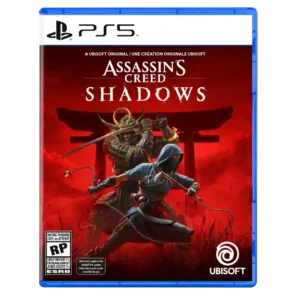
Immersion suffers in one review where protagonist imbalance breaks the connection between gameplay and story.
Pros: environmental detail, cross-save support
Cons: writing quality, enemy variety

Immersion was the one area a reviewer explicitly disliked, saying they played through environments rather than feeling immersed.
Pros: gameplay mechanics, world interactivity
Cons: economy and resource balance, enemy variety
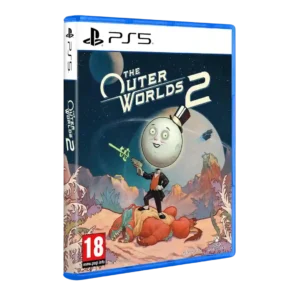
Immersion was limited in one review where the ship never felt like home.
Pros: world-building, mission design
Cons: mission variety, enemy variety
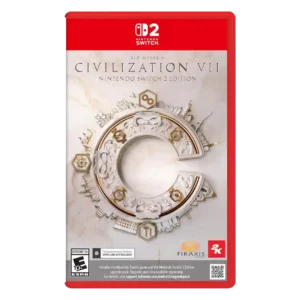
Immersion suffered for critics because age resets, civ switching, and thin leader identity broke connection, though some reviewers accepted the tradeoff.
Pros: animation quality, controls responsiveness
Cons: matchmaking quality, user interface design