
World-building was consistently praised, especially the Japanese folklore, historical setting, regional symbolism, and mythos behind Ebisugaoka and the Dark Shrine.
Pros: voice acting, emotional impact
Cons: family friendliness, menu usability
World-building was consistently praised, especially the Japanese folklore, historical setting, regional symbolism, and mythos behind Ebisugaoka and the Dark Shrine.
Pros: voice acting, emotional impact
Cons: family friendliness, menu usability

World-building was a strength in reviews that praised scanning, Lamorn history, and the way environments explained Viewros.
Pros: world-building, frame rate stability
Cons: companion AI, upgrade system

World-building is one of the strongest areas, with reviewers praising Pharloom as immaculate, complex, sad, and worth exploring.
Pros: core gameplay loop, world interactivity
Cons: loot system, accessibility options

World-building was strongly praised through Ivalice’s politics, history, class conflict, and supporting lore tools.
Pros: emotional impact, polish
Cons: bug frequency, crash stability
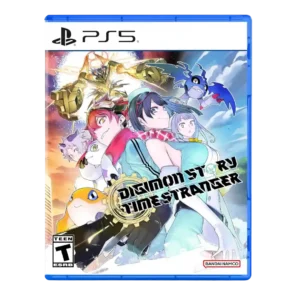
World-building was one of the strongest consensus positives, with the Digital World repeatedly described as alive, lived-in, and full of Digimon society.
Pros: atmosphere, world-building
Cons: HUD clarity, fast travel convenience
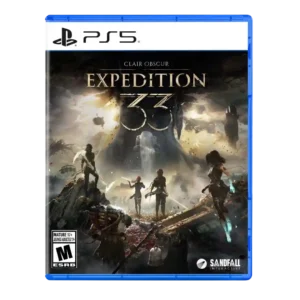
World-building was praised as distinct, rich, and central to the game’s identity.
Pros: monetization fairness, microtransaction impact
Cons: platforming precision, menu usability
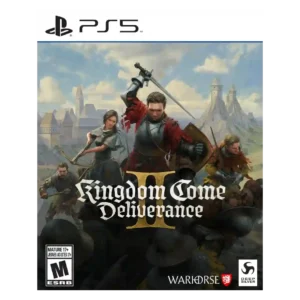
World-building was repeatedly praised as immersive, historically grounded, and central to the game’s appeal.
Pros: soundtrack quality, fun factor
Cons: checkpoint system, family friendliness

World-building received near-universal praise for its authentic, rarely explored Deep South folklore, history, and cultural texture.
Pros: atmosphere, voice acting
Cons: world interactivity, camera behavior

World-building is praised for Greek myth reinterpretation, relationship-driven lore, and the broader conflict around the Underworld and Olympus.
Pros: skill tree depth, dialogue quality
Cons: emotional impact, economy and resource balance
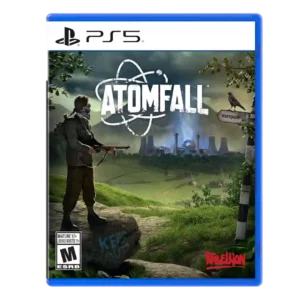
World-building was one of the strongest attributes, especially the British quarantine-zone identity, folk horror, and distinctive alternate-history setting.
Pros: art direction, frame rate stability
Cons: boss design, camera behavior
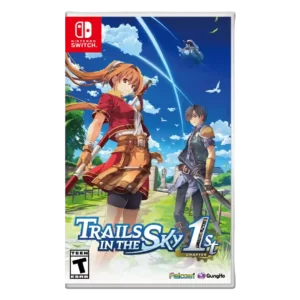
World-building was one of the strongest attributes, with repeated praise for living NPCs, regional culture, and detailed continuity.
Pros: protagonist appeal, art direction
Cons: camera behavior, tutorial quality
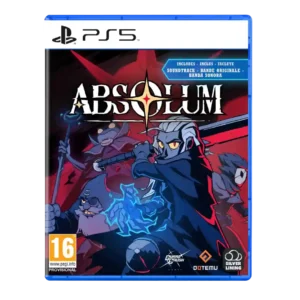
World-building was widely praised for its magical setting, history, culture, and lore hooks even when the main plot lagged.
Pros: mission design, world interactivity
Cons: quest design, endgame content
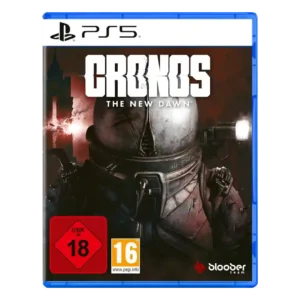
World-building was a major strength, with reviewers praising how the setting, documents, and historical framing build a broken society.
Pros: core gameplay loop, emotional impact
Cons: checkpoint system, bug frequency
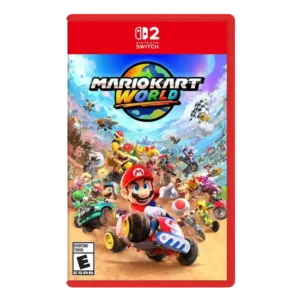
World-building was praised where reviewers felt the courses and regions fit together into a coherent interconnected continent.
Pros: animation quality, sound design
Cons: difficulty balance, AI behavior
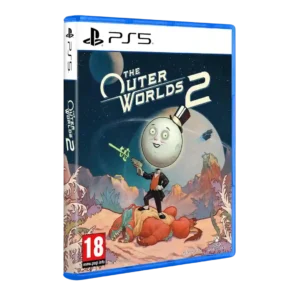
World-building was a major strength, with reviewers praising factions, moral dilemmas, environmental context, and a lived-in universe.
Pros: world-building, mission design
Cons: mission variety, enemy variety
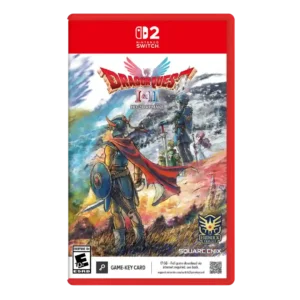
World-building was strengthened by expanded towns, lore links, and details that made Alefgard and the trilogy feel more alive.
Pros: visual effects quality, environmental detail
Cons: AI behavior, level design

World-building earned praise for strange underground societies, internal logic, and franchise-aware details.
Pros: gameplay mechanics, world interactivity
Cons: economy and resource balance, enemy variety

World-building was one of Avowed’s clearest strengths, especially its politics, cultures, history, and Eora continuity.
Pros: tutorial quality, level design
Cons: stealth mechanics, endgame content
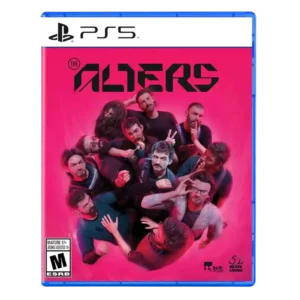
World-building was praised for its strange sci-fi setting, cultural detail, and labor/corporate themes.
Pros: controls responsiveness, onboarding experience
Cons: crash stability, grind level
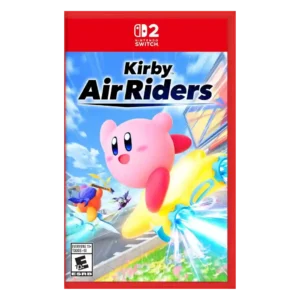
World-building was praised through Road Trip's cosmic tale spanning the Kirby universe.
Pros: flying mechanics, exploration quality
Cons: AI behavior, boss design

World-building was praised for immersive, explorable worlds built from the protagonists’ imaginations.
Pros: puzzle design, level design
Cons: exploration quality, side character depth
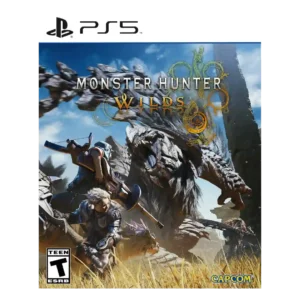
World-building was strongly praised for living ecosystems, cultural detail, and a breathing world that supported the Monster Hunter fantasy.
Pros: art direction, cross-play support
Cons: dialogue quality, monetization fairness

World-building was widely praised for its nostalgic 1990s setting, memory framing, and believable sense of place.
Pros: character roster, animation quality
Cons: core gameplay loop, polish
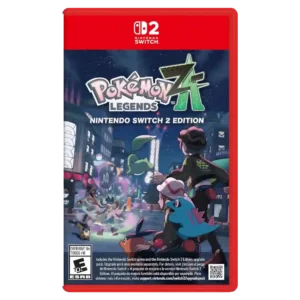
World-building was a strength for many reviewers, especially around Lumiose's civic tensions, coexistence themes, and wider Pokémon-world implications.
Pros: crash stability, gameplay mechanics
Cons: AI behavior, monetization fairness
World-building was praised for its lonely, toy-like LEGO spaces and sense of childhood wonder, though one review questioned who built the world.
Pros: writing quality, checkpoint system
Cons: menu usability, user interface design
World-building was a broad strength, with reviewers praising Speranza, map storytelling, lore hooks, and the surface’s lived-in detail despite some dissent.
Pros: frame rate stability, platform-specific feature support
Cons: voice acting, writing quality

World-building gets positive notice for shaping factions, locations, and the Dungeon & Fighter setting.
Pros: core gameplay loop, controls responsiveness
Cons: mission design, learning curve

World-building is supported by Episodes of South Town's character/world focus and city context, though it is not presented as a full exploration game.
Pros: emotional impact, animation quality
Cons: enemy variety, server reliability

World-building is praised as bizarre, imaginative, and distinctive, though one review criticized gaps in cultural representation.
Pros: animation quality, facial animations
Cons: quest design, AI behavior
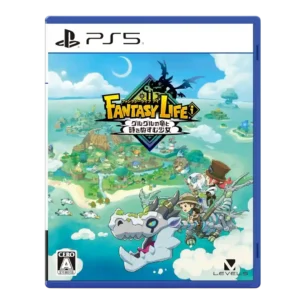
The time-travel fantasy setup and ancient culture give the world more substance than many cozy life sims.
Pros: load times, crash stability
Cons: originality, voice acting
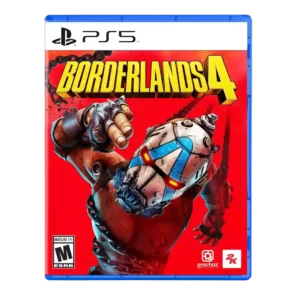
World-building is moderately positive, with Kairos and the franchise lore described as broader and more connected, though not always fully realized.
Pros: sandbox freedom, art direction
Cons: polish, save system reliability

World-building is mixed-to-positive: Ezo’s culture and social context are compelling, but some reviewers wanted broader supporting context.
Pros: movement feel, environmental detail
Cons: puzzle design, age appropriateness
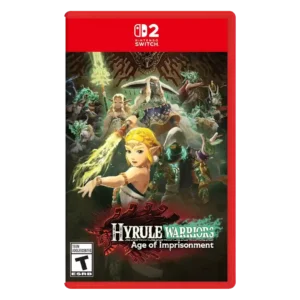
World-building was mixed, praised as meaningful Zelda history while some reviews said ancient Hyrule felt insufficiently distinct.
Pros: animation quality, multiplayer design
Cons: save system reliability, companion AI
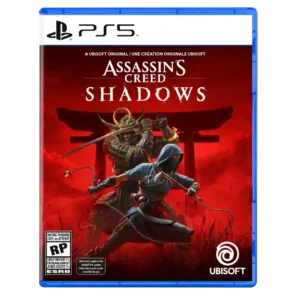
World-building is mixed, with praise for bringing townsfolk reactions and Japan to life but criticism of weak characters and dull storylines.
Pros: environmental detail, cross-save support
Cons: writing quality, enemy variety
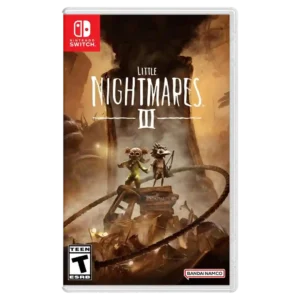
World-building was mixed, with praise for a compelling or aesthetically told world but criticism that it lacked context or misunderstood the series’ mystery.
Pros: load times, haptic feedback integration
Cons: save system reliability, aiming precision

World-building is weak in the evidence that explicitly says not to expect captivating world building from the campy action story.
Pros: graphics quality, environmental detail
Cons: bug frequency, dialogue quality
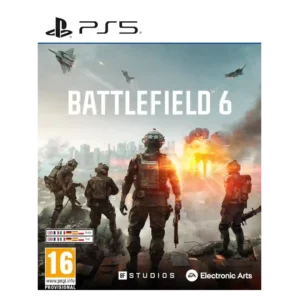
world-building was criticized for shallow context around the conflict.
Pros: haptic feedback integration, performance optimization
Cons: pacing, microtransaction impact
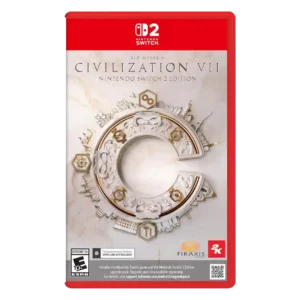
One reviewer criticized VII for weakening the series’ educational and historical identity.
Pros: animation quality, controls responsiveness
Cons: matchmaking quality, user interface design
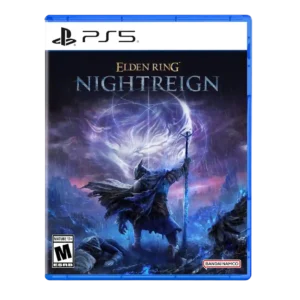
World-building was criticized by one reviewer as sacrificing FromSoftware's usual sense of place.
Pros: emotional impact, visual effects quality
Cons: crash stability, cross-play support