Best for acceleration control
Logitech G502 X Lightspeed
5.0 feature score
Highest scored product for this feature based on supporting review evidence.
Highest scored product for this feature based on supporting review evidence.
Balances feature score, supporting reviews, and overall product strength.
Has the broadest review evidence for this feature.
Strongest overall product among items with scored evidence for this feature.
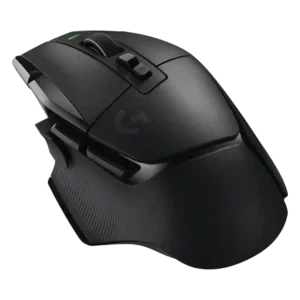
Acceleration control was praised where tested, with multiple reviewers emphasizing zero acceleration, smoothing, or filtering issues.
Pros: click latency, motion consistency
Cons: software stability, cross-platform compatibility
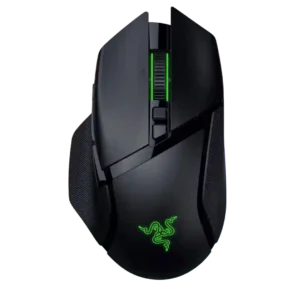
Evidence was positive where reviewers tested unwanted acceleration or jitter control, with one review reporting clean acceleration behavior.
Pros: lift-off distance, motion consistency
Cons: cross-platform compatibility, handedness options
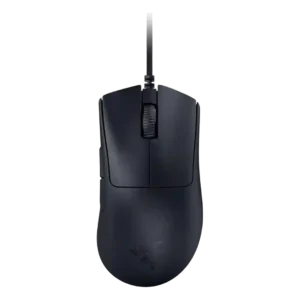
Acceleration-related performance was praised in the broader performance package, with reviewers reporting no concerns and strong online-game responsiveness.
Pros: Accuracy and tracking precision, sensor performance
Cons: handedness options, tilt gesture controls
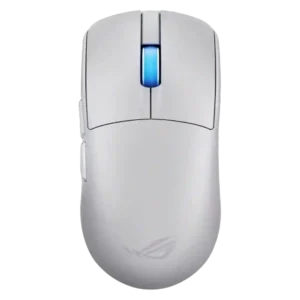
Acceleration control was specifically praised in testing where the reviewer found no jitter, skipping, or unwanted acceleration.
Pros: acceleration control, wireless latency
Cons: onboard memory, MMO gaming suitability
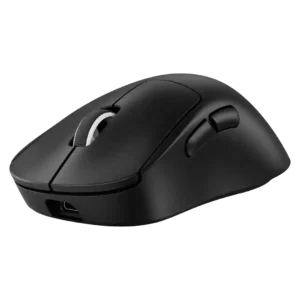
Acceleration control was positively judged where tested, with movement described as consistent and free of acceleration or smoothing.
Pros: motion consistency, acceleration control
Cons: cable flexibility, cross-platform compatibility
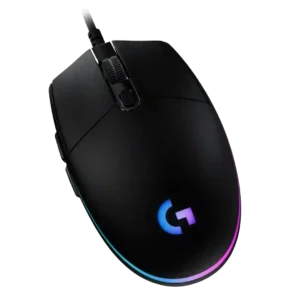
Acceleration control receives limited but strong praise from one reviewer who called the sensor acceleration and response times fantastic.
Pros: acceleration control, dock compatibility
Cons: portability, onboard memory
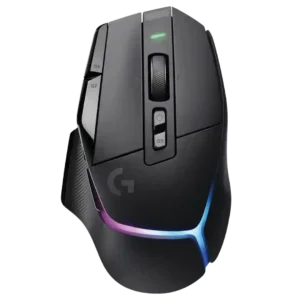
One review praised the lack of smoothing or acceleration, tying it directly to accurate, predictable tracking.
Pros: Accuracy and tracking precision, motion consistency
Cons: handedness options, lift-off distance
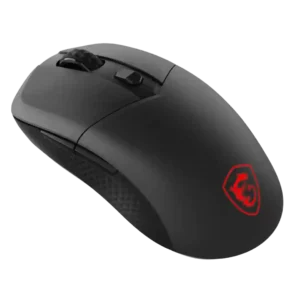
Raw aiming felt clean, with no unwanted acceleration, smoothing, or jitter reported during gaming.
Pros: Accuracy and tracking precision, click latency
Cons: software stability, profile switching
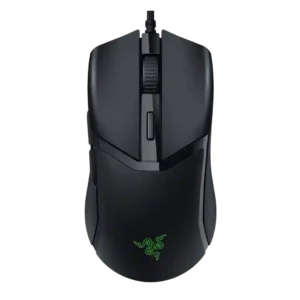
High-speed movement and acceleration did not cause sensor skip in the reviewer evidence.
Pros: Accuracy and tracking precision, motion consistency
Cons: click noise, onboard memory
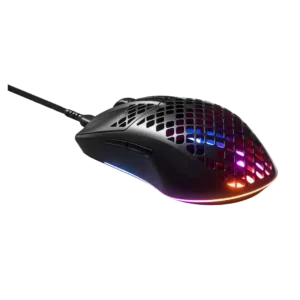
Acceleration control was praised where exact tracking without hardware acceleration was tied to a cleaner gaming feel.
Pros: click latency, acceleration control
Cons: palm grip comfort, onboard memory
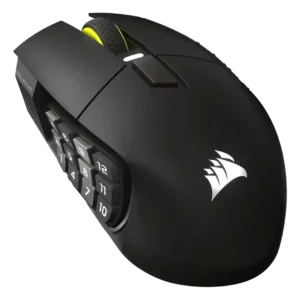
Acceleration was discussed positively where evaluated, with reviewers tying the 50G capability to strong gaming responsiveness.
Pros: click latency, macro support
Cons: firmware reliability, tilt gesture controls
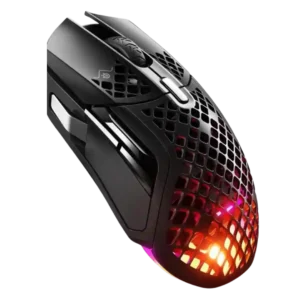
Acceleration-related control was praised where reviewers discussed precise tuning or the sensor avoiding unwanted acceleration.
Pros: motion consistency, connection stability
Cons: weight tuning, fingertip grip comfort
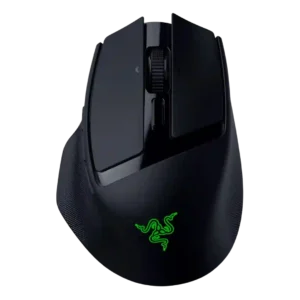
Acceleration behavior was positively assessed through sensor testing that found no unwanted acceleration or jitter.
Pros: ecosystem integration, sensor performance
Cons: AI Prompt Master, durability over time
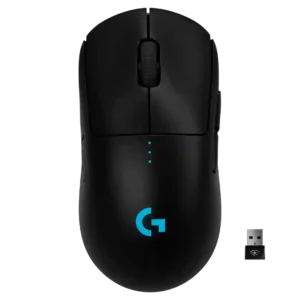
Reviewers who discussed acceleration were positive, repeatedly describing no acceleration or prediction and framing this as part of the sensor's clean competitive tracking.
Pros: polling rate, motion consistency
Cons: MOBA gaming suitability, durability over time
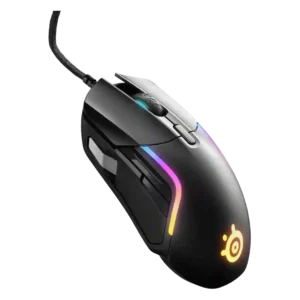
Acceleration-related controls were praised as unusually advanced and useful for fine-tuning, especially through SteelSeries software.
Pros: switch durability, surface compatibility
Cons: weight tuning, portability
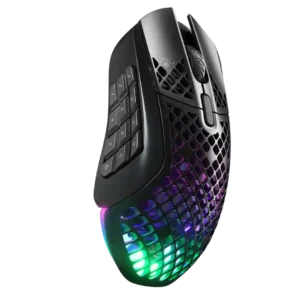
Acceleration control was praised when tested or configurable, including one review that found no unwanted acceleration.
Pros: motion consistency, surface compatibility
Cons: onboard memory, handedness options
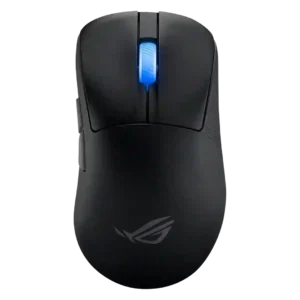
The acceleration spec was only scored where a reviewer connected the 50g capability to confident fast maneuvers in FPS play.
Pros: connection stability, weight
Cons: handedness options, software usability
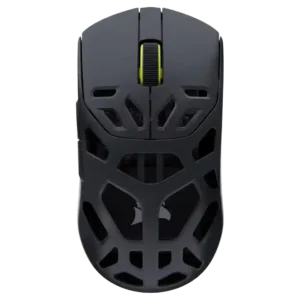
Acceleration handling was supported by hard-flick testing where the sensor was said not to lose its footing.
Pros: Accuracy and tracking precision, click latency
Cons: cable flexibility, ecosystem integration
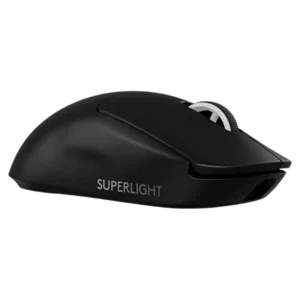
Acceleration feel received direct praise in one review, where the reviewer enjoyed its smoothness in Diablo IV.
Pros: macro support, fingertip grip comfort
Cons: weight tuning, cable flexibility
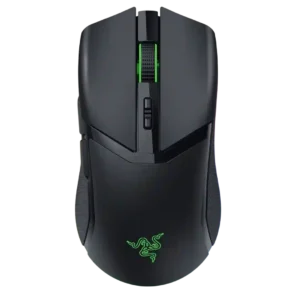
Acceleration capability received one positive performance-oriented mention tying the 70G rating to a high placement on the performance leaderboard.
Pros: motion consistency, sensor performance
Cons: software stability, MMO gaming suitability
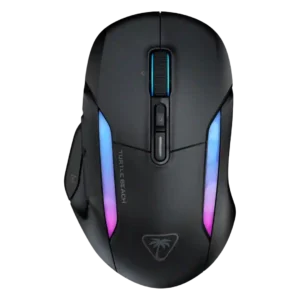
Acceleration control was praised in one review through the mouse's balanced handling, which helped acceleration and stopping feel controlled.
Pros: left and right click quality, software stability
Cons: polling rate, cross-platform compatibility
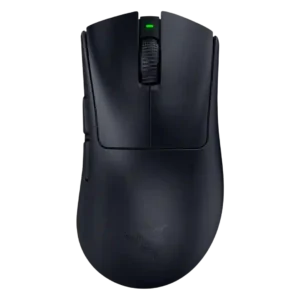
Dynamic sensitivity and acceleration-style controls were often praised as powerful or useful, although some reviewers found them hard to explain or practice-dependent.
Pros: Accuracy and tracking precision, sensor performance
Cons: onboard memory, handedness options
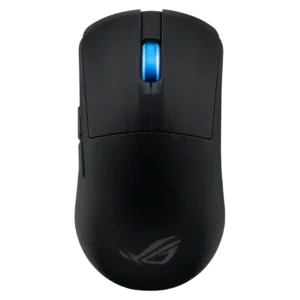
Acceleration behavior was positive in limited evidence, with reviewers saying it felt sufficient or showed zero unwanted acceleration.
Pros: cable flexibility, weight
Cons: software stability, handedness options
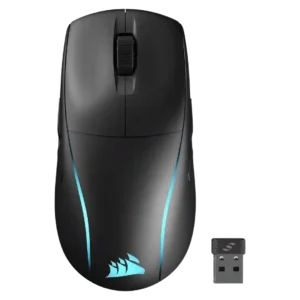
Acceleration handling was judged more than sufficient, with reviewers saying rapid movements were tracked accurately.
Pros: handedness options, Accuracy and tracking precision
Cons: tilt gesture controls, software stability
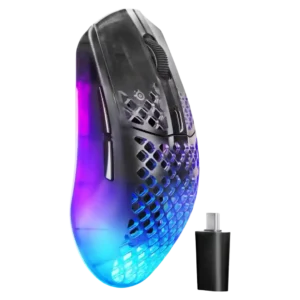
Acceleration and precision controls were viewed as useful advanced tuning options, especially for players who want movement behavior matched to their style.
Pros: click latency, motion consistency
Cons: palm grip comfort, fingertip grip comfort

Dynamic sensitivity, rotation, and acceleration-style controls were valued by advanced users, but some reviewers framed them as niche tuning tools.
Pros: balance and weight distribution, build quality
Cons: dock compatibility, Bluetooth support
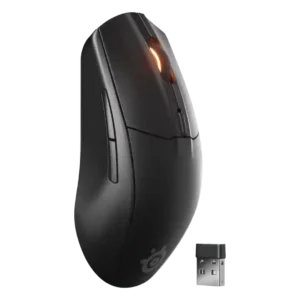
SteelSeries GG was praised for offering unusually broad tuning, including acceleration and deceleration controls, especially for a budget mouse.
Pros: build quality, ergonomic design
Cons: handedness options, RGB features
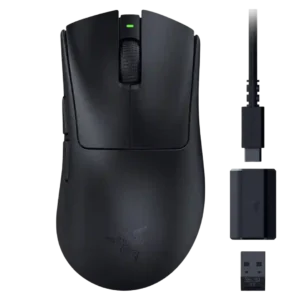
Dynamic Sensitivity was widely treated as useful for low-sensitivity FPS play and quick turns, though a few reviewers called it niche, unnatural, or gimmicky.
Pros: click latency, motion consistency
Cons: handedness options, Bluetooth support
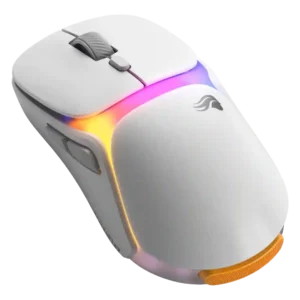
Acceleration headroom was viewed as sufficient for extreme human movement, though it was not a central review theme.
Pros: battery life, programmable buttons
Cons: software stability, firmware reliability
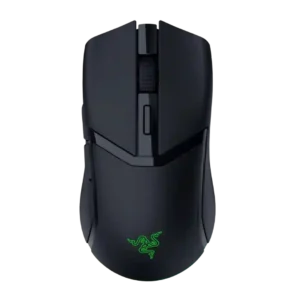
Acceleration and speed were described as good, though not at the level of Razer's flagship models.
Pros: 2.4GHz connectivity, surface compatibility
Cons: click noise, software stability
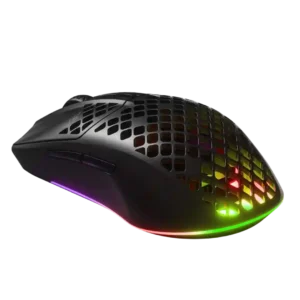
One reviewer found acceleration and deceleration behavior well controlled.
Pros: Accuracy and tracking precision, surface compatibility
Cons: firmware reliability, palm grip comfort
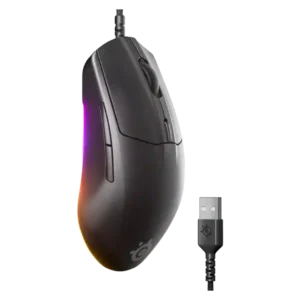
Acceleration settings were considered easy to understand in SteelSeries GG, with clear graphs and sliders.
Pros: connection stability, left and right click quality
Cons: palm grip comfort, profile switching
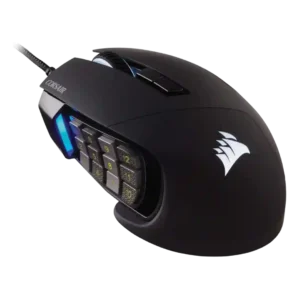
Acceleration evidence was limited but positive: one reviewer found sensor acceleration behavior within an acceptable range during testing.
Pros: button responsiveness, long-session comfort
Cons: handedness options, switch durability
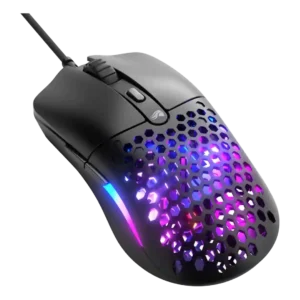
Acceleration capability was treated as acceptable rather than elite: one review said the sensor trails higher-end specs, while another called the acceleration figure decent but unexceptional.
Pros: value for money, click latency
Cons: water and dust resistance, cable flexibility
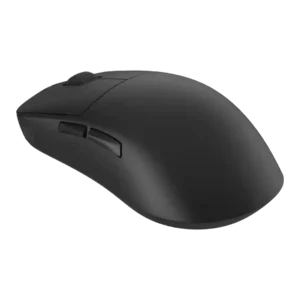
Evidence is mixed: one review found acceleration-related software behavior jarring, while another felt the mouse’s acceleration rating was more than sufficient.
Pros: durability over time, sensor performance
Cons: MMO gaming suitability, surface compatibility
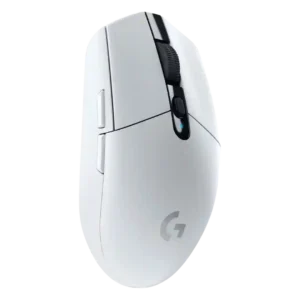
Advanced acceleration-related tuning was a weak point because the G305 lacks the kind of sensor adjustment features some competitors offer.
Pros: motion consistency, wireless latency
Cons: Bluetooth support, acceleration control